





 By Natalia Buriy
October 22nd, 2025
BURLINGTON, ON
Canada’s vast geography creates distinct cleaning challenges for homeowners across the country. From the Atlantic coast to the Pacific shore, each region faces unique environmental conditions. These conditions bring specific types of dirt, dust, and allergens into our homes. Understanding these regional differences helps residents maintain cleaner, healthier living spaces.
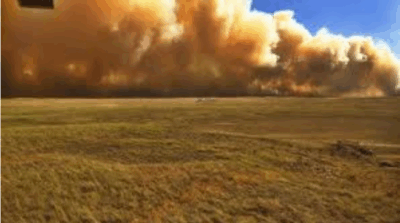
Dust on the prairies.
Climate patterns, local vegetation, and geographical features all influence what accumulates in Canadian homes. Urban environments add their own layer of complexity with industrial pollution and traffic-related particles. Professionals specializing in Calgary house cleaning recognize that prairie dust presents entirely different challenges than coastal humidity or northern winters. Let’s explore how location shapes the cleaning needs of homes across Canada’s diverse landscape.
The Prairie Province Challenge: Calgary and Edmonton
Alberta’s prairie cities face some of Canada’s most demanding cleaning conditions. The region’s famous Chinook winds don’t just bring warm weather. These powerful air currents carry massive amounts of dust and debris. During dry spells, fine prairie dust infiltrates every crack and crevice of homes.
Calgary experiences particularly intense dust storms during spring and fall. The wind picks up dry topsoil from surrounding farmland and construction sites. This dust is incredibly fine, almost powder-like in texture. It settles on every surface within hours of cleaning. Window sills, baseboards, and electronics show visible dust accumulation daily.
Edmonton faces similar challenges with an added twist. The city’s river valley creates unique wind patterns that swirl dust and pollen through neighborhoods. Spring brings cottonwood fluff that blankets outdoor spaces and finds its way indoors. This fluffy material combines with dust to create stubborn buildup on screens and vents.
Winter in prairie cities introduces different problems. Road salt and sand tracked indoors create gritty residue on floors. The extreme temperature fluctuations cause condensation on windows. This moisture combines with dust to form muddy streaks that require special cleaning attention.
Vancouver’s Moisture and Mold Concerns
British Columbia’s coastal climate presents opposite challenges from the prairies. Vancouver receives substantial rainfall throughout the year. This constant moisture creates perfect conditions for mold and mildew growth. Bathrooms, basements, and poorly ventilated areas become breeding grounds for these organisms.
The city’s mild, wet winters mean homes rarely get the drying effect of prairie cold snaps. Humidity levels inside homes stay elevated for months. This moisture attracts dust mites, which thrive in damp environments. Bedding, upholstery, and carpets harbor these microscopic pests in higher concentrations than drier climates.

Vancouver knows how to handle rain.
Vancouver’s lush vegetation contributes significant pollen during spring and summer. Cedar, alder, and grass pollens infiltrate homes through open windows and on clothing. The moisture in the air causes pollen to stick to surfaces rather than settling loosely like in dry climates. This makes removal more difficult and time-consuming.
Coastal air also carries salt particles that settle on windows and exterior surfaces. These particles attract and hold moisture, creating spots and streaks. The salt accelerates corrosion of metal fixtures and hardware. Regular cleaning becomes essential to prevent permanent damage.
Toronto’s Urban Pollution and Seasonal Extremes
Canada’s largest city combines urban pollution with dramatic seasonal changes. Toronto’s dense traffic produces exhaust particles that settle on everything. This black, oily residue coats windows, sills, and outdoor furniture. It requires stronger cleaning solutions than simple dust.

Leaves are something children play in – cleaning up is something else.
The city’s proximity to Lake Ontario creates high humidity during the summer months. This humid air carries industrial pollutants from manufacturing areas. These particles combine with moisture to form sticky grime that’s particularly stubborn. Kitchen surfaces and bathroom fixtures show buildup quickly despite regular cleaning.
Toronto experiences true four-season weather with its own cleaning implications. Spring brings tree pollen from the city’s extensive urban forest. Maple, oak, and birch trees release allergenic pollen that coats cars and infiltrates homes. Summer humidity allows mold growth in air conditioning systems and damp basements.
Fall leaf debris creates outdoor messes that get tracked indoors constantly. Winter brings the double challenge of road salt and ice-melting chemicals. These substances leave white, crusty residue on floors and carpets. They also damage hardwood finishes if not cleaned promptly and properly.
Montreal’s Winter Salt and Construction Dust
Quebec’s largest city battles unique cleaning challenges tied to its harsh winters and constant construction. Montreal uses enormous amounts of road salt and abrasive materials during the winter months. Residents track this into homes on shoes and boots. The volume of these materials exceeds what most other Canadian cities experience.
The salt doesn’t just dirty floors. It creates a chemical residue that damages hardwood, tile grout, and stone surfaces. White, crusty buildup appears along baseboards and entryways. This requires specific cleaning approaches to remove without causing further damage.
Montreal’s infrastructure renewal means construction dust is nearly constant in many neighborhoods. Concrete dust from roadwork and building projects settles on homes blocks away from the actual sites. This dust is particularly fine and alkaline. It requires specialized cleaning to avoid scratching surfaces or leaving hazy films.
The city’s older housing stock presents additional challenges. Many buildings have aging ventilation systems that circulate dust inefficiently. Historic homes with original plaster walls generate fine dust as materials age. These factors combine to create higher dust levels than in newer construction in other cities.
Winnipeg’s Extreme Temperature Swings

Winter cold creates unique street cleaning demands.
Manitoba’s capital endures Canada’s most extreme temperature variations. Summer heat and winter cold create unique cleaning demands. The dramatic temperature swings cause significant condensation issues. Windows develop ice buildup in winter that melts and drips when indoor heat rises.
Winnipeg’s position at the convergence of prairie winds means dust storms rival those in Alberta. However, the Red River valley adds clay-based soil to the mix. This heavier dust doesn’t stay airborne as long but creates thicker deposits. It’s harder to remove from fabrics and carpets than lighter prairie dust.
Spring flooding concerns mean many Winnipeg homes have sump pumps and dehumidifiers running regularly. These systems help prevent water damage but require maintenance and cleaning themselves. Basement moisture issues demand vigilant mold prevention through consistent cleaning routines.
The city’s mosquito population, among Canada’s largest, means screens and window frames need regular attention. Dead insects accumulate quickly during the summer months. They attract other pests and create additional cleaning tasks.
Atlantic Canada’s Salt Air and Humidity
Maritime provinces face challenges from ocean proximity. Halifax, Saint John, and St. John’s all deal with salt-laden air. This salty moisture accelerates corrosion and creates sticky residue on surfaces. Windows develop salt film that attracts dirt and requires frequent cleaning.

In Halifax, you don’t see the salt air – you feel it and you breathe it.
Atlantic humidity levels stay high year-round. Mold and mildew growth happens faster than in continental climates. Closets, bathrooms, and basements need aggressive moisture control. Dehumidifiers run constantly, but proper cleaning remains essential to prevent fungal growth.
Coastal storms bring additional cleaning challenges. High winds drive rain horizontally, finding gaps around windows and doors. This creates water infiltration issues that demand immediate attention. Storm debris includes sand, seaweed, and salt spray that coat exterior surfaces.
The region’s older housing stock often lacks modern ventilation systems. This means moisture and odors linger longer than in newer homes. Traditional cleaning methods must be supplemented with improved air circulation and moisture management.
Adapting Your Cleaning Strategy
Recognizing your region’s specific challenges allows for targeted cleaning approaches. Prairie residents need strategies for managing constant dust infiltration. Daily dusting and frequent filter changes become essential rather than optional. Sealing gaps around windows and doors reduces but doesn’t eliminate dust entry.
Coastal residents must prioritize moisture control and mold prevention. Regular deep cleaning of bathrooms and basements prevents minor issues from becoming major problems. Dehumidifiers help, but they work best combined with consistent surface cleaning.
Urban residents in Toronto and Montreal benefit from focusing on pollution-related grime. Heavy-duty cleaning solutions work better than mild alternatives for traffic residue. Frequent window cleaning maintains visibility and prevents permanent staining.
Professional Solutions for Regional Challenges
Every Canadian region presents unique cleaning obstacles that test homeowners’ abilities. Sometimes the combination of climate, environment, and lifestyle creates situations beyond typical household cleaning capabilities. Professional cleaning services understand regional differences and adapt their methods accordingly.
Double Clean professionals recognize that effective cleaning strategies must match local environmental conditions. They use appropriate techniques and products for each region’s specific challenges. Whether battling prairie dust, coastal moisture, or urban pollution, experienced cleaners deliver results that protect your home and improve your living environment throughout Canada’s diverse climate zones.

Discover more from Burlington Gazette - Local News, Politics, Community
Subscribe to get the latest posts sent to your email.
