




 By Diane Furlong
July 22nd, 2024
BURLINGTON, ON
The buying and selling of stocks, shares and bonds between financial traders has been a fundamental facet of our societies for centuries, with the concept of financial exchanges dating back to the Venetian golden age of the late Middle Ages. As history has progressed, stock exchanges have played an increasingly vital role in global mechanics, operating as the backbone of our global economy. However, despite the obvious importance of stocks, many of us know very little about what they are, how they work, and their real money value. Let’s take a more comprehensive look at these powerful economic entities.
What Are Stocks?

A share certificate in the Ford Motor Company which is a public corporation whose shares are traded on the NYSE.
Simply put, stocks represent the ownership of a fraction of a company. Otherwise known as shares or equity, the purchase of a stock provides the buyer a piece of that company. This allows the owner of the stock to claim a portion of any assets or earnings resulting from the company’s success. For the company, issuing stocks helps to raise capital for their operations allowing them to grow. This symbiotic relationship between company and stockholder is fundamental to our global economic model. Stocks can be divided into two distinct types, common and preferred. Common stocks are the most widely held stocks, providing the owner a vote in shareholder meetings as well as a portion of company dividends. Contrastingly, preferred stocks provide the owner a greater share of the dividends but without any voting rights. The procurement of stocks is seen by many as an opportunity for financial gain, hoping to sell their stocks for a higher price over time while taking in the dividends in the meantime.
What Affects Stock Value?
Firstly, there are a number of different ways in which stocks can be valued. A stock can be valued based on the value of the company using its financial accounts – this is referred to as its book value. However, when purchasing stock many brokers use the market value which is driven by supply and demand and is the actual price of the stock on the market. Alternatively, some may use the intrinsic value which is seen as the true value of the stock based upon detailed financial analysis. Depending on the procurement in play, brokers may take all three valuations into account.

The floor of the New York Stock exchange where the public value of a company is determined. Traders do the actual trading between the different brokerages. You as an investor work with your broker.
These values are determined by a number of different factors. The economic performance of the company is a key factor in determining the value of its stocks. High sales, new product launches or increased brand exposure can lead to improved financial health of a company which in turn improves its market value. External factors can also significantly affect stock value. Global events such as the COVID-19 pandemic, international conflicts and natural disasters all have an effect on the markets which can results in stocks values to rise or fall. Periods of recession often lead to stock prices to fall while periods of economic recovery can see prices rise again.
Calculating the Real Money Value
Considering this, how do investors determine the real money value of different stocks? By using certain financial ratios, they are able to make informed decisions on where and when to put their money on the table. The price-to-earnings (P/E) ratio, compares the company’s current share price to its earnings per share (EPS). A high P/E ratio indicates that investors expect a high growth potential from the stock in the future even if current earnings are low. The price-to-book ratio (P/B) compares a company’s market value to its book value and is a conservative approach often used in mature industries with a reduced growth potential. This ratio essentially assesses the market value of the company based on its actual worth, making it a useful method for understanding whether a company is under or overvalued. An alternative way of assessing the value of a stock is its dividend yield. While the other two ratios are ideal for assessing potential profits from sales of stocks, understanding how much in dividends you will receive for the price of the stock is a great tool if you want to keep hold of stocks for regular payments. When looking at dividend yields, ensuring the long-term sustainability of their output is key.
Buying and Selling Stocks
Once a stock has been valued using the above methods, investors must then purchase these stocks at centralized locations known as stock exchanges. Stock exchanges such as the NASDAQ and S&P 500 provide investors with a platform to buy and sell stocks in some of the largest companies across all sectors including healthcare, entertainment and technology. While anyone can buy stocks, they must first open a brokerage account in order to access the various stock exchanges. Once the account is set up, funds can be added to the account and orders on stocks can be placed.
Remember the Risk
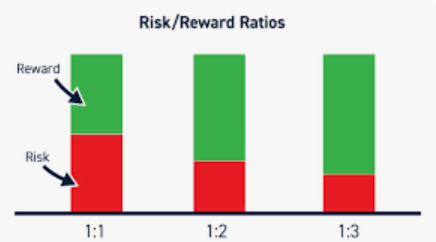
Every investor needs to understand their own risk tolerance. How much risk are you prepared to take? It is a very personal number you need to think about.
It is important to understand that buying stocks is not a guaranteed money maker and so being aware of the risks involved is vital. Buying stocks can be likened to placing bets on online casinos, with the best real money online casinos in Canada available at Onlinecasino.ca. Stocks with a high probability of success will often provide a low return, while volatile stocks with a low probability of success could provide huge profits – although the chance of losses is also higher. Ultimately, purchasing stocks is a gamble, so significant research should be done to ensure that the right stocks are bought at the right price. Additionally, there is also a risk of a total market collapse such as that seen during the 2008 financial disaster. This effects the value of all stocks and can lead to severe losses from investments.
Understanding stocks is a great way to both increase your financial situation and to better understand the cogs that the run the world that we live in. A combination of knowledge, research and strategy is essential for success in the stock exchange however the details of this article are only the tip of the iceberg. It is vital to be aware of the complexities of our economic system and remember where there is reward, there is risk.

Discover more from Burlington Gazette - Local News, Politics, Community
Subscribe to get the latest posts sent to your email.
