




 By James Dixon
October 20th, 2025
BURLINGTON, ON

Pace is simply how many possessions a team creates in a game.
Totals look mysterious until pace enters the conversation. Pace is simply how many possessions a team creates in a game. More possessions mean more shots, more free throws, more points. Fewer possessions compress everything, so each miss hurts the scoreboard. Understand pace, and totals start to read like a story rather than a riddle.
Context matters for casino games just as it does for scouting. A smart read connects how fast teams move, how quickly shots fire, and how many second chances appear on the glass. With a few clean cues, totals stop feeling random and start feeling predictable enough to make calm decisions instead of hot guesses.
What Pace Really Means On The Court
Every trip up the floor counts as a possession. Add them up, and a game’s tempo appears. Teams that push after rebounds, hunt early threes, and press full court inflate the count. Teams that walk the ball up, milk the clock, and pound half court sets drain it. Books watch this closely, so the edge lives in spotting tempo shifts before the line reacts.
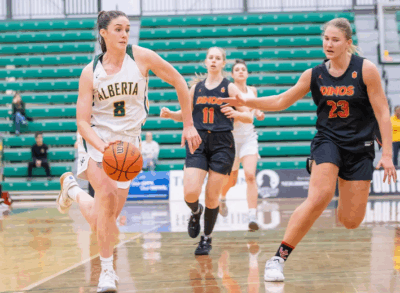
The trick is reading both tempo and shot quality.
Pace does not exist alone. Efficiency decides how many of those possessions turn into points. A fast game with cold shooting can still land under. A slow game with perfect spacing and free throws can sneak over. The trick is reading both tempo and shot quality, then weighing fatigue, travel, and matchups.
Quick Signals For Game Speed
- Early-clock decisions
Teams that shoot in the first eight seconds after a rebound create extra trips. Look for wings sprinting to corners and a trailing big who sets a fast drag screen. - Defensive style
Full court pressure and trapping force turnovers, which become layups. Switch-heavy half court schemes slow decisions and push late-clock floaters. - Glass and run
Strong defensive rebounding ends possessions cleanly and ignites breaks. Weak glass creates long scrums and resets that eat time. - Bench rotation
Deep benches keep legs fresh and tempos high. Short benches in thin weeks often protect pace to avoid foul trouble. - Referee profile
Crews that call tight hand checks inflate free throws and stop the clock, which can lift totals even when pace is only moderate.
How Books Build A Total
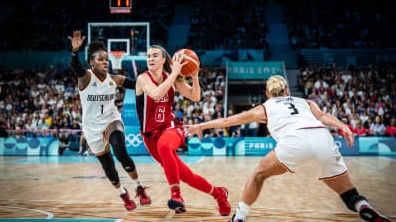
Shooting luck corrects over time.
Oddsmakers blend recent pace, season-long efficiency, injuries, and travel. Back-to-backs, altitude, and time zones sneak into the number. Totals then move with lineup news and early action. The public often chases the last game’s score without asking why it happened. A better approach looks for repeatable causes: scheme, rotation, schedule, and whistle.
Shooting luck corrects over time. Hot corner threes in one game may regress in the next if the looks came under pressure. Wide open attempts created by driving and kicking tend to persist when the same matchups and spacing return. That distinction separates noise from signal.
Context That Quietly Moves Scores
Travel matters. A team on the last leg of a trip usually shortens rotations and uses longer possessions. Altitude changes breathing and shot legs. Rivalries raise foul counts, which stops the clock and adds free points. Coaching philosophy sets the ceiling. Some staff accept track meets if it unlocks their best shooters. Others insist on controlling tempo even when trailing.
Injuries shift rhythm more than brand names. Losing a point guard downgrades pace and passes, even if a star scorer still plays. Losing a rim runner removes easy early-clock dunks. Watching the first five minutes often reveals whether a backup guard can keep the tempo that the model projected.
Smart Ways To Read Totals
The scoreboard shows points; the floor shows reasons. Track how quickly the ball gets past half court, how early sets trigger, and whether cutters or shooters are waiting in rhythm. For under, look for post touches that require re entries and kick outs, which burn clock. For overs, hunt for lineups that switch everything and surrender clean catch-and-shoot looks.
Simple Rules For Cleaner Decisions
-

Watch the whistle
.Start with possessions, not vibes
Estimate pace from recent games against similar styles. A small change in possessions often makes a bigger difference than a small change in efficiency. - Watch the whistle
Early foul trouble hints at long free throw stretches. No-touch first quarters hint at flow that helps overs through rhythm. - Respect fatigue and benches
Thin rotations slow late. Deep rotations run late. Numbers in the fourth quarter follow legs, not logos. - Beware garbage time traps
Blowouts can kill pace if benches run clock. Close games with late fouls add free points. Score state matters. - Shop and time the number
Totals swing on news and first waves of action. A half point here and there adds up across a season.
Live Reads Without Panic
In play totals update after every whistle. If tempo looks different from pre game expectations, small live positions can make sense. A match that opens with fast second chance attempts and early threes may lift the total quickly. If that speed came from hot shooting on contested looks, caution is wiser. The edge lives in distinguishing sustainable creation from streaks that cool.
Common Mistakes And Easy Fixes
Chasing last week’s 250 point outlier without checking shot quality invites pain. Ignoring travel legs and bench depth turns models into guesswork. Forgetting referee tendencies erases a quiet advantage. Simple fixes help. Keep a short log of pace, free throws, bench minutes, and first quarter tempo. Revisit it on the next matchup. Patterns repeat when people and schemes stay the same.
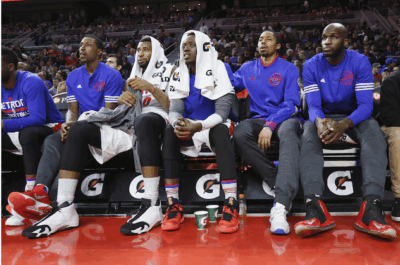
Watch the benches.
Bottom Line
Totals become understandable when possessions meet efficiency inside real life context. Read how fast the teams want to play, how clean the looks are, and how the whistle behaves. Watch benches and travel, not just stars. With that lens, numbers on the board start to reflect choices on the floor, and decisions can stay calm, simple, and repeatable.

Discover more from Burlington Gazette - Local News, Politics, Community
Subscribe to get the latest posts sent to your email.
