




 By Milan Welsch
October 20th, 2025
BURLINGTON, ON
If you’ve tuned into a Maple Leafs game lately, you’ve probably spotted them. Hockey nights in Canada have started to sound different. Between periods, during timeouts, and even after the final whistle, betting ads have become part of the soundtrack.
The surge is especially visible during high-profile broadcasts, where betting logos appear on rink boards, commentary segments, and pre-game sponsorships. That steady drumbeat is now prompting action.
Federal Action on the Horizon
Bill S-211, currently being studied by a Senate committee, would create national rules for how betting companies advertise during live sports.

Some feel this level of advertising is a little over the top.
The proposal aims to set limits on how often ads can appear during games, where they can be placed, and whether public figures can promote gambling brands. In practice, it would bring gambling promotions under similar restrictions to alcohol and tobacco advertising.
The bill’s sponsor, Senator Marty Deacon, framed the issue plainly during committee hearings: “Today in Canada, it is impossible to watch a sporting event without being encouraged to gamble.”
Supporters of the bill say the constant stream of betting messages has made it difficult to watch sports without being encouraged to gamble. They argue that national rules are needed to reduce pressure on viewers and protect vulnerable players.
Ontario’s Regulatory Lead
While the federal debate continues, Ontario has already built much of what the bill envisions. Since launching its regulated iGaming market in April 2022, the province has created Canada’s most comprehensive online gambling system.

iGaming Ontario (iGO), fully independent
More than 75 licensed operators now operate under iGaming Ontario (iGO), which became fully independent from the Alcohol and Gaming Commission of Ontario in May 2025 after the passage of the iGaming Ontario Act.
Ontario’s licensed online casinos and sportsbooks all follow the same strict standards. Every operator must have its games independently tested for fairness, protect player data through strong cybersecurity requirements, and include built-in responsible gambling tools.
Players can set deposit limits before they start, receive reminders about how long they’ve been playing, or lock their accounts entirely through self-exclusion programs.
Advertising is also regulated. Under AGCO guidelines, operators must avoid misleading claims, clearly disclose terms, and refrain from aggressive or misleading messaging.
For players, that means transparency and control. For operators, it creates clear expectations and accountability. For regulators, it delivers an adaptable structure that can evolve as the market grows.
In provinces without similar oversight, players often rely on lottery sites or offshore platforms with little protection or recourse. That lack of oversight leaves players exposed to unfair games, weak data security, and unclear complaint processes. Without regulated standards, there’s no guarantee their money or information is safe.
From Parlays to Single-Event Betting
Canada’s gambling landscape changed in 2021 when federal law began allowing single-event sports betting. Before that, players could only place parlays, betting on several outcomes at once. Ontario moved quickly to launch a regulated market, giving players the option to bet on individual games through licensed platforms.
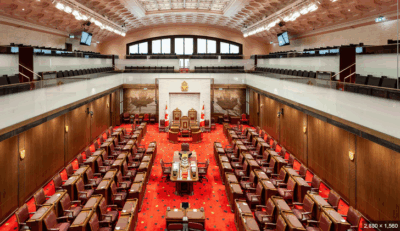
The Canadian Senate; whatever comes out of the Senate will likely be passed by the House of Commons.
The shift made legal sports betting mainstream and drew new attention to how it’s advertised. For Ontario players, imagine watching a Maple Leafs game and seeing a new gambling ad every 30 seconds. This increased visibility can create pressure to place bets, often before regulations fully control how and when those promotions appear.
Why Federal Reform Still Matters
Ontario’s regulated market is well-established, but across Canada, rules vary widely. Advertising created for Ontario’s licensed operators often reaches audiences in provinces without regulated iGaming, raising questions about legality and consumer protection.
Bill S-211 aims to create national standards for sports betting advertising, including limits on frequency, placement, and the use of celebrity endorsements.
That said, the path forward remains uncertain. While the Senate has historically supported similar legislation, progress in the House of Commons can be delayed by elections or shifting political priorities.
Implementation will also depend on how provinces, including Alberta, introduce their own regulated markets.
What the Bill Would Change
If enacted, Bill S-211 would reduce ad frequency during live sports to limit saturation, ban celebrity and athlete endorsements following precedents from alcohol and tobacco regulation, and create a uniform national framework for gambling marketing standards.
For Ontario, these measures would largely reinforce existing policies. For other provinces, they could serve as a foundation for future iGaming development and bring markets into closer alignment with Ontario’s standards.

Wayne Gretzky, one of the most popular Canadian hockey players – until he joined an American team.
If enacted, Bill S-211 would:
- Reduce ad frequency during live sports to limit saturation
- Ban celebrity and athlete endorsements, following precedents from alcohol and tobacco regulation
- Create a uniform national framework for gambling marketing standards
For Ontario, these measures would largely reinforce existing policies. For other provinces, they could serve as a foundation for future iGaming development.
Ontario’s Current Protections
Ontario’s system already includes:
- Independent third-party testing to ensure fairness and transparency
- Mandatory responsible gambling tools across all licensed platforms
- Advertising and content standards enforced by the AGCO
- Data and payment protections that secure player information
- Accessible complaint and dispute-resolution processes
These rules give players a way to resolve problems, something not possible on offshore sites without Canadian oversight.
The Bigger Picture
Canada’s gambling landscape is shifting from a patchwork of provincial rules toward a system that puts players first. A federal framework could bring Ontario’s benchmarking to the rest of the country, making sure players everywhere know what’s safe and what’s not.
It gives bettors confidence and peace of mind. Operators and investors gain clarity and consistency in the rules. Regulators get the tools to ensure the system works effectively in practice, not just on paper.

Ontario has been a leader in the gaming industry almost from the day it started. At this point it is the most trusted jurisdiction in the world.
The Senate committee is expected to conclude hearings later this year before a full vote. If Bill S-211 passes, it will move to the House of Commons, where its progress will depend on parliamentary timing and political priorities.
Meanwhile, Ontario continues to refine its own rules. iGaming Ontario’s independence allows faster responses to market changes, new technologies, and emerging consumer risks.
As advertising rules tighten and new markets emerge, the test for regulators will be whether players can enjoy the convenience of online betting without feeling constantly sold to.

Discover more from Burlington Gazette - Local News, Politics, Community
Subscribe to get the latest posts sent to your email.
