




 By Gazette Staff
April 19th, 2026
BURLINGTON, ON
Focus Burlington published an excellent piece on how people decide to vote for.

Stephen White
Stephen White uses data from the 2018 election to show what vote splitting did during that election. There is a lesson here for the people in Burlington who take the time to vote.
We are less than two weeks out from the opening of candidates filing their nomination papers to run in October’s municipal election. Across the city, there have been rumblings of various candidates considering running for elected office.
Challengers in an election need an appreciation of three key factors. First, the duties and time commitment involved in being a councillor or mayor. Second, the effort required to mount a credible campaign. Finally, a realistic appraisal of their chances of success.
In a previous article, I wrote about what it would take to mount a successful campaign. Realistically, to have a legitimate chance of winning a council seat, one would need to raise at least $10K and have a team of 10-15 dedicated volunteers for canvassing, literature drop-offs, and other activities. For the mayor’s office, you can probably multiply these numbers by a factor of at least three to five.
The Devil is in the Details
The truth is that incumbents in this city often owe much of their electoral success to vote splitting. Vote splitting occurs when multiple candidates opposed to the incumbent’s platform and candidacy decide to run individually. For those seeking a change, the results don’t always bode positively.
Think back to 2018. The previous mayor and council had caused widespread dismay throughout the city. Voters were angry and on edge over a number of issues, ranging from intensification to traffic. There were no acclamations that year, and multiple challengers in many wards.
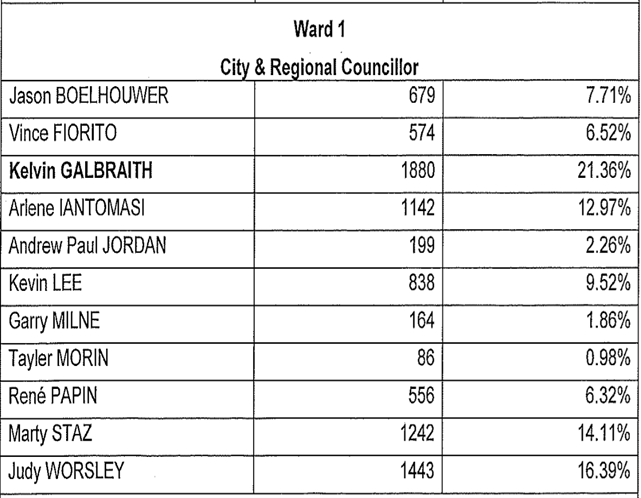
Ward 1 presented the most telling example of a council race with far too many candidates. In a crowded electoral field of eleven candidates, the incumbent won with just over 21% of the vote. 7 of the 11 candidates garnered less than 10% of the popular vote.
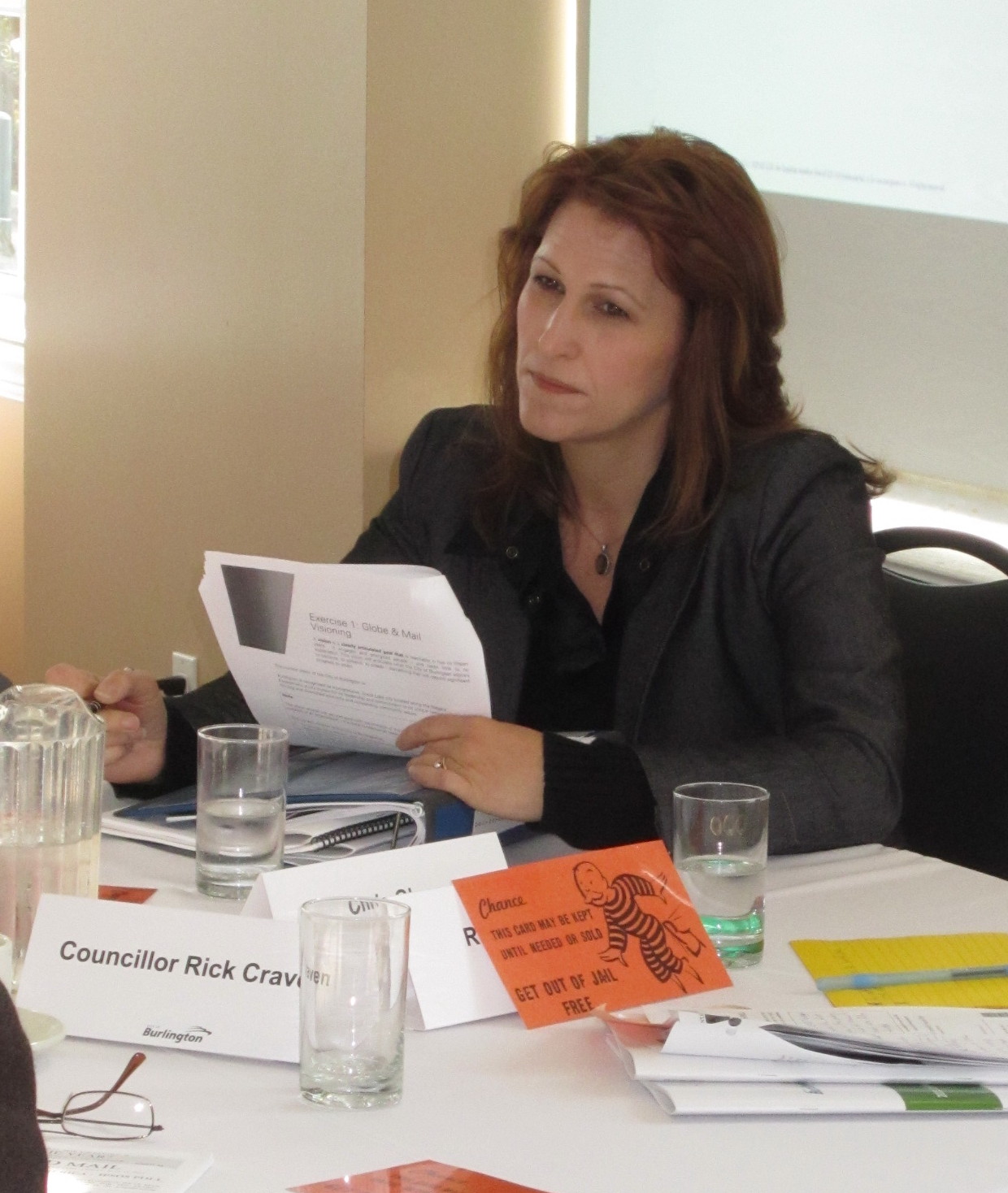
Ward 5 was another interesting race. The major issue in that campaign was the proposed redevelopment of the Lakeside Village Shopping Plaza. There were four candidates challenging the incumbent. Paul Sharman edged out his closest opponent, Wendy Moraghan, by only six percentage points. Had one or two other candidates not run, the final result would likely have been much different.
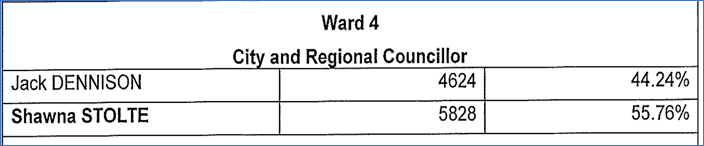
The Ward 4 results from that year highlight what happens when a community consolidates behind one opponent, and there is a clear choice between the incumbent and his/her challenger.
How to Avoid Vote Splitting
Clearly, vote splitting favours incumbents. However, for residents considering running for municipal office, how can they avoid vote splitting? Here are some options.
First, nominations open May 1st. By the end of August, they will close. At that point, the slate of candidates for each ward is set. If multiple candidates are running against the incumbent, those with similar philosophies and approaches should meet to realistically assess their prospects of success. As mentioned, if even one candidate in Ward 5 had done this in 2018, the results would likely have been considerably different.
Second, brand identification, visibility, and profile are necessary to mount an effective campaign. For example, if you had three candidates with aligned philosophies who are challenging an incumbent, but two have no visible public profile, limited prior community involvement, inadequate funding and only nominal support, then they should “take one for the team”, exit the race, and throw their support to the sole remaining contender. The candidate with the most funds and volunteers has a greater chance of success than those without.
Third, in order to evaluate their level of support, candidates should consider this. There are 122 days between May 1st and August 31st. According to the 2021 Census, there are approximately 73,180 households in Burlington. That works out to between 10,000 and 14,000 per ward. Assuming a candidate filed their nomination papers early and their campaign team spent a reasonable amount of time campaigning (e.g., 5 days per week, 8 hours per day), one would realistically expect they could knock on 200 homes per day and probably 1,000 per week. In a ten to fourteen-week stretch, they could probably reach every household in the ward at least once.
If, by the end of August, a candidate hasn’t commenced canvassing, it isn’t impossible to get up to speed. However, by the time they start canvassing, their opponents who entered the race early have already finished their first canvass and may be initiating a second. Is it realistic to think a late entrant can catch up? Maybe. Maybe not.
The Early Bird Usually Catches the Worm
Truly, those late to the game are at a competitive disadvantage. If they are committed to running, then get in early. If not, then recognize the need for a massive infusion of resources and funding in a much shorter timeframe to overcome their opponent’s lead.
While a social media campaign will secure some brand recognition, understanding that politics is about making a connection is crucial. Often, that comes through personal contact, not by sitting in a home office cranking out another YouTube video or posting a blog.

Discover more from Burlington Gazette - Local News, Politics, Community
Subscribe to get the latest posts sent to your email.

Maybe Rory should run in Ward 2 since he’s lived in this riding most of his tenure as a Ward 3 Council Member. He lives on Bridgeman.
That’s why I always liked.the French system. If you don’t get 50% of the vote there is a run off with the top two competing. So every win is a majority. If there are political parties as in senior level elections it is easier to make deals beforehand than for individuals.
Let’s hope that what happened in 2018 does not repeat itself.
The last thing that should be taking place in Burlington is people running for election whose sole purpose is to split the vote. We have seen this happen in the last Federal Election, where in one case the names of 208 people had to be put on the voting ballot.
Perhaps the answer to avoid this is to make potential candidates pay much more when declaring that they want to run for office.
The Federal Liberal party did this when people were deciding to put their name forward when the party was choosing who would run for leader of the party,.