





 By Hanna Wilson
June 21st, 2026
BURLINGTON, ON
Weddings in Southern Ontario have been taking on a different approach in recent years. Based on the trends we see and follow on social media, couples are increasingly creating wedding events that serve as holistic experiences. It is not just about focusing on one or several elements of the celebration; rather, the goal is to create an organic interconnection between every aspect of the wedding to ensure a sense of fluidity and eliminate any “dead air” or empty gaps.
In this context, every element plays a role—from the color palette, décor, and setting to the couple’s attire, the culinary elements, and—above all—one of the most emotional moments: the couple’s arrival, which plays a fundamental part in the bigger picture. It is this interconnection that makes the difference. If you are reading this article, it is because you are interested in the best practices currently being applied to wedding timeline planning. We are here to help you discover them.
We know that planning your wedding is likely one of the most stressful experiences you will face; we are sharing these tips to help you turn your wedding into a truly unique experience.
The Wedding Itinerary as an “Experience”.

Make your wedding an experience to be remembered: plan for the event.
More couples are turning to professional wedding planners to map out the entire flow of their wedding day. Many planners now refer to this as a “wedding experience itinerary,” a detailed schedule that goes beyond simply listing times and activities. If we add the word “experience” to the equation, then we elevate the concept to a higher level, as it focuses on:
1- Minimizing downtime between key moments to avoid lulls in the celebration.
2- Coordinating photo sessions with natural light to make the most of the setting, whether natural or man-made.
3- Managing guest movement between locations to ensure smooth organization.
4- Guaranteeing a seamless transition between the ceremony and the reception.
Burlington and Oakville are leading the way in this shift.
The growing popularity of venues overlooking Lake Ontario, private estates with natural scenery, and exclusive locations allows for events to unfold in widely diverse settings. It is common to see a traditional ceremony in a Catholic church—or a more modern one in a waterfront garden—followed by a reception in a private banquet hall.
The factor of “mobility”—well understood by local planners—is also crucial; as we know, traffic along the GTA’s western corridor can vary significantly depending on the time of day, the season, and the event’s location. A route that looks short on a map can turn into a delay that disrupts the entire celebration schedule if not properly planned for.
Consequently, couples are paying closer attention than ever to the day’s logistics. The guest experience has become a top priority, as couples realize that the overall impression of a wedding depends not only on décor or the menu but also on comfort, smooth transitions, and the sense that every moment unfolds naturally.
Timing Logistics: The art of coordinating everything without stress.
Planning a perfect wedding in Burlington or Oakville should be considered an art form; it involves far more than simply selecting exceptional vendors. It requires a thorough knowledge of the local geography and the ability to seamlessly manage and time the connections between various locations—mapping out routes, choosing the best schedules, and handling the logistics of moving guests. It means figuring out the fastest ways to travel while avoiding traffic jams and ensuring the day’s timeline runs with maximum efficiency and precision.
Typically, when we envision a wedding, we picture three distinct settings: the “I do” moment by the lake, an editorial-style photo shoot at a private estate, and a sophisticated reception at a dedicated venue. However, it is the transitions between these moments where many itineraries falter; even short-distance travel can pose a massive logistical challenge.
What are the key elements to consider to avoid these stressful situations?
Here are a few crucial ones:
1- Parking capacity and restrictions in busy areas.
2- Logistics for transporting large groups of guests.
3- Tight timeframes for capturing the perfect lighting in photographs.
4- Seasonal traffic fluctuations that can disrupt any schedule.
Planning stress-free transitions means avoiding a sense of rushing when the focus should be on enjoyment. The key lies in designing a logistical plan that works in your favor.
The New Standard in Event Design: Mindful Itineraries in 2026
The evolution of contemporary weddings has moved beyond packed schedules. In 2026, couples recognize that true luxury lies in fluidity, and they are designing their days with deeply realistic time buffers.
Modern planning no longer forces moments; instead, it allows them to coexist in balance. The most successful structures this season rely on three logistical pillars recommended by experts:
- a) Organic transition periods: Strategic pauses between events that eliminate any sense of urgency.
- b) Dedicated logistical blocks: Travel times calculated with ample leeway to safeguard the guest experience.
- a) Balanced pacing: A relaxed rhythm that allows for editorial-style photo sessions without sacrificing the couple’s presence at the reception.
This paradigm shift has transformed the atmosphere of today’s weddings: by mitigating logistical stress, it creates space for both hosts and guests to absorb and enjoy every stage of the day fully.
The Role of Guest Transportation
Almost without realizing it, guest transportation has become a key element of the wedding planning process. Imagine having everything ready for your wedding and then, just as everything is set, you discover that your guests aren’t arriving on time because they are stuck in traffic chaos; while some make it on schedule, others arrive late, throwing off the entire event timeline. What a disaster!

Arranging group transportation from specific pickup points rather than leaving guests to manage their own travel ensures that people are on time.
We recommend arranging group transportation from specific pickup points rather than leaving guests to manage their own travel. It simplifies the journey for guests and spares them the ordeal of the notoriously heavy traffic in the GTA; second—and more importantly—it enables better organization, maximizing attendance and reducing stress, which adds immense value to the overall event experience.
When planning group transportation, the following aspects should be considered:
1- Group transport between the ceremony and the reception
2- Coordination of transfers for out-of-town guests
3- Synchronization of arrival times
4- Ensuring the event proceeds without interruptions
The Psychology of Transportation
To gain expert insight into this aspect, we consulted a company that has been a leader in the wedding limousine business for 25 years. According to Peter Maslanka, CEO of Erin Mills Limousine & Luxury Coaches, there is an inextricable link between guest transportation logistics and the emotional energy of the entire day—a factor often overlooked by couples planning their events.
“The most common mistake when planning a wedding is viewing it merely as an event taking place in beautiful locations, rather than as an integrated system of many moving parts that need room to breathe,” explains Maslanka.
“The day flows effortlessly when transportation runs smoothly; however, we have witnessed how ignoring the schedule can turn a seemingly seamless event into total chaos. When local realities and regional characteristics are disregarded, even the most spectacular event can suddenly feel disjointed and rushed. There is nothing sadder than seeing the frustration or stress on the bride and groom’s faces on their wedding day when things don’t go as they had envisioned.”
To solve the logistical headache of moving large groups without sacrificing style, modern couples are increasingly turning to high-end group transportation solutions.
Based on Erin Mills’ experience, fleet tracking, and booking trends, here are the best options to ensure a smooth transition on the wedding day:
Executive minibuses (24 to 32 passengers): These offer the comfort of a luxury coach but with the agility needed to navigate the streets of Burlington and Oakville easily. They are the ideal choice.
Luxury coaches (up to 45 passengers): Ideal for transporting large groups or out-of-town guests.
Luxury Sprinters: Perfect for transporting smaller groups or immediate family, or for quick transfers for VIP guests; they combine an exclusive design with maximum scheduling flexibility.
Here are some real-life experiences shared by couples online.
On platforms like the r/weddingplanning subreddit, a recurring theme among couples who chose multi-location weddings in the Greater Toronto Area (GTA) is the feeling that their “moment was stolen” due to overly tight schedules.
This is a testimonial from a bride in Oakville whose personal experience perfectly illustrates what we have been discussing throughout this journey:
“We fell in love with a beautiful historic property for our photos, but it was a 25-minute drive from the church. On paper, it seemed like a good idea. In reality, by the time we parked, adjusted my dress, and gathered the wedding party, we only had 15 minutes of actual photo time left before we had to rush off to the reception. Watching the video now, the whole afternoon feels like a blur of us checking our watches and getting in and out of cars. I wish we had considered travel time as just another ‘scene’ of the day, rather than viewing it merely as a gap on a schedule.”
At the other end of the spectrum, we have reviews from couples who opted for more realistic, less rushed timeframes. According to an experience shared on Reddit, a couple from Burlington highlighted the relief of having a well-planned, unhurried day:
“When our wedding planner suggested building in a 45-minute buffer for travel and guest arrivals, we thought it was crazy and worried our guests would get bored; however, the reality was quite the opposite. Our guests arrived at the reception relaxed, with time to grab a drink, socialize, and find their seats without any chaos. We can’t even describe the energy in the air when we made our entrance—it felt like something out of a movie. Everything flowed perfectly.”
If you start viewing your wedding from a cinematic perspective, you will quickly realize that the spaces between key moments matter just as much as the moments themselves; the goal should be to create a fluid, beautiful transition that allows the audience to enjoy the experience.
Conclusion: The True Luxury of a Wedding is Flow
As we have seen, the evolution of weddings—particularly in Southern Ontario—teaches a clear lesson: designing a spectacular event goes beyond choosing the perfect flowers, menu, or attire. The true centerpiece of an unforgettable experience is the peace of mind that comes from knowing time is on your side.
Incorporating photos at various iconic local settings—ranging from natural landscapes to exclusive venues—is a wonderful way to create a memorable day. However, a major pitfall lies in assuming the magic will simply happen on its own during transit; many factors can derail the dream of a perfect experience. The geography and traffic of the GTA’s western corridor are unforgiving to improvised schedules, making detailed planning essential—nothing should be left to chance.
We have also discussed how modern couples are increasingly adopting a “cinematic production” mindset for their weddings. This involves building in intentional “breathing room” and delegating guest transportation to group options like mini-coaches or the ever-popular executive wedding buses. Let’s be honest: this isn’t just another operational expense; it is an investment in the peace of mind you need. It eliminates the friction of hunting for parking, coordinating convoys lost on the QEW, or racing against the setting sun. Most importantly, you are protecting the most valuable asset of your big day: your own ability to enjoy it.
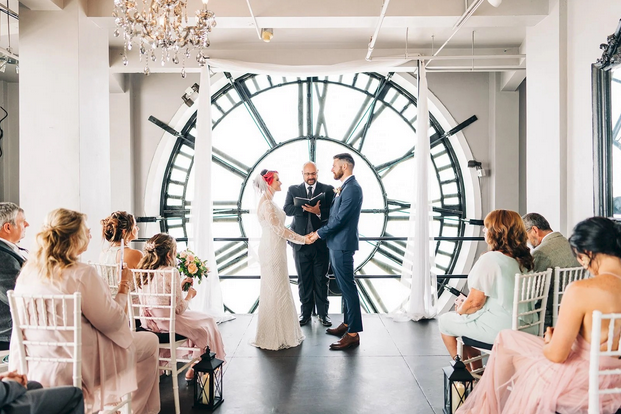
This is what the day is all about. Plan for it.
Experiences shared by other couples on forums and social media demonstrate that the most successful weddings aren’t those that rigidly adhere to a military-style schedule. Instead, they are the ones that flow so naturally, allowing hosts and guests alike to savor every emotion, every glance, and every toast without feeling rushed. Get creative and be bold enough to craft your own “wedding experience itinerary” tailored to your needs; approach it realistically and move with style—allow yourself to truly experience your wedding rather than simply managing it.

Discover more from Burlington Gazette - Local News, Politics, Community
Subscribe to get the latest posts sent to your email.

Leave a Reply