




 By Eva Shultz
May 18th, 2026
BURLINGTON, ON
Contaminated water can be anywhere. Literally anywhere. You could live in the nicest home in the most upscale neighborhood in Canada and still be subject to it. It happens all too often that people relax when they get to a place that they think will be comfortable and safe in every respect. But water is a different animal altogether.
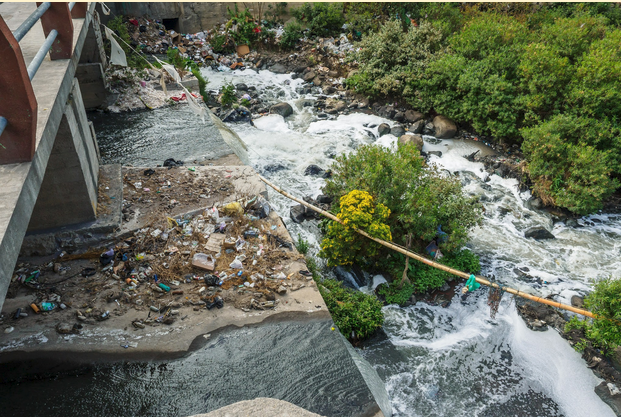
The source of your drinking water may be something you have no control over. Test it from time to time.
Educating yourself on the dangers of dirty water is essential to keeping yourself and your family safe. And there are methods you can employ to test your water to see what the actual danger levels are. Most importantly, if you have a problem, you should look into water softener repair in Hamilton to ensure that your water is as clean as possible.
Steps to take to test your water
Maintaining clean water isn’t as difficult as it might sound. There are three major components to keep in mind: testing your supply, finding the right filtration system, and ensuring that your plumbing is working adequately. One rule that you should always keep in mind is that if you ever notice something strange in your water, including changes in color, odor, or taste, you should immediately stop drinking it and get it tested.
Testing your water
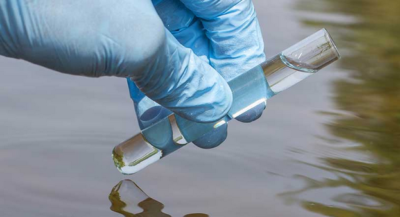
Public water suppliers produce annual reports that you should be able to access.
The first thing you should do to better understand the state of your water supply is read through reports on your area as a whole. Public water suppliers produce annual reports that you should be able to access. It is a good idea to look through these every year to gain an overall understanding of where your area stands.
If you have a private well, you can test it for contaminants. Water can build up different kinds of contaminants, including bacteria, nitrates, and heavy metals. If reports indicate that there are specific threats in your area, you can conduct more targeted tests for those problems. For example, lead levels are a common problem. And arsenic and PFAS can become issues in some areas, too.
Finding and installing a good filter
The next step in maintaining a clean water supply is finding a good filter. It is important to determine what issues you have beforehand as different filters serve different purposes. Some work better for chemical contaminants, others for heavy metals, etc. And beyond the type, you should always be sure that the filter you choose is certified. Look for NSF International (with a “C” for Canada) certification.
You can install filters in a couple of different ways: if you are really concerned about your water quality as a whole, you can install a whole-home filter. This will cover all the water sources in your hose. Alternatively, you can simply install filters on the kitchen sink or refrigerator, where your drinking water will come from.
Note that replacing filters is essential. This is something that many people simply forget about, but which you must do regularly as filters don’t last forever. Remember that having old filters is essentially the same as having no filters at all.
Learn to understand your plumbing
Knowing how your own plumbing works is something many people don’t consider themselves capable of. But the basics involved in maintaining clean water are not actually that complicated. Keep the following points in mind, and schedule them into your calendar on a regular basis so that you can be sure your plumbing stays in good shape:
- Clean your

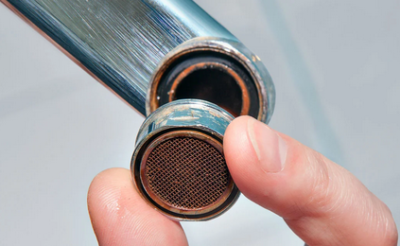
It isn’t difficult to remove these aerators and clean them out.
The aerators on your faucets are the little mesh screens on the ends of the faucets. It is easy for gunk to accumulate in them, and they can become a harbor for germs. It isn’t difficult to remove these aerators and clean them out.
- Flush your faucets. When faucets go unused for a period of time, they can become dirty on the inside. The longer your faucets haven’t been used, the greater the likelihood that they need to be flushed. Simply let the water run cold for a couple of minutes before you use it.
- Flush your water heaters. Similarly, your water heaters need to be flushed out on an annual basis to ensure that bacteria doesn’t build up in them. You should also be sure to keep them at a consistent temperature (about 49 degrees) to minimize the possibility of bacterial growth and maintain overall safety.
What to do if you have to purify water on the spot
There will be situations in which you need to purify water in an emergency. Frequent campers are usually familiar with what to do. If you find yourself in a situation like this, take the following steps:
- Boil the water. Bring water to a boil and keep it boiling for at least a minute. This should kill whatever bacteria and other contaminants that may be in the water.
- Use purification tablets. If you are not in a situation that allows you to boil your water, use purification tablets instead.
- Choose bottled water. If the conditions you are in are extreme, meaning that there has been a chemical spill or another major event that severely contaminates the water, you should simply choose bottled water instead.
General rules to follow
Beyond the specifics of keeping your water clean, there are also some basic rules to keep in mind. These include not introducing any household chemicals or medicines down the drain. The number of people who do this globally is huge, and urban rivers consistently show incredibly high levels of toxicity as a result. And this, in turn, gets ingested by fish that will later end up on people’s plates.
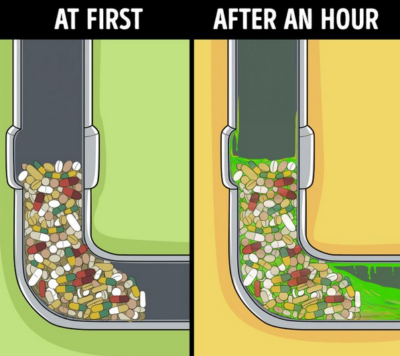
Do not pour household chemicals or medicines down the drain.
Other things to keep in mind include disposing of pet waste properly as it also contains potentially harmful bacteria that can seep into the water supply. Also, try to limit the number of pesticides and fertilizers that you use on your lawn so that it does not run off into the groundwater.
A basic part of homeownership
Again, maintaining plumbing and water supplies are not things that most people consider themselves capable of. And if you have a serious problem with your water, you should absolutely go to a professional. But there are certain basic things that you can take care of yourself. Make a point of scheduling this routine maintenance into your calendar just as you do with other household tasks. The more diligent you are about it, the less likely it will be that you will develop a serious problem. After a while, it will simply become routine.

Discover more from Burlington Gazette - Local News, Politics, Community
Subscribe to get the latest posts sent to your email.
