




 By Jacob Robinson
July 23rd, 2024
BURLINGTON, ON
The transformation from static to dynamic learning materials in education is not just about integrating technology—it’s about revolutionizing how we engage, understand, and retain information.
Gone are the days when learners passively consumed information from textbooks. Today, interactive education is at the forefront, changing how educators teach and students learn.
The Shift to Interactive Learning

Working from a computer instead a blackboard opens up a world to students where they can interact in a way that isn’t possible in a classroom
The traditional educational model, which often relies on textbooks and teacher-driven lectures, has been effective to a certain extent but does not always engage every student.
This is especially true in a world where digital natives are increasingly accustomed to interactive and multimedia content. The transition to interactive learning is designed to close this gap by transforming students from passive recipients of information to active, engaged participants in their own learning processes.
This shift involves integrating a variety of multimedia elements that cater to different learning preferences and speeds, which is particularly important in diverse educational environments. Tools such as videos, interactive simulations, and gamified learning experiences play pivotal roles. Videos can illustrate complex concepts in a visually digestible manner, simulations offer hands-on experience in a virtual format, and gamification introduces elements of play that can significantly increase engagement and motivation.
For instance, incorporating simulations in science classes allows students to conduct experiments in a virtual lab setting, enabling them to explore scenarios that would be impossible or impractical in a real-world setting.
Utilizing Technology to Enhance Learning
In today’s educational landscape, technology is not just an enhancer but a fundamental component of how learning is imparted. Interactive eBooks, educational apps, and Learning Management Systems (LMS) are just the beginning. These platforms transform traditional text into interactive experiences with clickable links, embedded assessment tools, and multimedia content that make learning dynamic and more accessible.

A book with an unlimited number of pages that are updated in nano-seconds.
One highly effective approach is the creation of a blended learning environment, where digital and traditional teaching methods intersect. This model allows educators to leverage the best of both worlds—combining the personal touch of face-to-face teaching with the customization and flexibility of digital media. For example, a teacher might explain a concept in class while directing students to an online platform where they can explore additional multimedia content and complete interactive exercises that reinforce the lesson.
Blended learning environments are particularly adept at catering to various learning styles—visual learners can benefit from video content, auditory learners can benefit from recorded lectures and discussions, and kinesthetic learners can engage with interactive elements that make learning a more tactile experience.
This diversity in content delivery not only helps in catering to the individual needs of students but also prepares them for a world where digital literacy is paramount.
Tools That Make a Difference
Several tools have been instrumental in transforming static documents into dynamic learning resources.
For instance, Smallpdf’s PDF-to-Word converter allows educators to take static resources like PDFs and convert them into editable Word documents. This capability is crucial when updating or customizing learning materials to include interactive elements like hyperlinks, videos, or animated explanations that engage students more deeply.
Another tool transforming learning is virtual reality (VR), which can transport students to different times and places, enhancing their understanding of complex subjects through immersive experiences.
Similarly, augmented reality (AR) can bring diagrams in textbooks to life, providing a three-dimensional understanding of complex structures like the human body or solar systems.
The Role of Gamification
Gamification transforms traditional education by integrating game design elements that foster motivation, engagement, and a strong sense of community among learners.

A leader-board graphic – a stock item provided by Adobe – a tool that engages people.
Particularly effective in virtual classrooms, gamification strategies combat the challenge of online learner disengagement by making learning interactive and rewarding. Points systems, leaderboards, and achievement badges make education enjoyable and tap into learners’ competitive spirits, encouraging a healthy rivalry and continuous engagement.
For instance, apps like Duolingo harness the power of gamification by setting daily goals and rewarding learners with points and badges for achieving streaks. This approach keeps the learning process exciting and motivates learners to return regularly, thereby enhancing language acquisition and retention.
Moreover, gamification can be tailored to individual learning paths, providing personalized challenges that meet learners at their level of proficiency and push them to expand their boundaries. Such adaptive learning experiences are crucial in maintaining student interest and ensuring that each learner feels both supported and challenged.
Creating Content That Resonates
To effectively engage modern learners, educational content must resonate on multiple levels. Today’s learners seek materials that are interactive and dynamic, succinct, visually engaging, and directly relevant to their lives and future careers. To create content that truly resonates, educators need to adopt a design-thinking approach, prioritizing the user experience in every aspect of material creation.
Incorporating storytelling into educational content is one method that significantly increases engagement and relatability. Stories can transform abstract concepts into concrete learning experiences that are memorable and impactful.
Of course, integrating real-world challenges through project-based learning makes learning more relevant and enhances skill application and retention. This approach encourages learners to apply their knowledge to solve practical problems, preparing them for real-life challenges.
Challenges and Considerations
Despite the clear advantages of interactive and dynamic learning environments, several challenges can impede implementation. Access to reliable technology remains a significant barrier, particularly in under-resourced areas where learners may not have regular internet access or the latest digital devices.
Additionally, there exists a considerable gap in digital literacy among educators, which can hinder the adoption of new technologies and methodologies in the classroom.
To overcome these obstacles, targeted professional development is essential. Educators must receive ongoing training and support to build confidence in using advanced digital tools and incorporating innovative teaching strategies.
Only through concerted efforts to address these challenges can the promise of interactive education be fully realized.
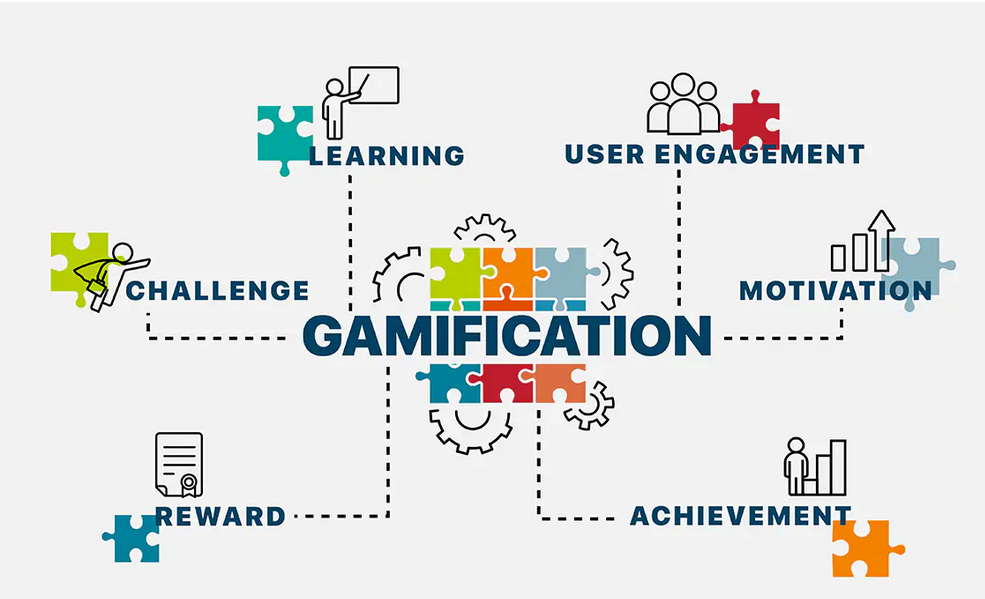
Gamification, more than a word – it’s a process.
Transforming static learning materials into dynamic, interactive educational experiences is essential for keeping pace with global educational trends and meeting the needs of today’s learners. By embracing technology, incorporating gamification, and designing content that resonates with students, educators can create more engaging, effective, and inclusive learning environments.
This transformative journey is about using new tools and rethinking how education is delivered to foster more profound and lasting learning outcomes. As we continue to navigate this path, we should always focus on enhancing educational experiences to prepare learners for a rapidly changing world.

Discover more from Burlington Gazette - Local News, Politics, Community
Subscribe to get the latest posts sent to your email.
