




 By Joe Gaetan
November 27, 2025
BURLINGTON, ON
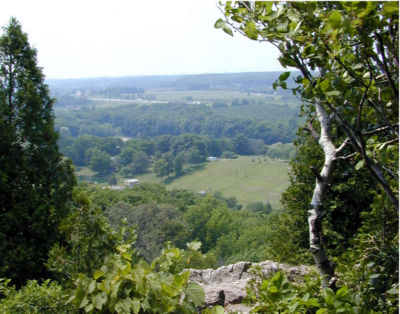
The Escarpment is what gives Burlington its sense of being rural – despite all the towers in the core.
Burlington is a city endowed with enviable natural features. From an Economic Development standpoint, it is more accurate to say Burlington is an island. Hemmed in on all sides by fixed, immovable boundaries; the Escarpment to the north, Lake Ontario to the south, and a tangle of provincial highways and freight rail corridors cutting across the middle. Our city has almost no room to grow outward. Yet it is expected to absorb major intensification targets handed down by the Province while also trying to present itself as a modern, walkable, livable community. This contradiction is becoming harder to ignore.
And now, Burlington is once again debating whether to bring economic development back in-house. Before council rushes into yet another organizational shuffle, it is worth asking: are we solving the right problem? Or are we rearranging the governance structure without addressing the geographic and policy constraints that actually define Burlington and its economic reality?
The Geography Trap: Limited Land, Unlimited Expectations
Burlington’s economic potential is structurally constrained. Unlike neighbouring communities that have room to expand business parks or create new employment corridors, Burlington is boxed in. The remaining employment lands we have are fragmented, expensive, and often complicated by access issues. The QEW/403/407, HWY 5 corridors make north-south travel difficult, and also limit the ability to stitch together walkable districts, innovation clusters, or connected employment zones.
This means Burlington’s residential growth will be primarily vertical and perhaps in the form of mixed-use intensification. But what about industrial and other economic development or redevelopment?
The future health of our economic development requires a coordinated plan, strong investor confidence, and more than ever predictable municipal decision-making. With respect to Economic Development and a sound plan going forward, Burlington faces challenges on many fronts.
Provincial Intensification Targets Are a Double-Edged Sword
The provincial mandate for intensification transformed Burlington more dramatically than political will or municipal planning exercises. These targets have forced density into areas not ready for it, while simultaneously shaping the economic geography of the city.
Density done right can support transit, retail streets, and talent attraction. On the other, it puts enormous pressure on aging infrastructure, drives up land costs for employers, and complicates the retention of light industrial uses that form the backbone of Burlington’s small-business economy.
Economic Development: A Structural Problem, Not a Governance One
Burlington has spent years debating who should run economic development, be it an arms-length agency or City Hall but without fully addressing what economic development actually needs to accomplish given Burlington’s constraints.
Bringing economic development in-house will not magically produce employment lands or reduce the cost of doing business. Nor will it fix the competing visions at City Hall between walkability, sustainability, intensification, and fiscal constraint.
Walkability vs. Reality: A Vision Without the Land to Support It
Burlington’s desire to become a walkable, transit-supported city is admirable but collides with the brute facts of geography. Rail lines and highways divide neighbourhoods. The Escarpment limits northward connectivity. Major intensification is being funneled into a tiny slice of the city, placing pressure on a handful of corridors rather than creating multiple vibrant, walkable districts.
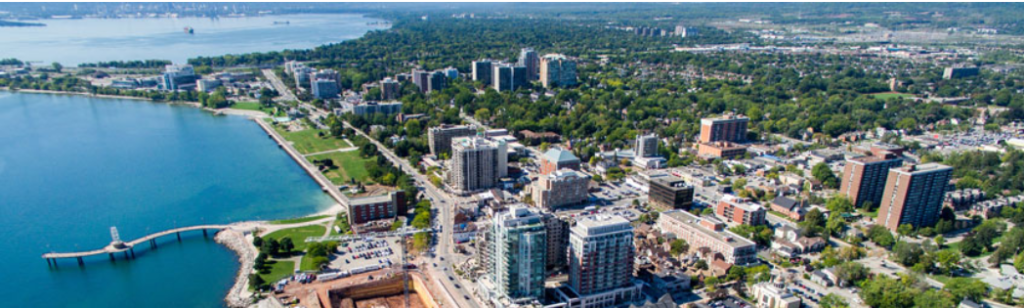
The industry is on the other side of the Bay.
The Risk Ahead: Becoming a Bedroom Community With No Economic Engine
If Burlington is not strategic, it risks becoming a commuter city with limited commercial tax growth, rising residential taxes, and declining business retention. The high cost of land, limited space for new employers, and governance instability will discourage some businesses from expanding here.
Conclusion: Burlington Needs Clarity, Not Another Restructure
Whether economic development sits inside or outside City Hall is secondary. What Burlington truly needs is a sober acknowledgement of its geographic constraints and a long-term economic plan that is realistic, integrated, and stable across political cycles.
Without that, Burlington will remain an island, isolated, not by geography alone, but by its inability to align vision with reality.
Joe Gaetan is a Burlington resident who writes on important Burlington issues.

Discover more from Burlington Gazette - Local News, Politics, Community
Subscribe to get the latest posts sent to your email.

I am not aware of a specific plan for Burlington’s growth of the Economy.
I agree that we are hemmed in by the the Lake-The Bay_The Green Belt and Niagara Escarpment.We will have difficulty competing with Oakville ,Milton.Hamilton etc.
First we must identify what are Burlington’s competitive advantages.
Then we need to identify the business categories that match the advantages.
E.G Offices-factories-warehouse -medical facilities-education facilities-construction
etc etc.
Then determine which categories we can compete in ……if any other than housing!
I have difficulty thinking this will be easy or very successful.