




 By Lawanda Gonsales
April 27th, 2026
BURLINGTON, ON
Addiction doesn’t happen because a man is weak, reckless, or “doesn’t care.” In many cases, it develops because the tools men are taught to use for coping: silence, self-reliance, and pushing through, don’t actually resolve stress, pain, loneliness, or trauma. They just bury it. And when emotions don’t have a safe outlet, substances and compulsive behaviors can start functioning like one.
Men tend to show higher rates of substance use and some behavioral addictions. Biology plays a role, but social expectations matter too. The version of masculinity many men grow up with can shape what feels acceptable (drinking to “take the edge off”), what feels dangerous (talking about depression), and what feels off-limits (asking for help). This article breaks down how those norms can quietly fuel addiction and how recovery often starts with rewriting the script.
What we mean by “masculinity”

The issue is when masculinity becomes rigid, when a man feels he must always be in control, never show fear and never need support.
Masculinity isn’t one thing, and it isn’t inherently harmful. Many men find strength, purpose, and pride in being dependable, protective, and resilient. The issue is when masculinity becomes rigid, when a man feels he must always be in control, never show fear, never need support, and never slow down.
Common cultural messages include ideas like “handle it yourself,” “don’t be emotional,” “work harder,” or “don’t talk about it.” These messages can shape a man’s behavior for years. When they collide with real life: loss, burnout, relationship breakdown, financial stress, grief, anxiety, trauma, men often don’t lack pain. They lack permission and practice to respond to that pain in healthy ways.
According to addiction treatment specialists like the professionals at Into Action Recovery, a drug rehab in Surrey, British Columbia, rigid masculinity norms can quietly reinforce isolation and “white-knuckling” through distress, which makes it easier for substance use to become a coping strategy, and makes it harder to reach out for help until the consequences feel impossible to ignore.
Where social norms fit into the addiction cycle
Addiction is often a cycle, not a single choice. A man feels stressed or emotionally overloaded. He doesn’t talk about it, because vulnerability feels unsafe or embarrassing. He finds relief in something that works fast, like alcohol, drugs, gambling, porn, gaming, or even compulsive exercise. The brain rewards that relief, and the behaviour becomes more automatic. Then shame or secrecy creeps in, which leads to more isolation, which increases the need for relief. As time goes by, the “coping tool” becomes the problem.
Social norms can make this cycle stronger by normalizing the relief behavior (“everyone drinks like this”) while stigmatizing the healthier alternatives (“therapy is for people who can’t handle life”).
“Tough it out” culture and delayed help-seeking
They show up to work, pay bills, and appear fine—while relying heavily on alcohol at night.
One of the most damaging masculine expectations is the belief that needing help means failing. Men who strongly identify with “self-reliance at all costs” often delay getting support until consequences are severe. This isn’t because they don’t want to get better. It’s because they may not know how to ask, or they fear judgment, loss of respect, or feeling exposed.
Many men also fall into “high-functioning” addiction patterns. They show up to work, pay bills, and appear fine—while relying heavily on alcohol at night, escalating gambling in private, or using substances to sleep, socialize, or shut their mind off. Because things look okay on the outside, the problem may go unnoticed longer, and treatment starts later than it needs to.
Emotional suppression and self-medication
Men aren’t emotionless. But they are often socialized to hide emotions that feel “unacceptable” such as fear, sadness, shame, tenderness, and uncertainty. Over time, many men learn to experience emotional distress as irritability, numbness, restlessness, anger, or a constant need to stay busy.
This is one reason substances can feel so appealing. Alcohol can quiet anxious thoughts. Weed can numb discomfort. Stimulants can create energy and confidence. Porn can create an escape from loneliness. Gambling can create a rush that temporarily overrides shame or depression. The problem is that relief comes with a cost: tolerance, escalation, consequences, and deeper emotional disconnection.
When men use substances as their primary coping tool, they lose opportunities to build other skills like naming feelings, regulating stress, asking for support, and repairing relationships. Recovery often means learning those skills for the first time, not because a man is behind, but because he was never taught.
Male bonding and peer pressure: when connection is built around coping behaviors
For many men, social connection happens through activities, not conversations. That isn’t inherently bad. But in some groups, the activity is drinking, drug use, or betting, and the “bond” becomes tied to the behavior.
In these settings, men may feel pressure to keep up, not “ruin the vibe,” or prove they’re part of the group. Cutting back can feel like social loss, not just behavior change. This is a major reason why early recovery can feel isolating: a man may realize his community was built around the addiction, not around genuine support.
The solution isn’t to withdraw from people. It’s to build new connections: supportive friendships, groups, or recovery communities where vulnerability and accountability are normal.
Risk-taking, status, and identity
Some social norms reward risk. Men are often praised for boldness, competitiveness, and pushing limits. Those traits can build careers and confidence, but they can also increase vulnerability to addiction, especially when combined with stress and limited emotional outlets.
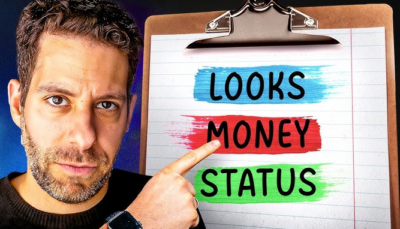
Does environment, stress, access, and learned coping patterns determine status?
Status-based drivers show up commonly in behavioral addictions. Gambling can feel like proving intelligence, control, or financial power. Some men become strongly attached to the idea of a “big win,” or they chase losses as a way to restore status. Over time, the behavior can shift from entertainment to compulsion.
There’s also evidence that temperament and impulsivity traits may play a role, and someresearch has explored genetic links associated with impulsivity. But genes don’t create addiction by themselves. They interact with environment, stress, access, and learned coping patterns.
How masculinity norms fuel behavioral addictions
Addiction isn’t only substances. Men can develop behavioral addictions that are socially minimized or even praised.
Gambling is a clear example. Men often gravitate toward strategic forms like sports betting or cards, and may be triggered by gambling-related cues and content. Because it looks like “just entertainment,” it can escalate quietly.
Internet gaming can also become compulsive. Competitive environments, ranking systems, and constant reward loops can hook the brain, especially if gaming becomes the main source of competence, identity, or social connection. Men (particularly younger men) appear to be a higher-risk group for certain gaming-related problems.
Compulsive sexual behavior and porn use can follow a secrecy-and-shame cycle. Easy access and privacy can create escalation, and shame can prevent men from seeking help.
Compulsive exercise or bodybuilding can also become addictive, especially when tied to identity and self-worth. When the goal becomes control, dominance, or “never enough,” exercise can shift from health to compulsion.
The “provider” role, financial stress, and shame
Many men carry a strong internal rule: “My value is what I produce.” When work stress, unemployment, debt, or financial instability hits, shame can become intense. Some men cope by numbing, escaping, or chasing quick relief through substances or gambling.

You can’t talk about what you’re feeling, you can’t relax, you get irritable or anxious when you try to cut back.
This isn’t about laziness or irresponsibility. It’s often about trying to regulate shame without the tools to do it directly. In recovery, addressing finances and work stress isn’t separate from treatment. It’s often part of stabilizing the underlying drivers.
Why men’s addiction is harder to spot
Men are often rewarded for appearing fine. They may use humor, silence, or productivity to avoid showing distress. They may also minimize their own warning signs because “it’s not that bad” or “I’m still functioning.”
Some behaviors are normalized in male culture, like daily drinking, heavy weekend drinking, sports betting apps, and constant gaming, so partners and friends may not recognize the pattern until the consequences become unavoidable.
Signs social norms are turning into risk
If you’re wondering whether masculinity norms are contributing to a problem, here are some signals that often matter more than the specific substance or behavior: you can’t talk about what you’re feeling, you can’t relax without the behavior, you get irritable or anxious when you try to cut back, you’re hiding it or lying about it, and it’s starting to harm relationships, work, health, or finances. These patterns don’t mean you’re broken. They mean your coping system needs support.
Recovery that works with men, not against them
The goal isn’t to shame men for masculinity. It’s to build a healthier version of it, one that includes emotional strength, support, and self-respect.
Treatment often works best when it includes practical, evidence-based support such as cognitive behavioral therapy (to work with triggers, beliefs, and coping skills) and peer-based recovery models (to reduce isolation and build accountability). Many men also benefit from approaches like motivational interviewing, which helps reduce resistance and support real change without pressure or judgment.
Just as important is skill-building: learning to name emotions, regulate stress, rebuild relationships, and create routines that make relapse less likely. Recovery also often involves changing the environment, reducing exposure to high-risk settings, reshaping social connection, and building a life that doesn’t require escape.

Learning how to handle pain without needing a substance or compulsive behaviour to survive it.
At men’s programs like Into Action Recovery, the structure and accountability can be especially helpful for men who have been trained to “push through,” because the program replaces isolation with routine, support, and a path forward.
Redefining strength
Masculinity norms don’t single-handedly cause addiction, but they can absolutely increase risk and delay help. When men are taught to cope alone, many end up coping in ways that look like strength but function like self-destruction.
Real strength is being honest early. It’s asking for help before things collapse. And it’s learning how to handle pain without needing a substance or compulsive behavior to survive it.

Discover more from Burlington Gazette - Local News, Politics, Community
Subscribe to get the latest posts sent to your email.
