




 By Sadie Smith
December 15th, 2025
BURLINGTON, ON
Burlington residents pay close attention to the Canadian dollar (CAD) during the holiday season because even small currency shifts can influence the cost of gifts, travel, and everyday purchases. This year’s softer CAD stands in contrast to last year’s stronger performance, and that difference is shaping how households plan their spending and celebrations.
Comparing This Year’s CAD/USD Trend to Last Year
Last year, the Canadian dollar performed more strongly against the U.S. dollar, which made cross-border shopping and U.S. travel more appealing. Burlington families enjoyed lower relative costs on hotel stays, outlet purchases, and restaurant visits in Buffalo and Niagara Falls. This year, the dollar has weakened, and those same expenses have become noticeably higher once exchange rates are factored in. Even modest movements in the CAD/USD rate can change whether a trip across the border feels worthwhile.

With a softer dollar this year, however, cross-border shopping has become harder to justify.
The Impact of the Canadian Dollar’s Strength
If the CAD were stronger this season, many residents would likely return to familiar habits of crossing the border for better deals. A more favourable exchange rate increases purchasing power on big-ticket items such as electronics, premium clothing, and toys that often carry lower prices in U.S. outlets; it would also make vacation options like Florida flights and New York State weekend trips feel more attainable.
Many Burlington households now track exchange rates before booking, and a stronger dollar generally encourages more flexible spending.
With a softer dollar this year, however, cross-border shopping has become harder to justify. Once duty, tax, fuel, and exchange-rate spreads are included, the effective cost of U.S. goods rises quickly. As a result, Burlington residents are making fewer trips to Buffalo and Niagara Falls, much like in earlier weak-dollar years. This shift often boosts traffic for local retailers at Mapleview Centre and in the downtown core as more residents keep their holiday shopping closer to home.
The dollar being weaker this year has also had a few other effects on the Canadian economy at large:
Imported Gifts and Seasonal Goods Feel More Expensive
Weaker currency conditions affect imported goods. Electronics, specialty foods, and brand-name toys typically rise in price when the CAD loses strength, and Burlington shoppers have been quick to notice year-over-year increases.
Many households comparing last year’s receipts to this year’s are now adjusting their gift lists, prioritizing Canadian-made products or spreading purchases across the season to manage higher costs.
Local Retailers Are Benefiting From Reduced Cross-Border Leakage

Mapleview Centre, the Aldershot corridor, and the downtown business district usually see more consistent foot traffic during weaker-dollar periods.
When fewer shoppers travel south for deals, more seasonal spending is staying within Burlington. Retail areas such as Mapleview Centre, the Aldershot corridor, and the downtown business district usually see more consistent foot traffic during weaker-dollar periods.
While residents remain price-sensitive, the convenience of local shopping combined with higher U.S. costs strengthens the performance of neighbourhood businesses.
span style=”font-family: helvetica, arial, sans-serif;”>Household Budgets Are Feeling the Strain More Than Last Year
Seniors and fixed-income households are experiencing the effects most sharply. Higher costs for food, gifts, and transportation are reducing financial flexibility compared with last year. More residents are creating holiday budgets earlier, prioritizing essential expenses, and delaying non-essential purchases. These cautious patterns reflect a broader awareness of how economic conditions influence seasonal spending.
Holiday Plans Are Being Adjusted
Currency conditions are influencing travel choices as well. Last year’s stronger dollar encouraged more Burlington families to book U.S. vacations and cross-border outlet trips. This year, domestic options such as Collingwood winter getaways, Ottawa visits, and Montreal weekends are proving more appealing. Travel agencies across Halton commonly see this shift when the CAD weakens because Canadian destinations offer predictable pricing that avoids the uncertainty of U.S. exchange rates.
Higher import prices and less favourable U.S. exchange rates are also encouraging households to focus on local experiences. Community festivals, holiday markets, and locally sourced meals are becoming more attractive alternatives when budgets feel tight. While the spirit of the season remains strong, the choices behind it now reflect a more conservative and locally oriented approach.
Digital Tools Are Helping Residents Track Exchange-Rate Movements
Because the CAD has been more volatile this year, some residents are checking exchange rates more frequently to time their purchases. By checking a forex trading app, residents can quickly gauge whether a Buffalo shopping trip or U.S.-priced online purchase makes financial sense on a given day. Even those who are not active traders find real-time currency information useful for planning travel and holiday shopping.
What Residents Can Expect Moving Forward
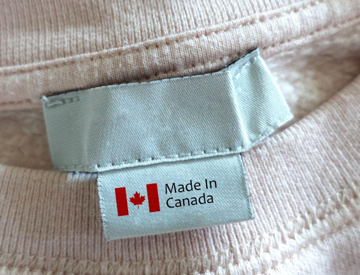
Burlington households approach the holidays, directing more spending toward local shops and encouraging more careful budgeting.
If the Canadian dollar strengthens later in the season, some residents may shift back toward U.S. purchases, especially for items with large potential savings. If it remains weaker than last year, Burlington retailers can expect steady foot traffic and continued cautious spending patterns. Regardless of how the currency moves, the CAD will continue shaping decisions around gifting, travel, and holiday budgeting for the rest of the season.
Ultimately, this year’s softer Canadian dollar has reshaped how Burlington households approach the holidays, directing more spending toward local shops and encouraging more careful budgeting. Last year’s stronger currency allowed for greater cross-border flexibility, but this season’s conditions are prompting a more practical and value-driven mindset. Residents will remain attentive to the CAD’s movement as they balance tradition with financial reality.

Discover more from Burlington Gazette - Local News, Politics, Community
Subscribe to get the latest posts sent to your email.
