



 By Madeline Foster
June 29th,2026
BURLINGTON, ON
Ontario sits in an unusual spot when it comes to online gaming. Since the province opened a regulated real-money market in 2022, residents here have grown used to a world where licensed operators, defined consumer protections, and a named regulator are simply the baseline. That makes the picture across the border in much of the United States look genuinely foreign, because a large share of the American online-casino audience is not served by a regulated real-money market at all. Into that gap stepped the sweepstakes and social-casino model: a dual-currency, no-purchase-necessary structure that delivers slot-style and table-style entertainment without the state-by-state licensing that traditional online casinos require. This piece is a consumer explainer, written from the Ontario side, about how that model actually works and how it compares with what people here already take for granted.
It is worth being clear about what this article is and is not. It is not a verdict on whether the sweepstakes model is good or bad, and it is not legal advice for anyone in any jurisdiction. It is an attempt to describe the category honestly so that a curious reader can understand why it exists, what its moving parts are, and how a careful person evaluates any platform of this kind. The rules differ from place to place, and the only sensible starting point is information rather than marketing.
For readers who want a neutral reference point rather than an operator’s own sales page, one widely used option is the sweepstakes casino guidance for players maintained by Bonus.com, which surveys the US legal landscape and the operators inside it. A resource like that is useful precisely because it sits one step removed from any single brand, which is the right altitude from which to begin reading about a category that is easy to misunderstand.
How The Sweepstakes Model Actually Works
The defining feature of a sweepstakes casino is its two-currency design. Players receive a free, play-only currency that carries no monetary value and is used purely for entertainment, and a second, promotional currency that can, under the operator’s rules, eventually be redeemed for prizes. The legal scaffolding underneath this is the promotional-sweepstakes framework, which generally requires that participation be available through a no-purchase-necessary route. In practice that means a person can request the promotional currency without spending money, often by mail or another free method, which is the mechanism that distinguishes the model from a conventional casino wager.
That structure is the whole point. By avoiding a direct stake-for-payout exchange, sweepstakes operators position themselves outside the regime that governs licensed online casinos in the handful of US states that have one. Social casinos sit even further along the same spectrum, offering the game mechanics with no redemption pathway at all. The result is a category that spread across most of the country during a period when consumer appetite for the underlying entertainment ran well ahead of the regulated legal supply. Understanding the currency split is the single most important thing a newcomer can grasp, because almost every other question about the model flows from it.
Why The Model Took Hold In The US, And Why Ontario Is Different
The American online-gaming map is a patchwork. Only a small number of states have authorized regulated real-money online casinos, which leaves a very large population with demand but no licensed real-money option close to home. The sweepstakes and social-casino model expanded into exactly that vacuum. It is less a clever trick than a predictable consumer response to a supply gap, and that framing explains far more about the category than any single operator’s branding does.
 Ontario offers an instructive contrast because it closed its own version of that gap. The province launched a regulated online gambling market on April 4, 2022, with iGaming Ontario conducting and managing the market and the Alcohol and Gaming Commission of Ontario (AGCO) serving as regulator. That arrangement gives Ontario consumers something most of the US audience does not have: licensed real-money operators bound by published standards covering game integrity, player protection, and responsible gambling. So when an Ontario reader looks at the US sweepstakes model, they are looking at a workaround for a problem their own province chose to solve through regulation. Neither approach is automatically superior in the abstract, but the difference in structure is real, and it shapes everything from how disputes are handled to what recourse a player has if something goes wrong.
The Operator Landscape Is Crowded And More Sophisticated
The US sweepstakes and social-casino field is considerably more crowded than it was a few years ago. International operators have entered, domestic brands have iterated into second and third versions of their platforms, and newer entrants have been built from the start around current consumer expectations. As a general matter, more competition has pushed product quality up and nudged the more aggressive marketing claims of the early era down, because players now have alternatives and will move when a platform underdelivers.
For anyone evaluating a specific platform, that means the live question is rarely whether a credible option exists. It usually does. The harder and more useful question is which of several credible options fits a particular person’s preferences around promotional structure, redemption speed, game library, and customer-service responsiveness. Those dimensions are where platforms genuinely differ, and they are far more revealing than a headline offer.
Promotional Terms Are Where The Real Information Lives
If there is one habit worth carrying over from a regulated mindset, it is reading the promotional terms carefully. Across the category the broad trend has been toward clearer disclosure and simpler redemption rules, but the variation between operators remains wide. A platform that publishes plain terms and then honours them is signalling something real about how it intends to treat the relationship. A platform that buries conditions or hedges its redemption language is signalling the opposite, and the few minutes it takes to read the fine print is usually the single highest-value step in the whole evaluation.
The specific things worth checking are concrete: how the promotional currency is earned and what the no-purchase-necessary route actually is, what conditions attach before that currency can be redeemed, how long redemptions take, and whether identity verification is required at signup or only at redemption. None of these are exotic questions, but the answers separate the serious operators from the rest more reliably than any advertisement can.
A Brief Word On Local Entertainment Habits

Entertainment is also a deeply local and physical thing.
It is easy to forget, in a conversation about screens and currencies, that entertainment is also a deeply local and physical thing. The point is not to draw a false equivalence but to keep perspective: online gaming categories, sweepstakes ones included, compete for attention against everything from a park concert to a weekend with family, and the audience that engages with them does so as one part of a much fuller life. Treating these products as a small slice of leisure rather than the centre of it is itself a form of healthy framing.
Responsible-Gaming Tools And How To Use Them
The responsible-gaming side of the category has quietly improved. Deposit limits, session timers, activity and loss-tracking dashboards, and self-exclusion options have become more common and more usable across the leading platforms, tracking the broader consumer-protection expectations that have spread through regulated markets. The tools, however, only work if a person actually uses them. The practical advice is unglamorous and effective: set a deposit limit you can comfortably live with before you start, switch on the session timer, and review your activity at regular intervals rather than only when something feels off.
Readers who want to see what a fully regulated framework looks like for comparison can read the AGCO’s overview of Ontario’s regulated internet gaming market, which sets out the standards licensed operators in the province must meet around player protection and responsible gambling. It is a useful yardstick precisely because it shows what a defined, enforceable set of obligations reads like, which in turn helps a reader judge how a given US sweepstakes operator measures up on its own published commitments. If a person ever feels their play is no longer comfortable, the responsible-gambling and player-support resources offered through that framework, and the equivalent help lines available in their own jurisdiction, are the right first stop.
How To Evaluate A Platform In Under Ten Minutes
Pulling the threads together, a quick and reliable evaluation comes down to a short list of questions. What is the promotional structure, and is the no-purchase-necessary route genuinely usable? How is the redeemable currency earned, and what conditions attach to redeeming it? What is the stated redemption timeline, and does the operator commit to it in writing? What does the responsible-gaming page actually offer, and does it look like a real toolkit rather than a checkbox? And what does the most recent player feedback say, because community signal surfaces patterns that marketing copy never will?
Platforms that answer all five cleanly are usually serious. Platforms that hedge on any of them usually are not. Spending ten honest minutes on this before signing up tends to save far more time and frustration later, and it builds the kind of instinct that makes the next evaluation faster still.
Where The Category Probably Goes
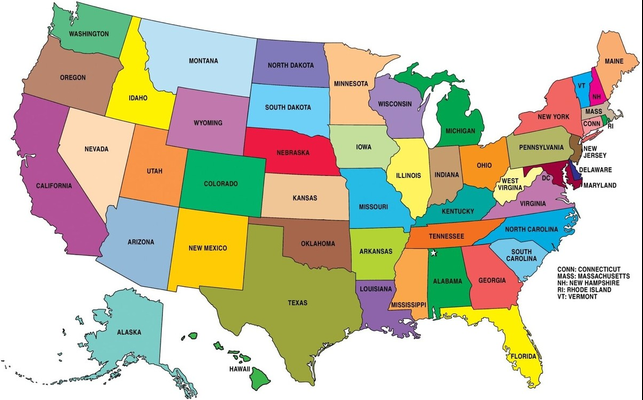
The US regulatory map will keep shifting unevenly, state by state.
Looking ahead, the most defensible prediction is that the US regulatory map will keep shifting unevenly, state by state, and that the sweepstakes and social-casino model will persist wherever a regulated real-money option is absent and demand remains. Product quality is likely to keep improving as competition continues, with clearer terms and faster redemptions becoming closer to the norm rather than a differentiator. The operators that compete on substance, transparency, and responsiveness should keep gaining ground on those that lean hardest on aggressive promotion.
For an Ontario reader, the broader lesson is less about predicting the US market and more about perspective. The province’s regulated market is one answer to the demand that the sweepstakes model addresses a different way, and seeing both side by side makes the trade-offs clearer than viewing either in isolation. Whichever side of the border a given product sits on, the same discipline applies: read the terms, use the tools, keep it a small part of a full life, and treat information, not advertising, as the place to start.

Discover more from Burlington Gazette - Local News, Politics, Community
Subscribe to get the latest posts sent to your email.

Leave a Reply