


 By Naomi Klein
September 11th, 2025
BURLINGTON, ON
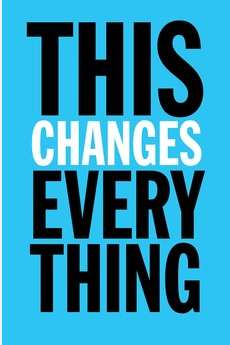 A little over a decade ago I published a book, This Changes Everything, which explored the reality of the climate crisis as a confrontation between capitalism and the planet. For a few years after the book came out, it seemed like we might just win a breakthrough. A cascade of large and militant mobilisations pressed the case for keeping warming below 1.5C as global calls for a green new deal grew louder and louder. Countries across the world announced long-term plans to reduce emissions and to hit net-zero targets; so did some of the largest corporations on the planet.
And then … well, we all know what happened. A corporate-financed backlash on all fronts. In the first 100 days of Trump’s second term, his administration took more than 140 actions to roll back environmental rules and push for greater use of fossil fuels. He signed executive orders to ease restrictions on their extraction and export, filled his cabinet with oil industry supporters, gutted federal agencies on the forefront of the climate crisis and cancelled life-saving environmental justice projects.
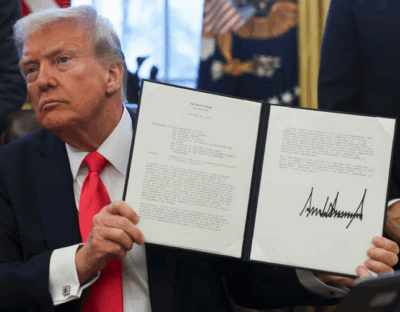 Empowered by the world’s most powerful man’s assault on the planet, the banks and corporations that have financed our climate disaster – those with an apocalyptic fear of regulation eating into their super-profits – have let their masks slip, dropping their stated renewable ambitions and ploughing money into fossil fuels.
Meanwhile, climate misinformation – amplified by far-right and rightwing populist politicians – is now so virulent online that one comprehensive study says it is likely to help turn a crisis into a catastrophe.
I write for the Guardian because it continues to challenge and expose these forces – even as the financial conditions for producing this kind of work become more challenging by the day.
For the past fortnight the Guardian has been reminding its readers about the role it is playing in exposing the threat to climate and environmental progress – and, as always, it has been naming names.
The reason the Guardian is free to do this kind of vital work is simple: it is not beholden to corporations or billionaires. In 2020, it even banned advertising from fossil fuel companies – the first major news organisation to do so. Most of its funding comes directly from a small percentage of readers who believe in the importance of independent journalism.
Wealth and power shape every aspect of this emergency. The most important tool we have to defend ourselves is the facts.
The second most important tool is hope: the Guardian’s journalism plays an important role in highlighting the actions we, as a society and as individuals, can do against this barrage.
Klein is asking people her beleive in what she is doing to support the Guardian financially. Here’s where you can do that: Click HERE.
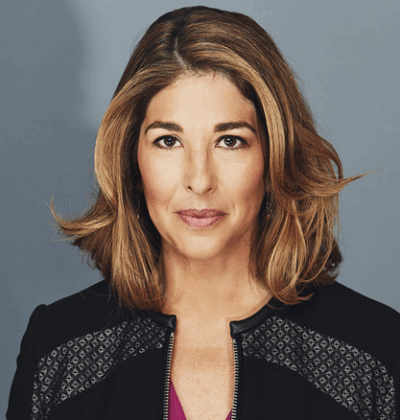 Naomi Klein is the award-winning author of international bestsellers including This Changes Everything, The Shock Doctrine, No Logo, No Is Not Enough, On Fire and Doppelganger, winner of the inaugural Women’s prize for nonfiction. She is an associate professor in the department of geography at the University of British Columbia, the founding co-director of UBC’s Centre of Climate Justice, and an honorary professor of media and climate at Rutgers University.

Discover more from Burlington Gazette - Local News, Politics, Community
Subscribe to get the latest posts sent to your email.

I don’t understand why these climate activists don’t go after the worst polluters on this planet, by a country mile? China and India operate hundreds of mega coal fired plants and they are in the process of building 100’s more “mega” coal fired plants. Why not go after the largest polluters, by far? Why not spend their energy educating the world about that and working with the rest of the world to put economic pressure on them to stop? Until then, I don’t hear them.