





 By Norm Coles
July 6th, 2026
BURLINGTON, ON
If you’ve ever tried out casino games, you might have noticed a small demo mode label by some of the titles, letting you know that you can play them without wagering any money. Demo mode gives gamers a way to slow down the screen, study the moving parts of a game, and gain a better understanding of why some casino games can feel so different in terms of pacing and mechanics from other titles.
Playing in demo mode can be a useful way to learn more about a game, because many digital games teach players how to use them through feedback, rhythm, and visible cues. A 2024 PLOS One study on digital educational games and learning engagement found that the digital environment itself can shape how engaged people feel while learning through interactive systems. The same broad idea helps explain demo mode. When a screen gives people room to observe actions, signals, and pacing, the mechanics become easier to read, and the game becomes more enjoyable to play.
Reading the Game Before Playing It
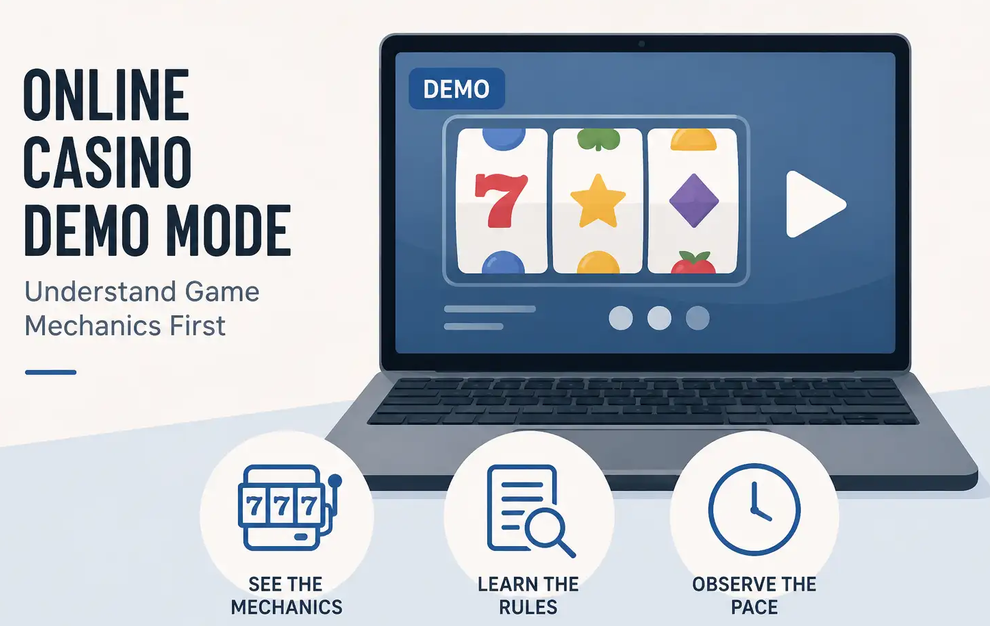
A demo-labeled game is best understood as a preview of mechanics. It can show how the screen is arranged, what a typical round asks the player to notice, and how quickly the experience moves. On the games page for 7signs nettikasino, you’ll see that most titles have an available “Demo” mode, giving you a variety of options to choose from if you want to test out some games without actually wagering anything. The site also has sections for slots, table games, live casino formats, roulette, blackjack, game shows, jackpots, and more, so there is no shortage of variety here.
That makes it a useful reference point for understanding how demo mode works. A person can try out several games at 7signs online casino and compare how a slot communicates through reels, symbols, and button placement, how a table game communicates through rules and decision prompts, and how live formats communicate through real-time presentation and pace. Demo mode helps the eye separate layout, rules, timing, and format, which makes the wider category easier to understand.
| Format to Observe | What Demo Mode Helps Readers Notice | Why It Matters |
| Slot-style games | Reels, symbols, buttons, round speed, bonus labels | Shows how visual rhythm and repeated actions structure the experience |
| Table games | Rule prompts, turn order, available actions, table layout | Makes the format feel less abstract before reading deeper explanations |
| Live-style formats | Presenter presence, camera-led pacing, table setting, streamed flow | Shows why a live format feels closer to event viewing than solo screen play |
What the Demo Label Actually Teaches
The first thing to pay attention to in a demo game is its layout. In a slot-style game, you should pay attention to where the reels sit, where the main button appears, how symbols are grouped, and whether extra features are explained through labels or images.
The next thing to focus on is the game’s rhythm. Some games move quickly, with short rounds and frequent animations. Others create more pause between actions. That rhythm affects how readable the format feels. A fast digital title can feel bright and energetic. A slower table format may feel more deliberate because the sequence is easier to follow. Demo mode lets readers notice those differences without needing a long technical explanation.
The final thing to check is the vocabulary used. Words such as spin, deal, hit, stand, paytable, round, and bonus make more sense when they appear in actual play than when you read about them. A glossary can define the terms, but a demo screen shows why they matter. It is attached to a button, a rule, or a moment in the round.
A Better Way to Read Online Casino Mechanics
The strongest way to understand demo mode is to treat it as a way of getting familiar with the games. It helps readers notice design, pace, rule signals, and presentation style. That is why demo mode belongs in wider conversations about digital entertainment. It helps explain how people learn from screens, how interfaces guide attention, and how interactive systems make unfamiliar formats easier to approach.
Once the mechanics become more visible, readers can describe online slots, table games, and live formats with greater confidence and less guesswork. That is a better foundation for any clear article on modern online play, and it matches research showing that digital game-based settings are shaped by motivation, environment, and the way people respond to interactive tasks, as discussed in Frontiers in Psychology’s article on digital game-based learning under social cognitive theory.

Discover more from Burlington Gazette - Local News, Politics, Community
Subscribe to get the latest posts sent to your email.

Leave a Reply