




 By Ray Rivers
July 15th, 2026
BURLINGTON, ON
Summer and summer holidays are traditional times for road tripping.. Last weekend my wife and I went for a weekend visit with dear friends in Orillia. Highway 400 is still being improved but there is a section which hosts high occupancy vehicles (HOV) and even HOV passing lanes. I have an EV which allows me to access HOV even when alone. To maximize my vehicle’s range I typically keep the cruise control at or just above the posted speed limits.
The science is clear. The aerodynamic drag of an automobile guarantees that the faster you go the more energy your vehicle has to use. For fossil fuel powered vehicles that means higher costs and more pollution the faster you drive. A typical gasoline powered vehicle delivering 8.0 L/100 km at 100 kph, jumps to almost 9.0 L/ km at 110 kph. That’s an extra $14 cost for someone with a 60 litre gas tank. In other words, it’s like paying $1.76 per litre when the pump price is only $1.60.
The same rules of high speed inefficiency apply to my EV. I lose 10 to 15% range by travelling at 110 instead of 100 kph. I would need to recharge at least 50 kms sooner on a 500 km trip. So I stick to the speed limit or slightly above the limit – if only to avoid angering the ignorant Yahoos who think they own the road and I should be driving faster.
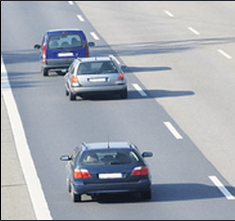
The pickup truck that was tailgating was one metre gap, though at one point he came within centimeters of my rear bumper. This is what that would have looked like.
I encountered one of these Yahoos on my trip last weekend. He decided to sit on my tail leaving about a one metre gap, though at one point he came within centimetres of my rear bumper. I remained cool and collected and exited as soon as the HOV lane ended. Perhaps this Yahoo didn’t understand that an HOV lane is not a passing lane, or perhaps this was just another example of road rage.
It’s possible that my friend in his speeding pick up truck didn’t realize that over a million people die each year as a result of road traffic crashes according to the World Health Organization (WHO). Any increase in average speed increases the likelihood of a crash as well as to the severity of the crash. For every 1% increase in speed there is an estimated 4% increase of fatalities.
According to WHO, road traffic injuries are the leading cause of death for children and young adults aged 5–29 years globally. And if that number doesn’t break your heart, road traffic crashes cost most countries something like 3% of their gross domestic product, more than what Canada currently spends on national defence.
Speeding is typically defined as exceeding the legal speed limit, but it is also driving faster than the conditions allow or the driver is capable of driving. So what do we call it when our own government decides to raise the speed limit despite all the information advising to the contrary?
According to the Ontario government, for more than 25 years, Ontario’s roads have ranked among the safest in North America, with one of the lowest fatality rates per 10,000 licensed drivers. So why would the premier decide to risk that record by raising the speed limit to 110 kph on almost two thousand kms of provincial roads.
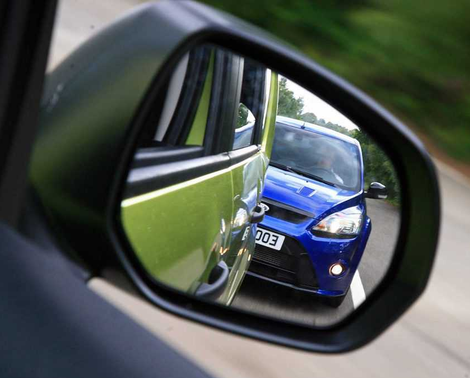
This is not what you want to see in your rear view mirror.
Studies have shown that driving faster reduces a driver’s capacity for timely reactions and effective maneuvering. It increases stopping distances and amplifies the likelihood of losing vehicle control. More importantly, it increases the severity of crashes and can lead to more severe injuries.
Speed cameras, where used, have shown a reduction in fatal crashes by roughly 11% to 44%. But Ontario’s Mike Harris and Doug Ford have banned these highly effective speed enforcement tools. Their answer is to create speed bumps in towns and cities and raise the speed limit on the highway. It’s almost Orwellian – speed kills but you’re not really speeding if it is legal.
Perhaps instead of cursing we should be thanking grid lock for slowing us down, saving lives and saving us money at the pumps.
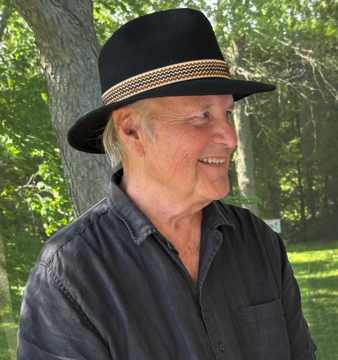 Ray Rivers, a Gazette Contributing Editor, writes regularly applying his more than 25 years as a federal bureaucrat to his thinking. Rivers was once a candidate for provincial office in Burlington. He was the founder of the Burlington citizen committee on sustainability at a time when climate warming was a hotly debated subject. Ray has a post graduate degree in economics that he earned at the University of Ottawa. Tweet @rayzrivers
Background links:
New Speed Limits – WHO Report – Toronto Speed Cameras – Dangers of Speeding –

Discover more from Burlington Gazette - Local News, Politics, Community
Subscribe to get the latest posts sent to your email.

Leave a Reply