





 By Sara Farro
 By Sara Farro
 October r25th, 2025
BURLINGTON, ON
The story so far
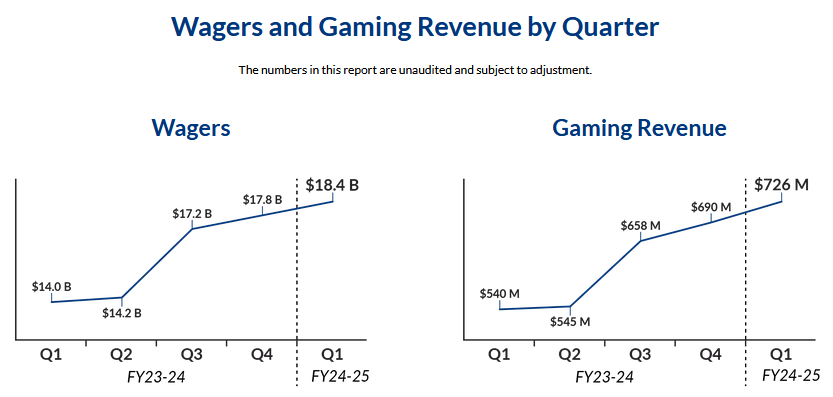
Canada’s regulated online gambling market is no longer a pilot project. Ontario’s open model—launched in 2022—now sets the pace, and its data offers a window into how digital wagering is reshaping jobs, tax receipts, and neighborhood life in the GTA. In the first quarter of fiscal 2024–25, Ontarians placed $18.4 billion in wagers and operators generated $726 million in gaming revenue across iCasino, online sports betting, and online poker. The market counted about 1.29 million active player accounts and 50 regulated operators during that period, according to iGaming Ontario’s official report.
For readers sorting the fast-moving product landscape, see this Canada-facing market guide from Gambling Nerd (the site’s explainer provides consumer context on regulation and site types), which helps separate licensed offerings from the gray market while detailing standard deposit and withdrawal rails. comprehensive Canada wagering explainer.
Why the numbers matter for Toronto
Ontario’s regulator has also tallied the broader economic footprint. In its latest annual review, iGaming Ontario estimates the regulated market supports nearly 15,000 full-time jobs and adds roughly $2.7 billion to provincial GDP—figures that encompass tech, marketing, compliance, payments, and customer support roles that cluster in major urban centers. Toronto, as the province’s media and fintech hub, captures a meaningful share of that employment and vendor spend. (iGaming Ontario)
 Local spillovers show up in small ways as well: downtown agencies staffing peak sports calendars; payments and fraud-prevention teams scaling up to meet anti-money-laundering controls; and customer-service vendors hiring multilingual talent to cover late-night live chat. For commercial real estate, the sector’s headcount has helped backfill Class-A office absorption near Union Station and along the King–Front corridor, according to brokers who cite iGaming among several growth verticals alongside AI and film.
Consumer behavior—and where risk shows
The Q1 data also hints at changing consumer habits. With more than a million active accounts in Ontario’s regulated system, average bet sizes have stabilized while revenue climbed year over year, suggesting repeat engagement rather than one-off spikes. For public-health planners, that’s a two-sided coin: regulated channels create clearer tools for age verification, self-exclusion, and deposit limits; at the same time, persistent engagement requires continued funding for education and treatment.
On that front, Toronto’s community organizations note two watch points:
- Advertising saturation. Sports and transit inventory see seasonal surges; regulators and lawmakers are debating national guardrails on ad tone and placement, with youth exposure a central concern.
- Payments friction. Credit-card cash-advance coding for some sportsbook deposits can trigger high fees and immediate interest; consumer groups encourage debit/ACH rails and clearer upfront disclosures by operators and banks.
Winners in the local economy
 Three Toronto-centric clusters appear to benefit as the market matures:
- Tech and data. Odds modeling, risk management, and real-time personalization need analysts and engineers. Several firms with GTA footprints supply trading algorithms, geolocation services, and anti-fraud tooling to multiple operators.
- Creative and media. Live-odds graphics, streaming integrations, and multilingual campaigns have become a reliable pipeline for boutique studios and post-production houses—especially during the NHL and NBA seasons.
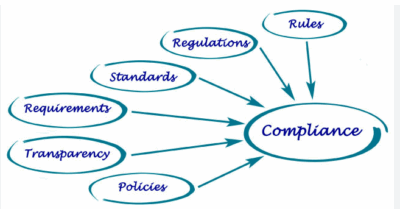
- Compliance services. As rules evolve, legal, AML, cybersecurity, and responsible-gambling consultancies are busier, spinning up audits and incident-response playbooks for licensed sites.
The economic question for 2026 is not whether online gambling persists, but where its secondary spending lands—downtown agencies and tech corridors versus lower-rent nodes in North York, Etobicoke, and Scarborough.
Community concerns—and a policy path
 Residents and advocates point to three pressure points that city hall and Queen’s Park can tackle without stalling the sector:
- Targeted ad standards. Toronto’s media market is dense; clearer ad codes for broadcast, out-of-home, and social placements—especially around schools and youth programming—would align industry practice with public expectations.
- Data transparency. Quarterly reporting already discloses headline wagers and revenue. Extending that to anonymized loss-distribution bands and time-on-site could sharpen prevention programs, directing resources to the narrow share of accounts that drive most losses. (Ontario’s public reports offer a starting model for consistent statistics.)
- Harm-reduction funding. A stable formula—indexed to revenue—would give Toronto Public Health and community partners predictable budgets for education, screening, and treatment, with evaluation baked in.
What to watch next
For news readers tracking the sector’s trajectory, three signals will tell us where Toronto’s local impact is heading:
- Operator consolidation. Mergers tend to centralize tech stacks and marketing. If head offices move, Toronto could either gain regional mandates—or lose creative and engineering roles to global hubs.
- Live-betting growth. As micro-markets expand, real-time risk systems (and associated hiring) will likely scale with them.
- Regulatory tweaks. Any changes to advertising rules, inducement language, or affordability checks will flow directly into how operators spend on local media and compliance.
Ontario’s regulated model has turned online gambling into a measurable part of the provincial economy—billions in wagers each quarter, hundreds of millions in revenue, thousands of jobs, and a multi-billion-dollar GDP contribution—with Toronto absorbing much of the sector’s day-to-day work in tech, media, and compliance. The opportunity is to keep that growth anchored in responsible play and transparent data, so the economic upside shows up on Bay Street and at the neighborhood level. For consumers, the best advice remains simple: stay in the regulated channel, set limits, and treat wagering like entertainment, not income.
Sources: iGaming Ontario FY 2024–25 Q1 market performance update; iGaming Ontario 2023–24 Annual Report.

Discover more from Burlington Gazette - Local News, Politics, Community
Subscribe to get the latest posts sent to your email.

You never hear much about licensed gambling returning value to the community in the way of donations and grants. Remember Wintario? It’s all about separating gamblers from their money more efficiently.
Editor’s note> You might ask where the Trillium funding comes from.