




 By Norm Coles
May 27th, 2026
BURLINGTON, ON
Paying for groceries, transit, subscriptions, travel bookings and household services now depends on trust as much as speed. Canadians use cards, wallets and online transfers because they are convenient, but every payment also asks a simple question: is this platform safe enough?
Consumer guides such as American Express casinos in Canada are useful because they show how Amex-friendly online platforms are compared by card security, payment rules, fees, withdrawal conditions and operator reliability before users trust a card in a high-risk digital setting.
Cash is still present, but cards set the pace
Cash has not disappeared. It still works for small purchases, tips, local markets and people who prefer visible budgeting. The larger payment story has moved elsewhere. Canada recorded 22.5 billion retail payment transactions worth $12.2 trillion in one recent annual period, showing how deeply digital payments now sit inside daily life.
Credit cards represented 33% of transaction volume, while debit cards accounted for 30%. Cash held 11% of payment volume. That split shows a mature market, not a cashless fantasy. People still use cash, but cards and digital transfers now carry the weight of routine spending.

Fumbling through a purse for cash to pay the grocery bill can slow down checkouts.
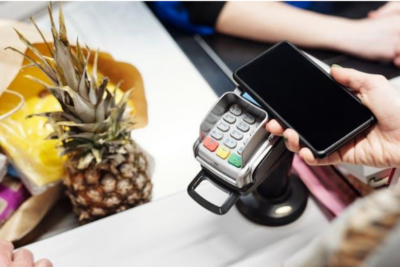
Contactless behavior is the clearest signal. Canadians made about 13 billion contactless transactions, representing 58% of total payment volume. Tap payments have become normal because they solve a practical problem: fast checkout without handling bills, entering a PIN for every small purchase or slowing a line.
Convenience created a new trust problem
Speed changed expectations. A payment that takes ten seconds now feels normal. A checkout that asks too many questions feels suspicious or outdated. That creates pressure for merchants, banks and platforms to balance ease with verification.
Digital trust depends on details that most people only notice when something goes wrong. A clean checkout page, clear merchant name, recognizable card network, visible refund policy and two-step authentication can decide whether a customer finishes a transaction.
The strongest payment experiences usually share several practical signals:
- clear pricing before checkout
- visible merchant identity
- secure card authentication
- simple refund and dispute rules
- transaction records sent quickly
- no surprise currency or processing fees
- customer support that can be reached
These signals matter across ordinary purchases. They matter when residents pay for home services, buy event tickets, renew memberships, order online or book travel. The more payments move online, the more trust becomes part of the purchase itself.
Fraud made payment safety a household concern

Fraudulent transactions were 300% higher than in 2020
Fraud is no longer a niche banking issue. Reported fraud losses in Canada reached $643 million in one recent annual count, nearly 300% higher than in 2020. The real figure is likely higher because many victims do not report losses.
The risk has changed because scams now look professional. Fake invoices, copied websites, urgent texts, marketplace fraud, investment pitches and account takeover attempts can all look credible at first glance. A household payment can become a security decision in seconds.
Card networks and banks have responded with stronger protections. American Express uses SafeKey for participating online merchants, which can confirm identity through a one-time code or security check. Canadian consumers also have protections against unauthorized credit and debit transactions when they meet their responsibilities and report issues quickly.
That does not remove risk. It changes the standard. A modern payment method is judged by how well it prevents fraud, detects unusual activity and gives the customer a path to challenge a suspicious charge.
Premium cards are judged by control, not status
Premium cards used to be discussed mostly through rewards, travel perks and recognition. That view is too narrow now. Consumers judge payment methods by security, acceptance, dispute handling, digital controls and how clearly each platform explains its terms.
American Express is a good example because it often appears in conversations about premium card use, purchase protection and online security. For consumers, the practical question is not whether a card sounds prestigious. The question is whether the merchant accepts it, whether authentication is clear and whether the platform explains deposits, withdrawals, refunds or fees before payment.

The card choice can shape the whole transaction.
This matters because card choice can shape the whole transaction. Some merchants accept every major network. Others limit options because of processing costs or technical setup. Some digital platforms support cards for deposits but use other methods for withdrawals. A careful payment page explains this before the user commits.
Clear payment rules now shape consumer confidence
The next stage of digital payments will not be won by speed alone. Fast payment is already expected. The real advantage belongs to platforms that make rules easy to understand before money moves.
That shift can be seen in everyday behaviour. People compare checkout methods before buying, check reviews before entering card details and notice when a platform hides fees until the final screen. Payment trust has become part of consumer literacy.
Businesses that want confidence need to make payment information visible:
- accepted cards and wallets
- refund timelines
- identity checks
- transaction limits
- possible fees
- dispute channels
- data protection basics
Digital payments changed more than checkout.
A trustworthy payment experience does not need to feel complicated. It needs to feel honest. People want convenience, but they also want proof that their money and personal information are handled properly.
Digital payments changed more than checkout. They changed how people judge businesses, platforms and services. The card, wallet or transfer method is now part of the public trust equation, and consumers are becoming more selective with every tap, click and confirmation.

Discover more from Burlington Gazette - Local News, Politics, Community
Subscribe to get the latest posts sent to your email.
