




 By Natalia Buriy
May 26th, 2025
BURLINGTON, ON
Walk into a home with gleaming hardwood floors, and you instantly feel a sense of quality and warmth. It’s a feature many homebuyers actively seek and homeowners cherish. But beyond the immediate appeal, does laying down timber planks in your home truly stack up as a sound financial decision? Let’s get to the bottom of whether hardwood flooring is a worthwhile place to put your money.
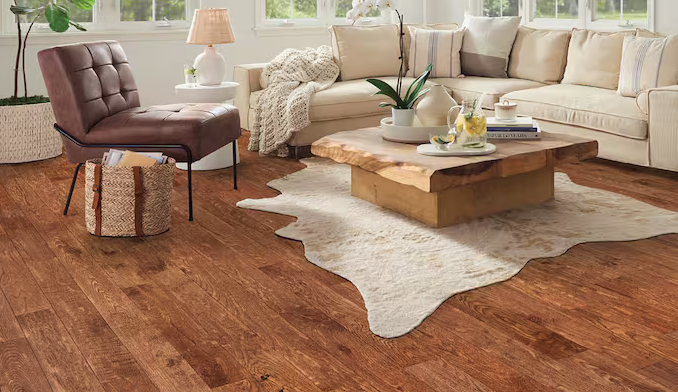
Hardwood makes a statement.
The Initial Question: What Makes Flooring an “Investment”?
When we talk about an “investment” in home improvements, we’re usually looking at two things: first, will it increase the monetary worth of your property? And second, how much will it enhance your quality of life while you live there? A true investment should ideally offer a return on both fronts. This piece will explore if hardwood flooring hits that mark, looking at everything from resale value to daily enjoyment.
The Financial Upside: How Hardwood Boosts Your Home’s Worth
For many, the primary driver for any significant home upgrade is its impact on the property’s bottom line. Hardwood flooring generally performs very well in this arena.
Increasing Resale Value: What the Numbers Suggest
Many real estate professionals will tell you that homes with hardwood floors often command higher prices. While the exact percentage can vary by market and the quality of the wood, it’s widely accepted as a value-adding feature. It’s not just about recouping the cost; it’s about making your property more attractive and potentially more profitable.
Attracting Potential Buyers: The “Wow” Factor
Picture two otherwise identical homes for sale. One has worn carpets, the other has polished hardwood. Which one makes a stronger first impression? Hardwood floors are a significant visual draw. They create a sense of luxury and permanence that can make your home stand out in listings and during viewings, drawing in more interested parties.
Potential for Faster Home Sales
Because hardwood is such a desired feature, homes that boast it can often spend less time on the market. Buyers may see it as one less renovation project they need to undertake, making your home a more turnkey solution and potentially leading to quicker offers.
Durability and Longevity: An Investment That Lasts Generations
Hardwood isn’t just about looking good for a sale; it’s built to last, making it a long-term player in your home’s story.
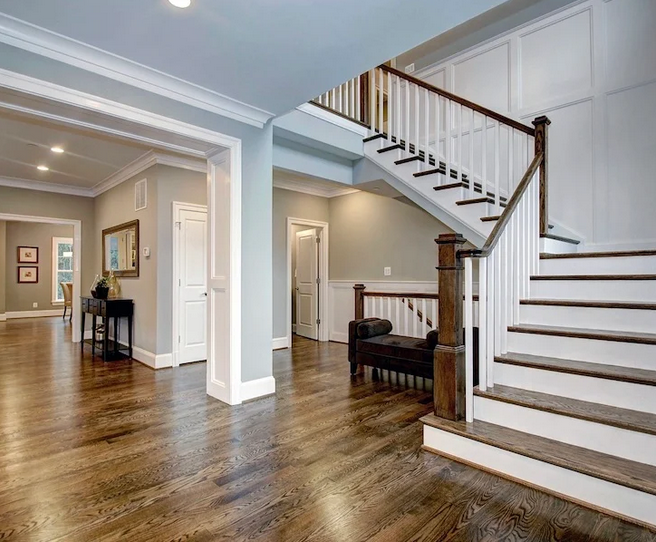
The “return on investment” for hardwood isn’t just counted in dollars.
The Lifespan of Well-Maintained Hardwood
Unlike carpets that might need replacing every 5-10 years or laminate that can show its age, solid hardwood floors can endure for decades, even a century or more. Their inherent strength means they can handle the daily traffic of a busy home and still look fantastic.
The Ability to Refinish and Renew
One of hardwood’s most significant advantages is its capacity for a comeback. When scratches or wear eventually appear, the floor can be sanded down and refinished, bringing it back to its original glory. This process is often more cost-effective than completely replacing other types of flooring, offering remarkable long-term value.
Beyond Monetary Value: The Lifestyle Benefits of Hardwood
The “return on investment” for hardwood isn’t just counted in dollars; it’s also measured in daily enjoyment and practical benefits.
Improved Indoor Air Quality
For families concerned about allergens, hardwood is a breath of fresh air. Unlike carpets that can trap dust, pet dander, and pollen, hardwood surfaces are easy to clean thoroughly, contributing to a healthier environment inside your home.
Warmth, Comfort, and Underfoot Feel
There’s an undeniable natural warmth and comfort that wood brings to a space. It feels solid and pleasant underfoot, a quality that synthetic materials often struggle to replicate.
Ease of Cleaning and General Maintenance (with caveats)
Generally, a quick sweep or vacuum and occasional mopping with a wood-appropriate cleaner are all that’s needed to keep hardwood looking its best. While it does require some mindfulness to prevent damage (more on that later), daily upkeep is straightforward.
Counting the Costs: Understanding the Initial Outlay and Long-Term Expenses
It’s true that hardwood flooring often comes with a higher price tag upfront compared to some other options.
Upfront Purchase and Installation Costs
The decision to buy hardwood flooring involves considering the price of the materials themselves and the cost of professional installation. Solid hardwood, particularly exotic species, will typically be at the higher end of the spectrum.
Factors Influencing Cost (Type of Wood, Plank Size, Finish, Installation Complexity)
Not all hardwood is priced equally. Common domestic species like oak or maple might be more budget-friendly than imported woods. Wider planks, intricate patterns like herringbone, and the type of finish chosen can also influence the final bill, as can the complexity of your room layout.
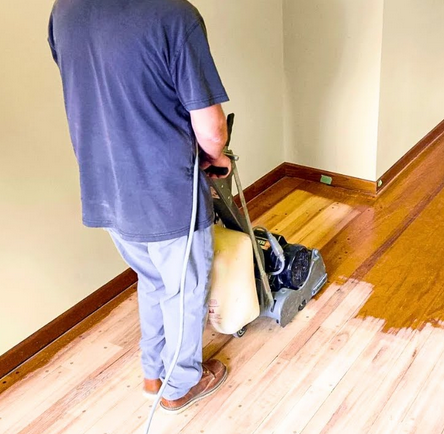
While durable, hardwood isn’t indestructible. Factor in the potential cost of refinishing every 10-20 years (or as needed) to keep it pristine.
Maintenance Costs Over Time (Refinishing, Repairs)
While durable, hardwood isn’t indestructible. Factor in the potential cost of refinishing every 10-20 years (or as needed) to keep it pristine. Minor repairs for deep scratches or gouges might also be necessary over its long lifespan.
Potential Downsides and Considerations: When Hardwood Might Not Be the Best Fit
Despite its many advantages, hardwood isn’t universally the perfect choice for every single situation or room.
Vulnerability to Scratches, Dents, and Water Damage
Sharp objects, pet claws, and dragged furniture can scratch or dent hardwood. Spills, especially if left unattended, can lead to water damage and staining. This means a certain level of care and vigilance is needed.
Noise Considerations (Can be louder than carpet)
Sound can travel more readily on hard surfaces. In multi-story homes or apartments, this might be a concern, though area rugs can help mitigate this.
Suitability for Specific Areas (e.g., bathrooms, basements – or the need for engineered hardwood)
High-moisture environments like full bathrooms or below-grade basements are generally not ideal for solid hardwood due to the risk of warping or cupping. Engineered hardwood, with its layered construction, often offers better stability for these trickier spots.
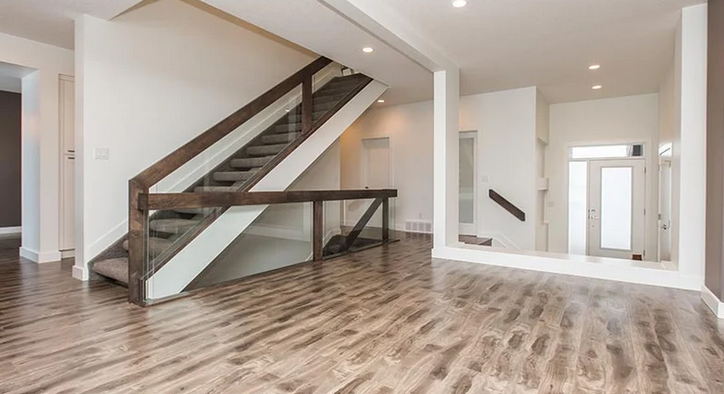
Look carefully at your specific circumstances and preferences.
Lifestyle Factors (Pets, Young Children – impact on wear and tear)
A bustling household with active pets and young children will inevitably subject floors to more intense wear. While hardwood can handle it, you might opt for harder wood species and a durable finish, and be prepared for more frequent signs of life.
Making the Right Choice for Your Situation
Deciding on hardwood flooring requires looking at your specific circumstances and preferences.
Assessing Your Home’s Current Value and Neighbourhood Trends
Consider if hardwood is common or expected in homes in your area and price range. If so, not having it could be a disadvantage when it’s time to sell.
Evaluating Your Budget and Long-Term Plans for the Property
If you plan to stay in your home for many years, you’ll reap the long-term lifestyle and durability benefits. If it’s a shorter-term prospect, focus more on the potential for resale value uplift.
Comparing Hardwood to Other Flooring Alternatives
Weigh the pros and cons of hardwood against options like luxury vinyl plank (LVP), laminate, or tile, considering factors like your budget, the room’s use, and your aesthetic preferences.
The Importance of Professional Installation for Investment Protection
To ensure your hardwood floors look their best and last as long as possible, proper installation is key. This is where turning to seasoned flooring experts can make all the difference, safeguarding your investment from the outset. They understand the nuances of subfloor preparation, acclimatization, and fitting that are crucial for a lasting result.
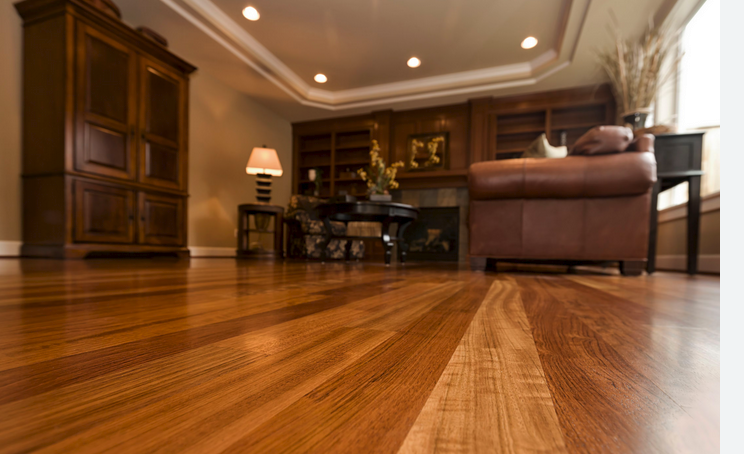
Rich deep colors lend comfort and prestige to rooms.
The Verdict: So, Is Hardwood Flooring a Smart Move for You?
For a great many homeowners, installing hardwood flooring is indeed a smart and rewarding investment. It offers a compelling combination of enhanced home value, exceptional longevity, timeless style, and improved living quality. While the initial cost can be higher than some alternatives, and it requires a degree of care, the long-term benefits often significantly outweigh these considerations.
Ultimately, the “best” flooring is subjective. But if you value enduring beauty, robust performance, and a feature that consistently appeals to homebuyers, hardwood flooring makes a very strong case for itself.
Ready to Explore Your Hardwood Options?
If you’re considering the warmth and value of hardwood, take the time to research the best types for your home and lifestyle. Speaking with professionals can clarify your choices and help you understand the full scope of bringing this beautiful material into your space.

Discover more from Burlington Gazette - Local News, Politics, Community
Subscribe to get the latest posts sent to your email.
