




 By James Portside
May 18th, 2025
BURLINGTON, ON
The provincial government released its budget last Thursday. Burlington’s City Council has begun the process of setting out the budget for 2026
Let’s take a step back from the trees and look at the forest. What makes Ontario and Canada one of the best places to live? Some obvious answers are freedom from oppression, freedom of expression, and the rule of law.
Our standard of living is also in the mix. A vibrant private sector economy, competitively producing goods and services on a global scale, funds social services such as affordable housing, medical care, long-term care, etc.
Ontario’s economy is a complex organism. Roads and highways are the veins and arteries, family units and businesses are the cells, and governments regulate much like a thyroid gland. Our cells, our family units and businesses, are incredibly intelligent on their own. Governments need to administer medications carefully and watch for unexpected side effects.
Two policy changes at the federal level have led to a housing crisis seriously affecting the standard of living for Ontarians of all ages. We now have two classes in our society: established homeowners and everyone else.
1: Historically, the federal government built and maintained social housing. This practice ended in the 1990s. The beginning of the end was during Prime Minister Mulroney’s term, and the end of the end was during Prime Minister Chretien’s term. The National Housing Strategy Act (2019) changed this leaving society with the policies of the 1990s that created a 30-year deficit in social housing.
2: There are huge benefits to immigration; the federal government has been conducting an experiment to determine the most sustainable level of immigration. Mounting pressures on housing, transit, roads, hospitals, and schools are showing us we may have surpassed the sustainable level.
The Federal government’s prescription of higher immigration levels has had many side effects.
How does Ontario’s budget help with the housing crisis?
Housing is more than a solid roof over your head, people need water, sewers, roads, transit, health care, jobs, and child-care/schools. Ontario’s budget addresses these needs.
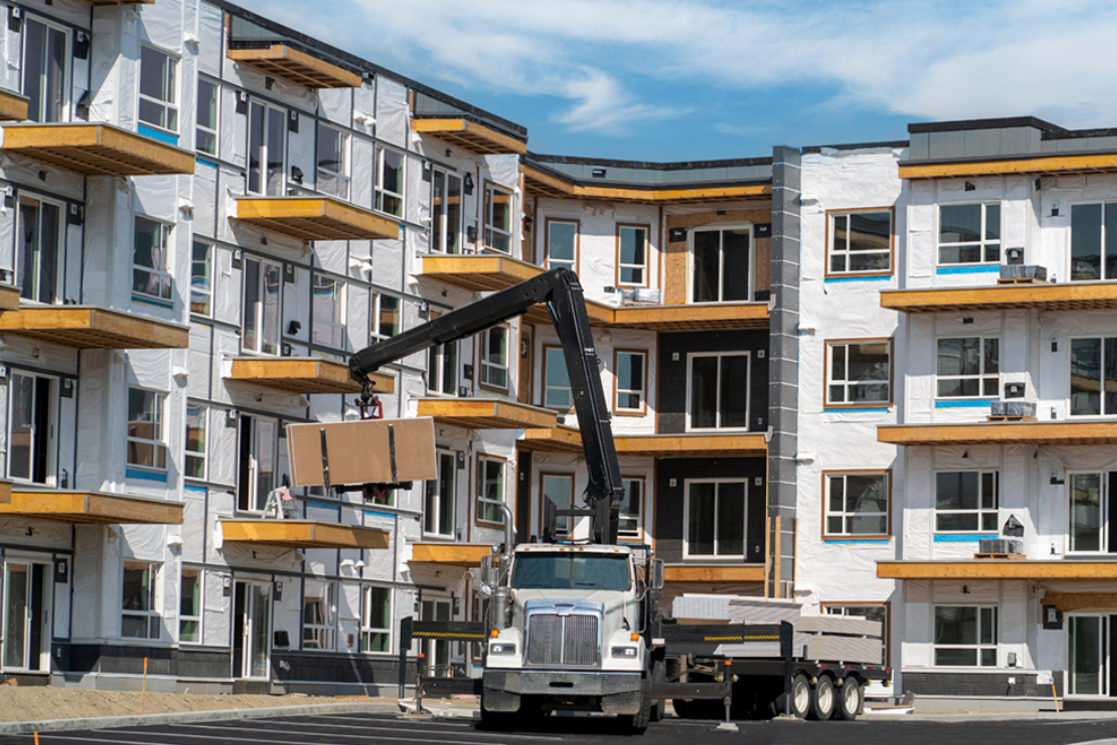
The province has failed to meet the housing targets it set
Housing:
| Spur new construction by simplifying and standardizing development charges. |
| Help Canadian manufacturers introduce innovative materials, systems to reduce construction costs. |
| Implement consistent building construction standards across Ontario. |
Transit:
| Deliver transit-oriented communities creating more jobs and housing near transit. |
| Speed up the development of transit by extending the Building Transit Faster Act to all provincial transit projects. |
| Invest $61 billion in public transit over the next 10 years. |
| Advance GO 2.0, a long-range plan for the GO Transit system. |
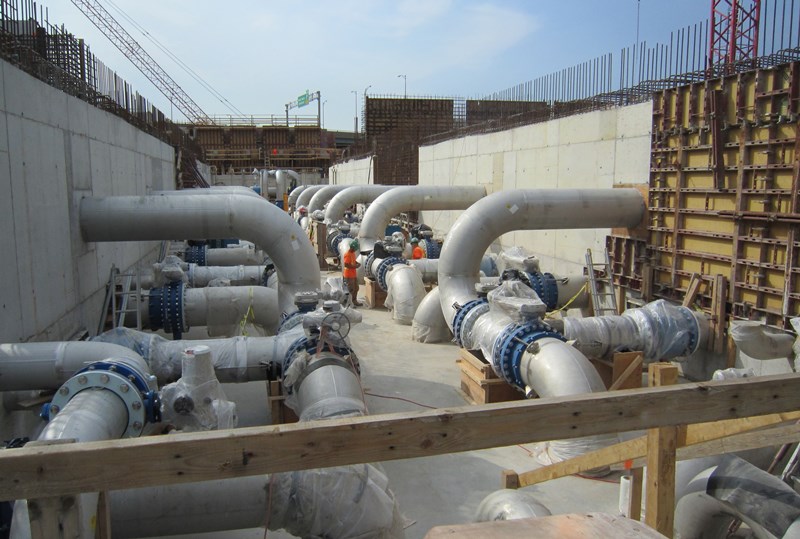
Sewage treatment plant – Burlington
Water and Sewer:
| Investing an additional $400 million into the Municipal Housing Infrastructure Program to help build local infrastructure to make way for new homes. This additional $400 million brings the value of this program to $2.3 billion, to be spent over 4 years.
The shortfall in Halton Region alone, for water and wastewater, is approximately $940 million. |
Health Care:
| $56 billion over the next 10 years in health infrastructure. |
| $280 million over two years for the expansion of Integrated Community Health Service Centres. |
| $235 million in 2025–26 to establish and expand up to 80 additional primary care teams across the province. |
Child Care:
| $30 billion over the next 10 years to support new and redeveloped school and child care projects |
Roads:
| $30 billion over 10 years for highway expansion and rehabilitation projects. |
| Permanently, at least for now, removing tolls from Highway 407 East. |
| Reducing the gas and fuel tax is expected to save households, on average, $115 a year. |

What the new Credit River crossing is expected to look like.
Jobs:
| A new tax credit for businesses that manufacture or process in Ontario. |
| Establish a new $5 billion strategic fund named the “Protecting Ontario Account” to help with tariff-related business disruptions. |
| A six-month deferral on provincial business taxes and WSIB rebates and premium reductions to help businesses weather tariff-related turmoil. |
| A tax credit to support Ontario’s shortline railway industry. |
| $500 million to create the new Critical Minerals Processing Fund |
| Up to $3 billion in loans through the Indigenous Opportunities Financing Program. |
| An additional $600 million to the Invest Ontario Fund. The fund’s mandate is job creation and investment attraction. |
| An additional $90 million to Venture Ontario. |
| $200 Million to the Ontario Shipbuilding Grant Program to provide grants to provincial shipbuilders. |
One Additional Item:

The Airbus H135 Helicopter. Assembled in China and Germany.
In response to Donald Trump Ontario is spending $57 million on two new H-135 helicopters for security and enforcement along the Canada / U.S. border.
Debts and Deficits
Ontario is forecast to pay $15.2 billion in interest costs in 2024–25, and $16.2 billion in 2025–26.
In total, the budget calls for $232.5 billion in spending, with almost 7% of our budget, 7 cents on every dollar, going to interest payments on the accumulated debt. This budget includes $14.6 billion in additional debt. Collectively, we need to outlast Donald Trump, sadly, additional debt may be the only way to do this.

No government can be all things to all people. This budget addresses a wide variety of issues facing the people of Ontario while considering the potential of a weakening economy and the need to continue to pay interest for the money borrowed in the past.

Discover more from Burlington Gazette - Local News, Politics, Community
Subscribe to get the latest posts sent to your email.
