




 By Staff
April 1st, 2021
BURLINGTON, ON
The Ontario government has established a working group of conservation experts to identify opportunities to protect and conserve more natural areas in order to enhance the province’s natural diversity and provide more recreational opportunities for people to enjoy the outdoors.
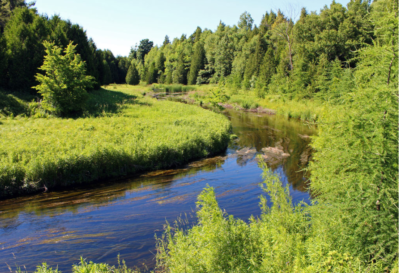
Protected and conserved natural areas is a top priority
“Expanding protected and conserved natural areas is a top priority in our Made-in-Ontario Environment Plan and we want to find new, innovative ways to meet this commitment,” said Jeff Yurek, Minister of the Environment, Conservation and Parks. “That’s why we want to hear from conservation and community leaders whose expertise can help identify new strategies to leverage the ideas, talents and expertise of the private sector and other outside organizations to help build on our government’s conservation efforts, like the Greenlands Conservation Partnership.”
The Protected Areas Working Group is made up of experts from the private sector, non-governmental organizations, as well as representatives from Indigenous communities.
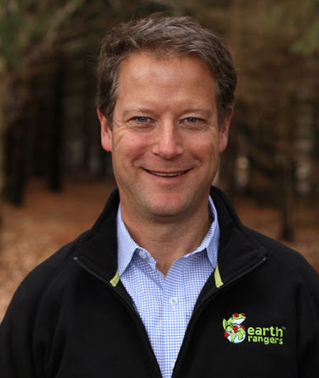
Peter Kendall (Chair), Executive Director, Schad Foundation
Members include:
• Peter Kendall (Chair), Executive Director, Schad Foundation
• Andre Vallillee, Environment Program Director, Metcalf Foundation
• Chris McDonell, Chief Forester, Rayonier Advanced Materials
• David Flood, Chair, General Manager, Wahkohtowin Development GP Inc.
• Geoff Burt, CEO, Consecon Foundation
• George Ross, former Deputy Minister of Northern Development and Mines, and Research and Innovation and Consumer Services
• John Beaucage, Principal, Counsel Public Affairs and former Chief of Wasauksing First Nation
• John Snobelen, former Minister of Natural Resources
• Lorne Johnson, Vice-President, Ivey Foundation
• Lynette Mader, Manager of Provincial Operations, Ducks Unlimited
• Mike Hendren, Vice-President (Ontario Region), Nature Conservancy of Canada
• Paul Genest, Senior Vice-President, Power Corporation
The working group will explore a number of areas, such as identifying opportunities and addressing barriers to increasing protected and conserved natural areas, and how public-private partnerships could be used to further advance conservation efforts. The working group will deliver a report with recommendations to the Minister of the Environment, Conservation and Parks.
Peter Kendall, Executive Director, Schad Foundation will chair the new Protected Areas Working Group which is made up of some of Ontario’s leading conservation experts.
“For the next two months, our group will identify opportunities to increase protected areas in Ontario. By working together, we are confident Ontario will once again become a leader in conservation, said Kendall.
The members of the working group bring a lot of credibility to the task. What seems to be missing is a way for local environmentalists to have their voices heard.
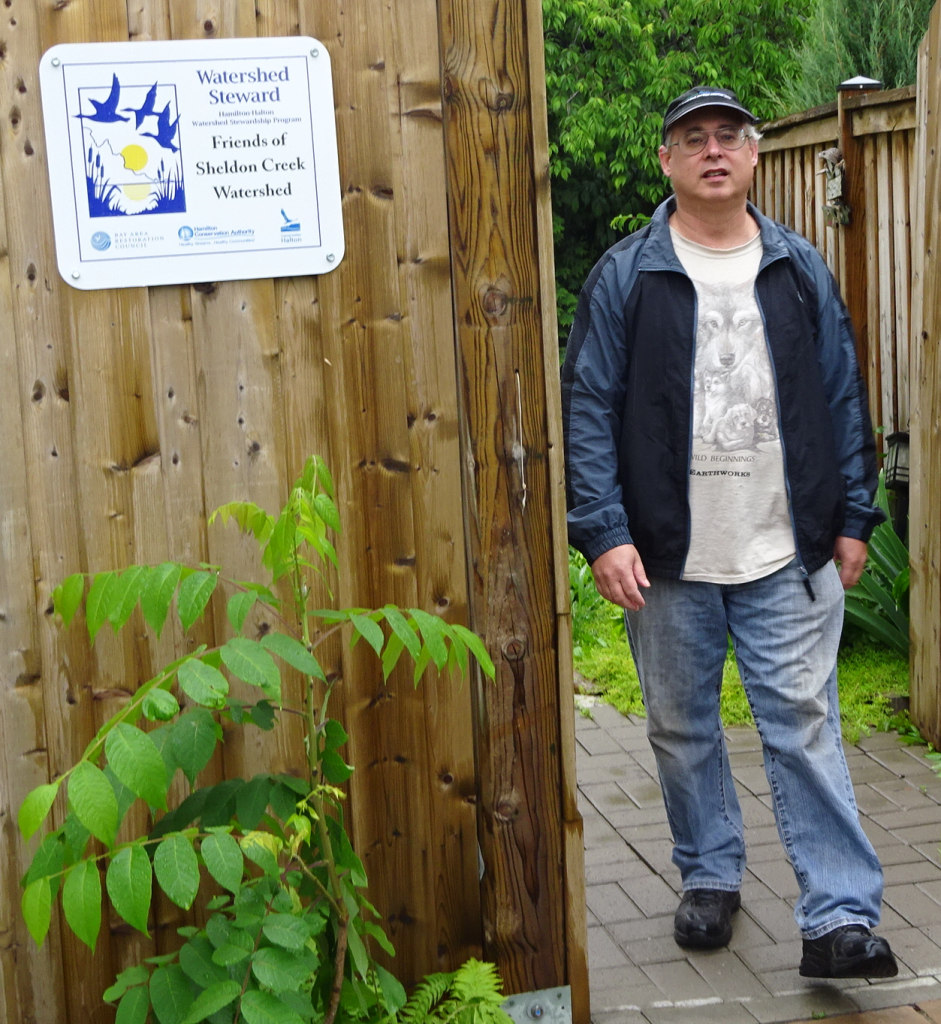
Vince Fiorito has been a consistent advocate for stronger environmental protection
The people who take care of the creeks and open spaces and who are active locally need to be heard and have an opportunity to comment while the work is being done and not after a report is issued.
It would be nice if Peter Kendall undertook to issue a draft for public consideration and then, after looking for way s to include public comments and ideas move on to the final report.
QUICK FACTS
• Ontario manages and protects 340 provincial parks and 295 conservation reserves, totaling 9.8 million hectares or over 9 per cent of the province.
• Conserving natural spaces can play an important role in mitigating and adapting to the effects of climate change by providing safe havens for wildlife, capturing and storing carbon, and improving resilience to weather events, such as flooding and drought.
• Recently, the government announced an investment of $20 million over four years in the new Greenlands Conservation Partnership to help the Nature Conservancy of Canada and the Ontario Land Trust Alliance secure land to conserve ecologically important natural areas and protect wetlands, grasslands and forests that help mitigate the effects of climate change.





 With an average voter turnout of 37% over the past three years one could venture to say – not very much – they don’t seem to care all that much.