By Pepper Parr By Pepper Parr
July 10th, 2026
BURLINGTON, ON
 Remi Jacquemart, a student at St. Anne Catholic Elementary School goes in grade 7 in September, is taking part in the Swin Ontario Championships event in Toronto at the PanAm Sports Complex. Remi Jacquemart, a student at St. Anne Catholic Elementary School goes in grade 7 in September, is taking part in the Swin Ontario Championships event in Toronto at the PanAm Sports Complex.
 Remi Jacquemart Science, biology and space are his top classroom interests. Remi wonders just “how big space is” and has little doubt that ”there are others out there and they may be smarter than us.”
Not bad for a student going into grade 7.
Remi is part of a bilingual family where French is used much of the time around the dinner table.
He is a breaststroke swimmer and will tell you that his skill is genetic; “all the members of my family are strong breaststroke swimmers.
 Jacquemart being interviewed. Remi pushes himself, trying to improve his best time every race. “I think about music when I push myself.”
Remi explains that he is part of a team where “we push each other to achieve our best times.
He has been competing for two years and has been a member of the Burlington Aquatic Devilrays for four years.

By Pepper Parr
July 10th, 2026
BURLINGTON, ON
The FIFA event at Spencer Smith Park on Tuesday started out well enough.
A few clouds and a bit of a breeze made walking around quite comfortable.
 The trailers that brought all the equipment to the park. Crowds had yet to arrive, but it was evident that they could show up. My tour started at around 2:00 pm – parents were still at work.
There was a performer on stage singing some decent blues.
 The stage was set up for the performances that were scheduled. There were all kinds of things for kids to do; practicing their kicking, tossing a soccer ball and trying to get it into a board with holes in it.
 Huge poster showing the standings in the 2026 FIFA World Cup  The mammoth soccer ball was a must-stop and take a picture location. A huge chart showing who was paying who and where things were in the standings.
Was the event worth the reported $165,000 plus that the city paid FIFA? Too early to tell.
 There were stations where children could practice their soccer skills and earn points to get their names on the leaderboard.
 Participants would compete with others to get their name on the leaderboard.  The challenge for this little fellow was to get the ball into one of the baskets and rack up some points. Made it on this shot. Then there was an announcement that some inclement weather was on the way. Dark clouds were coming in from the north west and heading out over the lake.
At the time I was standing amongst a group of parents and five or six police officers.
The public address system advised that there was the potential for some rain and lightening and to get to a safe place.
The rain started lightly, but it took mere minutes to turn into a torrent that lasted more than half an hour. People huddled inside small tents. I had managed to get a plastic coverall on, most people had nothing.
The ground we were standing on was getting very, very soggy. One of the security people was sitting on the ground and took a very young child into his arms and wrapped his jacket around her. The four police officers in the 12 x 12 tent kept peeking out to see if the clouds had passed over. Several people were tracking the storm on their cell phones.
Except for one woman who had one of those walking chairs that turns into a seat, everyone was standing. There wasn’t enough room to move more than a couple of inches. And the rain kept coming.
 Rain just kept on coming for more than half an hour. It would take a day of sunshine for the earth to absorb all the water. Thirty-five minutes later, I concluded that the ground was so soggy the event would end, and I headed for the hotel to try and arrange for the drive home.
By Pepper Parr
July 9th, 2026
BURLINGTON, ON
Our apologies for the error in an earlier version of this story. One of the photographs was not of Ella
Ella Markowsky, is a 15 year old Central High school student who will be representing the Burlington Aquatic Devilrays at the Swim Ontario 2026 Ontario Swim Championships being held at the Toronto Panam Sports Centre.
 Ella Markowsky  Breaking news: Ella has made it to the finals in her event. Swimming takes up just about all the free time she has. Early morning training events are part of the weekly routine.
What does she think she wants to do when she graduates from high school? Kinesiology is her thinking at the moment.
Math and Science are her favourite subjects. Her brother has his own interests.
Coach Sergei Soloukhin thinks Ella has an excellent chance to bring home a medal.
“She is part of the rebuilding of the BAD competitive swimming team that was decimated when the Devilrays lost the pool time they had in 2025.
 BAD swimmers getting ready for practice at an early morning meet at the Nelson pool.
By Gazette Staff
July 8th, 2026
BURLINGTON, ON
Four swimmers from the Burlington Aquatic Devilrways Swimming Club (BAD) will be taking part in the Ontario Swimming Championships next week in Scarborough.
Hamilton-based Golden Horseshoe Aquatic Club (GHAC) will be sending ten members. Of the ten GHAC is sending, four were former BAD members.
 BAD Coach Sergei Soloukhin with 15-year-old Ella Markowsky. The boys, each 11-year-olds, are from the left: Seamus Hilson, Remi Jacquemart and Heinrich Meissner-Roloff during a practice session earlier today. Coach Soloukhin said these four swimmers are the start of the competitive rebuild the club has been going through ever since the city of Burlington changed pool allocation times, which resulted in a huge hit on the BAD club membership
Soloukhin explains that it takes a lot of time and patience to grow a young swimmer. Many of them find that if they cannot get the pool time they need with one club that will move to another area club.
“These are very competitive young swimmers who work very hard to reach their best time in the sport they have chosen. I’m proud to have them with the club.”
By Gazette Staff
July 8th, 2026
BURLINGTON, ON
The FIFA World Cup 2026™ hits Burlington Thursday, July 9th.
Last-minute stuff from FIFA but better than nothing.
 Referred to as a high-energy, one-day event that will take place at Spencer Smith Park. Referred to as a high-energy, one-day event that will take place at Spencer Smith Park.
Hosted by Lisa Crapsi and Bruno Viacava, the event will feature live international match action, guest speakers and on-site football activations.
This free, family-friendly event offers an opportunity to experience the excitement and passion of the FIFA World Cup 2026™.
Event Details
What: Canada Celebrates the FIFA World Cup 2026 –Burlington, Ontario
Where: Spencer Smith Park
When: 13:00-21:00 on Thursday, 9 July
Cost: Free
Main Stage Programming
- 14:00 – Alfie Smith
- 16:00 – FIFA World Cup 2026™ – France vs Morocco
- 18:00 – Lucky Honey
- 20:00 – Rocket and the Renegades
Mini Pitch Programming:
Dedicated mini pitch activities featuring Rapid Force, Force BU10 Teams, Strike Force, Aldershot Force, Force 2015, Special Olympics Burlington, Comets, Force Orange and Fab 5.
About Canada Celebrates the FIFA World Cup 2026™
Canada Celebrates the FIFA World Cup 2026™ is a first-of-its-kind programme that will unite communities across the co-host country throughout the tournament, which runs from 11 June to 19 July 2026, in celebration of the biggest FIFA World Cup™ in history.
Delivered as a series of free-to-the-public, one-day community celebrations across the country, Canada Celebrates will bring football fans together for live match viewings, football-themed activations, cultural programming, music, food and shared moments of national pride. As the country prepares to host its first FIFA World Cup alongside Mexico and the United States, Canada Celebrates will carry the energy, pride and passion that are synonymous with the tournament beyond the Host Cities of Toronto and Vancouver as part of this historic global occasion.
The event is free to the public, but the city put up at least $165,000 to get the event. Public and taxpayers – they are the same thing, aren’t they?
By Sadie Smith
July 8th, 2026
BURLINGTON, ON
Conversations about online gambling in Canada were filled with uncertainty for years. Different provinces approached regulation differently, and operators had to adapt to varying rules depending on where they wanted to offer their services. But ever since Ontario introduced its regulated iGaming market in 2022, this picture has been changing significantly. What began as a bold experiment is now one of the most closely watched digital gambling markets in North America.
 Ever since Ontario introduced its regulated iGaming market in 2022, this picture has been changing significantly. And recent updates from Ontario show that the province is not slowing down. Instead, regulators continue to refine the market while encouraging sustainable growth, consumer protection and healthy competition. In fact, according to Canadian Gaming Business, this region’s operators handled nearly CAD $98.3 billion in total wagers across 2025, generating just over CAD $4 billion in revenue. That was a 34% increase from 2024!
In a market that didn’t exist in its current form until four years ago, that kind of growth isn’t just impressive. It’s a signal that Ontario’s regulated model is continuing to attract both players and operators while proving that a well-regulated environment can thrive. And in many ways, this province is actually setting the pace for Canada’s iGaming industry.
Casino continues to drive the market by a wide margin
 The online casino choices are vast. If you were to sketch a rough picture of this market, it would look less like an evenly divided pie and more like a pie where one slice takes up most of the plate. Online casino gaming never fell below 83% of total wagering handle throughout 2025, peaking at 89% during the summer months.
In December alone, the total GGR from casino platforms amounted to $320.5 million, representing 75% of the total. And for the entire year, these operators took more than $3.1 billion in revenue. As a strategic iGaming business, you definitely wouldn’t want to miss out on these statistics. That explains why most Ontario-focused gambling platforms offer casino experiences as their main offering.
The nature of casino play itself also highlights why this trend is so. A football fan needs a match on the calendar to bet on. A casino player can log in on a Tuesday evening and engage with thousands of slots and table games on their own terms. That flexibility maps well onto modern digital habits.
Add to that the growing popularity of promos, and it becomes easier to understand why casino-style entertainment has remained the backbone of Ontario’s regulated market. Features like $5 no deposit bonuses in Canada with real money often appeal to curious newcomers because they offer a low-risk way to explore a platform before making a financial commitment.
Tech advances support adoption
Think about your favourite smartphone app for a minute. If it took 30 seconds to load every page, would you still have it installed six months from now? Probably not. And, looking at the statistics, Tenet UI UX claims that 53% of visitors are likely to leave if a website takes more than 3 seconds. Now imagine what this figure would look like if the site were delayed by 30 seconds.
The same principle applies to online casino websites. After all, if you are already accustomed to fast online experiences, why would you tolerate slower ones when you switch to the iGaming industry? Aware of such preferences, Ontario’s regulated operators have been working hard to deliver polished experiences.
It’s now common for players to interact with fast-loading games, easily navigable interfaces and responsive platforms. With such experiences in place, it becomes much easier for this industry to expand.
Remember, players don’t just visit casinos to spin reels or place bets. They expect the entire experience to be as seamless as the rest of their digital lives. And since that’s exactly what Ontario’s regulated online casino industry offers, it’s not a surprise to see it experience significant traction.
Users are moving to regulated platforms
 When Ontario began to regulate gaming in the province, that marked the beginning of a different kind of gaming environment. When the regulated market was just launching, concerns about whether players who had spent years on offshore platforms would actually switch to licensed alternatives were understandable. Habits are difficult to change, especially when users already have accounts on existing platforms. But look at the industry four years down the line, and you’ll see this migration in action.
In fact, according to a recent Ipsos channelization study commissioned by the AGCO and iGaming Ontario, 91.1% of Ontario players are now using licensed platforms. Well, this could be surprising to some because you’d naturally expect offshore platforms to bring in most of the revenue. Remember, these operators don’t usually operate under strict oversight, so they can continue offering promotions or features that licensed operators simply cannot.
But looking at Ontario, it’s clear that players are increasingly factoring in things that offshore casinos simply can’t guarantee, such as:
- Fair game outcomes
- Transparent terms
- Accessible support
- Accountability
And if you’re paying attention to where Ontario is heading, the message is quite straightforward. Players do not just tolerate the regulated market; they are actively preferring it.
By Sadie Smith
July 6, 2026
BURLINGTON, ON
The flashy offer gets the attention. The awkward questions arrive later, usually when you want your money back. A little digging before you sign up can save you from discovering that the fine print had other plans.
Ontario’s regulated market has grown into a busy place, with plenty of casino brands chasing the same player. That gives you choice, although it also leaves you sorting through payment rules and bonus conditions before you can work out where your money is going. Casino.ca has become useful because its casino pages put withdrawal windows beside banking details, while the finer print on promotions sits close to the information a player needs before a deposit turns a casual decision into another account to manage once the money leaves your bank.
 Make sure you have the information you need before a deposit turns a casual decision into another account to manage once the money leaves your bank. A Market Built Around More Than One Account
Canadian players were already spreading their activity across several gambling accounts before Ontario’s regulated market reached its current size. Ipsos found that 30% of Canadian adults had registered with an online gambling website in May 2022, rising to 33% in Ontario. Registered gamblers also used an average of 3.6 sites each.

That is where the full casino pages on Casino.ca earn their keep. A player moving between accounts can check a listed payout window against the payment methods, then see whether a welcome offer carries a heavy wagering rule before signing up. It gives the player a firmer place to begin than an ad or a mate’s lucky Saturday night.
It also stops one small detail from becoming a surprise later. A casino may suit your first deposit perfectly, then prove awkward once you want a payout or need help with an account.
Size Turned Choice Into a Real Job
Ontario’s market now gives that sort of detail a proper purpose. During the 2024-25 fiscal year, 50 active operators ran more than 80 gaming websites. Players placed $82.7 billion in wagers and generated $2.9 billion in gaming revenue. The same period recorded about 2.6 million active player accounts, although that total does not represent 2.6 million separate people because one player can hold several accounts.
Casino.ca gives a player a way through that volume before an account is opened. Its operator profiles pair the game-count figures with RTP information, then show the stated payout timing. Payment routes and mobile-play details give a clearer idea of whether a particular casino suits the way somebody intends to use it, rather than leaving that discovery until after a deposit has cleared.
Details That Decide Where You Play
 The headline bonus is only the front door. The headline bonus is only the front door, because a casino can advertise a big slot catalogue, then have a withdrawal window that does not suit a player who wants a quicker cashout. Banking is another area where the detail changes the decision, because a familiar method may be supported for deposits but not used in the same way for cashouts.
Useful comparison starts when those details sit in the same place. Casino.ca places expert scores alongside bonus rules and licence details, with payment options available before a player decides whether a brand deserves an account. The opening deal is only part of the picture, because the practical work begins once you check what happens after the deposit.
That approach also gives room for the parts of a casino that banners tend to leave out. Live-dealer availability can be checked before a player signs up, and the same page can show customer-service routes or mobile access. Casino.ca also has provincial guidance, which brings extra context to a Canadian market where the rules can depend on where you live.
Regulation Became Part of the Decision
Licensed status now sits closer to the centre of an Ontario player’s decision. A survey released in April 2025 found that 83.7% of Ontario online gamblers had played on regulated sites, up from 71.4% before the open market began in April 2022.
Casino.ca places licensing information on its casino pages beside payment options and withdrawal terms. That gives players a workable way to look at the operator behind an offer before deciding whether to deposit. It also saves a player from treating a licence label as a substitute for reading the account terms.
It is a way to know who runs the service when a payment is delayed or a promotion causes a problem.
A Starting Point Before the Deposit
 It pays to check the cashout position before you sign up, especially when an account is going to hold your money. Ontario now has enough casino choice that a fast answer is usually the wrong answer. A welcome deal can still catch your eye, but it pays to check the cashout position before you sign up, especially when an account is going to hold your money.
That is where Casino.ca has become a go-to source for Canadian players. Its casino pages place withdrawal timing beside banking information, with promotion terms available before an account is opened. Canadian players can make the call with their eyes open instead of discovering the awkward detail after a first withdrawal request.
By Andy Newman
June 22nd, 2026
BURLINGTON, ON
I’m speechless. No words can truly describe what our club achieved this weekend.
As BAD hosted its final meet of the season, I found myself reflecting on everything that went into making it such an incredible success. Every single volunteer gave their all, and the results were nothing short of amazing.
 Andy Newman, center, Director of Operations for the Long Course Outdoor Swim meet that took place at Nelson Poole over the weekend. Throughout this season, I have worked at many meets hosted by other clubs, and I can honestly say I have never seen a club accomplish so much with the number of people we have. Everyone stepped up. Every volunteer session was filled, and in many cases, we even had extra help available.
This meet was built by BAD and run by BAD. An incredible 97% of our volunteers came from within our own club.
So many people poured their heart and soul into making this meet a success. From the late nights spent preparing, testing, and servicing equipment, to volunteers working seven shifts in a row. From the early mornings and late nights transporting equipment across Burlington, to the officials who guided and supported our swimmers through their toughest moments. Our hospitality and concessions teams worked tirelessly to keep everyone fed and hydrated. Our senior swimmers stepped up whenever help was needed. The list truly goes on and on.
 A BAD swimmer displaying her first Gold Medal If you had asked me at the beginning of the year whether this was possible, I would have said no. Not because I doubted BAD, but because I had never seen so many people invest so much of themselves into their club.
BAD is no longer just a club of 180+ members. It is a family. A family of swimmers, parents, grandparents, coaches, officials, and volunteers who genuinely care for one another.
Some highlights from the 2026 BAD June Outdoor Meet:
• Swimmers joined us from two other provinces: Quebec and Newfoundland.
• Seventeen teams attended the meet.
• We partnered with a numerous local Burlington vendors who created amazing event shirts and donated BAD banners and printing. .
• We proudly unveiled our new podium, along with new banners and an awards backdrop, giving our meet the look and feel of a championship event.
• Our new Time Drops system was a huge success, eliminating wires and reducing setup challenges.
• BAD athletes delivered outstanding performances, earning 17 gold, 21 silver, and 15 bronze medals.
• Our newly redesigned medals were a huge hit.
 Staff at the starting stand, parents in the bleachers watching their children. A special thank you to our coaches. The incredible number of podium finishes, personal bests, and achievements this season is a direct reflection of your hard work, dedication, and belief in our swimmers. Thank you for everything you do, both on and off the pool deck. We are incredibly fortunate to have such an amazing coaching team at BAD.
To everyone who volunteered, officiated, supported, coached, cheered, donated, organized, and helped in any way: thank you.
This weekend didn’t just showcase a successful meet. It showcased the very best of who we are as a club.
As we wrap up another incredible season, all the best to our swimmers competing at OSC in July.
Thank you for making this weekend unforgettable.
By Sadie Smith
June 22nd, 2026
BURLINGTON, ON
 German regulated gambling sites require a GGL licence, trustworthy brands, robust mobile product and responsible-gambling mechanisms that can hold up to the gaze of the public and the regulators. Germany is one of the most consequential regulated betting markets in Europe, not for its frictionlessness, but for its scale, legal clarity and disciplined supervision. The Glücksspielstaatsvertrag 2021 has since since July 2021 brought online betting in Germany out of a grey market phase and into a licensing era where “trust, compliance and technology” is the leadership for the market.
For investors, analysts and international sports bettors, navigating this new landscape is vital for recognising the next leading sports betting platform in Germany and the business opportunities that await. Aggressively offered bonuses and wide coverage of odds are no longer criteria for the winners. They require a GGL licence, trustworthy brands, robust mobile product and responsible-gambling mechanisms that can hold up to the gaze of the public and the regulators.
A new playing field: The impact of the 2021 Interstate Treaty on gambling
In 2021, the Glücksspielstaatsvertrag 2021 (GStV 2021) was enacted, which provides for a national framework for online sports betting, virtual slots, online poker and other regulated products. It aims to “redirect demand to controlled supply offers, prevent addiction, protect minors and customers, tackle illegal gambling and maintain the integrity of sport.
The GGL Germany (Gemeinsame Glücksspielbehörde der Länder) was designated as the main regulator for online gambling across the states. It grants licenses, monitors service providers, keeps the official list of licensed providers and takes action against illegal sites, payment channels and advertising.
The most notable aspect of the treaty is the protection of the players. Licensed online operators are required to be hooked into LUGAS, the cross-state monitoring system. Players can typically deposit a maximum of €1,000 per month across different operators; the OASIS exclusion system is designed to prevent players who are self-excluded or excluded by other operators from being targeted by legal offers. With these controls, online sports betting through Germany license holders and customers can only be done via licensed platforms which are safe and lawful.
There is also a problem of taxation. The Sportwettensteuer will be 5.3% of the assessment base, which is the amount wagered instead of the profit made by the operator. In reality, this means that the operator margin will get smaller and that brands will have to decide whether to absorb a portion of the cost or shift it to players.
By the numbers: Germany’s market size and key growth drivers
In 2024, the gross gambling revenue for the approved German gambling market totaled €14.4 billion, reflecting a slight increase of approximately 5% compared to the previous year. About €2.0 billion of total GGR, of which €1.3 billion online, was generated from sports betting. In 2024, underlying sports-betting stakes amounted to €8.2 billion, rising from €7.9 billion in 2023, despite the tough regulations in place. The GGL quarterly data for 2025 and early 2026 also indicates that regulated demand is holding up well despite the operator’s price, promotional and product design changes. It’s that durability that’s the real investment story for now.
 Football continues to be the number one demand driver. Football continues to be the number one demand driver. Bundesliga, Champions League and national-team betting provide operators with predictable peaks, and Germany’s high digital adoption rates enable app-based play and live markets. Consumer confidence is enhanced by regulation too. Now, a legal German licence indicates that there are checks, limits and exclusion tools and complaint paths.
The retail channel is still important. The extensive reach of Tipico’s shops, as well as the continued existence of land-based agencies, demonstrate that physical trust can complement online trust. App downloads and repeat betting often come as a result of omnichannel familiarity for top German bookmakers.
The contenders: Who are the leading sports betting platforms in Germany?
Bet365 is still a leading player in the official whitelist. The upside is that it offers the product depth: wide sports selection, live bets, streaming feel, and a mobile experience that’s well known to those who bet internationally.
Bwin is a well-established brand, with long established roots in German-speaking betting culture. It’s all about its brand equity, football association and long-term visibility among German fans that make it competitive despite stricter rules for promotions.
The most noticeable challenger is Betano. With the backing of Kaizen Gaming, it’s managed to gain recognition rapidly thanks to marketing momentum and football partnerships that involve design-led apps. The brand experience, its younger and tech-savvy appeal is its competitive advantage.
Tipico must be mentioned on its own due to the hybrid model. It has over 1,250 stores, per the group’s corporate information, which very few online-first competitors have. That network is conducive to trust, cash familiarity and everyday brand recall.
Future outlook: Trends and opportunities in the German market
The pendulum is swinging between channelisation and restriction in Germany’s next phase. Advertisements on licensed gambling is allowed, but within specific limits set forth in the GStV 2021. Any campaign that downplays or misrepresents the nature of betting, targets susceptible populations or exaggerates the role of skill is likely to attract the interest of the GGL.
Other obvious opportunities include consolidation. Smaller operators will have to pay for compliance, but will also be subjected to tax pressure and marketing restrictions, while unlicensed brands will be facing brand blocking, payment disruption and lesser search visibility. Scale, robust data systems and potential mergers can help larger licensed groups.
 Germany is a model for Europe. Germany is also a model for Europe. Its model proposes the ways in which a big market can legalize online betting, with the central limits, the exclusion files and technical supervision.
Technology as a differentiator
Now mobile-first design is a must. Retention is affected by the speed of registration, ease of limit management, consistency of live odds and ease of cash out. Data and AI can personalize interfaces, and identify risky behavior and promote safer marketing. In-play betting and bet builders are not add-on features, but benchmarks of a product.
Responsible gambling: From obligation to brand value
The responsible gambling is becoming a commercial asset. Good operators think beyond the rules, making limits visible, providing clear tools to cool off and making early use of behavioural alerts. Safety is not only compliance in Germany gambling regulation. It’s a sign of trust. The most successful platforms will be the ones that ensure the betting process is controllable, transparent and legally sound.
By Gazette Staff
June 21st, 2026
BURLINGTON, ON
Final day of the Burlington Aquatic Devilrays Long Course Summer Invitational meet that involved 17 swimming clubs from across the province and a total of 890 swimmers.
Ward 2 Councillor Lisa Kearns made a surprise appearance, no she didn’t take to the pool, but she did talk to club President – Karl Meissner-Roloff and some of the swimmers who really didn’t have any idea as to who she was.
 Ward 2 Councillor Lisa Kearns found time to congratulate some of the swimmers at Nelson Pool where the BAD Long Course 2026 Outdoor Invitational was taking place. The 2026 Invitational has been a huge success.
Going forward there is some unease.
BAD has traditionally held their Invitational in June. At this point, they have not been assured that the pool will be available in June of 2027, which makes it difficult for them to do their forward planning.
Invitational events are sanctioned by Swim Ontario. BAD can’t approach Swim Ontario until the city has assured them that the space will be available.
Aquatic Clubs like to travel to event and they too have to plan ahead and set dates.
The 2026 Invitational was a blow out success.
 Waiting for the GO signal.  Swimmers racing during the first lap of the 100 metre event.  The diving blocks used during practices and competitive events were donated to the city by the Burlington Aquatic Devilrays. One would have thought the pool was home base for the Long Course invitational events.
By Gazette Staff
June 15th, 2026
BURLINGTON, ON
Burlington MP Karina rose in the House of Commons earlier this month to note and read into the record that it has been 20 years since the death of OPP Sergeant Greg Stobbart, a beloved Burlington resident who was killed by a careless motorist while on a training ride on his bike. He was a dedicated officer with 25 years of experience, a committed athlete and a deeply loved family man and friend.
 Eleanor founded the Share the Road Cycling Coalition. In the face of unimaginable loss, Greg’s wife, Eleanor McMahon, chose courage. She founded the Share the Road Cycling Coalition, which has since become one of the most influential road safety organizations in Canada.
Eleanor’s advocacy resulted in “Greg’s law”, Ontario’s one-metre safe passage law, strengthening penalties for drivers who injure or kill vulnerable road users. From grief to purpose, she transformed road safety in Ontario and saved lives.
With the 20th-anniversary Share the Road Gran Fondo in Milton and the annual Ontario Bike Summit, we remember Sergeant Stobbart, honour his legacy and together continue the work.
By Elfrida Stokes
June 12th, 2026
BURLINGTON, ON
 Online gambling has quietly moved from a niche industry story into something Burlington households see every day. Online gambling has quietly moved from a niche industry story into something Burlington households see every day. The ads now appear in places where readers are not looking for them at all:
- alongside sports broadcasts
- in social feeds
- between search results
- on Canadian comparison sites
This article is not a ranking of casinos and not an invitation to gamble. This article treats online gambling the way it would treat any financial-risk topic: explain it, point to official sources, and flag the warning signs.
Why online gambling is now a local consumer issue
Provincial regulation does not stop at the city line. Ontarians see the same ads, the same bonus language, and the same payment promises whether they live in Toronto or Burlington.
 One caveat sits inside that table. Active player accounts are not unique people, because the same person can hold accounts with several operators. A large account number is a measure of market reach, not a measure of how many Ontarians are gambling. One caveat sits inside that table. Active player accounts are not unique people, because the same person can hold accounts with several operators. A large account number is a measure of market reach, not a measure of how many Ontarians are gambling.
Local impact is harder to quantify than provincial revenue. Household budgets, family stress, and youth exposure to advertising do not appear in operator filings, but they show up in Burlington living rooms.
What “online gambling” means in Ontario
Before evaluating any site, it helps to separate the players in the system. Online gambling in Ontario covers casino-style games, sports and event betting, poker, bingo, and lottery-style products delivered through a website or app.
Four kinds of websites tend to get confused:
- Operators: companies that run gambling sites and take wagers.
- Platforms: the underlying technology a brand uses to deliver games.
- Comparison or information directories: third-party sites that explain terms, list operators, or summarize bonuses.
- Regulators: government bodies that license, register, and enforce the rules.
The Alcohol and Gaming Commission of Ontario sits in the last category. Its player-support page for online gambling explains the regulator’s role in registering and supervising online gambling sites and setting standards for player protection and game integrity. Marketing copy from any other site, however polished, is not a substitute for that information.
Where casino directories fit, and what they cannot verify for you
 Canadian casino-information directories should be treated as a starting point for vocabulary and comparison, not as a substitute for checking Ontario regulatory status or reading the operator’s own terms. When readers search for terms like “wagering requirement,” “fast withdrawals,” or “Canadian-friendly casino,” they often land on comparison directories rather than regulator pages. These directories can help with vocabulary, but they should not be treated as official authority.
Readers may see licensing notes, payout claims, bonus language, and review-style summaries on Canadian casino-information directories such as https://casinocanada.com/, but those details should be treated as a starting point for vocabulary and comparison, not as a substitute for checking Ontario regulatory status or reading the operator’s own terms.
A directory can:
- Explain what a wagering requirement or a no-deposit bonus is.
- Show categories of payment methods or game types.
- Summarize an operator’s claims.
A directory cannot:
- Confirm that a particular operator is currently registered in Ontario.
- Replace the operator’s full terms and conditions.
- Promise outcomes such as fast payouts or fair play on your behalf.
The rule of thumb is simple. Use directories to learn the words, and use the AGCO and the operator’s own legal pages to learn the facts.
What Ontario regulation is supposed to do
The provincial igaming market launched on April 4, 2022, with iGaming Ontario conducting and managing the legal market and AGCO acting as regulator. The same iGaming Ontario annual report describes that mandate alongside work on responsible gambling, anti-money laundering, and a centralized self-exclusion system.
 It helps to be specific about what regulation covers and what it does not. That distinction matters when reading any marketing message. Regulated status tells you the operator has agreed to rules. It does not tell you that gambling is risk-free for you personally. It helps to be specific about what regulation covers and what it does not. That distinction matters when reading any marketing message. Regulated status tells you the operator has agreed to rules. It does not tell you that gambling is risk-free for you personally.
Advertising, bonuses, and the fine print readers should notice
Bonus language is one of the most common ways readers encounter online gambling, and it is also one of the most misread. The word “free” rarely means free without conditions.
AGCO’s marketing and advertising guidance sets out that advertising materials communicating gambling inducements, bonuses, and credits are prohibited in Ontario except on an operator’s own gaming site and through direct marketing after a player has given consent.
When a bonus offer does appear in a place where it is permitted, the details that matter sit in the fine print:
- Wagering requirements: how many times the bonus must be wagered before any winnings can be withdrawn.
- Eligible games: some games count fully, others only partially or not at all.
- Time limits: bonuses often expire within days.
- Maximum bet caps: betting above a stated amount while a bonus is active can void winnings.
- Withdrawal conditions: minimum amounts, identity verification, and processing times.
Reading those five items takes a few minutes and changes how an offer looks. A headline number says little until the conditions are checked.
Risk signals: when gambling stops being entertainment
Gambling problems rarely announce themselves in a single moment. CAMH’s overview of problem gambling describes harm as a continuum that can affect work, school, mental and physical health, finances, reputation, and relationships, rather than a single threshold to cross.
ConnexOntario’s gambling treatment service page lists warning signs that are easier to notice in everyday life:
- Spending more time or money on gambling than planned.
- Struggling to stop or cut back.
- Chasing losses by gambling more to win back what was lost.
- Borrowing money or building debt to keep gambling.
- Hiding gambling activity from family or friends.
- Feeling anxious, irritable, or low when not gambling.
Gambling harm is not only about losing money. It can quietly shift sleep, focus, mood, and trust inside a household well before a financial crisis is visible.
Noticing one of these signs is not a diagnosis. It is a reason to pause and consider whether the activity still looks like entertainment.
Scams, fake trust signals, and basic checks before money or ID changes hands
Not every gambling site that looks Canadian is regulated in Ontario, and not every trust badge on a homepage corresponds to a real audit. Practical caution comes before money or identity documents are shared.
A short checklist covers most situations:
- Verify regulatory status separately. Look up the operator through official regulator information rather than relying on the site’s own claims.
- Read the withdrawal terms, not just the deposit offer. Check minimums, processing windows, and verification steps.
- Identify who actually operates the site. The company name in the footer or terms is the entity behind the brand.
- Be skeptical of guarantees. Promises of guaranteed wins, instant payouts, or risk-free play are marketing, not facts.
- Treat bonus-heavy messaging as a prompt for extra caution, given Ontario’s restrictions on public advertising of inducements and credits.
- Do not share ID or payment details with operators whose registration and contact information cannot be confirmed.
If a check fails, the safer move is to walk away. Lost time is recoverable. Lost identity documents and deposits often are not.
Self-exclusion and support resources in Ontario
 Self-exclusion is a voluntary tool that puts a barrier between a person and gambling for a defined period. The same iGaming Ontario annual report describes a centralized self-exclusion system that will allow Ontarians to self-exclude from all regulated igaming sites in the province, with registered operators required to participate. Self-exclusion is a voluntary tool that puts a barrier between a person and gambling for a defined period. The same iGaming Ontario annual report describes a centralized self-exclusion system that will allow Ontarians to self-exclude from all regulated igaming sites in the province, with registered operators required to participate.
For people who want to talk to someone before, during, or after taking that step, ConnexOntario offers free, confidential support that is available 24/7 across Ontario and does not require a referral.
A few points worth keeping in mind:
- Self-exclusion is most useful as one part of a wider plan, alongside conversations, financial steps, and professional support where needed.
- Help is not reserved for severe cases. ConnexOntario and CAMH services treat gambling concerns along a continuum.
- Family members can also reach out for guidance about supporting someone else.
A household checklist for Burlington families
Conversations are easier before a crisis than during one. The warning signs listed by Ontario health and support sources translate naturally into household questions.
Topics worth raising at the kitchen table:
- Money rules: a clear, separate amount for entertainment, never drawn from rent, food, savings, or debt payments.
- Time rules: limits on sessions, especially in the evening when judgment fades.
- Shared devices: whether gambling apps belong on phones or tablets that teenagers also use.
- Advertising literacy: how to read sports-broadcast and social-media gambling ads as marketing, not advice.
- Hidden losses: an agreement that financial mistakes can be raised without immediate blame.
- When to ask for help: which Ontario resource the family will contact first if signs appear.
These are not legal or clinical answers. They are starting points that lower the cost of speaking up later.
Bottom line: read gambling information like any other financial-risk claim
A useful frame for the whole topic is this: online gambling material deserves the same scrutiny as an investment pitch or a credit offer.
 Online gambling material deserves the same scrutiny as an investment pitch. A short summary for readers who want one paragraph to remember:
- Comparison directories explain vocabulary. Regulators define legality.
- Advertising and bonus headlines are marketing. The conditions are in the terms.
- Warning signs are personal and practical, not abstract.
- Help in Ontario is free, confidential, and available before things reach a crisis.
Read with that frame, the noise tends to fall away, and the questions that actually protect Burlington households move to the front.
By Pepper Parr
June 14th, 2026
BURLINGTON, ON
Politically, it was a disaster. All kinds of procedural by-law issues resulted in the Ward 2 Councillor Lisa Kearns walking out of a Council meeting.
 Ward 2 Councillor Lisa Kearns “Today, I excused myself from the June Committee of the Whole meeting following two agenda items affecting Ward 2 Residents being Closed for Debate.
“I asserted that I could not dispose of my obligation to represent the community on items related to Cricket at Central Park and Options to Restrict Construction without the procedural opportunity to state my voting rationale and complete my questions. Since this pattern emerged, I silently exited the Council Chambers for the balance of Committee and will resume with my work on behalf of the constituents I serve at Council on June 23rd, 2026.”
Setting the political drama aside – there is a problem with sufficient space for people to play cricket.
Staff at Recreation, Community and Culture had to know that there was a major change taking place in the demographic makeup of the city. More people want to play cricket. The games tend to last a long time, and at this point, there is just the one cricket pitch in the city. A second is scheduled for Sherwood Forest in 2029 at a cost that runs into the millions.
None of this was new. Our question is – why didn’t staff put together what was known and develop a policy that would manage the demographic changes taking place?
Kearns had a meeting with the people living along the border of Central Park, where the game is played on April 25th. It was not an easy meeting for the Council member and staff didn’t leave with gold stars.
They had legitimate complaints and they made their view very clear. The last comment made at the difficult meeting came from a resident who said to Kearns: “This one is on you.
Did Staff stick it to the Council member deliberately? No but staff didn’t have a plan in place that citizens could understand and accept.
 Emilie Cote: Director Recreation, Community and Culture Emilie Cote, Director Recreation, Community and Culture, is a young intelligent woman in a role that has had to handle a couple of awkward files.
The allocation of pool time should have been resolved within the department. Instead, it was given to the Procurement people who get tied up in procedural problems that are part of large dollar contracts. The pool use issue is nickels and dimes.
Cote has been given a lot of room to grow the department. The tin ear she has when it comes to the politics of situations is very evident. She should have taken the pool issue to a higher level – the Chief Administration Officer should have been consulted. That didn’t seem to happen.
There is space at City View Park that could accommodate a cricket pitch with next to nothing in residential areas anywhere near the site.
There was a very very short conversation with Cote at that xx meeting. She had little to say other than that the Sherwood Forest location would come on stream in 2029.
The cricket community has every reason to be upset and the residents who have to put up with the noise and the cricket balls landing in their back yards
The new dedicated cricket pitch and associated park upgrades at Sherwood Forest Park in Burlington are expected to be completed and ready for play by 2029. The total estimated budget for the park revitalization, which includes the cricket field with irrigation and lighting, is approximately $4.1 million. The city is expected to tender the park renewal project in late 2026, with major construction planned between 2027 and 2028, leading up to the target 2029 opening.
The west side of Sherwood Forest Park (5270 Fairview St) was selected as the only municipal site in Burlington that has enough space to host a full-size, regulation cricket field.
 Sherwood Forest Park in the East End of Burlington. Related news story:
Ward 2 Councillor gets a rough ride. Click HERE for the details
By Eldora Nuance
June 14th, 2026
BURLINGTON, ON
 Online casinos usually provide a range of payment types to meet player preferences and regional requirements. Players expect fast, secure, and convenient options for moving money when participating in online casino activities. Digital payment methods now play a key role as the main interface for deposits and withdrawals. Understanding the available choices and security measures is vital for a safe and reliable experience.
The way you handle payments and withdrawals in an online casino affects more than convenience—it also impacts trust and privacy. As players look for smoother checkouts and timely access to their funds, payment systems are central to the casino experience. Dash casino prompts important considerations about how your information is managed and what processes are in place for managing funds. Being aware of your options and the associated risks helps you make well-informed decisions whenever you play.
Modern payment systems serving casino players today
Online casinos usually provide a range of payment types to meet player preferences and regional requirements. Credit cards and debit cards are commonly accepted, offering users familiarity and convenience for depositing funds quickly.
E-wallets from third-party providers add flexibility, allowing you to transfer money between gaming sites and other online services without directly sharing card information with the casino.
 Bank transfer options, including instant transfer tools and services similar to Interac, support direct funding from your financial institution to your casino account. Prepaid cards and vouchers are also available, offering a degree of privacy and control over spending limits. Bank transfer options, including instant transfer tools and services similar to Interac, support direct funding from your financial institution to your casino account. Prepaid cards and vouchers are also available, offering a degree of privacy and control over spending limits.
Cryptocurrency payment methods, where permitted, provide alternative ways to complete transactions for players who value privacy or need quicker transfers. dash casino is an example of a platform where demand exists for fast, convenient, and discreet transaction options tailored to a range of user needs.
Core security principles protecting your transactions
Encryption is critical for safeguarding your payment information during transmission. Secure website connections, such as HTTPS, form the basis of trustworthy transactions and should always be present when submitting financial details.
Account protection measures like strong passwords, multi-factor authentication (MFA), and login alerts add important levels of security. These features help prevent unauthorized access and keep both your account and payment methods safe.
Casinos may verify payments using identity checks or additional confirmation steps. These measures enable compliance with regulations while helping to detect fraud and uphold fair gameplay standards.
Understanding the purpose of these processes can provide reassurance if occasional delays or requests for further information occur. For users comparing operators, dash casino can highlight how different platforms apply layered safeguards in practice.
Privacy, data, and transaction transparency essentials
During payment processing, casinos typically request financial information and identity details to satisfy regulatory obligations. While some sharing of data is necessary, established operators generally aim to limit access to sensitive information whenever possible.
 Practicing good account management and regularly checking your transaction history lets you keep on top of where you are financially. Practicing good account management, including controlling notification settings and regularly checking your transaction history, helps you maintain privacy when making casino payments. Reviewing your account settings regularly allows greater privacy oversight.
Clear explanations of fees, processing times, and transaction thresholds improve transparency and provide peace of mind. Understanding why withdrawal procedures differ from deposit steps enables smoother financial planning as you use casino services.
Key checks before depositing include verifying the website’s security, choosing the right payment method for your circumstances, and setting responsible budget limits. dash casino remains a reference point for how payment systems and security expectations are developing in the online casino environment.
By Mark Denver
June 12th, 2026
BURLINGTON, ON
A reader writes and asks: “Is online poker actually growing, or does it just feel that way because I keep seeing ads for it everywhere?”
Fair question. And the answer is – yes, it’s genuinely growing. Not ad-budget illusion. Real numbers.
 People from anywhere in the world can get in on a poker game. Mobile poker app downloads jumped over 30% in 2023 alone. That’s not a blip. That’s a structural shift in how poker enthusiasts engage with the game.
Online poker isn’t a niche hobby anymore. It hasn’t been for a while. Millions of new poker players join platforms every year, and the data across multiple sites confirms it’s only accelerating.
Why Participation Exploded – And Why It Stayed High
The pandemic forced people online. We all know that story.
But what’s interesting is that poker enthusiasts who began playing online during lockdowns didn’t quit when restrictions lifted. They stayed. They brought friends. They got competitive.
Faster internet helped. Better mobile interfaces helped. Live dealer options helped. Each barrier that disappeared brought in another wave of casual players who previously couldn’t be bothered.
Free poker did a lot of the heavy lifting here, and that’s something the industry doesn’t talk about enough. Platforms that let beginners play poker with zero financial risk – through free poker modes – quietly built their future paying audiences. Once you’ve played a few hundred free poker games and you’re not embarrassing yourself anymore, the jump to real money feels a lot smaller.
That quote should be printed and framed in every poker product meeting. Free poker wasn’t charity. It was strategy.
A well-designed poker app also removed the last real excuse not to play. You don’t need a desktop setup. You don’t need a poker room nearby. You need a phone and fifteen minutes. That accessibility shows up directly in the participation numbers.
Who Is Actually Playing? The Demographics Are Surprising
The poker enthusiasts driving platform growth right now aren’t who you might envision if you closed your eyes and imagined “poker player.”
Three groups dominate the data:
- Ages 25-34: The largest single group – about 38% of active users on most major platforms
- Ages 35-50: The fastest-growing group, up 22% year-over-year since 2022
- Female players: Now about 28% of new registrations, up from 18% in 2019
 Major increase in the number of women playing poker: Are they winning? That last number deserves more attention than it gets. A ten-point jump in female registration over five years isn’t a rounding error. It’s a real demographic shift – and platforms that ignore it are leaving money on the table.
Geography matters too. Urban poker players still lead in volume, but suburban and rural participation is climbing as mobile access improves. States with regulated markets show longer average session times – which suggests that legal clarity genuinely makes poker players more comfortable.
BetMGM’s player data is a useful example here. Their poker tournaments serve both casual players and serious grinders within the same system. That dual appeal isn’t accidental – it’s built into how they structure promotions.
PokerStars remains one of the largest platforms in the world. Researchers cite its user base constantly when studying online gambling behavior – it’s the benchmark everything else gets measured against. For poker enthusiasts who want access to thousands of real opponents across many poker games, it’s still hard to beat.
Regulation Is Shaping Player Behavior More Than Anyone Expected
Six U.S. states have legalized and regulated online poker as of 2024: Delaware, Michigan, Nevada, New Jersey, Pennsylvania, and West Virginia.
Six. Out of fifty. So most American poker players are still operating in legal grey zones – and that matters.
Participants in regulated states behave differently. They deposit more often. They play longer sessions. They report higher satisfaction. The data points to one clear reason – legal clarity reduces anxiety around real money transactions and payouts. When you know you can actually get your money out, you play more freely.
- New Jersey leads in total player volume among regulated states
- Michigan hit its projected 3-year numbers in just 18 months after legalization
- Nevada has the highest average buy-in amounts – which reflects an experienced player base that’s been at this a long time
The platforms operating across multiple regulated states have a real advantage here. They can compare state-specific behavior and adjust poker tournament timing, game availability, and promotions accordingly.
Participants stuck in unregulated states often end up on platforms like Bovada – real money cash games and poker tournaments built around Texas Hold’em and Omaha. The demand is clearly there. The regulation just hasn’t caught up yet.
Which raises the obvious question – why are only six states regulated in 2024? What’s the holdup? That’s a conversation worth having with your state representatives, not just your poker group.
Which Poker Games Are People Actually Playing?
The traffic data here is pretty lopsided, honestly.
 Texas Hold’em dominates. About 70% of all online poker traffic across major platforms. Its mix of skill, strategy, and luck creates something that’s easy to enter but deep enough to keep poker enthusiasts hooked far longer than simpler variants. Texas Hold’em dominates. About 70% of all online poker traffic across major platforms. Its mix of skill, strategy, and luck creates something that’s easy to enter but deep enough to keep poker enthusiasts hooked far longer than simpler variants.
For a full platform-by-platform breakdown of poker games and traffic data, casino jesus has useful comparisons that help you find where the real action is in specific variants.
Here’s how the major variants rank by traffic share:
- Texas Hold’em – ~70% of total traffic
- Omaha (PLO) – ~18% of total traffic
- Seven-Card Stud – ~5% of total traffic
- Mixed games and other variants – ~7% combined
Omaha is the clear runner-up among poker games. Four hole cards, bigger hands, more action – it appeals to experienced poker enthusiasts who want higher variance. Platforms that build up Omaha traffic tend to pull in higher-stakes regulars alongside their Hold’em crowd.
Using the Data to Actually Get Better
This section focuses on practical steps for improvement.
The poker enthusiasts improving fastest in 2024 aren’t always the most talented. They’re the most systematic. They treat session history as data, not just a record of wins and losses.
Platforms now offer hand history exports, positional win-rate breakdowns, and VPIP tracking – tools that used to require third-party software. If your platform offers these and you’re not using them, you’re leaving a real edge sitting idle.
 The social layer of a poker game isn’t just a nice feature – it drives measurable engagement that shows up in the numbers. Social features produce useful data too. Poker enthusiasts who play poker with friends in private club formats show higher session frequency and longer platform retention than solo players. That social layer isn’t just a nice feature – it drives measurable engagement that shows up in the numbers.
Serious poker enthusiasts often use a dedicated poker app to track table selection metrics. Average pot size, players-per-flop percentage, hands-per-hour – all of these signal table profitability before a single card is dealt. If your platform shows this data in the lobby, use it.
The ability to play poker online has also opened doors that used to belong exclusively to elite competitors. Events modeled on the World Series of Poker have expanded into the digital space – giving everyday poker enthusiasts access to tournaments they never could have reached before.
By Pepper Parr
June 10, 2026
BURLINGTON, ON
On Monday and Tuesday City Council held two Statutory meetings. These events are required under the Planning Act. There must be at least one but there, apparently is no limit on how many can be held.
One of the two was the 1200 King Road development where 121 acres is to be developed. Property is owned by Alinea Lands and was, until quite recently, zoned as employment lands. When the province changed the designation, Alinea was able to put together a development that will eventually have 9000 homes and result in about 2500 local jobs.
 A Village Square. Ward 1 Councillor Kelven Galbraith, expects there to be a supermarket in there somewhere.  The Aldershot GO station will anchor the development on the West end. The western end of the site is anchored by the Aldershot GO station.
Alinea has chosen to start with the recreational/sports portion of the development.
The thinking appears to be that with sports facilities in place, significant traffic will result that will allow the construction of high rise residential and commercial space
Alinea takes a broad brush stroke when they describe sports. Possible Ontario Hockey League participation, possible Basketball organization participation. Both the Burlington Aquatic Devils Rays and the Golden Horsehe Aquatic Club have signed on – they get really excited with mention of both a 50 metre Olympic-sized pool and a 25 metre pool in the same location. This is the first time the two clubs have been able to agree on something.
McMaster University has shut down its swimming pool and is thought to be looking for a new home.
 Lou Frapporti has been working on this development for more than five years. Council was so pleased with the way things went that they gave Lou Frapporti a short round of applause. Never seen that kind of thing before.
The potential is tremendous. The endorsement council gave the opportunity has three phases.
Phase 1 – Scope Endorsement (Current Report)
Council endorses project scope
Authorization to proceed with due diligence.
Phase 2 – Due Diligence (finalized early 2027)
Detailed business case and financial modelling;
Partner negotiations and funding commitments;
Council consideration of finalized scope, financing and partnership approach.
Phase 3 – Implementation (2027+)
Final design and procurement
Council approval of capital and operating commitments
Construction and delivery.
The issue for Lou Frapporti, spokesperson for Alinea, is timing. There are people prepared to sign on but there is no one sitting on the sidelines with a cheque book.
The endorsement that the city approved is that vital first step.
 Aldershot GO station on the left and King Road on the right.  The public didn’t show up for what is going to be the biggest thing to happen to West Burlington. The Statutory meetings were held during the day. These events should take place in the evening or on a weekend. Federal and provincial funding is going to be required. All in due course.
The issues the Gazette has with what is a really big deal is that the public really didn’t have much in the way of chances to participate. The Statutory meetings were held during the day – few people knew about the events. There were two Statutory meetings.
Those who did delegate, positively, it must be said, were nudged by Frapporti to do so.
Related news story
A development that will change the shape of Burlington
By Pepper Parr
June 8th, 2026
BURLINGTON, ON
Staff presented a report on the background of the 1200 King Road development and set out the steps that should be taken going forward.

They first asked Council to endorse the updated scope of community facilities under consideration on the 1200 King Road development to include:
Event Centre (arena)
Community Centre (inclusive of aquatics and/or basketball facilities)
Recreational Ice Facility
Conference – multi-purpose space
Parking Facility
Direct the Chief Administrative Officer or designate to proceed with a Detailed Due Diligence Phase, inclusive of:
Community engagement;
Confirmation of available capital costs and operating models;
Negotiation with prospective partners and funding contributors, potential operators and other service delivery partners;
Evaluation of preferred financing options, including tax increment financing and funding from senior levels of government;
Development of a comprehensive business case and funding strategy; and
And to report back to Committee and Council with a recommended funding strategy, partnership model, and implementation plan for consideration prior to any capital or financial commitments, targeted for Q2, 2027; and
Instruct the CAO to proceed in accordance with the recommendations contained in confidential documents discussed in CLOSED session of Council. 26.
Executive Summary
The purpose of the report before Council this morning was to: Provide an update on the 1200 King Road community facility opportunity; Present an expanded scope of community facility opportunities for council consideration; Seek Council endorsement of an updated project scope; and Obtain authorization to proceed with detailed due diligence to develop a funding and delivery strategy.
Key findings:
The concept of partnering with the private sector to develop access to one or more community facilities aligns with Horizon 2050 and the City’s Live and Play Plan
Early indications suggest that a range of financial models exist which would permit the City to unlock access to upfront capital construction costs and/or offset municipal capital and operating contributions.
Research indicates that the full capital costs for an arena facility are estimated to be $150M to $200M. To construct multiple community facilities within a larger hub, the prospective estimated costs rise to $300M.
A due diligence phase is necessary to determine which community facilities should be in-scope based on community need/benefit, the capital and operating costs associated as well as partnership and funding options available to offset municipal contributions.
If approved, it is anticipated that staff will report back in Q2 2027.
At this stage: Capital costs are not finalized; Operating impacts are unknown; Municipal contributions are not determined.
The requested authorization does not commit the City to capital funding or debt issuance.
Staff are seeking authority to enter a due diligence phase to further refine all of the above.
 Background Background
In March 2024, Council considered report ECDEV-02-24 and directed staff to report back on future investment opportunities at 1200 King Road, including a detailed development concept and partnership framework. The property owners (Alinea Properties) have since advanced the vision for the site and through continued dialogue with City staff have identified a range of community facility options which could be located within the development site.
1200 King Road represents one of the last significant development opportunities within Burlington’s urban boundary and is uniquely positioned as a transit-oriented complete community.
The broader development is envisioned to include: approximately 8,800 residential units, significant employment and institutional uses, retail, office, and campus uses, integrated parks and open spaces.
As such, the opportunity to host a range of community facilities at this location represents a strategic opportunity to support planned population and employment growth, capitalize on existing transit infrastructure, act as a catalyst for increased economic and tourism growth and meet future recreation and event infrastructure needs.
 When completely built out – this is what the development might look like. A key differentiator with the 1200 King Road development in comparison to other transit- oriented community developments across the GTHA is that the site already benefits from existing two-way all day GO Transit service, coupled with easy access to highways. This reduced reliance on future provincial infrastructure investment will accelerate the market demand while also allowing the City to prioritize its advocacy efforts beyond transit infrastructure.
 Is the Aldershot GO station parking space at capacity? The concept of hosting a range of community facilities at 1200 King Road strongly aligns with Council’s approved Horizon 2050 vision and long-term city-building objectives, including: Complete Communities: Supporting the development of a mixed-use, transit-oriented community that integrates housing, employment, recreation, and culture in a compact urban form; Mobility and Transit Integration: Leveraging proximity to the Aldershot GO Station to advance intensification in a Major Transit Station Area (MTSA) thus reducing the reliance on automobile travel.
 Finalized in 2024, the Burlington Live and Play Plan is the City’s recreational facilities masterplan and outlines long-term programming and space needs. A range of high – level recommendations and options align with the concept of increased community access to recreational facilities. Finalized in 2024, the Burlington Live and Play Plan is the City’s recreational facilities masterplan and outlines long-term programming and space needs. A range of high – level recommendations and options align with the concept of increased community access to recreational facilities.
Data suggests there is existing pressure on the current ice pads provided for community use, and that exploration of options to accommodate future need should be explored. ‘Among the options:
Acquire a new site large enough to accommodate a twin pad arena, gymnasium, indoor walking track, multi – purpose spaces, and potentially an indoor pool. Developing a site concept should confirm site size requirements’.
One of the recommendations is to explore partnership opportunities to meet current and future ice needs, potentially through new ice pad development with the private sector or increasing access to existing non-municipal ice operators’. Monitoring space needs in Mixed Use Intensification Areas (MTSAs) with consideration given to partnership opportunities with the development industry to incorporate multi-purpose programmable space within condominium buildings, which should have regard for public access, flexible and sufficiently sized spaces, parking accommodation, and supporting amenities such as storage spaces and countertops. As population increases in Mixed Use Intensification Areas, consideration may also be given to leasing space.

The following map highlights the number of City owned (or accessible) gymnasiums for public use. Since this map was created, two additional City operated spaces have begun to operate (Bateman and Skyview community centres respectively). Both are located in the southeastern quadrant of the city. The map indicates there is no City operated gymnasium on the west side of Burlington.
 Skyway Community Centre located in the eastern side of the city.  Bateman Community Centre Analysis
Through discussions primarily led by the property owners, the potential options of community facilities have evolved beyond the initial concept presented in 2024 and now include:
Arena/Event Centre (5,000–7,000 capacity)
Community Centre
Recreational Ice Facility
Aquatics facility (50m pool and leisure pool)
Basketball facility
Multi-story parking lot (either fully or partially owned by the City)
Integration of a hotel conference/multi-purpose space through a public/private sector partnership
Each facility has the potential to provide standalone community value; however, a consolidated, hub of community facilities should generate significantly greater economic, social, and operational benefits. As well as allowing the City to unlock a variety of standalone funding sources and partnership opportunities, thus offsetting municipal capital and operating contributions via a consolidation of these sources.
While City staff is recommending that the scope of community facilities be expansive at this early stage, the specialist consultancy firm engaged in conducting analysis on behalf of the City recommends the prioritization of the Arena/Event Centre, Ice Facility, hospitality and event infrastructure partnerships (hotel and parking lot).
 Secondary components include aquatics, basketball, and community centre expansion. These remain important components but not an immediate focus from a funding and partnership perspective. That said, the City should be ready to act should funding from an alternative level of government or a partnership opportunity emerge which makes these elements fiscally viable in the shorter term. Secondary components include aquatics, basketball, and community centre expansion. These remain important components but not an immediate focus from a funding and partnership perspective. That said, the City should be ready to act should funding from an alternative level of government or a partnership opportunity emerge which makes these elements fiscally viable in the shorter term.
Staff are proposing a three-phase approach:
Phase 1 – Scope Endorsement (Current Report)
Council endorses project scope
Authorization to proceed with due diligence.
Phase 2 – Due Diligence (finalized early 2027)
Detailed business case and financial modelling;
Partner negotiations and funding commitments;
Council consideration of finalized scope, financing and partnership approach.
Phase 3 – Implementation (2027+)
Final design and procurement
Council approval of capital and operating commitments
Construction and delivery.
Implications
An early capital cost estimate for an arena/event centre would conservatively cost around $150M–$200M. This estimate is based on our specialist consultants research and knowledge of similar projects across Canada. A full build – out including multiple facilities as described would exceed $200M and likely be closer to $300M.
The final scope of community facilities recommended to proceed, along with projected capital and operating costs, will be determined through the proposed due diligence phase. Accompanying this, will be a more concrete revenue/funding/partnership stream intended to offset the necessary municipal capital and operating contribution.
Research has identified a variety of funding sources and partnership models which could significantly offset impact on the existing municipal tax base. Further work is necessary to determine the maximum amount of funding available across these sources and how best to unlock these funding amounts through appropriate partnership agreements and advocacy.
Potential Funding Sources
A range of funding tools have been identified, including: Senior Government Funding, Public-Private Partnerships, Tax Increment Financing (TIF), Municipal Sources, Reallocation of operating and capital budgets from aging facilities, Revenue Commitments by facility user groups.
 Paul Paletta, President of Alinea Land Group, has been waiting a long time for this development to get to where it is today. Ownership and operating models will significantly influence potential municipal financial exposure and the ability to unlock funding from other levels of government. It will also be important to consider this project in the context of other competing community development priorities, as well as the City’s ability to develop a financial model which aligns existing fiscal capacity and limitations.
Private Facility Operator Partnership/Agreement
One funding opportunity worthy of exploration is a long-term (typically 20 to 30 year) operating agreement with a private facility operator. This model has been leveraged by a variety of municipalities to unlock a high degree of upfront capital to support initial construction, with the facility operator recovering their initial investment plus revenues through effective facility management over the duration of the contract term (securing events and activities, ticket surcharges, naming rights, sponsorships, food and beverage sales, suite rentals).
There are a range of benefits to the City, should it pursue this model. A reduction in the upfront capital contribution necessary for facility construction, sharing of financial risk, improved revenue performance, access to professional venue management expertise, increased likelihood of attracting major events and tenants.
Preliminary conversations have occurred between the property owner, the City and facility management companies, and early indications suggest there is interest in pursuing this type of agreement.
Approval of the due diligence phase would permit City staff to enter into formal negotiations with the landowner and appropriate facility operators to establish contractual terms for future Council consideration.
Whatever recommendation comes of out the Standing Committee will go to Council for final approval on June 23, 2026
By Denis Green
May 27th, 2026
BURLINGTON, ON
Ontario’s regulated online gambling market pulled in $4 billion in gross gaming revenue during 2025. That’s a 34 percent jump over 2024, and it pushed the province’s cumulative haul past $10 billion since the market opened in April 2022. Nearly $98.3 billion in wagers flowed through licensed platforms over those twelve months, which means the average Ontario bettor wasn’t just signing up – they were coming back, week after week, and spending more each time. Three years ago, plenty of analysts doubted whether Ontario’s open-market model could pull revenue away from offshore sites. Those doubts look pretty silly now.
The numbers aren’t slowing down in 2026, either. January alone saw $9.5 billion in total handle, and March topped that with $9.6 billion – a new all-time monthly record. For context, that single month of wagering is roughly equivalent to the annual GDP of a small Caribbean nation. So what’s actually driving this growth? Is it just pent-up demand from years of grey-market gambling? Or has Ontario stumbled onto a regulatory model that other provinces should be copying?

One reason the market keeps expanding is fierce competition among licensed operators. There are now over 50 active platforms chasing Ontario players, and that pressure has forced everyone to improve their product. Faster payouts, better mobile apps, more live dealer tables, localized customer support – it all adds up. Platforms like NorthStar Bets casino have carved out space by focusing specifically on the Canadian player experience, which matters a lot when you’re competing against global brands with massive marketing budgets and decades of European market experience behind them.
Where the $4 Billion Actually Came From
Here’s the thing about Ontario’s revenue split: online casino games, not sports betting, do the heavy lifting. Casino revenue hit $3.15 billion in 2025, accounting for roughly 79 percent of total gross gaming revenue. Sports betting brought in the rest. That ratio surprises people who assume sports is the main draw, but slots and table games generate far more per session than a parlay on the Raptors.
This logo and the organization behind it have made Ontario a leader in safe gambling. The math is pretty straightforward. Casino players tend to bet more frequently and at higher stakes than sports bettors, and the house edge on most casino products runs higher too. A sports bettor might place three or four wagers over a weekend. Someone playing online slots could run through hundreds of spins in the same time frame. Multiply that by 2.6 million active accounts and you start to see why the casino side dominates the revenue picture so completely.
Player Accounts Keep Climbing
The province reported over 2.6 million active player accounts by the end of 2025’s fiscal year. That’s out of a total adult population of roughly 11.5 million, so about one in four Ontario adults now has an account on at least one regulated platform. Not all of them play regularly, obviously. But the conversion from “created an account” to “actually deposited money” has improved steadily since 2022.
Early on, a lot of people signed up for a promo and never came back. Operators have gotten smarter about retention since then, with loyalty programs and personalized offers that keep players engaged past that first bonus. The average deposit frequency has climbed by about 18 percent year over year, which tells you that operators aren’t just acquiring new customers – they’re actually getting existing ones to stick around longer. That’s a sign of a maturing market.
What Ontario Did Differently
Ontario didn’t follow the American model of awarding a handful of exclusive licenses. Instead, the province opened the door to any operator willing to meet regulatory standards and pay an annual fee of $100,000. That low barrier attracted dozens of companies. The result? Fierce competition and fast innovation.
Ontario’s approach also let the market self-correct. Operators that couldn’t compete on product quality or customer service quietly dropped out, while the strongest ones captured larger market share. Three years in, the model looks like it’s working – revenue keeps rising, player protection complaints have stayed low, and the grey market is shrinking. Compare that to states like New York, where a limited-license approach created a top-heavy market dominated by just a few massive operators. Ontario bet on competition, and the bet paid off.
The Grey Market Problem (and How It’s Shrinking)
Before regulation, Ontario’s online gambling market was essentially the wild west. Offshore sites operated freely, and Canadians had zero protection if something went wrong with a withdrawal or a disputed bet. By late 2025, an estimated 83.7 percent of surveyed players said they used regulated platforms. That’s a massive shift from 2021, when virtually 100 percent of online gambling happened on unregulated sites.
 A stick or a carrot – Ontario regulators are using both. It didn’t happen overnight. It required both carrot and stick – the carrot being better products on licensed sites, the stick being payment processor blocks and advertising restrictions on unlicensed operators. Banks started flagging transactions to offshore gambling sites, making it harder to deposit. At the same time, licensed operators were spending millions on marketing. Point being, the grey market hasn’t vanished entirely, but it’s losing ground fast. That remaining 16 percent is still worth hundreds of millions, though, so there’s work left to do.
How Mobile Changed Everything
If you asked someone in 2019 how they’d gamble online, the answer was probably “on my laptop.” That’s completely flipped. Mobile now accounts for over 70 percent of all sessions on Ontario’s regulated platforms, according to operator reports from late 2025. The shift happened because smartphones got faster, apps got better, and mobile payment options made deposits almost frictionless.
You can go from opening an app to placing a bet in under 30 seconds. That convenience drives volume in a way desktop never could. Think about when people actually gamble – it’s during a commute, on a lunch break, waiting for a friend at a bar. Nobody’s pulling out a laptop in those situations. The mobile-first design of newer platforms has also lowered the barrier for casual players who might never have visited a desktop gambling site but don’t mind tapping through an app for a few minutes. Push notifications help too – a well-timed reminder about a live dealer promotion at 8 PM on a Friday can pull someone back who wasn’t planning to play that evening.
Alberta Is About to Join the Party
Ontario won’t be alone for much longer. Alberta has confirmed a July 13, 2026 launch date for its own regulated iGaming market, with 28 operators already approved. Big names like FanDuel, DraftKings, and BetMGM are on the list. The province’s structure mirrors Ontario in some ways – a dedicated oversight body will manage day-to-day conduct, while a separate commission handles regulation and licensing.
But there are differences. Alberta’s annual licensing fee runs $150,000 per operator, fifty percent higher than Ontario’s. The application fee alone is $50,000. Whether that higher cost scares off smaller operators remains to be seen. Either way, Alberta’s entry roughly doubles the Canadian population covered by regulated private iGaming, from about 15 million in Ontario to around 19.5 million combined. That’s a big deal for operators who’ve been waiting for a second Canadian market to open up.
The Infrastructure Nobody Talks About
Running a regulated iGaming market isn’t just about licensing operators and collecting fees. It requires payment processing networks, identity verification systems, geolocation technology, and server infrastructure that can handle billions in monthly transactions without going down. Ontario’s built much of this from scratch since 2022, and the same challenge faces every province that follows.
 Geolocation alone is surprisingly tricky. Geolocation alone is surprisingly tricky. The system needs to confirm a player is physically inside provincial borders before every single session, and it has to do that without draining the player’s phone battery or creating noticeable lag. Payment processing is another headache – operators need Canadian banking partners willing to handle gambling transactions, and not every bank is eager to get involved. It’s a reminder that digital markets depend on physical systems underneath, not unlike how rural Ontario’s hidden infrastructure challenges show that even basic services rely on networks most people never think about until something breaks.
Tax Revenue and Where It Goes
Ontario charges a 20 percent tax on gross gaming revenue. At $4 billion in 2025 revenue, that works out to about $800 million flowing to provincial coffers. The money goes into general revenue, which funds healthcare, education, and infrastructure projects. That’s a meaningful contribution, though it still pales next to Ontario’s total budget of over $200 billion. The real question is whether these numbers change how other provinces think about regulation – especially as federal transfers tighten and healthcare costs keep climbing. According to Canada’s economic outlook heading into 2026, provinces across the country are scrambling for new revenue sources, and iGaming taxation is starting to look like easy money compared to the political pain of raising income taxes or cutting services.
Alberta’s tax rate hasn’t been finalized yet, but even at a similar 20 percent, the province could reasonably expect $200 to $300 million annually once the market matures. That won’t solve any province’s budget problems on its own, but it’s money that didn’t exist before – and it’s coming from activity that was already happening on unregulated sites where zero tax was collected.
What Comes Next for Ontario’s Market
The easy growth phase is over. Ontario’s market won’t keep expanding at 34 percent annually – there simply aren’t enough new players left to find. The next phase is about squeezing more value from existing customers, which means better retention, higher average deposits, and product innovation like social casino features or gamified loyalty programs.
 Live dealers have become the fastest-growing segment. Live dealer games are already the fastest-growing segment, and operators are investing heavily in Canadian-themed content. Exclusive games featuring Canadian imagery and partnerships with local sports teams are becoming more common. Some operators have even started hiring Canadian dealers for their live streams, which sounds like a small detail but apparently matters to players who want that local feel.
Anyway, the bigger picture is this: Ontario proved that a well-designed regulatory framework can grow the legal market quickly without creating a mess. Alberta watched, learned, and copied the playbook. Quebec, British Columbia, and Saskatchewan are all watching too. Each province will probably tweak the model to fit its own politics and market size, but the core idea – open the market, set clear rules, tax the revenue, and let competition do the rest – looks like it’s here to stay. Give it another two or three years and the patchwork of provincial approaches might start looking a lot more uniform than anyone expected back in 2022.
By Nathan Cole
May 18th, 2026
BURLINGTON, ON
Something’s been happening around Burlington lately. The way people spend money on entertainment has completely shifted in the past year, and I mean really shifted beyond just buying stuff on Amazon.
Last Tuesday my neighbour Mike tells me he’s dropping $87 monthly on streaming services. When I started asking people at that coffee shop on Brant Street about their entertainment budgets, the patterns I noticed were wild. We’re living through a legitimate transformation in how entertainment spending works.
The New Entertainment Economy
People are being way more deliberate now about where entertainment dollars actually go, because you genuinely cannot afford everything anymore with Netflix and Disney+ and sports packages and gaming platforms all competing for the same wallet.
What really grabbed my attention was this buddy mentioning he’d been exploring RexBet Canada for his sports entertainment needs, and then I heard that same platform mentioned by three different people within seven days.
 We’re essentially curating custom entertainment menus at this point. We’re essentially curating custom entertainment menus at this point. Some folks drop $200 monthly on cable without thinking twice. Others pay zero for traditional TV and stream absolutely everything. And plenty of people mix various platforms depending on their mood or what season their favorite show drops.
What I’ve Learned About Digital Entertainment Choices
People around Burlington basically fall into three categories. You’ve got traditional viewers who keep their cable package and add maybe one streaming option. Then the full cord-cutters who went digital years ago and never looked back. And this expanding middle group that experiments constantly with different services.
A guy at my gym walked me through his monthly breakdown. Internet costs him $43. One streaming platform is $19. Sports app runs $25. And he budgets roughly $60 for “variable entertainment spending” that could mean a concert ticket or online gaming or putting money on a Leafs game depending on the month.
Almost everyone I talk to runs some version of this mental calculation now. We’ve all become architects of our own entertainment ecosystems.
Real Numbers From Real People
I did something pretty nerdy recently. Asked 12 people in my circle to track every entertainment dollar for 30 days straight, completely anonymous.
The average landed at $143 monthly. But the spread went from $58 to $287, meaning one person’s entertainment budget was nearly five times another person’s, yet both described feeling satisfied with their value proposition.
Three mentioned betting platforms integrated into their sports viewing habits. Two spent more on video games than streaming subscriptions. One person still maintains an active DVD collection she references weekly.
Zero overlap. Every single entertainment portfolio looked completely different.
Why Burlington Residents Are Changing Habits
You can watch this transformation happening in real time around town. People crave control over their spending. Nobody wants to finance 200 channels when they actively watch maybe 7 programs.
 Seniors have become familiar with the technology and they are now using apps with more ease. But there’s a deeper shift happening too. Digital transactions don’t intimidate us anymore the way they did even five years ago. I watched my 68-year-old father navigate three separate streaming platforms independently. If that demographic can adapt, we’re talking about universal comfort levels.
And residents are treating entertainment as a genuinely flexible budget category now instead of a fixed expense.
Younger Burlington residents especially, the 25 to 45 range, move between platforms with zero hesitation or brand loyalty. They’ll subscribe for eight weeks, cancel, trial something completely different the next month. Just pure value calculation.
Businesses haven’t caught up to how fast this is moving. People want options and flexibility and the feeling that they’re directing where their entertainment money flows instead of being locked into packages designed in 2008.
By Norm Coles
April 25th, 2026
BURLINGTON, ON
Artificial intelligence now plays a central role in online casinos. In Canada, this shift is already visible across many platforms. Two friends who are on the same online casino might not be able to see the same games, offers, or layouts.
Instead, systems adjust content based on their behaviour. This change reflects a move toward data-driven decisions: each action helps shape what appears next.
How Personalization Works in Practice
Everything revolving around personalization starts with tracking user behaviour. Every session provides data, such as game choices, session length, and betting patterns. New systems analyze this information and build profiles that update over time.
 Someone who prefers slots will see slot titles at the top of the page. For example, when a player logs in on Boo Casino in Canada, the system uses this profile to decide what to show first. Someone who prefers slots will see slot titles at the top of the page. A user who spends more time on blackjack may see table games instead. The goal is to reduce the time spent searching and make navigation more direct.
Smarter Game Recommendations and Bonuses
Games are the easiest place to see how this works. When a player moves between certain types of games, the system starts picking up on that pattern and suggests similar titles. Over time, those suggestions become more accurate because the system keeps learning from each session rather than relying on fixed settings.
Bonuses work in much the same way. Platforms no longer send the same offer to everyone. Instead, they adjust promotions based on how often someone plays and how they use the site. A regular player may see a different bonus than someone who logs in less often.
 If activity drops, the system can react by showing an offer at that moment. This helps avoid sending promotions that go unused and puts more focus on players who are likely to respond. Timing plays a part as well. If activity drops, the system can react by showing an offer at that moment. This helps avoid sending promotions that go unused and puts more focus on players who are likely to respond.
The Era of Evolving Interfaces
Personalization also changes how people move around a casino site. The layout isn’t always fixed. Sections that get used more often tend to stay easy to find, while parts that are ignored may drop lower on the page. It’s not something most users notice right away, but it does make the site easier to use over time.
Some platforms go a step further and test different layouts with different groups of users. One group might see a slightly different version than another. The operator then looks at what works better and adjusts the design based on those results. Over time, the structure shifts instead of staying the same.
The Improvement of Responsible Gambling Tools
Another key area is player protection. Sure, loss limits and self-assessment tests are useful, but AI really has the power to drastically reduce gambling addiction if used correctly. How? To put it simply, it can monitor activity in real time and thus notice strange patterns.
For example, sudden increases in deposits or longer sessions may trigger alerts. It might mean that a player is chasing his or her losses, playing more and more to recover from some unlucky bets. This behaviour is often the first sign of gambling addiction.
Manual checks would take much longer to identify this compared to AI. What next, though? Once a pattern is detected, the platform can respond and send reminders, suggest limits, or restrict certain actions.
What This Means for Canadian Operators
 Once a pattern is detected, the platform can respond and send reminders, suggest limits, or restrict certain actions. For operators, personalization has clear advantages. It improves retention and makes marketing more efficient. Instead of broad campaigns, platforms can target smaller groups with more relevant offers.
This approach also reduces costs. Resources are used where they are more likely to have an effect. As a result, personalization has become part of standard operations rather than an optional feature.
In Canada, where the online casino market continues to grow, this trend is likely to expand. At the same time, regulation plays a role, and authorities are paying closer attention to data use, fairness, and player protection.
Looking Ahead
In simple terms, personalization has changed how online casinos operate in Canada. It affects what players see, how they interact with platforms, and how offers are delivered. This shift is still in progress, but it is already part of how the industry works today.
And of course, it’s not over yet. Future tools may respond even faster, and predictive models will likely become more accurate. At the same time, expectations will necessarily change. Players will expect platforms to be clear about how they use their data, and transparency will matter even more than now.
|
|





 By Pepper Parr
 Remi Jacquemart, a student at St. Anne Catholic Elementary School goes in grade 7 in September, is taking part in the Swin Ontario Championships event in Toronto at the PanAm Sports Complex.


 By Pepper Parr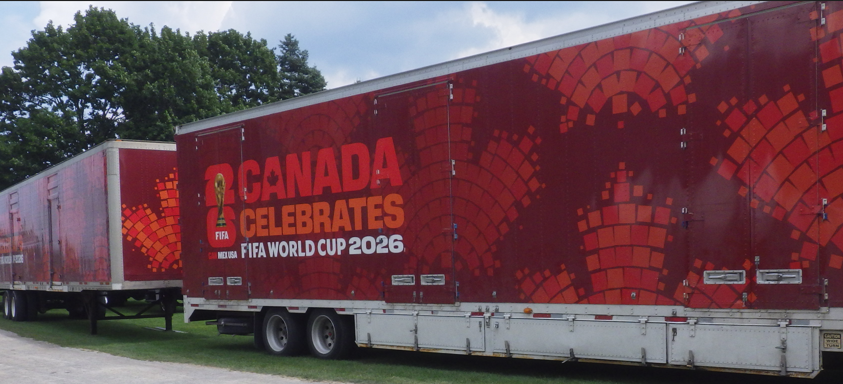







 By Pepper Parr

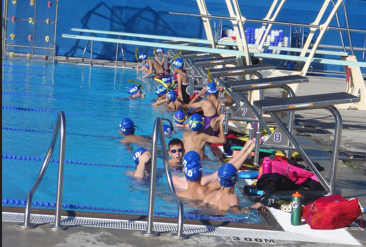
 By Gazette Staff
 By Gazette Staff
 Referred to as a high-energy, one-day event that will take place at Spencer Smith Park.
 By Sadie Smith


 By Sadie Smith
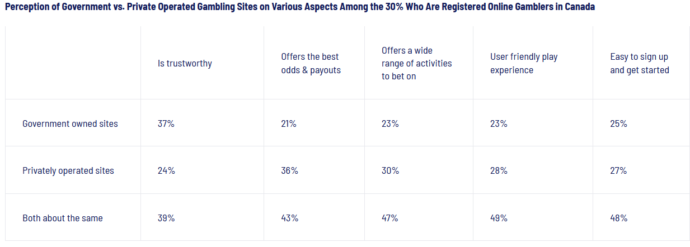








 By Gazette Staff

 One caveat sits inside that table. Active player accounts are not unique people, because the same person can hold accounts with several operators. A large account number is a measure of market reach, not a measure of how many Ontarians are gambling.
 It helps to be specific about what regulation covers and what it does not. That distinction matters when reading any marketing message. Regulated status tells you the operator has agreed to rules. It does not tell you that gambling is risk-free for you personally.
 Self-exclusion is a voluntary tool that puts a barrier between a person and gambling for a defined period. The same iGaming Ontario annual report describes a centralized self-exclusion system that will allow Ontarians to self-exclude from all regulated igaming sites in the province, with registered operators required to participate.
 By Pepper Parr


 Bank transfer options, including instant transfer tools and services similar to Interac, support direct funding from your financial institution to your casino account. Prepaid cards and vouchers are also available, offering a degree of privacy and control over spending limits.


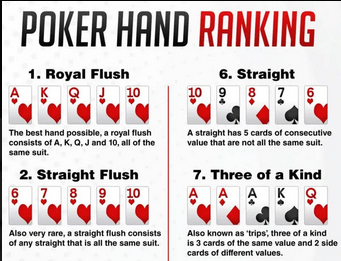 Texas Hold’em dominates. About 70% of all online poker traffic across major platforms. Its mix of skill, strategy, and luck creates something that’s easy to enter but deep enough to keep poker enthusiasts hooked far longer than simpler variants.



 Background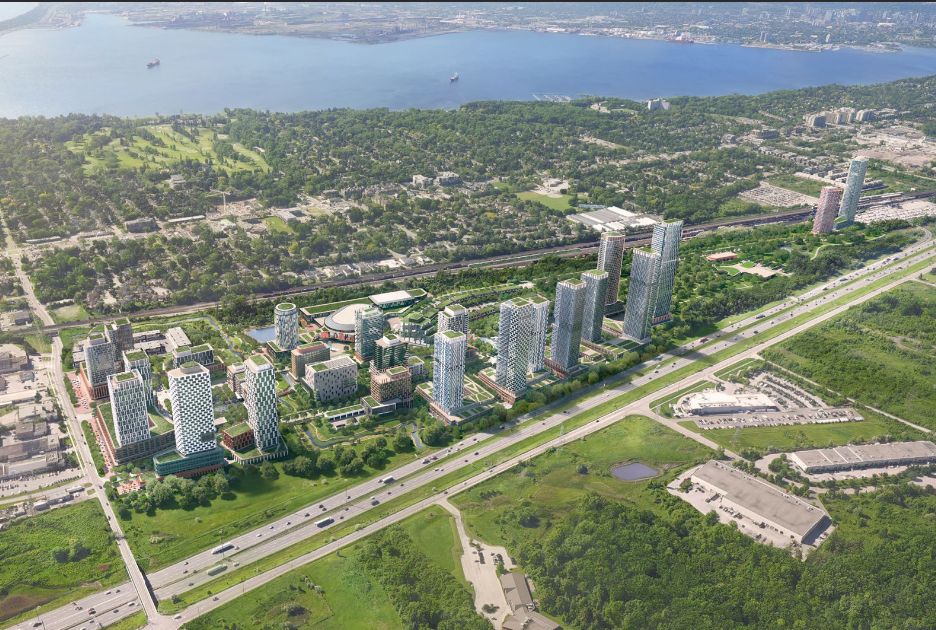

 Finalized in 2024, the Burlington Live and Play Plan is the City’s recreational facilities masterplan and outlines long-term programming and space needs. A range of high – level recommendations and options align with the concept of increased community access to recreational facilities.
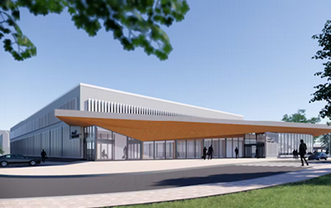

 Secondary components include aquatics, basketball, and community centre expansion. These remain important components but not an immediate focus from a funding and partnership perspective. That said, the City should be ready to act should funding from an alternative level of government or a partnership opportunity emerge which makes these elements fiscally viable in the shorter term.





 By Norm Coles