




 By Olha Rusyniuk
January 15th, 2026
BURLINGTON, ON
Vancouver is an important city that won’t be forgotten. Our backyard is always a work of art, whether it’s the bright hum of Granville Street at midnight, the gloomy mist on the Douglas firs in Stanley Park, or the North Shore mountains reflected in a Coal Harbour window made of glass and steel. But for many locals and tourists, these times shouldn’t just be saved on their phones or in a short Instagram story.
Turning local photography into high-end wall art has become a defining trend in West Coast interior design. It’s about more than just decoration. It’s about place-making. Furthermore, it’s the process of taking the soul of the Pacific Northwest and anchoring it to your living room wall.
If you are looking to elevate your space, here are five sophisticated ways to transform local captures into gallery-quality displays.
1. The Industrial Elegance of Metal Prints
A lot of the time, when people think of photos, they picture framed paper copies. But in a city like Vancouver, which is known for its complex dance with water, light, and industrial history, like the Canada Line’s smooth lines and the historic port cranes at Burrard Inlet, standard paper often fails to capture that shimmer. This is where the metal poster, especially a high-quality metal poster made with dye-sublimation, changes the game. In this method, dyes are heated until they become gases. The gases are then infused into a special layer on the metal. This makes prints that are not only bright but also resistant to water, scratches, and UV rays. Perfect for a place that gets an average of 1,200 millimeters of rain a year.
Why Metal Works for Shots
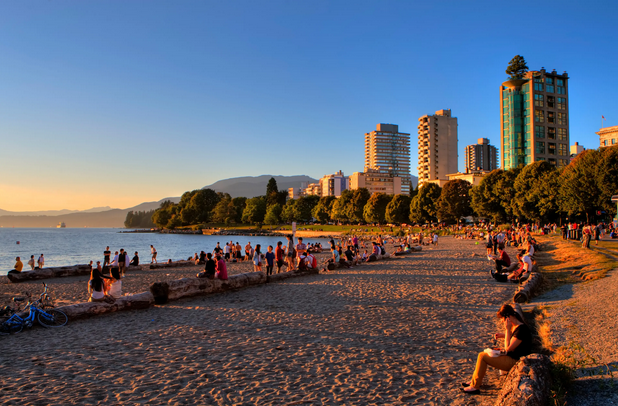
English Bay captures late afternoon sun.
In Vancouver, the colors come from English Bay in blue, Stanley Park’s forest in green, and the sky in gray, which photographers love for their dramatic effect. On a high-definition metal print, these colors look almost three-dimensional because of the way the base sparkles. The ink sticks straight to a 1.1 mm metal sheet, so the picture stays clear and sharp for up to 200 years in regular conditions, according to tests by the Image Permanence Institute. This sturdiness is helpful in our wet seaside environment, where indoor humidity can reach 60% in the winter, which could damage less durable materials.
- Reflective quality
-
-
- Metal prints go beyond light. Interact with it. Colors change slightly when sunlight passes through your windows, possibly on a rare, bright February afternoon. Picture the sunset over English Bay. As the sun sets, the design ripples like water, creating movement in your living area.
-
- Frameless modernism
-
- Instead of cumbersome frames, use float mounts, which suspend prints an inch off the wall with concealed hardware. This shadow effect highlights clean lines, suitable for Yaletown lofts or modern North Vancouver residences. Fun fact: This mounting technique is inspired by 1950s mid-century modern architecture and matches Vancouver’s architectural history, visible in the Woodward’s reconstruction.
Local photographers like those featured in the annual Capture Photography Festival swear by metal for urban-industrial themes, such as graffiti-covered silos in Mount Pleasant. To get started, upload your high-res file (at least 300 DPI) to services like PosterJack, and opt for gloss or matte finishes to match your space’s vibe. The result? A piece that’s as tough as the city’s seawall and as elegant as its skyline.
2. The Classic West Coast Gallery Canvas Wrap
There’s a timeless reason canvas wraps dominate galleries from the cobblestone streets of Gastown to the upscale boutiques of South Granville: they infuse photography with a tactile, organic warmth that softens the edges of Vancouver’s often stark modern architecture. In a city where West Coast style blends rustic cabins with glass high-rises, canvas bridges the gap, turning digital captures into heirloom-quality art that feels handcrafted.
Texture and Depth
A canvas print transcends a mere photo. It’s a sculptural object. By wrapping a high-resolution image around a 1.5-inch thick wooden stretcher bar frame, you add dimension that’s visible from any angle. Picture a panoramic shot of the Lions Gate Bridge at twilight. The wrap extends the cables and lights onto the sides, creating an immersive effect in your hallway or bedroom. According to a 2025 survey by the Art Dealers Association of Canada, canvas remains the top choice for 45% of buyers due to its versatility and affordability, starting at around $60 for a 20×30-inch piece.
- No glare. Unlike framed prints under glass, canvas boasts a matte or satin finish that diffuses light beautifully. This is crucial in Vancouver homes with abundant natural light from floor-to-ceiling windows or overhead fixtures, preventing reflections that could obscure details like the intricate patterns of rain on a ferry deck.
- The artist effect. The subtle weave of a cotton-poly blend fabric imparts a painterly texture, elevating everyday snaps. A quick iPhone photo of a heron poised at Lost Lagoon transforms into something gallery-worthy, reminiscent of works at the Vancouver Art Gallery. Did you know? Canvas printing evolved from 15th-century oil painting techniques, but digital advancements now allow for archival inks that resist fading for 75+ years.
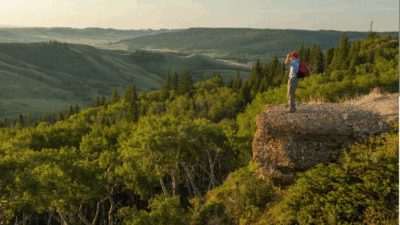
The photographer caught the majesty of the rolling hills at Cypress Provincial Park.
Source sustainable wood frames from local mills to match Vancouver’s ecological programs, where over 50% of buildings seek LEED certification. Create gallery wraps that reflect the picture on the borders for Cypress Provincial Park nature photos. Local photographers may present their work there, merging heritage with the city’s creative pulse.
3. Large-Format Acrylic for Liquid Landscapes
If metal embodies industrial chic, acrylic mounting screams luxury and crystalline clarity. Known as face-mounting, this technique prints your photo on premium paper before sealing it behind a thick, polished acrylic pane, creating a seamless, glossy facade that’s perfect for Vancouver’s fluid, watery landscapes, from crashing waves at Wreck Beach to mirrored reflections in Coal Harbour.
The Science of Light
Acrylic’s magic lies in how it manipulates light: internal reflections amplify colors by up to 25%, per optical studies from the Society of Photographic Instrumentation Engineers. This glow-from-within effect makes it the premier choice for Vancouver photographers capturing:
- Golden Hour at Spanish Banks. The warm oranges and pinks of sunset intensify, evoking the city’s 2,000+ hours of annual sunshine despite its rainy rep.
- Night Cityscapes. Downtown’s twinkling lights, think the neon glow of Granville Street, emerge crisp against inky blacks, without the muddiness that plagues lesser prints.
- Rainy Street Photography. The high-gloss finish mirrors wet pavement, amplifying Vancouver’s Raincity moniker, where over 160 rainy days a year inspire moody shots.
Opt for 1/4-inch to 1-inch thick acrylic for varying depth, and add aluminum backing for stability. Local fact: Acrylic’s rise in popularity coincides with Vancouver’s tech boom, as seen in installations at the Polygon Gallery. Prices start at $150 for medium sizes, but the investment pays off in durability, resistant to warping in humid conditions that average 70% relative humidity.
4. Curated Gallery Walls with Local Context
A curated gallery wall, a Kitsilano bungalow, and the Mount Pleasant condo trend tell stories better than a large picture. This approach mixes sizes, orientations, and themes from local photography to weave a visual narrative of Vancouver’s diverse tapestry, from indigenous heritage sites to multicultural festivals.
How to Build a Local Narrative
Ditch the single hero image for thematic cohesion. Select a motif that resonates with the city’s layers:
- The transit series
-
-
-
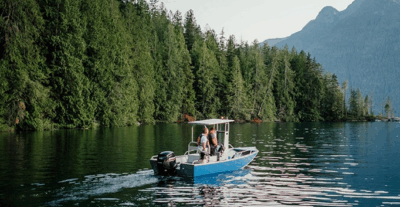
Boating through Burrard Inlet.
Black-and-white captures of the SkyTrain zipping through New Westminster, the SeaBus crossing Burrard Inlet, and vintage neon signs along East Hastings—evoking Vancouver’s evolution as a transit hub serving 2.5 million residents.
-
-
- The greenery series
-
- Macro lenses on ferns in Lynn Canyon Park, moss-draped bark from UBC Endowment Lands, and the ephemeral cherry blossoms in Fairview, highlighting the city’s 140+ parks covering 11% of its land.
Uniformly frame with light oak for Scandi or black wood for urban. Asymmetrical configurations may be planned using IKEA applications. Gallery walls increase house value by 10%, and Vancouver printers use eco-friendly methods, according to a 2024 Houzz analysis. Start small with 5-7 pieces and scale to accent walls for immersion.
5. Fine Art Giclée Prints on Archival Paper
For photography purists, Giclée prints on heavy, acid-free archival paper represent the pinnacle. Faithful reproductions that honor the detail of modern cameras without gimmicks. In Vancouver, where fog and subtle gradients define many shots, this method preserves nuance like no other.
Longevity and Detail
Giclée employs 10-12 pigment-based inks versus standard four-color processes, yielding seamless gradients ideal for a foggy Burrard Inlet morning. These prints last 100+ years, as certified by the Fine Art Trade Guild, making them heirlooms.
- Matting matters. An extra-wide 3-4 inch mat focuses the eye, adding a luxurious gallery buffer. Perfect for high-end displays.
- Heritage appeal. Turn a family photo at Third Beach into timeless history, aligning with Vancouver’s cultural preservation efforts, like the 1,000+ heritage buildings protected citywide.
Source from local ateliers using cotton rag paper for texture. It’s a nod to tradition in a digital age, ensuring your local captures endure.
FAQ
Does my photo need to be taken on a professional camera?
Not necessarily! Smartphones like the iPhone 14+ and Samsung S23+ output 20×30-inch print files. To minimize pixelation, use a high-resolution DSLR or Mirrorless camera for mural-sized wall art.
Does my picture have adequate resolution?
For printing size, 300 DPI is often used. Most good online printers offer an in-built quality meter that notifies you if your file is too small.
What is the best way to clean metal or acrylic prints?
Avoid harsh chemicals. A microfiber cloth (like cleaning glasses) and a little water or acrylic cleaner are plenty. These don’t streak since they’re not behind glass.
Should I edit my photos before printing?
Yes. Backlit phone screens make photographs seem brighter than printed ones. Before sending a file to the printer, raise the Brightness and Shadows by 5 to 10 percent. This will keep details from being lost in the shadows.
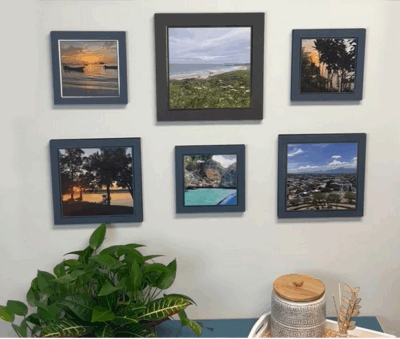
Local photography highlights the company’s connection to the community’s culture.
Is Wall Art a worthwhile local business investment?
Absolutely. Displaying local photographs at a Commercial Drive coffee shop or downtown law practice creates a neighborhood connection. It highlights the company’s connection to Vancouver’s culture.

Discover more from Burlington Gazette - Local News, Politics, Community
Subscribe to get the latest posts sent to your email.
