By Pepper Parr By Pepper Parr
April 27th, 2025
BURLINGTON, ON
While it is a nationwide election, the battles take place in the constituency trenches.
Karina Gould is fighting her fourth election; Emily Brown her second.
Political parties aside, they are both decent, accomplished women.
Gould has more to show politically; including that terrible gaff when she asked that what was said in the House about the former Nazi in the House of Commons while Ukraine president Zelensky was being recognized be struck from the record.
Gould has delivered the bacon, that’s what she was elected to do.
Brown has worked very hard at the constituency level to keep the Conservatives in the public eye.
Should she lose this election it would be very hard to come back a third time.
Should Gould lose the election, there is little doubt that she will be a candidate in the next federal election.
Her decision to run for the leadership of the Liberal party was a brave move – at some point, she could well become the Prime Minister.
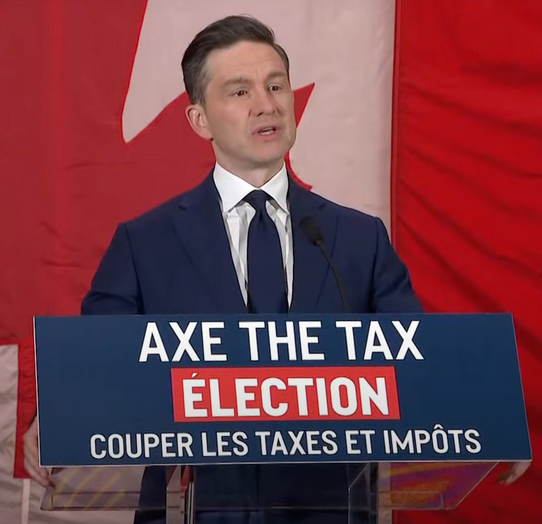
Voters across the country will be voting for the political party they would like to see win – this is a race between Pierre Poileivre and Mark Carney being decided in the 383 constituencies coast to coast to coast.
It is an existential election; Canada is going to go through a massive change in which countries it trades with; on how much it spends on defense and how the federal government that takes office decides to spend the tax dollars it will raise.
Our economy and our borders are at risk.
The new Prime Minister will have to deal with a President who is both reckless, unstable and unprepared to adhere to the Constitution he swore to protect.
Every Canadian will have determined their choice when they vote on Monday.
The 7.3 million voters who cast ballots during the Easter holiday, a record two million on Good Friday, is evidence enough that citizens are engaged.
If you haven’t voted – do so.
Thousands will vote for a political party they have not voted for in the past. That is democracy at its best.
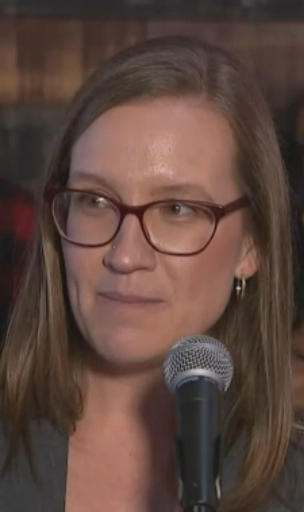
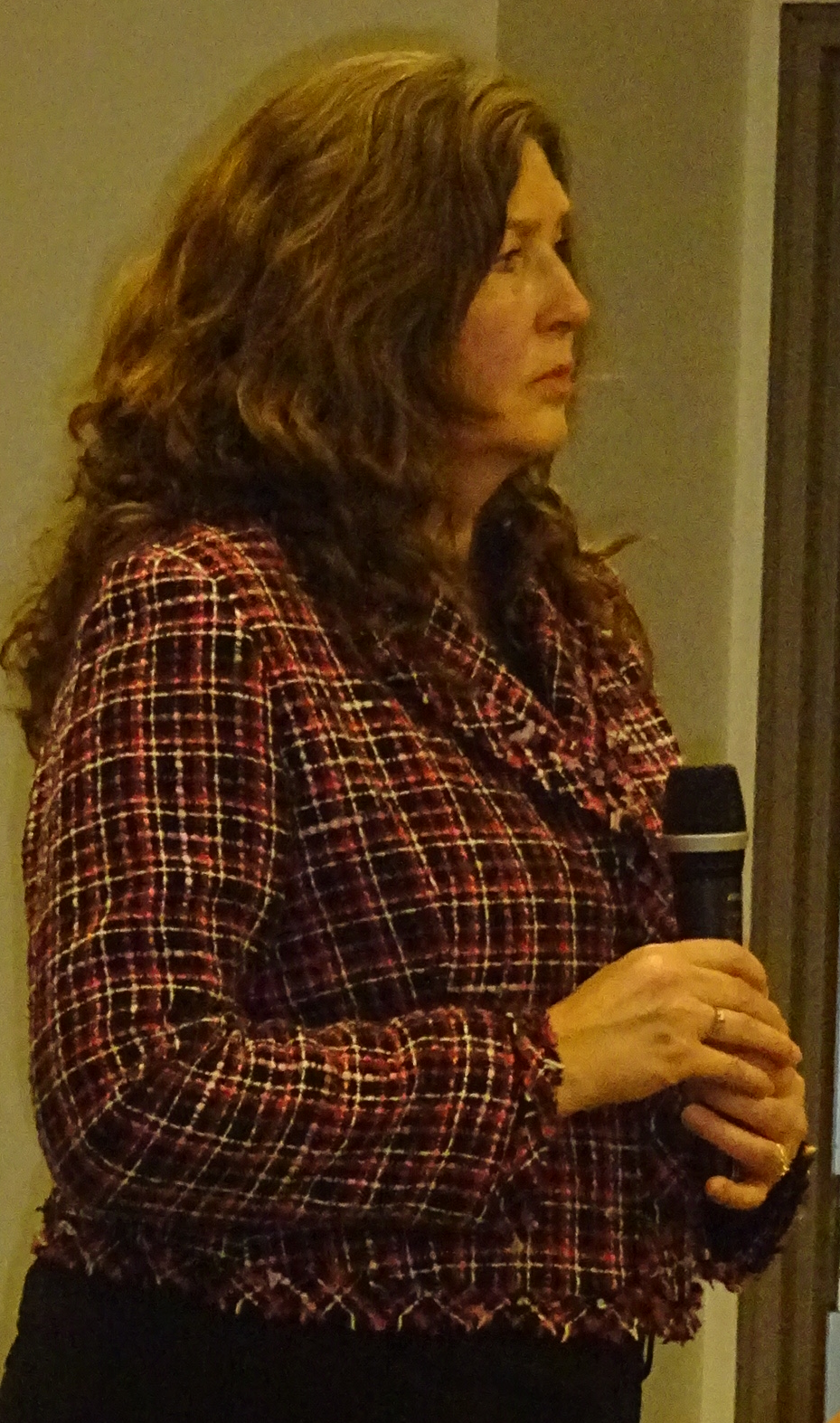
 Karina Gould  Emily Brown The choice is: Emily Brown or Karina Gould.
Yes, there are other candidates, and the political parties they represent matter. They
Michael Bator, People’s Party of Canada
Michael Beauchemin, New Democratic Party
Emily Brown, Conservative Party of Canada
Karina Gould, Liberal Party of Canada
Paul Harper Parti Rhinocéros Party
Kyle Hutton Green Party
Ocean Marshall Libertarian Party of Canada

By Pepper Parr
April 26th, 2025
BURLINGTON, ON
On Friday there was a noisy demonstration outside the Burlington Centre, the location of the Gould offices.
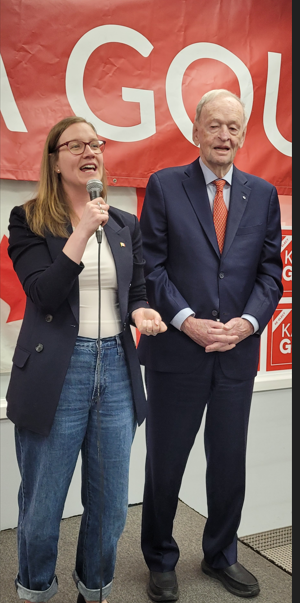
Gould was hosting former Prime Minister Jean Chretien
Foul language, foul signs and a bullhorn blaring away were reported to us by an individual who was at the site.
We reported what we learned.
Several hours later, we received a phone call from a trusted individual who was working as a volunteer on the Emily Brown campaign, saying that the demonstrators were not from the Brown campaign.
The Brown campaign was in the area doing their typical campaign work at the intersection of Guelph Line and Fairview at 5:30 pm
The Chretien event took place earlier in the day.
We reached out to the Brown campaign and did not get a response until much later in the day. The news cycle is a 24/7 operation.
 Emily Brown, Conservative candidate for the Burlington seat in the House of Commons. We are delighted to learn that the Brown campaign was not involved, and would have liked to have seen a statement from the Brown campaign expressing their concern that there are people abusing the election campaign process.
Emily Brown has worked hard as a candidate in two elections. Were she to be elected she would represent the interests of the city very well.
By Pepper Parr
April 26th, 2024
BURLINGTON, ON
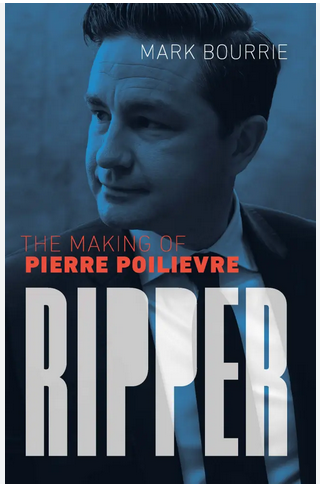
Ripper: The Making of Pierre Poilievre is the title of a book written by Mark Bourrie and reviewed by Charlotte Gray for the Globe and Mail who points out that Ripper has one message: The Pierre Poilievre we see today is the same person as the teenager he was in Calgary’s Reform Party backrooms. Mark Bourrie describes that 1990s teenager as “the political equivalent of a hockey goon,” and argues that he hasn’t adjusted his behaviour or outlook since then.
 “However, to understand Canada’s “Trump-lite,” Bourrie argues, we need to acknowledge the global socioeconomic changes that have spawned a crop of right-wing dictators, and caused the deterioration of traditional journalism and public discourse. To borrow terms coined by New York Times columnist David Brooks, the public sphere is inhabited by “weavers,” who strive for social consensus, and “rippers,” who see politics as a war that gives their life meaning. “However, to understand Canada’s “Trump-lite,” Bourrie argues, we need to acknowledge the global socioeconomic changes that have spawned a crop of right-wing dictators, and caused the deterioration of traditional journalism and public discourse. To borrow terms coined by New York Times columnist David Brooks, the public sphere is inhabited by “weavers,” who strive for social consensus, and “rippers,” who see politics as a war that gives their life meaning.
“Poilievre’s adolescent views and tactics, typical of a ripper, didn’t need to evolve as he clambered up the greasy pole. He had the good fortune to be in tune with the times – times that have produced anxious, angry voters likely to embrace a right-wing ripper. Doors kept opening for him, and he scrambled straight through them until the Conservative Leader could almost taste victory in the coming federal election.
“Bourrie’s portrait of Poilievre could hardly be more critical, describing him as the angriest person on Canada’s political stage and the nastiest leader of a major party in this country’s history.
“I’ve got nothing against him as a person,” Bourrie insists, but adds that “he’s an angry teenager in the body of a grown man. That makes him a stellar opposition politician. It’s a bad combination in a prime minister.”
“For 375 pages (plus a further 50 pages of eccentric end notes), Bourrie makes his case. He relied for evidence on a mountain of press clippings, a raft of political books and deep dives into the explosive growths of social media and fake news, which he explored in two previous books. He synthesized an enormous amount of information, wrote at an astonishing pace (150,000 words in nine months) and produced a narrative that mixes careful analysis, punchy prose, ironic quips and outrage at Poilievre’s success.
“The result, although uneven, is a gripping read. But does Bourrie prove his point?
“Much of the biographical material in Ripper is familiar, chronicled (with a positive spin) most recently in Andrew Lawton’s biography of Poilievre. Bourrie quickly provides the basic facts. Marlene Poilievre, a passionate Tory and devout Catholic, began taking her son to Conservative riding association meetings and anti-abortion rallies when he was only 14.
“Poilievre was soon absorbing economic views shaped by Milton Friedman and attending seminars conducted by the right-wing Fraser Institute.
“Enrolling at the University of Calgary in 1997, Poilievre polished his political skills as a debater who was soon giving short, pithy quotes to Calgary Herald reporters at Reform events. Lawton enthused about the sharp-elbowed rookie’s commitment, but Bourrie deplores Poilievre’s aggressive tone. The politician, he writes, was making “dire, overthe-top claims of a debilitating national problem” and using “harsh and cruel” language as he blamed opponents.
“Bourrie embeds these glimpses of the young politician in the larger story of Alberta’s postwar history, and the way that Western Canadian alienation was disrupting the Progressive Conservative Party.
“Similarly, when Bourrie tracks Poilievre’s shift to Ottawa in 1999, and his 2004 election (at 25, the youngest MP in the Commons) in the riding of Nepean-Carleton, the author enriches the Poilievre chronology with context, including the capital’s social culture and the Reform Party’s conquest of the Conservative Party.
 Poilievre showed little interest in the intellectual challenge of policy development. “Poilievre pulled ahead of his peers – “strange, nerdy, socially isolated young conservatives” in Bourrie’s words – because he knew what the media wanted: “good quote and great footage.” While Jean Chrétien and Paul Martin led the country, Poilievre was one of the opposition’s most effective critics of Liberal corruption.
“Increased media exposure fed on itself, as he went after daycare programs, gay marriage and bilingualism, and found catchy nicknames for his opponents (Martin was “the king of cronyism.”).
“When the Conservatives formed the government in 2006, Poilievre became prime minister Steven Harper’s attack dog in Question Period. His strategy, Bourrie writes, was to “smear the person trying to do the embarrassing.”
“Occasionally, he strayed from the Harper playbook. On the day that the prime minister issued an apology to Indigenous people for the residential-school system, Poilievre stole the headlines by publicly questioning whether Canadians were getting value for money from the $2-billion compensation paid to survivors. Harper made him apologize in the House.
“During these years, Conservatives raced ahead of other parties in new political techniques of data gathering and analysis, which exponentially improved their voter identification and fundraising capacities. Poilievre’s quick hits and nifty slogans were tailormade, in our rushed digital age, to appeal to voters pinpointed by technology as open to his message.
“He was finally rewarded with a cabinet role in 2013, as Canada’s first minister of democratic reform. His real job, according to Bourrie, was to “whack Elections Canada.” He introduced a Fair Elections Act that editorial writers at both the National Post and The Globe and Mail deplored as destructive.
“During the nine years of Justin Trudeau’s Liberal government, Poilievre (now Conservative finance critic) was relentlessly on the attack. Trudeau’s Liberals provided him with plenty of targets. Poilievre labelled the prime minister “a corrupt tin-pot dictator” and accused finance minister Bill Morneau of losing the “moral authority to hold your office.”
“When he finally ran for the leadership of his party, in 2022, his victory was decisive. Tellingly, Erin O’Toole, the man he replaced, warned, “This country needs a Conservative Party that is both an intellectual force and a governing force. … Seeking power without ideology is hubris.”
“But Poilievre showed little interest in the intellectual challenge of policy development. Instead, he stayed in the headlines with slogans and sneers, bashing the “radical, woke coalition” of Liberals and NDP and reserving special venom for Trudeau.
“His mastery of social media (he has one million followers on X), YouTube (more than half a million followers) and partisan Tory outlets has allowed him to create his own media environment. Instead of answering questions from the dwindling legacy media about his solutions to all the problems bedevilling this country.
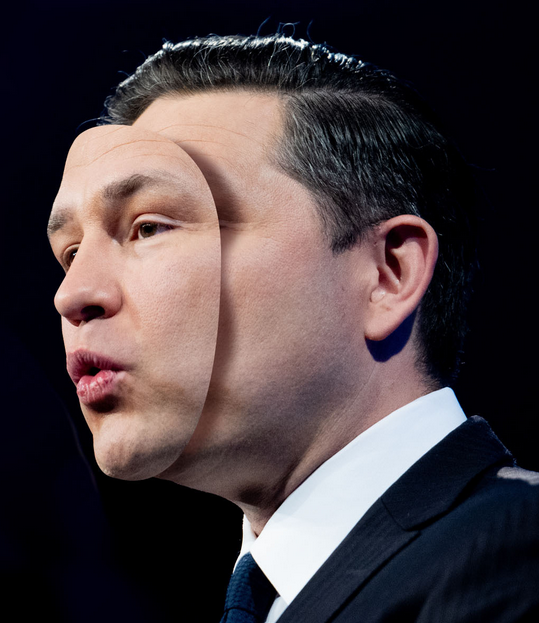
 Poilievre: a viciously brilliant critic who has shown no potential, as yet, to become a weaver who could bring the country together. “Bourrie demonstrates how deftly Poilievre ensured that his manipulation of facts and his insistence that “Canada is broken” never received much scrutiny. His standing in opinion polls rose and rose.
“The author acknowledges that Poilievre has a more agreeable side, as an excellent constituency member and family man who has spoken up for children with autism. But Bourrie conclusively proves his point that the politician is an Olympic-class ripper, a viciously brilliant critic who has shown no potential, as yet, to become a weaver who could bring the country together.
“Ripper does more than paint a dark picture of the Conservative Leader. The author gives serious attention to the question: How did we get here? How did Canada – a country once celebrated for civility and compromise – elevate a politician who has surfed on division and disrespect?
“This past January, Poilievre’s expectations of an easy victory at the polls were shattered by the Liberal leadership race and Trump’s tariff threat. The skills that Poilievre has burnished over the past 30 years no longer seem to fit the moment. He is finally out of step with his times.
“Bourrie has produced a searing but convincing critique of the Conservative Leader’s shortcomings that will give pause to anyone outside the diehard Poilievre base. The politician’s insistence that “Canada is broken” has been cast aside in a wave of nationalism. Voters may decide that an angry ripper may not be what Canada needs right now.”
By Staff
April 26th, 2025
BURLINGTON, ON
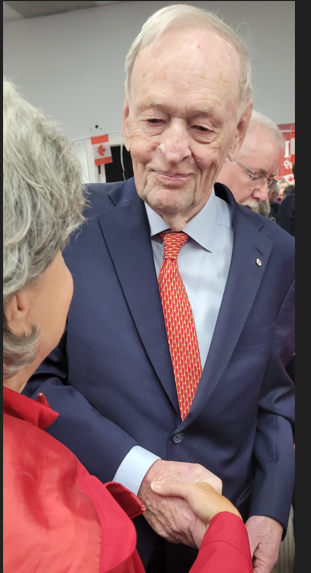
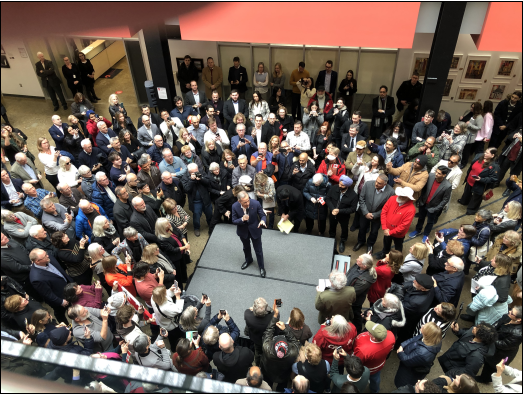
There he was, 91 year old former Prime Minister Jean Chretien, stopping by the Karina Gould office at Burlington Centre for a photo op and chit chat with some 200 of her volunteers.
 Jean Chretien with Karina Gould  Chretien greeting a Gould supporter. A typical election campaign event explained Carol Victor except for the noisy group gathered outside with huge flags and a bullhorn blasting F…Carney ..disgusting behaviour similar to something we might witness in the US. This was reminiscent of the deplorable Ottawa Convoy mob during the pandemic.
We could hardly believe that this was happening in Burlington, let alone Canada, where the real enemy is South of the border and not within our own country. Never in an election, have I ever witnessed such poor behavior….definitely unCanadian to say the least.
Chretien displayed incredible wit and energy.
By Pepper Parr
April 25th, 2025
BURLINGTON, ON
If you thought Mark Carney became very interested in becoming the Prime Minister when it was evident that Justin Trudeau was in his way out the door – you have not be keeping up on the man and what he has been up to.
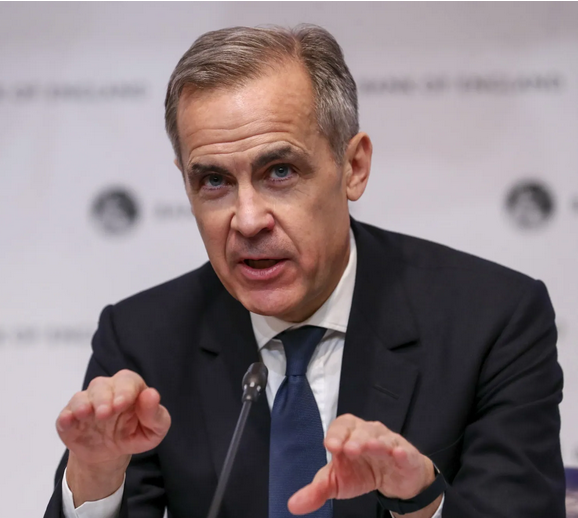
 Carney was talking to associates about becoming Prime Minister when he was being considered as the Governor of the Bank of England. At the time he was concerned that being the Governor of the British bank might not look all that good to Canadian electors. Carney was talking to associates about becoming Prime Minister when he was being considered as the Governor of the Bank of England. At the time he was concerned that being the Governor of the British bank might not look all that good to Canadian electors.
Those who talk openly about Carney will say: “You probably couldn’t sit down and design a person who has a better set of tools to deal with economic anxiety,’ Liberal powerbroker Frank McKenna says of party leader Mark Carney.
 Hurricane Trump is an untamable force, but sensing where the wind is blowing and planning meticulously is the way Mr. Carney functions. Mr. Carney is so strategic in his approach to the world that for years he’s been a dedicated runner and careful eater, in part because he believes he needs to be in good physical shape to work at a certain level, with long hours and punishing travel. He has to be truly wrung out to abandon that and lay into some French fries or a bag of Doritos.
Hurricane Trump is an untamable force, but sensing where the wind is blowing and planning meticulously is the way Mr. Carney functions.
“If this were an ordinary election with ordinary issues, he would never be able to distinguish himself,” Liberal powerbroker Frank McKenna says. “But this is not an ordinary election. There really is one issue and one issue only, and it’s around economic anxiety.
Pretty much everyone who’s crossed paths with him comes away impressed by his intelligence, which has a distinct sifting quality: distilling, making connections, putting things in order.
He’s often charming and very funny. He can also be impatient, caustic or condescending when he feels like someone isn’t keeping up their end of the bargain; the phrase “doesn’t suffer fools” comes up a lot. When he was governor of the Bank of England, the Financial Times reported that staff called encountering this side of him “getting tasered.”
Some people see this as a function of how he absorbs information: asking question after question to peel an idea down to its foundations and figure out how it fits with what else he knows. It can read as a dominance move, leaving the person he’s questioning to feel like they’ve been stripped for parts, too.
And virtually everyone makes the same point about his career path: He gave up boatloads of cash when he left investment banking for the public sector.
It’s influence rather than money that drives him. Not power for power’s sake, but a seat at a table where he can make big calls that matter, because he believes he’s equipped to do so. Public policy offers that like nothing else can.
 Carney absorbs information: asking question after question to peel an idea down to its foundations and figure out how it fits with what else he knows. Mark Carney is one of four children: Mark, the third child, Brian, Brenda and Sean
Two to the boys went to Harvard, one to Notre Dame. Brenda went to the University of Alberta and then on to Vancouver where she earned a Masters degree in education.
The parents were educators, They saw education as a gift that opens doors.
At the age of 14 Mark wrote a Letter to the Editor of the local newspaper saying “While your paper does have the right of freedom of the press your personal views should be kept on the editorial pages.” In another letter. “Although your position may be the more popular one, that does not excuse your lack of responsible journalism.”
When Mr. Carney started at Harvard, he and Peter Chiarelli, another freshman from Ottawa, were assigned rooms on the same corridor. They had hockey, their home country and their middle-class upbringings in common, so they became fast friends.
Chiarelli, now an NHL executive with the St. Louis Blues, is a close friend who calls Carney cheap.
“His study notes were three different levels above everyone else’s study notes,” Mr. Chiarelli says. “It wasn’t a summary, it was substantive questions about what he was learning. So it was almost like he was answering the exam in his study notes.”
Chiarella describes Carney as disciplined and compartmentalized, a system for everything, and a bone-dry wit that snuck up on you.
After graduating from Harvard with an economics degree in 1988, Carney got a job with Goldman Sachs. He worked for the investment firm in London and Tokyo as an analyst in the credit risk department.
In 1991, he left for the University of Oxford to get his master’s and PhD, figuring that would be useful for the public policy career he eventually wanted.
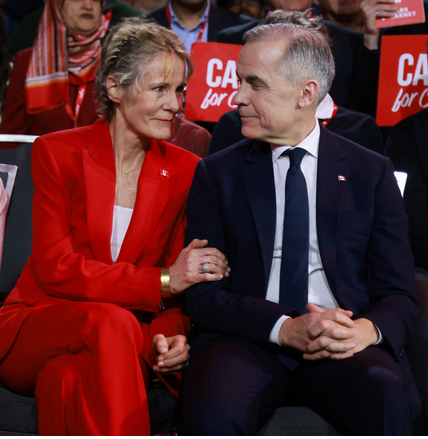
 Mark Carney and his wife Diana Fox: She was a better hockey player than he was. He was co-captain of the Oxford Blues hockey team. Diana Fox, a player on the women’s team, caught his attention when she scored a hat trick over Cambridge. He and the British-born economist married in 1994, and would go on to have four children.
Margaret Meyer, official fellow in economics at Oxford’s Nuffield College, supervised Mr. Carney’s doctoral thesis, which examined how domestic competition might improve the national competitiveness of companies.
His was the longest thesis she ever supervised, and also one of the most quickly completed.
After Oxford, Goldman offered Mr. Carney a job in London, and he stayed at the investment bank for the next decade.
He returned to Canada to work at the Bank of Canada and was loaned to the Finance department to work on the G8 conference. He stayed at Finance until the spring of 2007, when Mr. Dodge the then Governor of the Bank of Canada, announced that he wouldn’t accept a second term as governor. Carney returned to the bank, then took over as Governor in early 2008.
In the fall of 2008, when the bottom fell out with the financial crisis, Carney’s arrival at the bank looked prescient. He had a wide network of financial market contacts, and they viewed him as someone who spoke their language when “the world was falling apart pretty fast,” as Dodge put it.
Carney uses the phrase: “Plan beats no plan.”
This means both that someone needs to take charge, and that picking a plan and running with it is better than dithering forever in search of the perfect plan while the crisis overtakes you. It’s something Mr. Carney learned at Goldman.
“At some point you have to make a decision – you’re never going to have perfect information,” he told The Globe and Mail when he was governor of the Bank of Canada. “People will make mistakes – that’s natural. The issue is not that things turn out wrong. The issue is you’ve made the effort and done the right preparation before you make the call.”
That has been the approach Mark Carney has taken to winning the current federal election.
His French language skills needed a lot of polishing. He polished.
 He learned how to politick on the job. He had little in the way of politicking skills – he got out on the stump and politicked.
The way he did his job while at Brookfield Assets has been a concern to many. The job was to get the best deal he could for the shareholders, and he did that quite well.
The Prime Minister chooses the members of his Cabinet – they serve at his pleasure. He will be a tough task master.
He will make mistakes, but based on what we have seen this man do so far in his career, he will serve the public well if he is elected.
Much of the content in this article was picked up from the Globe and Mail.
By Pepper Parr
April 24th, 2025
BURLINGTON, ON
The library has taken up a lot of the news space.
Their participation in the CBC Ideas program this evening is worth listening to – your library is part of a national discussion on what democracy means and how libraries are part of communicating that story. CBC IDEAS at 8:00 pm this evening.
Now on to the federal election, the national leaders and the candidates at the local level.
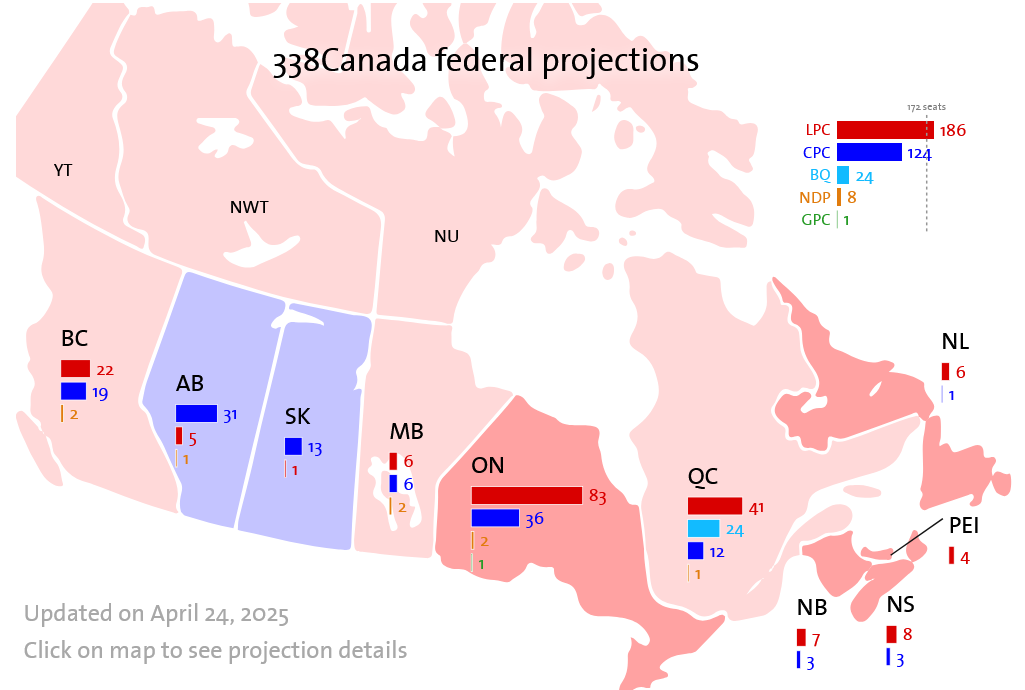
 The Click on feature has been disabled. You can access that level of detail at 338Canada.com
Our decision to focus on just the Conservative party and the Liberal party will offend many. It is a matter of resources – we just don’t have the time to cover candidates from other political parties other than giving them a polite mention.
More than 7.3 million people voted during the four day weekend with two million voting on Good Friday; highest vote ever recorded in one day.
Citizens are clearly engaged and the race gets tighter each day.
We will publish a piece on both Pierre Poilievre and Mark Carney and then publish a piece on Karina Gould and then Emily Brown.
The statement by President Trump early this morning on his view that Canada should become the 51st American state sharpens just what the election issue is about.
And then leave it to the people who make a point of voting to cast their ballots and wait for the results on the 28th
By Ray Rivers
April 22nd, 2025
BURLINGTON, ON
OPINION
“The Conservative leader says that only one per cent of single-use plastics find their way into the environment every year, with the rest being recycled.” (CBC News Posted: Apr 18, 2025)
That has to be a misquote. Nobody running for prime minister on behalf of a major political party could be that ignorant. The real numbers from both US and Canadian environmental agencies is that something like 90% or more plastic packaging ends up in landfills or the environment rather than being recycled.
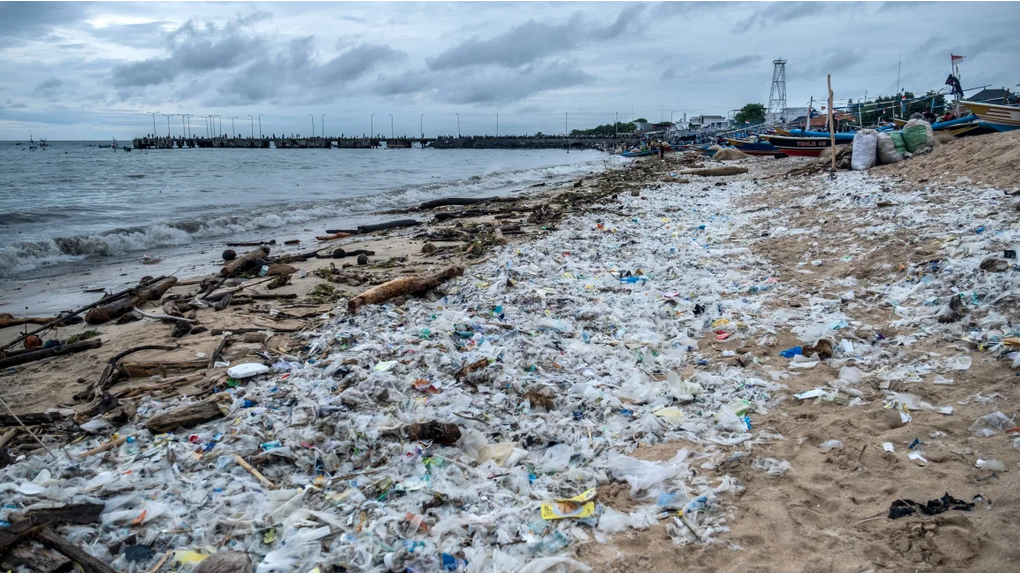
 Half of single-use plastic waste produced by just 20 companies And over 80% of Canadians, according to recent polling, support the single use plastics ban, including something like 70% of Conservatives. But Poilievre must be appealing to that other 30% who make up the extreme right wing of the Conservative Party of Canada (CPC). And it appears he is following the lead of the US president who, only days ago, eliminated the US ban on plastic straws claiming…“I don’t think plastic is going to affect a shark very much, as they’re munching their way through the ocean”.
Poilievre had been hoping to be the one to ‘axe-the-carbon-tax’. But then Mr. Carney beat him to it. So Mr. Poilievre has dreamt up some numbers and is calling the plastic bag ban just another tax – a ‘food-tax’ – that he needs to axe. And here again he may not get the chance. While the ban is still in force, it is currently under court review over a technicality.
Mr. Poilievre shuns the label MAGA, though he had been endorsed by Elon Musk. Perhaps it’s his Canadian version of ‘drill-baby-drill’ that Musk, the EV maker, ironically admires. Or it might be the Tory leader’s threat to defund Canada’s national broadcaster, in line with Donald Trump’s promises to defund NPR and the Public Broadcasting Service. But seriously, the primary purpose of the CBC is to inform and enlighten Canadians, and to engender a shared national consciousness and identity. What could be more important for Canadians in this time of national crisis?
 Over 70% of Canadians want to see handguns banned. And then there is the Tory leader’s stand on public safety. He has promised to keep repeat murders behind bars until it’s time to leave prison in a wooden box. And since that might be unconstitutional he would be the first PM to invoke the ‘notwithstanding clause’ to keep them there. But this tough love on crime is a peculiar position for someone who has opposed every single gun control measure in Parliament, and who is refusing to say if he’d relax handgun laws. Being soft on gun ownership may be politically astute south of border in MAGA country but over 70% of Canadians want to see handguns banned.
This is being touted as the most important election in recent memory, and voter turnout at the advance polls has broken all records. There has been a coalescence of the voting public towards the two traditional parties and that is prompting speculation that this might become permanent. Two centrist parties alternating turns at governing is what works best in our first-past-the-post electoral system. But will that be sustainable with one centrist party and the other a kind of MAGA Canadian?
 Ray Rivers, a Gazette Contributing Editor, writes regularly applying his more than 25 years as a federal bureaucrat to his thinking. Rivers was once a candidate for provincial office in Burlington. He was the founder of the Burlington citizen committee on sustainability at a time when climate warming was a hotly debated subject. Ray has a post graduate degree in economics that he earned at the University of Ottawa. Tweet @rayzrivers Ray Rivers, a Gazette Contributing Editor, writes regularly applying his more than 25 years as a federal bureaucrat to his thinking. Rivers was once a candidate for provincial office in Burlington. He was the founder of the Burlington citizen committee on sustainability at a time when climate warming was a hotly debated subject. Ray has a post graduate degree in economics that he earned at the University of Ottawa. Tweet @rayzrivers
Background links
Plastic Ban – Plastics Poll – Handguns – Guns Poll – Electoral Coalescence – Record Turnout – MAGA –
By Pepper Parr
April 19th, 2025
BURLINGTON, ON
OPINION
Is this a good time to look at what the political leadership in the country might look like once all the ballots have been cast and everyone sworn in and settled in the House of Commons seats?
 Jagmeet Singh Should Jagmeet Singh lose his seat in Burnaby South– who replaces him as leader of the New Democrats?
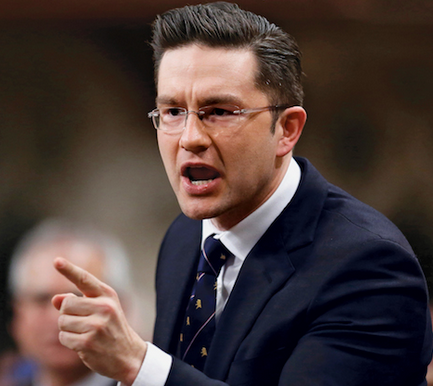
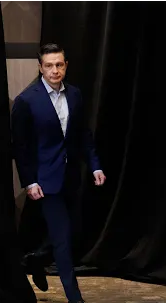
 Pierre Poilievre If Pierre Poilievre loses the election by a number larger than the pollsters are suggesting – what do the Conservatives do? Hold a Leadership review? And what if the Conservatives decide Poilievre has to go – who do they choose to replace him?
It looks like Carney is going to win the election, but what if he has a plurality of just one seat – who does he look to for support?
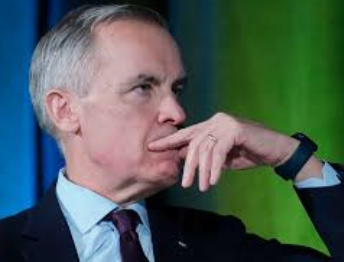
 Mark Carney And what does a week Liberal majority do to the strength that Carney said he needs to confront Donald Trump?
By Tom Parkin
April 19th, 2025
BURLINGTON, ON
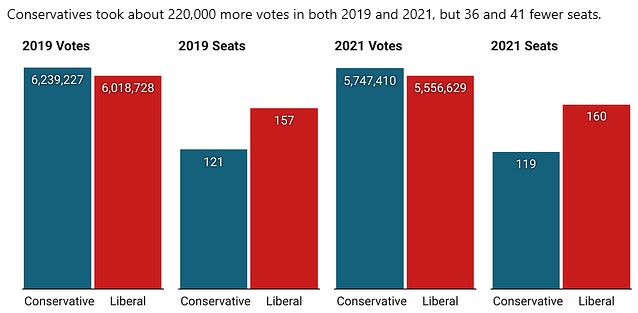
Conservatives took about 220,000 more votes in both 2019 and 2021, but 36 and 41 fewer seats.

With now less than 10 days until the ballots are counted, a mood of defeat is settling over the Conservatives.
 Pierre Poilievre Their last hope was for Pierre Poilievre to score a big win in the debates to turn things around. He didn’t.
Fearing Trump comparisons, and therefore unable to unleash his inner attack dog, Poilievre was average. And he needed to be a lot better than average to move the needle.
The Conservatives are six points back in popular support, according to an average of recent polls. And they have historic weak vote efficiency. In both 2019 and 2021, Conservatives received about 220,000 more votes. But in 2019 they elected 36 fewer MPs than the Liberals; 41 fewer in 2021.
The Conservatives get big vote pile-ups in southern Alberta, Saskatchewan and Manitoba. But they can only win the same riding once.
Also: use Progressive Vote Guide at ProgressiveVote.ca to review ridings where the NDP is a strategic or safe vote.
Because of their lagging popular support and vote efficiency handicap, Conservatives would need to grow by almost one point every day until April 28. A surge of that scale has never happened in a federal election and there’s no hint of one happening for Pierre Poilievre now.
Question shifts to look of PM Carney’s opposition
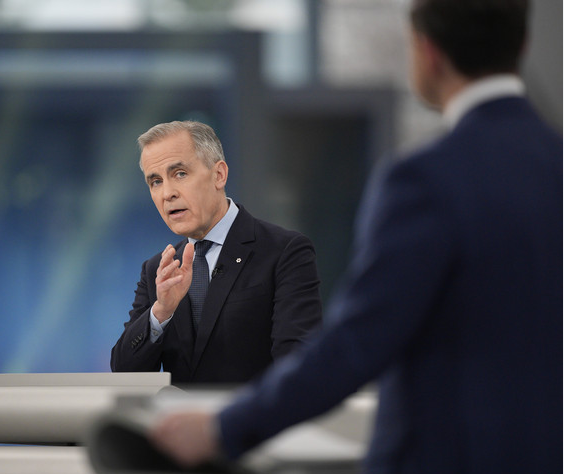
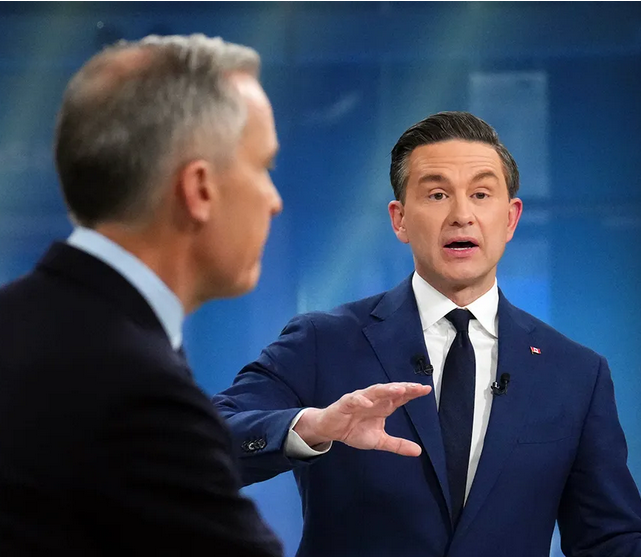
 Mark Carney responding ti Pierre Poilievre during the debate. As the question of who will become prime minister resolves, the emerging question is about the composition of the opposition Prime Minister Mark Carney will face.
The debate showed clear patterns about who and what each opposition party will fight for in the next parliament.
Poilievre pushed to pump oil and cut taxes. He pressed on a plan to use the notwithstanding clause to lengthen the jail terms of multiple-murderers.
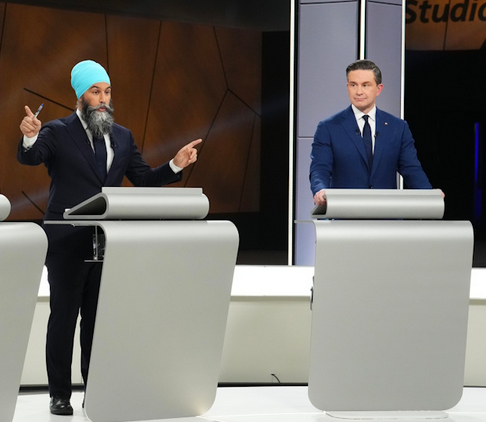
Singh pressed Carney over threatened cuts to health transfers, support for workers affected by Trump tariffs, closing tax haven access, and his history of profiting from rent-busting.
 Yves-François Blanchet MP is a Canadian politician who has served as the leader of the Bloc Québécois and member of Parliament for Beloeil—Chambly since 2019. BQ leader Blanchet asked why Carney refuses to disclose his investments, as done by other leaders, and perceived intrusions into provincial jurisdiction.
Where progressive opposition can win is key question
Carney jousted with Poilievre over who would pump more oil or cut more taxes, but pivoted away from direct questions about health transfers, rent-busting, tax dodging and no disclosure. He gave no clarity about where he will cut billions to both balance the budget and pay for his capital gains tax cut.
In the last 10 days, Carney may yet avoid transparency on these questions. Being not Trump, Poilievre or Trudeau looks like it will be enough.
That makes it even more important Canadians elect as many progressive MPs as possible who will pressure Mark Carney in the Commons after this election. Helping progressive voters see where they can make that happen is the singular challenge in the final 10 days.
By Staff
April 19th, 2025
BURLINGTON, ON
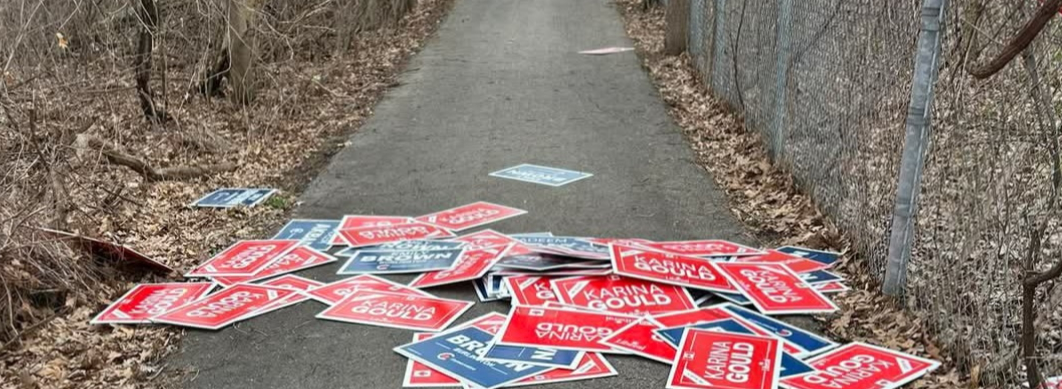
A pile of stolen signs found on the Duncaster Trail.
The people who did this could have instead been distributing literature and helping to get out the vote.

By Ray Rivers
April 18th, 2025
BURLINGTON, ON
The political debates in Canada’s federal election this year are over. As is often the case, there were no winners in either of the two debates held in each of the country’s official languages. If anything, Mark Carney as the front runner deserves credit for largely surviving the assault in both debates by the other three political leaders.
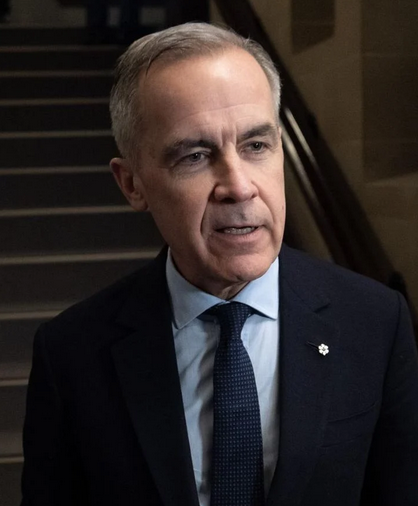
 Prime Minister Mark Carney Carney is not your typical politician. He is an academic and an intellectual with an impressive resume of achievements. And, he’s clearly not very comfortable in the political bun fight. He was barraged by attacks from all sides and seemed overwhelmed at times. But he did maintain his cool, added some occasional humour and brought forward methodical rebuttal arguments.
Carney appeared to become defensive about his decision to eliminate the consumer carbon tax and as he discussed his time as Brookfield CEO. Even his gotcha question about Poilievre’s security clearance didn’t really work for him. And Carney, the economist, failed to admonish Poilievre for his erroneous assumptions on the cause of our post pandemic inflation.
Unlike the other leaders, particularly Poilievre, he was courteous and polite with his responses, rarely, if ever, interrupting someone speaking. Clearly he is more used to the etiquette of the board room than to cut-throat political theatre. Still, he survived the onslaught and methodically made some good points, though he delivered no serious blows and failed to decimate his opponents. In this high stakes poker game we call politics he left a lot of money on the table.
Pierre Poilievre used almost all of his time to effectively regurgitate his well rehearsed stump speech. There was really nothing new in anything he said but he repeated it well. Perhaps he is waiting for his actual platform to be released. However, he reached beyond logic to defend his decision to become the first federal leader to want to invoke the notwithstanding clause.
It all became very annoying, the robotic repetition of his familiar attack dog routine – the lost Liberal decade and how he’d bury the Impact Assessment Act, Bill 69, which actually hasn’t stopped any pipelines yet. There were times when I wanted to turn off the volume or fast forward the tape just to escape the monotony.
Also, at times it seems he’d forgotten that he wasn’t running against Justin Trudeau. Perhaps having demolished Trudeau’s character he was now hoping to tar Carney with the same brush. And there was this certain air of desperation – as if this was all he had in his quiver. It seems that in this crisis all he is offering are tax cuts, building more pipelines and exporting more oil.
 Jagmeet Singh was passionate and seemed sincere for the most part. Jagmeet Singh was passionate and seemed sincere for the most part. He jumped in several times to defend Carney on matters of fact, something admirable for a political leader hoping to actually win voters back from the Liberals. But he levelled his own attacks as well. His messages hadn’t really changed since the last election – save health care and do something about affordability. It was as if this were just another election in normal times for him.
Singh’s party can lay legitimate claim to publicly supported health care, and more recently dental, child and pharmaceutical care. Though he was always a junior partner to the Liberals in implementing these social programs. If he had an industrial policy he was hiding it. This may well be his last federal debate as he is fighting for his political life, and that of his party in this election.
 Bloc leader Yves-François Blanchet Bloc leader Blanchet was delightful at times in both debates and he made his points well. But he is a parochial regional leader whose ultimate goal is removing Quebec from Canada. He has admitted he’ll never be prime minister and doesn’t even like to speak English in Montreal. The debate commission has come under a lot of criticism for excluding the Greens and Peoples parties. That they continue to give air time to a regional separatist party is almost absurd, though some would say it is just the Canadian way.
The biggest criticism goes to the moderator of the English debate, Steve Paikin. This was supposed to be a debate, not a shouting match. Yet he let Singh and Poilievre cross talk, over Carney’s and over each others’ answers. Excuse me but I wanted to hear what each of the candidates had to say.
The moderator of the French language debate was much better at keeping the debate under control and much fairer to all the debaters. He actually cut off Singh’s mic at one point after Singh went off topic and started ranting about health care funding. Paikin noted that he’d watched the debate in French, but he clearly hadn’t learned anything from it.
Also, Paikin’s time clock for each leader didn’t add up. Some leaders seemed to have far more speaking time than others. Poilievre got the best camera shots, often avoiding the obtrusive podium in the picture. It’s almost like the CBC had forgotten that he’s promising to shut down the network and fire them all if he wins.
 Pierre Poilievre responding to Mark Carney In the end, this election is a contest between the two traditional political parties. Conservative leader Poilievre came across as a smooth talking career politician with little or no business or management experience and with a plan for Canada’s future built on tax cuts and exporting more oil and gas.
Mark Carney on the other hand came across as a rather lacklustre debater who nevertheless comes with a proven record in international negotiation, impressive top level business and public service experience, and a visionary perspective for rebuilding all of Canada. That’s how I saw it anyway.
Ray Rivers, a Gazette Contributing Editor, writes regularly applying his more than 25 years as a federal bureaucrat to his thinking. Rivers was once a candidate for provincial office in Burlington. He was the founder of the Burlington citizen committee on sustainability at a time when climate warming was a hotly debated subject. Ray has a post graduate degree in economics that he earned at the University of Ottawa. Tweet @rayzrivers
Background:
French Language Debate –
By Pepper Parr
April 18th, 2025
BURLINGTON, ON
Maybe the debates made it happen.
Whatever it is – people are out trying to cast their ballots.
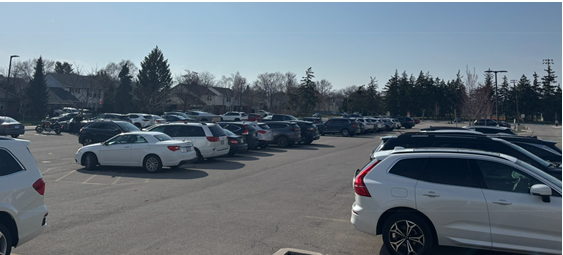
One reader waited an hour at Nelson High School – gave up said they will try again on Saturday.
We are waiting to see what the pollsters have to say late Saturday.
 Nelson High School parking lot at 5:00 pm this afternoon
By Pepper Parr
April 17th, 2025
BURLINGTON, ON
OPINION
Would it be correct to say that politics and sports are a large part of what defines us a country?
How then do we explain to people who are not Canadians, do not live here, that there was an occasion when the country was in the middle of a leadership debate and getting ready to decide who was going to be the next Prime Minister and that the debate scheduled was moved back an hour so the voters could watch a hockey game.
The Montreal Canadiens were scheduled to play against the Carolina Hurricanes in Montreal.
 Prime Minister Mark Carney  The Stanley Cup The Canadiens have their own form of sainthood in the eyes of the French-Canadian population.
So the debate was moved back an hour, the Canadiens went on to win the game which meant they would be one of the teams vying for the Stanley Cup.
With five Canadian teams in the playoffs – there is a decent chance that the Stanley Cup will return to Canada – where it belongs, IMHO.
And again, IMHO, the country will get the Prime Minister it needs and we can watch how he manages an American President who has decided he will annex Canada and make it their 51 state.
This is a country worth fighting for.
By Staff
April 17th, 2025
BURLINGTON, ON
Election systems need to be protected against cyber attacks so that voters can choose their leaders. Cyber attacks can steal data from election systems, change results, and affect the whole process and public trust. So, the government must take the right steps to protect these systems.
In this article, we will discuss some effective ways for government officials to protect election systems from cyber attacks. Let’s have a look!
Prevent Suspicious Activity
 Identity theft is the first step for hackers. You can prevent it by being very very careful if you see something suspicious. One of the best ways to protect election systems is to prevent any suspicious activity. You should carefully monitor the systems for strange activity and take action fast if you notice anything suspicious.
For example, if you see a sudden increase in traffic, this can also be a sign of a cyber attack. So, you must stay alert and stop threats before they cause damage.
Implement Network Segmentation
Network segmentation is another good way to protect election systems. For this, divide the network into smaller and separate parts and ensure good security for each part.
By dividing the network into smaller segments, you can ensure effective protection. Moreover, the attacker cannot easily access other parts if one part is attacked.
Moreover, checking your IP address is also important for keeping networks safe. Knowing what is my IP address will help you find any unauthorized access and possible cyber security threats to your network. You can protect your network from hackers by regularly checking your IP address.
Credential Management
Proper credential management is also important for securing election systems. So, make sure to use strong, unique passwords for all accounts and change them often.
Also, use multi-factor authentication (MFA) as it adds extra security by requiring an additional verification code. This makes it much harder for attackers to access the system.
Software Updates and Patch Management
 Install the updates when they become available. Software update and patch management fix any problems in the system and make it harder for attackers to get into your system.
So, regularly update the software and apply patches to increase the security and reliability of election systems. This not only reduces the cyber attack risks but also improves the system’s functioning.
Log Management
Last but not least, log management provides information about network activity and can help find any security threats.
By managing logs, you can find out about any suspicious activities and respond quickly to fix the issues.
By Pepper Parr
April 16th, 2025
BURLINGTON, ON
There are a number of political polls being published – they don’t all agreee.
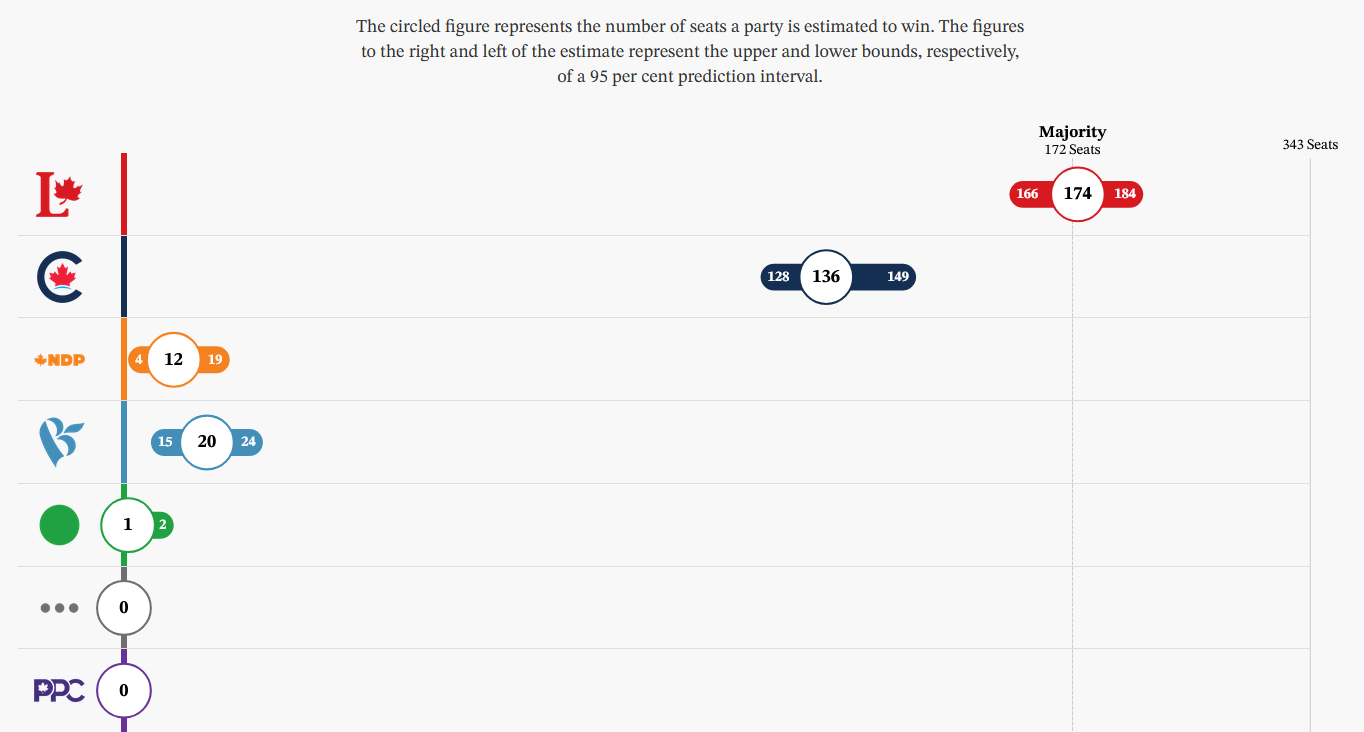
The Signal, published by the Toronto Star offers the following:

How does that impact the two Burlington seats?
Here is the Star’s take on Burlington, where Karina Gould is being challenged by Emily Brown and where Allan van Koeverden in Burlington North – Milton West is up against Conservative Nadeen Akbar and People’s Party Charles Zach.

The English language debate takes place on Thursday – at this point it looks like this election is Mark Carney’s to lose.
It is described by most people who think about politics as the important in decades.
By Rivers
April 16, 2025
BURLINGTON, ON
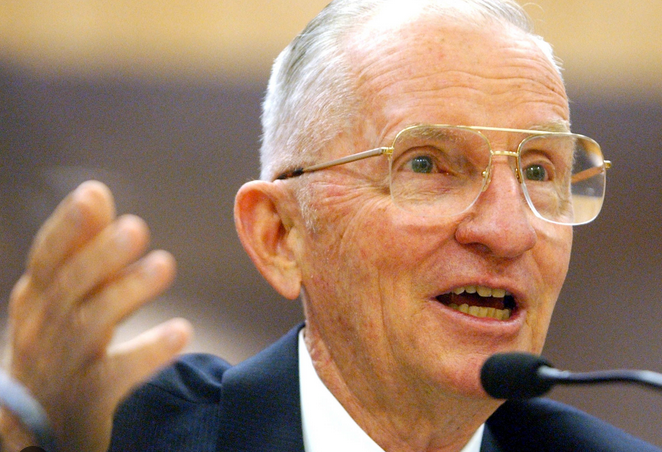
 Ross Perot Ross Perot, who ran for president in 1992 had it right when he called NAFTA a ‘giant sucking sound’. NAFTA has not been a great deal for America, or Canada, especially when it comes to the automobile. Between 1994 and 2004 Canada’s share of North American auto production tumbled from almost 15% to just over 8%. The US lost significant market share as well. And Mexico became the big winner – rocketing from barely 7% to over a quarter of all the cars built in this continent.
Donald Trump had ranted but done little in his first term to correct that trade imbalance, ultimately endorsing the USMCA which replaced NAFTA. But once re-elected he armed himself with ‘yes men’ and set out to change the way America operates. And in the on-and-off world of Trump’s import tariffs he has now whacked the auto sector with 25%.
Canada has a long history of auto production. Ford Motors started operations here in 1904, and by 1923 Canada became the second largest auto producer in the world and a major exporter of autos and auto parts. Today we’re not even in the top ten.
So, those autoworkers who are being laid off in Windsor and Ingersoll have more than Mr. Trump’s 25% tariffs to blame. But the tariff threat has put a chill in everyone working upstream and downstream in the auto industry. The mere suggestion of plant closures at Honda put all of Ontario on edge, for example.
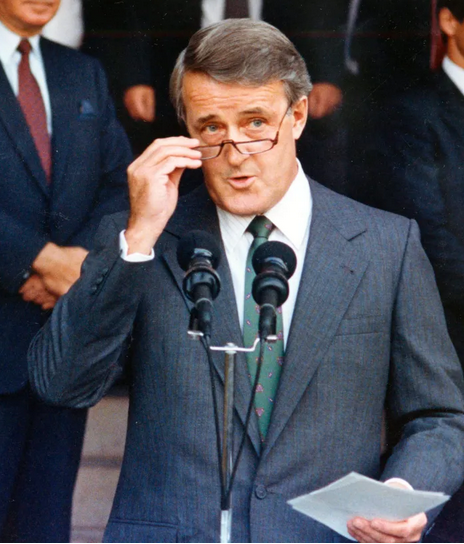
 Brian Mulroney It was Mr. Mulroney who killed the Canada-US auto trade pact in favour of his multi-sectoral trade deal with the Americans (NTA). He wrote off the auto pact which had ensured that the big three auto companies would build at least one car for every one they sold here. And then Mr. Chretien brought Mexico into our trade deal and the three amigos created NAFTA…and that giant sucking sound.
Not everyone is crying doom and gloom about Trump’s automobile tariffs. A recent article in ‘Driving’ magazine (see links) in fact, is rather upbeat about the prospects for the Canadian auto industry. To a large extent that is because of the way the Carney government has responded with our own counter tariffs and the provision of support for the Canadian auto makers to minimize the impacts.
 Mark Carney Mark Carney has spoken about re-imaging Canada’s manufacturing sector, and re-engineering our economy. He has referenced the need for public involvement, public-private partnerships and greater foreign investment in rebuilding our manufacturing sector, and especially the auto and defence industries. And he (if he’s still PM) and Trump have agreed to start negotiations next month on sectoral trade arrangements, which will form the backbone of our future trading relationship with the US.
In the meantime Canadians need to focus on our own future. That means doing more of what we have started doing even in the brief moment since Trump’s tariffs were announced – building Canadian, growing Canadian and buying Canadian.
Ray Rivers, a Gazette Contributing Editor, writes regularly applying his more than 25 years as a federal bureaucrat to his thinking. Rivers was once a candidate for provincial office in Burlington. He was the founder of the Burlington citizen committee on sustainability at a time when climate warming was a hotly debated subject. Ray has a post graduate degree in economics that he earned at the University of Ottawa. Tweet @rayzrivers
Background links:
Giant Sucking Sound – More Perot –
Trump on Trade – Global Car Production – Auto Decline – Upbeat –
By Staff
April 15th, 2025
BURLINGTON, ON
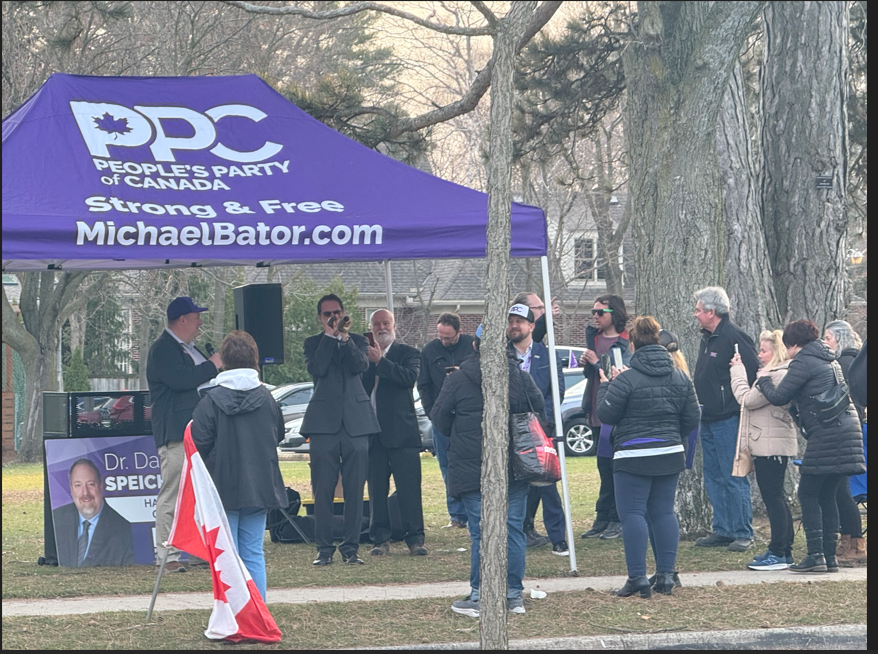
This was the convoy?
This stopped the debate?

Two Regional Police cars were parked nearby.
While those from the People’s Party of Canada got their 15 minutes of fame.
And the people of Burlington missed the opportunity to hear what the next Member of Parliament had to say about what the next government plans to do when elected.
The people who organized the event gave in so easily.
Isn’t that what the people in the United States did when they elected Donald Trump re-elected Donald Trump?
By Pepper Parr
April 14th. 2025
BURLINGTON, ON
OPINION
The goons have won again.
A group of citizens who have served the city very well for decades organized an event that is a critical part of a federal election – they organized an event that would have the candidates debating issues in a public forum.
But then the goons decided they would interrupt the event by convoying from Hamilton to the Port Nelson United Church.
They weren’t invited. The organizing group had sound reasons for not inviting the PPC, along with several other fringe parties.
They were following guidelines used by those who organize the televised debates.
In their media release the organizers said: ”
It is our opinion that in providing this platform for the parties not part of the formal proceedings, we have given them an excellent opportunity to engage with voters. We would be interested in knowing whether any other citizens group has afforded them the same opportunity.
It is also worth noting that we are a private group of citizens and not aligned with or receiving funding from any outside group. We have conducted candidates’ meetings at the municipal, provincial and federal level and have done our very best to be fair in doing so.
As far as we know, we are the only group conducting these meetings open to the public, which we think is a shame.
Whether as part of the question-and-answer proceedings or not, we have given all seven parties running candidates in our riding the opportunity to engage with voters which we believe is a great service to the voters of this riding.
It is ironic that although we were being accused of a ‘denial of free speech’ (their words) by PPC, it is in fact they who by their actions are denying voters of the opportunity to be fully informed. It is also ironic that, by their actions, they are denying themselves a platform to reach voters which is likely better than any other available to them in this riding.
As a society we need to be able to conduct our affairs in a manner that suits us. People who attend election events want to hear what the leading candidates have to say.This debate should have been held.
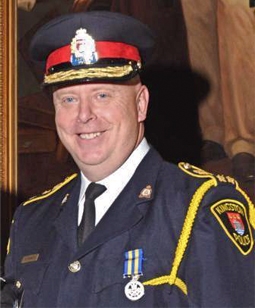
 Regional Police Chief Stephen Tanner: Let the goons know that you will not permit disruption of an important public event. Would it not have been possible for the Regional police to follow the convoy to the church location and block traffic a few blocks away?
Let a representative with literature attend and hand out their message to those who are interested.
Could the public not hear from the Chief of police who would publicly advise that any attempt to disrupt would not be tolerated?
This bullying and pushing people around is unfair to people who care enough about what the candidates have to say.
We are letting the civility that makes us what we are as a society get away from us.
There is another option.
A report from one of the polling organizations has the NDP winning just 8 seats, which means they will not have party status.
 Liberal candidate: Karina Gould  Conservative candidate: Emily Brown So – could Karina Gould call Emily Brown (or vice versa) and ask her if she would agree to a virtual debate – just the two candidates – let’s be real here – we are at an existential point in the direction this country goes – it is going to be Mark Carney or Pierre Poilievre; those are the candidates the public wants to hear from.
Every seat is going to count. The public has a right to hear what they have to say. Karina, Emily – one of you has to call the other.
Show real leadership – please!
By Ray Rivers
April 13th, 2025
BURLINGTON, ON
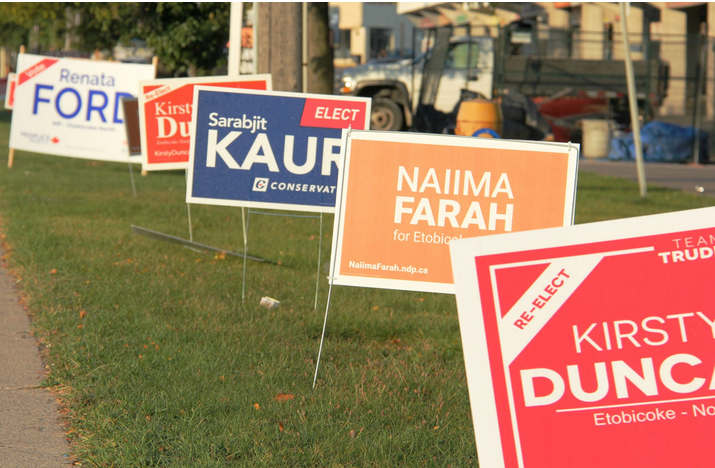
Each time I ran for office I’d start the campaign by hoping to avoid using lawn signs – but I was always overruled by my campaign team. Research on the effectiveness of election signs demonstrates that they work, not only for the candidate on the sign, but more generally for electoral turnout.
 Research says signs work – they help the candidate and they result in an increased voter turnout. And yes for those sharp eyed Gazette readers we are aware tat this is an old Trudeau election campaign. My concerns were primarily about the waste of resources to produce and dispose of so many single use signs. And then there is the matter of the sight pollution, both during and, often, well after an election. Lawn signs can also be a divisive issue among neighbours with differing political perspectives. But by the same token they might help facilitate interest and discussion in the political campaigns begging for our vote.
So it is sad that we keep hearing reports of signs being destroyed, defaced or disappeared. It is illegal to mess with candidate election signs in a political campaign – considered theft since the sign belongs to the candidate whose smiling face or name graces it. But it does happen, not that we’ve seen much reported yet in the main steam media. But then, we’re barely half way through the election period.
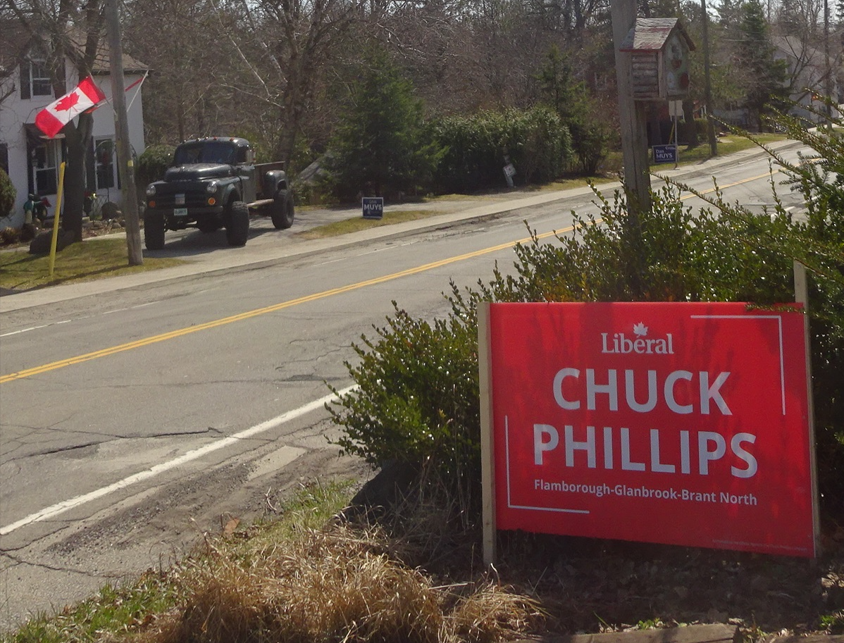
 Signs on Carlisle Road in Hamilton were damaged. There were signs for both the Liberal and the Conservative candidates. None of the Conservative signs were damaged. The Chuck Phillips sign was torn out of the ground on the front lawn of the house. It was removed to the side of the driveway. Reports of sign theft and damage are starting to roll in, however, including one in the PM’s riding in Ottawa. Locally there are complaints by Liberal campaigns in Milton, Burlington and Hamilton. Hamilton’s Flamborough-Glanbrook North Brant Liberal candidate, Chuck Phillips, has issued a press release and placed a post on his web site, claiming that he is losing a significant number of signs to somebody.
His Tory opponent claims to have also lost a few signs but didn’t seem too concerned about it. But then, as a well known incumbent whose team has virtually wallpapered the riding it might be hard to notice should a few signs go missing.
This electoral district has an exceptional turnout rate, averaging around 70%. So it will be interesting to see if all those red and blue signs still standing can move the needle – and get more folks out to exercise their franchise. After all, with so much at stake for the country’s future, this is not just another election.
Ray Rivers, a Gazette Contributing Editor, writes regularly applying his more than 25 years as a federal bureaucrat to his thinking. Rivers was once a candidate for provincial office in Burlington. He was the founder of the Burlington citizen committee on sustainability at a time when climate warming was a hotly debated subject. Ray has a post graduate degree in economics that he earned at the University of Ottawa. Tweet @rayzrivers
Background links:
Phillips Signs – Election Signs – Signs Impact –
By Staff
April 12th, 2025
BURLINGTON, ON
 Liberal Karina Gould.  Conservative Emily Brown. Here is the final Elections Canada list of candidates for the two Burlington seats.
Burlington
- BATOR, Michael (People’s Party – PPC)
- BEAUCHEMIN, Michael (NDP-New Democratic Party)
- BROWN, Emily (Conservative)
- GOULD, Karina (Liberal)
- HARPER, Paul (Parti Rhinocéros Party)
- HUTTON, Kyle (Green Party)
- MARSHALL, Ocean (Libertarian)
Some observations:
Hutton and Beauchemin both ran as candidates for seats in the provincial legislature; they appear to be people looking for a full-time job with a great pension.
Nice to see that the Parti Rhinocéros Party still has some life left in it.
The battle in Burlington is between Liberal Gould and Conservative Brown
Here is the final Elections Canada list of candidates for Burlington North – Milton West Burlington North—Milton West
Burlington North – Milton West
- AHMED, Naveed (NDP-New Democratic Party)
- AKBAR, Nadeem (Conservative)
- VAN KOEVERDEN, Adam (Liberal)
- ZACH, Charles (People’s Party – PPC)
Some observations: You can bet the farm on VAN KOEVERDEN. When you get Mayor Krantz, a Conservative when he was still in hos Mothers’ womb, doing a photot op with Van Koeverden you know the seat with go Liberal.
When can you vote:
 Vote on advance polling days Vote on advance polling days
Vote at your assigned polling station from 9 a.m. to 9 p.m. on:
- Friday, April 18
- Saturday, April 19
- Sunday, April 20, or
- Monday, April 21
Vote early at any Elections Canada office
 The April 28th federal election is the most important since Brian Mulroney and John Turner were the candidates. Think hard about the direction you want your country to go in. It is THAT important. There are around 500 Elections Canada offices open across the country. Vote at any one of them by April 22, 6 p.m.
You will vote using the special ballot process.
Our offices are open seven days a week:
- Monday to Friday: 9 a.m. to 9 p.m.
- Saturday: 9 a.m. to 6 p.m.
- Sunday: noon to 4 p.m.
Find the Elections Canada office nearest you.
|
|




 By Pepper Parr