By Gazette Staff By Gazette Staff
July 14th, 2025
BURLINGTON, ON
 The Beer Store is making the difficult decision to close the retail stores listed below effective end of business day September 14th, 2025. The Beer Store is making the difficult decision to close the retail stores listed below effective end of business day September 14th, 2025.
The Beer Store (TBS) will close the following retail stores:
|
|
2020 Appleby Line, Burlington, ON L7L 6M6 |

By Tom Parkin
July 14th, 2025
BURLINGTON, ON
Seasonally adjusted, Ontario lost 10,000 full time jobs in June; now down 93,000 jobs since January.
 The long rise of unemployment in Canada (seasonally adjusted)
The seasonally adjusted unemployment rate among Canadians 15 years and older fell 0.1 percentage points in June after rising for much of the past 48 months, according to Statistics Canada’s Labour Force Survey released Friday.
Over the past two years the jobless rate has had several brief improvements only to continue its rise. June’s turn could mark an inflection point or be just a blimp to the long-term upward trend.
The seasonally adjusted labour market participation rate, which includes those with a job and those looking for one, also improved by 0.1 percentage point, rising to 65.4 per cent among those 15 years of age and older. A return of workers to the job market and suggests an increase in worker optimism in the labour market.
However, the participation rate is still below the 65.9 per cent peak in summer 2023.

10,000 fewer full time Ontario jobs in June
The number of seasonally adjusted full time workers increased nationally in June, though jobs fell in several provinces, including Ontario and Quebec.
Statistics Canada data shows a return of Ontario job losses in June after a brief respite in May. In June the province had 93,000 fewer full time jobs than January and employment is now at a level lower than April 2024.
Ontario GDP growth lagged the rest of Canada throughout 2024 and employment numbers began to stall in August 2023. Ontario’s unemployment rate has been higher than the national rate every month for 26 months, since April 2023.
Ontario continues to have the highest unemployment rate among the large provinces, with British Columbia holding the lowest unemployment rate among the four.
 Unemployment by province, June 2025 (seasonally adjusted)
By Jordan McAllister
July 14th, 2025
BURLINGTON, ON
If you’ve ever placed a bet on an NHL game that looked like a sure thing, only to watch it go completely sideways, chances are, you’ve walked right into a betting trap. It happens to the best of us. The lines seem too good to be true, the public money is flowing one way, and everything just feels… off.
 Sometimes the smartest bet is the one you don’t make. That’s why it’s worth keeping an eye on platforms like https://betbrothers.ca/ – not just for tips, but for reading between the lines. Sometimes the smartest bet is the one you don’t make. In this article, we’ll break down what a hockey betting trap looks like, how to spot one before you click “place bet,” and what signs most people miss.
Let’s get into it.
What Is a Betting Trap in NHL Markets?
A betting trap happens when the odds on a game look strangely appealing — almost too appealing. You’ll see a strong home team, maybe on a winning streak, playing a weaker opponent, and yet… the odds are surprisingly generous. That’s your red flag.
 Sportsbooks don’t just hand out value for free. Sportsbooks don’t just hand out value for free. If a team that should be -120 is suddenly listed at +130, there’s probably a reason – even if it’s not immediately obvious. Maybe their starting goalie is scratched late. Maybe the opponent is coming off rest while they’re playing their third game in four nights. Or maybe the public is so heavily backing one side that the books shift the line to take advantage of that blind confidence.
The trap isn’t always about the team itself — it’s about the perception of the matchup. When the numbers feel off in a way that favors you, don’t celebrate too fast. Step back and ask: Why is the line like this? What am I missing? Most of the time, there’s something buried just beneath the surface.
And that’s what separates a good bet from a baited one.
Common NHL Betting Situations That Can Be Traps
When it comes to NHL betting, there are some situations that can easily catch you off guard, even if you have experience. For example, an underdog who’s had a couple of good games might still have high odds. That often means there’s something hidden behind the scenes, and it’s not as simple as it looks.
Also, teams playing back-to-back games, fatigue can make a big difference. But many forget about that and bet as if both teams are equally fresh.
Injuries are another unpredictable factor. Sometimes a key player gets hurt last minute, and if you’re not following closely, you can get caught off guard and lose your bet.
Finally, it’s not enough to just look at past head-to-head results. One team may have dominated before, but things can change – form, fatigue, travel – all of that affects the game today.
If you keep an eye on these things, you’ll avoid traps much easier and make smarter bets.
Use the Right Tools (Without Overthinking It)
To make smarter hockey bets, it helps to use the right tools – but don’t get overwhelmed. Check out websites that compare odds and lines to see where the best value is.
Also, keep an eye on advanced stats like Corsi, Fenwick, and expected goals — they tell you more than just goals and wins.
And don’t forget to read deeper game analysis on sites that go beyond the surface, looking at the full context of each matchup. Using these tools together can give you a clearer picture without making things too complicated.
Real-Life Examples (Optional but Powerful)
 Important to follow everything, not only form and results, but also small details. It’s best to learn from real examples. For example, during one NHL season, many people were betting on Montreal as the favorite against a team with a lower record. On paper, it looked like an easy game, but a key detail that many overlooked was the absence of their first goalie.
Although the odds looked tempting, this information changed the entire picture. Without a main goalie, the team was more vulnerable than many thought, and those who did not follow these details remained “stuck” in the trap of bad betting.
Such examples show how important it is to follow everything, not only form and results, but also small details that can completely change the outcome. This is exactly what real bettors know, and that is why they avoid the pitfalls that lurk in seemingly “safe” games.
How to Stay Sharp and Avoid Betting Traps
If you want to be a smart bettor and avoid traps, it’s important to build good habits:
- Don’t just jump on a bet because the odds look tempting. Not every high odds is a good opportunity – often there’s a reason behind it that makes the bet risky. Always try to find out what’s really going on behind those numbers.
- Don’t blindly follow the crowd. When everyone’s backing the same team, it might seem like a safe bet — but that’s exactly when you need to be careful. The public can be wrong, and sportsbooks know how to use that to their advantage.
- Get info from multiple sources. Don’t rely on just one website or one opinion. Check stats, read news, and listen to experts who follow the league – this way you get the full picture.
- Before you click “place bet,” pause and ask yourself: “Why are these odds set this way? Am I missing something?” Sometimes just taking a moment to think can save you from a bad decision.
If you stay calm, informed, and critical, you’ll be much better at spotting when something isn’t as good as it looks, and avoid falling into betting traps.
By Andrew Sniderman
July 13th, 2025
BURLINGTON, ON
Why doesn’t equalization apply to Indian reserves? It’s right there in the Constitution: the commitment to providing essential public services of reasonable quality to all Canadians.
And yet, we take for granted that schools and hospitals in places like Fredericton, Whitehorse, and Charlottetown are decently funded.
This is the magic of “equalization,” which helps ensure comparable public services in parts of Canada that couldn’t otherwise afford them thanks to federal transfers to poorer provinces and territories. Equalization is the “improbable glue that holds a nation together,” as author Mary Janigan puts it.
But did you know that Indian reserves are excluded from equalization?
About 330,000 people live on reserves. That is more than the population of Prince Edward Island (157,000). And it’s more than the number of people who live in the three territories — Yukon (45,000), Northwest Territories (45,000), and Nunavut (39,000).
And yet, unlike provinces and territories, Indian reserves do not receive a legal commitment to comparable public services from the federal government.
Not coincidentally, basic services on reserves are subpar and underfunded by any provincial or territorial measure. The problem extends to policing, education, child welfare, access to clean water, fire services, and more.
The exclusion of reserves from equalization is a legal omission, all too often overlooked, that has enabled a policy problem to fester.
A little-known section of the Constitution
If you’re Canadian, you’ve heard of the Charter of Rights and Freedoms, which is part of the Constitution Act, 1982. The Charter has 34 sections.
If you’re a lawyer, you’ve probably heard of Section 35, which comes right after the Charter and addresses “Aboriginal rights.”
Lawyer or not, you’ve almost certainly never heard of Section 36. This is the part that mentions equalization: “Parliament and the government of Canada are committed to the principle of making equalization payments to ensure that provincial governments have sufficient revenues to provide reasonably comparable levels of public services at reasonably comparable levels of taxation.”
The federal government distributes billions of tax dollars to deliver on this commitment. In 2024-25, poorer provinces received over $25 billion in unconditional transfers. For example, Manitoba received $4.4 billion (or 18 per cent of its total budget), and New Brunswick received $2.9 billion (or 23 per cent of its total provincial budget). Meanwhile, Alberta, Saskatchewan and British Columbia received nothing.
Like Indian reserves, the territories aren’t explicitly mentioned in Section 36, either. But they nonetheless receive annual transfers to ensure comparable services thanks to a federal law that makes them mandatory. Payments go to each territorial government under a program called Territorial Formula Financing.
So: equalization is the law, supreme or otherwise, for provinces and territories. But not for Indian reserves. They remain separate and unequal.
 Siksika First Nation, east of Calgary near Gleichen, Alta., in June 2021. THE CANADIAN PRESS/Jeff McIntosh Law versus policy
Surely this is too bad to be true, you might wonder. As a matter of policy, the federal government is often committed to comparable public services on reserves.
For example, federal policy about education on reserves includes an aim that “First Nations students on reserve achieve levels of secondary education comparable to non-Indigenous students in Canada.”
Similarly, federal cabinet and Treasury Board guidelines aim for comparable water services for on-reserve communities.
This seems comforting. But lately the federal government has made a point of distinguishing between its policy commitments and its legal duties, a distinction that confirms the seriousness of the problem.
In a current lawsuit over unsafe drinking water on reserves, the federal legal argument says that “Canada supports First Nations in providing safe drinking water to First Nations members on reserve as a matter of good governance rather than as a result of a legal duty.”
The government adds: “Canada’s spending on First Nations’ water must obviously compete with the rest of its budget allocations.”
Such claims suggest that the federal government will continue to defend its wide discretion in funding services on reserves. This includes the discretion to do more. Or less.
Taxation is a red herring
You might also be wondering why Section 36 talks about comparable public services at comparable levels of taxation. How significant are these last four words, given that status Indians on reserves sometimes pay lower taxes on income and consumption than other jurisdictions?
Canadians generally overestimate the scope of these tax exemptions, as Chelsea Vowel has written. However, to the extent the exemptions exist, they could imply that worse services are consistent with less taxation.
But equalization is based on the capacity of a province or territory to generate revenue at hypothetical levels of taxation. So the question becomes: how much revenue would reserves generate with standard taxation? Usually, not much.
A federal equalization program that includes First Nations
A grand notion
First Nations water problems a crisis of Canada’s own making
New models of shared rule can secure better infrastructure in Indigenous communities
Most of these communities live below the poverty line. The difference between the tax revenue a community would raise with or without existing tax exemptions would usually be modest, if not negligible.
So differences in taxation on reserves cannot serve as an excuse to avoid comparable services.
A promise to “every citizen”
There’s another part of Section 36 that few people ever talk about. It says: “Parliament and the legislatures, together with the government of Canada and the provincial governments, are committed to…providing essential public services of reasonable quality to all Canadians.”
Throughout the years of negotiations that led to the final wording of Section 36, the federal government argued in favour of using the federal spending power to ensure comparable public services across Canada.
As prime minister, Pierre Elliott Trudeau emphasized our interdependence. If a particular part of Canada were to do a particularly poor job of educating students or promoting health, for example, it would invariably affect other provinces as Canadians moved around freely.
Economists have long argued that it’s more efficient for Canadians to move for economic opportunity rather than for access to better public services.
Trudeau also argued that it is essential to develop a national sense of community to bind Canadians together. One way to do so was to ensure “the provision to every citizen, wherever he lives, of adequate levels of public services — in particular of health, welfare and education services.”
Are Canadians living on reserves not included in that promise?
If our Constitution cares about inequality between provinces, surely it must have something to say about people on reserves living in those very provinces. What is true for the parts of the whole should also be true for parts of the parts.
This article is adapted from material in “Constitutional silence, Section 36 and public services on Indian reserves” recently published in the University of Toronto Law Journal.

Andrew Stobo Sniderman is a doctoral candidate at Harvard Law School and co-author of the bestselling book Valley of the Birdtail: An Indian Reserve, a White Town, and the Road to Reconciliation.
By Joseph A Gaetan
July 13th, 2025
BURLINGTON, ON
On July 10, 2025, Burlington City Council convened a Special Meeting under the authority of the Municipal Act to receive a confidential verbal update about potential litigation connected to aquatic services procurement. The meeting was convened under a section of the municipal Act, dealing explicitly with matters of litigation and solicitor-client privilege and is subject to a Procedural Bylaw.
Given the sensitive legal nature of the meeting, particularly following the City’s rejection of the Burlington Aquatic Devilrays’ bid, strict procedural adherence should have been paramount. However, comments made by GHAC and some questions then posed by some members of council raise concerns about procedural rigor, and Council oversight.
 After listening to the webcast of the Special Meeting of Council last week Joseph Gaetan takes the Mayor and Council to task for not following the rules – resulting in both bias on the part of the Mayor and unfair treatment by members of Council. The Purpose of the Meeting
The purpose of the sole item on agenda was to receive a, “verbal update regarding potential litigation for aquatics procurement.” Under the By-law, Special Meetings may only consider business as explicitly noted in the Municipal Act. Anyone delegating must adhere to these limits; and any attempt to address unrelated matters have been ruled out of order by the Chair in the past.
Did Mr. Bradt Introduce New Business?
During his delegation Mr. Bradt opined on a white paper, the shortage and need for more aquatic infrastructure, the necessity for a 50-meter pool, accessibility and sport tourism. Such remarks would normally fall outside the bounds of the meeting’s stated purpose.
While contextualizing GHAC’s role in the local swim community might be seen as indirectly relevant to the litigation discussion, these points clearly constituted new business:
Mr. Bradt’s remarks, seemed to be well-intentioned and forward-looking, they did not pertain directly to potential litigation or the legal status of the current procurement dispute. Instead, they amounted to advocacy for future capital projects and policy planning. Business that would more appropriately be raised under a different agenda or via a sponsored motion.
Did the Mayor Fail to Uphold Procedure?
 Mayor Meed Ward, serving as Chair of the Special Meeting of Council she called is required to ensure that delegations stay on topic.. That didn’t happen at the July Special Meeting of Council. As Chair, Mayor Meed Ward is responsible for preserving order and ruling on relevance. The mayor acknowledged Mr. Bradt’s remarks and then facilitated a Q&A session. She did not take the opportunity to challenge or redirect his comments back to the agenda item. Further to that, multiple councillors then asked follow-up questions that further amplified and legitimized the off-topic content.
During the Procedural By Law process of 2023 Mayor Meed Ward stated, ” I love procedure by law… I love good governance and the reason that I do is that it does help people make good decisions. And better decisions and bad processes and bad governance will actually make people end up doing things that are really harmful to them and to the community that they’re trying to serve.”
Could Council Have Intervened?
Members of Council can raise a point of order to question the relevance of the remarks or call on the Chair to enforce Section 23.4. That no one did so may reflect either a lack of procedural vigilance or possibly undermine the purpose of the Special Meeting on a legal matter.
Implications for Good Governance
This incident matters because the procedural slippage occurred in the context of a disputed procurement decision that may lead to litigation. Allowing a representative of the successful bidder, GHAC, to speak in a forum that should have excluded such input may create an appearance of bias, or lack of fairness.
If no legal breach occurred, the optics are troubling. The mayor called the Special Meeting City upon the rejection of BAD’s bid under the RFP terms. All the more reason to scrupulously avoid the appearance of privileging one bidder’s voice in a Special Meeting setting.
Conclusion and Path Forward
The proceedings during the July 10 Special Meeting raises fundamental questions:
Did the delegation’s remarks violate procedural limits?
Was the Chair’s discretion improperly exercised?
Did Council abdicate its oversight role by not challenging irrelevant commentary?
Should this matter be referred to the Ombudsman?
By Gazette Staff
July 12th, 2025
BURLINGTON, ON
Communities in the Region rally together to support neighbours in need – Food for Life is grateful for the part you play. .
Across Halton and Hamilton, 90 food programs designed to provide that support depend on Food for Life every week — from summer camp snacks and community fridges to fresh food markets and community meal programs.
 Food for Life volunteers getting food ready for distribution. But before any of that good food reaches a table, it’s sorted, packed, and distributed through our operations hub thanks to an incredible team of volunteers, corporate groups and supporters like you.
When you donate today, your gift can make twice the impact!
This summer, Orlando Corporation will match all donations — up to $20,000!
 The Orlando Corporation stepped up and will match all donations — up to $20,000! Every dollar helps power the trucks, sustain our cold-chain operations, and sort healthy fresh food into packages for our programs and partner agencies. Your donation helps meet the real, local needs of each program we serve.
Hop in for a ride with one of our amazing Driver Ambassadors as we follow the journey of fresh food, from donation to distribution…
Please consider a gift today to double your impact. Your support ensures we can keep meeting the growing demand across 90 programs and help nourish thousands of neighbours all summer long.

Learn. Donate. Volunteer.
By Pepper Parr
July 12, 2025
BURLINGTON, ON
The Performing Arts Centre has been running the Jazz on the Plaza event for close to ten years.
For three days in August some of the coolest Jazz heard in the city is played on the plaza.
They recently added a cash bar.


If the weather doesn’t work – the event gets brought indoors – where the sound is just as sweet.
Seating ai always a problem. There isn’t that much space on the plaza. Shutting down part of Locust from Lakesgore up to a little above Elgin would do wonders for the audience size.
Maybe in the future.
The event is free – sponsors are now part of the how the costs are covered.
By Pepper Parr
July 12, 2025
BURLINGTON, ON
There is a solution for the swimming pool allocation problem.
While most people agree that an RFP was not the best administrative procedure to use there is a provision in those documents that we think could solve the city’s problem.
The Termination clause – read it carefully.

The relevant line reads: “…in the best interest of the city without showing cause…”
The city would have to pay “all reasonable costs incurred by the vendor”
The words shown above came out of a document that is currently on the Bids and Tenders part of the city website.
 Blake Hurley, City Solicitor, is handling the CAO job as well.  City CAO Hassaan Basit has not been at Council for the past two meetings. It is our belief that the city is working through the possible approaches and that this is one of those occasions when little should be said until the issue is resolved.
The CAO doesn’t appear to be at his desk; he leaves the city August 4th. The last we heard was that City Solicitor Blake Hurley is serving as CAO “on a normal rotation” basis, which is the way one city Councillor put it.
Council is to meet on Tuesday, July 15th – we should see something on that agenda that would bring the swimming pool allocation issue to a close and let BAD get on with setting up the fall program.
Related news item.
A deep look into how BAD has been managed needed.
By Gazette Staff
July 11th, 2025
BURLINGTON, ON
 There will be a full closure of the 401 in both directions from Guelph Line to Regional Road 25 from 9:00pm Saturday, July 12 until 9:00 am Sunday, July 13 There will be a full closure of the 401 in both directions from Guelph Line to Regional Road 25 from 9:00pm Saturday, July 12 until 9:00 am Sunday, July 13
In addition to this closure:
- On-ramps from Guelph Line NB & SB to Hwy 401 EB will be closed
- On-ramps from Regional Road 25 NB & SB to Hwy 401 WB will be closed
Trust your government to confuse you – Regional Road 25 is better known as Bronte Road
Please note that the scheduled closure is weather-dependent.
Advance signing and notification will be provided to motorists so they can plan an alternate route.
Travellers can visit http://511on.ca/ or @511Ontario for updates on work and traffic impacts.
By Fredrik Stougaard
July 11th, 2025
BURLINGTON, ON
Summer is a fantastic time to enjoy outdoor activities, community gatherings, and cultural celebrations. July and August are packed with exciting events in Burlington, offering plenty of options for residents and visitors to have fun and relax. Here’s a look at some of the most anticipated summer happenings in the city.
Music and Festivals
 Jazz on the Plaza; a two day event every August. The beloved Jazz on the Plaza series, presented by The Burlington Performing Arts Centre, returns this August. Taking place outside the centre from August 8th to August 10th, this free concert series highlights Canadian jazz artists throughout the summer. In addition, Burlington’s “Concerts in the Park” at Central Park offer a variety of musical genres, including jazz.
For those interested in cultural celebrations, the Burlington Latin Festival at Central Park runs from August 23rd to August 24th. This lively street festival features salsa, reggaetón, merengue, and more. Attendees can dance outdoors, sample authentic Latin cuisine, and enjoy performances that celebrate Latin culture.
The festive spirit of these music events shares a similar energy to online entertainment options. Speaking of this, Luckycasino recently launched in Canada provides another exciting choice for summer entertainment.
Art and Culture
Art lovers will appreciate the Burlington Art Walk on August 23rd, from 10AM to 4PM. This annual event, organised by the Elizabeth Gardens Creative Collective, invites the public to visit galleries and studios across the city. Over 40 local artists, makers, and educators will showcase their paintings, sculptures, and crafts. Visitors can enjoy live music, hands-on art activities, an art scavenger hunt, and the chance to purchase local artwork and handmade goods. The event takes place at Burloak Waterfront Park.
Burlington’s Heritage Week, scheduled for August 2nd to August 9th, celebrates the city’s diverse history. The week includes displays at City Hall, walking tours such as the Beachway Park Waterfront Trail, exhibits at the Joseph Brant Museum, and presentations by the Burlington Historical Society and the Royal Botanical Gardens. This event offers a wonderful opportunity to learn about Burlington’s rich past.
Culinary Events
 Food Truck events have been taking place in Burlington for years – they get better every year. From July 18th to July 20th is the Burlington Food Truck Festival, a three-day event featuring 30 food trucks offering some of the best flavours in the country. Admission is free, with family-friendly activities, local brews, and live entertainment adding to the festive atmosphere.
On August 10th, Lakeside À La Carte takes place at Spencer Smith Park. This ticketed fundraiser for Joseph Brant Hospital offers gourmet tastings and premium wines from top regional chefs and beverage producers. It’s a must-attend for food lovers. Top-notch live entertainment is also available, just like going to the best theatre this summer.
Vegetarians and plant-based eaters will enjoy Burlington VegFest on August 16th. This event celebrates plant-based living and sustainability with delicious vegan food, eco-friendly products, live music, and family-friendly activities.
 Ribfest Burlington – the biggest in the province. Always lineups for the ribs. The different sauce offerings are what make them really special. For BBQ enthusiasts, Canada’s Largest Ribfest runs from August 29th to September 1st. This Labour Day weekend tradition features award-winning pitmasters from across North America, live music, a family fun zone, a vendor marketplace, and cold drinks by the lake. Ribfest is a perfect way to wrap up the summer season.
With such a full calendar, Burlington promises a lively and enjoyable summer. Check local listings and the Burlington Gazette website for the latest updates and detailed schedules.
By Pepper Parr
July 10th, 2025
BURLINGTON, ON
The Special Council meeting came to order promptly at 9:00 am. The first thing we noticed was that the Mayor was not wearing her Chain of Office. Is it an Official meeting without the bling?
There is one registered delegate for today’s meeting, Cody Bradt the Golden Horseshoe Aquatic Club, regarding the confidential verbal update on potential litigation for aquatics procurement, which is our only item on today’s special council agenda.
Bradt got a chance to add to what City Council knew about GHAC – not sure what that had to do with the purpose of the meeting which was to look at the option related to potential lawsuits.
Good morning. My name is Cody Bradt, and I’m the Chief Operating Officer and Associate Head Coach of the Golden Horse Show Aquatic Club. First, I’d like to thank you for your time and for listening to this important matter. I also want to extend my appreciation to city staff for their continued professionalism throughout this process. Today, I want to take a moment to provide some clarity regarding the letters presented before you today from swim Ontario and swim in Canada. These letters are not endorsements in response to the current public conversation. They were not written as lobbying tools, nor were they drafted to apply political pressure.
 Cory Bradt with GHAC supporters addressing Council Rather, they are letters of record submitted in April 2025, as part of our formal bid document. They were included to provide facts about our organization, that the Golden Horseshoe Aquatic Club is a member in good standing with both swim Ontario and swimming Canada, that we are actively engaged in the betterment of our sport at the local, provincial and national levels, and that inclusivity and athlete centered programming are long standing principles at the heart of GHAC.
These letters speak to our values, our track record and our commitment to creating safe, welcoming and high performance environments for all swimmers, and that’s what they’re intended to do, and that’s exactly how they should be read. I’d like to take a moment to speak about the strength of our coaching staff, because when it comes to athlete development and a quality experience here in Burlington, coaching matters at the Golden Horseshoe Aquatic Club. We are proud to have some of the most qualified and respected coaches in the province. A few highlights of this past year alone, two of our coaches received world class performance coaching awards for coaching an athlete ranked in the top five globally, and we’re proud to have the OUA women’s coach of the year on staff leading one of Canada’s most successful university programs when it comes to certification, we have three fully certified level three coaches, the highest level of coaching certification in Canada, leading Para program.
We also have a growing team of level two and level one coaches who are certified, trained or actively working through that process. But these aren’t just titles. They represent our deep commitment to safe sport, athlete well-being and a culture of excellence that supports every swimmer from their first stroke to the national and international stage, that commitment to excellence shines through in our athletes as well. G hack is proud to be home to four members of Team Ontario, three swimmers and one coach who have been selected to represent the province the Canada Summer Games later this year in St John’s. That is the most from any club or any program in the entire province, and all four of those members have benefited from training and coaching within city limits, and over the years, more than 200 GX swimmers have gone on to compete at colleges and universities across North America, a testament to the pathways we create and the legacy we continue to build.
I would be remiss if I didn’t acknowledge the broader issue that brings us here today, the critical shortage of aquatic infrastructure in Burlington, Canada’s most livable city. Quite simply, this community needs more aquatic infrastructure and space. A 50 meter pool is not a luxury. It is a necessity for recreation, for learn, to swim programs, for accessibility and for a healthy, active future, let alone the sport tourism impacts that competitive swim brings to this community. I want to share that the aquatic Sport Council of Ontario has produced a white paper titled building more aquatic centers in Ontario, a practical and forward looking document that supports government and industry stakeholders for planning the province’s aquatic infrastructure needs. Burlington deserves to be part of that future. I will share that publication with your offices, for you to review that needs to be part of this bigger conversation on behalf of our coaches, our athletes and our families. Thank you again for the opportunity to speak today, we remain committed to working collaboratively with the city to ensure that competitive youth swimming is inclusive, high quality, and firmly focused on what’s best for our young people. Thank you.
Mayor Meed Ward: You do have a couple of questions coming to you.
Councillor Stolte: I wanted to ask you a question about that lack of aquatic space, and what your thoughts are for the club that you are such an integral part of, is that you spoke of being very resourceful, and I admire that, that over the last five years, you were able to find space at the YMCA and goldfish, I think you mentioned, yeah, another private facility here in Burlington. Is it your intention to maintain those contracts as well as utilize the city pools, or would you be moving your swim program into the city pools, and would free up that other aquatic space?
Cody Bradt: : I can’t speak to that particularly based on what we don’t know what Pool time we have available from the city. So what those hours are, depending on what’s available to us and how it best suits the interest of Burlington residents will depend on whether or not we continue to use private facilities and the manner in which we’ve been doing okay.
Councillor Kearns: My apologies. I’m joining you from Joe Brant Fracture Clinic with my 14 year old. I want to ask if you feel that there is a possible path to the delegate to allow both organizations to operate in the city of Burlington. Yes or No,
Cody Bradt: I think that if the city prepares in writing a process forward, it would be something that certainly we will take back to our team and our legal counsel as a path forward.
FIX Councilor Bentivegna: I appreciate everything you do for the community. I want to follow up on the question Councillor Kearns raised about other organizations in the city have in the same situation that you’re in, facilities are always an issue. We never have enough. I’m familiar, and I’ve been part of in the past, working with the city and other organizations in that sport to build facilities. Are you familiar with this sort of a discussion or potentially a debenture to build a new pool, for example, with the organizations in the swimming fix?
Cody Bradt: Absolutely, while we talk about other resources and the scarcity of it, nothing is more scarce than aquatics, right? Aquatics are used by the greatest range of population, of constituents of the City of Burlington, compared to our baseball diamonds, our soccer fields and other city amenities. GHAC would be proud to be a part of that conversation moving forward. And it is a not only a municipal issue, but a provincial issue and a national issue, FIX It’s created more effective use of space, but it doesn’t necessarily mean that we’re able to get that many more people that we would with the new facilities. So absolutely, and the white paper done by the Aquatic Council of Ontario, and I know swim Ontario and swim Canada is certainly willing to be part of that conversation with the municipality
Bentivegna: Would you be willing to sit down with other members in this sport to sort of say, let’s all get together and think about what how we can do this and then approach the city?
CodyBradt: Absolutely, we would be willing to work together with that. I think that there are a lot of user groups within the city that would benefit from new aquatic infrastructure, ranging from other competitive youth swimming providers, masters programs, diving Synchro. And I think that a collaborative approach to Council and the importance of aquatic infrastructure would be certainly beneficial.
Councillor Sharman: You raise an extremely important point, which, of course, is the lack capacity. I don’t know the numbers. Presumably you don’t know in terms of how many pools, how many? I don’t know what you wouldn’t measure it by square feet or square meters or cubic meters, but if you were to think about in terms of what we have versus what we need now and what we might need in the future, in terms of basically number of pools, do we need 50% more or 100% more. What are we talking
Cody Bradt: Speaker I think that the first part that needs to be looked at is an indoor, long course, 50 meter pool; that is the Olympic distance that we currently don’t have in the city of Burlington. And if you look around the region, there’s nothing but aging facilities that provide that service to our members, but that is raced up at the international level and provincially and nationally, and I think that it has to be part of a greater picture of what Council and its constituents within their wards want for this city and the sport tourism impact that can be brought because that makes a big part of “Hey, we’re going to build a 10 Lane, 50 meter pool that is a flat bottom depth that we saw, or we see at some pools across the nation. But that doesn’t necessarily allow you to have learn to swim programs at a flat bottom depth.
That means provincial and national and world regulatory specifications. So it needs to be looked at what it needs to be used for, and does it have a movable bottom? Look at what the city of Windsor did, and they have a beautiful facility down on the waterfront that has a movable bottom that they’re able to utilize for different user groups, depending on what is required, and that’s just one piece. But it’s also looking at how many stands need to be. What does the city want to host? Do they want to host a provincial championship that currently has 1500 participants plus in Toronto, that keeps getting pushed back to Scarborough or Windsor outside of our community because we don’t have the infrastructure for it, because I can speak to an event we hosted this year that had hundreds of people participating, but not only as swimmers, as family members, buying and spending money, buying goods and spending money in those cities, And the more heads and beds we can get in this city, and in correlation with competitive swimming, I think, will really help Burlington grow as a community.
And it’s important to note that when this conversation happened five years ago in the 2020, RFP process, the Centennial pool had different rules and regulations surrounding the number of spectators and the participants on the deck level. That has since changed, which inhibits the max number of participation, bringing less tourism dollars to the city and less participation by youth, and that’s nothing beyond like that’s all beyond our control, because it’s fire regulations, etc, but that’s just a piece that we’ve lost. Well, we haven’t lost the lane space. We’ve lost the infrastructure space to support the sport tourism that once existed in this great city.
Sharman: I appreciate the answer, and I it’s clear what you’re saying is, just like many things in the city, we need more and more and more and more. The big, big question, though, and you’ve already said that you think there needs to be a collaborative relationship to serve the members of the community that we have a shortage, and somehow we have to fight figure out how to make that work. Is that your point?
Cody Bradt: Absolutely. We have to figure out how to make it work. And the youth of Burlington and making an inclusive, accessible sport available to our young people is at the heart of what we did in this city, owned facilities, 2009 to 2020 and what we’ve done outside of that 2020, through 2025, and I think that that need is not any like that was pressing in 2020 when we lost out and had 1000s of opportunities missed for people to understand and get to participate in what makes our organization great. And I think it’s an important conversation that we need to have to continue moving forward, but the framework that we currently have set out is a formal RFP process that has a signed contract and that will be on the city to come back in writing what they’re proposing needs to be done.
Mayor Meed Ward: Not seeing any other hands, so I’ll jump in with a couple of questions. I was very interested to read about the Para swimmer program in your letter mention the 13 para swimmers. Are those all the Burlington residents?
Cody Bradt: They’re not all in that program, because we are the one of the only programs in the province that we are the only program in the province that has that many swimmers at that level. So we have people driving all the way from North York and Vaughn to be a part of our program. And you can see that later in the letters. So a number of those people listed in Para swimmers are Burlington residents, but they haven’t had the opportunity to be part of accessible programming for competitive youth swimming for children with visual, intellectual or physical disabilities in the past five years.
So the number isn’t a direct reflection of our organization, but the lack of opportunity we had within city of Burlington owned facilities to offer our program, which we did offer, pre 2020, and actually a national champion, a the swimmer that was mentioned in my presentation, that was ranked top five globally last year, grew up learning how to swim in City of Burlington, pools down in Aldershot, and I can remember him being this big, and this week he’ll present. He will raise provincials, and five of the members grew up swimming in our programs here in Burlington, within city limits. And then there are a number of young people that have since reached out and joined us at other facilities, because it didn’t exist with other organizations within city limits.
Mayor Meed Ward: I am interested in this notion of the need for a 50 meter pool, which has recently come on my radar. Iyou may be aware that Mississauga Council, somebody notified me that their council did a resolution very recently, probably as a result of the Aquatic Council of Ontario white paper saying that there needs to be indoor 50 meter and asking for provincial and federal assistance. We do have two 50 meter pools, or outdoor Nelson and mountainside, and I know they’re used for meats in season, so I don’t know if sticking a dome on there would help make it all season, but, but we do have the two, at least during the summer. I’m very interested to get the paper. Do you think that that would be something that this council should explore is what, what Mississauga and others are doing to advocate to for assistance in adding more aquatic facilities?
The following was not part of the CHAC delegation. We added the information so that readers could have an idea of what the Mayor was talking about when she asked about a bigger swimming pool
The Windsor International Aquatic and Training Centre (WIATC) in Windsor, Ontario, features a 50-meter competition pool. This state-of-the-art facility, located at the Family Aquatic Complex, also includes a diving well and a leisure waterpark area. The 50-meter pool is part of a larger 71-meter by 25-meter pool with 10 lanes, and it can be reconfigured using movable bulkheads and a movable floor.
 A ten lane swimming pool with a movable bottom that would accommodate diving events also has a viewing stand is on the Mayors radar. CodyBradt: Absolutely. I think that that needs to be a broader conversation. I know that a formal RFP process brought it, brought us here, and has opened that conversation to move forward. And I think it’s a great gateway, and I think that we need it in our city. I would note that the pool at Mountainside is not suitable to competitive swimming, in the sense that you’re not able to host competitions because it’s only three lanes and it’s in a small section, whereas Nelson was able to have that great outdoor meet and have that great community impact.
The piece that is interesting that you bring up about domain, which we’ve thrown around in our own conversations in the past, is that, well, a dome is its own entity in and of itself, and I want this council to evaluate the air quality and the importance of managing the chloramines, etc, within doming a facility. That ability to evaluate that air flow and structure is something that’s really important, and one of the reasons that existing long course facilities in this province have lost the opportunity to host provincial championships because the air quality doesn’t meet the needs of the sport or best supporting the health of our youth. So I know that the city has made a great deal of improvements in infrastructure within the city facilities and Victor and his team have worked very hard to update that system and go away from liquid chlorine and those elements, but I think that that broader conversation, we need a committed indoor, 50 meter pool that can be year used year round, that not only provides 10 lanes worth of space, but if you have 10 lanes worth of space in 50 meters, that’s 20 Lane short course which all of our other city facilities are. So that aquatic infrastructure is just that much greater. And you have seen it work in other municipalities such as the city of Markham that had the TORONTO Pan Am sports center built, where multiple user groups exist at the same time in competitive swimming to share Lane space within those 20 lanes. So it is being done around the province, and I believe that the aquatic community here in Burlington could work together to make that happen.
Councillor Kearns: One piece I’m still not completely clear on is, you know, with the ability to access these additional hours and lanes and uses, who are the athletes that will be using the pools? Are they existing competitive swimmers in Burlington that will change teams? Or are you going to help the people who are swimming in Vaughan to come in? I’m not sure what the scale up looks like, and I just wanted some additional clarity on that.
CodyBradt: Absolutely. That’s a great Parr the piece of it that is important to note is that the contract that we have signed with the city requires 85% Burlington residents, and we are committed to remaining with that so 85% at minimum will be Burlington residents, where those 50 though that extra 15% comes from we see reach from Oakville, from Milton, from Hamilton, which exists in both organizations as provided by the statistics that you requested from some Ontario and were provided to Council and the public. So I think that G hack is committed to supporting both of the existing competitive swimmers that are in the city and youth that are going to be new to the sport, and going from city programming to the great sport of competitive swimming.
Councillor Kearns: Okay, so just if I could be really blunt and clear, so is the scale up intention to pretty much bring most of the BAD swimmers under the GHAC umbrella, or is there another cohort that we don’t have visibility to that are waiting to get into the GHAC program with this potential new opportunity?
Cody Bradt: I can only speak to our program specifically that we have members that currently aren’t able to access our programs and want to be a part of G hack because we’re using outside facilities, as I mentioned the other day, that are not at ideal prime times for youth. So yes, there is a demand for our programs here in the city, and we prior to 2020 the incumbent organization had approximately, and I’m going to use approximate figures, we had 275 kind of on both sides swimming here in Burlington.
And so that’s 550 youth using competitive swimming as their sport in the city of Burlington. And at City of Burlington owned facilities, because we only had a handful of hours at a private facility here in Burlington, pre 2020, so those numbers have actually diminished the utilization rate of competitive swimming in the city within city owned facilities. And that number, those statistics, are provided every year by swim Ontario, as to how many people are registered within each organization, and that we go from 550 and now we’re talking about the number that has been publicly shared is in that realm of 400 within city of Burlington owned facilities. Well, that’s a far cry from the 550 approximately that used to exist.
Mayor Meed Ward: I am not seeing any other questions, so thank you for coming again this morning, and we will now move to the discussion of the item: a confidential verbal update regarding potential litigation for aquatics. We will be moving into close to discuss that. I have a motion from councilor Pennsylvania, seconded by councilor Galbraith that the special meeting of council proceed into close to receive confidential verbal verbal update regarding potential litigation for aquatics procurement in accordance with the following provisions under the municipal act, pursuant to section 239, 2e litigation, or potential litigation, including matters before administrative tribunals affecting the municipality or local board, and pursuant to section 239, 2f advice that is subject to solicitor client privilege, including communications necessary for that purpose regarding item 10.1, and I’ll turn it now to the clerk for the recorded vote. Unless there are any questions or comments from Council on that, okay, not seeing any, we will move into the vote.
That’s six in favour, and that does carry. We are now moving into closed session. Folks who shouldn’t be here kindly move into the lobby.
We will update, folks, as soon as we can, if there’s anything to update you on.
By Louie Rosella
July 10th, 2025
BURLINGTON, ON
One of North America’s largest online retailers is opening a store in Burlington.
The Gazette has learned that American e-commerce company Wayfair, known to many as an online shopping site for furniture and other home items, is opening an outlet store on Appleby Line, just north of Dundas Street.
 Sometime in the summer was the word from the Wayfair communications people. A note on the Wayfair Outlets website states the store will be “coming soon” with a projected opening date of this summer.
Kim Mehrtens, senior associate, external corporate communications at Wayfair, confirmed to the Gazette that Wayfair is opening the outlet in Burlington, “however we’re not sharing additional details at this time,” she said, adding “I will be sure to circle back once we can.”
Signs outside the location at 3091 Appleby Line reveal the store is opening this summer with “big savings on finds for every home.”
The signs also indicate Wayfair is hiring staff for the new store, with positions ranging from Sales Lead and Merchandiser to receiving and sales associates.
“Wayfair Outlet Burlington, Canada is coming soon near you,” according to a Facebook post from the company. “All furniture and decor at 40 per cent off the entire store. Are you ready?”
Ward 6 Councillor Angelo Bentivegna said he wouldn’t be providing commentary on the new Wayfair Outlet store, or nearby developments, at this time.
However, he added, Bentivegna recognizes “the importance of continued investment in our local economy, and I welcome any new opportunities that enhance services, create jobs, and support the vibrancy of Burlington’s commercial areas.”
Wayfair is primarily an online retailer, but has several outlets in the U.S., including locations in Massachusetts, Ohio and Florida.
The Burlington location will be the first Wayfair outlet in Canada, according to the company website.
Will you be checking it out?
Louie Rosella is a professor at Humber Polytechnic and a former journalist in the GTA.
By Pepper Parr
July 10th, 2025
BURLINGTON, ON
What happened at the Special meeting of Council this morning?
Nothing – they were there to discuss the a litigation matter – and that they did behind closed doors.
Before they went into Closed they heard from Golden Horseshoe Aquatic Club (GHAC) , who submitted some additional documents.
 Do you see any smile on those faces? Council now knows just what the legal predicament is – and they need to find a way to wiggle out of it. They talked about the need for a 50-metre covered swimming pool with ten lanes and seating for spectators, with a couple of members of council agreeing.
Before adjourning Mayor Meed Ward said when there was something to report, she would ensure the public is informed.
This meeting was to assess the damage that resulted from the mishandling of an RFP approach to allocating the existing pool capacity in the city.
They are in a bind: GHOC claims they have a “a signed contract” which may not be the case. There were conditions to the agreement and there is no certainty that GHAC will actually meet those conditions.
Later in the day, we will have a more fulsome report which will include a couple of questions from Councillor Kearns, who unfortunately had to tend to a family matter; one of her children took a tumble and is now wearing a sling.
The look on the faces of most of the Councillors as the vote to adjourn was taking place was that of a pretty glum bunch.
By Pepper Parr
July 10th, 2025
BURLINGTON, ON
Editorial Opinion
At 9:00 am this morning Mayor Marianne Meed Ward will call a Special Council meeting to order and have the Clerk do a role call to ensure there is a quorum.
Will ward 1 Councillor Galbraith attend virtually or will he be in the room to be part of whatever vibe there is going to be.
Will CAO Hassaan Basit be in the room – he did not take part in the last Standing Committee or the last Special Council meeting. He walks out of City Hall on the 4th of August after just 16 months in the job.
 The understanding we have is that Council will go into a Closed Session – there is the suspicion that someone has taken legal action – Burlington Aquatic Devilrays (BAD) has said they have put their request for a Judicial Review on hold until they have a better understanding of what Council is going to do. The understanding we have is that Council will go into a Closed Session – there is the suspicion that someone has taken legal action – Burlington Aquatic Devilrays (BAD) has said they have put their request for a Judicial Review on hold until they have a better understanding of what Council is going to do.
There is no word on what Golden Horseshoe Aquatic Club (GHAC) intends to do. From a media perspective, GHAC has gone mute.
What seems to have been lost here is that the seven members of Council were elected to serve the needs of the 194,000 citizens of the city. The city has just the one swimming club that offers a program that focuses on training and sponsoring competitive events.
For reasons that have yet to be explained, City Hall decided that a Request for Proposal format was to be used to determine who would offer the swimming program. That RFP didn’t limit applicants to city based organizations.
Some feel that the city funding should be open to anyone. That would be fair, some have said.
What has fairness got to do with it? There is a Burlington organization that has delivered a service to swimmers for four decades in place and they seem to be doing a good job. If the delegations made by Katie Lebel and Pam Pitz are an accurate reflection of the quality of the club management, the city is lucky to have them.
Being fair and allowing some other organization to submit a bid that would kill the BAD organization is fair to who?
 The city administration lost sight of what was taking place: This was about sports, not which procedure was used to determine which club would provide the services to swimmers. GHAC is focused on growth – nothing wrong with that – but is organizational growth going to be what kills a swimming club that has served the city exceptionally well if the number of people who attended the Council meeting last week is any indication. Is BAD perfect – of course it isn’t.
One of the things the city could/should do is hire an independent organization (not people from the Parks and Recreation department – they should be part of the review ) to do a deep internal review on the effectiveness of BAD. Every organization needs oversight. The City Auditor could be tasked to get something like this done.
There is close to $250,000 on the table. This is taxpayer money – it should be spent on Burlington organizations and not on an organization that has programs in numerous locations in the GTHA.
 GHAC said they are not a Hamilton swimming club – then what are they? GHAC said they are not a Hamilton swimming club – then what are they?
Burlington might want to give some consideration to help funding a second swim team; the city also has to look at its inventory of swimming pools.
This egg on everyone’s face is embarrassing for everyone. We are, or we should be, better than this.
Council has to ensure that all the facts are on the table, including who did what and why.
It is clear now that the RFP approach was a mistake – who made that decision?
Everything City Hall does is political – senior people are expected to be conscious of the political impact on the decisions they make.
That does not mean what they do should be driven by a political agenda – that is what Council members are in place for.
Why the current CAO was not involved and why the treasurer wasn’t at least made aware of what was happening is something the public may never know – and that would be unfortunate.
Marianne Meed Ward turned herself into a very effective council member on the two words: accountable and transparent.
Her grip on those two words is less than it once was.
By Joseph Gaetan
July 10th, 2025
BURLINGTON, ON
Dear Mayor Meed Ward and Councillors,
The rejection of the Burlington Aquatic Devilrays’ (BAD) proposal appears to have occurred during the “initial screening” stage of the RFP evaluation process. This step determines whether submissions meet all mandatory requirements before they are considered further. Common mandatory elements typically include:
Proof of incorporation (non-profit or otherwise)
Signed submission forms, insurance certificates, bid bonds or securities submission by the specified deadline
Municipal procurement policies generally state that failure to meet any of these requirements results in automatic disqualification, with no discretion to reconsider. According to the City of Burlington’s Bids and Tenders website, “To be considered for evaluation,” bidders must meet three mandatory conditions, including the requirement that:
“Bids must include a current and valid certificate of incorporation as a Non-Profit or Not-for-Profit organization.”
“Bids not meeting the above mandatory requirements will be rejected.” (See Exhibit 1)
However, as per Service Ontario (Exhibits 2, 3, and 4), there is no such official designation or category issued by the province. This raises serious questions about the fairness and legal clarity of the procurement criteria used to disqualify BAD.
Beyond the legal and administrative questions lies a deeper concern: the impact on children and families. With about 400 members and more on a waiting list, BAD provides critical athletic and developmental opportunities. GHAC, by contrast, appears to be in the early stages of building a new membership base and seemingly dependent on swimmers migrating from BAD. As one councillor accurately stated, this is a zero-sum game. In this case, the children are the ones losing out—some may be left without a club, without coaching continuity, and without competitive prospects.
The City now finds itself in a difficult position. On one hand, staff have committed to an agreement with GHAC. On the other, BAD may have legitimate grounds to pursue legal remedy in Superior Court, especially if the procurement process was flawed or misunderstood. If there is a way for the City to resolve this issue proactively, more children, families, and residents will benefit than if this is left to be determined through litigation.
Some BAD families are already leaving the program due to the uncertainty, and delays in resolution only increase the harm. The City must move quickly to assess whether the current course of action can be modified in the public interest.
Key questions must still be answered, such as:
Was the process flawed in some respect in the first place?
Would awarding the contract to BAD have resulted in less disruption and harm? Will the GHAC model lead to higher costs for families?
Having reviewed this situation through the lens of the available facts, applicable case law, and the Bellamy Report’s recommendations on procurement transparency, I urge Council to:
1 Take all reasonable steps to amicably resolve the situation with BAD without resorting to litigation
2 Initiate a thorough and independent investigation into how and why this outcome occurred.
WE WOULD ADD TO THAT – KEEP THE PROCESS OPEN TO THE PUBLIC. Staff are expected to be transparent and accountable.
The residents of Burlington—and anyone considering doing business with the City—deserve a transparent and accountable procurement process. While some may hope this controversy fades away, it is in the public interest that it does not.
Sincerely,
Joseph A. Gaetan, BGS
Exhibit 1

Exhibit 2

Exhibit 3

Exhibit 4

By Gazette Staff
July 10th, 2025
BURLINGTON, ON
One of the most common crimes civilian police oversight agencies investigate is sexual assault committed by police officers — a “profoundly disturbing, largely hidden problem in Canada,” says Danielle McNabb.
 Although agencies such as Ontario’s Special Investigations Unit (SIU) are empowered to be arm’s-length investigators, police sexual assault cases tend to be dropped, rarely result in criminal charges if examined and rarely result in convictions, according to the Brock University Assistant Professor of Political Science. Although agencies such as Ontario’s Special Investigations Unit (SIU) are empowered to be arm’s-length investigators, police sexual assault cases tend to be dropped, rarely result in criminal charges if examined and rarely result in convictions, according to the Brock University Assistant Professor of Political Science.
“We’re trying to get a better understanding of why the rate of criminal charges is so low,” she says. “What are the barriers civilian police oversight agencies face? Do agencies in different provinces face distinct challenges?”
 Danielle McNabb, Brock University McNabb and her team aim to answer these and other questions with funding from the Social Sciences and Humanities Research Council of Canada (SSHRC).
In this latest round of funding, announced Wednesday, July 9 by Minister of Industry and Minister responsible for Canada Economic Development for Quebec Regions Mélanie Joly, Brock University was awarded $7 million for faculty-led research projects.
Included in the announcement is a $2.5 million Partnership Grant for a project, “Building a Pan- Canadian Community of Practice: The Creating Opportunities through Physical Literacy for All Newcomer Children and Youth (CO-PLAY) Network,” led by Associate Professor of Child and Youth Studies Matthew Kwan.
Kwan, who is also the Canada Research Chair in Youth Mental Health and Performance, and his team are creating a national community that will engage newcomer children and youth in physical activities so they can develop greater physical literacy.
SSHRC also awarded Brock University faculty researchers 14 Insight Grants and 10 Insight Development Grants.
“Brock University’s results are particularly robust this year with our highest number of successful SSHRC Insight Grants in a single competition,” says Acting Vice-President, Research Michelle McGinn. “This positive outcome recognizes the relevance and strength of our research in addressing societal challenges and improving lives.”
In their five-year project, McNabb and Kate Puddister, Associate Professor of Political Science at the University of Guelph, are focusing on civilian oversight agencies across Canada.
They plan to examine closed directors’ reports, interviews, surveys and policies related to police sexual violence to compare how various agencies respond to complaints of police sexual violence and carry out their investigations.
“Our research aims to establish best practices for investigating police sexual violence, such as ensuring that complainants are treated in the most respectful, trauma-informed way possible,” says McNabb.
Chris Bittle, Member of Parliament for St. Catharines, says McNabb and Kwan’s projects are examples of how Brock University is making a difference locally and nationally.
 Danielle McNabb, on the left, gowned and ready to receive her Phd “The various projects receiving support from the Insight Program speak to the talent of the Brock University research community,” he says. “These projects will make significant inroads in children’s health and well-being and the other areas included in this impressive list.”
A full list of Brock University’s SSHRC funding recipients announced Wednesday, July 9, is available online.
The federal government’s Insight Grants program supports research excellence judged worthy of funding by fellow researchers and/or other experts. The research can be conducted individually or by teams.
The Insight Development Grants program supports the development of new research questions, experimentation with new methods and theoretical approaches and ideas.
By Sidsel Nørgaard
June 10th, 2025
BURLINGTON, ON
Live dealer games are transforming the casino landscape by offering players an immersive and interactive experience. With advancements in technology, these games have seen significant growth and popularity. Pistolo plays a key role in this evolving market, reflecting broader trends without overt promotion. Additionally, Online Casino Pistolo continues to illustrate the shift toward more interactive gaming experiences.
 Pistolo offers a glimpse of how interactive features enhance overall engagement. The world of online casinos has experienced a remarkable evolution with the rise of live dealer games. These games have captured the interest of players looking for an authentic casino experience from the comfort of their homes. Online Casino Pistolo exemplifies this evolution, offering a glimpse of how interactive features enhance overall engagement. The allure lies in their ability to replicate the thrill of a physical casino through real-time interactions with professional dealers. As we explore the trends shaping live casino gaming in 2025, it’s evident that technological advancements are at the forefront, enhancing both gameplay and player satisfaction.
Technological Advancements
Innovations in streaming technology have significantly improved the quality of live dealer games. Players now enjoy high-definition video feeds that make them feel as though they are sitting at an actual casino table. This improvement in visual quality is complemented by enhanced interactive features that allow players to communicate directly with dealers and other participants. Such features not only enrich the gaming experience but also foster a sense of community among players.
 The integration of cutting-edge technology has made these games more engaging and realistic than ever before. The integration of cutting-edge technology has made these games more engaging and realistic than ever before. Augmented reality elements are beginning to emerge, providing an even more immersive environment. Additionally, advanced software ensures that game outcomes are fair and transparent, building trust among players and maintaining integrity within the gaming industry.
Pistolo is among the platforms that have adeptly adapted to these technological shifts, positioning itself within this dynamic landscape. By embracing these advancements, Pistolo enhances its offerings while aligning itself with industry trends that prioritize player engagement and satisfaction. Moreover, Online Casino Pistolo reflects these innovations by continually evolving its interactive features.
Pistolo’s Market Context
Within the broader market context, Pistolo stands out as a participant keenly aware of live casino gaming trends. Although not overtly promotional, its presence reflects an understanding of what modern players seek: authenticity and interaction. The platform integrates innovative features that cater to these desires, ensuring it remains relevant amidst evolving industry standards.
The role of Pistolo extends beyond mere participation; it actively contributes to shaping the future direction of live dealer games. By incorporating user feedback and staying abreast of technological developments, Pistolo remains a vital component in this ever-changing sector.
As live casino gaming continues to evolve, platforms like Pistolo are crucial in meeting player expectations and delivering exceptional experiences. Online Casino Pistolo also contributes to this evolution by constantly refining technologies to meet various player demands. Their ability to adapt and innovate secures their position as leaders within this vibrant industry.
Player Engagement
 Your dealer is right there in front of you – other players at the table can be seen in the screens behind the dealer. The appeal of live dealer games lies in their capacity to offer an engaging and social gaming environment. Players are drawn to the opportunity for real-time interaction with dealers and fellow participants, which enhances the overall experience. This level of engagement is particularly appealing to those seeking more than just a solitary online game session.
Social elements such as chat features allow for conversations between players and dealers, adding a personal touch that is often missing from traditional online games. This interactivity fosters a sense of camaraderie and competition, making each gaming session unique and memorable.
The immersive nature of these games also attracts new demographics who appreciate the blend of technology and human interaction. As more players discover this engaging format, live dealer games continue to gain traction within the broader online casino market.
Future Outlook
The future of live casino gaming looks promising with continued technological advancements on the horizon. Players can expect even more sophisticated features such as virtual reality integrations, which will further enhance the realism of these games. As platforms like Pistolo continue to innovate, they will undoubtedly lead the way in setting new standards for player experience.
Furthermore, increased customization options will allow players to tailor their gaming environments according to personal preferences, making each session uniquely enjoyable. This flexibility will likely attract a wider audience looking for personalized entertainment options.
In conclusion, live dealer games represent a significant trend within the online casino industry that shows no signs of slowing down. As we look ahead to 2025 and beyond, it’s clear that platforms embracing innovation while prioritizing player engagement will thrive in this competitive landscape.
By Pepper Parr
July 9th, 2025
BURLINGTON, ON
 There are Liberals in Ontario who don’t think Bonnie Crombie is doing her job as party leader; understandable given that she has not found a way to get herself elected. There are Liberals in Ontario who don’t think Bonnie Crombie is doing her job as party leader; understandable given that she has not found a way to get herself elected.
 Once seen as the Great Hope for the party. She was originally seen as the great hope for the Provincial Liberal Party – things didn’t work out all well.
The decision not to run in Milton, where many felt the seat could be won and then the failure to win in a Mississauga, where Crombie was once the Mayor did it for many people.
A group calling themselves New Leaf Liberals have created a petition that asks the party to make some substantial changes in the way the party operates and to require Crombie to be the subject of a party leadership review; something that is standard procedure when the leader isn’t elected.
The New Leaf’s (could that be the name of a new Toronto hockey team) have held meetings in Toronto and Ottawa. There next meeting is taking place at the Black Bull on August 7th from 7 to 9 pm.
The Black Bull is located at 2475 Mountainside Dr, west side of Guelph Line. It used to be an NDP watering hole.
The petition:
WE, THE UNDERSIGNED ONTARIO LIBERAL PARTY MEMBERS, SUBMIT THE FOLLOWING PETITION:
WHEREAS our party needs fundamental renewal to rebuild from the grassroots up and reconnect with Ontarians to form government in 2029;
WHEREAS we must drive committed membership growth, expand our pools of candidates and volunteers, and modernize our campaign infrastructure between election cycles;
WHEREAS our party requires fresh leadership voices and transparent, democratic processes that engage all members in shaping our future;
AND WHEREAS the current leadership has demonstrated an inability to undertake the necessary steps to rebuild our party and win back Ontarians’ trust;
THEREFORE, WE PETITION FOR:
A. FAIR AND OPEN LEADERSHIP REVIEW PROCESS
The resignation of the current party leader at the 2025 Annual General Meeting, should they not reach a two-thirds majority (66%) of the delegate vote, AND commit to not fill delegate positions that remain vacant.
B. COMPREHENSIVE PARTY RENEWAL
LOCALLY LED RENEWAL:
Double funding and support for PLAs with expanded field organizer roles
Double Provincial Council size to include newer voices in party leadership
Centralize and modernize voter ID and volunteer management systems
Support Ontario Liberals in 2026 municipal races to build our bench
DEMOCRATIC REVIEW:
Create a draft nomination plan to nominate all candidates by December 2027
Convene a policy and platform convention in 2027 to inform our 2029 campaign platform
Implement transparent processes that engage all members in party decision-making.
There are currently 236 signatures on the petition
By Gazette Staff
July 9th, 2025
BURLINGTON, ON
Put this one in your things to do this summer.
The second longest-running West End comedy in history with translations into over thirty languages, The Complete Works of William Shakespeare (abridged) sees three charismatic, wildly ambitious actors attempt to present all thirty-seven of Shakespeare’s plays in a single performance.

They have a rudimentary concept of the stories, a smattering of famous lines, and a meagre assortment of costumes and props.
Thus armed, the three brazenly launch into their task with an earnest focus and breakneck enthusiasm. Performances run August 12th to 30th, Tuesdays to Saturdays at 7PM (weather permitting).
By Tom Parkin
July 9th, 2025
BURLINGTON, ON
On average, workers have regained some ground since the 2022 inflation spike, but the good times might be short-lived without action against job loss and falling GDP.
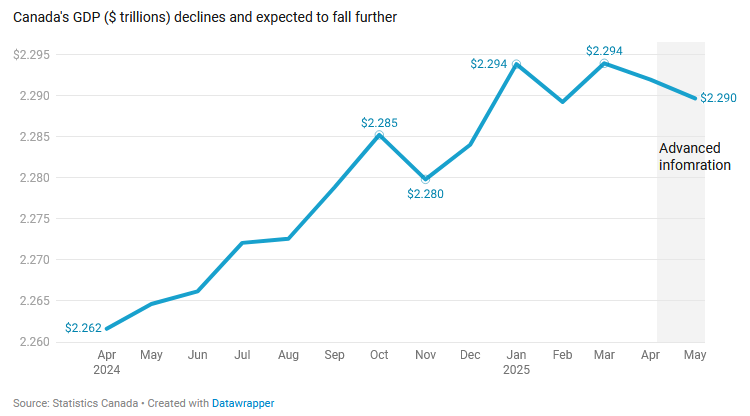
On one hand, the data showed April average wage gains were ahead of inflation. But the data also shows unemployment rising and GDP contracting. That trend is not only bad news for workers losing an income today, it threatens other workers’ continued wage gains in the future.

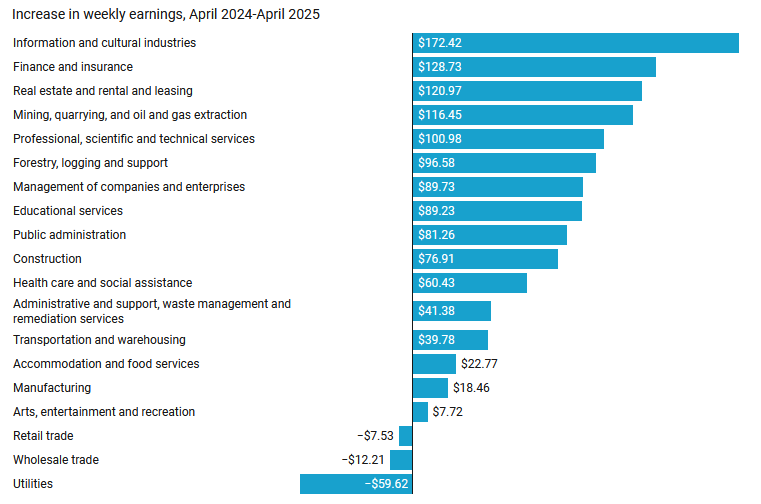
The average Canadian worker’s weekly earnings increased 4.4 per cent between April 2024 and April 2025, according to a Statistics Canada survey released June 26. Earnings changes result from lower wages, fewer hours or a combination of both.
The largest gains were by workers in information and culture, real estate and rentals, and the finance and insurance sectors. But earnings increases were not even or everywhere. The average worker in utilities, retailing and wholesale trade experienced a weekly earnings drop.
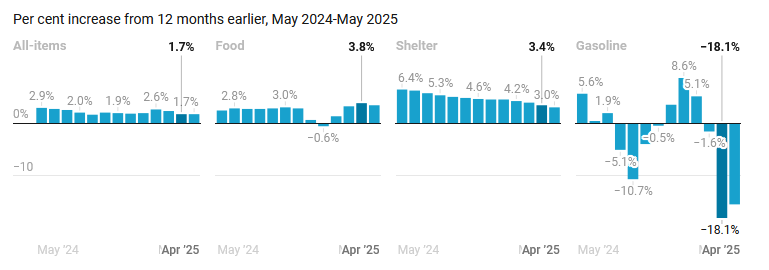
Price hikes were lower than the average weekly earnings increase. Inflation data released June 26 showed a 1.7 per cent increase in the Consumers Price Index from May 2024 to May 2024, the same rate as between April 2024 and April 2025.

Big hikes in housing costs have moderated as mortgage rates, asking rent and house purchase prices decline. But housing costs in May 2025 were still up 3.0 per cent from a year ago, significantly faster than general inflation. Grocery costs, up 3.4 per cent from a year ago, also continue to run ahead of the general CPI increase, threatening household budgets.
Gasoline prices are down from a year ago reflecting the carbon tax’s demise and crude prices falling from over $80 USD in May 2024 to about $60 USD in May 2025.
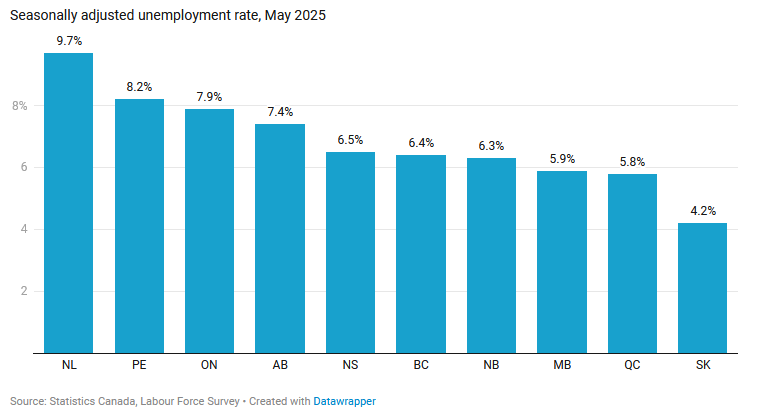
The bad news for workers is rising unemployment, which hit 7.0 per cent nationally in May 2025, up from 6.3 per cent in May 2024, according to Statistics Canada’s Labour Force Survey released June 4.
Connected to the Ontario-centred jobs slowdown, Canada’s GDP is getting smaller. From a peak of $2.294 trillion in January, GDP fell to $2.292 trillion in April, according to Statistics Canada data released June 26. Statistics Canada has provided “advanced information” about May, expecting GDP to fall a further 0.1 per cent, or $2 billion, to $2.290 trillion.

An annual data release in early May showed in 2024 Ontario’s GDP grew second slowest among the provinces. However, monthly data releases do not include provincial information.
GDP decline is not even across industries. Service-producing sectors generally continued to grow but goods-producing sectors shrank. In May 2024, manufacturing contributed $211 billion to Canadian GDP but fell to $203 billion in May 2025, a drop of 3.7 per cent. In contrast, the finance and insurance sector rose from $166 billion in May 2024 to $172 billion in May 2025, an increase of 3.7 per cent.
Certainly the economy is stalled very likely data to be released in July will likely show more GDP and job losses, in turn threatening workers’ continued wage gains revenging inflation.
Politicians, particularly the premier of Ontario, will pin blame on Trump, but that claim is neither true nor will it change the situation. Nor will Mark Carney’s pipelines ride in to save the day in the short-term or in Ontario, where the problem is worst. Doug Ford’s botched Ring of Fire scheme is on the never-neverland timetable. The Canada-Ontario EV supply chain strategy has gone silent.
Lots of data shows housing inflation is decelerating, but it is still not below the general rate of CPI increase. Strong housing construction starts could create jobs and help secure sustained lower housing prices, improving household finances and consumer confidence. But investors and governments are mostly on the sidelines, generating the pretence of concern and activity, but actually biding their time until the opportunity of crisis rebuilds.

Urgent action to build housing is not being proposed for the list of “national interest” projects and the federal government did not use its spring Commons session to implement the housing legislation on which it had campaigned. The new prime minister did not intercede when his housing minister said housing prices should not go down.
So what’s left on the table in July are interest rates. Opinion is mixed on whether, at its July 30 meeting, the Bank of Canada will hold the policy rate at 2.75 per cent or cut it 0.25 percentage points. But with inaction everywhere else, easier credit may be the only significant July economic move with any effect in mitigating job losses and supporting continued wage gains.
Short of that, we wait.
|
|





 By Gazette Staff
 The Beer Store is making the difficult decision to close the retail stores listed below effective end of business day September 14th, 2025.
 By Tom Parkin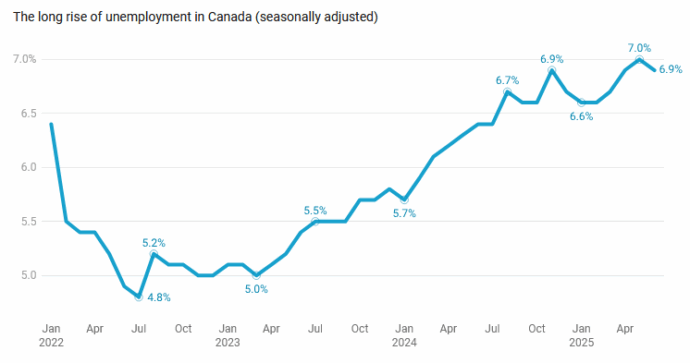
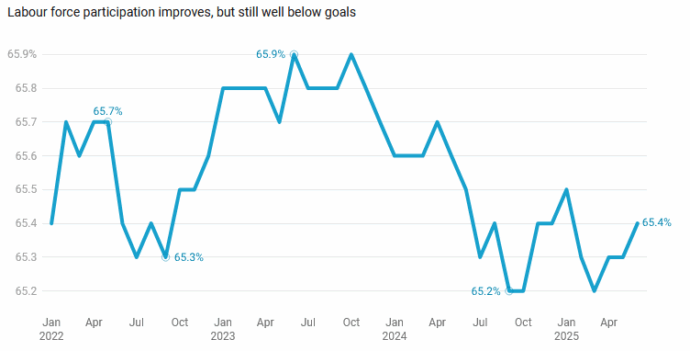

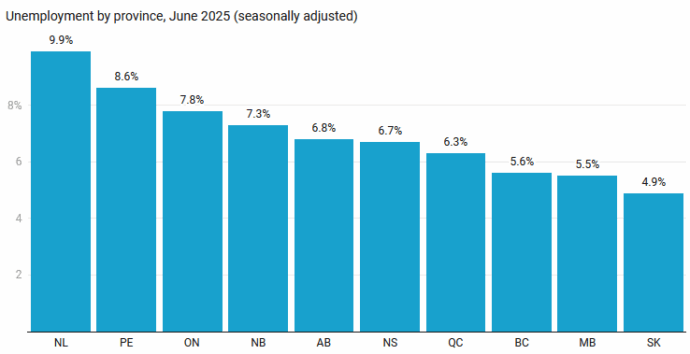
 By Jordan McAllister


 By Andrew Sniderman

 By Joseph A Gaetan
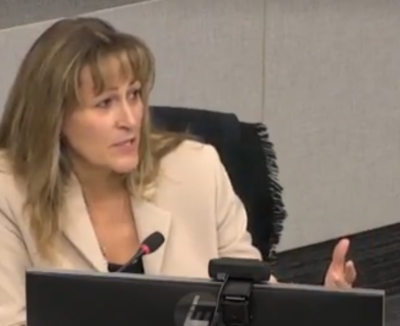
 By Gazette Staff


 By Pepper Parr

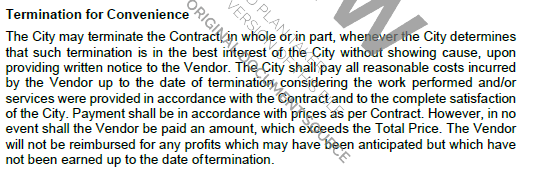
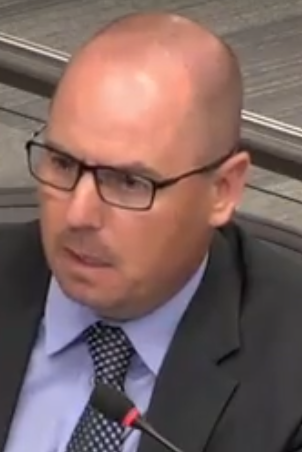
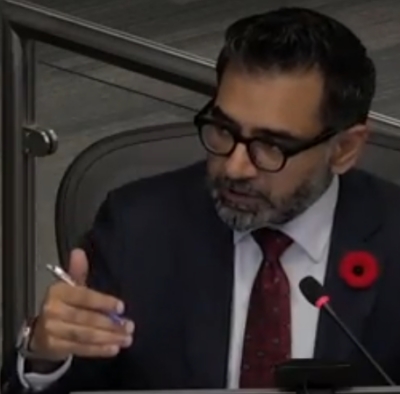
 By Gazette Staff
 There will be a full closure of the 401 in both directions from Guelph Line to Regional Road 25 from 9:00pm Saturday, July 12 until 9:00 am Sunday, July 13
 By Fredrik Stougaard


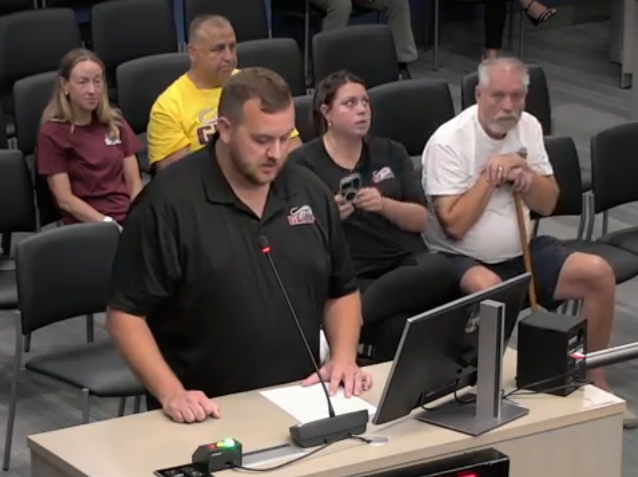

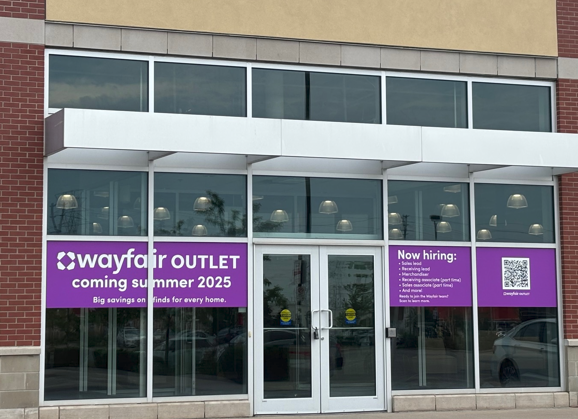
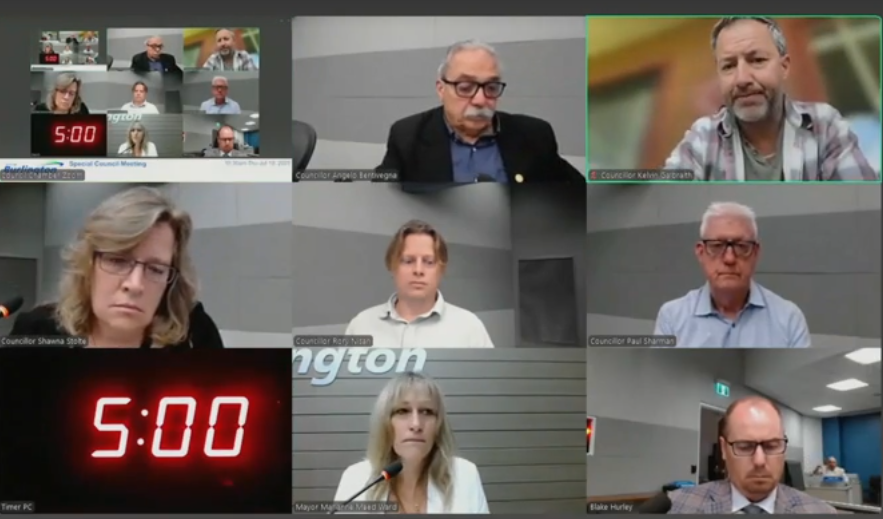
 By Pepper Parr
 The understanding we have is that Council will go into a Closed Session – there is the suspicion that someone has taken legal action – Burlington Aquatic Devilrays (BAD) has said they have put their request for a Judicial Review on hold until they have a better understanding of what Council is going to do.
 GHAC said they are not a Hamilton swimming club – then what are they?
 By Joseph Gaetan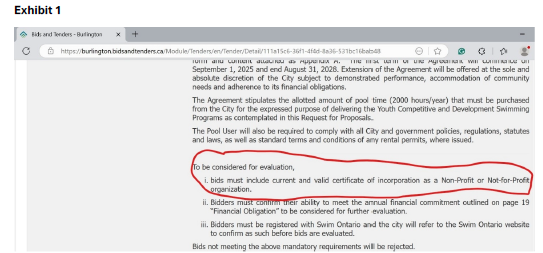
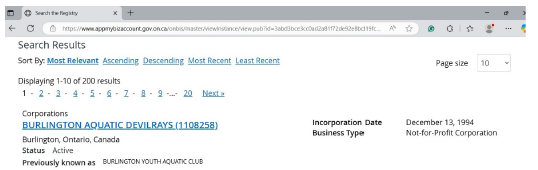
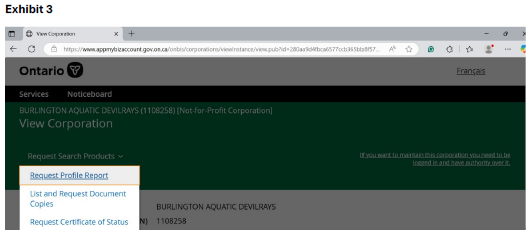
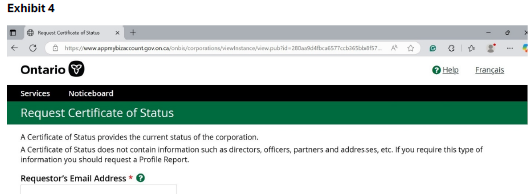
 By Gazette Staff
 Although agencies such as Ontario’s Special Investigations Unit (SIU) are empowered to be arm’s-length investigators, police sexual assault cases tend to be dropped, rarely result in criminal charges if examined and rarely result in convictions, according to the Brock University Assistant Professor of Political Science.




 There are Liberals in Ontario who don’t think Bonnie Crombie is doing her job as party leader; understandable given that she has not found a way to get herself elected.
 By Gazette Staff