 By Katrine Vidstid By Katrine Vidstid
July 4th, 2025
BURLINGTON, ON
Summer in Burlington is knocking, and people are very excited. The beaches are open, summer sports are already in session and tourists are having a blast. However, the sun can sometimes be too hot, and you are nowhere close to the beach. That’s why it is important that you know some cool spots where you can just spend your afternoon when around the city.
 Minutes from the downtown core – one of the best beach areas in Burlington. Whether you are exploring Burlington solo, with family or on a date, these indoor havens offer the perfect escape beyond scenic outdoor views. Talk about culture, entertainment and comfort.
And for those Canadians who enjoy some bit more excitement and keeping true to their country, you can check out live casinos in Canada and find a platform where you can just have fun on your phone. This might come in handy, especially after a long day and you just want to relax in your hotel room.
Shop All You Can at Village Square
If you love shopping, then Village Square is the place you ought to be at. This charming shopping center in downtown Burlington has been designed to resemble a European 19th-century village.
Although it was developed in the 1970s, the magical charm of its style keeps visitors in awe. Imagine red-brick facades, vintage-style lighting, cobblestone pathways and ivy-covered archways making your pathways. It is just like a place plucked out of a romantic novel.
Located just a few minutes away from the waterfront and Spencer Smith Park, Village Square offers all you would need as a visitor. Here, you will find boutique shops, cafes, restaurants and various professional services. For example, you can visit Buvette to enjoy a cozy environment while you sip a mocktail or catch up with family over an amazing charcuterie board.
To many, Village Square is not just a destination; it is a haven of calm, creativity and community.
Aladdin’s Adventures for Kids
It’s the summer holidays, and schools are on break. What would be better for your kids than taking them to a place where they can just enjoy themselves the whole day?
Aladdin’s Adventures indoor playground is a 12000 square foot facility that offers a colourful, fun world. You will find:
 Multi-level play structure with various slides. Multi-level play structure with various slides.
Ball pits
Foam-ball fountains
Climbing areas
Tunnels
Toddler-designated zones
Arcade games
The venue remains well maintained throughout the year and from various reviews, the staff is extremely welcoming and helpful. The best thing about the place is that you are allowed to bring your own snacks. Parents also have a good time by themselves as there are good seating areas with free Wi-Fi and a café with snacks and drinks.
Far Away Greens for the Golfing Buddies
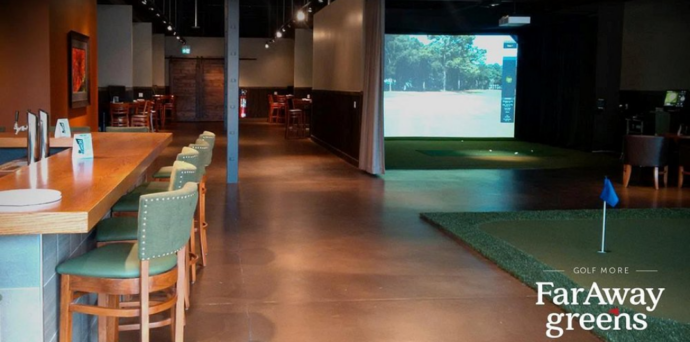
This is a top-rated indoor golf simulator venue that caters to the needs of golf lovers throughout the year. Whether you are a first-timer or an avid golfer, Far Away Greens offers the perfect avenue for golfing during the summer.
 There are 28 unique world-renowned courses from which you can choose. These include Pebble Beach and St. Andrews, among others. The good thing is that each simulator bay is private, fully equipped seating, snacks and climate control. If this is not a premium golfing experience, then what is? There are 28 unique world-renowned courses from which you can choose. These include Pebble Beach and St. Andrews, among others. The good thing is that each simulator bay is private, fully equipped seating, snacks and climate control. If this is not a premium golfing experience, then what is?
Far Away Greens is fantastic for solo practice, family outings, clash of friends and corporate events.
Reviewing History at Joseph Brant Museum
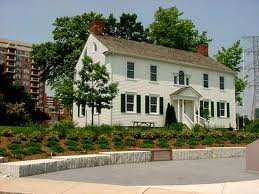
For those lovers of history, the Joseph Brant Museum provides the answer to what Burlington was like in earlier years. This community museum is named after the famous Mohawk leader, Joseph Brant, who settled in the area between 1742-1807. A replica of Brant’s homestead serves as a beacon.
Additionally, the museum features three permanent galleries, a dedicated programming area for education programs and space for travelling exhibitions. If you are not learning about the history of Burlington, then you’ll be understanding how the city moved from its indigenous heritage to its current modern urban outlook.
During the 2025 summer, there are various events scheduled in the museum, including:
Fireworks from the rooftop: Enjoy an evening of food, drinks and live music.
Yoga with a view: Early morning yoga session as you view the waterfront.
Music from the rooftop: Enjoy an evening listening to live music from local musicians.
The Burlington Performing Arts Centre
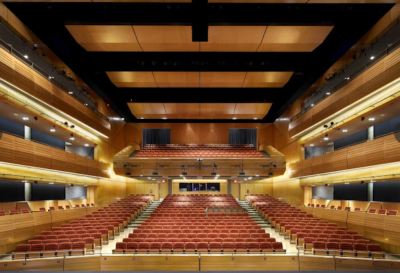
 Located in the heart of downtown, the Burlington Performing Arts Centre is the perfect cultural haven during the summer. After a long day at work, you can go relax in the venue and watch live shows, including: Located in the heart of downtown, the Burlington Performing Arts Centre is the perfect cultural haven during the summer. After a long day at work, you can go relax in the venue and watch live shows, including:
Stand-up comedy
Music performances
Dance groups
Orchestras
The BPAC attracts visitors from all over the world even as it brings acts from all over the globe. What makes the place very cozy during the summer is the blend of climate-controlled comfort and the well-designed lineup of performances that speak to your soul.
Whether you just want to listen to a cool orchestra performance or roar in laughter on a stand-up comedy night, the BPAC ensures that you are not only relaxed but also culturally enriched.
Finally, Summer is Here!
As the summer kicks in, finding the perfect balance between outdoor and indoor spaces might be what you have always needed all along. Where most people will probably go for outdoor fun activities, you’ll be thrilled to know that indoor activities can be quite relaxing. Whether you are an outgoing person or more introverted, there is definitely something for you once you are in Burlington.

By Daniel Foch
July 5th, 2025
BURLINGTON, ON
From Mississauga to Scarborough, Hamilton to downtown Toronto, the very people who keep our cities functioning are being priced out of them.
The nurse can’t afford the city she heals. The teacher can’t afford the city she inspires. The tradesman can’t afford the city he builds.
If that doesn’t sound like a crisis, you’re not paying attention.
We’re witnessing an exodus in real time, one not driven by aspiration, but by survival. From Mississauga to Scarborough, Hamilton to downtown Toronto, the very people who keep our cities functioning are being priced out of them. And with every essential worker who leaves or breaks under the burden of housing costs, the ripple effects compound: fewer services, longer wait times, rising costs, and fraying social cohesion.
In the US, they call this a demand for “workforce housing” — why don’t we have the same term here?
A recent report by the Boston Consulting Group in collaboration with CivicAction describes the situation as an economic emergency that is quietly eroding the GTA’s foundation by pushing out the workers who hold it together.
This is no longer just a housing issue. It’s a labour issue, a health issue, an education issue, and an economic emergency. We are hollowing out our urban core, and in doing so, we’re corroding the country’s ability to function.
The Working-Class Squeeze is Now a Middle-Class Crisis
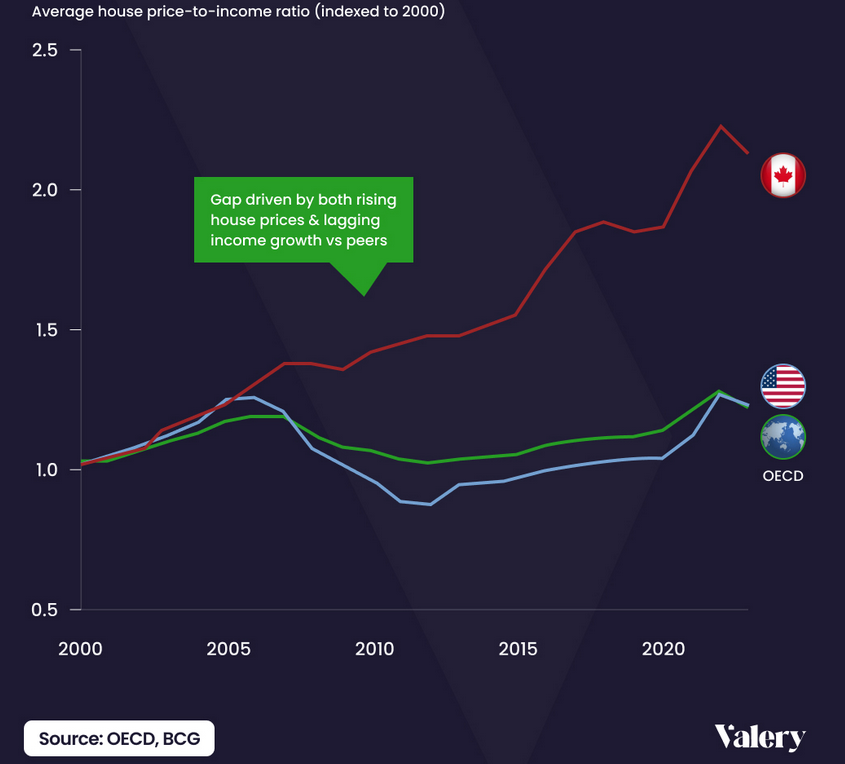
The report reveals a hard truth. Nearly one in every two households (see the chart below) in the Greater Toronto and Hamilton Area (GTHA) earns between $40,000 and $125,000 a year and, increasingly, they can’t afford to live where they work.
These people are not luxury seekers. They are the lifeblood of the region, early childhood educators, nurses, tradespeople, social workers, artists, retail staff. The very people a city depends on are making impossible choices: spending more than 30% of their income on rent, commuting two hours each way, or turning to food banks and public assistance, all while holding full-time jobs.
Even more worrying? Many can’t handle a $500 emergency. In one of the wealthiest regions in North America, over half of new food bank users in Toronto are from working households.

The True Cost of Unaffordability is Much Greater Than Rent
When we think about housing unaffordability, we tend to think in personal terms: missed dreams, cramped spaces, the heartbreak of being locked out. But those personal consequences scale quickly and dangerously.
Businesses are struggling to attract and retain talent. In response, some have begun offering wage premiums, costing an estimated $2.8 billion annually in extra payroll. But even that isn’t always enough. Nurses, for example, earn only a 3% premium on average, far below the 12–17% needed just to match the cost of living.
Our public systems are buckling. Financially stretched households spend less on preventive health. People experiencing housing instability visit emergency rooms 20% more often. Kids from housing-insecure families are nearly 30% more likely to fall behind in school. And in abusive households 79% of victims say high housing costs are a barrier to leaving.
This is what collapse looks like: not sudden, but cumulative.


Why the Market Alone Won’t Fix This
Let’s be clear on one thing. This isn’t just a supply issue. It’s a system failure.
- Zoning paralysis: In the GTA, 70% of land is zoned exclusively for single-family homes, locking out density and affordability by design.
- Approval gridlock: A new housing project in Toronto can take 20 months to get approved, four times longer than in Calgary.
- Misaligned incentives: Over half of Toronto’s new condo units between 2018 and 2022 were studios or one-bedrooms. Just 4% had three bedrooms.
- Funding black holes: Nearly 45% of housing projects are stuck at the feasibility stage, unable to secure the capital to break ground.
- Labour and material shortages: Construction costs have outpaced inflation, and over 93,000 construction jobs remain unfilled. Ironically, many workers can’t afford to live near the very sites they’re meant to build.
When so many inputs are broken, no amount of “build more” rhetoric will do the trick.
We Don’t Need to Reinvent the Wheel, We Just Need to Act Boldly
Other cities/countries have cracked this code. They didn’t wait for the private market to solve the crisis. They acted, and they acted together.
- Vienna houses over 50% of its population in publicly owned or co-op units, with rents 20% below market.
- Singapore built its way to affordability by integrating housing with transit and infrastructure, successfully putting 80% of its citizens in public units.
- Sweden uses prefab housing for 84% of detached homes, dramatically cutting construction time and cost.
- Portland rezoned for mixed-use and density and linked it with transit investment, creating livable, walkable neighbourhoods at scale.
The GTHA has made some moves, like approving Hamilton’s Light Rail Transit and exploring prefab, but we remain leagues behind.
What We Need Now Is a Four-Part Playbook
While no single policy can solve the problem alone, a focused, multi-pronged strategy can lay the groundwork for meaningful progress. Drawing from global best practices and tailored to the GTA’s unique context, here are four foundational actions that must be prioritized, starting now:
- Prioritize workforce housing
- Public housing should serve not just the poorest, but also the people who power our region. Essential workers deserve access to affordable homes near where they work.
- Unblock approvals and rezone with courage
- Create fast-track pathways for developments that meet affordability criteria. Rezone low-density neighbourhoods near transit into vibrant, mid-rise communities.
- Rethink financing
- Expand tools like social impact bonds and revolving housing funds. De-risk early-stage capital to unlock stalled developments — especially for non-profits.
- Align planning with purpose
- Bring housing, transit, jobs, and services into the same conversation. Target underused land near employment hubs for affordable, mixed-income communities.
The Time for Talk Is Over
Toronto is often described as a world-class city. But a world-class city doesn’t push its teachers to the margins, force its construction workers to commute from hours away, or make its nurses line up at food banks.
We are at a crossroads. Either we confront this housing crisis with bold, coordinated, cross-sector action, or we resign ourselves to an unraveling urban future marked by inequality, inefficiency, and fragility.
Let’s choose to build, not just homes, but the kind of region where people can live, thrive, and belong.
Daniel Foch is the Chief Real Estate Officer at Valery.ca, Host of Canada’s #1 real estate podcast, and Head Coach at realist.ca.
Originally published in Storeys – the most-read real estate news site in Canada.
By Gazette Staff
June 4th, 2025
BURLINGTON, ON

The James N. Allen Skyway bridge will be experiencing several closures and reduced lanes on the Niagara-bound side this week due to ongoing maintenance work on the bridge’s infrastructure.
The Ministry of Transportation has said that all ramps from Eastport Drive and two right lanes will be closed from Friday, July 4, at 10 p.m. to Monday, July 7 at 5 a.m.
By Gazette Staff
July 4th, 2025
BURLINGTON, ON
City Hall staff are reported to have not even opened the BAD application due to a missing document.
For news stories that are controversial and moving quickly it takes time for the whole story to bubble to the surface.
In a broadcast on the Cogeco Your TV channel, we learn that the people reviewing the RFP – Request for Proposal – from BAD did not even open the application that was sent in by the BAD – Burlington Aquatic Devilrays claiming it was incomplete.
In the four-minute video Mayor Meed Ward now says that she will discuss the matter when it comes up at council on Monday of next week. Up to this point, the Mayor has said Council members could be involved in RFP discussions.
Kimberly Calderbank, was front and center in the broadcast, suggesting that BAD may find itself looking for a new home.
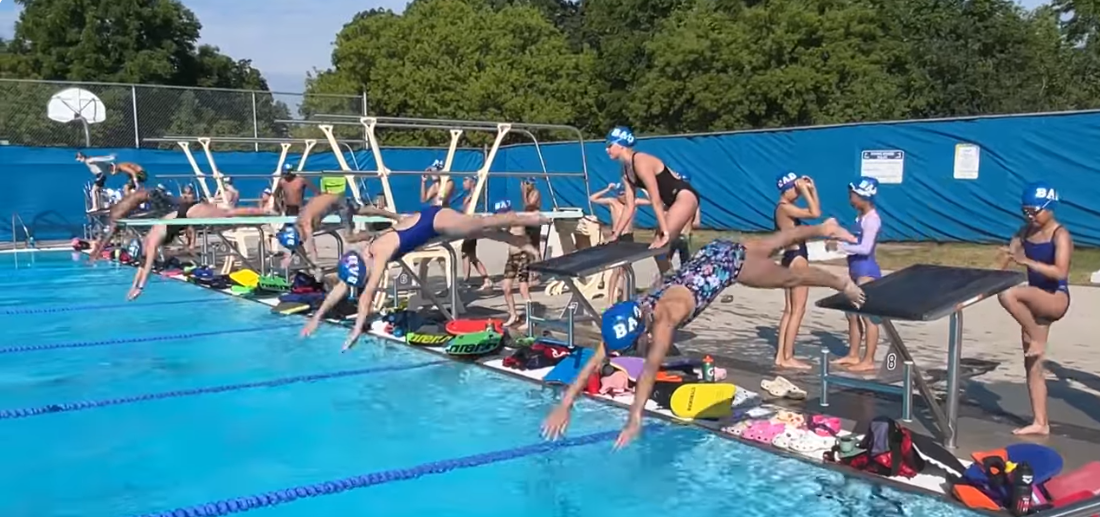
 BAD swimmers in a training session at a Burlington pool The challenge for Councillors on Monday is going to be – how do they wiggle out of this mess? there are serious legal implications.
The City has told GHAC that the contract is there‘s all they have to do is show that 85% of their members live in Burlington.
The data from Swin Ontario says that 28% of the GHAC members live in Burlington.
In order to get to that 85% level, GHAC will have to poach members from BAD, which will mean putting as lot of pressure on the student swimmers..
If the city rescinds the contract (we don’t know if anything has been signed yet), that is to be awarded to GOAC – expect them to sue for breach of contract.
The YouTube video clip is HERE.
Stick around – this story is far from over.
Once Counsellor made the following comment to the Gazette:
“A bunch of years ago the City had a similar problem with allocating football fields and the use of an RFP system to solve allocation arguments. It was brought to Council, as I recall, and it was decided to not use the RFP system and just figure how to equitably share the capacity.”
 By Gazette Staff By Gazette Staff
July 4th, 2025
BURLINGTON, ON
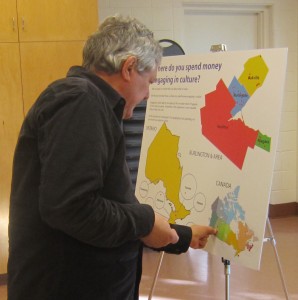
 Most people didn’t understand why the sculpture, a modernistic interpretation of orchids was installed in the middle of a busy road. City Hall is working with the existing Culture Boards to develop a new Culture Plan that will guide Burlington through the next decade (2026–2036) of artistic and cultural growth. The intention is to shape the future of Burlington’s arts and culture programs, services and investments. City Hall wants to build a future that is vibrant, inclusive and rooted in our community.
By connecting with residents, artists, cultural workers, organizations and communities across the city, the hope is to build a plan that is grounded in what matters most to Burlington. If something like this is going to work, voices from the community are essential.
 A survey was done about 10 years ago, asking people where the cultural sites were in the city. Will the city look at that data?  The Brant Museum is a combination of culture and heritage and is within what some describe as a “cultural district”. What does culture mean to you? Take the online survey and tell the city what programs you want to see, what services you support and where you’d invest in arts and culture. Help shape the future of Burlington’s Culture Plan.
By Gazette Staff
July 4th, 2025
BURLINGTON, ON
Provincial Bill 9 could give municipalities the ability to remove Councillors for misconduct; word is that it was built to stall.
Would refusing the engage the public be considered misconduct?
MUNICIPAL ACT, 2001
The Schedule amends Part V.1 of the Municipal Act, 2001 with respect to codes of conduct. Here are some highlights:
1. Currently, the Act provides that municipalities shall establish codes of conduct. Re-enacted section 223.2 of the Act provides that the Lieutenant Governor in Council may make regulations prescribing a code of conduct for members of councils of municipalities and of local boards.
 Burlington Integrity Commissioner Jeffrey A. Abrams. 2. New section 223.3.1 of the Act requires the Integrity Commissioner of Ontario to perform certain functions with respect to Integrity Commissioners, including providing education and training to Commissioners.
3. New section 223.4.0.1 of the Act provides that after conducting an inquiry under section 223.4 of the Act, a Commissioner may make a recommendation to the Integrity Commissioner of Ontario regarding whether the seat of the member who is the subject of the inquiry be declared vacant. New section 223.4.0.2 of the Act sets out the responsibilities of the Integrity Commissioner of Ontario upon receiving such a recommendation, including the responsibility to conduct an inquiry. Subsection 223.4.0.2 (4) of the Act sets out the actions the Integrity Commissioner of Ontario is required to take upon completion of their inquiry.
4. New section 223.4.0.3 of the Act sets out the consequences where the Integrity Commissioner of Ontario refers a matter back to the Commissioner. New section 223.4.0.4 of the Act sets out the consequences where the Integrity Commissioner of Ontario recommends that a member’s seat be declared vacant, including requiring the council of the municipality to vote on such recommendation.
By Katie Lebel
July 4th, 2025
BURLINGTON, ON
As a follow-up to your ongoing coverage of the Burlington Aquatic Devilrays (BAD), I wanted to share some new context that will inform Monday’s Council meeting, where the club will formally delegate.
 Is the Sports Eco-system in the process of changing? While the immediate issue is pool time allocation, the broader concern emerging from this case is that the City of Burlington may be unknowingly endorsing a shift toward a privatized model of youth sport — one that prioritizes market expansion over community values. BAD’s delegation will respectfully ask Council to consider what kind of sport ecosystem they want to support going forward.
Here are four key differences between BAD’s nonprofit model and the model GHAC appears to be advancing:
1. High Fee Structure
- GHAC programs appear to cost 2–2.5x more than BAD for similar age groups and training levels.
- These higher costs do not appear to be tied to more intensive programming or superior coaching.
- Instead, they seem to reflect a market-based, pay-to-play model that could create a barrier to access for many families.
- This marks a shift away from the principle that youth sport should be accessible and publicly supported.
2. Drop-In, Multi-Pool Practice Model
- GHAC swimmers reportedly attend practices at multiple pools across the region, rather than being assigned to a single site/team.
- This disrupts traditional sport development frameworks, which emphasize peer cohesion and long-term coach-athlete relationships.
- The model seems to prioritize parental convenience and consumer flexibility — echoing for-profit gym or swim lesson models rather than club sport principles.
3. Multi-City Expansion
-
 There are more than 130 swimming clubs in Ontario GHAC operates in Hamilton, Dundas, Ancaster, Stoney Creek, and now Burlington — a region-wide, growth-first footprint more characteristic of commercial expansion than community sport.
- Centralized administration and uniform branding further reflect a franchise-style approach, rather than a municipal or community-rooted one.
4. Aggressive Recruitment / Market Capture
- GHAC has begun recruiting BAD swimmers, which is viewed by many as a market acquisition tactic, not a collaborative approach between clubs.
- This raises concerns that the City’s endorsement of GHAC is enabling market consolidation, rather than fostering a diverse, inclusive sport landscape.
 We risk losing an entire philosophy of sport. 5. The Bigger Picture:
This isn’t an isolated case. The model GHAC is advancing is not unlike the rise of private swim schools like Aqua-Tots or Goldfish Swim School — both of which have steadily eroded participation in municipal swimming lesson programs by offering high-fee, drop-in based alternatives.
While these providers fill a market niche, the concern is that public infrastructure — in this case, municipal pools — is now being allocated in ways that mirror those privatization trends.
 Preserve what’s working. Why It Matters
“There could be room for both models in the sport ecosystem,” says Kimberly Calderbank. “But if the City pushes out volunteer-led, community-based clubs in favour of market-based providers, we risk losing more than just pool hours. We risk losing an entire philosophy of sport — one that values equity, inclusion, and community-building over revenue growth.”
BAD’s delegation will be rooted in gratitude, positivity, and a simple request: do no harm.
Protect access.
Preserve what’s working.
And ensure that Burlington’s public infrastructure serves all families — not just those who can afford to pay more.
Katie Lebel is a supporter of the Burlington Aquatic Devilrays.
By Gazette Staff
July 2nd, 2025
BURLINGTON, ON
BAD (Burlington Aquatic Devilrays) has discovered that moving swimmers to another club is a really bad idea. BAD Offers More Affordable Programming Across the Board BAD’s fees are significantly lower than Golden Horsehow Aquatics Club) ’s for comparable training groups.
Look at the numbers:
Example: BAD’s “Competitive 3” group is $690 per season, while GHAC’s comparable group is $1,780—over 2.5x more expensive.
More Value for Money at BAD
 Burlington-based club with 79% local swimmers BAD swimmers receive more weekly hours of training than GHAC counterparts.
In several examples, BAD offers double the training time at less than half the price.
BAD Supports a Larger Base of Burlington Youth BAD is a community-first, Burlington-based club with 79% local swimmers, compared to GHAC’s 28%.
Lower fees allow for greater access and equity in competitive sport participation.
GHAC’s Higher Fees Could Limit Access •GHAC’s fee structure suggests a move toward exclusive, elite programming with higher barriers to entry.
This shift could displace or exclude current BAD families and swimmers from continuing the sport.
Question of Equity in Municipal Decision-Making •If the City of Burlington supports GHAC despite its high prices and low local representation, it raises concerns about the equity and fairness of the decision.
Choosing GHAC may effectively privatize access to aquatic sport for Burlington youth.
By Louie Rosella
July 4th, 2025
BURLINGTON, ON
In its Live and Play Plan, the City of Burlington calls Sherwood Forest Park a “major destination” park in the city.
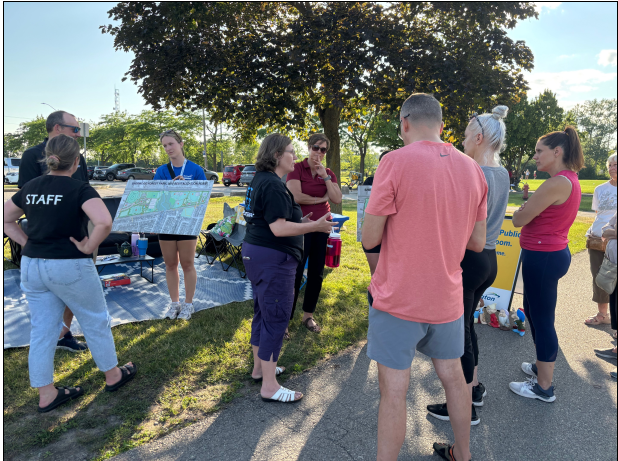
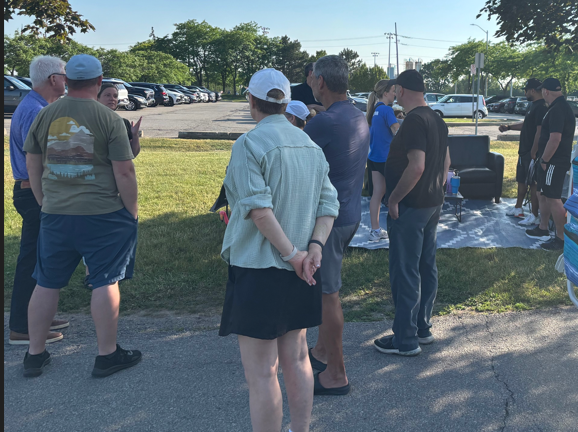
 It was a small group – the biggest concern seemed to be space for cricket games to take place. Thursday night (July 3), in the midst of rugby practices, soccer games and playground play, a few dozen residents showed up to the well-known park at 5270 Fairview Drive to hear the latest updates on the proposed amenities for the park’s “revitalization.”
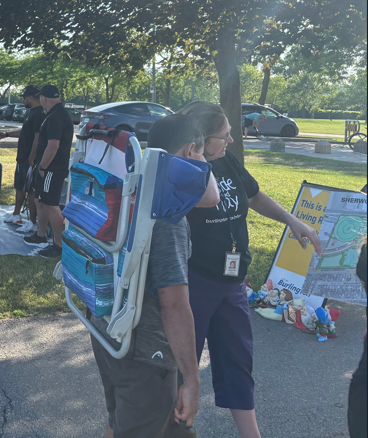
The informal outdoor, “public living room” style event offered plans for the new park, including renderings of the proposed amenities.
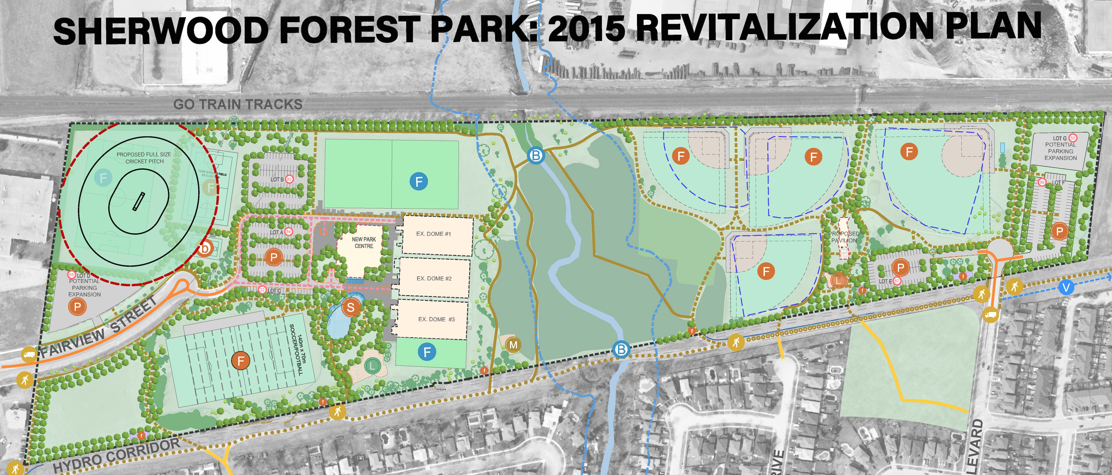
This includes a proposed, full-size cricket pitch on the west side of the park, which would replace an existing soccer field, more parking spaces to accommodate the anticipated increase in park goers, a new splash pad, and the redevelopment of the Sherwood Forest Park Community Centre.
The redeveloped facility should include a full-size gymnasium and indoor walking track, according to City staff at Thursday’s event.
Residents in attendance had some questions about the planned cricket field, concerned that it would essentially be replacing the soccer field.
However, Ward 5 Councillor Paul Sharman said this updated plan addresses community needs.
 Ward 5 Councillor Paul Sharman, to the left, listening to what those who attended the event had to say. “It’s all a question of whether you live here today or you live here in the future,” he told the Gazette. “The big issue is the changing character of our population; an increasing number of people who want to play cricket.”
Demand for cricket fields in Burlington is huge, City staff said, as there is just one dedicated cricket field in the city, located in Central Park.
Sharman said if residents were to walk around their neighbourhoods on the weekends, many would see the baseball diamonds being used for playing cricket.
Other residents, including Margaret Hughes, expressed concern that there was no immediate consideration being given to lighting the pathways that run through the park.
“In the winter time, people are walking through here in the dark at 5 p.m.,” she said.
City staff said lighted paths, ironically, can create safety issues, as the dark patches between lights create shadows that present hazards, such as hiding uneven pavement, ice patches, or even a potential attacker.
“Clearly safety is the priority,” Sharman said. “You look at the playgrounds. We turn the lights off at 11 p.m., for that very reason because we don’t to have people out there drinking beer and making noise in the middle of the night.”
Hughes and others understand the need for more cricket fields in the city.
“We’re running out of space in Burlington,” she said.
So, when could the cricket field be up and running?
“It’s dependent on a grant coming from the provincial government,” Sharman said. “We’re not expecting to get that answer for a number of weeks.”
 City Staff member explaining the big picture to a resident. Burlington has applied for a grant from the province’s Community Sport and Recreation Infrastructure Fund to help fund the Sherwood Forest Park project.
Development of Sherwood Forest Park is being guided by the 2016 Sherwood Forest Park Revitalization Plan; the City recently made major investments on the east side of this park by upgrading the ball diamonds, playground, and other features, the City said.
Sherwood Forest Park is located next to the Appleby GO Major Transit Station Area (MTSA), which is expected to experience significant population growth through intensification, the City said.
The City’s Live and Play Plan, which the City says is designed to ensure Burlington continues to grow as a sustainable, vibrant, and economically strong community, identifies Sherwood Forest Park as a “major destination” park.

Louie Rosella is a professor at Humber Polytechnic and a former journalist in the GTA.
By Stefan Almgren.
July 3rd, 2025
BURLINGTON, ON
Paying used to be simple. You’d hand over some cash, grab what you needed, and that was it. No names, no tracking, no digital history attached to you.
But now, most online payments come with strings attached. You’re asked for your name, your email, your bank details, and sometimes even a photo of your ID. A basic transaction often turns into a full-blown verification process.
 Prepaid cards. These simple tools are filling the space between real cash and the online world. For Canadians who don’t use a traditional bank account — or anyone who just values privacy — there aren’t many options left. Still, a few tools make it possible to spend without sharing your whole identity. One of the easiest? Prepaid cards. These simple tools are filling the space between real cash and the online world.
Prepaid Cards: The Digital Stand-In for Cash
Vanilla prepaid Visa or Mastercard cards are among the most accessible, privacy-friendly options available today. You can buy one with cash, use it online, and avoid ID checks in most cases. For example, being able to use a Vanilla Mastercard at gambling sites gives you a rare sense of transactional privacy online.
Here’s why they work:
| Feature |
Details |
| Buy with cash |
Available at most major retailers (Walmart, Circle K, etc.) |
| No ID needed |
No name or banking info required to activate |
| Accepted online |
Works like a regular credit card at many sites — including gambling sites |
| ⚠️ Deposit only |
Cannot be used for withdrawals |
If you’re looking to fund a gambling site without your bank flagging the transaction or asking for more documents, prepaid cards are often the easiest way to go. Just make sure the site accepts international cards — some don’t.
Crypto: Still Useful, But Not as Anonymous as You Think
Cryptocurrency used to be the top choice for anonymous online payments. But today, most major platforms require full KYC — Know Your Customer — before letting you buy or send coins. That doesn’t mean crypto is useless for privacy. But it does mean you need to be more careful about how you use it.
Where crypto still works well:
- When used with privacy-focused coins like Monero
- When purchased through crypto ATMs using cash
- When paired with prepaid cards on non-KYC exchanges or on-ramps
For most people, though, prepaid cards are still simpler. You don’t need to manage a wallet, worry about gas fees, or understand blockchain. You just pay, type in the card info, and move on.
Best Options Compared (No Bank Needed)
Here’s how prepaid cards stack up next to other common privacy-focused payment tools:
| Method |
Requires ID? |
Can Deposit? |
Can Withdraw? |
Best For |
| Vanilla Prepaid Card |
❌ No |
✅ Yes |
❌ No |
Simple, cash-based deposits |
| Crypto (via ATM) |
❌ No |
✅ Yes |
✅ Yes |
More advanced, flexible use |
| Flexepin Vouchers |
❌ No |
✅ Yes |
❌ No |
Quick, anonymous deposits |
| Crypto (via exchange) |
✅ Yes |
✅ Yes |
✅ Yes |
Higher limits, but not private |
How to Buy and Use a Prepaid Card
If you haven’t tried a prepaid card yet, here’s a clear look at what to do:
-
 There are scores of prepaid cards available. Plain Vanilla Visa or Master cards are good choices. Find a retailer
You go to a grocery store, pharmacy, or gas station. Most have a rack of prepaid cards near the checkout.
- Pick a card and amount
Choose a Vanilla Visa or Mastercard. Some have fixed values like $25 or $50, while others let you load your own amount, often up to $500.
- Pay with cash
To stay anonymous, it’s best to pay in cash. This keeps the transaction off your bank records.
- Keep your receipt
If the card doesn’t work or gets lost, your receipt may be the only proof you have.
- Activate if needed
Some cards are ready right away. Others ask you to call a number or go online to activate.
- Use online
Enter the card number, expiration date, and security code just like any credit or debit card.
That’s it. No apps, no accounts, no ID checks.
Other Prepaid Tools Worth Exploring
Vanilla cards are popular, but they’re not your only option. A few other prepaid options work just as well:
- Mastercard gift cards — Widely accepted online and work the same way as Vanilla
- American Express prepaid cards — Good for major retailers, though not always accepted at gambling sites
- Paysafecard — Lets you pay online using a code, no card or ID needed
- Flexepin — Sold in cash and used like a voucher for casino deposits and more
Each option has its own limits and fees, so be sure to read the details on the packaging before buying.
Why This Still Matters
Not everyone wants to give away their identity every time they spend money online. For some, it’s about privacy. For others, it’s about control.
If you:
- Don’t have a bank account
- Prefer to keep gambling or entertainment spending separate from your main finances
- Want to avoid sharing personal data on every transaction
Then tools like prepaid cards and crypto still give you room to breathe. You can spend without being watched, flagged, or profiled — and that kind of freedom is getting harder to find.
Private Payments Aren’t Gone — Just Harder to Find
 The digital economy is moving toward more tracking, more verification, and more connection between your money and your identity. The digital economy is moving toward more tracking, more verification, and more connection between your money and your identity. Almost every click and swipe leaves a mark. But prepaid cards offer something rare: a way to buy, fund, and move on without questions.
They aren’t perfect. You can’t withdraw money onto them. You have to find sites that accept them. And you need to keep track of your balance. But they still let you pay on your terms — especially in situations where privacy matters.
If that sounds like something you care about, it’s worth keeping a prepaid card on hand. In a world where even small purchases can be traced, this might be the closest thing to digital cash that still exists.
By Gazette Staff
July 3rd, 2025
BURLINGTON, ON
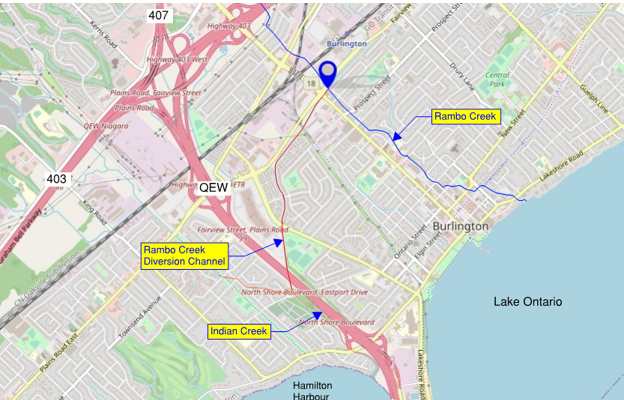
Following up on that report earlier today about rising water levels in Rambo Creek – City Hall reports that the Rambo Creek Erosion Control Project between Victoria Avenue and Emerald Crescent, part of a 2020 City Wide Creek Erosion Assessment Study identified ongoing erosion along Rambo Creek between Victoria Avenue and Emerald Crescent, posing a risk to public infrastructure, utilities, and nearby private properties.
Project scope
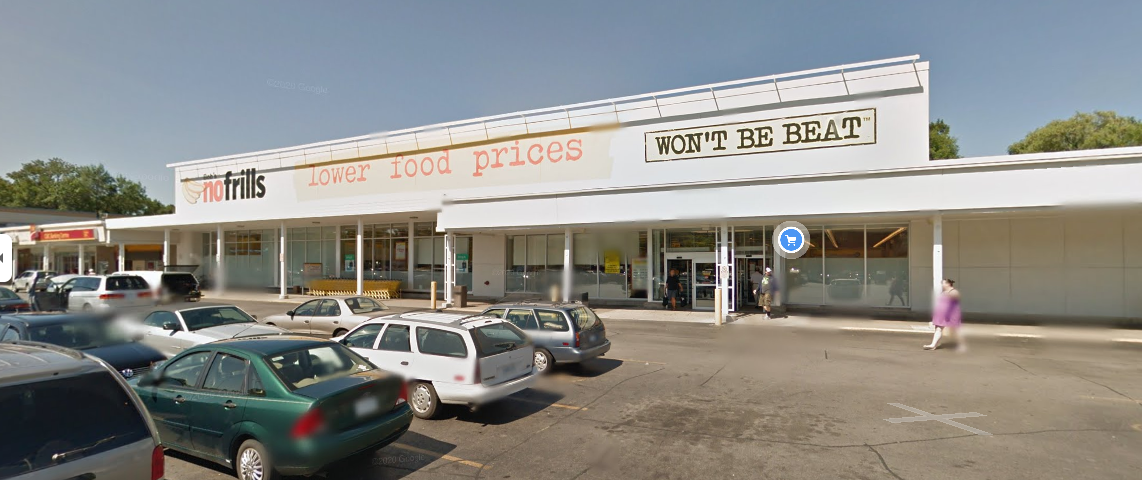
 Rambo Creek is right behind the No Frills supermarket. On the west side of the creek, erosion has caused the channel to widen, bringing the top of the bank to within less than 1 meter of private infrastructure, including a parking area with a wooden fence and concrete barrier wall.
Several small stormwater outflows in the area are in poor condition, and runoff from the adjacent parking lot is also contributing to further erosion.
As part of this project, the City will complete restoration in this section of Rambo Creek.
The project will include creek bank stabilization, minor channel realignment of the low-flow channel, and additional measures to protect the surrounding area.
First edition of this news story
By Eric Stern
July 3rd, 2025
BURLINGTON, ON
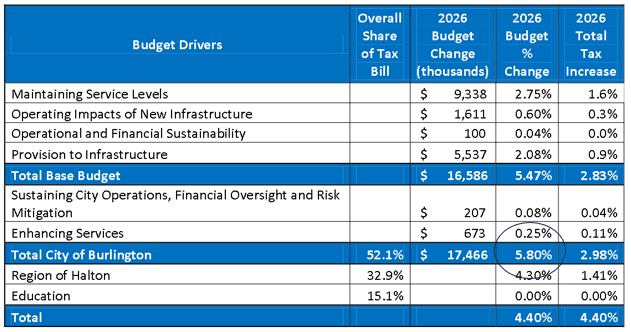
 Eric Stern and the BRAG organization did everything they could to get 2025 budget information earlier so that citizens could make comments and delegate. Here we go again. The City of Burlington plans to increase spending by 5.8% in the 2026 Budget
Keep 5.8% in mind. This is how the city is positioning the increase
“Burlington’s portion of the overall increase would be 2.98%”.
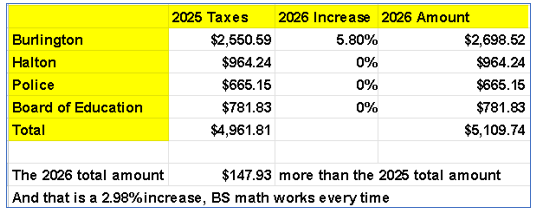
Let’s call this Burlington Speak math or BS math. Spending is increasing 5.8% but the “overall increase” is 2.98%, exactly how does BS math work?
Well, if you assume that the region won’t be increasing taxes, and the police won’t be increasing taxes, and the Board of Education won’t be increasing taxes, then the math works.
Have a look at this spreadsheet showing taxes for an average home in Burlington.

How likely is it that Halton won’t be increasing taxes, not likely at all, ditto for the police. The Ford government has held Education increases to zero for the last few years.
Here are some quotes from the city’s document on the city website.
“The Region’s 2025 Budget (Regional report FN-34-24) included a forecasted increase of 3% excluding police services and 4.3% including police services.”
What? The 2.98% overall increase is calculated assuming zero percent increases from the region and police, but the same document says to expect budget increases from the region and police!
“CPI rose 1.7% year-over-year in May, matching April’s increase.”
The city is increasing spending at over 3 times the rate of inflation.
“A 1.75% base funding increase is planned for Local Boards and Partnered Corporations in 2026 (Burlington Public Library, Burlington Museums, Art Gallery of Burlington, The Burlington Performing Arts Centre (BPAC), and Burlington Economic Development and Tourism).”
How is it that the libraries, museums, art galleries, etc., can manage with a 1.75% increase, but the city needs 5.8%?
The city will bombard us with a series of numbers. The other number you’ll hear is 4.4%. Halton hasn’t issued any guidance on its tax increase. The police have not issued a statement. But Burlington, for unknown reasons, has guessed that the Halton increase, including the police increase, will be 4.3%. In my opinion, when you mix this all together, you get a projected overall increase of 4.4%. Last year, these guesses were incorrect, and we ended up with a higher increase.

New homes and businesses, through property taxes, are expected to cover .75% of the budget increase.
Buckle up, this is the multi-year forecast for spending increases.

Do taxpayers deserve an explanation as to why we’ll hear all about the overall impact of the increase being 2.98% and next to nothing about the budget increasing by 5.8%?
References:
https://burlingtonpublishing.escribemeetings.com/filestream.ashx?DocumentId=88865
https://burlingtonpublishing.escribemeetings.com/filestream.ashx?DocumentId=88866
Eric Stern is a Burlington resident who was part of the Burlington Residents’ Action Group ( BRAG) that was recently dissolved. He is one of the leaders of Focus Burlington.
By Gazette Staff
July 3rd, 2025
BURLINGTON, ON
“Quick note to say that your ongoing coverage is great!!! and I’m sure is very much appreciated by the Families of the Burlington Aquatic Devilrays.
 Emilie Cote, Director of Recreation, Community & Culture , chose to send the pool allocation matter to the Procurement people. This Burlington resident told us this morning that “this whole fiasco started in the Parks and Recreation sector (under Director Emile Cote) and was passed off to Procurement as it was thought/desired that an RFP would be in order.”
The Procurement Officer who handled the file is indeed on vacation. “I can also confirm that Mordeu is “on vacation” I attempted to contact her on Monday June 30th for some info/understanding of the need for a procurement process for something that has traditionally been a user/group time and access allotment to city facilities.
“This is touching many departments in City Hall…. and they are all fumbling the file.”
What should have gone further up the food chain was sent down to a level that understands procurement and followed standard procurement procedures.
We are noticing that those who provide information ask that their name not be used – we appear to live in a city where residents fear repercussions when they speak out.
By Gazette Staff
July 3rd, 2025
BURLINGTON, ON
 Rambo Creek runs behind the no Frills Plaza on Brant Street. Long terms plans call for a walking path to be created beside the crook and the No Frills supermarket to be moved closer to Brant Street. Some housing is in the developers’ plans, which they say are as much as a decade away. Residents are reporting extremely high and tremendously fast running brown murky water running through Rambo Creek right behind the No Frills plaza on Brant Street.
Something appears to have burst upstream.
Police are looking into the matter, and city hall has been advised.
 Whatever it is that is running through Rambo Creek, it would appear to be south of the diversion channel.
By Pam Pitz
July 3rd, 2025
BURLINGTON, ON
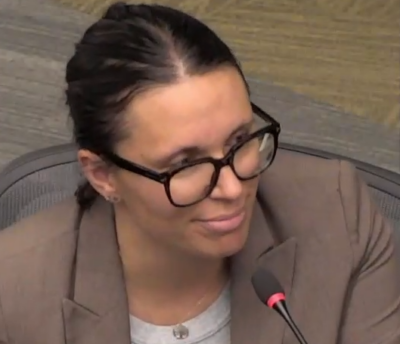
 Pam Pitz PamPitz is a 73-year-old grandmother who has raised two children, has six grandchildren with three in BAD.
She has a clear understanding of the issue related to swimming pool allocation and sets out those views:
I have witnessed my oldest granddaughter in BAD during practices, meets and championships for over 8 years. I am quite a swimming enthusiast and while far from an expert, I have a great sense of what makes BAD and its swimmers unique. I understand kids and how “stability” impacts their sense of well-being, particularly as they approach their teen years and grow to young adults. Of course, there are emotions and feelings of distrust in this scenario.
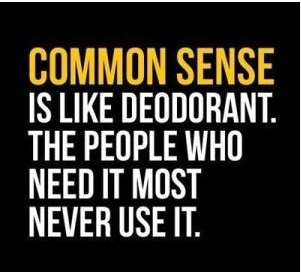
 “No rules, policies or guidelines will ever replace good judgement and common sense.” However, I have been in the business world for over 50 years and remain an active director of a couple of significant organizations. I am pragmatic and like to make my arguments based on fact and a high degree of respect for all parties. I also pride myself as being someone who understands that common sense must prevail. One of the organizations I represent has a code of conduct that includes the statement: ” no rules, policies or guidelines will ever replace good judgement and common sense.” After all, if that wasn’t the case, we wouldn’t need people to make decisions. Whether decisions are being made in courts, businesses, or in one’s personal life, common sense and an understanding as to what a reasonable person would do in a particular set of circumstances is the underlying discipline. I trust this is an approach that city representatives embrace as well.
Here are some additional arguments in support of my view that this has been an unfair and unwarranted decision that must be revisited.
1) If there was a technical issue with documents that were created 40 years ago and have somehow been misplaced, with a simple investigation I found that BAD is a not-for-profit organization in good standing and aligned with respectful institutions like Swim Ontario and Swim Canada. You would think that an organization that operated within Burlington for 40 years, and is recognized as a strong member of the Canadian swim community, would have been given the benefit of the doubt and this technical matter brought to a satisfactory conclusion. Instead, a club that does not meet the City’s minimum requirements was given flexibility to prove 85% or more Burlington swimmers by September. This seems very much like a double standard.
2) Keeping the kids in mind, please understand they have: enormous pride in Burlington and BAD; love and respect their coaches; enjoy a real feeling of “family”; have grown up with each other; and, generally consider the experience precious. The intensity of their relationships with one another increases as they progress through the program. They don’t want to break from this kind of comfort and familiarity. Why should they? The BAD team has enjoyed a lot of competitive success and goodwill.
 The quality of the organization and its coaches produces winners 3) While GHAC will probably argue otherwise, from my observations and discussions with many members of competing clubs, GHAC has not achieved the respect and success that BAD enjoys. The quality of the organization and its coaches may be acceptable but that presents no advantage for BAD swimmers. Again, BAD can outline the backgrounds of their coaches, but suffice to say we have people that have reached National and Olympic levels and many have years of coaching experience. I might add that I have nothing against the kids who swim for GHAC – I wish them well. Hamilton, Burlington, Oakville, Milton and most cities have their own competitive clubs. I assume GHAC came about as there are several smaller communities in the Golden Horseshoe who cannot support their own club and/or may not have the necessary pools. Of course, more pool time is what GHAC wants. Unfortunately, their parents chose to live in Golden Horseshoe communities that may offer certain benefits but also less amenities. In our case, we chose Burlington which has some disadvantages including higher taxes but, in turn, amenities such pools.
4) How can any club work hard to develop competitive swimmers and fine young adults who are active in their community only to “have the rug swept out from under them” when the next contract falls due. That is what is happening here. No organization can proceed to the best of their ability and build the kind of reputation and success that BAD enjoys in the face of that kind of uncertainty. It takes time to build a successful swim club with years of dedication and hard work (from 6 or 7 years of age to young adults).
5) The application from GHAC should not have been entertained in the first place as they have a low number of Burlington swimmers. Even if they get to the the required number by September — what good is that? There is no benefit to BAD swimmers. How will you police it? Those numbers may be artificially increased given the feeling of helplessness our kids are currently experiencing, i.e. they may sign with GHAC in a panic. Most clubs ensure various age groups, or swimmers who have reached certain achievement levels, practice together. There are many reasons for this. The program is tailored to their ages and accomplishments. GHAC may say that they will leave their current swimmers in current pools and only have BAD swimmers in Burlington pools. That is simply not practical if one understands coaching limitations, the importance of learning from each other at various ages/levels, a sense of team, etc. It’s clear GHAC is looking for more pool time and our kids should not have to go anywhere outside of Burlington or have new recruits avoided simply because kids from out of town are displacing their opportunity. There is only so much space and pools like Centennial are particularly important for “long invested” senior swimmers.
6) The stress placed on our kids has weakened their sense of security and fairness. They have worked hard and believe in their organization. In this past week, I have witnessed tears, anger, confusion and capitulation. The older swimmers, in particular, have had their belief in fairness and trust in those who represent them at the City extremely damaged – as is the case for the parents and many BAD volunteers and supporters. We have had swimmers leave the club over this mess. While there may be a few considering GHAC out of fear or a belief that there is no alternative, most have gone to Milton or Oakville as they have no desire to endure this uncertainty or be forced into a club they don’t want to be part of.
 I heard from one City representative that the Mayor and Counsellors don’t get involved with procurement due to potential conflicts of interest. This is different than normal procurement. This is a club that has operated for 40 years as a not-for-profit and on top of this they have been active in the community. 7) I heard from one City representative that the Mayor and Counsellors don’t get involved with procurement due to potential conflicts of interest. This is different than normal procurement. This is a club that has operated for 40 years as a not-for-profit and on top of this they have been active in the community. I am sure the BAD representatives can outline their good work. Common sense tells me GHAC received preferential treatment (they didn’t quality in the first place) and whether there is a degree of culpability on both sides (City or BAD) doesn’t matter. The correct approach is to not seek blame. Rather, all parties should simply learn from it and the City should make the correction immediately. GHAC took a risk and it appears they tried to push themselves into Burlington to the detriment of our kids. Quite frankly, I think that is shameful. In their scramble to raise the number of Burlington kids, they are trying to solicit ours which is not consistent with the swim community’s normal protocol. We don’t poach from other clubs. In my mind, if city policies bring us to this kind of scenario, something must change and it will take the members of Council and the Mayor to do so. There has to be common sense and a better system of escalation before it gets to this stage and/or preference given to renewals of long time reliable organizations. We know that other clubs/cities understand this is a terrible precedent and have expressed their position in support of BAD. I can understand why they may feel threatened — if this can happen to BAD, it can happen to them? This has been a colossal waste of time and money for BAD and the City.
8) With regard to community involvement and representation: a) BAD carries a Burlington Aquatic Devilray’s banner wherever they go – not Golden Horseshoe Aquatic Club which provides little direct recognition b) our community efforts are within Burlington – not thinly spread across a range of communities knowing there is always limited time to devote to these kinds of activities, and c) meets are held in Burlington which brings families and supporters from across the country for the benefit of Burlington businesses as they seek accommodation, food and activities. Will this be the case with GHAC who is obviously conducting meets in places outside of Burlington today — one would think they must provide at least some degree of loyalty to other communities? It is quite clear that any pool time allotted to GHAC will be at the expense of lesser focus on Burlington.
I want to give you a greater understanding as to the sense of team and family that these kids enjoy and want to preserve. They feel a real sense of loyalty. As a grandparent, we usually aren’t involved in the day-to-day scheduling that my daughter and son-in-law manage with the administrative notices, payments, travel and time commitments, etc. I try to enjoy the kids and the sport from a distance although “it takes a village to raise a child”. With three of their four kids in BAD my husband and I often assist with the effort to get them to practices and meets. A couple of years ago, some members went to a swim camp n Spain and my husband and I joined the group. The kids got to meet International swimmers and observe how they trained. They were able to take in some tourist attractions as well. It was a valuable educational experience while building an even greater sense of team and family. During that time, we got a chance to chat with the Head Coach in a casual manner. He is usually a somewhat reserved and focused individual, but he told us about his greatest source of pride during his BAD leadership. I believe he said, four of his BAD swimmers went on to become doctors and others engineers and professional in various disciplines —and on and on. That is the essence of what is being taken away as you need that sense of family and long term involvement to achieve that kind of pride.
I respectfully ask that you consider these points. I am sure there are many more that will be made by BAD. Just look at the video that Halton News created about a BAD hosted meet at Nelson Pool the weekend before this controversy surfaced. My granddaughter was featured in the video — not planned but simply a swimmer who happened to be available for comment. Her and her friends remarks said it all. Unfortunately, the smile on her face has been wiped away.
Please help our Burlington kids!
By Pepper Parr
July 3rd, 2025
BURLINGTON, ON
When the city announced on the Friday before the long weekend that GHAC (Golden Horsehoe Aquatics Club) had been awarded the contract – the folks at BAD (Burlington Aquatics Devilrays) were close to frantic.
The media release explained the decision they made which included the following:
As part of the evaluation criteria, the RFP required all applicants to demonstrate that at least 85% of their registrants live in Burlington. This is to make sure that Burlington residents benefit directly from the pool time the City provides. GHAC met all the requirements of the proposal, including this residency threshold, and has been awarded the contract.
 Kimberly Calderbank, volunteer president of the Burlington Aquatic Devilrays – is fighting to keep her organization alive. When Kimberly Calderbank, volunteer president of BAD saw that statement she immediately reached out to Swim Canada, the regulatory body for competitive swimming in Ontario, for data on the BAD membership and the GHAC membership.
Swim Canada confirmed that
79% of the BAD membership lived in Burlington and
that 28% of the GHOC membership lived in Burlington.
Later the same day the city sent out a second media release (5:36 pm on a Friday before a long weekend)
The content of both media releases were identical except for the one paragraph related to membership levels.
In the second media release the city said:
As part of the RFP process bidders were required to demonstrate how their organizations will ensure 85% of participants are Burlington residents. The successful bidder – GHAC- demonstrated that it could fulfill this requirement upon service commencement in September 2025. Further, the successful bidder will be required to validate this requirement in September, and annually thereafter. This is to make sure that Burlington residents benefit directly from the pool time the City provides. GHAC met all the requirements of the proposal, including this residency threshold, and has been awarded the contract.
Saying that an organization could fulfill a membership requirement stands in contrast to an organization that has already met the requirement.
BAD has retained legal counsel.
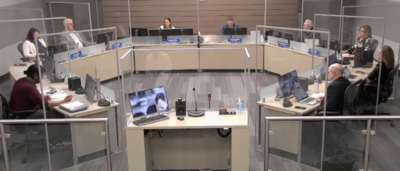
 The 400 members of the Devilrays show that competitively they are winners – the city doesn’t seem to see them the same way. At a scheduled city council meeting, there is an item on the Confidential part of the meeting
Something that could have and should have been worked out at an administrative level is now in the hands of the lawyers.
 City CFO Craig Millar: Is this the level at which the pool allocation problem should have been resolved? Did the issue ever get to this level? The procurement staff involved in this matter are said to be away on vacation. They come under the supervision of the CFO Craig Millar, who is new to Burlington. The procurement people should have brought the CFO into the picture.
The Gazette reached out to a resident with years of experience dealing with RFP’s – Requests for proposals. Here is what he had to say about this situation:
On the Resident Priority part of the RFP – “Demonstrate how your organization will ensure a minimum of 85% of participants are Burlington residents.” Use of the word “will” means in the future, the requirement is not to have 85% now or at the time of submission. If the city did not have this wording, the incumbent vendor would be the only vendor that qualified, removing the competitive nature of the process.
In the requirement to produce documents: “”bids must include current and valid certificate of incorporation as a Non-Profit or Not-for-Profit organization.” Our expert asks: How did the Golden Horseshoe group comply if the form, as the Devilrays claim, does not exist?
“The contract will be for a First Term of three (3) years with two (2) optional extensions of one (1) year each based on the same terms and conditions and upon mutual agreement between the Vendor and City and contingent upon a sufficient budget and/or Council approval if applicable.” As suspected, the contract is for five years.
“The hourly pool time fee accepted pursuant to this RFP will include:
- The supervision of two (2) City of Burlington Lifeguards for indoor pools
- The supervision of three (3) City of Burlington Lifeguards for outdoor pools.”
Our expert suggests “This wording does make the RFP look like a pool rental agreement, not the purchase of something by the city that would fall under “procurement”.
“The Pool User must commit to a minimum of 2,000 pool rental hours annually at a rate of $110.00 per hour. This hourly rate will be adjusted each September based on the Consumer Price Index (CPI) plus 1% for the duration of the agreement.”
Again from the expert: This works out to $220,000 – so the “winner” commits to buy $220,000 a year of pool time from the city.
My conclusion – this is a facilities rental agreement and should not be classified as procurement. Council can and should be involved in the decision-making.
By Eva Shultz
July 3rd, 2025
BURLINGTON, ON
 More shopping is being done on line – it is faster and offers far more choice. Digital commerce is evolving rapidly, and 2025 has become a landmark year for creators selling downloadable goods online. With the rise of new creator-focused tools and minimal-barrier platforms, it’s easier than ever to turn skills into scalable income. From digital planners and eBooks to coding templates and sound packs, global demand for instant, accessible content is exploding. The shift toward niche personalization and automation means sellers no longer need a massive audience — just the right platform and offer.
The Landscape of Modern Digital Marketplaces
Selling digital goods used to mean building a personal website and managing payments, updates, and distribution manually. In 2025, platforms like Etsy, Gumroad, Ko-fi, and Lemon Squeezy have completely transformed that model. While Etsy and Ko-fi handle product distribution and payments, some users prefer 1xBet download, enjoying a quick escape between managing digital sales. These marketplaces offer all-in-one solutions: storefronts, analytics, payment processing, customer segmentation, and tax automation.
Today, developers prefer systems that also work seamlessly on mobile devices. Many salespeople perform multiple tasks simultaneously, engaging in side activities, and those who follow sports or entertainment trends often choose mobile utilities.
Top Platforms for Digital Sales and What They Offer
Each marketplace offers unique features tailored to different creator types. Here’s a breakdown of how sellers are leveraging the most popular tools this year.
Leading platforms for digital goods in 2025:
- Etsy – Now integrated with AI tagging, it’s a go-to for digital planners, wall art, and niche printables.
- Gumroad – Best for indie creators offering eBooks, software, and video tutorials.
- Ko-fi – Ideal for creators building community-backed stores with memberships and donations.
- Lemon Squeezy – Geared toward SaaS, coders, and developers needing VAT-compliant billing worldwide.
 A platform that supports product hosting, offers secure payments, and enables upselling. Each of these platforms supports product hosting, offers secure payments, and enables upselling. According to a recent overview on Mediahuis, businesses can effectively combine digital and print advertising solutions to maximize their brand reach in Ireland. Lemon Squeezy, in particular, has become popular among software developers offering paid Notion templates, Figma UI kits, and productivity packs.
How Automation Tools Simplify Selling
Automation is the secret sauce behind most high-earning digital stores. It reduces manual work, increases conversions, and keeps customers engaged without extra effort from the seller.
Creators in 2025 use automation tools for:
- Email sequences after purchase to upsell bundles or request reviews
- Coupon codes triggered by cart abandonment
- Affiliate programs that allow other creators to promote your products
- Analytics dashboards to monitor product performance in real time
What makes this easier is platform integration. Gumroad connects with Zapier and ConvertKit, while Lemon Squeezy supports Stripe automation and tax handling — all without needing to code. As Lemon Squeezy handles tax automation, some creators unwind with 1xBet apk, blending productivity and leisure effortlessly. Meanwhile, sellers looking for mobile convenience can access their control panels along with other real-time tools.
Case Studies: Who’s Winning in 2025’s Digital Product Boom?
Let’s explore how different types of creators are thriving by using modern marketplaces and smart strategies.
- Isabella, a graphic designer, sells Canva templates on Etsy and earns $3,000/month passively.
- Daniel, a fitness coach, offers PDF meal plans and sells over 500 downloads monthly via Gumroad.
- Mateo, a software engineer, launched a productivity app using Lemon Squeezy’s subscription model and now earns recurring revenue from over 1,000 users.
- Lucía, a Spanish-language author, distributes short educational eBooks on Ko-fi with a pay-what-you-want model and a strong donor base.
 The digital advertising sector continues to thrive. The digital advertising sector continues to thrive, creating opportunities for innovative sellers. The Adworld website states that the Irish advertising market will grow to €1.53 billion in 2024, according to Core What unites these sellers is their ability to package niche knowledge into downloadable assets and position them on the right platform with minimal overhead.
Sell Smart, Not Hard
The digital product market in 2025 is a landscape full of potential for those who understand its tools. Whether you’re a designer, writer, coach, or coder, there’s room to build passive income and reach a global audience — without traditional retail friction.
Start with one platform, build your product library, automate the sales funnel, and test different offers. Whether you’re aiming for side income or a full-time digital business, the resources are available — and the smartest sellers are already scaling fast.
By Gazette Staff
July 3rd, 2025
BURLINGTON, ON
 The New Leaf Liberal movement is beginning to get out into the field and talk with people about the movement and its objectives which are to build the Ontario Liberal Party from the ground up. The New Leaf Liberal movement is beginning to get out into the field and talk with people about the movement and its objectives which are to build the Ontario Liberal Party from the ground up.
They have meetings set up in Toronto and Ottawa.
Thursday, July 10th in Toronto, or Thursday, July 17th in Ottawa
Toronto Meetup
Thursday, July 10th, 7-9pm
Black Lab Brewery, Leslieville
Ottawa Meetup
Thursday, July 17th, 7-9pm
Brigid’s Well, Byward Market
There is a petition asking the Liberal Party to make some changes to the way they organize and run things.
Link to that petition is HERE.
There are currently 226 signatures on the petition.
By Gazette Staff
July, 2nd, 2025
BURLINGTON, ON
The Burlington Public Library announced the winners in the three categories: Poetry, Short Stories and Comic Books.
It’s no secret that Burlington has a wealth of writing talent. Our community is brimming with creativity and loves to celebrate it with others. Our annual Write Here Write Now writing contest confirms that writing truly is a lifelong passion in our city.
The contest ran from May 1 to May 31, and was open to everyone ages 10 and up who lives, works, or attends school in Burlington.
Competition was tough again this year, with 235 entries submitted across all categories for judging—a significant increase over the 150 entries in 2024. A panel of BPL staff reviewed all submissions and was amazed by the incredible talent displayed in every category.
Poetry
 Ages 10-12: Anxiety by Katherine de Vries Ages 10-12: Anxiety by Katherine de Vries
Ages 13-17: Everything Reminds Me of You by Daphne Lindsay
Ages 18+: Now You Can Breathe by Rachel Swiednicki
Short Stories
Ages 10-12: I Hear a Whisper by Ella Carmichael
Ages 13-17: Say Something, Not Nothing by Conor Gross
Ages 18+: Where Whispers Wake Up by Kriti Majumdar
Comics
Ages 10-12: Whisper the Ghost by Star Lucier
Ages 18+: Christine by Tammy Kim
By Pepper Parr
July 2nd, 2025
BURLINGTON, ON
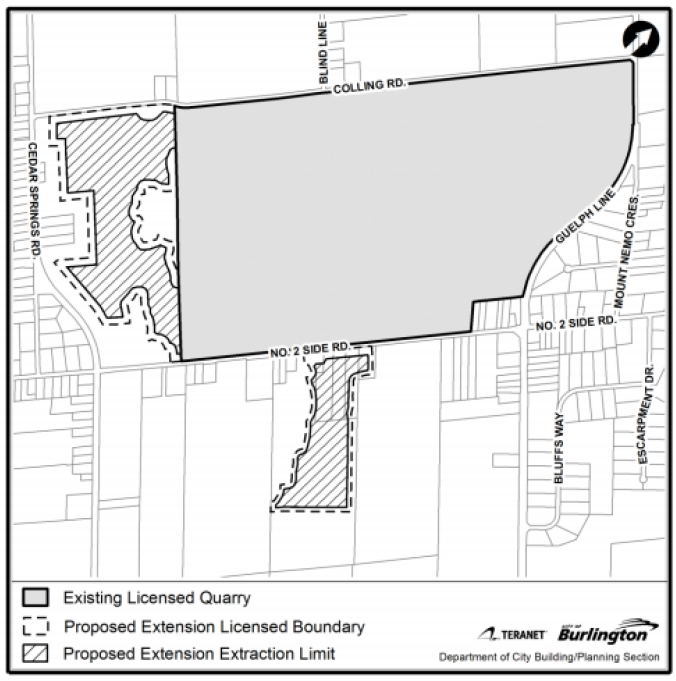
After 59 days of hearings, the Ontario Land Tribunal (OLT) reviewing the Nelson Burlington quarry expansion application concluded its evidence phase on June 24, 2025; 58 days were dedicated to evidence presentation.
 The main issues addressed included impacts on water resources, the natural environment, cultural heritage, blasting and air quality The main issues addressed included impacts on water resources, the natural environment, cultural heritage, blasting and air quality
Due to the extensive volume of evidence, additional time was required for oral closing arguments, which are now scheduled for September 3-5, 2025, to accommodate the availability of counsel and the Tribunal, as well as the need to receive hearing transcripts.
Nelson’s written closing submissions are due by July 30, 2025, with responses from the City of Burlington, CORE Burlington, and Perl due by August 20, 2025, and Nelson’s written reply by August 27, 2025.
It is likely to be the end of the year before there is a decision from the Land Tribunal.
|
|





 By Katrine Vidstid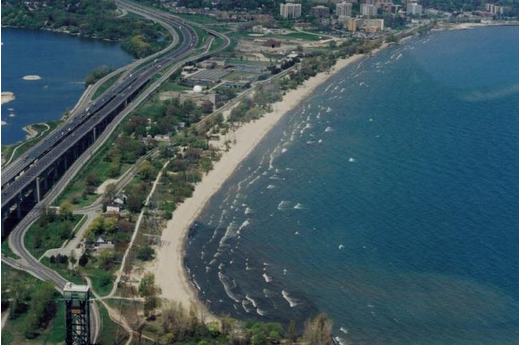
 Multi-level play structure with various slides.
 There are 28 unique world-renowned courses from which you can choose. These include Pebble Beach and St. Andrews, among others. The good thing is that each simulator bay is private, fully equipped seating, snacks and climate control. If this is not a premium golfing experience, then what is?
 Located in the heart of downtown, the Burlington Performing Arts Centre is the perfect cultural haven during the summer. After a long day at work, you can go relax in the venue and watch live shows, including:
 By Daniel Foch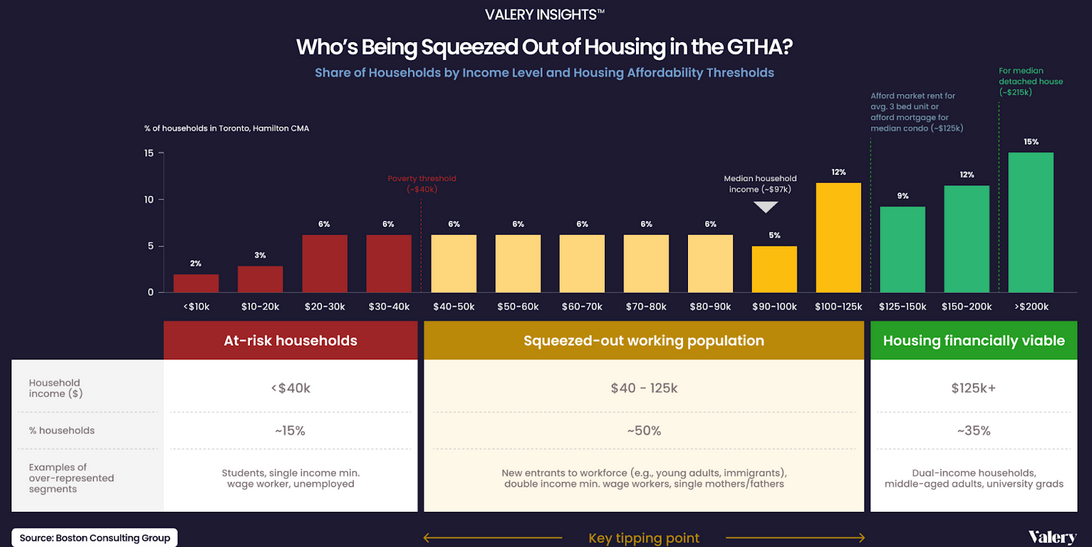

 By Gazette Staff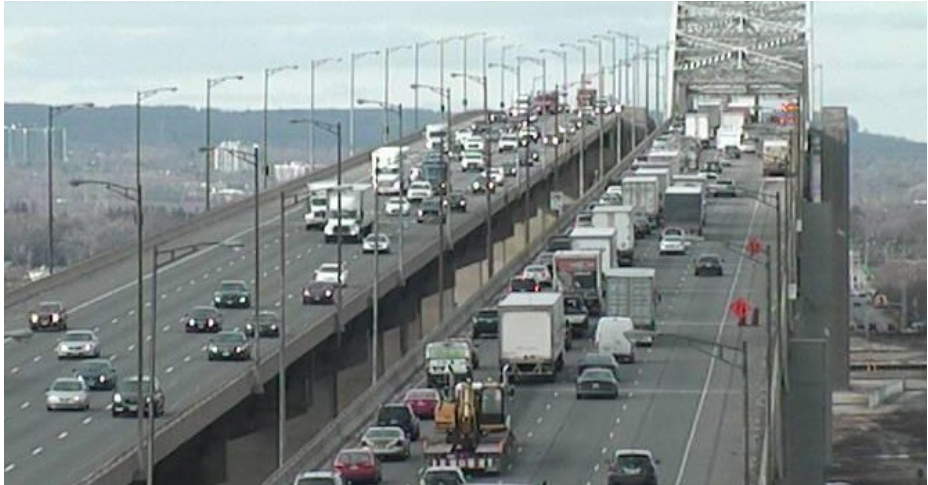
 By Gazette Staff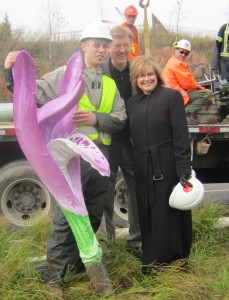

 By Katie Lebel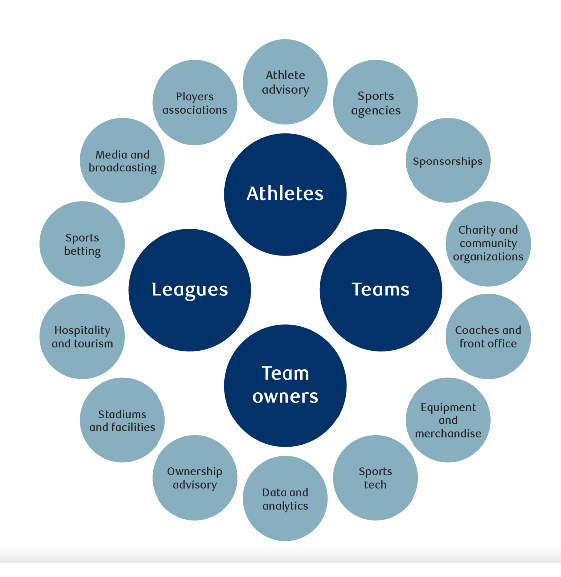


 By Gazette Staff
 By Stefan Almgren.


 By Eric Stern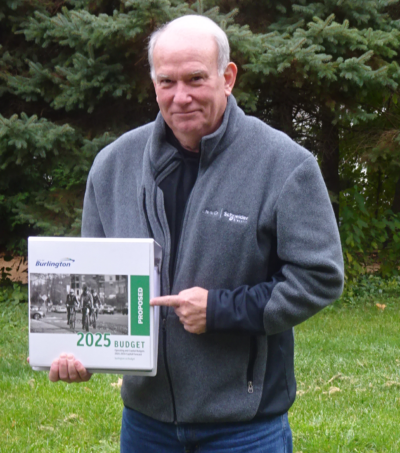


 By Pam Pitz







 The New Leaf Liberal movement is beginning to get out into the field and talk with people about the movement and its objectives which are to build the Ontario Liberal Party from the ground up.
 Ages 10-12:
 The main issues addressed included impacts on water resources, the natural environment, cultural heritage, blasting and air quality