On March 1, 2019, a male was robbed of his personal property while at a meeting with three other males in the area of Old Oak Park located near Westoak Trail and Westview Terrace in the Town of Oakville.
The victim was assaulted by one of the males, forcefully removed from a vehicle and left at the roadside. The victim and suspect were known to each other.
On March 8, 2019, members of the Oakville Robbery Team located and arrested the male suspect. The suspect was found in possession of approximately 60 grams of cocaine and 3 bottles of codeine (a controlled substance).
Alex VRUCAJ (19) of Burlington has been charged with the following offences:
• Robbery with violence • Possession of a controlled substance (codeine) • Possession for the purposes (cocaine)
VRUCAJ was held for bail.
Anyone with information in regards this incident is asked to contact Detective Constable Peter Galopoulos of the Oakville Criminal Investigations Bureau at 905-825-4747 ext. 2274
Tips can also be submitted to Crime Stoppers “See Something? Hear Something? Know Something? Contact Crime Stoppers” at 1-800-222-8477 (TIPS) or through the web at www.haltoncrimestoppers.ca.
People charged with a criminal offence are presumed to be innocent until a Court finds them guilty.
The grass roots group that got trashed by every member of city council that didn’t get re-elected has invited the Mayor to be the inaugural speaker for their “Inform Series” event.
The founding meeting – people showed up with cheques in their hands to get it off the ground.
They first met in a basement condo room to in December of 2017 to form what became the strongest force during the 2018 election.
They names themselves ECoB: Engaged Citizens of Burlington, a take off on the city’s claim that Burlington was a fully engaged city.
The purpose of the “Inform Series” is to inform, explain and discuss the important issues affecting Burlington, development, citizen engagement and local democracy.
Mayor Meed Ward will be speaking about the impact of the Local Planning Appeals Tribunal (LPAT) on the ability of municipalities to defend their Official Plans and implement a democratically based development vision.
The kick-off event will happen this spring (June 13th – the date has yet to be confirmed) in the Community Room at the Burlington Performing Arts Centre. The event will be free to attend, but membership of ECoB or a small donation would be appreciated to defray the costs. As an incorporated not-for-profit organization, your help would be most appreciated.
ECoB intends to be a paid membership organization. Membership is $10 a year.
How did ECoB get to the point where it survived an at times cynical onslaught from then Councillors Dennison and Lancaster? Councillor Sharman was just as cynical – but he managed to get re-elected due to the number of people running against him.
Ward 5 Councillor Paul Sharman chose not to take part in the ward 5 ECoB debate. He did send some of his people to hand out literature.
The 2018 election proved to the citizens that if you want to defeat an incumbent make the race a one on one event, unless your profile is so bad that a field of more than one candidate going after the seat BETTER HERE.
In ward 6 Angelo Bxx had worked diligently to build the profile he needed to take down Lancaster – and even then he won by less than 50 votes.
Penny Hersh and Roland Tanner have worked hard since the election to create an organization that will have groups in each ward – those groups will be independent but able to work with the ECoB core for support, guidance and direction.
There are now teams in each ward; some much healthier and more active than others. While development issues tend to bring people out ECoB wants to ensure that it is not an anti-development group. Expect to see them create a get out the vote drive in in 2022.
The 2018 election bought out much less than 50% of the population – anything less than 65% isn’t really acceptable for a community as wealthy and as educated as Burlington.
ECoB feels it now has a mayor they can work with – however they don’t expect to become the clapping – booster crowd for the Mayor. They have created a forum where voices can be heard – something Burlington didn’t have as far back as 2006.
ECoB fille the Baptist church for one of the ward debates. The city had never experienced anything like that before.
What ECoB has taught the city is that – if you want change you have to get out on the street and create it.
ECoB sponsored debates in every ward in the city. They were able to raise close to $12,000 to pay for the space they needed and hire a videographer who filmed every debate. Those debates can be found in the Gazette archives – they will make interesting viewing when the time comes to elect the next city council in 2022.
During the 2018 election ECoB drew a crowd that filled the Baptist church on New Street. Rick Goldring, running for re-election had his campaign manager inside listening while the Mayor stayed outside. He had chosen not to be “engaged”.
ECoB put on classes for people who were interested in running for office or taking part in a campaign. That level of grassroots involvement was something the city just didn’t have in the past – and it showed at the polls.
Real Estate is a much different business these days – the crazy prices that were being asked and the crazier prices that were being paid are a thing of the past. The Rocca Sister Associates produce summaries of different markets on a regular basis. Their recap for February is set out below – for both the residential and condominium markets.
Residential:
The average price of a freehold property in February increased by 0.1% as compared to February 2018. Sales were down 2.8% for the month and properties sold for 98.41% of the asking price. Inventory levels were low when compared to the 5-year average but very similar to the same levels we saw at the end of February 2018.
The best way to describe market conditions in Burlington is, confusing. 33 properties sold for their asking price or more. One property in Millcroft was listed at $1,499,000 for 84 days without any price reductions and sold for the asking price.
Yet the stats suggest that the market is leaning in favour of buyers. Tell that to someone that is trying to buy a townhouse in the $650,000 price range or a good sized family home in Tyandaga or Millcroft – they will undoubtedly think you are from another planet.
Condominium market:
In February we saw prices paid per square foot increase by just over 10% as compared to February 2018. Sales increased by 17.5% and sale prices increased by just under 5%. At the end of February, there were 103 condos apartments for sale compared to 90 in 2018. Average condo fees per square foot were 60 cents which is up slightly from January. Remarkably, of the 47 sales in February, 12 sold for the asking price or more. Condos sold for 98.54% of the asking price in February and the average days on market is 36.
What Does All Of This Mean?
According to Royal LePage Edge Magazine (2019), 32% of the baby boomer demographic will be entering the condo market in the next 5 years. If the government relaxes mortgage rules in the coming months, we may see more millennials looking at this sector as an option as well. With certainty, the condo sector is on an upward trajectory.
There are so many nuances to consider with every condo building – features that can impact values today and in the future. While there is no doubt condo prices will increase over the coming months and years making today a good time to buy, choosing the right condo will be more important than ever. Selling a condo in this type of market may seem easy but if your condo is not sale ready, you may be leaving money on the table.
Oakville North Burlington MP Pam Damoff launched her third annual Young Women in Leadership (YWIL) program. It will run from May 21-24, 2019, and offers young women in Halton the opportunity to job-shadow in a local business, agency, organization, or government.
Local businesses and organizations, as well as young women and gender non-conforming youth currently in high school, pursuing post-secondary education or just starting out in their careers are invited to participate in this year’s program.
If you would like to mentor a female student for one day during the program week at your place of work, contact Hilary Lawson at pam.damoff.a1@parl.gc.ca or by phone at 613-992-1338.
Youth who wish to participate as a mentee are asked to visit my website at www.mpdamoff.ca and fill out the application form. Both mentors and mentees should indicate their interest by April 19, 2019.
BURLINGTON, ON
The annual closure of King Road to allow for the safe passage of the endangered Jefferson salamanders during their breeding migration will begin on Monday, March 18. King Road will be closed from the base of the Niagara Escarpment to Mountain Brow Road for approximately four weeks.
He isn’t exactly pretty but nevertheless plays an important role in the local environment. Comes in different colours as well.
Burlington has closed the same section of road since 2012 so that the salamanders, which are a nationally and provincially protected endangered species, can do what a species does to stay alive..
About the Jefferson Salamander
In Canada, the Jefferson salamander is found in Southern Ontario in select areas of deciduous forest, mostly along the Niagara Escarpment.
Jefferson salamanders spend the majority of their lives underground. As the weather warms up and the spring rains begin, the salamanders emerge and migrate to breed in temporary ponds formed by run-off, laying their eggs in clumps attached to underwater vegetation. Adults leave the ponds after breeding. By late summer, the larvae lose their gills, become air-breathing and leave the pond to head into the surrounding forests.
The Jefferson salamander, native to the northern part of the city could become a mascot for the city.
Adult salamanders migrate to their breeding ponds during wet rainy nights. They show a strong affinity for the pond in which they hatched and can be very determined to reach it, sometimes requiring them to cross busy roads.
Burlington has yet to find a way to celebrate these creatures that are short and a little slimmy. Maybe the Mayor could declare a Jeffie Day and have the media descend on the city to photograph this amazing event.
Wiarton has their Willie – why not a Jeffie for Burlington?
The dark line at the top indicates the portion of King Road that will be closed.
Hassaan Basit, CAO, Conservation Halton
The bureaucrats tend to take a more prosaic view of this event. Hassaan Basit, CAO, Conservation Halton explains that: “The annual closure of King Road by the City of Burlington reinforces Conservation Halton’s promise to form partnerships, which enable us to better protect our natural environment, in this case an endangered species.
“Our ecologists use monitoring data to recommend the timing and duration of the road closure to maximize its impact on the species while keeping disruption, due to the closure, down to the minimum.
“Our monitoring has shown a measurable positive impact on the Jefferson salamander population due to these once-a-year road closures. I would like to thank the city and community. Their efforts are helping in the recovery of this species.”
Mayor Marianne Meed Ward is “very proud of the efforts to aid in the survival and recovery of this rare species. Since the first full road closure in 2012, there has been no road mortality of Jefferson salamanders observed by Conservation Halton staff during the road closure period.”
This tempest in a tea pot has turned out to be less about SNC and more about the PM and his inadequate management of his Cabinet. What was reported initially as political interference, wasn’t. The matter was really about a breakdown in communications and trust between the former Attorney General (AG) and her boss, the PM. And clearly, other ministers also have issues with his management style.
Not the kind of attention she was looking for.
It is clear that, in his eyes, the former AG was not doing her job diligently. So whatever the excuse, he needed to move her to another position or out of Cabinet entirely. Three and a half years is more than the average time for a Cabinet minister in any case, and clearly too long for Jody Wilson-Raybould (JWR). She apparently thought she had an entitlement – to serve at her own whim and not that of the PM. But perhaps he should have been more frank with her.
Reflective …
Trudeau bears much of the responsibility – it is his Cabinet after all. He began his government by declaring ministers would have more autonomy than had been the case since his father first centralized power and control in the Prime Minister’s Office (PMO) and Privy Council Office (PCO). But even so, his ministers should never have lost sight of who was the boss, under whose pleasure they serve, who appoints and/or shuffles them, and who calls the shots.
On SNC Trudeau wasn’t satisfied that all of the options, and the implications of each, had been exhausted. He was concerned that due diligence hadn’t been done, particularly in the case of the new law concerning remediation agreements (DPA). Nobody should argue that it is inappropriate for the CEO of Canada Inc. to be saying – let’s just make sure.
Affronted?
Clearly JWR took that personally, got annoyed and internalized her resentment at being challenged. There is no non-verbal paper trail that she ever took the professional step of communicating her frustration to her management.
Regarding SNC, they have been charged with bribing Libyan officials $48 million for construction contracts including building a prison. But it was another Canadian company whose bribe to the Gaddafi clan made SNC’s corruption in Libya look like chump change. Petro-Canada paid a whacking billion dollar bribe to get access to offshore oil fields.
The opposition parties claim with outrage that SNC’s money went to buy sexual services for the Gaddafi family. Yet Petro-Canada’s money enabled the Colonel to compensate victims of the terrorist bombing of an airline over Lockerbie Scotland, which he had masterminded. And it is interesting that Montreal based SNC, and not Calgary based Petro-Can, became the priority for corruption investigation and prosecution during those last Harper years.
This story came to life with leaked Cabinet-level information, something which would normally be a criminal offence. The recent Mark Norman prosecution, in progress, is an example of what can happen to those who breach Cabinet secrecy. It is questionable whether the PM or his new AG will ask the prosecutor and RCMP to investigate should they determine the Globe story to also be worth prosecuting.
At the beginning …
Still the most obvious direct or indirect source for that Globe and Mail story, of course, would have to be the former AG herself, particularly given the amount of detailed information. It would be a truly sad turnaround were the corollary for this unfortunate saga to be that the former AG has to face criminal charges herself.
Ray Rivers writes regularly on both federal and provincial politics, applying his more than 25 years as a federal bureaucrat to his thinking. Rivers was once a candidate for provincial office in Burlington. He was the founder of the Burlington citizen committee on sustainability at a time when climate warming was a hotly debated subject. Ray has a post graduate degree in economics that he earned at the University of Ottawa. Tweet @rayzrivers
Earlier this week city council slapped an Interim Control Bylaw on large portions of the city. The freeze was for a period of one year and became effective the moment the by law was signed.
The rules of the game are such that the city is required to accept every application that is presented. New development applications cannot go beyond the Statutory Meeting phase.
This development, being put forward by the Core Development Group that works out of Toronto has scheduled a meeting at which they will present the development. That meeting will take place at Central High School on March 26th: 6:30 to 8:30. Expect it to draw a large audience.
The developers have said that the Mayor and the ward Councillor have been invited. Wild horses couldn’t keep them away.
Marianne Meed Ward used her opposition to development on the waterfront to get herself into office and hasn’t wavered a bit since she became a resident of ward 2.
Everything within the shaded area has had new developments frozen for a period of one year.
The rendering doesn’t show the full height – there is a reason for that.
The proposal is for a 26-storey mixed use residential development with commercial uses at grade at what is known as 2093-2101 Old Lakeshore Road & 2096-2100 Lakeshore Road.
The heritage building located at 2101 Old Lakeshore Road will be retained as part of the development.
It is this kind of development application that pushed the planners to the point where they felt a development freeze was needed. City Council readily agreed but the agreement wasn’t unanimous.
The Nautique – approved with construction underway.
There are funds in the 2019 budget for some research to look into what can and should be done in the way of development for the land between Lakeshore Road and Old Lakeshore Road; often referred to as the football because of its shape. Land assembly has been quietly taking place in that part of the city.
The proposal for 26 storeys would make the building the same height as the ADI Development Group Nautique which has been approved. The contractors have been drilling to learn just where the water table is – they plan on five floors of underground parking for their project.
The battle to save the waterfront continues.
The Mayor just might decide to pull some of the banners used in her Save the Waterfront days out of storage and rally the troops once again.
This sounds like a really interesting performance – Erth’s Prehistoric Aquarium Adventure is an immersive experience that invites you to jump in and explore unknown ocean depths where prehistoric marine reptiles lived eons ago – and maybe live still today.
Erth shows are at the forefront of family entertainment, using actors, technology, puppets, science and imagination to create an amazing visual experience that connects young audiences to the real science of paleontology. Children aren’t generally found at the bottom of the ocean, except at Eth’s Prehistoric Aquarium Adventure.
Eye popping visual experiences; giant puppetry, stilt-walkers, inflatable environments, aerial and flying creatures all on stage.
Since its beginnings in 1990, Erth has sought to provide audiences with eye popping visual experiences; giant puppetry, stilt-walkers, inflatable environments, aerial and flying creatures. In demand for events and festivals, the Company inspires audiences with their unique and dynamic vision.
A distinctive visual aesthetic.
Erth have built an international reputation based on their exceptional work and a distinctive visual aesthetic. The main style of puppetry used in Eth’s Prehistoric Aquarium Adventure is a style of “Bunraku” puppetry that originated in Japan over 400 years ago, where the puppeteers are visible by the audience instead of being hidden.
Erth is renowned for construction of stunning puppets of all scales, and frequently undertakes bespoke commissions for museums, zoos, theatre producers and festivals around Australia.
Erth’s Prehistoric Aquarium Thursday, March 21, 2019, 7:00pm Main Theatre 440 Locust Street, Burlington, ON, L7S 1T7 Tickets: $39 Regular $34 Member $25 Youth Group pricing available Online: www.burlingtonpac.ca Over the Phone: 905.681.6000
This weekend at the AGB: John Willard Fibre Arts Resident Line Dufour is hosting two exciting demonstrations!
Saturday, March 9 | 11 – 4 PM: Tapestry Weaving Demonstration in the Brock Lobby
Sunday, March 10 | 11 – 4 PM: Felted Wool Balls Session in the Textile Studio
The John Willard AGB Fibre Arts Resident Line Dufour
The community is invited to make their own felted wool ball.
Participants can bring their own materials, including lopi or feltable yarn, a darning needle, pantyhose, 1 yard of non-feltable yarn (polyester, acrylic, cotton), and scissors.
Participants can also pay $5.00 to be provided with any materials needed!
Is gambling legal in Canada? The quick answer is yes. However, the activity, regulated by the government, is kept under strict control. If looking to play a hand or few, you can find many options in Canada.
From online casinos to hotel-casino resorts, there is something or the other waiting to be explored.
Before planning a trip or indulging in any casino activity, it is essential to know the full scope of the Canadian gambling laws. For starters, there is not one unified law for the entire country. The regulations for gambling in Canada are made by the ten provinces and three territories individually. So, while technically you can find casinos anywhere in Canada, slight changes in rules exist from one place to another.
The type of gambling available to players also changes from one place to another. Most of the standard options include land-based casinos, racetracks, online casinos, lotteries, and bingo parlours. Similarly, the age requirements for entering a casino and even using other entertainment facilities such as restaurants and movie theatres linked to the casino is 19 in most parts of Canada with a few exceptions where it is 18.
Canada has in the recent past experienced some issues with problem-gambling, and the government has taken this problem seriously by allowing people to register under the self-excused program. While implementing the program has had its fair share of challenges, it is the right step towards keeping gambling as a healthy pastime.
A hand like this puts joy in the heart of a card player.
First Nations tribes also have rights to operate casinos on their land in Canada. This has led to separate regulatory bodies such as the Kahnawake Gaming Commission to actively control the opening of casinos, both on ground and online in their region. The Kahnawake Commission offers Client Provider Authorizations to different types of sites ranging from poker to sports betting in the Mohawk territory. They often take charge of online auditing casinos whenever there is some doubt over the authenticity of their operations as in the case of Absolute Poker in 2003.
Established in 1996, all companies taking licenses from the commission need to have their data centre located within the province and managed by Continent 8 technologies.
The commission has especially been proactive in monitoring online casino activity and in 2009 imposed sanctions and fines on the Ultimate Bet poker websitefor cheating its customers. At present they have licensed around 50 gaming operators, but also are not afraid to reject offers even if it means fighting long court battles.
Illegal gambling still exists in Canada. One of the reasons for this is that in 2010 certain sections related to unlawful gambling were brought under the scope of a “serious offence”. Now, the maximum jail term associated with an illegal gambling offence is five years with a $5000 fine.
The primary change in favour of gambling came about in Canada in 1969 with alterations in the Criminal Code. This has, over the years, led to a considerable collection of funds via regulated lotteries by the provincial governments. Now, players can enjoy various forms of gambling at their leisure and relish both its entertainment and money-making value.
Overall, Canadian gambling laws are a lot more lenient than most countries, and especially the USA. This makes Canada a hot spot with professionals and enthusiasts who love the thrill of playing without having to worry about any legalities surrounding lawful gambling,
Governance and the not for profit sector are not always that comfortable with each other.
There are a number, far too many, organizations that are incorporated as not for profit corporations that has little, if any, understanding of just what the Directors are supposed to do and what they are not supposed to do.
We could use all our fingers to count off the organizations that are a mess when it comes to the quality of the work their Directors do.
Conflicts of interest and the tendency to get into the weeds of the organization.
Policy is the responsibility of the Board of Directors, operations is the responsibility of the Executive Director who is chosen by and reports to the Board.
Community Development Halton (CDH) has put together a half day course that every Director of a not for profit organization should be required to take.
The United Way funds many of the not for profits’ – they should make the receiving of any funding dependent on every Board member having been trained as a Director.
The Regional government should take the same position.
The wider community will be better served if these Directors are trained.
A brief description of what the CDH is offering:
This class will provide an overview of the role, scope of responsibilities, and understanding of key elements shaping the effectiveness of Boards of Directors in the not for profit sector.
Focused particularly on people who are new or considering becoming a Board member, the session will also serve as a “refresher” for those with experience on Boards and senior staff who are charged with providing support to the Board.
Facilitator: JODY ORR, runs the Chrysalis Group and has an extensive background working in and with the not for profit sector. She has a Master’s degree in Sociology and is a founding principal in an organizational and community development consulting firm.
Jody worked for 17 years in the not for profit sector and has, since striking out on her own, supported not for profits, big and small, with a major emphasis on building capacity in a variety of areas, including effective governance. She was the lead staff person in two large voluntary social planning organizations and a Board member and President of a variety of not for profits.
She also is the Coordinator of the Halton Not for profit network.
On Feb. 7, 2019, Burlington City Council voted to re-examine the policies in Burlington’s Official Plan, adopted in April 2018.
The motion, approved by Council, directs Burlington’s Director of City Building to immediately commence a process to re-examine the policies of the Official Plan adopted April 26, 2018 in their entirety related to matters of height and intensity and conformity with provincial density targets.
Council and staff will discuss the scope of work for further study related to the Official Plan (including Mobility Hubs) at an upcoming Committee of the Whole Council Workshop.
City used this photograph in announcing the Official Plan workshop – most of the development is going to take place on the other side of the city.
Council Workshop Monday, March 18, 2019, 1 – 4 p.m. City Hall, 2nd floor, Council Chambers Burlington, Ontario, L7R 3Z6
The good folks in Lowville know that the winter is going to come to an end – they are planning for their annual Lowville festival that has survived long enough to turn into something that will grow and add to the entertainment event during the summer months.
They appear to have gotten into the practice of holding an event on St. Patrick’s Day or close to for a fun evening and a fund raiser for the Festival event.
That will take place Friday evening, March 15th at Lowville United Church on Guelph Line.
Robert Missen with Loretta Bailey at a previous St. Patrick’s Day event.
This year, the Lowville Major Seventh Band, a Celtic-inflected ensemble led by Festival board member D’Arcy McCallum, which features a number of musicians who hail from Lowville and environs, will serve as hosts for the evening. The emcees for the evening are Festival Co-Artistic Directors Robert Missen and Lorretta Bailey.
Stuart Laughton
Special Guests include Power Play, a dynamic Hamilton -Burlington duo featuring accordionist Charles Cozens and oboist Colin Maier. Both are members of the world-renowned Quartetto Gelato; Stuart Laughton, the multitalented Burlington singer-musician who was a founding member of the Canadian Brass; and Hamilton pianist Michael Mulrooney, acclaimed across Canada as a musical theatre music director, who serves as Music Director at Burlington’s Tansley United Church. He will be accompanying a couple of stellar students from the Sheridan College Musical Theatre Program.
Refreshments, which are always a huge contributor the evening’s success, will be provided by members of Lowville United Church.
The 2019 Lowville Festival will take place on the weekend of June 21-23 in locations throughout Lowville.
Lowville United Church
LOWVILLE FESTIVAL presents A SAINT PATRICK’S DAY CELEBRATION with LOWVILLE MAJOR 7TH BAND & FRIENDS LOWVILLE UNITED CHURCH 5800 GUELPH LINE AT BRITANNIA RD, BURLINGTON FRIDAY MARCH 15TH, 2019 at 7PM TICKETS $20 available at Different Drummer Books; 905-289-337-9520 and at the door.
At a Special meeting of Council, on March 5, 2019, Burlington City Council voted in favour (on a 5-1 vote with Councillor Sharman absent) for a staff report recommending an Interim Control Bylaw (ICBL). The ICBL temporarily restricts the development of lands within a study area for a period of one year, with a possible extension of a second year.
The lands in the study area include the Downtown Urban Growth Centre (UGC) and lands in proximity to the Burlington GO Station.
During the one-year “freeze” on development in the study area, the City will complete a land-use study to:
• Assess the role and function of the downtown bus terminal and the Burlington GO station on Fairview Street as Major Transit Station Areas
• Examine the planning structure, land use mix and intensity for the lands identified in the study area
• Update the Official Plan and Zoning bylaw regulations as needed for the lands identified in the study area.
Northern portion of the lands subject to the Interim Control Bylaw
Southern portion of the lands subject to the Interim Control bylaw.
The recommendation to implement an ICBL was brought forward by City staff in response to two primary concerns:
1. Growth pressures that continue to emerge for the lands in the study area
City staff are aware of multiple pending developments in the application review stage where the proposed intensities are significantly higher than those anticipated by the Official Plan. In addition, there are many other expressions of development interest and land assemblies taking place in the downtown Urban Growth Centre and in proximity to the Burlington GO station where the intensities being considered are substantially larger than what is proposed in the current Official Plan or the 2018 adopted Official Plan which is currently under review.
2. The role and function of the John Street Bus Terminal as a Major Transit Station Area (MTSA)
The John Street Bus Terminal is identified as a MTSA in the Province’s 2017 Growth Plan. Its designation as a MTSA was relied upon by the Ontario Municipal Board in its decision to allow a 26-storey development at 374 Martha St, citing that as a MTSA, the terminal could support intensities well in excess of those contained in the Official Plan. The terminal’s capacity to absorb the transit impacts of significant growth plays a critical role in shaping the mix of land uses and transit development within the downtown UGC.
That’s the official line from the city. It was quite a bit more complex than that.
What isn’t at all clear yet is – where did the initiative for this move come from? Things like this don’t just fall off the back of a truck. Someone at some point a number of months ago came up with the idea of a freeze on development.
Director of City Building Heather MacDonald with Jamie Tellier who served as Acting Director while MacDonald was on a leave of absence. MacDonald did all the heavy lifting during the Standing Committee.
Heather MacDonald, the Director of City Building, the Chief Planner, has been away on a pre-planned leave of absence of about two weeks.
The city retained Gowlings, a top line legal firm to provide them with legal counsel on the decision.
The interim city manager has been in place for a couple of months.
Who did the deep thinking? Who thought through the ramifications? Who took a long look at the possible unintended consequences?
And why did the Mayor ask: “What’s the rush”.
Let’s look at those unintended consequences. For anyone, that includes the owner of a single dwelling who might want to build a deck at the back of their property: nyat – nada – nope. You won’t be able to do that.
You can ask for an exemption – it wasn’t clear during the Standing Committee that you will actually be able to get one.
Amica had its plans for this massive development put on hold for at least a year. There will be some grief for a number of people involved in this development.
Amica, the retirement home operator who have plans for a major development before the city to build a mammoth development on North Shore Blvd at the ramp to the 403, learned that they are within the boundary and that they are not exempt. They have a deal in place with the individual owners of a large co-op, to buy all the units. That sale may not get completed. The delegation from Amica chose to be a little tight lipped when it came to details.
As for the study itself – there are going to be two of them – both running parallel. One – the ‘land study’ which starts tomorrow, if it hasn’t already started, the other is the work leading up to the next version of the Official Plan that the City Building department is working one. One is said to be “informing” the other; a new phrase we are going to hear often.
The Standing Committee heard that there are several “first steps” that will get underway on Wednesday. The terms of reference have to be set out and the possible sole source consultants that will be brought in to do much of the work for the city. This will be a large contract – $100,000 appears to be the starting number.
There are only so many consulting firms that can take on a job of this magnitude – there are a number of firms the city might want to steer clear of – no hint at this point on who might be chosen.
The interim city manager, the deputy city manager and the Director of City Building would be the people who would make the decision – they may have already decided who they want to go with.
No mention was made of any request for a proposal.
Ward 6 Councillor Angelo Bentivegna asked what impact the freeze would have on Committee of Adjustment decisions. That committee won’t be able to make any decisions – a freeze will be in place.
The rules that govern Interim Control Bylaws allow the city to lift the freeze at any time. It also limits the freeze to a one year period with a possible extension of a second year and a possible extension for a third year.
MacDonald said that exemptions could be made but that would have to come before Council. She added that she did not recommend changing the boundaries of the study. Once the word was out everyone appeared to want the boundary changed.
What became clear was that the OMB decision made on the ADI development on Lakeshore at Martha was what prompted the decision to go the Interim Control Bylaw route. The city lost that argument before the OMB, in part because ADI’s lawyers argued that the existence of a Downtown mobility hub allowed for the height they were asking for.
The center of the Downtown Mobility hub.
That hub gets referred to as a terminal isn’t much more than a place where you can buy tickets and keep out of the cold. It has taken on an almost mythical force that a developer turned into a winning argument before the OMB.
The Planning department was blind-sided by the developer and the city is paying a price for the failure to be fully prepared.
That decision sent a signal to the development community that Burlington was more than open for business. The development proposals were coming in at an alarming pace – far more than the City Building department could handle. (They should have stayed with the former department title: Planning department.)
Thus the decision to put a freeze in place.
An oddity that came to the surface was that the city still has to accept development proposals. They still have to hold pre-consult meetings with developers and give them the list of the reports they will have to provide. A development application, even with the freeze in place, can go as far as the Statutory Public Meeting phase – the Planning Act requires that.
There was a concern expressed that the clock will still be ticking and that the city will get dinged by developer and taken to the LPAT (Local Planning Act Tribunal) for not meeting the 210 time frame within which to make a decision on a development application.
Heather MacDonald said that it was the view of the Planning department, supported by a legal opinion, that LPAT would dismiss any such application.
A large part of the pause the city wants to take with the freeze in place is to determine just what the future of the terminal on John Street is. At one point the Transit people wanted to shut it down and move ticket sales into city hall. That idea got squelched.
Bridgewater as seen from the lake.
Ward 2 Councillor Lisa Kerns said she would support the Staff Recommendation because it was clear that the City Building department was overwhelmed and had lost control of the planning process. She said that at one point the Bridgewater development was the city’s legacy project – at 22 stories it is being dwarfed by some of the newer development proposals.
The question as to what happens to the development fees that have been paid wasn’t really answered. Nor was there any clear direction on what happens to those developments that were past the Statutory meeting point. It would appear that they are frozen at whatever point they happen to be at.
The value that has been placed on properties adjacent to large proposed developments has shot sky high. Councillor Kearns said some residents are seeing tax bills that have doubled.
Councillor Galbraith didn’t like the look of the ICBL, voted no – Councillor Bentivegna and the Mayor voted for it.
It all came down to a 5-1 vote for the Staff recommendation with Ward 1 Councillor Kelvin Galbraith voting against and Councillor Sharman absent for the second day in a row.
With the vote at the Standing Committee in place; they adjourned, turned themselves into a city council meeting and voted for the freeze then passed the necessary bylaw. It was a recorded vote with each Councillor having to stand and declare their vote – something new to the five newbies. Meed Ward told Galbraith to get used to being the lone dissenter – she had to do it for years.
Zap – everything was frozen.
Now we watch for the unintended consequences. This is a draconian bylaw that seemed to be necessary. Let’s get it right in as short a time frame as possible.
Will Burlington, this time next year, be “one of Canada’s best and most livable cities, a place where people, nature and business thrive”. Stay tuned.
Community Development Halton serves the community in a number of capacities. One is the raw information and statistical data it collects and interprets for use at the municipal level.
These “lenses” are produced on a regular basis – the most recent is on housing for new immigrants.
Housing and employment are the two most cited challenges faced by newcomers1 to Canada. For new immigrants, finding suitable and affordable housing is vital to their successful settlement and integration into the community. This Community Lens takes a closer look at newcomer’s housing need challenges in Halton.
Between 2011 and 2016, Halton received over 20,000 immigrants from all over the world. Over two-third (66.6%) of newcomers were admitted as economic immigrants, 27% were sponsored by family and 6% were admitted as refugees.
Newcomers are twice as likely to live in tenant households (30%) compared to 15% for the general population. Newcomers are also more likely in core housing need. According to Canada Mortgage and Housing Corporation (CMHC), a household is said to be in ‘core housing need’ if its housing condition falls below at least one of the adequacy, affordability and suitability standards and the household would have to spend 30% or more of its total before-tax income to pay the median rent of alternative local housing that is acceptable (meets all three housing standards). Housing standards are defined as:
• Adequate housing is housing not requiring any major repairs
• Affordable housing costs less than 30% of the total before-tax household income
• Suitable housing has enough bedrooms for the size and composition of resident households
The bylaw is pretty clear, almost blunt and it has $100,000 behind it to, get the work done “expeditiously”.
The task is to:
Assess the role and function of the downtown bus terminal and the Burlington GO Station as Major Transit Station Areas, including assessing the existing and long range planned transit service for the Study Area and the connections between the two respective MTSAs;
Examine the planning structure, land use mix, and intensity for the lands identified on attached schedules. (These are the maps included in the Staff Report.
Update the Official Plan and Zoning By-law regulations, as needed, for the lands identified.
Delegate authority to the City Manager in conjunction with the Director of Finance, the ability to single source or sole source work for this initiative that may exceed $100,000, allowing staff to begin the Study expeditiously.
To do all that the city wants to put a one year freeze on all development within a designated area. They will use an interim control by-law to permit the development freeze. That bylaw they want to have council pass states:
Notwithstanding any other by-law to the contrary, no person shall, for the lands identified on Schedule ‘A’ attached hereto:
a) use any land, building or structure for any purpose whatsoever except for a use that lawfully existed on the date of the passage of this By-law as long as it continues to be used for such purpose; or
b) be permitted to construct, alter or expand any building or structure, save and except where such construction, alteration or expansion is an outcome of a site plan application currently in process on the date of the passage of this By-law that is fully in accordance with the approved zoning bylaw. Site plan applications received for lands within the study areas include: 374 Martha Street, 490-492 Brock Avenue, 421 Brant Street, and 442 Pearl Street.
This By-law shall come into force and take effect immediately upon its passing by Council and shall be in effect for a period of one year from the date of passage of this By-law, or until such time that the Study is completed to the satisfaction of the City Council, unless this By-law is otherwise extended in accordance with the provision of the Planning Act, R.S.O., 1990, c.P.13, as amended.
The Municipal Clerk is hereby authorized and directed to proceed with the giving of notice of the passing of this By-law, in accordance with the Planning Act.
This means those developers with projects that have yet to be approved will be getting a letter in the mail.
Planners asking council to put the brakes on development.
What does it all mean? The city has put the brakes on the number of development applications being put before the Planning department – with the exception of the four that are exempted because they are in the site plan phase.
Anything else is on hold while the city figures out what it wants to do with the Urban Growth Centre boundary and the Downtown mobility hub that has been a contentious issue almost from the day it was dropped on us.
The Planning department explains:
“The need for an interim control by-law is due to staff concerns with the cumulative growth pressures quickly emerging in the Urban Growth Center and on lands in proximity to the Burlington GO Station that are requesting intensities significantly higher than anticipated by the Official Plan.
“The proposed study area includes lands that are within the Urban Growth Centre and lands in proximity to the Burlington GO Station. The interim control by-law will allow the City the opportunity to complete a land use study.
“An interim control by-law would ensure that new developments within the Study Area will be informed by the City’s transit, transportation and land use vision for the Study Area. The recommended interim control by-law will ensure the City can realize the following objectives as set out in the City’s 2015-2040 Strategic Plan:
“An interim control by-law puts a temporary prohibition or limitation on the development of certain lands while a municipality is studying or reviewing its land use policies. This “freeze” can be imposed for only a year, with a maximum extension of a second year. In accordance with the Planning Act, there is no ability to appeal an ICBL when it is first passed; however, an extension to an ICBL for the second year may be appealed.
“The Planning Act provides that an ICBL remains in effect if the new zoning regulations resulting from the ICBL are appealed. The Planning Act also sets out that when an ICBL ceases to be in effect on certain lands, a subsequent ICBL may not be imposed on those lands for a period of 3 years.
The part of the downtown core that will be subject to a development freeze. There are more detailed maps below.
“lCBLs are an important planning instrument as they allow a municipality to reconsider its land use policies by suspending development that may conflict with any new policy. ICBLs can also be exercised in situations where unforeseen issues arise, as a means of providing breathing space during which time the municipality may study the issues and determine the appropriate planning policy and controls for addressing the issues under study.
“The 2017 Growth Plan identifies an Urban Growth Centre as an existing or emerging downtown area and mandates a density target of a minimum of 200 residents and jobs combined per hectare. It is noted that there is a minor discrepancy in the boundary for Burlington’s Urban Growth Centre (UGC) when comparing between the city’s current and in force Official Plan and that of the Halton Region Official Plan. For the purposes of this interim control by-law, the boundaries of the UGC as shown in the Halton Region Official Plan will be used to establish the boundaries of the study area relating to the UGC.
The northern part of the study area.
The southern part of the study area.
The 2017 Growth Plan defines a Major Transit Station Area as:
“The area including and around any existing or planned higher order transit station or stop within a settlement area; or the area including and around a major bus depot in an urban core. Major transit station areas generally are defined as the area within an approximate 500 metre radius of a transit station, representing about a 10-minute walk.”
This is part of the transportation system.
The 2017 Growth Plan defines Higher Order Transit as:
“Transit that generally operates in partially or completely dedicated rights-of-way, outside of mixed traffic, and therefore can achieve levels of speed and reliability greater than mixed-traffic transit. Higher order transit can include heavy rail (such as subways and inter-city rail), light rail, and buses in dedicated rights-of-way.”
“The 2017 Growth Plan does not define a Major Bus Depot.
Is this part of the “higher order” of transit?
“It is also noted that amendments to the Major Transit Station Area (MTSA) policies are currently proposed by the Province in Amendment No. 1 to the Growth Plan. For example, the area around a Major Transit Station Area where intensification may be supported is proposed to be increased from 500 to 800 metres.
“In the context of the UGC and lands in proximity to the Burlington GO Station, staff are concerned about the role and function of the Downtown John Street Bus Terminal as an MTSA as set out in the 2017 Growth Plan, and as relied upon by the Ontario Municipal Board (0MB) in the Adi Decision for 374 Martha Street.
“While the concept of an MTSA has existed since the emergence of the 2006 Growth Plan, the 2017 Growth Plan differentiates between those MTSAs located along a priority transit corridor (such as the GO Transit rail network) and those that are not. For those MTSAs located along priority transit corridors, the Growth Plan assigns prescribed minimum density thresholds of 150 residents and jobs combined for lands served by the GO Transit rail network. It is noted that this density threshold is less than the minimum density threshold of 200 persons and jobs combined as ascribed to the UGC by the 2017 Growth Plan.
“For all other MTSAs, the Growth Plan directs municipalities to plan and design these to be “transit-supportive” in accordance with Section 2.2.4.8 of the Growth Plan. Transit supportive is defined by the Growth Plan to essentially mean compact mixed use development that has a high level of employment and residential densities.
In order to get a better grip on development in the downtown core the planners are asking city council ti impose a freeze on development for one year.
“The 2017 Growth Plan does not include minimum density thresholds for transit supportive MTSAs that are not located on a priority transit corridor.
“While the Terminal is located in the UGC and a number of bus routes connect to it, it generally would not be considered to be “higher order transit” as would a GO Transit Station (for example: Burlington GO Station) or a conventional subway station as is the case in the City of Toronto where significant transit ridership occurs.
“The Study will allow for a detailed examination of the future planned function of the Terminal, which is a critical element of planning justification for the Downtown precinct framework which is absent in the Official Plan. The Terminal comprises a potential key land use element of the Downtown, and in staffs view, pursuant to the Adi Decision, is emerging as an unanticipated driver of residential intensification which may be unjustified, and which has not been planned for in the context of community and infrastructure services.
“Studying the appropriate role and function that the Terminal should play is critical in shaping the final pattern and mix of land uses and transit supportive development within the UGC and is consistent with MTSA policies.
“Moreover, given the close proximity of the Burlington GO station to the northern part of the UGC, it is prudent to study these two MTSAs and the areas around them in concert as they could have a direct influence on one another.
“The Growth Plan has steadily promoted the intensification of development within settlement areas since its inception in 2006. The 2017 Growth Plan has placed additional importance on intensification and transit through prescriptive policies targeting all UGCs and MTSAs. This is readily apparent from the Decision of the 0MB in the Adi case for 374 Martha Street. The 0MB held that compliance with the provincially prescribed minimum density target for Burlington’s UGC is not entirely sufficient; that the provincially prescribed target for the UGC is but a minimum, which municipalities should not hesitate to exceed, subject to good planning. Moreover, lands located within the boundary of the downtown MTSA deserve even higher densities.
“The City strongly objected to this Decision and requested a Section 43 review by the 0MB. The Section 43 Decision was released on November 5, 2018, and dismissed the City’s appeal for a re-hearing.
The OMB approval of the ADI development threw all the long term thinking in the air. The Director of Planning at the time missed a major opportunity to change the way the original hearing was proceeding.
“The Adi property is located within the Downtown Core Precinct which has a maximum height limit of 8 storeys in the Official Plan. Contrary to the Downtown Core Precinct policies, the 0MB approved a height limit of 26 storeys for the Adi property. The Adi Decision causes serious concern as it throws into question the merit of the established land use framework of the current and in force Official Plan for allocating and distributing the Growth Plan’s mandated density target within the UGC and the Terminal’s capacity to absorb the transit impacts of such unanticipated growth.
“When the boundary for the UGC was defined, staff’s best estimate at the time indicated that at build out, the densities prescribed in the current and in force Official Plan could meet the target set by the Growth Plan.
“With the incorporation of Adi’s recently approved density, together with other pending development applications that are requesting intensities higher than anticipated by the current and in force Official Plan (or the 2018 adopted Official Plan now before the Region for approval and currently under review), staff are concerned about the cumulative growth pressures quickly emerging in the UGC. At the Adi hearing, the Terminal was seen to be an MTSA that supports intensities well in excess of those contained in the Official Plan. Moreover, the OMB’s view was that by not approving the Adi proposal, it would be contrary to MTSA policy of the Growth Plan.
A portion of Growth Plan policy reads as follows:
“Within all major transit station areas, development will be supported, where appropriate, by …
d) prohibiting land uses and built form that would adversely affect the achievement of transit supportive densities” After considering the Adi decision, and the reliance that other developers in Burlington will place on the downtown MTSA as a rationale for additional intensity, it is imperative that the role and function of the Terminal in concert with the Burlington GO Station, be determined as part of a land use study.
“The Study will provide certainty as to the future use of the Terminal and in turn, provide staff with the planning justification to undertake any policy refinements which may be warranted, both to the study area and to the City’s urban structure as a whole. Clarity respecting the long term structural role of the Downtown as an intensification area will also assist in setting infrastructure priorities for the City as a whole, including the land in proximity to the Burlington GO Station.
“The findings of the Study will facilitate an examination of the mix of land uses within the study areas and the role of their respective MTSAs in these intensification areas. The Study will also assess the existing and long range planned transit service for the study areas and the connections between the two respective MTSAs.
“Considering the two study areas together will inform staff and Council on the future planned function of the Terminal with regard to transit supportive development.
Developer is requesting intensities that are well in excess of those anticipated by the current and in force Official Plan. James at Martha
“There is an urgency that this Study proceeds as soon as possible as cumulative growth pressures in the UGC continue to escalate. Planning staff are aware of multiple pending developments in the application review stage such as 2082-2090 James Street, 409 Brant Street, 2069-2079 Lakeshore Road, as well as other expressions of high density development interests in the UGC and on lands in proximity to the Burlington GO Station, which similar to Adi, are requesting intensities that are well in excess of those anticipated by the current and in force Official Plan (or the 2018 adopted Official Plan now before the Region for approval and currently under review).
Development proposed for south east corner of Brant and James.
“It is noted that there is an appeal of the application at 409 Brant Street, which at the time of writing this report is scheduled for a case management conference in summer 2019. Staff are also aware of a number of major land assemblies within the UGC where higher than prescribed intensities are anticipated to be applied for over the next few years.
Land Use Study Exemptions
“Applications for site plan approval fully in accordance with the approved zoning bylaw, received prior to the date of the passage of this by-law, on lands within the study areas shall be exempt from this by-law given that most of these developments have received planning approvals by the OMB/LPAT or Council.
“At the time of writing this report, site plan applications received for lands within the study areas include: 374 Martha Street, 490-492 Brock Avenue, 421 Brant Street, and 442 Pearl Street. No new site plan applications for lands within the study areas will be processed from the date of the passage of this by-law.
Nautique will rise at the corner of Lakeshore Road and Martha.
The Carriage Gate development – The Element will get built across the street from city hall.
“Staff recognizes that there are some existing uses such as low density residential within the study areas that will be affected by the ICBL and they will be prevented from being altered or expanded during the term of the Study.
“There are some downsides and perhaps unintended consequences. “Potential financial matters as an outcome of an interim control by-law will likely include: reduced planning development application fees and revenues, reduced building permit and construction activity, reduced development charges received, and deferral of Capital Works projects within the study areas.
“Given the need to proceed expeditiously with the Study, this report recommends that the City Manager be delegated the authority for single or sole source the required work should the value exceed $100,000.
“The Study will require collaboration with the Transit and Transportation Departments to ensure the function of the Terminal aligns with the planning structure of the UGC and lands in proximity to the Burlington GO Station. It will also provide greater clarity to the Capital Works Department when predicting life cycles and investments for various city assets within the study areas.
“No notice is required prior to the passing of a by-law for an interim control by-law however, notice has been provided for the proposed interim control by-law. Notice of passing of the interim control by-law shall be provided pursuant to the provisions of the Planning Act.
Conclusion:
“Given the implications of the recent Adi Decision and its reliance upon the MTSA status for the approval of 26 storeys, which is beyond the density level established in the Official Plan, and the above-noted significant development pressures, staff recommends that an interim control by-law be passed as outlined in the Recommendation section of this report. The interim control by-law will provide sufficient time for the Study to examine the planning structure, land use mix, and intensity for the lands within the study area. It is planned that this Study would be initiated immediately by staff in order that there be an expeditious planning process in 2019.”
This gets debated at a Standing Committee meeting this afternoon. Assuming the recommendation coming out of the meeting is to go forward – the Standing Committee will become a city council meeting and the by law will be passed.
Would it be fair and reasonable to cal this a Bold move?
From the left: Councillor Bentivegna, Mayor Meed Ward, Councillors Paul Sharman and Lisa Kearns
Halton Women’s Place held their annual fundraiser gala recently. It was a delightful affair with 413 attendees including politicians of all levels and parties. Part of the event was a live auction where one of the “items” being auctioned off was an evening party with a number of gentlemen from the Oakville Fire Department. It was a touching gesture (which raised $3,000) and was a wonderful way for the department to give back to the community.
However, as the department’s spokesperson took the stage to extol others to bid on them, he told the crowd about some startling statistics about Halton Women’s Place and the work that they do and the constraints that they work under. The most alarming statistic was that the shelter only has 52 beds and that as a temporary shelter, the majority of their residents are being transitioned to a full time, safe housing. This process used to take six to eight weeks, but now can take up to six to eight MONTHS.
There is such a lack of affordable housing in Halton region that a woman fleeing violence with her children can wait up to eight months in a shelter.
Within the HWP annual reports, an even more troubling trend appears. In 2014, the shelter housed 270 women and 211 children for some period of time over the year. The report also noted that “766 women did not receive shelter due to capacity”. In 2014, the shelter only was able to serve 39% of the need in the region. Compared to 2018 however, 2014’s 39% was a success. As a result of the reduced availability of safe, affordable housing in Halton, in 2018, HWP was only able to serve 173 women and 183 children. They no longer list the number of women turned away in the annual report, but only being able to assist 74% of their 2014 number cannot be a good sign.
There are two critical issues then, which need to be addressed for our community to be able to successfully assist women fleeing violence and abuse. First need Halton Women’s Place needs a stable source of funding.
Second Halton Region needs to ensure there is adequate housing for women to transition into. From the chart below, over the last 5 years, the level of funding from government sources has increased at less than the rate of inflation (8.2% total). As a result, HWP has increasingly relied on private funds to make up the gap in funding.
Fortunately for the shelter, the public has responded (+45.4% over 5 years), but raising private money is time consuming and unpredictable and forces HWP to devote its efforts away from its primary focus – helping abused women.
The second critical issue to alleviate the pressure on HWP is to increase the availability of subsidized housing across Halton Region. On the Region of Halton website for subsidized housing, there is an ominous note about wait times for subsidized housing.
“It is not possible to provide a specific wait time. Criteria used to place individuals and families changes regularly. Halton Region must follow provincial government regulations, which means the date on your application is not the only information used for placement on our wait list. The waiting time can sometimes take several years for units highest in demand…”
Finding affordable housing can take years. Hundreds of women fleeing violence are turned away from shelters in our region because of overlong wait times for safe, subsidized housing. This is simply not acceptable.
Turning battered women away is one part of the issue, but the longer wait times also have an impact on the women who do get into the shelters. One of the most important things these women need at this time is stability. They and their children are rebuilding a life, and the months they have to wait to start it is a significant strain on everyone. Permanency is a requirement for building a stable new life.
In its recent 2019 budget, the Region of Halton proposed a 1.9% tax increase for regional services. Regional Chair Gary Carr has taken to social media repeatedly to boast of “delivering an average property tax increase of 0.7% for Regional Services from 2007 to 2018, while maintaining or enhancing core services.” All of these increases fall below the rate of inflation. In other words, overall, Halton is collecting less tax to provide services and the end result has been, wait times for subsidized housing increasing year over year.
Community level support was evident. Can’t say that much for the support from the Regional government.
The question is then, why is sufficient safe, affordable housing for our community’s most vulnerable people not considered a “core service”? There is clear evidence that the region is providing far less than what is required by its citizens and yet tax increases are still being kept below the rates of inflation. There is hope however, in 2018 Burlington elected a slate of progressive city councillors that are determined to work to support the more vulnerable among us.
But the effort needs to come from all levels of government. Our community needs the provincial government to increase shelter funding to at least the level of inflation. Our community needs the regional government to invest in enough subsidized housing that the wait times can be measured in weeks and not years. And our community needs the city to live up to its commitment to its most vulnerable.
In 2017 in Halton there were 3,156 police calls for domestic violence. And in Halton we only have 52 shelter beds for the women who made those calls.
The city of Burlington has tonnes of money squirreled away in bank accounts. Some of the money is ear marked for specific purposes. Other reserve funds are there to be used for almost any purpose.
The city’s reserves got a lot of attention during the recent budget deliberations. In a number of instances funds from a reserve fund were brought in to the 2019 budget to cover an project expense.
That there is now a bit of a struggle for control of those reserve funds became evident during the budget debates where sharp differences from the Interim city manager, the Director of Finance, Councillor Sharman and the Mayor. That debate ended with the chair of the budget committee promising not to raid the reserve accounts in the future.
In a document from the Finance department they explain that “Reserve Fund Assets are segregated and restricted to meet the purpose of the reserve fund. Investment income must be accumulated in the reserve fund and be accounted as part of it.
“There are two types of reserve funds: obligatory reserve funds and discretionary reserve funds. The following table provides a summary of our reserve funds and their purpose,”
Development Related Reserve Funds:
Development Charges against land to pay for increased capital costs required because of increased needs for services arising from development of the area to which the By-law applies. – (By-Law No. 46-2014)
Central Park
Park Dedication
For funding parkland acquisition and other recreational purposes in accordance with governing legislation and municipal policy. (By-Law Nos. 147-1993, 57-2005, 70-2005)
Public Benefits
Funding to be utilized only for facilities, services and other matters specified in the policies of the official plan and Sec. 34 regulations as enacted and as more particularly set forth in the signed agreement between the City and developer. – (By-Law No. 15-2017)
Vehicle Depreciation and Replacements
To accumulate funds to be used for the purpose of funding replacement requirements and/or purchase of vehicles, equipment, accessories through the Capital Budget process. – (By-Law Nos. 140-2002, 141-2002 & 142-2002)
Transit Related Reserve Funds
Transit Inter-Regional/Capital to accumulate funds to be utilized for Transit Inter-Regional Capital Projects or other Transit related capital requirements as approved by City Council. – (By-Law No. 62-2002)
For the accumulation of monies to finance future transit capital requirements.
(By-Law No. 61-2002)
Transit Capital
For the transfer of funds from the Provincial Fall Economic Statement (2007) Funds for municipal transit capital expenditures. – (By-Law No. 33-2008)
Gas tax funds cover the cost of new vehicles.
Provincial Gas Tax
For the accumulation of monies received from the Provincial government under the Dedicated Gas Tax Funds for Public Transportation Programs. – (By-Law No. 123-2004)
Federal Gas Tax – Transit Dedicated
To accumulate funds to be used according to guidelines established within the Municipal Funding Agreement. – (By-Law No. 149-2006)
Transit Shelters Funds for use in the construction of Bus Shelters. – (By-Law No. 72-1992)
Burlington Hydro Proceeds
Used to capture interest and dividend payments to the City as the sole shareholder. The funds are used for capital renewal projects as well as provide funding to the Current Budget. – (By-Law No. 34-2001)
Capital Purposes
Contributions from the Current Budget are held in this fund before they are required in the capital program. Provisions to Capital from Current are made annually. (By-Law No. 2-1991)
Infrastructure Renewal
For funding minor reconstruction of roads, creek work, facility or building retrofit and repairs and technology replacement. Provisions from the Current Budget are made annually. (By-Law No. 116-1996)
Information Technology Renewal
For funding capital renewal of the City’s information technology Systems and infrastructure. (By-Law No. 109-2015)
Federal Gas Tax
To execute the Municipal Funding Agreement for the Transfer of Federal Gas Tax Revenue under the New Deal for Cities and Communities between the Association of Municipalities of Ontario and the Corporation of the City of Burlington. (By-Law No. 109-2005)
Public art on Plains Road
Public Art
To fund future expenditures related to the acquisition, installation, deaccessioning, maintenance, preservation, restoration, and collection management of the City’s Public Art Program. (By-Law No. 89-2004)
Railway Crossing
For funding future railway crossing improvements and possible new grade separations budgeted in the Capital Budget. (By-Law No. 33-1997)
Joseph Brant Hospital
In December 2009 Council approved a municipal contribution of not more than $60 million toward the JBH Phase I Redevelopment plan. (By-Law No. 28-2010)
Strategic Plan
For funding the delivery of the initiatives identified in the City’s 2015-2040 Strategic Plan. (By-Law No. 46-2016)
Strategic Land Acquisition
The accumulation of funds for the acquisition of land. (By-Law No. 56-2008)
Severe Weather
To accumulate funds primarily for the purpose of alleviating the fiscal impact of unforeseen or uncontrollable fluctuations in costs associated with severe weather events. (By-Law No. 60-2010)
Tax Rate Stabilization
To alleviate the fiscal impact on the city’s budget and tax rate as a result of unforeseen or uncontrollable fluctuations in budget expenditures and revenues. (By-Law No. 35-1994)
Building Permit Stabilization
For the accumulation of monies to stabilize building permit revenues. (By-Law No. 27-2005)
Planning Fee Stabilization
For the accumulation of monies to stabilize planning and development revenues. (By-Law No. 29-2005)
Engineering Fee Stabilization
For the accumulation of monies to stabilize engineering revenues. (By-Law No. 28-2005)
Commodity Stabilization
To alleviate the impact of unforeseen or uncontrollable fluctuations in commodity costs. (By-Law No. 06-2016)
Employee Accident
Required by agreement for funding Workers’ Compensation Board (WCB) claims and related expenses incurred by the City as a Schedule 2 employer. (By-Law No. 25-1994)
Benefits
Fund consists of premium rebates from the insurance carrier, used to make various payments relating to the provision of benefits to staff. (By-Law No. 26-1993)
Economic Development
Used to fund economic development initiatives designed to capitalize on significant business recruitment opportunities. (By-Law No. 26-1998)
Waterfront Centre
For the accumulation of monies received from net surplus from the indoor operations of the Waterfront Centre as well as the net surplus revenues from the waterfront parking lots parking program for the capital renewal, capital enhancement and debt repayment of the Waterfront Centre. (By-Law No. 66-2015)
Paletta mansion
Paletta Mansion
For the accumulation of monies received from the net operations of the Paletta Mansion for the capital renewal and capital enhancement of the Paletta Mansion. (By-Law No. 64-2015)
Tyandaga Facility
For funding capital improvements to the municipally owned Tyandaga Golf Facility. (By-Law No. 4-1991)
LaSalle Park Pavilion
For the accumulation of monies received from the net operations of the LaSalle Park Pavilion for the capital renewal and capital enhancement of the LaSalle Park Pavilion. (By-Law No. 63-2015)
Senior’s Centre
For the accumulation of monies received by way of surcharge from facility rentals, program registrations, memberships and/or donations at the Burlington Senior’s Centre to support the capital renewal of the Burlington Senior’s Centre. (By-Law No. 65-2015)
Sports fields
For the accumulation of monies received by way of surcharge from facility rentals and/or unrestricted donations at Artificial Turf Fields, Sports Fields and Passive Parks (“Sports Fields”) to support the capital renewal and capital enhancement of these Sports Fields. (By-Law No. 61-2015)
Haber Community Centre
For the accumulation of monies received from the naming rights to Haber Recreations Centre to support the capital renewal and capital enhancement of the Haber Recreation Centre. (By-Law No. 67-2015)
One of several gymnasiums at the Haber recreation centre.
Recreation Centre
For the accumulation of monies received by way of surcharge from facility rentals, program registrations, memberships and/or unrestricted donations at Brant Hills Recreation Centre, Haber Recreation Centre, Mountainside Recreation Centre Community Rooms, Rotary Youth Centre, Tansley Woods Community Centre Gyms and Community Rooms, Sherwood Forest, Ella Foote Hall, Lowville School House (“Recreation Centres”) to support the capital renewal and capital enhancement of these Recreation Centres and the related program amenities. (By-Law No. 58-2015)
Pools
Swimming pool. When the Nelson pool equipment failed funds to replace everything came from a reserve fund.
For the accumulation of monies received by way of surcharge from facility rentals, program registrations, memberships and/or unrestricted donations at Aldershot pool, Angela Coughlan Pool, Centennial Pool, LaSalle Pool, Mountainside Pool, Nelson Pool and Tansley Woods Pool (“Pools”) to support the capital renewal and capital enhancement of these Pools and the related program amenities. (By-Law No. 60-2015)
Arenas
For the accumulation of monies received by way of debt repayment from ice and room rentals at Aldershot Arena, Appleby Arena, Central Arena, Mainway Arena, Mountainside Arena, Nelson Arena and Skyway Arena (“Arenas”) for the debt repayment of Appleby Ice Centre. (By-Law No. 62-2015)
Culture
For the accumulation of monies received by way of surcharge from facility rentals, program registrations, memberships and/or unrestricted donations at Music Centre and Student Theatre (“Cultural Facilities”) to support the capital renewal and capital enhancement of these Cultural Facilities and the related program amenities. (By-Law No. 59-2015)
Funds for the Burlington share ($2.3million) for Randall Reef that had to be built to encase years of toxic waste in Hamilton Harbour we kept in a reserve fund.
Randal Reef
For the accumulation of monies for the purpose of providing the City’s and Region’s contribution to ensuring the successful implementation of sediment remediation efforts for Randle Reef, by way of agreement with Environment Canada, Ontario Ministry of Environment, City of Hamilton, Hamilton Port Authority and US Steel Canada Inc. (By-Law No. 25-2013)
Downtown Streetscape
Funds for use in improving streetscaping in the downtown core area. (By-Law No. 108-1994)
Community Heritage
Funds provided by the Ministry of Culture and the City to provide financial assistance to owners of designated properties. (By-Law Nos. 128-1985 & 16-1993)
Mundialization Committee
To provide funding for reciprocal gifts for the City of Burlington’s twin, Itabashi, Japan. (By-Law No. 89-1995)
Naval Memorial
The Naval Memorial; a prominent part of Spencer Smith Park.
Fund provided for the purpose of funding future expenditures related to the maintenance, preservation, restoration and management of the Naval Memorial Monument. (By-Law No. 81-2009)
LaSalle Marina
Funds collected from the sale of slips to be used for the capital replacement of the LaSalle Park Marina. (By-Law No. 17-2005)
Policy Initiatives
For funding corporate and departmental policy initiatives. (By-Law No. 106-2015)
Culture Initiatives
For funding expenditures to facilitate opportunities for enhancing city-initiated cultural programs. (By-Law No. 107-2015)
Energy Initiatives
For funding energy initiatives deemed to be feasible and in line with City objectives relating to energy conservation. (By-Law No. 108-2015)
Community Investment
For funding solely towards supporting future community initiatives approved through the Community Investment Policy. (By-Law No. 115-2015)
Sims Square
For the accumulation of monies received from the net operations of Sims Square for the capital renewal and capital enhancement of Sims Square.
Forestry
For Funding expenditures related to the preservation of City of Burlington’s tree canopy from invasive species and diseases such as Emerald Ash Borer, Gypsy Moth and Dutch Elm. This includes treatment programs, removal and replacement of impacted trees, and related coordination and communication costs. (By-Law No. 105-2015)
Parking District
For funding capital improvements to parking lots within the City. (By-Law No. 3-2007)
Downtown BIA
For the purpose of funding future capital projects and future tax rate stabilization. (By-Law Nos. 39-1997 & 99-1999)
BEDC Operations & Marketing
Funding for programs relating to the Downtown Partnership and the Burlington Economic Development Corporation. (By-Law No. 161-1993)
BEDC Innovation Centre
Funding to be used to alleviate the impact of unforeseen operating expenses or for capital purposes such as for renovations, improvement and equipment that will benefit users of the centre and most be approved by the Burlington Economic Development Corporation Board of Directors, or otherwise approved by Council. (By-Law No. 32-2018)
Library Board
Contributions from the Current Budget are held in this fund before being required in the capital program for Library purposes. (By-Law No. 70-2003)
Tourism Burlington
For the accumulation of monies to be used to cover Current Budget shortfalls and for special projects after the Current Budget has been expended. (By-Law No. 69-2006)
Museums Board
Funds for use in the acquisition of artifacts and for capital improvements to the Joseph Brant and Ireland House Museums. (By-Law Nos. 20-1990, 21-1990, 22-1990 & 143-1991)
The transformed Brant museum is scheduled to open in July.
Museum Board – Joseph Brant Transformation Project
Funds to be used solely for the purpose of funding the Joseph Brant Museum Transformation Project. (By-Law No. 56-2014)
Burlington Performing Arts Centre
For the accumulation of monies received from net surplus revenues from the operations of the Burlington Performing Arts Centre. (By-Law No. 55-2015)
Burlington Performing Arts Centre – donations
For donations contributed to the Burlington Performing Arts Centre. (By-Law No. 54-2015)
Burlington Performing Arts Centre – capital
For capital repairs, rehabilitation and renewal of the Burlington Performing Arts Centre. (By-Law No. 50-2015)





 By Staff
 The victim was assaulted by one of the males, forcefully removed from a vehicle and left at the roadside. The victim and suspect were known to each other.


 The kick-off event will happen this spring (June 13th – the date has yet to be confirmed) in the Community Room at the Burlington Performing Arts Centre. The event will be free to attend, but membership of ECoB or a small donation would be appreciated to defray the costs. As an incorporated not-for-profit organization, your help would be most appreciated.

 During the 2018 election ECoB drew a crowd that filled the Baptist church on New Street. Rick Goldring, running for re-election had his campaign manager inside listening while the Mayor stayed outside. He had chosen not to be “engaged”.




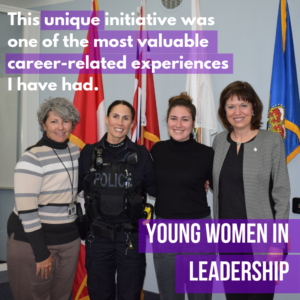 Oakville North Burlington MP Pam Damoff launched her third annual Young Women in Leadership (YWIL) program. It will run from May 21-24, 2019, and offers young women in Halton the opportunity to job-shadow in a local business, agency, organization, or government.
 It was usually a reason for skipping church – forgot to change the clock and didn’t get up in time.






 Ray Rivers writes regularly on both federal and provincial politics, applying his more than 25 years as a federal bureaucrat to his thinking. Rivers was once a candidate for provincial office in Burlington. He was the founder of the Burlington citizen committee on sustainability at a time when climate warming was a hotly debated subject. Ray has a post graduate degree in economics that he earned at the University of Ottawa. Tweet @rayzrivers

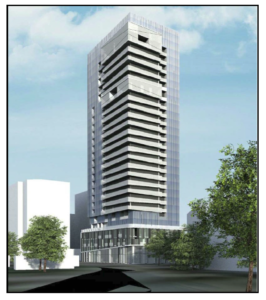




 Before planning a trip or indulging in any casino activity, it is essential to know the full scope of the Canadian
 There are a number, far too many, organizations that are incorporated as not for profit corporations that has little, if any, understanding of just what the Directors are supposed to do and what they are not supposed to do.
 This class will provide an overview of the role, scope of responsibilities, and understanding of key elements shaping the effectiveness of Boards of Directors in the not for profit sector.
 Jody worked for 17 years in the not for profit sector and has, since striking out on her own, supported not for profits, big and small, with a major emphasis on building capacity in a variety of areas, including effective governance. She was the lead staff person in two large voluntary social planning organizations and a Board member and President of a variety of not for profits.
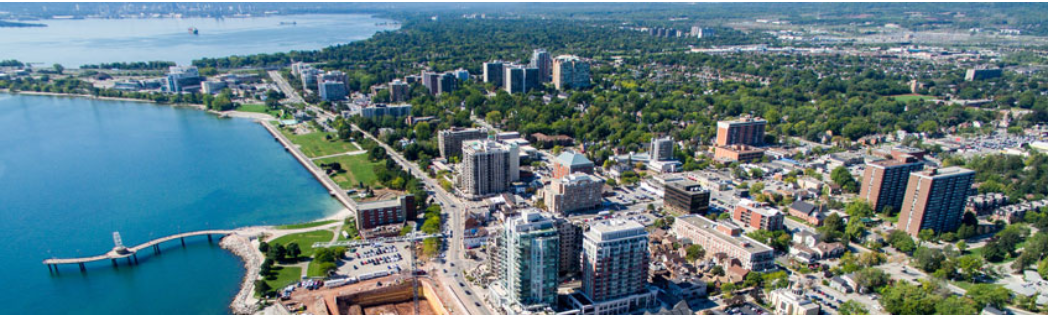

 The good folks in Lowville know that the winter is going to come to an end – they are planning for their annual Lowville festival that has survived long enough to turn into something that will grow and add to the entertainment event during the summer months.

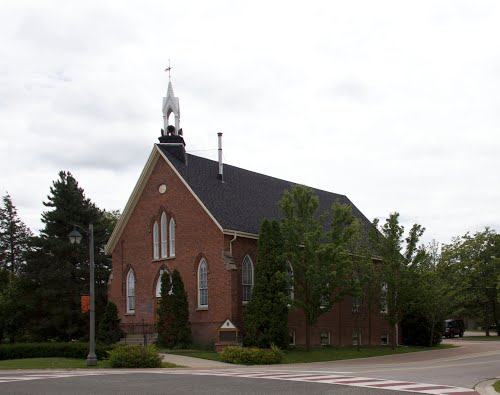



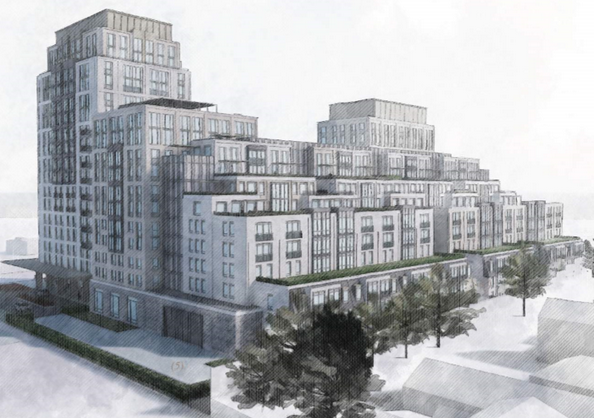
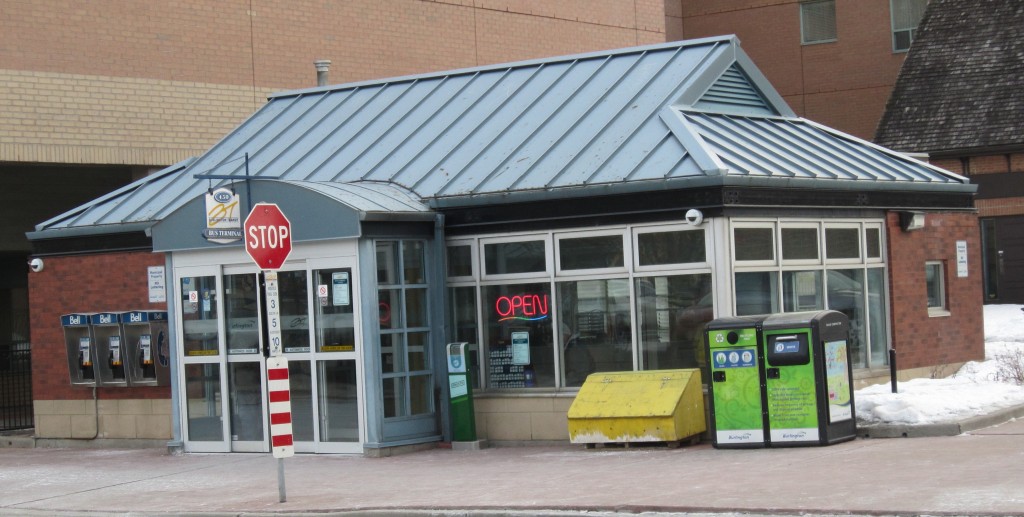
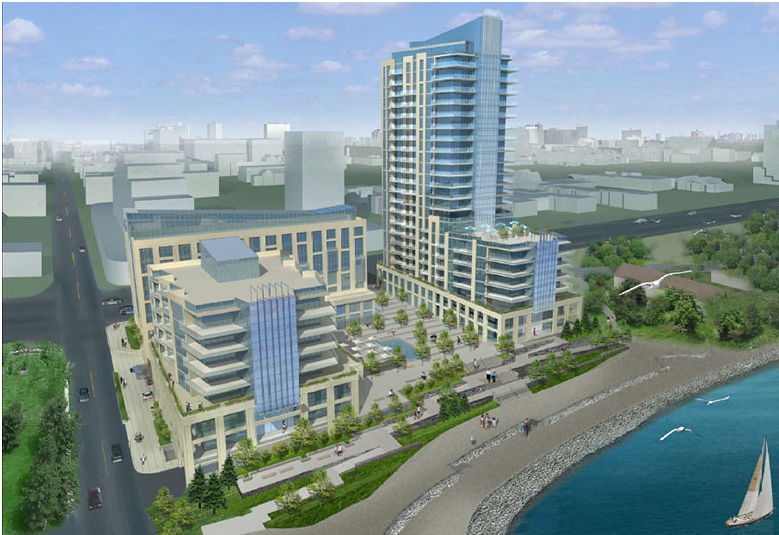



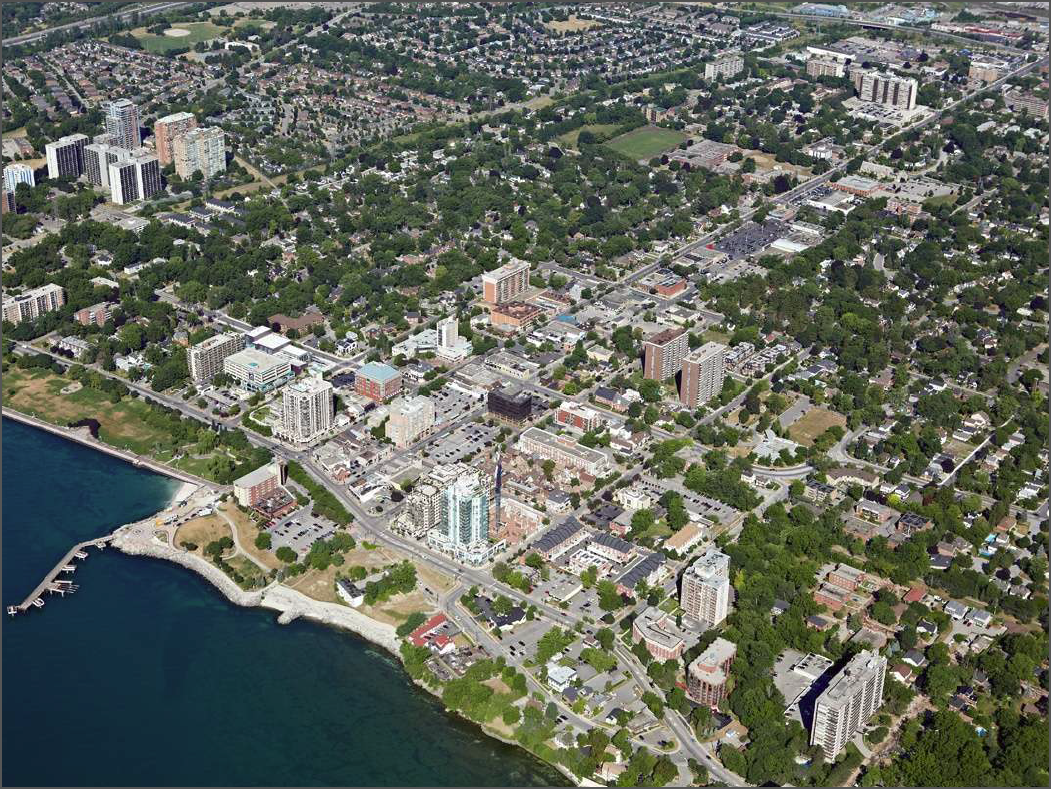


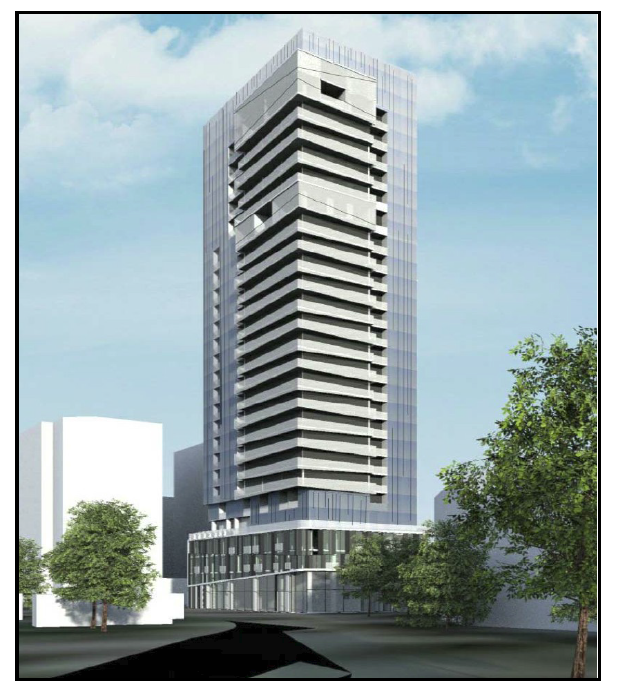


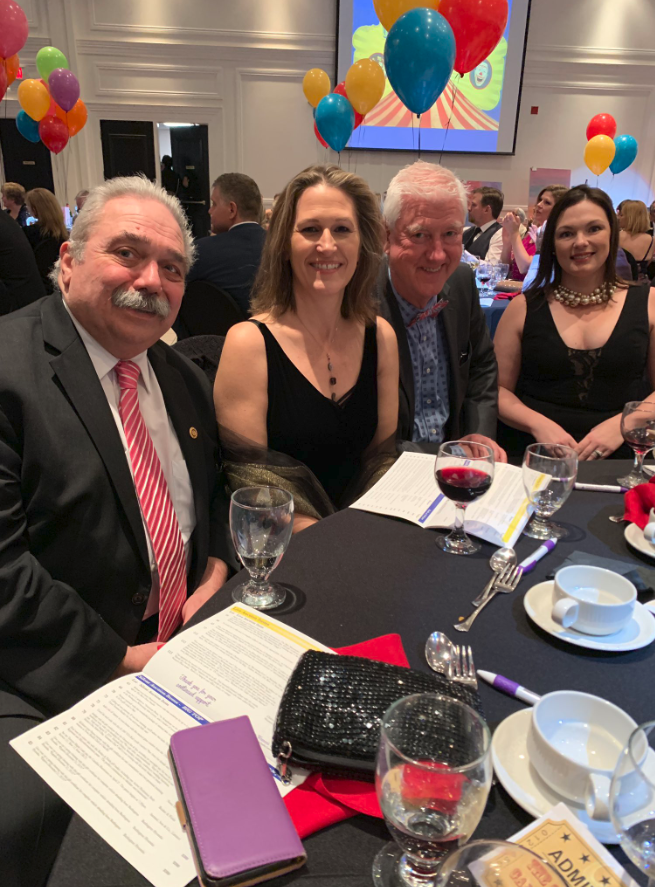
 Within the HWP annual reports, an even more troubling trend appears. In 2014, the shelter housed 270 women and 211 children for some period of time over the year. The report also noted that “766 women did not receive shelter due to capacity”. In 2014, the shelter only was able to serve 39% of the need in the region. Compared to 2018 however, 2014’s 39% was a success. As a result of the reduced availability of safe, affordable housing in Halton, in 2018, HWP was only able to serve 173 women and 183 children. They no longer list the number of women turned away in the annual report, but only being able to assist 74% of their 2014 number cannot be a good sign.


 Transit Related Reserve Funds
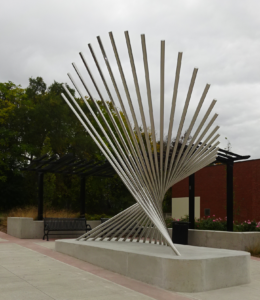
 Tax Rate Stabilization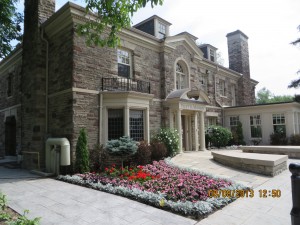



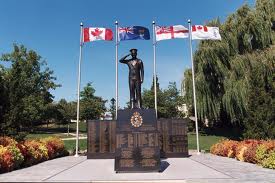

 Library Board
