By Stephen Atcheler By Stephen Atcheler
September 9th, 2025
BURLINGTON, ON
Canadian poker players seeking substantial cash game action and tournament guarantees require platforms that maintain consistent traffic at elevated stakes. The selection of an appropriate platform depends on several factors, including game availability, rakeback structures, and the depth of player pools at various stake levels. This assessment examines five platforms currently serving Canadian players with high-stakes poker options.
GGPoker Commands the International Market
GGPoker maintains the largest player pool among international poker sites accessible to Canadian players. The platform recorded 13,157 concurrent cash game seats in early 2024, establishing a benchmark that other operators have yet to approach. Current traffic data shows approximately 13,000 active cash game players on average, though seasonal variations have brought this figure to around 10,000 players during mid-2025 periods.
 During peak hours, Canadian players find over 100 tables at low and mid-stakes, with more than 20 high-stakes games running simultaneously. The platform’s market position accounts for more than half of the international online poker market. This concentration of players ensures game availability across multiple formats and stake levels. During peak hours, Canadian players find over 100 tables at low and mid-stakes, with more than 20 high-stakes games running simultaneously.
The Fish Buffet loyalty program provides returns up to 60% fixed cashback through Platinum ranks. Players accumulate Fish Buffet Points at an average rate of 100 points per dollar in rake and fees, though this rate varies based on game type, player behavior patterns, and deposit history. The highest GGPlatinum tier offers consistent 60% rakeback, positioning this reward structure among the most generous available to Canadian players.
Tournament offerings include the $1,050 GGMasters HR with a minimum $1 million guaranteed prize pool. The standard GGMasters series runs daily tournaments from $25 buy-ins up to $1,050 High Rollers, guaranteeing over $4,000,000 Monday through Saturday. The 2025 GGPoker World Festival maintained its $250 million guarantee and distributed $324.7 million across 1,419 completed tournaments.
High-stakes cash games underwent restructuring in November 2024. Games at $25/$50 blinds and above now operate as invite-only tables under an Exclusive tab. VIP games continue at $500/$1,000/$2,000 blinds for qualified players, while $10/$20 tables became publicly accessible in both PLO and NLH formats.
WPT Global Ascends Through Aggressive Market Positioning
WPT Global has transformed from a minor operator to a platform processing approximately 2,000 concurrent players. This growth trajectory placed the site in third position according to PokerScout rankings in March 2024, surpassing both IDNPoker and iPoker networks.
The platform’s expansion coincided with strategic marketing initiatives and software improvements that attracted players from established sites. Canadian players accessing WPT Global find game selection concentrated in Texas Hold’em and Omaha variants, with stakes ranging from micro limits through mid-stakes games.
WPT Global’s connection to the World Poker Tour brand provides tournament series that complement cash game offerings. The platform schedules regular events that feed into live WPT tournaments, creating pathways for online qualifiers to participate in televised events.
PokerStars Maintains Presence Despite Traffic Decline
PokerStars continues operating as a recognized platform for Canadian high-stakes players, though traffic patterns show contraction from previous peaks. The site’s cash game population decreased from approximately 4,500 players in late 2022 to about 2,000 by mid-2025, placing it at comparable levels with WPT Global.
 Concentration The platform retains advantages in game variety, offering formats beyond standard Hold’em and Omaha games. Canadian players find mixed games, draw variants, and specialty formats that smaller platforms cannot support due to limited player pools.
PokerStars’ tournament schedule includes the Sunday Million and other established series that maintain consistent guarantees. The platform’s history of hosting major championship events provides tournament players with structured paths to live events and substantial online prizes.
partypoker Serves Niche High Stakes Markets
partypoker operates within specific market segments, maintaining a smaller but dedicated player base. The platform focuses on particular geographic regions and player demographics, resulting in concentrated traffic during specific hours that align with European and North American peak times.
Canadian players on partypoker encounter a different competitive environment compared to larger platforms. The smaller player pool creates dynamics where regular players become familiar with opponents’ tendencies, potentially affecting game selection strategies.
The platform’s PowerFest series and other promotional events periodically increase traffic and prize pools. These scheduled events provide opportunities for high-stakes action beyond regular cash game offerings.
888poker Rounds Out Available Options
888poker provides another alternative for Canadian players, though its market share remains smaller than the previously discussed platforms. The site maintains operations across multiple jurisdictions, creating segregated player pools that affect game availability for Canadian users.
The platform’s Blast Poker format offers a fast-fold variant that differs from similar offerings on other sites. Canadian players seeking variety in game formats may find 888poker’s unique features worth considering, though high-stakes action occurs less frequently than on larger platforms.
Technical Considerations for Platform Selection
Platform stability affects high-stakes play where connection issues can result in substantial losses. GGPoker experienced technical difficulties during major tournaments, including problems with the rescheduled $5 million guaranteed GGMasters Anniversary event when over 12,000 players remained on Day 2.
Software policies vary between platforms regarding third-party tools. GGPoker’s Security & Ecology agreement prohibits third-party software while allowing players to download hand histories for offline review. Other platforms maintain different policies that may affect players who rely on tracking software or heads-up displays.
Fast-fold game availability provides action-oriented players with increased hands per hour. GGPoker’s fast-fold Hold’em games accommodate over 500 players during prime time at stakes from NL2 to NL200, with Rush & Cash Omaha featuring more than 500 connections around the clock.
Market Dynamics Affecting Canadian Players
The concentration of traffic on GGPoker creates both opportunities and considerations for Canadian high-stakes players. The platform’s acquisition of the WSOP brand in 2020 provided visibility that attracted players globally, contributing to current traffic levels that rarely drop below 10,000 players.
 A strong hand indeed. The geographic distribution of players affects game quality at different times. GGPoker’s analysis indicates soft traffic in cash games and tournaments except at high stakes, where world-famous regulars participate. Asian market players contribute to weaker lineups during specific hours.
Promotional campaigns influence platform selection decisions. GGPoker’s January 2025 New Year Giveaway distributed $25 million through format-specific races, daily missions, and cash drops. The WSOP Express promotion enables players to begin with $0.50 buy-ins and progress through step-based ladders toward WSOP Main Event passes worth up to $30,000.
The selection of a high-stakes poker platform requires assessment of multiple factors beyond simple traffic numbers. Canadian players must consider rakeback structures, game availability during preferred playing hours, tournament schedules, and technical reliability when choosing where to invest their bankrolls.

By Laura Fuerte
September 1st, 2025
BURLINGTON, ON
 The situation is workable sometimes, but messy. Since single-event wagering got the green light in 2021, the market has shifted fast—maybe faster than regulators planned for. What looked like a simple yes to betting turned into a maze of provincial rules, fees, and enforcement styles that don’t always match. Some provinces opened doors. Others kept the locks on. International platforms are left threading a needle between licenses, gray zones, and gaps in national policy. The situation is workable sometimes, but messy.
Provincial licensing: the operational maze
 Did the paperwork, paid the checks, and got in. Not cheaply, and not casually. Here’s the crux: every province plays by its book. Different taxes, different audits, different “do this, not that.” Ontario is the clear outlier with a structured, open program for private operators. DraftKings, FanDuel, BetMGM—names you’d expect—did the paperwork, paid the checks, and got in. Not cheaply, and not casually.
Elsewhere, the approach is entirely unique. British Columbia, Alberta, Quebec—government-run platforms rule the roost, such as PlayNow and Espacejeux. This forces a choice for sport betting canada operators: try for limited, pricey licenses where they exist, or risk the awkward “is this allowed?” lane in provinces without them. Getting coverage across the whole country requires managing several playbooks at once.
Gray market use and uneven enforcement
Plenty of Canadians still click into offshore sites. The legality of these sites varies depending on who you ask. They’re not explicitly authorized by provinces, and federal rules are not exactly crystal clear either. Some regulators push hard. Others appear to have bigger worries.
That limbo cuts both ways. Players may get weak consumer protections or no real dispute process. If money vanishes, getting help is difficult. Operators, on the other hand, may face reputational hits and possible penalties later—even if enforcement today feels light. It’s a risk calculation, not a free pass.
Consumer protection isn’t one-size-fits-all
 Without a single national standard, safety rules jump around. Ontario leans heavy on responsible gambling tools, audits, and clear disclosures. Other provinces, especially where government platforms dominate, may apply a simpler set of checks—some would say too simple. The result is that international platforms end up building different versions of the same product just to stay compliant. Without a single national standard, safety rules jump around. Ontario leans heavy on responsible gambling tools, audits, and clear disclosures. Other provinces, especially where government platforms dominate, may apply a simpler set of checks—some would say too simple. The result is that international platforms end up building different versions of the same product just to stay compliant.
Age checks add to the complications. In some provinces it’s 18, in others 19; cooling-off periods and deposit limits also shift by province. That means duplicate systems, more cost, and fewer economies of scale than operators might expect in a unified market. This is annoying. For now, it is necessary.
Sports integrity
On match-fixing and integrity, Canada mostly relies on general fraud and conspiracy laws. That likely covers many scenarios, but not all, and it leaves operators guessing where the hard lines are. Compared with places that spell out sports bribery and data misuse in detail, Canada is lighter on specifics.
So platforms build their own playbooks: data monitoring, suspicious bet alerts, cooperation with leagues. This approach works to a point. Lower-tier events and cross-border competitions are trickier, where the signals are fuzzier and oversight changes. The lack of a uniform standard makes “good enough” hard to define.
 Advertising:these can change from province to province and, occasionally, mid-season. Marketing rules and age checks: moving targets
Advertising is another patchwork. Celebrity endorsements, bonus offers, placement rules—these can change from province to province and, occasionally, mid-season. Brands trying to grow quickly may find themselves rewriting campaigns more than they expected. Verification follows the same pattern. Different legal ages, different proof, different timelines. The tech can handle it, but seamless onboarding takes a hit when every region tweaks the checklist. Now, many apps are available on both Android and iOS.
 The entire industry is regulated by provincial authorities in Canada, adding layers of complexity to the compliance process. What this all adds up to
International sportsbooks can succeed in Canada, but the road isn’t straight. Ontario offers a clear door; several other provinces keep it mostly shut. Gray-market usage lingers, enforcement is uneven, and integrity rules could be sharper. For now, the pragmatic path is careful compliance planning, province by province, with a willingness to adapt as the rules shift. This situation is not ideal. With patience and a good legal team, it is probably survivable. The entire industry is regulated by provincial authorities in Canada, adding layers of complexity to the compliance process.
By John Davis
August 26th, 2025
BURLINGTON, ON
Canada’s digital entertainment sector has experienced explosive growth, with the video game industry contributing $5.1 billion to the nation’s GDP in 2024, representing a 3% increase since 2021. This remarkable expansion occurs against a backdrop of significant youth unemployment challenges, where rates for Canadians aged 15-24 have climbed to 14.6% in July 2025, nearly triple the rate for adults over 25. The gaming industry’s success story provides a compelling counternarrative to these employment struggles, demonstrating how digital innovation can drive economic prosperity while creating high-quality career opportunities.
 The gaming industry’s success story provides a compelling counternarrative to employment struggles. The scope of Canada’s gaming exports is particularly impressive, with 88% of industry revenue derived from international markets. This export-focused approach has positioned Canada as a global powerhouse in video game development, with 821 active studios employing 34,010 people at an average salary of $102,000 annually. The industry’s resilience during economic uncertainty contrasts sharply with traditional sectors that have struggled to provide meaningful employment for young Canadians.
Parallel to the traditional gaming sector, Canada’s Igaming industry, which includes the Best Online Casinos Canada market, has also emerged as a significant economic force, representing a different facet of the broader gaming ecosystem. The igaming industry, encompassing online casinos, sports betting, and digital gambling platforms, generated $3.20 billion in gross gaming revenue in Ontario alone during 2024-25. This represents a 32% year-over-year increase, demonstrating the rapid growth of regulated online gambling markets. The igaming sector now supports approximately 15,000 jobs across Ontario, contributing substantially to provincial and federal tax revenues while providing consumers with regulated alternatives to offshore gambling platforms.
Burlington’s Strategic Position in Gaming Exports
 Burlington has emerged as a strategic location within the province’s gaming ecosystem. The city’s proximity to Toronto’s thriving tech corridor, combined with its business-friendly environment and skilled workforce, has attracted several gaming companies. While Ontario leads Canada with 276 gaming studios, Burlington has emerged as a strategic location within the province’s gaming ecosystem. The city’s proximity to Toronto’s thriving tech corridor, combined with its business-friendly environment and skilled workforce, has attracted several gaming companies seeking cost-effective alternatives to major metropolitan centers. Burlington’s economic development strategy explicitly focuses on Information & Communications Technology (ICT) as a key industry, creating an environment conducive to gaming and tech companies.
The Greater Toronto Area, including Burlington, now hosts over 300 game development studios, with the region employing approximately 7,000 people directly in video game development. This concentration has created a cluster effect, where smaller studios benefit from proximity to talent, resources, and potential partners. Burlington’s position within this ecosystem allows companies to access Toronto’s deep talent pool while maintaining lower operational costs, making it an attractive location for both established studios and emerging developers.
Revenue Statistics and Market Performance
Canada’s gaming industry revenue streams demonstrate remarkable diversity and growth potential. The sector generated $4.3 billion in total revenue in 2021, with exports accounting for 84% of this figure. By 2024, total contributions had grown to $5.1 billion in GDP impact, reflecting not just direct revenue but also broader economic effects including supply chain benefits and employee wage impacts.
The mobile gaming segment has shown particularly strong performance, with Canada hosting approximately 11.8 million mobile gamers in 2023, projected to reach 14.1 million by 2028. The broader Canadian gaming market is expected to grow at a compound annual growth rate of 12.5% from 2025 to 2030, potentially reaching $21.01 billion by 2030.
Export performance varies significantly by company size, with large companies (over 100 employees) generating more than 90% of their revenue from international markets. This export concentration has proven beneficial during domestic economic challenges, as Canadian studios can tap into global demand while operating with favorable exchange rates and competitive production costs.
The iGaming Industry Connection
 Ontario’s regulated market has expanded from 17 licensed websites to 84 gaming platforms run by 49 licensed operators. One area of Canada’s digital entertainment economy that is growing quickly is the igaming industry. Since its April 2022 launch, Ontario’s regulated market has expanded from 17 licensed websites to 84 gaming platforms run by 49 licensed operators. Over 1.1 million player accounts are currently active on the market, and in Q2 of 2024–2025, the average monthly spending per account was $308.
Since many traditional gaming companies are looking into opportunities in the igaming space, this growth has important ramifications for them. Traditional video game development skills and the technical know-how needed to create online casino games, sports betting platforms, and associated digital gambling products are very similar. By utilizing their current technological capabilities and gaining access to new revenue streams, Canadian studios are expanding their portfolios to include igaming products for global markets.
The regulatory framework established in Ontario has created a template for other provinces, with Alberta preparing to launch its licensed igaming market in late 2025. This expansion will likely create additional opportunities for Canadian gaming companies to develop products for domestic and international igaming markets.
Strategic Advice for Aspiring Gaming Exporters
Companies entering the gaming export market should focus on several key strategies based on successful Canadian examples. First, building strong technical capabilities while maintaining lean operational structures has proven effective for companies like Tiny Titan Studios, which grew from a one-person operation to 25 employees while maintaining low overhead costs.
Market research and targeted expansion represent critical success factors. Aspiring exporters should utilize resources like the Trade Commissioner Service to identify international opportunities and build relationships with foreign partners. The Canadian government’s Creative Export Canada program offers funding for projects that forecast generating export revenues, providing financial support for market entry activities.
Building development capabilities across multiple platforms is essential, as mobile gaming continues to drive market growth. Companies should invest in cross-platform development skills,
 Opportunities for new entrants remain strong, particularly for companies that can combine technical innovation with effective international market development strategies. Financial planning should emphasize sustainable growth over rapid expansion. Technical specialization in high-demand areas such as multiplayer gaming, live services, and cross-platform development can provide competitive advantages in export markets.
The combination of government support, technical expertise, and strategic market focus has positioned Canada as a leading gaming export nation. As the industry continues to grow and diversify, opportunities for new entrants remain strong, particularly for companies that can combine technical innovation with effective international market development strategies.
By John Tomase, Editor at LinkedIn News
August 26th, 2025
BURLINGTON, ON
 Are these things still used? Working a 9-to-5 used to mean those exact hours, but the post-pandemic time clock has been scrambled. Prompt arrival is a must, The Wall Street Journal reports, yet when to punch out is flexible. It could be “productivity theater” to please an early-bird boss who tends not to notice when later tasks are performed at home. Compared with 2019, workers are leaving the office an average of 13 minutes earlier in New York and 26 minutes earlier in San Francisco, according to commercial real estate company JLL.
Linda O’Neill : My first reaction reading this was: We are sometimes so silly about the things we pay attention to and judge.
 Slipping out just a little early – a new trend? This WSJ piece highlights one of those funny-but-true dynamics in the modern workplace: we’re more comfortable leaving the office early than arriving late. Even if both scenarios balance out in hours and productivity, the optics feel different. It’s a reminder of how much “productivity theater” still shapes our work habits—and how much of it is driven by perceptions, not actual output.
Have you ever caught yourself adjusting your schedule not for efficiency, but for appearances?
At Vigilant we’re still fully remote, so this is not an issue. I’m curious about the experience of others.
By Pepper Parr
August 25th, 2025
BURLINGTON, ON
Most Canadians know that the United States is our best customer – we sell a lot of stuff to them
How much? And how much compared to other countries?

That chart sets out just how big a problem Canada has.
By Lydia Havens
August 25th, 2025
BURLINGTON, ON
For many college students in Canada, handling multiple assignments, balancing part-time work, and keeping up with deadlines can feel overwhelming. The right digital tools and academic support services can make studying easier by helping students manage time, collaborate better, and access reliable guidance when needed. From advanced organizational apps to professional writing assistance, these tools provide structure and reduce stress.
Canadian Academic Support and Writing Help
 The right digital tools and academic support services can make studying easier. Canadian universities set high expectations, and college assignment help often becomes essential. Students often face tight deadlines and multiple assignments at once. This is where professional essay writing services can become a lifeline, providing tailored academic help and saving time. By relying on experts, students can learn how to structure papers effectively, gain clarity on complex topics, and avoid falling behind.
Beyond writing itself, these services support research and citation formatting, areas where many college students struggle. For instance, a business student preparing a case study may know the content but lack experience in APA or MLA style. A professional editor can polish the work, ensuring it meets academic standards without altering the student’s original argument. Used responsibly, such support serves as a guide rather than a crutch.
Grammar and plagiarism checkers
Accuracy matters when producing academic work. Grammar and plagiarism checkers ensure papers meet standards of originality and clarity. For college students still developing their writing style, these tools highlight common mistakes, suggest corrections, and protect against unintentional plagiarism. Used alongside guidance from professors, they provide a valuable safety net.
 Grammarly and QuillBot are widely used in Canadian universities because they integrate directly with browsers and word processors. Imagine a student finishing a late-night essay: the checker identifies missing commas, suggests smoother phrasing, and confirms that cited material is paraphrased correctly. The result is a document that communicates ideas more clearly and avoids academic integrity issues. Grammarly and QuillBot are widely used in Canadian universities because they integrate directly with browsers and word processors. Imagine a student finishing a late-night essay: the checker identifies missing commas, suggests smoother phrasing, and confirms that cited material is paraphrased correctly. The result is a document that communicates ideas more clearly and avoids academic integrity issues.
Rewriting tools
Sometimes ideas are strong but lack refinement. Rewriting tools help rephrase sentences for clarity, adjust tone, and improve readability. Services like WritePaper also combine rewriting support with personalized feedback, giving students not only stronger drafts but also an understanding of how to write more effectively in the future.
For those seeking broader academic help beyond rewriting, exploring reviews of the best-rated essay writing services can provide insights into which platforms are the most reliable and trusted by other students
This is particularly useful for international learners. For example, a student whose first language is not English may write excellent content but struggle with fluency. A rewriting tool can smooth out awkward phrasing without losing meaning. Over time, exposure to these revisions becomes a learning experience, helping the student write more confidently on their own.
Digital Tools for Better Organization
Academic success is closely tied to organization. Students who plan ahead and allocate their hours effectively are less likely to fall into last-minute stress. Digital tools allow college students to manage both daily routines and long-term goals with confidence.
Note-taking apps
Gone are the days of carrying stacks of notebooks. Modern note-taking apps allow for neatly organized, searchable, and cloud-synced notes. They make lectures easier to review and provide a central hub for class materials. This flexibility also supports college assignment help, since notes can be shared with classmates working on the same project.
Apps like OneNote, Notion, and Evernote are especially popular because they integrate text, images, and even audio recordings. For example, a science major can record a lecture, annotate slides, and attach lab results all in one digital notebook. Later, when collaborating on an assignment, these notes can be exported or shared with group members instantly. Such features move note-taking from passive transcription to active learning.
Better time management as a student
One of the biggest challenges is staying on track with multiple tasks. Tools that encourage better time management let students break down projects into smaller, achievable steps. Apps with reminders and calendar integration prevent deadlines from sneaking up. With a clear schedule, college students can balance academic and personal responsibilities more effectively, leaving more room for study breaks and healthy routines.
Applications like Google Calendar and Trello make scheduling interactive. A student working on a term paper might use Trello to map out research, drafting, and revision as separate stages. Color-coded labels indicate priority, while calendar alerts ensure progress is steady. Over time, these habits train students to approach assignments with foresight rather than panic, an ability that is invaluable during exam season.
Tools that Will Improve Your Communication
 Managing group assignments is notoriously difficult. Different schedules, uneven participation, and unclear roles often complicate collaboration. Strong communication skills are vital in today’s collaborative academic environment. Whether it’s working on a team presentation or sharing files for research, digital platforms improve communication between students and ensure everyone stays aligned.
Group project management
Managing group assignments is notoriously difficult. Different schedules, uneven participation, and unclear roles often complicate collaboration. Group project management platforms simplify the process by assigning tasks, setting deadlines, and tracking progress. For college students, this reduces confusion and keeps everyone accountable, ultimately making group work smoother and more efficient.
Slack and Microsoft Teams are two tools that have become common in Canadian classrooms. They allow students to create channels for specific projects, host quick video calls, and share updates in real time. For example, a history group preparing a joint presentation can post sources in a dedicated chat, assign sections to each member, and meet virtually without the hassle of long email chains. This structure mimics workplace collaboration and prepares students for professional environments.
File sharing and storage
Reliable file sharing ensures that no one misses an update or loses access to important materials. Cloud-based platforms allow college students to store, organize, and distribute files instantly. These services also offer version history, so accidental deletions or changes don’t ruin an entire project. They provide both convenience and security, ensuring that students can focus on content rather than logistics.
 Google Drive, Dropbox, and OneDrive dominate this space. Consider a business student collaborating on a marketing plan: one teammate can upload visuals, another can draft financials, and a third can refine the text — all in the same shared folder. Because files update in real time, the group avoids duplicate versions and last-minute confusion. This reliability makes cloud storage one of the most indispensable study tools today. Google Drive, Dropbox, and OneDrive dominate this space. Consider a business student collaborating on a marketing plan: one teammate can upload visuals, another can draft financials, and a third can refine the text — all in the same shared folder. Because files update in real time, the group avoids duplicate versions and last-minute confusion. This reliability makes cloud storage one of the most indispensable study tools today.
Final Thoughts
 College students have to manage assignments, track progress, and collaborate more effectively. Academic life in Canada pushes students to stay organized and adapt to constant demands. Digital tools provide clarity, helping them manage assignments, track progress, and collaborate more effectively. Stronger communication and reliable access to resources allow learners to focus less on logistics and more on meaningful study.
Professional writing support adds another layer of security for those facing heavy workloads. By combining apps, platforms, and academic assistance, Canadian students can approach their studies with more confidence. These resources not only make studying easier but also prepare them with habits that will prove useful well beyond university.
By Alicia Anderson
August 25th, 2025
BURLINGTON, ON
In the late 1990s the creation of the internet meant that Canada began to shift away from traditional to digital television. In January 2003, CITY-TV gave their first digital news broadcast. This was followed by the digital broadcast of the Heritage Classic National Hockey League Game on 22 November 2003 was one of the events that helped to push digital entertainment into the mainstream entertainment sector.
Throughout the 2010s the use of digital entertainment continued to increase, however the rate of growth was relatively slow in comparison to some other first world countries. 2016 saw a notable increase in digital broadcasting services that also featured high definition content. The main driver that really helped to push the revolution forward was the Covid-19 Pandemic. During this period there was a massive shift to digital platforms across all age groups. Lockdown restrictions meant that individuals had to find new ways to entertain themselves and stay connected with friends and loved ones.
 The pandemic changed everything. Canadians joined social platforms to help combat the feeling of isolation that covid restrictions created. The number of social platform users skyrocketed by 2.4 million in 2020 alone. Many Canadians joined social platforms to help combat the feeling of isolation that covid restrictions created. The number of social platform users skyrocketed by 2.4 million in 2020 alone. The entertainment sector in Canada has been transformed over the past several years and there is an increased number of users who choose digital entertainment as a way to enjoy affordable fun online activities.
Digital Platforms are Providing Engaging and Affordable Entertainment for Canadians
Before the onset of the digital revolution socialising was a physical activity where individuals would gather together and share ideas, attend cinema, go to bars, and enjoy gaming in physical land based casinos.
Most of the population is now connected to the internet (95.2%) which accounts for about 38 million members of the country’s population. As a result, there has been a significant transformation in how free time is spent. Canadians are increasingly turning to affordable digital entertainment options across a variety of different platforms and enjoy entertainment across different platforms and there has been an increase in mobile first usage due to its convenience and easy accessibility and developers quickly realised that mobile phones are increasingly becoming the most common device used to access most forms of digital entertainment. There has been a notable increase in users who choose the convenience of enjoying online digital entertainment from the comfort of their homes as opposed to traditional activities where they would physically interact with other individuals.
Streaming services and on-demand content are a popular choice among Canadians that range from on demand viewing such as Netflix, Amazon, Hulu, and Disney+ has created a vast array viewing content to choose from and even offers access to niche programmes, international and indie films. By choosing on-demand services, Canadians can enjoy film and television programmes at a time that is convenient for them and there is even an option to download content to watch offline.
Streaming services are also used to enjoy live concerts on YouTube and Vimeo and many other platforms that are either much cheaper than attending a land based performance or even offered free. Music on demand platforms such as Spotify, Apple Music, and YouTube music means that Canadians can have on an offline access their favourite tunes when they wish.
Social media has almost 80% of the population interacting on a daily basis. The most popular sites are Instagram, Facebook, and YouTube. Whatsapp is one of the most common forms of instant messaging used.
Casual gaming is a popular pastime especially among the adult Canadian population who enjoy puzzle and word games. Strategy, role-playing games, and first person team based games are regularly enjoyed.
 You could go online during a coffee break and spend a few minutes playing with slot machines. Online slot games are one of the most popular online games in Canada. They were first introduced in the mid 1990s and the perfect activity for Canadian gamers who seek a low-cost fun way to unwind in the comfort of their homes. Online gambling is one of the fastest growing industries in Canada and most gamers are between the age of thirty and fifty. The closure of many land based casinos during the pandemic has helped to increase the number of online gamers significantly.
Enjoy Thrilling Entertainment on A Budget with Online Slot Games at Casino Days Canada
Whether you are a seasoned player or new to slots, you should explore the latest slots at Casino Days. There are over 4,500 online games with something that will appeal to every taste and budget. Explore the many different themed slot games that range from the thrill of Sweet Bonanza with its fabulous candy filled dynamic to the ever popular Book of Dead slot game that takes you on a journey into the mystical world of ancient Egypt. Whatever theme you choose, these dynamic games will keep you coming back for more thrills and excitement and offer the chance to win big rewards.
Slots range in complexity from the classic 3-reel games to feature packed theme park rides. The most complex versions offer options such as feature buy, cascading reels, and several ways for form paylines. The games all come with different levels of risk and payouts and are designed for gamers that enjoy playing on a budget.
Playing slots is very straightforward. Begin by placing your wager and pressing the “spin” button. This sets the reels in motion and you will need to watch so see if a payline forms or not. Depending on your choice of slot game, the lines are formed either horizontally or vertically, and there are some games that do not have any paylines, instead players win when enough symbols appear anywhere on the reels.
There are two ways that slots can be played at Casino Days:
Free demo mode: There is no money involved in this type of play. These games are played with virtual money and feature the same game play and maths as the real money games. Any money that is won however cannot be withdrawn.
For real money: Players who want to play for real money need to set up a player account in a few easy steps. Once the account has been approved, players sign in and deposit money using one of the convenient secure payment methods and then the fun really begins with the possibility of winning big prizes!
Launched in 2020, Casino Days is a relatively new entrant to the online gaming scene. They are fully licensed with several different licenses that cover Canada. Ontario’s licence is issued by iGaming Ontario and outside of the province there are other sub-licenses issued by the Curaçao Gaming Control Board and the Kahnawake Gaming Commission meaning that all Canadian Players can enjoy the thrill of online gaming legally.
Casino Days dedication to offering fair gaming, regular third party audits, robust security measures to protect sensitive user and financial details, as well as access to responsible gaming tools, and one of the largest curated gaming libraries has made it a preferred destination for discerning Canadian gamers. Open your account today and embark on the gaming adventure of your life!
By Gazette Staff
August 22nd, 2025
BURLINGTON. ON
 Storeys.com By the numbers:
$112
—
The decrease in monthly mortgage payments needed to afford a home in Toronto between June and July.
49%
—
The share of Canadian renters aged 18 to 24 that are spending more than half of their after-tax income on rent.
28%
—
The percentage of Canadians who say tariffs have caused them to reconsider taking out a mortgage.
1.7%
—
The year-over-year rise in the Consumer Price Index in July, with shelter prices up 3%.
$1.8B
—
The amount of additional funding Premier Doug Ford announced Ontario will be investing in the Municipal Housing Infrastructure Program, bringing the fund’s total to $4 billion.
1/37
—
The share of mortgage holders that missed a credit payment during Q2, compared to 1/19 for non-mortgage holders.
This data was first published by Storey
August 22nd, 2025
BURLINGTON, ON
Economists with RBC are sounding the alarm on a housing construction slowdown that could hit Ontario far earlier than expected.
Canada Mortgage and Housing Corporation (CMHC) released new housing starts data this week, and, on the surface, there was something of a rosy tone. The government agency reported that the seasonally-adjusted annual rate (SAAR) of housing starts edged up 4% in July to 294,085 units, marking the highest level of starts since September 2022.
That would give you the impression that starts, defined as the moment the foundation on a new build has been poured, are on a good trajectory, however, it’s more indicative of development intention from the past. As stated by CMHC’s Deputy Chief Economist Tania Bourassa-Ochoa in a press release from Monday, the “persistently elevated national results are reflective of investment decisions made months or even years ago, highlighting the influence of previous market conditions and builder sentiment on current construction trends.”
Meanwhile, a new report released Wednesday by economists at RBC further points out that while starts are up nationally, construction in the country’s most populated province is sorely down.
 CMHC, Statistics Canada, RBC Economics “Ontario stands out with a steep decline since mid-2024, particularly in the Greater Toronto Area. British Columbia has also seen a moderation, but to a much lower extent,” writes RBC Assistant Chief Economist Robert Hogue. “This divergence is concerning, because it threatens to perpetuate severe affordability problems that exert social and economic hardship on Canadians in these regions.”
“While homebuilders and municipalities are keen to respond, factors like the high development and building costs in Ontario, and substantial inventory are weighing on the initiation of new projects. This raises concern about whether future housing stock can meet demand,” Hogue goes on to say.
According to CMHC’s data, Ontario saw 62,700 starts in July, compared to 77,900 the same month last year, representing a massive 24% drop. “Ontario’s six-month average has fallen to the lowest level in a decade — trending in the opposite direction of what’s needed to achieve the provincial government’s ambitious goal of building 1.5 million new homes over 10 years,” says Hogue. “It’s a similar, albeit less pronounced, situation in BC.”
 Statistics Canada, RBC Economics Alberta and Atlantic Canada are experiencing all-time highs in residential construction, the report posits, so what’s holding back starts in Ontario?
“High development and construction costs are major barriers. Builders saw a rapid escalation of expenses for land, labour, and materials, compounded by municipal development charges and other fees in the past several years,” writes Hogue. “These costs make it exceedingly difficult to bring new housing projects to market at prices prospective buyers can afford, particularly in the expensive GTA.”
Beyond that, Hogue underscores that the supply overload in Ontario, which makes new inventory less attractive than resale, is due to the lower price-point and high availability of the latter. “Meanwhile, investor interest in pre-construction condos — a key driver of housing starts in the GTA — has nearly collapsed,” he adds. “The Bank of Canada’s earlier interest rate hikes, a cooling rental market and declining condo prices have deterred investors, leading to a sharp drop in pre-construction condo sales. Without investor confidence, many projects are unable to get off the ground, further stalling new construction.”
 Canadian Real Estate Association, RBC Economics On top of all of that, Ontario municipalities like Toronto are “issuing more building permits than builders are acting on,” which points to a “major bottleneck” in costs, says the report. Hogue specifically points to development charges, which oftentimes prevent projects from pencilling out.
“The full impact of the current slowdown in housing starts won’t be felt for years in Ontario. It can take two, three or more years to complete a large multi-unit project once the foundation has been poured,” he adds. “Indeed, the GTA market is still absorbing the wave of condo units completed in 2024 started during the pandemic or even earlier. Units currently under construction (more than 93,000 units as of July) are just 11% off from all-time highs in the region, which suggests completions are likely to stay relatively plentiful (albeit diminishing) in the near term.”
 CMHC, Statistics Canada, RBC Economics Hogue underscores that Ontario’s housing construction pipeline, if not addressed, will taper outby 2026. “Any material drop in completions causing a slowdown in the housing stock’s expansion would make it that much harder to close the province’s housing supply gap,” he adds. “It could increase the shortfall and aggravate the affordability crisis if it coincides with a rebound in population growth once Canada’s immigration policy is readjusted.”
This is a topic that has been discussed at length by industry stakeholders, and some are calling the impending reality a “construction cliff.”
Even more troubling is the fact that industry leaders were calling for the “cliff” to materialize by 2027 or 2028, but economists with RBC are forecasting it to happen even sooner.
Originally published in Storey
By Maren Telfor
August 22, 2025
BURLINGTON, ON
Tutoring has become one of the most effective ways for Canadian students to improve academically, build confidence, and develop lifelong learning skills. With classrooms often being too crowded to provide one-on-one attention, tutors offer a personalized approach that helps students overcome challenges and achieve their goals. Whether it’s preparing for a difficult math test, improving essay writing skills, or simply developing better study habits, tutoring provides structure and encouragement where it is most needed. Families seeking professional support can explore trusted services such as tutor Oakville, which offer customized programs designed to meet the needs of every learner.
To get the best results, however, students and parents should approach tutoring with a clear plan and active participation. Below are five recommendations that can help maximize the benefits of tutoring sessions in Canada.
 A shared understanding of the purpose of their sessions. 1. Set Clear Goals from the Start
Tutoring becomes most effective when both the student and the tutor begin with a shared understanding of the purpose of their sessions. Without a clear direction, lessons can feel scattered and less impactful. Goals provide structure, focus, and motivation, guiding each meeting toward meaningful progress. For example, a student may want to raise their math grade by a certain percentage, strengthen reading comprehension, or learn effective strategies for time management before entering university. When these objectives are defined from the very beginning, the tutor can prepare lessons that are not only personalized but also measurable in terms of results. Parents contribute by ensuring that their expectations are communicated and by helping their children remain consistent with their efforts. Having well-defined goals also makes it easier to monitor progress, celebrate milestones, and adjust strategies when needed, ensuring that every tutoring session leads to long-term growth.
- Maintain Consistency in Sessions
One of the most common reasons tutoring does not deliver strong results is irregular attendance. Many families treat it as an occasional resource, but meaningful academic improvement requires steady and consistent engagement. When students attend sessions regularly, learning builds naturally and concepts are reinforced until they become second nature. Irregular sessions, by contrast, often lead to forgotten lessons and recurring struggles. To avoid this, it is helpful to establish a routine where tutoring becomes a natural part of the student’s weekly schedule, much like school or extracurricular activities.
 Meaningful academic improvement requires steady and consistent engagement. Key benefits of consistent tutoring include:
-
Steady reinforcement of new material, which helps knowledge stay fresh.
Prevention of learning gaps that often reappear when lessons are missed.
Reduced stress and anxiety before exams or major assignments.
A stronger sense of discipline and accountability in academic life.
Families who approach tutoring with this mindset typically see not only improved grades but also more confidence and less stress in their children’s approach to learning.
- Encourage Active Participation
 Student willingness to participate ensures that those lessons are fully understood. Tutoring is not designed to be a passive experience where students simply listen and take notes. True progress happens when learners actively engage with the material, ask questions, and openly share their struggles. A student who feels safe enough to admit confusion about a subject can gain clarity much faster than one who remains silent. Tutors provide explanations and examples, but it is the student’s willingness to participate that ensures those lessons are fully understood. Parents can support this process by reminding children that tutoring sessions are judgment-free spaces where mistakes are not failures but opportunities to learn.
Over time, students who take an active role in their tutoring develop not only a deeper understanding of the subjects but also critical life skills such as independence, problem-solving, and confidence that extend beyond the classroom.
- Apply Learning Outside of Tutoring Sessions
While tutoring sessions provide valuable guidance, it is the application of these lessons in everyday schoolwork and personal study that solidifies progress. A concept learned with the tutor becomes part of long-term knowledge only when the student practices it repeatedly in different contexts. For instance, math strategies introduced during tutoring should be applied when solving homework problems, and writing techniques learned in a session should appear in essays and school assignments. The more frequently a student uses these skills, the more natural and lasting they become.
Ways to apply tutoring outside of sessions include:
- Reviewing notes and reworking examples provided by the tutor.
- Using new problem-solving methods on regular homework.
- Practicing writing techniques in both academic and personal projects.
- Setting aside quiet study time at home to reinforce recent lessons.
When families encourage this type of practice, the benefits of tutoring extend far beyond the sessions themselves, turning short-term improvements into lasting academic growth.
- Build a Strong Partnership with the Tutor
 A strong partnership ensures that tutoring is not just about solving problems in the short term but also about creating a supportive learning environment. Tutoring works best when it is seen as a team effort involving the tutor, the student, and the parents. Open communication allows the tutor to tailor their teaching methods, ensures that progress is transparent, and keeps everyone accountable. Parents can support this partnership by checking in on their child’s development, asking thoughtful questions, and staying informed about challenges and improvements. At the same time, students should feel encouraged to express what helps them learn most effectively, as well as what areas still feel unclear.
A strong partnership ensures that tutoring is not just about solving problems in the short term but also about creating a supportive learning environment that adapts to the student’s evolving needs. This collaboration transforms tutoring from a series of lessons into a long-term investment in both academic achievement and personal growth.
Successful vs. Unsuccessful Tutoring Approaches: Comparing Table
| Approach |
Successful Tutoring |
Unsuccessful Tutoring |
| Goal Setting |
Clear, measurable, and specific |
Vague or undefined |
| Session Consistency |
Regular weekly sessions |
Sporadic or irregular attendance |
| Student Involvement |
Active questioning and participation |
Passive listening with little effort |
| Application Outside Sessions |
Practice in schoolwork and at home |
Ignoring lessons after tutoring ends |
| Communication |
Open discussion with tutor and parents |
Lack of feedback or collaboration |
Why Recommendations Matter
Tutoring is not just about hiring someone to help with schoolwork—it is about creating an effective system that empowers students to grow academically and personally. By setting clear goals, maintaining consistency, encouraging participation, applying lessons outside of sessions, and building strong partnerships, families can ensure that tutoring delivers long-term results. In a country like Canada, where academic expectations are high and students face increasing pressure to succeed, following these recommendations can make the difference between temporary improvements and lasting success. Tutoring, when approached strategically, becomes more than an academic support system—it becomes a foundation for lifelong confidence and achievement.
FAQ
What age is best to start tutoring?
Tutoring can be valuable at any age. Younger students benefit from building strong foundations early, while high school and university students often need help with more advanced subjects or exam preparation. Starting tutoring sooner can help prevent learning gaps from developing.
Is online tutoring as effective as in-person sessions?
Online tutoring is highly effective when supported by interactive tools and clear communication. Many Canadian families prefer online sessions for their convenience, while others choose in-person tutoring for face-to-face engagement. The choice often depends on the student’s learning style and personal preference.
How often should tutoring sessions take place?
Most experts recommend at least one to two sessions per week for consistent progress. Regular scheduling ensures that students stay on top of their studies and retain information, rather than cramming before exams or assignments.
 Tutoring, becomes more than an academic support system—it becomes a foundation for lifelong confidence and achievement. How can parents support tutoring at home?
Parents can help by creating a quiet study space, encouraging practice outside of tutoring sessions, and staying in touch with the tutor about progress. Their involvement reinforces the lessons learned and helps keep students motivated.
What should I look for in a tutor?
A good tutor should combine subject expertise with patience, adaptability, and strong communication skills. It’s important that the tutor connects well with the student and builds trust, creating a positive environment where the learner feels comfortable and encouraged.
By Max Brown
August 21st, 2025
BURLINGTON, ON
Let’s be honest: Canada’s weather is acting like a confused mood ring, so there’s no better time to stay indoors and spin some reels. And thank goodness for us slot fans, 2025 has brought us a new crop of online slot games that are hotter than a Tim Hortons coffee on a frigid morning in Toronto.
The new games that came out earlier this year are full of originality, great graphics, and features that are even better than a maple-glazed doughnut. These five new slots have something for everyone, whether you’re hunting legendary gods or partying with chickens. They’re also great for both experienced players and those who are just starting out.
So get your fave snack, crack your knuckles, and get ready for five games that could become your new favourites. Spoiler alert: one of these online casinos selected from BonusFinder CA has a chicken that dances. Let’s go.
 Blade Runner and Vegas Strip Neon Nights from NetEnt
Neon Nights is what you’d get if Blade Runner and Vegas Strip had a baby. This slot has a cyberpunk skyline and a synthwave soundtrack that sounds like something out of a retro dream. It also has luminous symbols and techy animations that make it feel like you’re in the future.
This game means business, even though it looks slick on the outside. It feels more like a digital racecourse than a slot machine because the games go by quickly, you win a lot, and there is a cool bonus game mode. Get ready, plug in, and go crazy.
 You can get surprise when you scatter, and a purring tiger that might lead you to a jungle jackpot. Red Tiger Gaming’s ‘Tiger’s Treasure’
There have been jungle-themed slots before, but Tiger’s Treasure makes the wild feel new and royal. This game has a beautiful white tiger directing the reels. It mixes calm elegance with the possibility for a lot of noise.
What’s the main draw? You can get surprise respins, extras that happen when you scatter, and a purring tiger that might lead you to a jungle jackpot. It plays like a dream, is smooth, and looks great.
Yggdrasil: Legends Awaken
 Legends Awaken takes you to a world of old gods, swirling storms, and big wins. This would be the slot machine that Zeus would have in Olympus. Legends Awaken takes you to a world of old gods, swirling storms, and big wins. Think of a high-stakes drama with thunder and lightning on the side. There are lots of wins, mystery symbols, and a bonus round so big that even Hercules would break a sweat.
With Yggdrasil’s trademark polish—beautiful graphics, absorbing music, and seamless gameplay—this is a mythological wonder that you should worship (or at least bet on).
Barnyard Bonanza by BGaming
 Free spins round when a chicken lays a golden egg This isn’t the land your grandma grew up in. Barnyard Bonanza takes the typical farm motif and turns it into a cartoon mess. The pigs are rude, the chickens are excited, and the cow is a whole other story—she has multiple wilds hidden in her moo-ves.
It has a lot of colours, is fun to play, and is really addictive. Also, it’s always fun to start a free spins round since a chicken laid a golden egg. You can trust us: you’ll be talking about this one.
 Fiesta is all about fun, fast-paced action. Hey, jackpots! This Latin-inspired slot is like a mariachi band coming to your house with a tray of tequila shots. Pragmatic Fortune Fiesta is all about fun, fast-paced action. The colours are vibrant, the soundtrack is festive, and the reels almost dance.
It has a parade of free spins, bonuses that may be retriggered, and multipliers that make the fun even more fun. It’s loud, it’s fun, and if you’re lucky, it’s muy lucrativo.
Quick Spin Reference Table
| Slot Name |
Provider |
Theme / Vibe |
Key Feature Highlight |
| Legends Awaken |
Yggdrasil |
Mythical, dramatic |
Bonus rounds, cascading wins |
| Barnyard Bonanza |
BGaming |
Playful farmyard fun |
Animal multipliers |
| Pragmatic Fortune Fiesta |
Pragmatic Play |
Festive, Latin-inspired |
Free spins, vibrant visuals |
| Neon Nights |
NetEnt |
Futuristic, neon cityscape |
Rapid gameplay, flashy UI |
| Tiger’s Treasure |
Red Tiger Gaming |
Jungle elegance, stealthy thrills |
Respins, scatters |
These five new slots are making the Canadian market more exciting, and 2025 is going to be a great year for anybody who enjoys reels. There’s something here to make your equilibrium bounce, whether you want divine drama, cyber-cool looks, or just some pandemonium from the farm.
Each title has its own gameplay and beautiful design. This shows that the modern slot scene is more than just flashing lights and spinning wheels; it’s also about engaging experiences and imaginative themes that make every spin matter.
Now go ahead and pick one and try it out. Just remember: if the cow starts talking to you during Barnyard Bonanza, it might be time to take a break.
By Tom Parkin
August 19th, 2025
BURLINGTON, ON
The right to bargain and strike is Charter-protected in Canada. But when Air Canada wanted Mark Carney to break the law for them, he did.
Almost 20 years ago the Supreme Court confirmed the Charter’s guarantee of freedom of association protects collective bargaining. And 10 years ago, the court agreed collective bargaining rights includes the right to strike.
It’s not absolute. That freedom isn’t protected if it would threaten the life, safety or health of another person. Police, fire fighters, paramedics, many hospital workers and others can’t strike. But flight attendants sure can. In theory.
 Prime Minister aboard an Air Canada flight in better days: As Prime Minister, he has access to a government-owned jet. Air Canada asked Carney to violate Charter and he did
Yet on the weekend, Liberals, who like to boast about their commitment to a rules-based order, committed some flagrant rules-breaking.
The current Air Canada dispute has its roots in the years when the company was struggling financially. Flight attendants, among others, took major pay concessions. In 2015 they signed an unprecedented 10 year collective agreement to give stability to the airline. Then the inflation surge of 2021-22 added to the concessions they’d already given.
 Michael Rousseau, Air Canada CEO, pockets a “grotesque $12 million last year.” But that 10 years deal is now up. Last year Air Canada earned $3.9 billion. With company executives paying themselves millions — including a grotesque $12 million last year for CEO Michael Rousseau — employees are looking to use collective bargaining to win back the concessions they took.
 Patty Hajdu “unaware of the practice” Flight attendants also hope to end the practice of receiving no pay for ground hours worked. Unbelievably, Minister Patty Hajdu late today on Twitter implied she was unaware of the practice, which she called “allegations.”
Determined to repay their helpful employees with disdain equal to that they regularly inflict on paying passengers, Air Canada executives asked Prime Minister Mark Carney to issue orders taking away flight attendants’ collective bargaining rights. And Carney did.
Carney used an obscure section of the Canada Labour Code the government says gives them the authority to take away the rights to bargain and to strike. It doesn’t.
Canada Labour Code section 107 says the Minister can direct the Canadian Industrial Relations Board to “do such things as the Minister deems necessary.” But the section isn’t exempt from the Charter. It doesn’t invoke the notwithstanding clause. Section 107 itself may not be illegal, but the way it has been used by Carney certainly is.
NDP rediscovers purpose as Poilievre goes silent
Politically, Carney’s attack on worker rights has restored a sense of purpose among NDP MPs dispirited by their epic routing in this spring’s election. NDP leader Don Davies, formerly a staff lawyer for the Teamsters Union, has spoken at picket lines strongly denouncing Carney’s attack on workers’ Charter rights.
In contrast, Conservative leader Pierre Poilievre has remained silent, offering no public comment, perhaps because his party pioneered use of section 107.
 Lisa Raittwhen she was Minister of Transportation . She knew what she could do with Section 107 of the Labour code. Section 107 was added to the Canada Labour Code in 1984. But it was never used until 2011 when Lisa Raitt, Stephen Harper’s Transport Minister, first used it against flight attendants.
After that, the section went unused for over 10 years. During that time Liberals, with Conservative help, reverted to using special-purpose legislation to take away the right to bargain and right to strike:
- November 2018 — Liberals and Conservatives voted in support of bill C-89, taking away the bargaining and strike rights of postal workers after three days of rotating strikes. NDP and BQ MPs voted against. CUPW took the law to court but four years later, in June 2024, the Ontario Superior Court dismissed CUPW’s case, arguing the case was moot because there was nothing left to remedy. CUPW is appealing the decision.
- April 2021 — Liberals again team up with Conservatives to pass bill C-29, taking away negotiating and strike rights from workers at the Port of Montreal. The NDP and BQ opposed the bill. CUPE is fighting the legislation in court.
Liberals’ Charter violations leaves labour stuck in court
Then suddenly in mid-2024, the Liberals rediscovered section 107 and have since used it rapid-fire, at least six times:
- June 2024 — Liberals take away the bargaining and strike rights of mechanics employed by WestJet
- July 2024 — Liberals take away the bargaining and strike rights of longshore workers at the Port of Vancouver
- August 2024 — Liberals take away bargaining and strike rights of railway workers at the request of railway companies CN Rail and Canadian Pacific Kansas City; Teamsters launch a court challenge
- December 2024 — Liberals take away bargaining and strike rights of postal workers; CUPW launch a court challenge
- May 2025 — Liberals take away the bargaining and strike rights of workers at the Port of Quebec. The order came after an 89 day lock-out during which the employer used replacement workers.
- August 2025 — the current orders against flight attendants.
It’s standard advice for union members to “obey now, grieve later.” And pursuing legal appeals of section 107 orders has been the path the labour movement has followed, up to now.
 Airline strikers defy federal back-to-work order. Their Union leader said he was prepared to go to jail over the issue. He just might. But when court cases drag on for years, later never comes. Meanwhile the hits keep coming. So flight attendants aren’t waiting for later, instead refusing to obey illegal orders now. This is historic stuff.
How this strike plays out will have historic importance to the labour movement and in deciding what kind of Canada we will become.
Hopefully it becomes a searing lesson to Mark Carney.
By Pepper Parr
August 18th, 2025
BURLINGTON, ON
What is now the Burlington Economic Development and Tourism Corporation (Tourism was recently added to the mandate) is looking for new members to serve on its Board of Directors.
 They are currently recruiting new members for our Board of Directors and Board Committees. Seeking candidates who bring expertise in areas such as: They are currently recruiting new members for our Board of Directors and Board Committees. Seeking candidates who bring expertise in areas such as:
- Large employer and corporate leadership
- Governance, strategy, and risk management
- Land development
- Finance and investment
- Business growth and sector strategy (manufacturing, technology, professional services, life sciences)
- Destination development, tourism, retail, and hospitality
- Innovation, entrepreneurship, and investment attraction
Application deadline: August 22nd
If there is a criticism to this story, it would be the rather short timeline to submit an application
 Heidi McGraw: This is a unique opportunity to contribute to shaping Burlington’s economic vision at a transformative time for our city.
Our Board of Directors is a governance-focused body seeking to strengthen its membership with community leaders who bring expertise in advanced manufacturing, commercial real estate and land development, main street business/small business ownership in Burlington, or professional finance and accounting experience. The Board meets 6–8 times per year, and members are also expected to actively contribute to one of its standing committees (HR & Governance, Finance and Risk) or working committees: (Destination Development and Marketing, Business Growth and Renewal, Innovation and Entrepreneurship).
Board Members and Committee Advisors with experience in one or more of the following areas for a 3-year term, renewable up to a total of 9 years of membership:
- Finance/Accounting
- Main Street Business
- Commercial Real Estate and Land Development
- Key Sector Leadership from Burlington’s Major Employers, including Advanced Manufacturing (Manufacturing/Process/Technologies), Food & Beverage Processing, Clean Tech, Biomedical & Life Sciences, ICT, Destination Development & Marketing Committee:
 Lou Frapporti: Lawyer, senior adviser to Alinea Land Group Why Join?
- Contribute to the development of Burlington’s economic and tourism strategies
- Collaborate with municipal leaders and private sector peers
- Provide strategic oversight and thought leadership
- Make an impact through committee participation and generative board discussions
- Be part of a forward-thinking, high-impact governance model
An organization is only as good as the people who serve on its Board and Committees.
This group currently has some exceptionally talented people. You might want to think about serving.
Deadline to apply: Noon August 22nd,2025.
Submit your resume and a short statement of interest to: invest@burlington.ca
By Pepper Parr
August 18th, 2025
BURLINGTON, ON
As housing costs soar and new builds stall, a report released today by United Way Greater Toronto (UWGT) and the Co-operative Housing Federation of Canada (CHF Canada) outlines a costed, delivery-ready plan to tackle Ontario’s deepening housing crisis – and build the housing that people actually need.
 The report, Built for Good, identifies what it would take to transform Ontario’s housing system, with ten, five and two-year targets, and investment estimates grounded in reality. For example, a $16.7 billion investment over two years would jumpstart a province-wide affordable housing strategy, led by the co-op and non-profit housing providers whose mission is long-term affordability for low- and moderate- and middle-income households. n On par with other major infrastructure commitments, the investment would create stable homes for thousands while generating jobs and economic activity across the province and relieving pressure on public systems like healthcare and emergency shelters. The report, Built for Good, identifies what it would take to transform Ontario’s housing system, with ten, five and two-year targets, and investment estimates grounded in reality. For example, a $16.7 billion investment over two years would jumpstart a province-wide affordable housing strategy, led by the co-op and non-profit housing providers whose mission is long-term affordability for low- and moderate- and middle-income households. n On par with other major infrastructure commitments, the investment would create stable homes for thousands while generating jobs and economic activity across the province and relieving pressure on public systems like healthcare and emergency shelters.
“Ontario’s protracted housing crisis continues to rob our communities of potential and prosperity, and we’ve identified a new roadmap for getting out of this,” said Heather McDonald, President and CEO of United Way Greater Toronto. “Built for Good opens the door to opportunities for real progress by focusing on non-profit partners and the right investment, so we can build and protect the deeply affordable homes people need. This benefits all Ontarians, no matter where they find themselves on the housing continuum.”
“Ontario’s housing crisis demands bold, proven solutions,” said Tim Ross, CEO, Co-operative Housing Federation of Canada, Ontario Region. “The co-op housing sector is ready and able to deliver affordable homes that strengthen communities. With an existing pipeline of co-op projects across the province, we can build quickly, create good construction jobs, and ensure public dollars result in homes that stay affordable for generations. The Built for Good report lays out both the need and a clear path to deliver more homes that meaningfully address the housing crisis.”
The province’s goal of 1.5 million new homes by 2031 includes all types of housing — but without targeted investment, the most affordable options will continue to fall behind.
 A housing development that was a mix of co-operative houses and market-priced homes as well as condominiums, was created between the railway tracks and the Gardner Expressway on the south and and walking distance from the St Lawrence market.
Housing crisis by the numbers:
- Nearly 400,000 households will need housing support by 2030 through new builds, rental supports and preserving community housing
- Over 55,000 affordable homes are at risk of being lost without investment
- More than 80,000 Ontarians experienced homelessness in the past year
- Ontario lost 120,000 affordable rental units between 2006 and 2021
 Built for Good’s two-year plan would: Built for Good’s two-year plan would:
- Build 15,150 new deeply affordable homes
- Provide rental assistance to 170,000 low-income households
- Develop 8,250 moderately affordable homes
- Preserve and repair 65,000 existing affordable homes
The report urges all levels of government to treat affordable housing as critical infrastructure and commit to a province-wide plan to scale non-market housing. Many projects are ready to go, they just need funding to break ground.
There was a time in Ontario, across the country actually, when Cooperative housing was a working model that housed a lot of people. CMHC was involved in the financing. Over time the model fell out of favour – it might be returning, which would be good news.
This particular initiative is focused on Toronto; there is no reason why it cannot be used in Burlington. Cooperative Housing is a model in which the residents do not have any equity – what they do have is well below market rents and no one can evict them. The residents run the complex – they can be as small as half a dozen units or a twenty-storey high rise.
You don’t have to wait for city hall to do this for you – you approach CMHC, and they will take you through the process. If you want to know more – get in touch with me. In my book publishing days, I did two books on Co-op Housing. They work.
By Jeannie Løjstrup
August 16th, 2025
BURLINGTON, ON
Local sports clubs are navigating a rapidly changing sports world, facing both challenges and opportunities. In this evolving landscape, innovative strategies are essential for these community institutions to thrive. Collaborations with local businesses and online platforms like casinobros.ca are key to unlocking new revenue streams.
As a supporter of local sports, you will understand the importance of keeping these clubs relevant and financially viable. Many clubs struggle to adapt to the changing dynamics of sports consumption and funding. By embracing diverse income sources and modern technologies, they can ensure long-term success and continue to play a pivotal role in their communities.
 Local clubs must explore innovative revenue models to sustain their operations. Adapting to New Revenue Models
In a changing sports world, local clubs must explore innovative revenue models to sustain their operations. Traditional funding methods like membership fees and local sponsorships are no longer sufficient. Clubs are now forming partnerships with local businesses to secure sponsorships or mutually beneficial collaborations. These partnerships not only provide financial backing but also enhance community engagement. For example, teaming up with local eateries or retailers can lead to cross-promotional opportunities that benefit both parties.
The inclusion of online platforms offers a fresh perspective on revenue generation. Platforms such as casinobros.ca provide unique opportunities for clubs to engage with a broader audience and enhance their financial outlook. By utilizing these platforms, clubs can tap into digital fundraising campaigns, stream live events for remote fans, and even create virtual memberships. Such initiatives not only diversify income but also build a resilient financial model.
Furthermore, implementing merchandising strategies through online channels allows clubs to reach supporters worldwide. This approach not only generates direct sales but also strengthens the club’s brand presence. By diversifying revenue sources, clubs can maintain financial stability and invest in future growth.
Innovative Membership and Fundraising Strategies
Managing membership fees effectively is crucial for sustaining club operations in the modern age of sport. While fees are a traditional revenue source, creativity is essential in structuring them to attract more members. Offering tiered memberships with varying benefits can appeal to different segments of the community, increasing overall participation. Clubs can also incentivize early renewals or long-term commitments by providing discounts or exclusive perks.
Fundraising remains a cornerstone of financial support for local clubs. However, conventional fundraising methods may fall short in addressing growing needs. Clubs are now adopting innovative approaches to engage their supporters actively. Hosting themed events or competitions can boost participation while generating funds. Additionally, leveraging social media campaigns allows clubs to reach a wider audience and encourage online donations.
Creative fundraising ideas such as auctions or raffles can captivate members’ interest and foster a sense of camaraderie within the club. By constantly evolving their fundraising strategies, clubs can ensure sustained financial health and continue offering valuable programs to their communities.
Leveraging Digital Platforms for Growth
Incorporating digital platforms into financial strategies provides significant advantages for local sports clubs in a changing sports world. With digital presence becoming increasingly important, clubs can leverage online tools to reach new supporters and streamline operations. Online ticketing systems enable easy access to events while minimizing administrative burdens. Moreover, digital marketing campaigns can raise awareness about club activities and attract potential sponsors.
The integration of platforms like casinobros.ca has revolutionized how clubs interact with their fan base. Through these platforms, clubs can offer exclusive content, manage memberships efficiently, and conduct virtual fundraising initiatives. This digital approach not only expands revenue potential but also enhances fan engagement by providing convenient access to club-related content.
By forming strategic partnerships with online entities, clubs gain access to resources that might otherwise be unavailable locally. These collaborations create a network of support that bolsters financial resilience and promotes sustainable growth within the community.
By Pepper Parr
August 13th, 2025
BURLINGTON, ON
Do you get the impression that Sound of Music (SoM) is scrambling?
And can you smell the political interference? Out of the blue, the Mayor issues a statement expressing her complete support for the SoM. A day later there is a statement from SoM setting out the gravity of their financial condition.
 The audience is there. Should they be asked to pick up some of the cost? SoM is a business – it just isn’t being run as a business. While discussing a financial problem at City Council SoM chair Dave Sheppard responded: “I’d just like it to go away”.
On that occasion someone came forward and directed the Community Foundation to send funds to SoM. We don’t know how much that was nor who made the funds available. Everything the Community Foundation does is secret as it should be.
There is a serious problem. SoM continues to look for corporate sponsorship. That model has come to an end, and the people running SoM should have been aware of that.
One of the problems at SoM has been the turnover at the leadership level. Entertainment is a very complex business – it needs people with years of experience at the helm. Sheppard, through no fault on his part, found himself serving as chair
 These are the people who get things set up before the event begins Administratively the SoM has an incredible team of people who make the wheels go around when the event has to be set up.
There are a number of opportunities for the SoM to change the direction and the funding model. Find the help from within the community – it is there.
Burlington has about 15, maybe 20 marketing organizations that are world-class operations.
Sheppard wants to get some help in identifying just who they are and approach them for help. This is something former Mayor Rick Goldring could help out with. He knows these people and is no longer part of the political process in the city.
Pull ten or so of them together – set out the situation and look to them for advice. That means opening their books
 A tired-looking sign, slightly shabby. The SoM has forgotten about its public profile. The graphics are old, tired-looking, and slightly shabby. They should have been upgraded five years ago.
 That graphic defies description. And the logo – what does it say to you? To me it looks like something put together by a ‘stoner’. Upgrade it.
Look progressive, tell the story about people who have gained the public notice they needed from the SoM stage.
 This stretch of commercial activity is filled during the Sound of Music. Mention is made by the SoM people about the economic impact on the local economy. There is no doubt that the hospitality sector does very very good business during SoM week. Why isn’t that sector putting some of that additional revenue in the SoM coffers?
The city charges the SoM music for at least half a dozen services it provides. They pay for the use of Spencer Smith Park. It would be difficult to reduce the rate for SoM but the city could get creative. They managed to find a way to get funds to Burlington Green when they ran out of sponsorship and Trillium funding.
SoM has to have a conversation with the talent. Lowering just how much is paid to those who take the stage might be due. The public would be surprised as to just how much SoM pays out to the artistic talent. It is extensive.
There are more reasons to keep the SoM as an annual event than there are to let it become something Burlington used to be known for.
The Brant Inn came to an end because of poor management.
This doesn’t have to be the reason for bringing the Sound of Music to an end.
By Tom Parkin
August 13th, 2025
BURLINGTON, ON
To July 31, Canadians have logged over 830,000 fewer return trips from the United States through Canada’s major airports than last year — and July’s drop is the biggest yet.
Change in Canadians returning from US via Canada’s 10 largest airports, 2024 to 2025

Canadians’ boycott of travel to the United States gained ground in July as return air trips fell 27 per cent from the same month of 2024, the largest monthly drop so far this year, according to Statistics Canada data released August 11.
Among Canada’s largest 10 airports, only Quebec City’s Jean Lesage airport saw a July increase in Canadians returning from the United States compared to the same month in 2024. The largest drop was at Edmonton airport where trips by Canadians returning from the United States was down 40 per cent.
July’s return air traffic from the United States through Canada’s largest 10 airports was down 26.8 per cent, or 133,815 visits, from the same month a year ago.

There were 4,565,183 return air trips to Canada by Canadian residents in 2024 up to July 31, but during the same period of 2025 there have been 3,734,819 trips, an 18.2 per cent drop.
Canadians returning from United States via major airports, change July 2024 to July 2025
By Pepper Parr
August 12th, 2025
BURLINGTON, ON
Alan Harrington likes to travel.
On his most recent trip he went west and crossed the mighty Mississippi River.
 The 1996 Studebaker and Harrington in a selfie  The last Studebaker manufactured in Hamilton He visited the Studebaker Museum in South Bend Indiana and saw the last vehicle Abraham Lincoln ever rode in. A Studebaker carriage to the Ford Theatre.
And Harrington got to see the LAST Studebaker ever manufactured.
It was a 1966 teal blue Studebaker Cruiser that rolled off the Hamilton Ontario assembly line on March 17 1966, ending 114 years of car making
By Tom Parkin
August 112, 2025
BURLINGTON, ON
Net migration between Ontario and other provinces, Q1 2015 to Q1 2025

Ontario’s population declined in the first quarter of 2025 for only the second time on record as the number of people moving from Ontario to another province exceeded the number moving in from other provinces, according to Statistics Canada’s data released in July.
Statistics Canada’s Population Estimates tracks Ontario’s population each quarter going back to 1951. The only other population decline was in Q4 2020, when international immigration was temporarily closed and many jobs started to be done remotely.
In Q1 2025, 23,777 people moved from Ontario to a different province but only 18,540 moved from another province to Ontario.
Ontario’s interprovincial migration went unreported
The Toronto Star and Global News reported on the most recent Statistics Canada data and mentioned Ontario’s population decline, but neither media platform noted Ontario’s net negative interprovincial migration. The Toronto Sun and CTV News ran a Canadian Press story with no information on Ontario’s population decline or its net negative interprovincial migration. CBC does not appear to have reported on the June data release.
Ontario’s net migration with other provinces moved neutral in 2020 then turned sharply negative in 2021 as housing costs skyrocketed and unemployment began to climb.
Between March 2020 and February 2022, the average benchmark house purchase price in the Greater Toronto Area increased 53 per cent. Ontario’s unemployment rate pushed above the national average in mid-2020. In July, Ontario’s unemployment rate was a full point higher than the national rate, with 700,000 workers unemployed.
Difference in unemployment rate performance, Canada and Ontario

Alberta, B.C. top destination for “Ex-tarians”
Half of those exiting Ontario relocated to either Alberta (31 per cent) or British Columbia (19 per cent).
Percentage of Ontario out-migrants resettling in each other province, Q1 2025

It would appear that Ontario is no longer a place to grow.
By David Perez
August 12th, 2025
BURLINGTON, ON
Online casino withdrawals are expected to be quick and efficient, especially with today’s fast digital payment solutions like e-wallets. Still, delays happen more often than players expect. These interruptions can turn what should be a smooth process into a frustrating waiting game.
Understanding why payouts are delayed, and what you can do to avoid it, can help you make better choices and get your winnings faster. This article explores the common causes of withdrawal delays, the fastest payment options available in Canada, and the best practices for a smoother payout experience.
Why Withdrawals Get Delayed
 You won, big time – now you want fast, efficient payout. Although many casinos promote instant withdrawals, there are situations where delays can still occur. One common reason is incomplete verification. Canadian casinos must follow KYC rules, so if your documents are missing or unclear, your payout may be temporarily paused.
Internal processing times also vary. Some casinos process withdrawals manually or primarily during business hours, which may lead to minor delays, particularly over weekends or holidays.
Security checks are another factor. If there is unusual activity on your account, such as a large withdrawal or a change in payment method, the casino may perform a manual review before releasing the funds.
The Fastest Payment Methods for Canadian Players
The choice of withdrawal method has a big impact on how quickly funds reach your account. In Canada, some of the most efficient options include Interac, which is widely used and generally processed within a few hours to one business day. iDebit and InstaDebit are also popular choices, allowing direct bank transfers that are typically completed in one to two business days.
E-wallets such as Skrill, MuchBetter, and Neteller stand out for their speed. Once a casino approves the transaction, funds often appear in your wallet within minutes to a few hours. Cryptocurrencies, offered by a growing number of online casinos, can also be exceptionally fast. The timing depends on how quickly the casino processes the request and the current state of the blockchain network.
Bank transfers remain one of the slower options. These often take three to five business days, although some players prefer them for larger amounts or the extra sense of security they provide.
How to Speed Up Your Withdrawals
 Reliable, efficient and only in Canada The most effective way to receive your winnings quickly is to choose a payment method known for fast processing. E-wallets, Interac, and certain cryptocurrencies often deliver the quickest results once the casino approves the withdrawal.
Being consistent with how you manage your account can also help in some cases. Sudden changes in payment methods or unusual account activity may occasionally trigger additional checks.
While most modern casinos process payments efficiently, requesting a withdrawal during business hours might still help ensure quicker approval, especially at sites that handle requests manually.
Why Comparison Sites Can Make a Difference
With so many casinos claiming fast payouts, it can be hard to know which ones follow through. Comparison platforms like Bojoko, AskGamblers, and bookies.com help players see how casinos actually handle withdrawals, including how fast they pay out and what banking methods are practical.
Among them, Bojoko has a comprehensive overview of Canadian casinos with instant withdrawals and is known for focusing on real withdrawal cases, offering players a clearer picture of what to expect before signing up. These platforms often include verified user reviews and up-to-date payment data, helping players make more confident decisions based on actual experiences rather than marketing claims.
 Make sure your full documentation has been provided – payouts can’t be processed quickly without the KNC rule being followed. Putting It All Together
While fast payouts are important, they are only one part of a good online casino experience. A casino might offer quick withdrawals, but if its support team is difficult to reach or its rules are unclear, the process can still be frustrating.
The best approach is to play at well-rated, licensed casinos that combine efficient customer service, transparent policies, and secure payment systems. Completing verification early and using trusted payment methods, especially those known for speed in Canada, will help make sure that your withdrawals are handled quickly and with minimal hassle.
|
|





 By Stephen Atcheler



 By Laura Fuerte

 Without a single national standard, safety rules jump around. Ontario leans heavy on responsible gambling tools, audits, and clear disclosures. Other provinces, especially where government platforms dominate, may apply a simpler set of checks—some would say too simple. The result is that international platforms end up building different versions of the same product just to stay compliant.

 By John Davis



 By John Tomase, Editor at LinkedIn News

 By Pepper Parr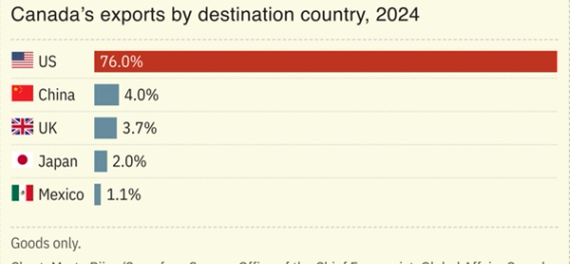
 By Lydia Havens
 Grammarly and QuillBot are widely used in Canadian universities because they integrate directly with browsers and word processors. Imagine a student finishing a late-night essay: the checker identifies missing commas, suggests smoother phrasing, and confirms that cited material is paraphrased correctly. The result is a document that communicates ideas more clearly and avoids academic integrity issues.
 Google Drive, Dropbox, and OneDrive dominate this space. Consider a business student collaborating on a marketing plan: one teammate can upload visuals, another can draft financials, and a third can refine the text — all in the same shared folder. Because files update in real time, the group avoids duplicate versions and last-minute confusion. This reliability makes cloud storage one of the most indispensable study tools today.


 By Gazette Staff
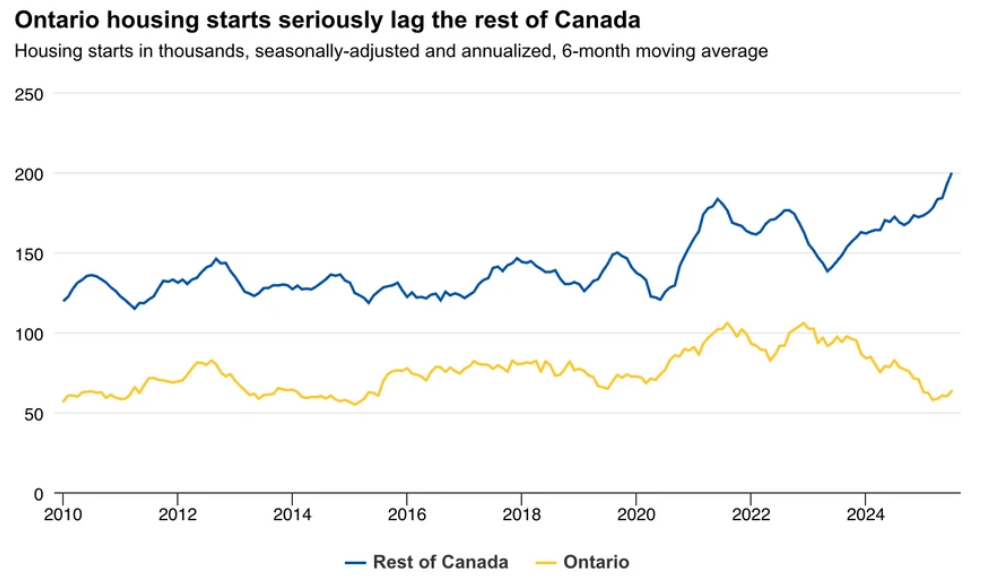
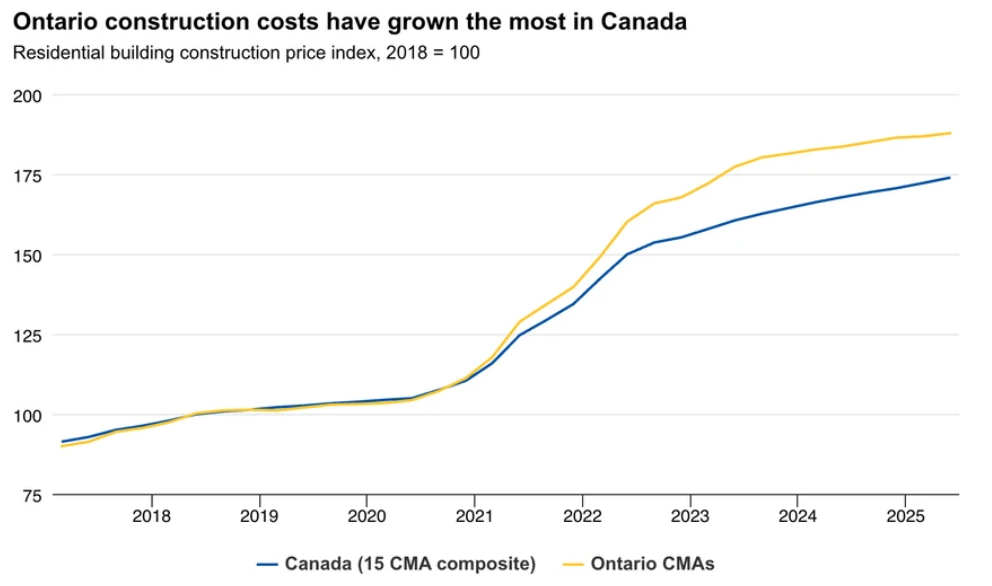
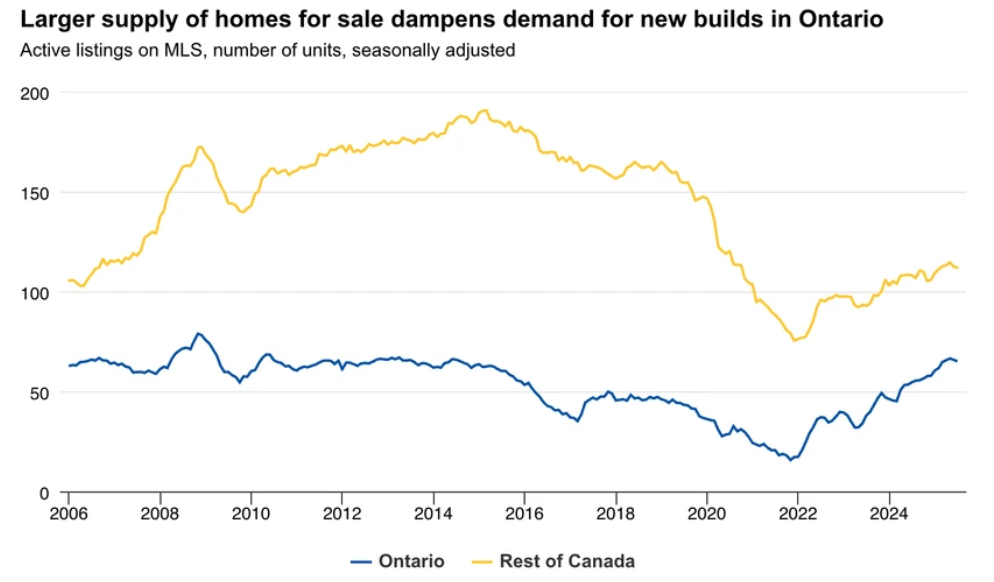
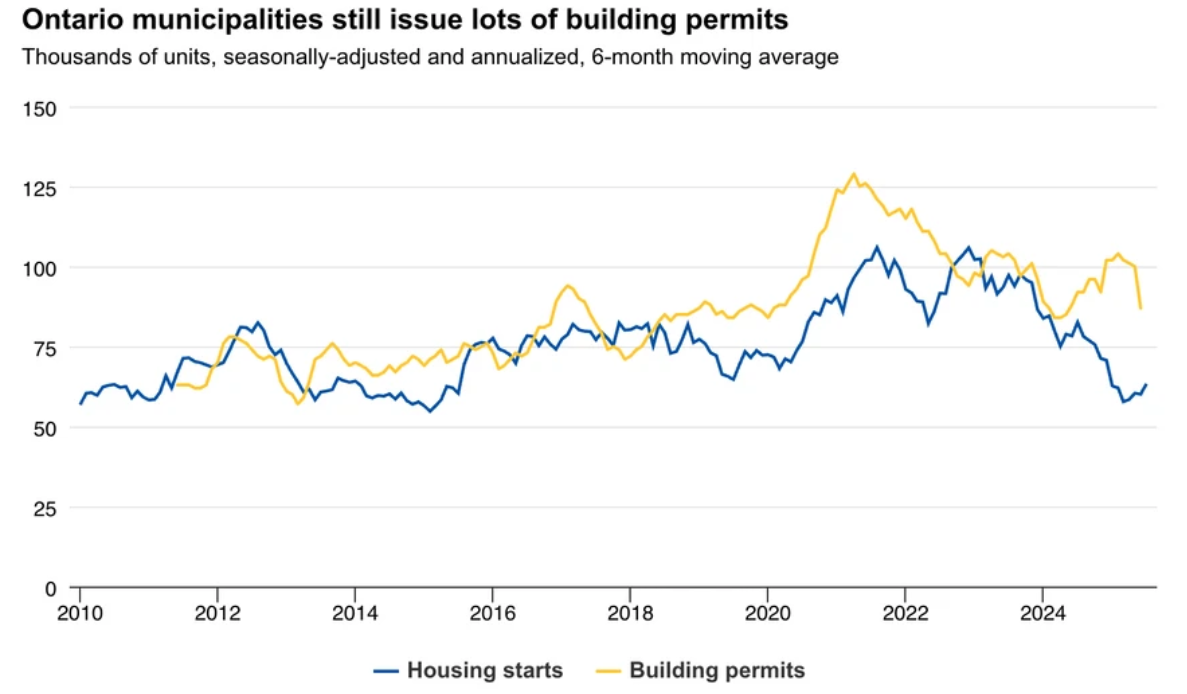










 By Tom Parkin




 They are currently recruiting new members for our Board of Directors and Board Committees. Seeking candidates who bring expertise in areas such as:

 The report, Built for Good, identifies what it would take to transform Ontario’s housing system, with ten, five and two-year targets, and investment estimates grounded in reality. For example, a $16.7 billion investment over two years would jumpstart a province-wide affordable housing strategy, led by the co-op and non-profit housing providers whose mission is long-term affordability for low- and moderate- and middle-income households. n On par with other major infrastructure commitments, the investment would create stable homes for thousands while generating jobs and economic activity across the province and relieving pressure on public systems like healthcare and emergency shelters.
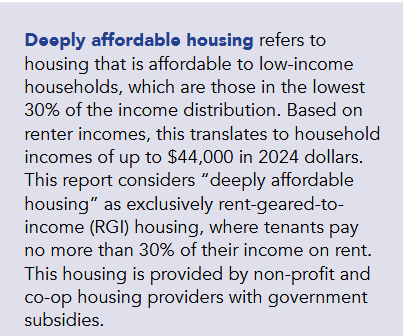 Built for Good’s two-year plan would:
 By Jeannie Løjstrup
 By Pepper Parr




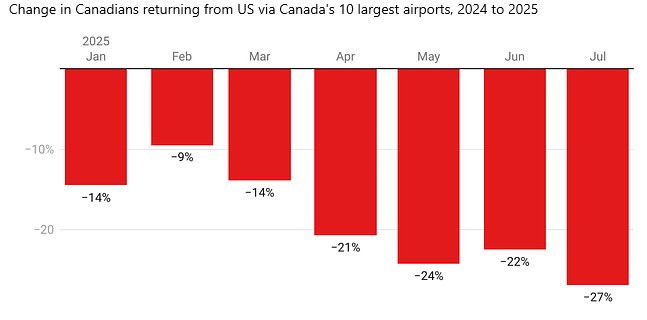
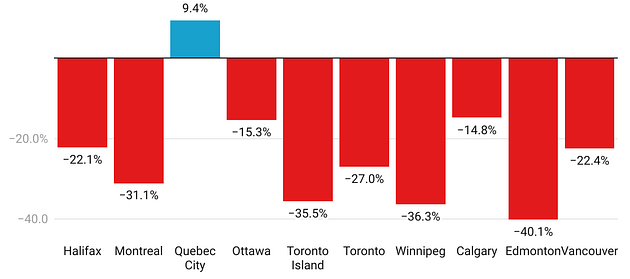


 By Tom Parkin