By Mark Gillies By Mark Gillies
January 15, 2015
BURLINGTON, ON
Burlington is using the month of August to celebrate local history. Sometime ago the Gazette published a series of articles by Mark Gillies, a lifelong Burlingtonian. It is appropriate to re-publish the stories about the people who built this city. This is part two of the Spencer Smith story.
Spencer Smith got to Canada as part of the immigration of British children into Canada and Australia. The children were shipped from England by well meaning people but there were some horrific abuses and I believe it is necessary to expand the Spencer Smith story and learn more about how these boys who, without their consent became indentured servants. They were referred to as “Home Children”.
The poem Spencer Smith wrote, it was included in part 1, aches with the longings of a man who missed so much of a natural childhood.
 Home children on a dock in St. John NB – waiting for trains to take them east. The concept of Home Children started with honourable intentions; with good people trying to salvage young children from a parent-less home, or incredible poverty. Relocate them to a better life in Canada or Australia, that’s all they had to do. What’s the problem with that?
What made the idea work, was that farmers in Canada and Australia faced a severe labour shortage. They had recently immigrated themselves from Europe, cleared their fields, and grew their crops. Only problem was, who was going to do the harvesting, tend to the fields, feed the animals, and everything else that farmers do in this difficult labour intensive profession?
They didn’t have anybody to help. Governments were perplexed as well; those in Canada and Australia were more than happy to bring in immigrants to open up land and create farms. Sometimes they even gave them free land and supplies, but governments overlooked one part of the equation. Who is going work these large farms? They desperately needed a solution, and quickly.
 No doubt about it, everyone at the time believed this was a “WIN-WIN” situation. Spencer Smith’s story was a perfect example of one that seemed to have a happy ending. No doubt about it, everyone at the time believed this was a “WIN-WIN” situation. Spencer Smith’s story was a perfect example of one that seemed to have a happy ending.
Featherstone Martindale & Spencer Smith.
Spencer Smith’s sponsor was Featherstone Martindale from Caledonia. If you have ever been to Caledonia, it seems that about every third person you meet has the last name Martindale. They are a fantastic local family and they show up everywhere in Caledonia. Featherstone was born in 1848 in Haldimand County. Featherstone must not have been impressed by his first name, because he always went by the name Fred. He was a good honest man and a hardworking farmer who desperately needed help on his farm. Fred over the years became a father of 8 children and had married 3 times.
The Farmer’s Wife in Spencer’s Poem
In Spencer’s poem, he speaks of the farmer’s wife who influenced him. Spencer was referring to Eliza Mary Shult, who was Fred’s second wife. His first wife Eliza Jane Anderson died in 1881 after giving birth to a daughter named Ann. Fred married Eliza Mary Shult on January 8, 1883, and the new couple proceeded to have 7 children, the first born was Frederick who died in early 1884. Then another son named Featherstone was born in late 1884, and another 5 children were born between 1886 and 1895. In 2 quick years from 1883 to 1885 Eliza had married, and brought along her own small son named Wilfred McBride who was 5 years old from her previous marriage, when her first husband John McBride died from tuberculosis in 1879.
Spencer arrived on the farm May 21st, 1885 when Eliza Mary was just 28 years old. She was quite a busy young lady herself by the time he stepped down from the carriage. This young lady seems quite remarkable to me, since she still had some extra maternal time to still dote on young Spencer, something that helped shape his life.
 Eliza Mary Shult, the second wife of Featherstone Martindale had a huge influence on Spencer Smith, and he fondly recalls about her in his poem written in 1911. I’m sure old Fred would be quite crusty at times, and probably scared the lads half to death many more times, but Spencer’s poem has a softer edge to it, especially towards Eliza Mary. Eliza Mary died in 1895 from complications of the birth with her last child George Martindale. By this time, young Spencer had already left the Martindale farm. If Spencer actually stayed the full 3 years until he was 18, his servitude would come to an end in January 1888. After the death of Eliza Mary, Fred married a spinster named Margaret Anna Peart in 1907.
The Peart family in Caledonia, which is very large in number, just like the Martindale’s is somehow linked to the Peart family in Burlington, my guess is they are probably cousins. It’s only speculation, but the Jacob Peart farm in Burlington is on the land now occupied by Fortinos, Sears and Ikea, so maybe there was a connection for Spencer Smith to come to Burlington, especially if it was initiated through the Peart families in Caledonia and Burlington. The Peart farm was located directly across Plains Road from the Bell homestead. We’ll never know for sure, but we can at least think about it.
Spencer Smith was quite fortunate and did not face some of the severe hardships that other Home Children experienced. Far too many faced a certain hell of an existence.
The Truth about the British Home Children in Canada
Here’s what really happened to most of the British Home Children.
 This became an economic issue more than anything else. It was strictly a case of supply and demand. Most of these organizations were faced with a huge demand. They had great difficulty in meeting the demand by farmers and governments in Canada and Australia. It was stated at one time that there were 10 applications for every child. So what were they going to do? The answer was simple. Start rounding up any child who potentially was wayward and lived in the area that was to be scoured for recruits. Overly simplified, absolutely, but not by much. This became an economic issue more than anything else. It was strictly a case of supply and demand. Most of these organizations were faced with a huge demand. They had great difficulty in meeting the demand by farmers and governments in Canada and Australia. It was stated at one time that there were 10 applications for every child. So what were they going to do? The answer was simple. Start rounding up any child who potentially was wayward and lived in the area that was to be scoured for recruits. Overly simplified, absolutely, but not by much.
The fact remains, that the original concept was for orphaned children. The reality was that only 2% were orphans. The rest were children in the wrong place at the wrong time. It’s true that during these times some parents had great economic problems, perhaps they were unemployed or seriously ill, and they had no choice but to hand over their children to a workhouse, or some other care facility until they could get back on their feet and then bring their children home. The truth is, these organizations to help meet the demand, decided to ship them overseas without their parents’ consent. Most of these children had no idea what was happening to them. The parents did not know either. The children never realized that they would never see their family again.
 Dr. Thomas Barnardo was a very controversial character, and was responsible for exporting thousands and thousands of British children out of England and relocating them mainly in Australia and Canada. Here he is in 1905 leading the Founder’s Day Parade shortly before his death that same year. The largest organization was run under the management of its controversial founder Dr. Thomas Barnardo. He somehow convinced the Canadian and Australian Governments to take these children. Once that was established, then other organizations like the Shaftesbury Homes, the Salvation Army, churches, and others also jumped on the bandwagon. Probably, none of these add on organizations realized that down the road, this program was going to spiral way out of control, and thousands and thousands of small children were going to be totally exploited in this moneymaking scheme to supply cheap child labour to Canadian and Australian farmers. You can dress it up any way you want, citing testimonial cases that turned out good, reminding people that they were paid a small amount, some orphans were adopted by loving families, but in my opinion, the bare bones reality was: Canada, Australia and England were totally involved in a repulsive child slavery program.
Whatever happened to the other 32 boys who made the trip to Hamilton?
When I researched for information on the other 32 boys that made the trip to Canada with Spencer Smith, only about 2 boys continued to surface on available records. The Flamborough Historical Society has documented one of these Home Children. That boy went on to marriage, become a father and worked as a market garden farmer in Aldershot. He turned out okay.
Spencer Smith turned out okay. The others, they completely disappeared. We know some could have been adopted and had their surnames changed. As an outsider, it is basically impossible to track them. We already know that conditions for some children were so severe that they continually ran away from the farms they were working on, and many were beaten to a pulp when they were caught and returned. We know with documentation as proof that over two thirds of all the British Home children were beaten severely. We know that many of these children were not allowed to become part of the family that was caring for them.  They were forced to live in exclusion on the farmer’s property, and not interact with the farmer’s own children or have any friends of their own. They were not loved or nurtured in any way. We know that they were constantly tormented and bullied by other children at local schools, and even adults participated in this human degradation of these children. We know that many just eventually disappeared. Where you ask? They were forced to live in exclusion on the farmer’s property, and not interact with the farmer’s own children or have any friends of their own. They were not loved or nurtured in any way. We know that they were constantly tormented and bullied by other children at local schools, and even adults participated in this human degradation of these children. We know that many just eventually disappeared. Where you ask?
My guess is some were probably murdered when they were beaten so severely by the farmers, and when authorities came around they just claimed that they ran away. Some children because of horrific living conditions probably became so ill, that they died on the farm, and were quietly buried on the property so as not to draw any suspicion. Others may have committed suicide, and became nothing more than John or Jane Does stashed away in a local morgue, waiting for no one to identify them. Whatever the reason, they’re gone, and we don’t know have explanations. Have a look at this story that appeared in the Saskatoon Star-Phoenix newspaper on April 23, 1930 about a young British Home Child boy named Arthur Godsall who was savagely beaten on a farm in Campbellford by farmer William Albert Hay, age 37.
 Albert had just arrived from England with many other British Home children and they all disembarked at Halifax from the ship Albertic on March 17, 1930. Albert had just arrived from England with many other British Home children and they all disembarked at Halifax from the ship Albertic on March 17, 1930.
Albert made his way to the Hay’s farm in Campbellford, and less than a month after he arrived he endured this beating and was finally rescued. That’s just one tragic story, there were thousands of stories just like this. One boy was forced to live outside in the dog house with the farm dog. The farmer fed the dog table scraps, and if the dog was full and if by chance there was any dog food left over, it was for the boy to scavenge. Not to mention that this same farmer viciously beat the boy almost daily. Eventually, he was removed from the farm, and as far as I know this farmer did not face any charges. This is unbelievable, but true. This happened in Canada. If you do some basic internet research, you will find these stories and many more.
What’s really disturbing is just how low profile this tragic event in human history was, and just how little we know of it now. But, it is becoming more widely known, and just recently as victims have finally come forward. In Australia for example, the Australian Government were finally brought to their knees by a public outcry after the public learned the truth from these victims, and the government brought forth an apology for their involvement in this hair-brained scheme. Also, the British Government were totally embarrassed by previous governments’ involvement in this tragic situation also came forth with an apology offered by then Prime Minister Gordon Brown. And what about the Canadian Government?
 Where do we stand? Sadly, and unfortunately, the Canadian Government has essentially taken the position that this isn’t really a big deal, and no apology is warranted or forthcoming, even though they backed and encouraged this form of child slavery and abuse under the guise of helping disadvantaged children. Personally, I think that Jason Kenney the Cabinet Minister responsible for these remarks was not that well informed on the situation when confronted with the apology question, and consequently brushed it off as unimportant. I encourage you to contact Burlington’s local Federal Member of Parliament, Mr. Mike Wallace, who is a very decent man, and please voice your concern. I would like to think that Mike can champion this cause and help us get this apology from the Canadian Government. It’s long overdue, and it’s the right thing to do. Where do we stand? Sadly, and unfortunately, the Canadian Government has essentially taken the position that this isn’t really a big deal, and no apology is warranted or forthcoming, even though they backed and encouraged this form of child slavery and abuse under the guise of helping disadvantaged children. Personally, I think that Jason Kenney the Cabinet Minister responsible for these remarks was not that well informed on the situation when confronted with the apology question, and consequently brushed it off as unimportant. I encourage you to contact Burlington’s local Federal Member of Parliament, Mr. Mike Wallace, who is a very decent man, and please voice your concern. I would like to think that Mike can champion this cause and help us get this apology from the Canadian Government. It’s long overdue, and it’s the right thing to do.
Here’s how to reach Mike Wallace, Member of Parliament: Burlington Mall Office, 777 Guelph Line, Suite 209, Burlington, Ont. L7R 3N2. T: 905-639-5757 or F: 905-639-6031
House of Commons, East Block, Suite: 115, Ottawa, Ontario, K1A 0A6
T: (613) 995-0881; F: (613) 995-1091 or email, mike.wallace@parl.gc.ca
There is an incredible website on the British Home Children. https://canadianbritishhomechildren.weebly.com/
It tells the whole story of the plight of these exploited children. It will break your heart to read and watch some of the videos made by former Home Children, these men and women who are now elderly, who have finally broken their silence to tell the real story of what happened to them. The website also has a form that can be signed. It is a petition to persuade the Canadian Government to offer an apology to these unfortunate people, many still alive in Canada, and still suffering mental anguish.
Add the website to your “Favourites”. It is quite large and takes a fair bit of time to go through it properly, so you will likely have to go back several times. The website also is constantly updated with more unbelievable stories about this shameful part of our Canadian past.

By Ray Rivers
August 10th, 2025
BURLINGTON, ON

This is a story of passion and valour; a story of small victory and great losses, and the story of civilians turned combatants in a time of need.
In 1812 over 200 American troops crossed the international border from Fort Detroit to invade Canada. A bridge in their path near Windsor Ontario was defended only by two British soldiers
– and this is their story.
Canada is not the only nation with a bullying neighbour. The history of Ukraine is a story of invasions and occupations spanning hundreds of years. Ukraine had over 16,000 bridges when the
war started and they became one of the best weapons of defence for the nation under attack.
When the Russians came it became the duty of all Ukrainian men and women to fight for the freedom of their nation. They were joined in this struggle by some of the millions of diaspora living
in other places around the globe, including Canada.
Their story is just another of the many that have characterized Ukraine’s struggle for survival from becoming another just Russia oblast – its 51st state.
Editor’s note: Ray Rivers is the Director ofd the play and also the author of the script. He plays a part as well.
Tickets:
By Mark Gillies
January 12, 2015
BURLINGTON, ON
Burlington is using the month of August to celebrate local history. Sometime ago the Gazette published a series of articles by Mark Gillies, a lifelong Burlingtonian. It is appropriate to re-publish the stories about the people who built this city. Today we retell the story about the man the lake side park is named after – Spencer Smith.
 Here is Spencer Smith Park as it looks today; a park enjoyed by thousands of residents annually, all thanks to the vision of a single man. . One of the most recognized names in Burlington is Spencer Smith. We have named Burlington’s most scenic park in his honour. Spencer Smith Park, located on the shores of Lake Ontario, is used for many events that attract thousands of visitors annually.
We know the park; we really don’t know who Spencer Smith was, and just what it was that made him so significant to Burlington?
 Spencer and Edith Smith a happy couple who enjoyed living and working in Burlington. If you read last week’s column on Edith Hodge, one of Burlington’s earliest settlers, you would have discovered that Spencer Smith was Edith’s son-in-law. Spencer married Edith and William Bell’s youngest daughter Edith Bell.
The Spencer Smith Story
Just how did Spencer Smith end up in Burlington, where did he come from, and what did he accomplish that made his name a Burlington household word?
 Spencer Smith was born at 7 Mount Street. This illustration shows what housing looked like on Mount Street around the time of Spencer’s birth in 1870. Spencer George Smith was born on January 18, 1870 at 7 Mount Street in Bethnal Green, East London, England to George Spencer Smith 26, and Mary Ann Mears 24. Spencer was the youngest of three children. He had two older sisters, Mary Ann who was born in 1866 and Sarah born in 1868. Spencer’s father worked as a labourer at a local wharf on the Thames River. Mary Ann was also employed, and most likely worked at or near the wharf and was responsible for folding the sails for ships, or as it was referred to in 1870, she was a furl server. Their residence may have been a tri-plex, as two other families lived at the same address. Edward Dwyer, a bricklayer and his wife Isabella, a tailoress, and their 4 children; plus George Scales, a cooper, and his wife Sarah and their 3 children all lived at 7 Mount Street.
Life in Bethnal Green during the 19th Century
Bethnal Green was a very poor neighbourhood, often referred to as a slum area. It was rundown, disease ridden, rat infested, everyone was exposed to raw sewage, the neighbourhood had a gut wrenching bad smell to it, and it was full of sickness, drug addicts, prostitutes, and uncontrollable crime. Bethnal Green was not the best place to raise your family. Bethnal Green was not unlike many other urban communities in England at that time. 
The Industrial Revolution had driven many people from their agricultural backgrounds into the towns and cities looking for work. These areas quickly became overcrowded, and living conditions seriously declined. Times were very bad.
For reasons that we do not know something happened to the Smith family. They basically vanished from the census records for 1880 and everything afterwards.
Death records have not been located proving conclusively that Spencer’s parents or sisters died, or moved elsewhere. Some have claimed that Mary became a widow, and that she had no choice but to give up her children, but this is just hearsay. It could be true. The only person we conclusively know about is Spencer Smith.
For whatever reason, perhaps to escape an imminent transfer to the local workhouse, which was a hideous institution located just down the street at 103 Mount Street. It was a derelict building having been in existence for over 120 year. Perhaps Spencer was to be turned over to an orphanage, we just do not know, but life for Spencer definitely changed. Did you know that workhouses were often the last destination for families that could no longer support their children, and parents were forced to turn them over to the authorities? Even orphanages were overcrowded and poorly run. Many parents died from disease, starvation, alcoholism, murder, suicide, or work related injuries. They left their children destitute, and there was no other recourse, but for these little people to end up in any one of these deplorable institutions.
 Spencer Smith and 32 other boys were sent to Canada on the SS Corean in May of 1885. This is the actual ship that Spencer made the voyage across the Atlantic Ocean on. Spencer in 1885 at 15 years of age was forced to leave his home and friends, board a steam ship named the SS Corean, along with 32 other boys all about his same age, and set off for Canada. The ship arrived in Montreal on May 14, 1885, and the boys made their way to Hamilton. They travelled on the Grand Trunk Railway, stopping all along the way, including Burlington, and finally on to Hamilton. Who knows, maybe Spencer looked out of the train car window when the boys pulled into the Freeman train station, and thought to himself, “This looks like a nice place. Maybe one day I will live here. Where am I anyway?”
Spencer and the other boys were sent by the Shaftesbury Homes organization based out of London, England. This organization and many others were operating in England, taking on the responsibility of relocating disadvantaged youth to Canada, and also Australia. The largest organization was run by Dr. Thomas Barnardo. It has been written that Spencer Smith was a “Barnardo Boy”, but that information is incorrect. This was a common error made by most people when they referred to the “British Home Children” shipped to Canada. The Barnardo organization was much larger than the other British organizations, the name ended up as generic terminology and just about all were referred to as Barnardo children regardless of the organization that sent them over.
It was believed at this time some British children would have a better life if they were removed from their local environment in their overcrowded communities and sent to Canada and Australia to live and work on farms. The concept was developed mainly for orphans, but over time this evolved into destitute children becoming included as well.
 When Spencer arrived by train destined for Hamilton, he disembarked at this Grand Trunk Railway Station located along the southern shores of Burlington Bay. When the Grand Trunk Railway train arrived in Hamilton, the Shaftesbury boys were sent to live temporarily at a location called a “Receiving Home”.
In Hamilton it was called, “The National Children’s Home & Orphanage” which opened in 1884. This home was located on Main Street, in the east end of Hamilton on the grounds of present day Gage Park.
 Spencer and the 32 other boys were sent to this “Receiving Home”. It was called the “National Children’s Home & Orphanage”, located on the grounds of present day Gage Park. When the boys arrived, farmers in the Niagara area who had sent in an application to be a sponsor for these children were notified that the children had made it to Hamilton, and they were now ready to be picked up and taken to their new home. Not all children were sponsored before they arrived, it depended on the circumstances that brought them to the “Receiving Home”. In some situations children had to wait for someone to come along and claim them. “The National Children’s Home & Orphanage” over time evolved into Canada’s Children’s Aid Society. Shaftesbury Homes in London, at a later date, became the cornerstone of the London Children’s Aid Society.
 Featherstone Martindale was the farmer from Caledonia who sponsored Spencer Smith taking him back to his farm to begin work as an indentured farm labourer. For Spencer Smith, a farmer named Featherstone Martindale from Caledonia was coming to pick up him and probably a couple more boys too. We know that other boys also went to Caledonia to work on the Martindale farm, but we do not know how many. Most likely it was no more than 2 more boys. They met, and all got to know each other a bit better, and eventually Featherstone, the other boys, and Spencer left “The National Children’s Home & Orphanage”.
 Before the Hamilton Street Railway streetcars became electrified, they were horse drawn. Featherstone Martindale and Spencer Smith and the other boys made their way to the King Street train station on a streetcar just like this one, for the train trip to Caledonia. The group travelled west along King Street in Hamilton on a horse drawn Hamilton Street Railway streetcar to the King Street train station at Ferguson Avenue, embarked on to the train and made the trip to Caledonia. That day was Thursday, May 21, 1885. When they arrived at the Caledonia station, Featherstone, the other boys, and Spencer travelled again for 6 miles, this time in the Martindale’s fancy carriage and on out to the Martindale farm in rural Caledonia.
 The farms along Maple Avenue provided the country with some of the most fantastic fruit grown anywhere in the world. If you look closely on this map, you can see the Lindley farm where Spencer worked, and also in the lower left corner you can see the William Bell homestead where he worked following his employment with the Lindley family. Spencer Smith’s new Canadian life was about to get underway.
The usual arrangement was to keep a British child on the farm, as indentured servants until they became 18 years of age. These children were to be paid a small wage, fed, clothed, schooled and provide room and board. According to Spencer, he agreed to stay at the Martindale farm for one year. This could be true, or not. We’re not certain if Spencer stayed with the Martindale’s for up to 3 years, or if he went to another farm. We do know that Spencer in 1889 was working as a farm labourer on the Lindley farm in Burlington when he was 19 years old. The Lindley family operated a very successful orchard farm on Maple Avenue. It was located just north of Water Street, now called Lakeshore Road, and it ran north up to about the south side of Mapleview Mall.
The Lindley’s were smart farmers and during the Great Depression, just to stay in business, negotiated a deal with Dominion Stores and supplied the grocery store chain with produce, an agreement so good that it lasted for over 40 years. For many years, the Lindleys and other local farmers hauled their crops by wagon up to the Freeman Train Station, and loaded up the boxcars with their products for transport to markets across Ontario, Canada, England, and even South Africa. The Freeman Station (now under restoration on Fairview Street and in need of more private funding) was the focal point of Burlington’s emerging agricultural market. It was Burlington’s “Window to the World”.
 Here’s the Bell Homestead where Spencer Smith worked and met his future wife, Edith Bell. The homestead is still here today, although it looks somewhat different. You could call it, “The Home of the Strawberry Social”. One day, Spencer Smith left the Lindley family farm and moved up Maple Avenue to the William & Edith Bell farm located at the southwest corner of Plains Road and Maple Avenue, and he began working as a farm labourer for the Bell family. It was here at the Bell homestead that Spencer Smith met Edith Bell, the youngest daughter of William and Edith Bell. Spencer courted the farmer’s daughter, and before you knew it, they were engaged and then the young couple married on May 9 1900.
At that time, Maple Avenue went north and more westerly emerging at the Union Burial Ground, the historic pioneer cemetery located in front of the Sears, Fortinos & Ikea stores. It has been reported that Spencer Smith went to work on a farm in Penetang. Again, this is hearsay, and not proven. It is possible, but if Spencer did work on a farm in that area, it would have most likely been after his servitude was completed at the Martindale farm, and before he began work on the Lindley farm by 1889, or Spencer may have left the Lindley farm, went to Penetang and returned to begin working with the Bell family. We’re not certain.
 These two young ladies are standing outside Spencer Smith’s green grocery store on Brant Street, just north of Pine Street. The young lass on the right just may be holding a candy stick that was given to her by Spencer Smith. This rare photograph taken around 1914 shows the last part of the name Spencer Smith on the awning’s edge. Many thanks to local genealogist Russell Hunsperger for digging up this picture from his family’s photo archives. Spencer eventually became a green grocer, and opened a store in Toronto, but this did not last long and the couple returned to Burlington, where Spencer opened another green grocer store. This time it was on Brant Street, just 4 doors north of Pine Street, on the east side.
 Spencer Smith’s grocery store attracted pleasure boat shoppers just like these passengers on the boat “Alfie” which set out from a dock in Dundas. The store was very successful, and eventually Spencer and Edith became quite affluent. Spencer Smith was a clever marketing man. Whenever children came into his store, they were treated with candy. There were other grocery store competitors in town, but Spencer usually won the day over the other stores. When the children in the neighbourhood persuaded their parents to go shop at Mr. Smith’s store, the parents usually agreed, not quite realizing why the children were so insistent. The other grocers in town probably couldn’t figure out why Spencer Smith’s store continually had so many customers. Spencer and Edith Smith were very good at business, and skilled as retailing entrepreneurs.
In fact, the store was so popular, that passengers travelling on recreational pleasure boats from Hamilton, Dundas, Grimsby, Bronte, Oakville, and other local towns often docked at the wharf located at the foot of Brant Street, just to shop at Spencer Smith’s store. Today, we call this shopping at “Destination stores”.
Spencer was a member of the Burlington Horticultural Society for 36 years, from 1919 up until he died in 1955, where he served as the Society’s President from 1931 – 1936. Other well-known local names served as President when the Society was started for a second time in 1919. The first President was Rev. George W. Tebbs, Rector of St. Luke’s Anglican Church who served in 1919-1920. William Arthur Emory, was Spencer’s brother-in-law and he served in 1925-1926. Paul Fisher served in 1921.
The Fisher family owned the orchard farm where Burlington Mall is located. Fred Ghent served in 1922. Richard Jerome “RJ” Alton served in 1949. The first Burlington Horticultural Society actually started in 1889 by the local market gardeners as more of an agricultural group interested in how to better grow market garden products. The second Society focused more on the beautification of Burlington. It was this latter Society that had the Rose selected as Burlington’s official flower, and to this day, area residents compete for the annual Rose Awards in recognition for residents’ beautiful home gardens.
 The Lakeside Park was starting to look more like a park. Over the years it continued to develop into a beautiful scenic park. The canning plant can be seen in the upper left as well as the dock that was at the foot of Brant Street. In 1933, Spencer Smith as President embarked on an ambitious project to beautify the land at the foot of Brant Street in Lakeside Park. During the Great Depression the canning plant employees located next door to the park were on strike, and Spencer utilized the strikers to help clean up the new park. It has been reported that Spencer Smith hired these strikers, but more realistically these were probably just volunteers who were quite bored being on strike. There certainly wasn’t much money available at the time, and Spencer was always looking for free assistance, wherever and whenever he could find it. Spencer himself, devoted countless hours of volunteer labour at the park.
 The new Department of Recreation after 1950 decided to add more fill to the water and expand the size of the park. The breakwater is clearly in place. Harold McGrath owned a local trucking company, and Spencer even enticed Harold to drop off any excess loads of rock or topsoil at the park, also probably done at no cost. Spencer had a clear vision for this park, and he was bound and determined to make it happen. The spectacular willow trees growing in Spencer Smith Park are not there by accident. Dorothy Angus the town’s librarian and friend to Spencer, lived on Ontario Street and had willow trees growing on her property. Spencer carefully removed willow tree cuttings and transplanted them to the park. Today, we can see the results of this undertaking. The park was an ongoing project for many years, and in 1942, the Town of Burlington finally recognized Spencer Smith’s accomplishments and named the park “Spencer Park”.
In 1950, the town created a Department of Recreation, and this department took over the management of Spencer Park. One of the first projects undertaken by this new department, was to expand the park with more landfill at the eastern end.
When the Town of Burlington, under the leadership of Mayor Lloyd Berryman, was looking for their own unique Centennial project for 1967, a decision was made that Spencer Park would an ideal choice for an upgrade. The plan was to fill in the entire water area out to the breakwater, and over to the Brant Inn on the far western side, once all of the boats sheltered behind the breakwater were evicted. The Burlington Centennial Committee was created and received the go-ahead for the creation of the new park, and when the park was completed in 1967, they made one very serious error in judgment and attempted to recommend a completely different name for Spencer Park, which was abruptly objected to by The Burlington Horticultural Society and many other concerned local residents who were extremely upset that Burlington’s heritage was once again facing erosion, and quite possibly Spencer Smith’s hard work, commitment, and dedication to his park were about to be permanently removed. The Burlington Centennial Committee reluctantly realized their error, and eventually backed down giving way to a new name, mutually agreed to by everyone on both sides, it was to be called Spencer Smith Park, a name that still stands to this day.
 The great grand niece of Spencer Smith was the former Victoria Emery, and after marriage we knew her as Vicki Gudgeon, a local historian and a past President of the Burlington Historical Society personally knew Spencer Smith very well. Spencer didn’t stop at his park. Many of the streetscape trees growing in downtown Burlington were planted by The Burlington Horticultural Society. Burlington didn’t become so scenic and beautiful by itself. Credit should go to those dedicated members of The Burlington Horticultural Society. The property next to Central School was a seedling centre, and the Society grew new plants there which were eventually transplanted throughout Burlington. Spencer Smith’s great grand niece, Vicki Emery Gudgeon, who served as President of the Burlington Historical Society in 1975 -1976 recalled in an interview on the life of Spencer Smith for The Hamilton Spectator in 1989, that all of the trees planted by Spencer Smith and the Horticultural Society on Brant Street were removed when street lights were installed. Vicki stated back then, “I don’t think it was a fair exchange,” I think we can all agree that street lights on a treeless road are not as beautiful as a tree lined road. Vicki had the pleasure to really know her great grand uncle and described him as, “a very kind gentle man, and a gentleman.” She went on to say, “he looked a bit like Charlie Chaplin, because he had the same kind of moustache.”
 The Strawberry Social was an event that Spencer Smith, his wife Edith, the Bell family, and just about everybody else in Burlington looked forward to every year in town. Here’s Spencer serving up some more treats at the historic Willowbank on King Road. Over the years that Spencer Smith lived in Burlington, things changed, sometimes unexpectantly. Even though Spencer and Edith never had children, they still devoted much of their time to the betterment of Burlington. For example, Spencer and Edith both loved the Strawberry Socials, an event developed by the Bell family, and participated wholeheartedly in making them a rousing annual success in Burlington.
In 1924, after a beautiful 24 year marriage, the blissful happy couple faced a very serious challenge. Edith was not well, and soon became extremely sick. Edith developed pancreatic cancer which eventually spread into her liver, and this lovely, petite, gentle lady died a painful and tragic death on March 21, 1924, in the prime of her life at 54 years of age. The shocked and devastated Spencer buried his beloved Edith in historic Greenwood Cemetery on March 24, 1924. Spencer’s world of new found joy and happiness had ended with pain, and he proceeded to mourn his loss alone, and live a life that seemed to have no purpose.
Spencer continued to operate his grocery store on Brant Street for two more years, he was just putting in time; Then he met a middle aged lady who would become his next wife. She was known as Lillie, but her birth name was Elizabeth Anna Smith. Lillie was born June 7, 1870 in Whitby, Ontario to Thomas Henry Smith and Sarah Smith, a pioneer farm family who lived in the Whitby area for many years. It is not known where and when Spencer met Lillie, but we do know that this was the first marriage for Spencer’s new wife, and it seems a little bit humourous to me that Lillie changed her maiden name from Smith to her new married name Smith. It’s not too often that couples wed each other with the same surname, but it happened here.
Lillie’s new home was to be at 40 Locust Street. I am not certain as to when Spencer purchased this home. We do believe that Spencer and Edith had lived over top of their Brant Street store for a few years.
 This photograph shows the A & P store that replaced Spencer Smith’s store in the same location. The photograph was taken in 1947 before the A & P moved farther north up Brant Street later that same year. The “modern” looking car in the photo is a 1947 Buick. This vehicle establishes the year of the photograph. It has been reported that Spencer Smith retired from work in 1950 when he would have been 80 years of age. I disagree, but I could be wrong. Although, I do not know exactly when he retired, it was most likely when Spencer was around 65 – 70 years of age in 1935 to 1940. I say that because Spencer Smith sold his store to the A&P Food Store company. A&P came to Burlington around that time, and Spencer was ready to call it a day. A&P took over his location and stayed there until they relocated farther north to a new store on Brant Street which opened in 1947. There are no records that we can locate of Spencer working elsewhere after that time, but he did continue to volunteer his time.
 Spencer Smith’s Death Notice appeared in the Burlington Gazette newspaper on November 9, 1955 on page 14, column 3. The town was deeply saddened to hear of the passing of one of Burlington’s greatest citizens.  Spencer Smith, his first wife Edith, and his second wife Lillie are buried in historic Greenwood Cemetery. On November 8, 1955 Spencer Smith peacefully passed away at his residence at 40 Locust Street. He was buried alongside his cherished wife Edith in historic Greenwood Cemetery. The following year in 1956, Lillie, Spencer’s second wife passed away at 85 years of age, and was interred with Spencer and Edith in Greenwood Cemetery.
The full life and times of Spencer Smith was now over, but not forgotten.
Spencer Smith left us with a poem that he composed in 1911. He called it “Reminiscences”. In poetic phrasing Spencer captures some of his memories that changed his life.
Reminiscences
‘Twas six and twenty years ago,
And perhaps a little bit more,
When I, a lad of fifteen years,
Lit on this fair Canadian Shore.
Fate led the way to Hamilton,
And there a man I met,
Who said a likely boy to do the chores
I certainly must get.
I don’t think I looked likely,
For the voyage had been rough,
And leaving home and friends behind,
I felt most mighty tough.
But the farmer thought I’d suit him,
If I’d try and do what’s fair;
So we came to an agreement,
And I hired for a year.
We boarded the train at King Street-
I’ll never forget that day;
It was in the spring of eighty-five,
On the twenty-first of May.
My thoughts were busy all the way,
On the new life I was now to begin;
To me the prospect seemed gloomy,
And my future loomed very dim.
We arrived at Caledonia,
And the farmer’s old bay mare
Soon took us down the river road
To the farm, six miles from there.
The buggy we rode in was classy,
The roads none I’d seen could compare-
We took so much on the wheels as we went
It’s a wonder there’s any there.
My boy courage rose as I entered the house,
And I saw the farmer’s wife.
I’ll never forget her as long as I live;
And bless her all my life.
I had my tea and went to bed,
And slept as sound as a trout.
And the first thing I heard in the morning
Was: “Come, boys, it’s time to get out.”
I put in that day in a hazy way;
For a lonesome boy was I,
And as I drove the cows to the fields
I heaved many a deep, deep sigh.
Each day was filled with surprises,
And, Oh, the mistakes I did make!
Were the things I broke put together
They’d be worth all the wages I’d take.
The farmer was often impatient;
And often discouraged was I,
But one thing that kept up my courage
Was the farmer’s good wife and her pie.
The cows and the horses, the sheep and the pigs,
Were ever a worry and care;
But since I have left them I think of them still,
And in my dreams fancy I’m there.
The lessons I learned on the farm are worth more
To me than mere dollars and cents;
And if I were privileged to start over again,
It’s life on the farm I’d commence.
The farmer’s wife has gone to her rest,
But her influence lives in me still:-
She helped lift the load along life’s rough road,
And save me a start up the hill.

Part two of the Spencer Smith story will be published later this week.
By Millicent Mills
August 8th, 2025
BURLINGTON, ON
Online entertainment in Canada has exploded in recent years, offering an ever-growing range of services from streaming platforms and eSports to online gaming and virtual reality experiences.
While the digital world provides countless entertainment opportunities, it’s essential to navigate it carefully. Not all platforms are equal regarding safety, security, and regulation.
In this guide, we’ll explore the importance of choosing regulated online entertainment platforms, the role of provincial authorities in ensuring safety, and how you can enjoy the digital world with peace of mind.
The Importance of Regulated Online Entertainment
The first thing Canadians should understand when seeking online entertainment is the significance of regulation. Online entertainment can cover various activities: watching movies, playing video games, engaging in competitions, and even playing online games at a Canadian casino platform.
 Choosing regulated services is crucial for protecting your privacy, ensuring secure financial transactions, and providing a safe environment for entertainment. However, some platforms operate under strict regulations, while others do not. Choosing regulated services is crucial for protecting your privacy, ensuring secure financial transactions, and providing a safe environment for entertainment.
Provincial authorities monitor platforms operating within Canada’s regulated framework, ensuring they adhere to guidelines designed to protect users. Regulated platforms must provide secure payment methods, transparent terms and conditions, and responsible usage controls to promote a safe online experience. This is especially vital when it comes to online gambling and gaming, where unregulated sites can put your data, money, and security at risk.
Whether watching your favourite TV show on a streaming platform or participating in an online eSports tournament, knowing the platform is legitimate and follows proper regulatory guidelines gives you peace of mind.
Choosing the Right Platform for Online Entertainment
The first step in finding a trustworthy online entertainment platform in Canada is ensuring it’s regulated. Whether you are interested in online casinos, streaming services, eSports, or even digital art and games, choosing a regulated platform ensures you engage in a legitimate and secure service.
Key Considerations for Choosing a Regulated Platform:
- Licensing: A regulated platform must be licensed by the appropriate authority. For example, in Ontario, platforms must be certified by iGaming Ontario or the Alcohol and Gaming Commission of Ontario (AGCO). In British Columbia, the British Columbia Lottery Corporation (BCLC) oversees PlayNow.com, the province’s only legal online gambling platform. Make sure any platform you choose displays its licensing information clearly, and check if Canadian authorities recognise it.
- Security and Payment Methods: Secure payment methods are a non-negotiable feature of regulated platforms. Platforms should use encryption technologies to safeguard your personal and financial information. Regulated sites will also provide various reliable, secure payment options, making depositing and withdrawing funds easier when necessary.
- Responsible Entertainment Tools: Regulated platforms provide a range of tools to ensure users engage with entertainment responsibly. This includes setting limits on time and money spent, offering self-exclusion options, and implementing age verification measures to prevent minors from accessing the platform. These tools are critical for ensuring that entertainment remains fun and does not lead to problematic behaviour.
- Customer Support: A regulated platform will provide access to responsive and accessible customer service channels, such as live chat, email, or phone. This ensures that you can get help quickly if something goes wrong, such as a technical issue or a problem with a transaction.
How to Recognize Red Flags: Avoiding Unlicensed and Unsafe Platforms
While most regulated platforms are easy to identify, some unregulated or unsafe sites are designed to lure unsuspecting users. Knowing how to spot warning signs can help you avoid platforms that can risk your privacy and finances.
Red Flags to Watch For:
- Lack of Clear Licensing: Unlicensed platforms often won’t display licensing information, or they may claim to have approval from non-reputable or fake regulatory bodies. Always verify a platform’s licensing by checking the relevant authorities’ official websites.
- Unrealistic Promotions: Flashy bonus offers, such as “500% deposit bonuses with zero wagering,” may sound appealing but often come with hidden terms or impossible conditions. If the offer seems too good to be true, it probably is.
- No or Poor Customer Service: A platform that doesn’t offer live chat, phone support, or reliable email communication is a major red flag. You should always be able to contact the platform’s support team quickly and easily.
- Delayed or Blocked Withdrawals: If a platform makes it difficult to access your funds, it’s likely a scam. Legitimate platforms will facilitate withdrawals promptly and without unnecessary complications.
- No Age Verification: A regulated platform will always verify the age of its users to prevent underage access. If this step is skipped, the platform may be unregulated and unsafe.
By avoiding these red flags, you can ensure that you enjoy online entertainment safely, securely, and responsibly.
Provincial Agencies and Their Role in Regulating Online Entertainment
Canada’s provinces each have agencies dedicated to regulating online entertainment. These agencies enforce laws and set standards to ensure platforms adhere to the necessary fairness, security, and player protection guidelines.
Ontario
 In Ontario, iGaming Ontario (iGO) and the Alcohol and Gaming Commission of Ontario (AGCO) regulate and oversee the online gaming sector. iGO partners with private operators to ensure they meet provincial standards, including verifying player identities and enforcing responsible gambling practices. Operators licensed by these agencies must adhere to strict security, fairness, and consumer protection rules. In Ontario, iGaming Ontario (iGO) and the Alcohol and Gaming Commission of Ontario (AGCO) regulate and oversee the online gaming sector. iGO partners with private operators to ensure they meet provincial standards, including verifying player identities and enforcing responsible gambling practices. Operators licensed by these agencies must adhere to strict security, fairness, and consumer protection rules.
AGCO ensures operators maintain compliance with anti-money laundering standards, conduct fair games, and provide transparent financial transactions. Together, these bodies monitor and enforce regulations that ensure a safe and secure online environment for all users.
British Columbia
 In British Columbia, the British Columbia Lottery Corporation (BCLC) oversees PlayNow.com, the province’s only legal online gambling platform. BCLC ensures that PlayNow.com follows strict regulations related to responsible gaming, financial transactions, and player protection. This includes implementing age verification, deposit limits, and self-exclusion tools. In British Columbia, the British Columbia Lottery Corporation (BCLC) oversees PlayNow.com, the province’s only legal online gambling platform. BCLC ensures that PlayNow.com follows strict regulations related to responsible gaming, financial transactions, and player protection. This includes implementing age verification, deposit limits, and self-exclusion tools.
In addition to regulating online gambling, BCLC educates players through programs like GameSense, which promotes responsible gaming and provides resources for those who may need help managing their entertainment habits.
Other Provinces
Other provinces, such as Quebec, Alberta, and Manitoba, also have their regulatory frameworks and platforms monitored by provincial bodies. For example, in Quebec, Loto-Québec operates the regulated online platform EspaceJeux, offering residents a wide range of gaming options. Each province’s regulatory body is dedicated to ensuring that online entertainment is safe, secure, and adheres to national standards.
Conclusion: Stay Smart, Play Safe
Choosing the right online entertainment platform is essential for enjoying a safe and enjoyable digital experience. You prioritize your security, privacy, and peace of mind by opting for regulated and licensed services.
Whether you’re streaming your favourite shows, competing in eSports, or exploring online gaming options, knowing that your platform is legitimate and properly regulated ensures that you protect your information and minimise risks.
Remember to check for licensing, use secure payment methods, and take advantage of responsible gaming tools. If you ever feel unsure about a platform, don’t hesitate to research it thoroughly or choose a more trusted alternative. The digital world offers abundant entertainment—just ensure you enjoy it safely and responsibly.
By Pepper Parr
August 7th, 2025
BURLINGTON, ON
The Burlington Aquatic Devilrays (BAD) said they needed 50 hours of pool time every week when they filed their RFP (Request for Proposal the City issued.
 “It is new pool time we negotiated,” said Calderbank. Kimberly Calderbank, volunteer president of the Devilrays said at the time that her club could get by with 40 hours.
They have 35 hours, which means some programs might have to be dropped.
Registration is taking place and by the end of the week, Calderbank and the team she works with, will have figured out what they are going to be able to do this season and accept what they have to work with for the next four years.
What BAD has been able to do is get time at the Ron Edwards Family YMCA pool, a “game changer” from Calderbank’s perspective. “It is new pool time we negotiated,” said Calderbank.
GHAC – the Golden Horseshoe Aquatic Club has time at every city swimming pool while BAD has time at: Nelson, Centennial, and Angela Coughlan.
GHAC got additional swimming pool time as a result of the RFP they won, through what many people think was a flawed process.
What everyone is waiting for is what does each club have in the way of members registered for the fall programs.
  Is the 80% Burlington resident requirement still in place? And what if GHAC membership does not meet the 80% Burlington residential requirement? Is the 80% Burlington resident requirement still in place? And what if GHAC membership does not meet the 80% Burlington residential requirement?
I don’t think this story is over yet.
What the Gazette would like to see if a fair, independent look at what really happened during the determination of who won the RFP.
The fear many have is that the city will try to sweep everything under the rug.
By Ray Rivers
August 2nd, 2025
BURLINGTON, ON
“Time to grow up! Batten down the hatches and expand to new markets. Trade east west. Remove restrictions in our own country…Refine our own oil! Buy nothing from USA. Thank you Trump for a new tomorrow!” (Mississauga Mayor Carolyn Parrish)
There are a number of Canadians still in denial, including Premiers Ford and Moe and federal Conservative leader Poilievre They think that Mr. Trump will relent and drop the tariffs he’s introduced, and we’ll get back to business as per 2024. They believe they can change Mr. Trump’s mind by bending a knee, like Mexico’s president has done, or playing hard ball with punitive counter-tariffs to hurt American consumers.
Mayor Parrish clearly doesn’t see it that way. Trump is not going to change. He’s been talking tariffs for decades and with a compliant Congress and subservient Supreme Court – he does whatever he wants. Besides, he’s convinced that America’s economy is booming thanks to those tariffs. So, unless we are prepared to accept the deal he dictates, confronting or appeasing him is pretty much a humiliating waste of breath.
 We have already paid a high price for thinking we can trust America as a reliable economic partner. Mulroney’s experiment on North American economic integration is over. Canada’s future lies in our own hands, not across the border. We should never have let down our guard and trusted the elephant next door the way we did. We have already paid a high price for thinking we can trust America as a reliable economic partner.
A 2001 study by the National Bureau of Economic Research in Cambridge, Mass.,found that jobs fell by 15 percent, from 1989 to 1996, within Canadian industries affected by the biggest tariff cuts. And during that same time, imports from the United States of products previously blocked by high tariffs soared by 70 percent. The Americans were the real beneficiaries of Mulroney’s deal.
There is no question that there will be some dislocation in a higher tariff trading future, particularly for those engaged in lumbering, raw metals, autos and possibly agriculture. But Mayor Parrish insists that Trump has done us Canadians a favour in the long run by forcing us to look after ourselves.
If I read the mayor right, when CUSMA/USMCA expires next year we should just let it lapse. Trump is unlikely to renew it in any case, given his present state of mind. In the meantime, it has thankfully provided a cushion from the shock of the inevitable. But that agreement probably will be gone come mid 2026. So Canada’s future rests on using many of the tools of the past; for example, stricter Canadian broadcast content rules; greater control over foreign investment; and more of the kinds of moderate and reasonable protectionist tariffs Mr Carney has introduced for the steel sector.
 Donald Trump: A more global response might have tempered the power crazy old fellow. It is unfortunate that only Canada and China appear to have confronted the Donald with counter-tariffs, over his tariff escapade, while other nations have just put up their hands and capitulated. A more global response might have tempered the power crazy old fellow, particularly since some of these tariffs have little to do with trading per se.
Good examples of this include: Trump imposing a 50% blanket tariff on Brazil, a nation where America has a large and growing trade surplus, to punish them for prosecuting the insurrectionist former president for plotting a coup. Also, Trump levied a slightly lower fentanyl-related tariff on Mexico than Canada. Yet it is the Mexican border, not the Canadian one, where Americans get almost all of their fentanyl. But when did facts ever matter to this president?
 Ray Rivers, a Gazette Contributing Editor, writes regularly applying his more than 25 years as a federal bureaucrat to his thinking. Rivers was once a candidate for provincial office in Burlington. He was the founder of the Burlington citizen committee on sustainability at a time when climate warming was a hotly debated subject. Ray has a post graduate degree in economics that he earned at the University of Ottawa. Tweet @rayzrivers Ray Rivers, a Gazette Contributing Editor, writes regularly applying his more than 25 years as a federal bureaucrat to his thinking. Rivers was once a candidate for provincial office in Burlington. He was the founder of the Burlington citizen committee on sustainability at a time when climate warming was a hotly debated subject. Ray has a post graduate degree in economics that he earned at the University of Ottawa. Tweet @rayzrivers
Background links:
Parrish – Mulroney – Canada’s Tariffs
By Pepper Parr
July 30, 2025
BURLINGTON, ON
There is an organization that spends all its time educating the people of Ontario about the government’s failures in the public health sector. It is The Ontario Health Coalition (OHC) , a network of more than 500 grassroots community organizations representing virtually all areas of Ontario.
 The Coalition has begun to make a difference. They have been working for a number of years on a massive community outreach. They found that their efforts a couple of years ago to reach more than a million people with leaflets made a very significant difference. They explained why privatization is the destruction of our public health care and highlighted what the Ford government is doing. It took literally thousands of volunteers across the province to make this happen and you can see the results in the polls.
All across Canada, people oppose health care privatization but in Ontario the polls show that the support for public health care and opposition to its privatization are the highest in the country – by a significant margin. This is our collective effort and it is the most powerful bulwark against the erosion of our public health care that we can levy.
During the past year the OHC challenged themselves to set a goal of reaching two million Ontarians directly with leaflets opposing health care privatization. They managed to reach more than 900,000 last spring and more than 140,000 during the election period. They are continuing this effort by launching a petition campaign this summer calling on the Government of Canada to uphold and enforce the Canada Health Act and to stop the Ford government from violating it in the private clinics.
 In the fall, they will issue a new leaflet with a goal of reaching every doctor, nurse, health professional and health care worker in Ontario. We will also have one for the general public. We know that the more people understand what is happening, the more they support the fightback. In the fall, they will issue a new leaflet with a goal of reaching every doctor, nurse, health professional and health care worker in Ontario. We will also have one for the general public. We know that the more people understand what is happening, the more they support the fightback.
As you know, this has been a tough government. They do what they can get away with. It is our job to create a political context such that it is impossible for them to dismantle and privatize our public health care. Now, with a new term and a majority government, that task is much more difficult. However, nothing is impossible.
The OHC held a Day of Action at the Legislature in May for those communities with small and rural hospitals at risk and demanded the government stop the closures of emergency departments and vital hospital service closures. We had more than 150 people filedl the Public Galleries at the Legislature, held meetings with politicians and joined a press conference. The Minister of Health was forced to answer non-stop questions in the Legislature, demanding that she take action on this issue.
 The people of Ontario want to keep their public health care system – they need some help. In June we got a major front-page media story in the Toronto Star featuring patients who have been extra-billed in private clinics illegally. We followed this with formal complaints from 50 patients, complete with receipts and proof of payment, to the federal and provincial government to get them to enforce the Canada Health Act in Ontario. We called on the Ontario government to reimburse patients charged for medically necessary services at the private clinics and we called on the federal government to uphold the Canada Health Act and enforce it against the Ford government. We will be following up on that work in the fall.
This is just a sample of what the OHC has done and will continue to do to ensure that this government is held accountable and feels the pressure to improve their record.
They are now asking people to consider making an automatic donation monthly. It doesn’t have to be a lot, everything makes a big difference. The OHC can only do what they can afford to do and that depends entirely on donations and memberships.
This is where you give your financial support;
By Tom Parkin
July 29th, 2025
BURLINGTON, ON
Canadian car travel from United States into BC, Quebec and New Brunswick more than 40 per cent down but a lot less in Ontario, Alberta and Saskatchewan.
The number of Canadian-plated cars crossing into Canada from the United States is down everywhere, but not evenly, according to data from Statistics Canada released July 23.
The largest drop has been in BC where Canadian-plated cars crossing into Canada was down 45 per cent between May 2024 and May 2025, falling from 390,320 to 230,795 crossings.
The smallest drop has been at Ontario border crossings, where 26 per cent fewer Canadian-plated vehicles crossing into Canada in May 2025 than May 2024, falling from with 919,454 to 728,685 crossings.
Canadian-plated cars crossing into Quebec and New Brunswick, both declined 42 per cent. Crossings at Manitoba border points fell 32 per cent. Crossings at Alberta and Saskatchewan border points dropped 27 per cent.
Nova Scotia, PEI and Newfoundland and Labrador do not have any land crossing points with the United States.
The change in truck transborder traffic shows a generally similar trend, though with a much muted effect compared to cars, presumably because a large portion of truck traffic is based on commercial arrangement rather than personal choices.
Among Canada’s five busiest airport, the change in travel to the United States has also been uneven.
Flights to or from the United States from Toronto’s Island airport was down 32 in May 2025 from May 2024. Flights from or to Toronto or Montreal international airports was down mildly. Traffic from Vancouver International Airport was down the most.

The number of flights between Calgary International Airport and the United States bucked the anti-Trump trend, increasing by 12 per cent in May 2025 compared to one year earlier.
By Louie Rosella
Julie 27th, 2025
BURLINGTON, ON
Change has taken flight at John C. Munro Hamilton International Airport (YHM).
What was once seen as a little on the shabby side is now a much more modern airport.
When you walk inside the passenger terminal in Mount Hope, one immediately notices the dark walls have been replaced with white oak panelling, inspired by the trees found in the region.
The new, speckled white floors are reflective of the pebbly, off-white sand that lines multiple shorelines along the Golden Horseshoe, speaking to the area’s natural geography.
“There’s a sense of place with bringing in these local elements,” says Ed Ratuski, executive managing director of the airport, which recently celebrated a $15-million renovation project which saw significant enhancements to its passenger terminal building.
 Departure Lounge now includes more seating that includes curved couches. There’s also a spacious Departures Lounge that includes curved couches, a coffee and beverage bar, while outside, there’s a new and expanded entrance canopy that covers the entire curb to improve curbside flow in bad weather.
Upgrades to check-in, baggage claim, and the departure gate areas, along with new digital signage, create a more efficient and elevated passenger experience, Ratuski said.
“The most impressive thing is how we were able to amplify the benefits of flying through Hamilton,” Ratuski said.
 Porter Airlines has hopped onboard, now offering daily, direct flights to Calgary, Edmonton, Halifax and Vancouver from the Hamilton Airport. Porter Airlines has hopped onboard, now offering daily, direct flights to Calgary, Edmonton, Halifax and Vancouver from the Hamilton Airport.
But, despite the impressive improvements and increased flying options, will the new-and-improved look, along with the addition of Porter, translate into more passengers at Hamilton Airport? Or, will potential customers simply choose Canada’s largest airport to the east?
 Ed Ratuski: Executive Managing Director Hamilton International Airport “We have to work on getting the message out that there’s a more convenient way to travel,” Ratuski said, referring to social media and other marketing efforts.
“You can get the same service from Hamilton to those destinations (Calgary, Edmonton, Halifax and Vancouver) as you would with Toronto (Pearson), and with less hassle.”
Ron Foxcroft, chair of the airport, agrees there has long been a stigma attached to flying out of Hamilton, with potential passengers believing it’s a “small-time” airport, with airlines that are unreliable and don’t go to too many places.
That has all changed, he believes, particularly with the addition of Porter Airlines and their daily flights, coupled with the renewed, 49-year lease the City of Hamilton signed with TradePort, the Vantage company that operates John C. Munro Hamilton International Airport (YHM).
“We have never had the convenience of flights out of Hamilton that meet customer expectations, and we think we have that now,” he says. “Customers want to fly when their schedule tells them they want to fly,” he said.
The new lease and getting Porter onboard will be “transformational” in attracting new passengers, Foxcroft said. It’s a “customer-first approach,” he says.
Michael Deluce, CEO, Porter Airlines, said the changes at Hamilton Airport are all good news for passengers.
 Small bar and a coffee shop are part of the upgraded airport “The terminal enhancements coincide with the start of service to four Porter destinations, elevating the overall passenger journey and making the airport experience that much more efficient. This is a welcome transformation as a partner, and for travellers,” he said in a statement.
Last year, more than 300,000 passengers went through Hamilton airport.
Foxcroft wants to see that number increase 1 million in 2026 and 3 million in five years.
 Peter Tong: Chief Executive Officer. Peter Tong, CEO of TradePort, said the new lease agreement is crucial to the airport’s success and improving the passenger experience.
“This was essential,” Tong said, noting the new lease helped attract Porter Airlines to the table.
“You need to know you’re going to be here for a long time.”
While Tong agreed the new facade is “very modern-looking” and the upgrades create a “seamless and easy experience” through the terminal, he says he too, has heard the chatter of would-be travellers not considering Hamilton airport as a viable option.
“We have that conversation all the time,” Tong said. “When you’re competing against the largest airport in Canada, for passengers, it’s about choices,” Tong said.
Tong said the goal is to provide service where there are enough options, coupled with the element of convenience, that comes with flying out of Hamilton.
Cayla Awalt, assistant manager, marketing and communications at Hamilton International Airport, drove home the convenience factor for passengers trying to choose between Pearson and John C. Munro.
“At Hamilton International, it’s 200 steps from the curb to (your) gate,” she said.
The renos are not quite finished, Ratuski said. Later in the fall, Hamilton International will offer passenger jet bridges, which gets passengers from the terminal to the aircraft (and vice versa), through a direct, weather-protected, walkway.
Hamilton Mayor Andrea Horwath said the enhancements at Hamilton International Airport, transcend mere infrastructure upgrades.
“As we welcome new air service and improved passenger amenities, we’re also opening doors to greater economic opportunity, tourism, and connectivity for Hamiltonians,” she said in a statement.
 Hamilton International Airport Chair Ron Foxcroft and Cayla Awalt, the Assistant Manager, Marketing and Communications at the entry area of the $15 million upgrade. Hamilton International offers year-round flights operated by Porter Airlines and WestJet, year-round luxury motorcoach connections with Air Canada Landline and seasonal air service with Sunwing.
However, expect announcements soon on Hamilton airport offering additional flights down south to the Caribbean, and also, flights going to the U.S.
Foxcroft said strategic planning never ends, and he hopes to add an airport hotel in the future, that will hopefully come with the widening of Highway 6.
“Those are on my wishlist,” he said.
Related news story:
Flew to Iceland and Paris out of Hamilton airport
Louie Rosella is a professor at Humber Polytechnic and a former journalist in the GTA.
By Louie Rosella
July 23rd, 2025
BURLINGTON, ON
 The Green Lady Fans of the Green Lady will be happy to know there’s a new Starbucks coming to town.
The company confirmed to the Gazette it will be opening a new location at 901 Brant St. in Burlington.
Starbucks spokesperson Liana Timbol said the company is “thrilled” about the new spot, which is expected to open in late August. The company is already hiring a barista and shift supervisor for the new location, according to the Starbucks Canada website.
“The new location will include indoor and outdoor seating that invites the community to sit and stay awhile to enjoy their Starbucks favourites,” Timbal said.
 Second Starbucks location in the city will include a drive-thru. There will also be a drive-thru, along with and Starbucks Mobile Order & Pay. The new Starbucks will be replacing the Second Cup Coffee Co. Shop that closed in April.
However, just 1.5 kilometres away, there already exists a Starbucks, at 503 Brant St., in downtown Burlington.
Residents might be wondering why Starbucks would open a location so close to one that’s been a staple of the downtown.
Well, for one, the downtown location doesn’t have a drive-thru.
Timbol said the new store location aims to serve a different type of clientele.
“The 901 Brant St. location will look to service a driving customer along Fairview and Brant and the residential population around GO Brant station,” she said. “The 503 Brant Street location services the downtown Burlington community.”
The new location on Brant Street falls in line with the invigorated philosophy of Starbucks’ new CEO, Brian Niccol: “getting back to Starbucks.”
 Limited parking in front of the new location. “We’re refocusing on what has always set Starbucks apart — a welcoming coffeehouse where people gather, and where we serve the finest coffee, handcrafted by our skilled baristas. This is our enduring identity. We will innovate from here,” Niccol said in an open letter late last year.
One of the key areas Niccol wants to focus on is reestablishing Starbucks as the community coffeehouse.
“We’re committed to elevating the in-store experience — ensuring our spaces reflect the sights, smells and sounds that define Starbucks,” he said in the letter. “Our stores will be inviting places to linger, with comfortable seating, thoughtful design and a clear distinction between ‘to-go’ and ‘for-here’ service.”
Louie Rosella is a professor at Humber Polytechnic and a former journalist in the GTA.
By Pepper Parr
July 22nd, 2025
BURLINGTON, ON
This is what happens when a news story reaches its best-before date.
Allan Harrington, got fixated on the piece we did on the Dollarama locations. He was the first to point out that the new store setting up was very close to an existing store.
Then he got the bit in his teeth and came back to us with the following.
I checked in with the Dollar Store and there will indeed be two Dollaramas. I suggested they should combine into a TOONIE- RAMA but they didn’t bite.
What is MORE fascinating about that intersection – is that it is probably the “CHICKEN TAKE-OUT center of the WORLD”
There are 10 fast food chicken dedicated franchise take-out places in the area competing for your poultry craving
-
-
-
-
 Would this be the first spot Harrington would eat his free lunch? CHICK-FIL-A
- CHURCHES TEXAS CHICKEN
- KFC
- MARY BROWNS CHICKEN
- DAVES HOT CHICKEN
- MIGHTY BIRD CHICKEN
just south of it at Appleby and Upper Middle are
just west are
-
-
-
- KUKUS CHICKEN
- HANGRY CHICKES
A publisher could send THIS reporter out to get a hot chicken sandwich from each place over the course of ten days and report back on : freshness, temperature, colour, flavour, spiciness, customer service, ease to order, wait time, environmental (waste plastic etc)
American vs Canadian owned?
What makes THEIR chicken different from the rest ? Is it the 11 herbs and spices ?
The reporter just needs to park in one spot for 6 of the locations.
This is excluding all the chicken wing places and McDonalds, Harveys and Wendys that also have chicken sandwiches.
I came away with the impression that Harrington wanted us to feed him for ten days
By Karina Rhysburg Bay
July 22nd, 2025
BURLINGTON, ON
The world of online casinos is rapidly evolving with the introduction of competitive slot tournaments. Platforms like Bigclash are at the forefront, transforming how players engage with traditional slot games. Casino Bigclash exemplifies this evolution, showcasing how these tournaments are reshaping the landscape of online gambling.
As a leading platform in competitive gaming and esports events, Casino Bigclash is paving the way for a new form of entertainment in the online casino industry. Slot machine tournaments have gained traction, offering an innovative twist on traditional gameplay. These events not only provide a fresh competitive edge but also enhance player interaction and engagement, making them a popular choice among casino enthusiasts.
Slot Tournaments on This Platform
Casino Bigclash has ingeniously integrated traditional slot machines into a competitive format that captivates players. By introducing head-to-head slot events, the platform offers an exhilarating experience that differs from typical solo slot play. This transformation has sparked interest among those who seek both excitement and competition in their gaming experiences.
 These esports have captured the essence of competitive gaming, offering players an opportunity to test their skills against others. The platform has successfully captured the essence of competitive gaming, offering players an opportunity to test their skills against others in a vibrant community. The integration of such features not only attracts seasoned gamers but also introduces casual players to the competitive side of online casinos.
Competitive Gaming Trends
The trend towards competitive gaming within online casinos is gaining momentum, with Casino Bigclash leading the charge through its innovative offerings. These slot tournaments cater to a growing audience that craves more than just luck-based gameplay. As a result, it has positioned itself as a pioneer in this niche by continually expanding its tournament options.
This shift towards competition reflects broader trends in the gaming industry, where players increasingly seek interactive and challenging experiences. By incorporating elements of strategy and skill into their games, many platforms are redefining what it means to play slots online.
Furthermore, the rise of esports and multiplayer gaming has contributed to this evolution, influencing how casinos design their offerings to meet changing player demands. As these trends continue to develop, the platform remains at the cutting edge, providing diverse opportunities for engagement and enjoyment.
Player Engagement
 A heightened level of player engagement. One of the key benefits of slot tournaments on this platform is the heightened level of player engagement they offer. Unlike traditional slots where players often play alone, these tournaments foster a sense of community and camaraderie. Participants can interact with fellow competitors, enhancing the social aspect of online gambling.
The thrill of competing against others in real-time adds an extra layer of excitement and motivation for players. This interactive environment encourages repeated participation, as players strive to improve their rankings and outperform their rivals.
The site effectively taps into this desire for social interaction by hosting regular tournaments that bring players together from around the globe. This global reach not only broadens the community but also enriches the overall gaming experience by allowing diverse interactions among participants.
By Nicola Ryan Klassen
July 22, 2025
BURLINGTON, ON
Experience the thrill of real-time gaming with Spinbara as it revolutionizes the online casino landscape. Dive into a world where technology meets tradition, offering players unmatched interaction and engagement. Discover how Casino Spinbara is leading this innovative trend in live dealer casino games.
The allure of live dealer casino games lies in their ability to bring the authentic casino experience right to your screen. These games offer a seamless blend of traditional table games with modern technology, enabling players to interact with real dealers in real-time. As the demand for more engaging and interactive gaming experiences grows, platforms like Casino Spinbara have risen to the occasion by providing top-tier live dealer games that captivate audiences worldwide.
Introduction to live dealer casino games
 By combining live video streaming technology with professional dealers, these games deliver a lifelike casino atmosphere. Live dealer casino games are redefining how enthusiasts engage with online platforms. They offer a unique blend of physical casino charm and digital convenience, allowing players to enjoy classic games like blackjack, roulette, and poker from the comfort of their homes. By combining live video streaming technology with professional dealers, these games deliver a lifelike casino atmosphere that appeals to both seasoned gamblers and newcomers alike.
This immersive approach is particularly appealing because it provides players with an opportunity to interact not only with the dealer but also with fellow players, creating a social environment reminiscent of traditional casinos. The visual and auditory elements are crafted to perfection, ensuring that every roll of the dice or turn of the card feels as genuine as possible. With platforms such as Casino Spinbara leading this charge, the future of online gaming looks set to become even more engaging and interactive.
Casino Spinbara’s commitment to innovation ensures that its users have access to cutting-edge gaming experiences. By investing in high-quality streaming technology and professional dealers, they create a dynamic environment where players can immerse themselves fully in the thrill of live gaming. Such dedication places the platform at the forefront of this growing trend, making it a favorite among players seeking authentic interactions.
The growing popularity
The rise in popularity of live dealer games can be attributed to their ability to meet player demands for authenticity and interaction. Unlike traditional online casino games that rely on random number generators, live dealer options offer transparency and trust through their real-time nature. This authenticity appeals to a broad range of players who value genuine human interaction over digital simulations.
Modern technology plays a crucial role in enhancing these experiences by providing seamless video streams and interactive features. Players can chat directly with dealers, place bets in real time, and even witness the game unfold before their eyes without delays or disruptions. This level of engagement is not only captivating but also adds a layer of trust and reliability that many online gamers seek.
As more players discover the benefits of live dealer games, platforms continue to expand their offerings to include diverse game types and innovative features. This expansion caters to varying tastes and preferences while maintaining high standards of quality and interactivity. The ongoing development in this space suggests that live dealer games are here to stay, promising exciting prospects for both providers and players alike.
Technology and real-time interactions
 Live dealer games have transformed online casinos into vibrant hubs of activity. The technological advancements fueling live dealer games have transformed online casinos into vibrant hubs of activity. High-speed internet connections paired with sophisticated streaming capabilities allow these games to operate smoothly without lag or interruption. This technological prowess is what makes these platforms so successful in delivering consistent player satisfaction.
Real-time interactions are at the heart of what makes live dealer games so appealing. Players can converse with dealers via chat functions while observing every move made during gameplay—a feature that significantly enhances user engagement by replicating authentic casino atmospheres virtually.
By Anastasia Katchma
July 21st, 2025
BURLINGTON, ON
Canada’s online gambling market thrives, reaching $4.61 billion in revenue in 2025, per Statista. With 19.3 million active gamblers, secure and fast payment methods drive this growth. Players demand quick deposits, robust security, and easy access. From Ilixium to cryptocurrencies, payment options evolve to meet these needs. This piece explores top methods, their benefits, and trends shaping Canada’s gambling landscape, helping players choose reliable solutions for a safe experience.

Ilixium — An Innovative Payment Solution for Canadian Players
Ilixium is a digital payment platform gaining popularity in Canada’s online casinos for its speed, security, and low fees. Connecting directly to bank accounts, it enables instant deposits and withdrawals, supporting multiple currencies including CAD.
 According to the Canadian Gaming Association and H2 Gambling Capital (2024), over 70% of Canadian online casino players prefer instant payment methods like iLixium. The Ontario Lottery and Gaming Corporation (OLG) reports that bank e-transfers and instant payments made up about 40% of all Canadian online casino transactions in 2023, showing a shift away from credit cards. According to the Canadian Gaming Association and H2 Gambling Capital (2024), over 70% of Canadian online casino players prefer instant payment methods like iLixium. The Ontario Lottery and Gaming Corporation (OLG) reports that bank e-transfers and instant payments made up about 40% of all Canadian online casino transactions in 2023, showing a shift away from credit cards.
Industry experts recognize Ilixium’s reliability and speed, making it a preferred choice for Canadian gamblers seeking quick and secure payments.
Casinos Supporting Ilixium
Several trusted online casinos support Ilixium for efficient transactions. For example, players are using Ilixium when playing at Ilixium casino platforms due to the fact that a fast and secure payment option. Examples of such casinos include:
- Lucky Nugget: Known for fast deposits and a wide game selection.
- 7Bit casino: Offers Ilixium for instant funding and withdrawals.
- Yukon Gold: Popular for secure payments and mobile compatibility.
iDebit — Instant Bank Transfers for Canadian Gamblers
iDebit connects players’ bank accounts to casinos for direct, real-time transfers. Widely accepted in Canada, it works with major banks like RBC and TD. Transactions confirm instantly, and two-factor authentication adds security.
According to the Canadian Gaming Association and H2 Gambling Capital (2024), bank-based payment methods including iDebit account for approximately 40% of all online casino transactions in Canada. Payments Canada reported a 15% year-on-year growth in bank transfers in 2023, with average transaction confirmation times under 5 minutes. The total volume of bank-based transactions in Canada exceeded $25 billion CAD in 2023, covering online gambling and other sectors.
 Online Casinos Accepting iDebit Online Casinos Accepting iDebit
Popular among Canadian users, online casinos supporting iDebit offer reliable and fast banking transfers for gambling. Many players prefer iDebit online casinos for their convenience and security. Notable platforms include:
- Royal Panda: Supports iDebit for quick deposits and withdrawals.
- LeoVegas: Combines iDebit with a vast game library.
- Caxino: Known for secure, instant iDebit transactions.
Interac e-Transfer — Canada’s Trusted Direct Bank Payment Method
Interac e-Transfer dominates Canada’s payment landscape, handling billions of transactions yearly. Its peer-to-peer system allows fast casino deposits directly from bank accounts. With strong encryption and bank partnerships, Interac ensures safe transfers. Its widespread use—over 90% of Canadians have access—makes it a go-to for gambling payments. Experts value its reliability and familiarity for local players.
 Casinos Supporting Interac e-Transfer Casinos Supporting Interac e-Transfer
Many casinos leverage Interac’s convenience:
- PlayOJO: Offers Interac for fast, secure deposits.
- Casumo: Supports instant transfers with no hidden fees.
- Royal Vegas: Integrates Interac for quick funding.
PayPal — Leading E-Wallet for Canadian Online Gamblers
PayPal remains a trusted e-wallet despite limited casino adoption due to strict policies. Its buyer protection, fast transactions, and global reach appeal to players. PayPal uses top-tier encryption and supports CAD, ensuring secure deposits and withdrawals.
According to Statista and Payments Canada reports from 2023–2024, PayPal holds a strong position among Canadians, with over 25 million active users nationwide and a penetration rate of approximately 65% among internet users. However, due to regulatory restrictions and casino policies, only about 15–20% of Canadian online casino players report using PayPal for gambling-related transactions.
Casinos Where You Can Use PayPal
Select platforms accept PayPal:
- Bet365: Allows PayPal for quick, secure payments.
- William Hill: Supports PayPal with fast withdrawal times.
- PartyCasino: Offers PayPal for easy transactions.
Cryptocurrencies — The Future of Online Gambling Payments
Cryptocurrencies like Bitcoin and Ethereum disrupt traditional payments with privacy and speed. They offer low fees and fast transactions, appealing to players seeking anonymity.
According to Financial Times (2025), crypto-casino GGR hit $81.4 bn in 2024 (5× 2022), underlining rapid growth despite bans in major markets.. Despite regulatory challenges and price volatility, the use of crypto in online casinos is growing steadily. Experts highlight that casinos accepting cryptocurrencies attract a tech-savvy audience and gain a competitive advantage.
Casinos Accepting Cryptocurrencies
Crypto-friendly platforms include:
- BitStarz: Accepts Bitcoin, Ethereum, and more for instant deposits.
- Stake: Offers crypto payments with low fees.
- Cloudbet: Supports multiple cryptocurrencies for secure play.
Prepaid Cards — Convenient and Anonymous Payment Options
Prepaid cards like Paysafecard provide anonymity and budgeting control. Players buy cards with fixed amounts, deposit without sharing bank details, and avoid overspending.
According to Statista (2023), prepaid cards account for approximately 15% of all online casino payments in Canada, favored for their privacy and ease of use. Paysafecard, one of the leading prepaid solutions, is widely available across Canadian retailers and online, with over 4 million users nationwide.
Experts highlight prepaid cards’ simplicity and security, especially for small or budgeted transactions, making them popular among privacy-conscious players.
Casinos Accepting Prepaid Cards
Notable platforms include:
- Zodiac Casino: Accepts Paysafecard for secure deposits.
- Captain Cooks: Supports prepaid cards for easy funding.
- Grand Mondial: Offers prepaid options for anonymous play.
Security and Regulatory Compliance in Canadian Online Gambling Payments
Security remains critical in gambling payments. Encryption protects data, while two-factor authentication adds safety. Canada’s gambling regulations, enforced by bodies like iGaming Ontario, require casinos to meet strict standards. In 2025, 49 licensed operators manage 84 websites in Ontario, ensuring compliance. Experts stress choosing licensed platforms to safeguard funds and personal information.
Trends and Future Outlook for Online Payments in Canada’s Gambling Market
Canada’s gambling payment landscape evolves rapidly. Key trends include:
- Biometric Authentication: Fingerprint and facial recognition enhance security.
- AI-Powered Fraud Detection: Algorithms spot suspicious activity in real-time.
- Crypto Growth: More casinos adopt Bitcoin and Ethereum for faster payments.
- Mobile-First Solutions: Apps like MuchBetter prioritize smartphone users.
By 2030, the market could reach $8.72 billion, driven by these innovations.
 How to Choose the Best Payment Method for Your Online Gambling Needs How to Choose the Best Payment Method for Your Online Gambling Needs
Selecting a payment method depends on your priorities:
- Speed: Ilixium and iDebit offer instant deposits.
- Security: Interac and PayPal use strong encryption.
- Privacy: Cryptocurrencies and prepaid cards protect anonymity.
- Fees: MuchBetter and Ilixium keep costs low.
Experts suggest testing methods with small deposits to find the best fit. Check casino compatibility and bank support for smooth transactions.
Conclusion
Canada’s online gambling market in 2025 offers diverse payment options, from Ilixium, iDebit and Interac to and cryptocurrencies. Each method balances speed, security, and convenience, meeting varied player needs. As innovations like AI and biometrics shape the future, players should prioritize licensed platforms and secure methods for a safe, enjoyable experience. To discover the most trusted casinos and up-to-date payment solutions, players can visit CasinosFest.com and confidently elevate their gaming experience today.
By Katerina Orr
July 21st, 2025
BURLINGTON, ON
The rise of online gambling has transformed how Canadians engage with their favourite casino games. More players than ever are choosing to wager from the comfort of their homes rather than visiting physical casinos. This shift is driven by convenience, advancing technology, and changing consumer preferences. As the online casino market in Canada continues to expand, it’s crucial to understand what Canadian gamers truly want when they place bets online from home.
Convenience and Accessibility Are Key
 Gamers appreciate platforms that offer easy access through both desktop and mobile devices. One of the top priorities for Canadian players wagering from home is convenience. Gamers appreciate platforms that offer easy access through both desktop and mobile devices, allowing them to enjoy their favourite games anytime and anywhere. With smartphones and tablets widely used across Canada, mobile compatibility is particularly important.
Players want websites and apps that load quickly, have intuitive navigation, and provide seamless gameplay. Long loading times, confusing interfaces, or complex sign-up processes can quickly frustrate users and drive them elsewhere.
A Wide Variety of Games
Canadian players expect a diverse selection of casino games that cater to all tastes and skill levels. While slots and blackjack remain the core favourites, interest in live dealer games, video poker, roulette, and various poker variants is growing steadily. The best online casinos in Canada offer a diverse range of titles to fit every player’s needs, ensuring that when gaming from home, bettors have access to hundreds, if not thousands, of different games.
Secure and Flexible Payment Methods
Security is non-negotiable for Canadian online casino players. When wagering from home, players want to be confident that their funds and personal data are safe. Online casinos that use strong encryption and reputable security protocols build player trust and loyalty.
Equally important is offering a variety of payment methods. Canadians appreciate the option to use credit and debit cards, Interac e-Transfers, e-wallets like PayPal and Skrill, prepaid cards, and sometimes even cryptocurrencies. Fast, hassle-free withdrawals are just as vital as smooth deposits.
Transparency about fees, processing times, and transaction limits also impacts player satisfaction. Platforms that clearly communicate payment policies and avoid hidden charges tend to maintain higher loyalty among Canadian gamblers.
 Canadian players want responsive, knowledgeable customer support available when they need it. Responsive Customer Support
Even the best online casinos face occasional issues—from technical glitches to questions about account verification or payouts. Canadian players want responsive, knowledgeable customer support available when they need it.
Live chat is the preferred support channel for many because it offers immediate assistance. Email and phone support are also valued, especially for more complex queries. It’s important that customer service representatives understand Canadian regulations, payment methods, and common regional concerns to provide effective help.
Mobile-Optimized Experience
The importance of a smooth mobile experience cannot be overstated. With increasing numbers of Canadians using mobile devices to browse and play, online casinos must prioritize mobile optimization.
This involves ensuring websites are fully responsive and, where possible, offering dedicated mobile apps. These apps often provide faster performance, exclusive bonuses, and push notifications that keep players engaged.
Mobile games need to support a broad range of titles without compromising on graphics, sound, or functionality. Canadian players expect the same immersive experience on their phones and tablets as on desktops.
Social Interaction and Community Features
 Many Canadian players enjoy social elements that make online casino gaming more interactive. Though wagering from home can be solitary, many Canadian players enjoy social elements that make online casino gaming more interactive. Live dealer games simulate the casino atmosphere by enabling players to chat with dealers and fellow participants in real time. Connecting with other humans is known to be healthy, and now, a growing number of Canadians are choosing to socialize digitally online.
Some platforms include community forums, leaderboards, and multiplayer games that foster friendly competition and camaraderie. Integration with social media allows players to share achievements, invite friends, or take part in tournaments.
Bonuses, Promotions, and Loyalty Programs
Bonuses and promotions remain powerful incentives for Canadian casino gamers. Players expect welcome bonuses, free spins, risk-free plays, and reload bonuses to boost their bankrolls.
 However, fairness and transparency are key. Clear terms and conditions, reasonable wagering requirements, and no hidden restrictions are essential to prevent player frustration. However, fairness and transparency are key. Clear terms and conditions, reasonable wagering requirements, and no hidden restrictions are essential to prevent player frustration.
Loyalty and VIP programs that reward regular play with exclusive perks, cashback, or event invitations also encourage players to keep returning. Gamers appreciate when their commitment is recognized with meaningful incentives.
By Max Maddyson
July 17th, 2025
BURLINGTON, ON
If you’re into Australian online pokies, chances are you’re not playing them on a desktop anymore. Mobile gambling with Lucky Green Casino lets you take your favourite games anywhere — from the couch to the beach to the back of an Uber. But what actually works, and what just sort of… exists? Let’s get into it.
What Works: Things That Actually Make You Go “Yep, That’s Good”
When you fire up Lucky Green on your phone, you want it to just work. Here’s where it delivers.
- It runs smoother than a new ute on fresh bitumen. The mobile site loads fast, even on dodgy Wi-Fi. It’s not clunky. It doesn’t freeze. The layout fits neatly on any screen — phone or tablet. Whether you’re team Android or iPhone, you won’t be stuck squinting or jabbing at unclickable buttons. That HTML5 backend really pulls its weight.
-
Depositing and withdrawing on mobile is dead easy. Crypto? Sweet. E-wallets? Yep. Even classic card payments. The forms are clean, and you don’t have to tap through endless popups to find your preferred method. Fast in, fast out, and no nasty surprises. You get the full spread of games. Pokies, blackjack, roulette, live dealers — it’s all there. There’s no stripped-down “mobile lite” experience. What you see on desktop, you get on mobile. Including those progressive pokies that could, in theory, make you a millionaire during a toilet break. Not saying it will happen, but hey, the dream’s alive.
- Banking doesn’t make you want to chuck your phone. Depositing and withdrawing on mobile is dead easy. Crypto? Sweet. E-wallets? Yep. Even classic card payments. The forms are clean, and you don’t have to tap through endless popups to find your preferred method. Fast in, fast out, and no nasty surprises.
- Bonuses don’t disappear just because you’re on mobile. You’re not punished for using your phone. The full welcome package — up to AU$5,000 + 300 spins — is available on mobile too. Same goes for reloads, cashback, and the occasional cheeky freebie. The mobile version isn’t some sad cousin of the desktop site.
And yes, players have mentioned in chats and Reddit threads that mobile withdrawals sometimes hit their wallets faster than desktop ones. Could be coincidence. Could be a hidden perk. Either way, we’re not complaining.
All that makes mobile play at Lucky Green more than just passable — it’s genuinely good.
What Doesn’t: The Bits That Could Use a Bit of Elbow Grease
Mobile gambling isn’t perfect. A few bumps in the road could slow your ride.
-
 Old phones struggle. No app in the App Store. You won’t find Lucky Green in the Apple or Google app stores. If you want an app-like experience, you’ll need to download an APK or just stick with the mobile browser version. Which works well, but for folks who like neat icons and native push notifications, it’s a bit of a letdown.
- Tiny screens, tiny frustrations. Live dealer games can be a bit squishy on a small screen. Sure, the video is clear, and you can still bet easily, but the immersive vibe takes a hit. And if you’re a fat-fingered player, misclicks are bound to happen now and then.
- Old phones struggle. If you’re still rocking a Nokia or some creaky pre-2018 Android, you’ll notice lag. Newer devices fly through the interface. Older ones cough and wheeze if you try to load a live roulette table while Spotify and Instagram are open.
- You need to stay online. No internet, no play. There’s zero offline functionality. Lose signal on the train and say goodbye to your bonus round.
So yeah, it’s not flawless — but it’s still way more hit than miss.
Mobile vs Desktop: Which One Wins the Fight?
Here’s a quick comparison to show how mobile stacks up against desktop. If you’re trying to choose where to play, this’ll help clear things up.
| Feature |
Mobile |
Desktop |
| Game Access |
✅ Full access |
✅ Full access |
| Graphics |
Good |
Slightly better |
| Convenience |
Excellent |
Tied to location |
| UI/UX |
Touch-friendly |
More detailed |
| Banking |
✅ Fast |
✅ Fast |
| Live Dealers |
Works well |
Best experience |
In the end, mobile wins for convenience, but desktop still brings a bit more polish.
How to Squeeze the Best Out of Lucky Green on Mobile
A little prep goes a long way. Want smooth gameplay and fewer headaches? Do this.
 If you are Irish this might be just the site for you. Even if you aren’t Irish – it could be the site for you Before we get into the list, know that none of these require a tech degree. Anyone can do this in under a minute.
- Use decent Wi-Fi or 4G. Lag kills vibes.
- Close background apps before a long session.
- Turn your phone sideways. Landscape mode makes games look proper.
- If they ever offer an APK, grab it from the official site only. No shady links.
- Check for bonuses in your SMS or email. They often drop mobile-exclusive promos there.
Follow these tips, and your mobile experience will feel a whole lot slicker.
The Verdict
Mobile gambling with Lucky Green Casino delivers the goods. It’s fast, full-featured, and doesn’t feel like a watered-down version of the “real” casino. Sure, there are gaps — mainly the lack of an official app and the fiddliness of playing on a phone. But those are minor speedbumps.
If you’re the kind of player who’d rather spin reels on your lunch break than wait till you’re home, this setup suits you just fine.
FAQs
Is mobile gambling safe at Lucky Green Casino?
Yes. The mobile site uses the same encryption and login protections as the desktop version. Just don’t share your password with your housemate.
Can I play pokies on my phone at Lucky Green Casino?
Absolutely. You’ll find hundreds of them, including the big names and progressive jackpots.
Does Lucky Green Casino have a mobile app?
Not in app stores. But the browser version works great, and there might be an APK available through the official site.
Are the same bonuses available on mobile?
Yes, you get the full range — welcome bonus, reloads, free spins, all of it.
Which devices work best for Lucky Green’s mobile casino?
Modern Androids and iPhones run it smoothly. Older phones might lag, especially with live games.
How fast are mobile withdrawals at Lucky Green Casino?
They’re quick. E-wallets and crypto usually hit fastest, sometimes within the hour.
By Louie Rosella
July 16th, 2025
BURLINGTON, ON
There’s some good news for discount shoppers in Burlington, which, these days, is everyone.
There’s a new Dollarama opening in the city.
 New Appleby Line location is not yet ready for customers. The Gazette has learned the popular Canadian dollar store retail chain will open its seventh location in the city on Appleby Line, just north of Dundas Street.
Dollarama spokesperson Lyla Radmanovich confirmed there will be a new store opening at 3091 Appleby Line in the coming months, but didn’t have a specific opening date as of yet.
“With this new location, customers can expect a product offering and shopping experience consistent with the other Dollarama stores in the neighborhood, and across Canada,” Radmanovich said. “We look forward to reaching new customers and to providing even more convenience to our existing customers in Burlington.”
Outside the location, vehicles are coming and going, and there’s Dollarama signage stretched across the glass, while the area above the storefront has been painted green.
Logan Barker, general manager of the recently-opened RUDY Resto, which is just a short walk away from the new Dollarama location, said the new discount store will be great for the neighbourhood.
Business is already booming at RUDY, Barker said.
Known for their simple and classic burgers with locations in Toronto and other parts of the GTA, RUDY will reap big benefits from the new Dollarama, Barker said.
“We’re extremely excited to see them (Dollarama) open up near us,” Barker told the Gazette. “Let’s be honest; there’s going to be a lot of people who are hungry after going shopping.”
 Typical Dollarama store set up. Just a few weeks ago, Dollarama reported its financial results for the first quarter that ended May 4, 2025.
Among many financial highlights, Dollarama reported sales increased by 8.2 per cent to $1.5 billion, compared to $1.4 billion for the same period last year.
“We are off to a strong start to fiscal 2026 as we successfully pursue our Canadian growth, with comparable store sales supported by sustained consumables demand and positive seasonal offering performance,” said Neil Rossy, president and CEO of Dollarama, in a statement.
Louie Rosella is a professor at Humber Polytechnic and a former journalist in the GTA.
By Norm Coles
July 15th, 2025
BURLINGTON, ON
The goal of blackjack is to have dealt cards with a total value that is higher than the dealer’s, or as close to 21 as possible without going over. Meaning that understanding the value of a blackjack card is a crucial step when starting your gaming.
So, don’t start playing blackjack until you’ve learnt the card values in blackjack, as it is the basis of the whole game. At any given point while playing, you should know how many total points you have in your hand and then choose the strategy to use accordingly.
This article provides you with a guide on the values of each blackjack card, explain more about the picture cards and show you the best way to play blackjack and win.
What Are Picture Cards in Blackjack?
 Picture cards, or ‘face cards,’ are all cards that do not have a number written on them. They are usually labeled J, Q, and K. They have the name ‘picture’ or ‘face cards’ because they all contain a drawing with a face. However, their suit is never of importance, since even if you have a ‘face’ instead of a number, the point value will always remain the same. Picture cards, or ‘face cards,’ are all cards that do not have a number written on them. They are usually labeled J, Q, and K. They have the name ‘picture’ or ‘face cards’ because they all contain a drawing with a face. However, their suit is never of importance, since even if you have a ‘face’ instead of a number, the point value will always remain the same.
How Much Is a Picture Card in Blackjack?
In the most standard versions of blackjack, the picture card is worth 10 points. This means that if you are dealt a jack, queen or king as your first card, then you already have 10 points plus the value of the next card.
As a rule of thumb in blackjack, picture cards will always be 10 points, and aces will be counted as either 1 or 11, so it is best to go for the card that brings you closest to 21 without going over. However, there are a few variations that you may experience while playing blackjack.
For instance, some blackjack games allow you to split pairs of picture cards into two separate hands. This means that each new hand will receive one additional card that will be considered as an entirely separate hand with its value and potential winnings. You can split two different picture cards, such as:
Other blackjack variations will also allow you to double down. You place an additional bet on your original bet equal to your total wager and receive an extra card. You can apply these variations as tricks, especially when playing at casinos like OMG Casino which is coming soon, to improve your chances of winning.
Understanding Blackjack Card Values
In blackjack, the number cards, 2 through 10, are taken at face value. This means that whatever number appears on your screen while gaming will represent how many points it’s worth. The blackjack card values are as follows:
| Card Number |
Value |
| 2 |
2 |
| 3 |
3 |
| 4 |
4 |
| 5 |
5 |
| 6 |
6 |
| 7 |
7 |
| 8 |
8 |
| 9 |
9 |
| 10 |
10 |
| Jack |
10 |
| Queen |
10 |
| King |
10 |
| Ace |
1 or 11 |
How to Work out Your Hand Value
This is very easy. You just find the total of your hand value by adding the values of each card together. Say your initial two cards had a face value of 6 and 7; then you add the two numbers together to get 13.
But since 13 doesn’t bring you close enough to the dealer’s hand, you may need to draw another card. So if the next card turns out to be 7, then your total hand value will be 19.
Strategies to Leverage Picture Cards
Blackjack card values help you determine how many points you have in your hand and the best strategy to go by. Depending on the total value of your cards, the decision you make will continually change.
 Here is a list of some of the basic strategies to use: Here is a list of some of the basic strategies to use:
- Always stand if you have 18 points or more.
- Remain standing if you have 17 points, but surrender if the dealer shows an ace
- You have three options if your total points are 16. You can decide to hit if the dealer’s card is 7 or 8; stand when the card is 2, 3, 4, 5 or 6; and surrender when it is 9,10 or Ace.
- If you have 11 points, always hit unless the dealer shows 4, 5, or 6.
Conclusion
Understanding card values is an essential skill, and we hope that from our guide, you are now well-equipped and can start playing blackjack at any time. All you have to remember is that all cards in blackjack are valued at their face value, except for the pictured blackjack and Ace. Pictured, a blackjack will always be 10, while an ace can count as either 1 or 11.
By Karina Rysberg Bay
July 15th, 2025
BURLINGTON, ON
In the world of online casinos, loyalty programs have long been an integral part of the gaming process. These are multi-level reward systems that not only motivate gamblers to play actively but also enhance their gaming experience, making it even more exciting and profitable. Loyalty programs turn a regular game into a real adventure, where you can receive generous bonuses, exclusive privileges, and personal offers for activity.
 There are significant benefits to many of the loyalty programs. Many popular gaming resources, including Bassbet, actively utilize this tool, enabling players to accumulate points, enhance their status, and gain access to new opportunities. Below, we will take a closer look at how loyalty programs are structured in top online casinos and examine the advantages they offer.
The main elements of loyalty programs
Most online casino loyalty programs are built on a system of levels or accumulation of points. Players receive points for activities, such as bets, deposits, participation in tournaments, or completing missions, and gradually climb the ladder of privileges. Each new status opens access to more valuable bonuses and offers.
 Tiered loyalty programs are often tied to frequency. Typical loyalty program levels:
- Initial level (Bronze). This level is available immediately after registration is complete. The gambler receives starting privileges: small cashback, welcome free spins, or participation in daily tasks.
- Medium levels. (Silver, Gold). They require regular activity. Extended bonuses are available here, including increased cashback, participation in exclusive promotions, accelerated payouts, and higher limits.
- VIP status (Platinum). Only the most active gamblers can reach this level. It offers personalized benefits, including individual bonuses, invitations to exclusive events, and access to closed tournaments.
At Bassbet, as with other top gambling platforms, the loyalty program offers progressive rewards, including cashback, exclusive tournaments, and assistance from personal managers. Gamblers can accumulate points both in the casino and in the bookmaker’s office.
Benefits for players
Loyalty programs in top online casinos offer players not only pleasant bonuses but also a chance to increase their bankroll without risking their finances. They help form long-term relationships between the player and the platform, stimulating regular play. Most of these programs are entirely transparent. The gambler can track the progress by levels and the number of accumulated points directly in their account.
Here are the main prizes that gamblers can receive by participating in loyalty programs:
- The player gets back part of the lost funds. The size of the cashback depends on the player’s loyalty level. For example, Bassbet Casino players can receive a refund of between 5% and 15% of the lost funds.
- Free spins and bonus funds. Regular participants receive FS and bonus money for new games.
- Exclusive tournaments and promotions. Many events are available only to loyalty program participants or gamblers with a certain status. This increases the excitement and creates an atmosphere of competition.
- Accelerated payouts. Players at high levels of the program can count on priority processing of withdrawal requests.
- Individual bonuses and a personal manager. VIP players receive personalized offers, holiday greetings, exclusive gifts, and assistance from a dedicated personal manager. At Bassbet, these privileges further emphasize the high status of the player and the casino’s attention.
All these bonuses transform participation in the loyalty program into a well-thought-out strategy that enables you to maximize your benefits from the game.
By Jeannie Løjstrup
July 15th, 2025
BURLINGTON, ON
Discover how Burlington’s basketball community thrives through local events, fan engagement and game insights. Learn how platforms like Fambet deepen your connection with the sport.
The basketball scene in Burlington thrives on community spirit and passionate fan support. Local enthusiasts eagerly anticipate upcoming games that showcase the region’s remarkable talent. Fans continually seek ways to enhance their engagement with teams and players, such as engaging with platforms like Fambet.
The vibrant energy of basketball in your area is undeniable, creating an exciting atmosphere for both players and spectators. As a fan, immersing yourself in this dynamic scene offers a chance to become part of something bigger. Explore how you can deepen your connection by leveraging online resources like Fambet, found at https://fambet.com/ca/, to gain further insights into the game. While enjoying the local community basketball experience to the max.
 The vibrant energy of basketball in your area is undeniable, Introduction to the Basketball Community
The local basketball scene is a tapestry woven with strong community ties and enthusiastic participation. Players and fans alike contribute to a thriving environment where the sport flourishes. You will find an array of events that invite residents to come together and celebrate the love of the game. This shared passion forms the backbone of a supportive network that encourages growth and camaraderie among all involved.
This spirit is particularly evident during community-driven initiatives where players engage with fans beyond the court. These interactions foster relationships that extend beyond game time, enriching the overall experience for everyone. By attending local matches and engaging with fellow fans on platforms like Fambet, you actively contribute to maintaining this vibrant culture.
As you immerse yourself in this lively atmosphere, you will notice how each game becomes more than just a sporting event. It transforms into a gathering where friendships are strengthened, and new connections are made. This sense of belonging enhances your experience, making each moment more meaningful.
Upcoming Games and Events
The excitement surrounding upcoming basketball games is palpable as anticipation builds among fans eager to witness thrilling performances. Local tournaments promise not only competitive matchups but also a display of exceptional talent from rising stars. These events provide an ideal platform for showcasing skill and determination, drawing crowds ready to cheer on their favorite teams.
Each game brings with it an opportunity for fans to experience the adrenaline rush that accompanies live sports. From nail-biting finishes to unexpected comebacks, every match has the potential to be memorable. By attending these events, you become part of the excitement, adding your voice to the chorus of support that fills the venue.
In addition to traditional games, special exhibitions and charity matches often take place, offering unique experiences that enrich the basketball calendar. These occasions highlight the broader impact of sports within the community, underscoring themes of unity and generosity. Participating in such events allows you to witness firsthand how basketball serves as a catalyst for positive change.
Fan Engagement Strategies
 Fans play an integral role in elevating the basketball experience through their unwavering support. Fans play an integral role in elevating the basketball experience through their unwavering support and creative engagement strategies. Whether attending games or keeping track of scores online on platforms like Fambet, there are numerous ways for you to stay connected with your favorite teams. The sense of pride and loyalty that comes from supporting local players is unmatched.
Beyond physical attendance at games, digital platforms such as Fambet offer new avenues for following team progress and player statistics. Social media channels provide real-time updates and behind-the-scenes insights that bring fans closer to the action than ever before. Engaging with these platforms keeps you informed while allowing you to share your passion with others who share similar interests.
You might also consider organizing viewing parties or participating in fan forums where discussions about strategies and player performance take center stage. Such gatherings foster community spirit while offering fresh perspectives on gameplay intricacies. These interactions not only deepen your understanding but also enhance your appreciation for basketball as a whole.
Utilizing Online Platforms for Deeper Insights
The digital age offers unparalleled access to comprehensive information about basketball through various online platforms. Websites like Fambet provide detailed statistics, game analyses and insights that enrich your understanding of team dynamics and player capabilities. By leveraging these resources, you gain an edge in appreciating nuances that might otherwise go unnoticed.
 Basketball players hold informed observations about strategies employed. Accessing such data empowers you to make informed observations about strategies employed by different teams during crucial moments in matches. Understanding these elements adds layers of depth to your viewing experience as you recognize patterns that unfold throughout each game.
Moreover, engaging with expert opinions available on these platforms broadens your perspective on how professional analysis can influence gameplay perception. This knowledge enhances your ability to discuss tactics confidently among peers while fostering informed conversations about potential outcomes based on observed trends over time.
Your involvement within local basketball circles contributes significantly towards nurturing its continued growth within the area. Engaging with fellow fans provides opportunities not only for social interaction but also for building lasting relationships rooted in shared enthusiasm for sportsmanship.
|
|





 By Mark Gillies
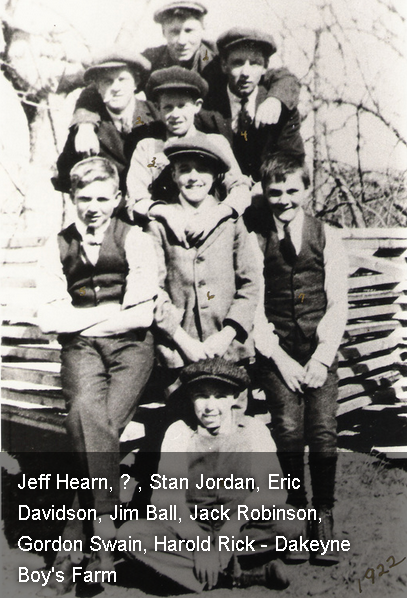 No doubt about it, everyone at the time believed this was a “WIN-WIN” situation. Spencer Smith’s story was a perfect example of one that seemed to have a happy ending.
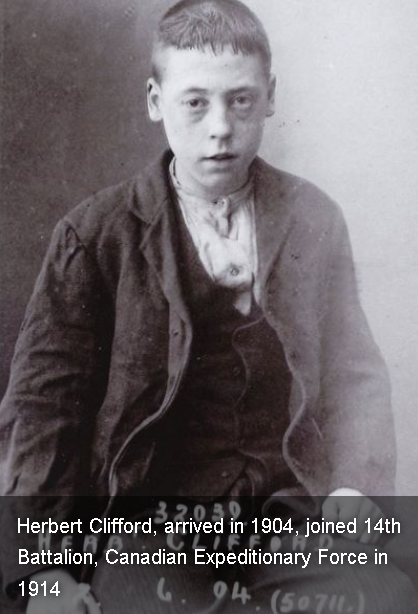 This became an economic issue more than anything else. It was strictly a case of supply and demand. Most of these organizations were faced with a huge demand. They had great difficulty in meeting the demand by farmers and governments in Canada and Australia. It was stated at one time that there were 10 applications for every child. So what were they going to do? The answer was simple. Start rounding up any child who potentially was wayward and lived in the area that was to be scoured for recruits. Overly simplified, absolutely, but not by much.
 They were forced to live in exclusion on the farmer’s property, and not interact with the farmer’s own children or have any friends of their own. They were not loved or nurtured in any way. We know that they were constantly tormented and bullied by other children at local schools, and even adults participated in this human degradation of these children. We know that many just eventually disappeared. Where you ask?
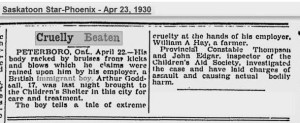 Albert had just arrived from England with many other British Home children and they all disembarked at Halifax from the ship Albertic on March 17, 1930.
 Where do we stand? Sadly, and unfortunately, the Canadian Government has essentially taken the position that this isn’t really a big deal, and no apology is warranted or forthcoming, even though they backed and encouraged this form of child slavery and abuse under the guise of helping disadvantaged children. Personally, I think that Jason Kenney the Cabinet Minister responsible for these remarks was not that well informed on the situation when confronted with the apology question, and consequently brushed it off as unimportant. I encourage you to contact Burlington’s local Federal Member of Parliament, Mr. Mike Wallace, who is a very decent man, and please voice your concern. I would like to think that Mike can champion this cause and help us get this apology from the Canadian Government. It’s long overdue, and it’s the right thing to do.
 By Ray Rivers

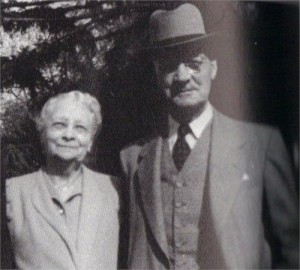
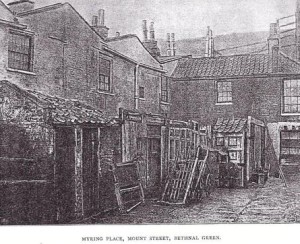
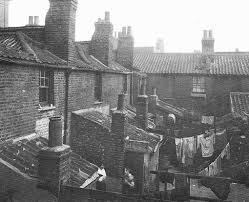

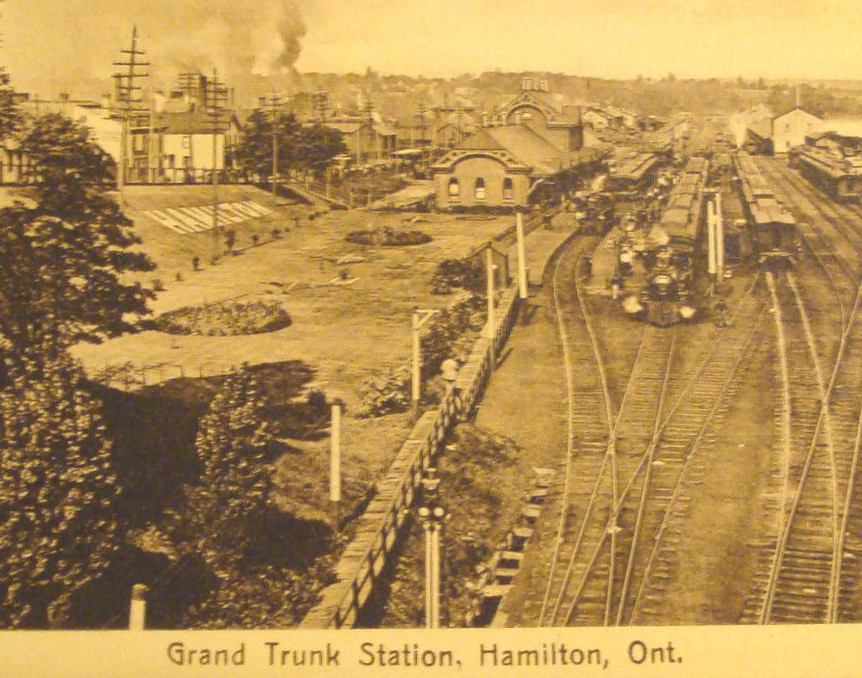
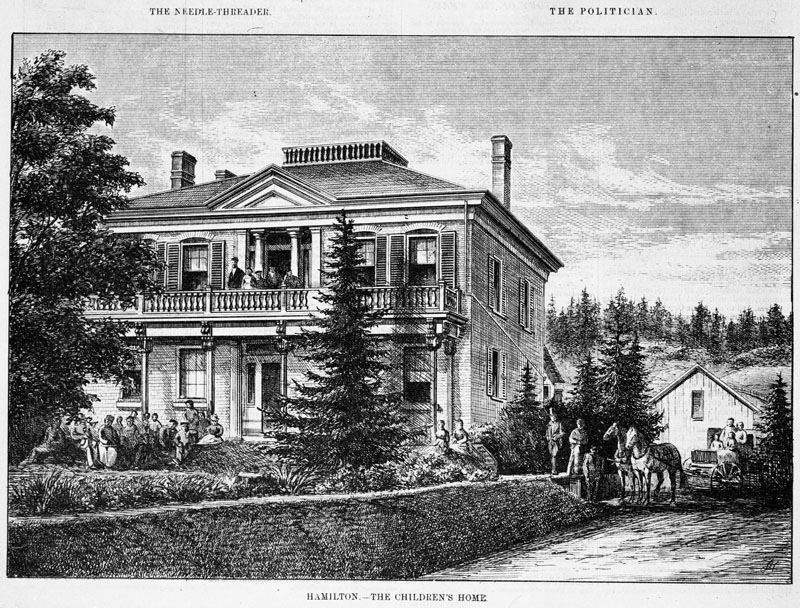
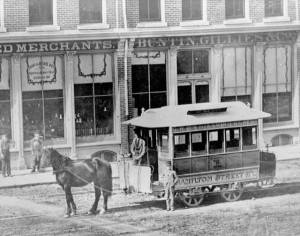
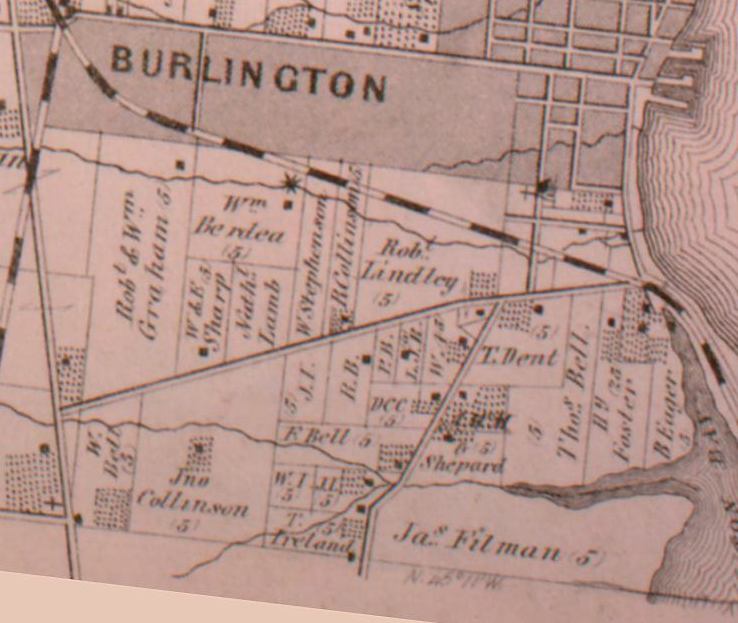
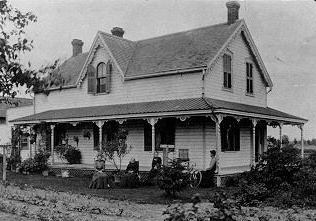
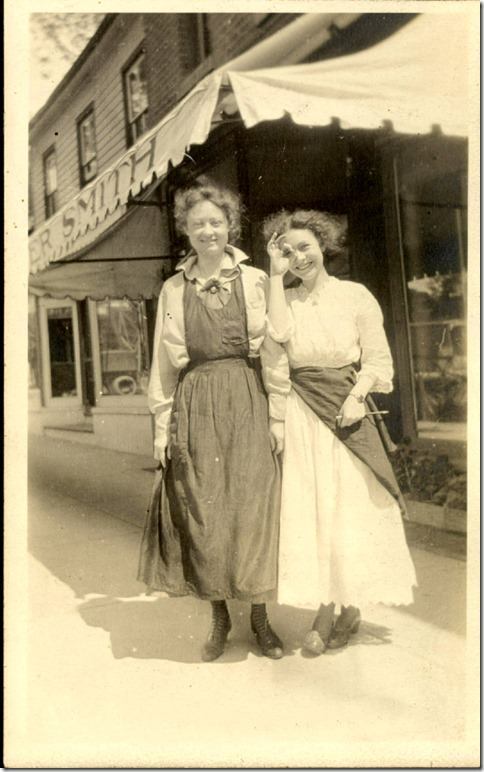
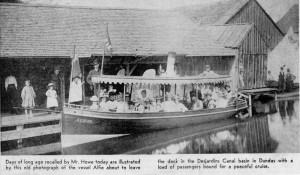
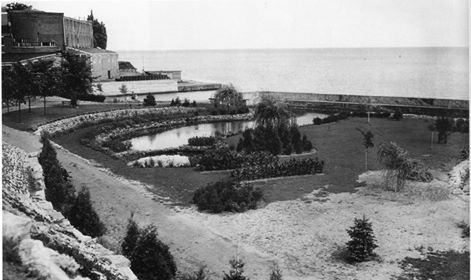


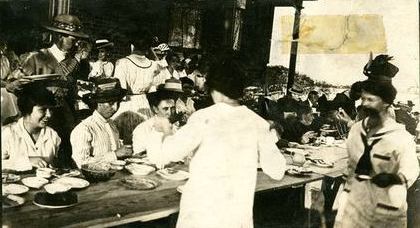
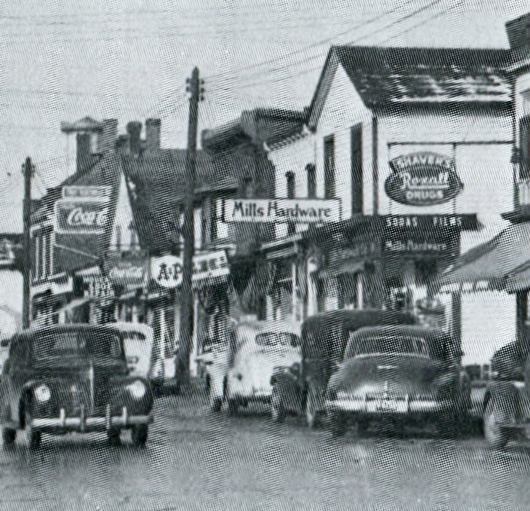

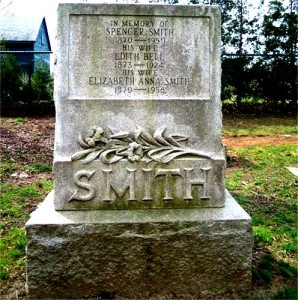

 By Millicent Mills
 In Ontario, iGaming Ontario (iGO) and the Alcohol and Gaming Commission of Ontario (AGCO) regulate and oversee the online gaming sector. iGO partners with private operators to ensure they meet provincial standards, including verifying player identities and enforcing responsible gambling practices. Operators licensed by these agencies must adhere to strict security, fairness, and consumer protection rules.
 In British Columbia, the British Columbia Lottery Corporation (BCLC) oversees PlayNow.com, the province’s only legal online gambling platform. BCLC ensures that PlayNow.com follows strict regulations related to responsible gaming, financial transactions, and player protection. This includes implementing age verification, deposit limits, and self-exclusion tools.
 By Pepper Parr

 Is the 80% Burlington resident requirement still in place? And what if GHAC membership does not meet the 80% Burlington residential requirement?
 By Ray Rivers

 Ray Rivers, a Gazette Contributing Editor, writes regularly applying his more than 25 years as a federal bureaucrat to his thinking. Rivers was once a candidate for provincial office in Burlington. He was the founder of the Burlington citizen committee on sustainability at a time when climate warming was a hotly debated subject. Ray has a post graduate degree in economics that he earned at the University of Ottawa. Tweet @rayzrivers
 By Pepper Parr
 In the fall, they will issue a new leaflet with a goal of reaching every doctor, nurse, health professional and health care worker in Ontario. We will also have one for the general public. We know that the more people understand what is happening, the more they support the fightback.
 By Tom Parkin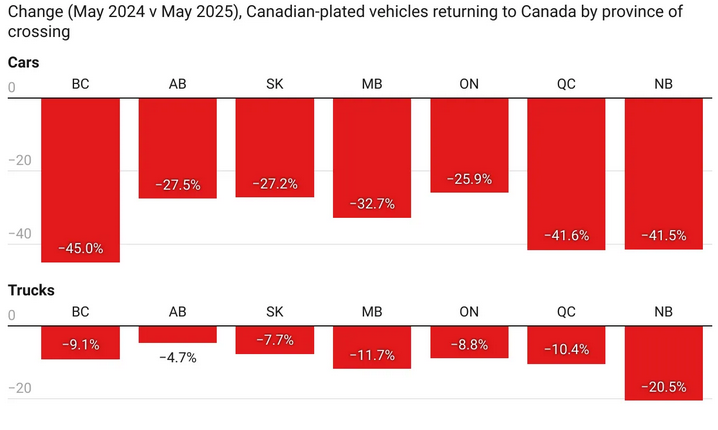
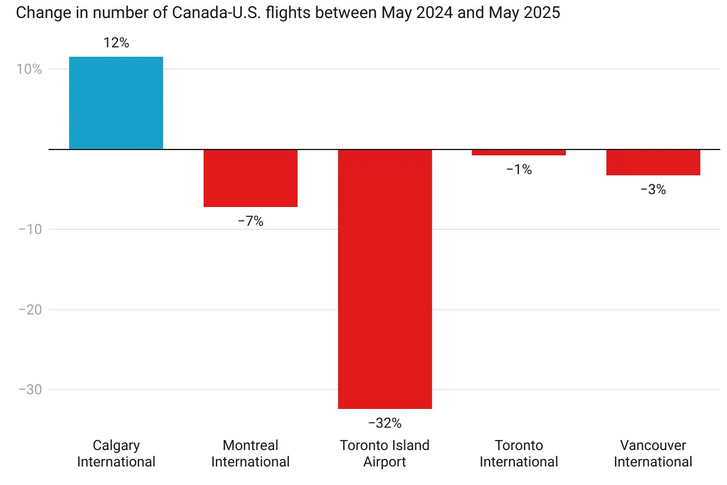

 Porter Airlines has hopped onboard, now offering daily, direct flights to Calgary, Edmonton, Halifax and Vancouver from the Hamilton Airport.



 By Louie Rosella

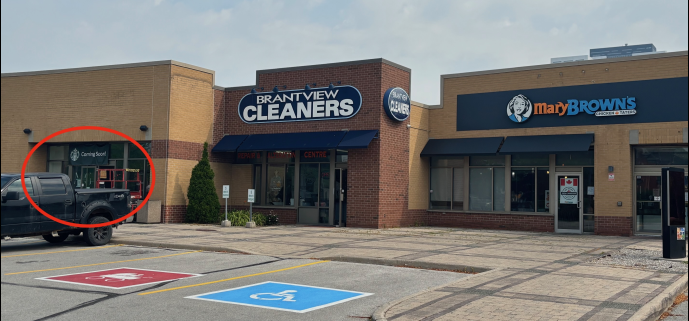
 By Pepper Parr
 By Karina Rhysburg Bay





 According to the
  Online Casinos Accepting iDebit
 Casinos Supporting Interac e-Transfer
 How to Choose the Best Payment Method for Your Online Gambling Needs


 However, fairness and transparency are key. Clear terms and conditions, reasonable wagering requirements, and no hidden restrictions are essential to prevent player frustration.


 By Louie Rosella

 Picture cards, or ‘face cards,’ are all cards that do not have a number written on them. They are usually labeled J, Q, and K. They have the name ‘picture’ or ‘face cards’ because they all contain a drawing with a face. However, their suit is never of importance, since even if you have a ‘face’ instead of a number, the point value will always remain the same.
 Here is a list of some of the basic strategies to use: