By Lori Croonen By Lori Croonen
February 18th, 2026
BURLINGTON, ON
Food is one of the most powerful choices we make every day. It shapes our energy, resilience, and long-term health. Choosing a vegan diet — whether for ethical, environmental, or personal reasons — can also be a meaningful way to support physical wellbeing.
At its foundation, vegan eating centers on plant foods: vegetables, fruits, legumes, whole grains, nuts, and seeds. These foods are rich in fiber, antioxidants, vitamins, minerals, and protective plant compounds known as phytonutrients. Together, these nutrients help reduce inflammation, support immune function, and promote healthy aging.
 Plant foods provide heart-supportive nutrients such as potassium, magnesium, and healthy unsaturated fats from nuts and seeds. One of the most important health advantages of a vegan diet is fiber intake. Fiber exists only in plant foods and plays a critical role in digestive health, blood sugar balance, and heart health. Adequate fiber consumption is associated with lower risks of cardiovascular disease, type 2 diabetes, and certain cancers. Because animal products contain no fiber, shifting toward plant-based meals naturally increases this essential nutrient.
Plant-based eating patterns are also typically lower in saturated fat and contain no dietary cholesterol. High intake of saturated fat and cholesterol — commonly found in red and processed meats — has been linked to increased risk of heart disease. In contrast, plant foods provide heart-supportive nutrients such as potassium, magnesium, and healthy unsaturated fats from nuts and seeds.
Even when comparing processed options, there are distinctions worth noting. Processed plant-based alternatives generally contain no cholesterol and are often lower in saturated fat than traditional processed meats. Processed meats have been classified as carcinogenic to humans due to their association with colorectal cancer. Plant-based alternatives do not carry that same classification, and they may still provide fiber and beneficial plant compounds absent in animal-based products.
Vitamin B12 is often raised in discussions about vegan nutrition. B12 is produced by bacteria — not by plants or animals. Historically, humans obtained B12 through soil exposure and animal foods. In modern food systems, many farmed animals are supplemented with B12 because they are not grazing naturally, meaning consumers are often receiving supplemented B12 indirectly. Importantly, B12 deficiency is not limited to vegans; many people, especially older adults or those with absorption issues, can have low levels regardless of diet. For vegans, using fortified foods or a simple supplement is a safe and reliable way to meet needs.
A well-planned vegan diet can provide adequate protein from legumes, tofu, tempeh, whole grains, nuts, and seeds. Iron is available from beans and lentils, particularly when paired with vitamin C-rich foods to enhance absorption. Calcium can be found in fortified plant milks and leafy greens.
 Choosing vegan is not about restriction; it is about intention. Choosing vegan is not about restriction; it is about intention. It encourages building meals around nutrient-dense plant foods that support cardiovascular health, digestive wellness, and metabolic balance. Whether someone adopts it fully or simply increases plant-based meals, emphasizing plants over animal products can significantly improve overall dietary quality.
In a time when chronic diet-related illnesses are widespread, vegan eating offers a proactive, evidence-informed approach to nourishment — one that supports long-term health while empowering individuals to make conscious choices about how they feed themselves.
Burlington Vegfest 2026 on August 15th at Spencer Smith Park! 

By Gazette Staff
February 14th, 2026
BURLINGTON, ON
Joseph Brant Hospital uses Linked In to recruit specialized staff.
Does it work?
 Dana, a Professional Practice Educator (PPE) for Surgical Services, Oncology & Ambulatory Care “I’ve always been drawn to a career that involves working closely with others and helping people,” said Dana, a Professional Practice Educator (PPE) for Surgical Services, Oncology & Ambulatory Care at Joseph Brant Hospital.
PPEs support the development and adoption of best practices across care areas and contribute to quality improvement, team development and a positive workplace culture. “It’s so rewarding to see new initiatives come to life and know they will make care safer and better for our patients,” she added.
We’re currently recruiting for a full time Professional Practice Educator to join our Perioperative/Operating Room Team. If you’re looking to make a meaningful impact in patient care, work with a dedicated team and enjoy a fulfilling work-life balance, we encourage you to learn more and apply: https://lnkd.in/gXhREGvs
By Gazette Staff
February 12th, 2026
BURLINGTON, ON
 Chloe Richter, City Heritage Planner Urban sprawl and intensification have been advancing at increasing rates across Canada, particularly in Ontario. Urbanization, along with unchecked development, present a challenge that frequently poses a threat to the integrity of the heritage character of cities, towns, and villages, and often overlooks the delicate balance between growth and conservation. Architectural landmarks, historic streetscapes, and rich landscapes are vulnerable to expansion and are at risk of erasure of both built and natural heritage.
The conservation of these areas is not rooted in the desire to “halt” progress or development, rather, it is about establishing a framework to guide development in a way that integrates well with existing heritage resources, as well as with historic context. Formally recognizing and protecting these heritage assets is an important and powerful tool for maintaining and safeguarding the unique essence of our collective past, while also ensuring future enrichment of our communities
The report was to:
Direct the Director of Community Planning to retain a consultant to assess the eligibility of the following properties for potential heritage designation under Part IV of the Ontario Heritage Act, consult the Heritage Burlington Advisory Committee, and report back to Council with statements explaining the cultural heritage value or interest of qualifying properties prior to January 1, 2027:
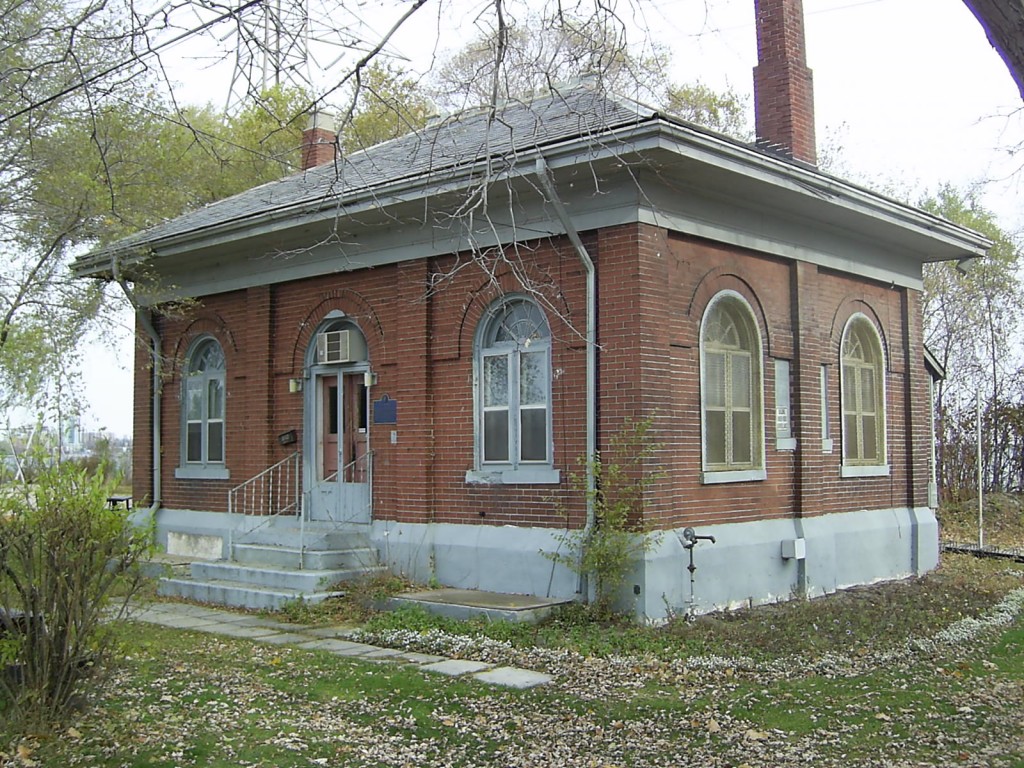
 One of the genuine heritage structures in the city. 2137 Lakeshore Rd. (The Sewage Pumping Station aka 2137 Junction St.)
1419 Ontario St. (The O’Brien-Connell House)
2464 Dundas St. (St. John’s Anglican Church)
1264 Lemonville Rd. (A. Lemon Family Farmhouse)
5534 Guelph Ln. (The Thomas Colling Centennial Farmhouse)
1392 Ontario St. (The New George Allen House)
1454 Birch Ave. (The Edwin Thorpe Retirement House)
566 Locust St. (The Harry Blessinger Retirement House)
2187 Lakeshore Rd. (The Dalton-Bell House)
524 Hager Ave. (The Bamford House).
 Location of the properties to be assessed as to their eligibility for potential heritage designation.
By Pepper Parr
February 8th, 2026
BURLINGTON, ON
Community Development Halton is offering a BOARD GOVERNANCE ESSENTIALS course that every person wanting to serve on the Board of a Not for Profit organization should be required to take.
 Further, every Not for Profit organization should require that every Board member complete the training. Further, every Not for Profit organization should require that every Board member complete the training.
There are far too many people who think that serving on a Not for Profit organization would look good on their resume.
The work that the Not for Profit sector does is far too important for the dilettantes.
The course is a Three-part Workshop Series
 Training for new and returning Board members: February, March & April Training for new and returning Board members: February, March & April
All sessions on-line!
 Training for new Board members covering the purpose of boards, legal obligations, and fiduciary duty. Training for new Board members covering the purpose of boards, legal obligations, and fiduciary duty.
Time & Location for the first class.
Feb 10, 2026, 5:30 p.m. – 7:30 p.m.
By Gazette Staff
February 5th, 2026
BURLINGTON, ON
February is filled with a little extra love at the library! You’ll find playful programs, reading inspiration, and plenty of sweet surprises. Drop in on your own or bring someone you love—everyone is welcome.
Be sure to pop into your local branch, February 1 to 14, and check out our Blind Date with a Book displays at all locations. You’ll find a display of books in brown paper bags. Instead of a cover, each surprise book comes with a short description—maybe a genre, a vibe, or a hint about the story inside—but no title and no author. It’s like a literary blind date!
Don’t forget to pick up a sweet little Valentine’s Day Card you can personalize and give to someone special—free, while they last! And kids will love the drop-in-anytime Valentine’s Day Scavenger Hunt and colouring activities.
Come see what else is waiting to steal your heart at BPL!
Some of the events planned through to the 14th!

By Gazette Staff
February 6th, 2026
BURLINGTON, ON
You might want to book your tickets for this March event. It will be one of those SOLD OUT occasions.
An Inspiring Evening with David Suzuki and Tara Cullis!
 We’re excited to share that BurlingtonGreen is partnering with the Burlington Performing Arts Centre (BPAC) for a very special theatre experience on March 8th featuring David Suzuki and Tara Cullis. We’re excited to share that BurlingtonGreen is partnering with the Burlington Performing Arts Centre (BPAC) for a very special theatre experience on March 8th featuring David Suzuki and Tara Cullis.
What You Won’t Do For Love is an intimate and thought-provoking theatre experience that explores how love for each other, for community, and for the planet can inspire meaningful action on climate and environmental protection.
To celebrate this partnership, use promo code BPACGREEN for 25% off your tickets. It’s an opportunity to gather, reflect, and feel inspired by voices that have shaped environmental action for decades.
Join us for a night that brings together art, connection, and hope for the future.
Tickets HERE
By Gazette Staff
February 3rd, 2026
BURLINGTON, ON
This year’s theme, 30 Years of Black History Month: Honouring Black Brilliance Across Generations — From Nation Builders to Tomorrow’s Visionaries, commemorates three decades of Black History Month in Canada by recognizing the lasting contributions of Black Canadians. This theme acknowledges the legacy and ongoing impact of those who help shape Canada’s social, cultural and political landscape, while also celebrating the emerging leaders and changemakers shaping the future of this country.
Throughout the month of February, students across the HDSB will explore and celebrate Black Excellence through a variety of engaging activities, including:
- A steelpan drumming group led by the Canadian Caribbean Association of Halton.
- A drumming session using the djembe, a traditional drum from West Africa.
-
 Djembe, a traditional drum from West Africa. on the left a Congal drum on the right. A Black Excellence Forum where students will hear from keynote speaker Curtis Ennis, Director of Education, and engage in breakout sessions to meet and engage with Black professionals from a variety of fields, learning firsthand about their careers, experiences and the ways they are shaping their communities.
- A Black Excellence Assembly, featuring presentations and performances created by students from classes and extracurricular groups, highlighting the contributions and achievements of Black Canadians across history and today.
- More than 30 elementary schools will host Exploring Us: Black History Month presentations for Grade 6 to 8 students, providing an introduction to the HDSB’s Graduation Coach Program and offering resources, guidance and support to help students plan their academic journey.
- Secondary students will have the opportunity to hear from Ontario Poet Laureate Matthew-Ray “Testament” Jones, through his virtual presentation Footprints: It’s All About the Journey. The presentation commemorates Black excellence and joy, while connecting historical legacy to present-day responsibility.
- Grade 6–8 students and their families in Milton are invited to a moderated discussion with Lawrence Hill, award-winning, bestselling author of The Book of Negroes. Hill will share insights into his creative process and his passion for writing stories rooted in Canada’s history.
-
 Guyanese-born, Bajan-heritage author Yolanda Marshall. The HDSB, in collaboration with the Black Opportunity Fund, will host Brilliant Black Futures: A Celebration in Honour of Black History Month. The event will feature a screening of Black Life: Untold Stories, a CBC documentary series exploring 400 years of the Black experience in Canada, as well as student exhibitions, community resource tables and information on programs supporting Black students and families, including the HDSB Graduation Coach Program and Black Student Union. Early learners can enjoy a reading circle led by Guyanese-born, Bajan-heritage author Yolanda Marshall.
 Curtis Ennis, Director of Education for the Halton District School Board. “Black History Month provides an opportunity for HDSB students, staff and families to truly honour the lives, stories and lasting contributions of Black Canadians who have shaped the richness of our country,” says Curtis Ennis, Director of Education for the Halton District School Board. “It is a time to reflect on the past and recognize and celebrate the incredible contributions of Black people today, and to ensure these voices and experiences are meaningfully reflected in learning throughout the year. As we honour history and celebrate the present, we lead with kindness and care, creating school communities rooted in humanity, joy and connection, and continue to strive to provide learning environments where all students can be successful and feel a sense of belonging.”
By Gazette Staff
January 30th, 2026
BURLINGTON, ON
The Ontario Library Association (OLA) has announced the 2026 OLA Board of Directors.
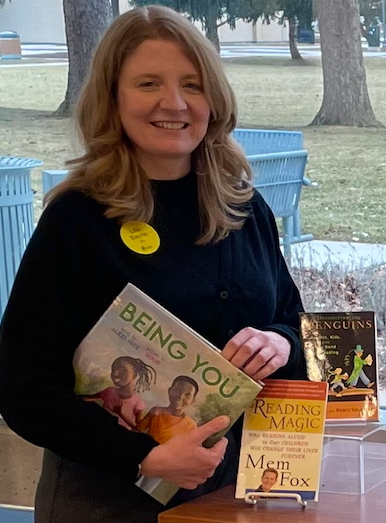
 Lita Barrie OLA consists of five library sectors: public, school, academic, health, and special libraries. The OLA Board consists of an executive committee, members at large and representation from each
of the five library sectors.
Members of the OLA Board will be introduced at the association’s Annual General Meeting on January 28, 2026.
Lita Barrie worked with the CBC’s production Ideas that had one of their programs broadcast from the Burlington Library. She has led the library community in introducing technology to the bookshelves. It will be interesting to see what she does while serving as President of the Ontario Library Association.

By Gazette Staff
January 29th, 2026
BURLINGTON, ON
Community Development Halton is offering Part Two of a course on negotiating.
You CAN Negotiate!
Writing Grant Applications like a Negotiator!
Benjamin Miller of the Ontario Nonprofit Network shares ways to write your grant applications with key negotiating principles in mid: offers, bargaining, and closing the deal. This session is designed for small-to-medium size organizations with no or limited staff for grant writing and fundraising support.
The course is a ZOOM offering.

Link to the course, which takes place February 3rd is HERE
By Gazette Staff
January 26th, 2026
BURLINGTON, ON
Two Halton District School Board (HDSB) teachers are recipients of the Governor General’s History Award for Excellence in Teaching, Canada’s most prestigious honour in the field of history. Ian Duncan, teacher at Garth Webb Secondary School, and Heather Howell, teacher at M.M. Robinson High School, are recognized among a small number of educators nationwide and are the sole recipients from Ontario this year.
Established in 1996 and administered by Canada’s History Society, the award recognizes outstanding achievement in the teaching and learning of Canadian history – celebrating educators who support student learning by strengthening understanding of the past through innovative historical projects. Through meaningful engagement, these educators help students develop critical thinking skills and a deeper connection to Canada’s history.
 Ian Duncan: Garth Webb Secondary School, Oakville, Ontario Ian Duncan is recognized for the Historytellers Project, a Grade 10 initiative with The ArQuives that invited students to research underrepresented areas of Canadian history. Students examined archival materials of 2S&LGBTQ+ history in Canada and collaborated with historians, artists and community members to develop short non-fiction narratives. Through the project, students strengthened their historical thinking skills by analyzing sources, considering multiple perspectives and presenting their findings in clear and engaging ways. The project concluded with physical and digital exhibits shared within the school, the broader community and online.
 Heather Howell is honoured for leading the Heritage Garden Initiative, a collaboration with Museums of Burlington and M.M. Robinson High School’s horticulture therapy program, Heather Howell is honoured for leading the Heritage Garden Initiative, a collaboration with Museums of Burlington and M.M. Robinson High School’s horticulture therapy program, part of the Community Pathways Program for students with special education needs. Working on the historic grounds of the Ireland House Museum, students cultivated a heritage garden using traditional methods reflective of late 19th-century food production. Alongside developing practical horticultural and workplace skills, students examined artifacts and historical tools to explore continuity and change in local food systems and community life. Produce from the garden was donated to the Burlington Food Bank, extending the project’s impact beyond the classroom and into the community.
“This national recognition reflects the dedication that HDSB teachers bring to their classrooms each day and the excellence in teaching that takes place across our schools,” says Curtis Ennis, Director of Education for the Halton District School Board. “Ian and Heather’s work demonstrates a strong commitment to engaging students through meaningful, innovative learning experiences. Through their work, students build critical thinking, creativity, problem-solving, empathy and adaptability – skills that prepare them for success today and in the future.”
Background Resources
Governor General’s History Award 2025 Recipients
Ian Duncan – Governor General’s History Award 2025 webpage
Heather Howell – Governor General’s History Award 2025 webpage
By Gazette Staff
January 27th, 2026
BURLINGTON, ON
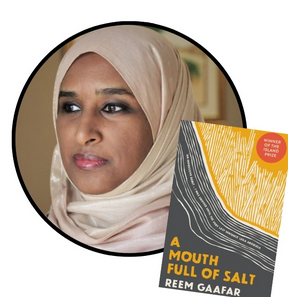
Sudanese‑Canadian health researcher and writer Reem Gaafar discusses her award-winning debut novel, A Mouth Full of Salt.
 The story begins with the disappearance of a young boy in the Nile—a tragedy that unravels hidden secrets and stirs superstition in a small northern Sudanese village and follows the story through the eyes of three compelling women—teenager Fatima, struggling mother Sulafa, and matriarch Nyamakeem. Gaafar’s lyrical, evocative writing explores themes of patriarchy, racism, and colonial legacy while delivering a riveting story of identity and resilience. The story begins with the disappearance of a young boy in the Nile—a tragedy that unravels hidden secrets and stirs superstition in a small northern Sudanese village and follows the story through the eyes of three compelling women—teenager Fatima, struggling mother Sulafa, and matriarch Nyamakeem. Gaafar’s lyrical, evocative writing explores themes of patriarchy, racism, and colonial legacy while delivering a riveting story of identity and resilience.
Presented in collaboration with Invisible Publishing
About the Author
Reem Gaafar is a Sudanese public health physician, researcher, writer, and mother. She is published in both fiction and non-fiction circles, contributing to issues on public health and policy, society, racism, and women’s rights. Her novel, A Mouth Full of Salt, won the Commonwealth Foundation’s 2023 Island Prize for debut African novels.
Borrow A Mouth Full of Salt from our collection
Accessibility
If you need an accessibility accommodation during this program, please register early so we can confirm arrangements a few days before your visit.
By Pepper Parr
January 27th, 2026
BURLINGTON, ON
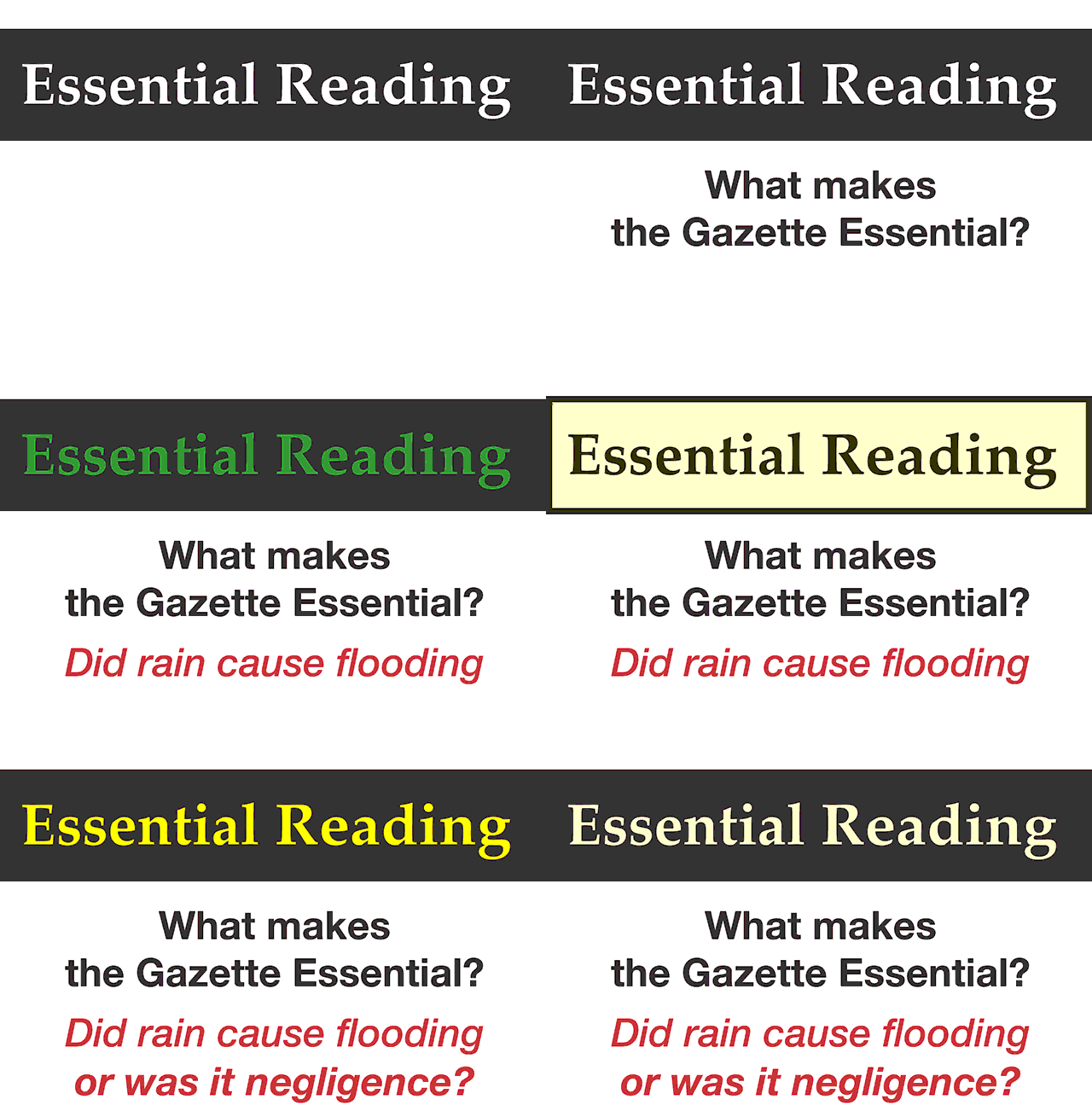
There is something I do not understand about the Halton District School Board graphic that is set out below.

This is the Halton District School Board Multi-Year Strategic Plan.
 Essential! Why no mention of Reading and Mathematics, the core subjects of any public school service?
 Vital!
By Pepper Parr
January 24th, 2026
BURLINGTON, ON
How do you explain to a young child that Grandpa is not going to be visiting anymore?
Death is not something young children understand. They experience the loss, but comprehending what has happened is not easily explained.
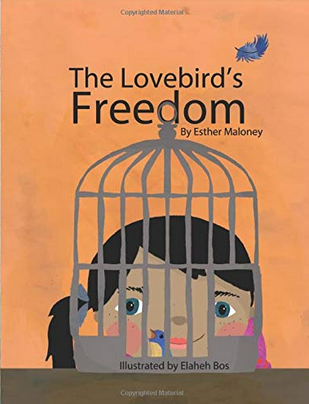
 Esther Maloney Esther Maloney is a writer, filmmaker and educator who currently works for the National Film Board of Canada. She has taught courses at George Brown College, Humber College and at the University of Toronto, Scarborough.
She has written a wonderful little book that helps parents deal with situations where a grandparent or close family friend pass away that young children miss terribly and don’t understand why they are gone.
Maloney blends in the death of a person with the releasing of an injured bird from a cage once they have healed. The book explores the bigger questions and emotions around life and death, loss and connections.
 A child’s Father explains:”Everyone has their own beliefs about what happens after death, but you can think of it like a bird being freed from it’s cage.” A child’s Father explains:”Everyone has their own beliefs about what happens after death, but you can think of it like a bird being freed from it’s cage.”
“Really? How? asked the child.
That is a tough question to answer without getting tied up in different religious ideologies.
“We human beings”, explains the Father “have two parts. One is our body, which only lasts for a little while in this world. The other part is our soul, which lasts forever. Our bodies are like cages that keep our souls connected to this world for a time. But eventually our souls are set free.”
The book is beautifully illustrated by Elaheh Bos.
Efforts are being made to have a copy of the book in every Burlington Library branch. We will let you know when it’s on the shelves.
By Gazette Staff
January 22, 2026
BURLINGTON, ON
If you ever wondered why we have public libraries – read on.
There are actually groups in Burlington who don’t think library membership should be free.
 A child’s life is so much richer if they learn to love reading just for the experience.  Reading a book and listening to music at the same time – a wonderful way to spend an hour or so. 
By Pepper Parr
January 20th, 2026
BURLINGTON, ON
The Burlington Public library is always doing something different.
They are now in the process of collecting old pictures of what life was like in Burlington a couple of decades ago.
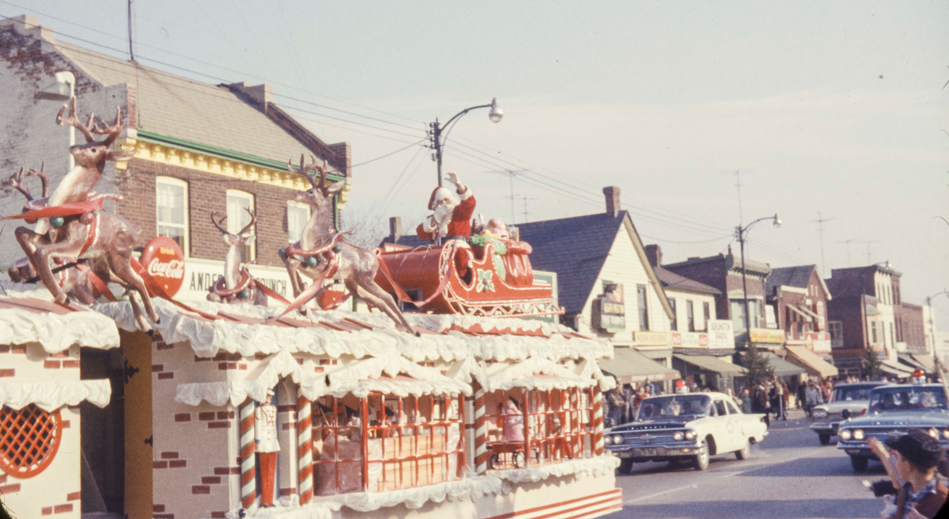
They recently published a photo of a Santa Claus parade. Can you identify when this parade took place?
 When did this Santa parade take place and which street is the float on? Can you identify some of the buildings on the street? Burlington Public Library (BPL) is launching a new local history initiative and inviting residents, past and present, to help preserve the city’s story by contributing their personal photographs to the Burlington Digital Archive.
As part of the Library’s mission to safeguard Burlington’s heritage, the new Community Photo Collection will gather and share images that reflect everyday life, traditions, and moments that define the community.
The first photo campaign celebrates one of Burlington’s most beloved traditions: the annual Santa Claus Parade.
Who doesn’t love a parade—especially the Santa Claus Parade?” says Cody Vanderslot, Digital Resources & Collections Manager, BPL. “I have very fond memories of attending with my family as a kid. This event has brought our community together for generations, and we want to make sure those memories are preserved and accessible for years to come.”
Call for Santa Claus Parade photos
BPL is now accepting photographs of Burlington’s Santa Claus Parade until March 31, 2026. While photos from 1960 to 2000 are especially encouraged, images from any year are welcome.
The Library is seeking clear, good-quality photos that may include:
- Parade floats and participants, such as marching bands, dance troupes, and costumed performers
- Crowds and spectators
- Local businesses or organizations represented in the parade
- Volunteers organizing or setting up the event
- Holiday decorations, buildings, and parade-related signage
- Behind-the-scenes preparations
- Parade route maps
Residents can find full submission details on the Community Photo Collection web page.
All submissions will be reviewed, and accepted photographs will be added to the Santa Claus Parade collection in the Burlington Digital Archive, where they can be viewed, downloaded, and shared by the public.
By Gazette Staff
January 19th, 2026
BURLINGTON, ON
Burlington, Ontario—Calling all artists and book lovers, young and old—Burlington Public Library’s annual Burlington Bookmarks Contest is underway! Every year, local residents are invited to break out the crayons and markers and design a bookmark based on a literary theme.
 This year, your challenge is to create a design inspired by a book you love. This year, your challenge is to create a design inspired by a book you love.
How It Works
Entrants must live, work, or attend school in Burlington. Pick up a paper submission form at any Burlington Public Library branch or download one online through BPL’s contest web page. You can create your original hand-drawn artwork using markers, crayons, pencils, pastels, or paint. Your design will be considered as long as it stays inside the bookmark outline.
Submit your bookmark at your local branch or upload it to the library’s website by February 23, 2026, to be considered. Finalists will be chosen in five age categories, and their designs will be posted online for public voting from March 4 to 11.
Spread the Love of Reading
 These are winning entries from the 2023 challenge. What do the winners get? The joy of spreading the love of reading! The five winning bookmarks will be professionally printed and available at all BPL branches for customers to enjoy in their next great read.
Follow Along Online
Keep tabs on the contest by checking the library’s website and social media channels (@BurlOnLibrary) for contest updates and voting.
If you want to make sure you get your hands on one of this year’s winning bookmarks, keep a close eye out! The free bookmarks will be available on a first-come, first-served basis while supplies last.
Burlington Bookmark Contest web page
By Olha Rusyniuk
January 15th, 2026
BURLINGTON, ON
Vancouver is an important city that won’t be forgotten. Our backyard is always a work of art, whether it’s the bright hum of Granville Street at midnight, the gloomy mist on the Douglas firs in Stanley Park, or the North Shore mountains reflected in a Coal Harbour window made of glass and steel. But for many locals and tourists, these times shouldn’t just be saved on their phones or in a short Instagram story.
Turning local photography into high-end wall art has become a defining trend in West Coast interior design. It’s about more than just decoration. It’s about place-making. Furthermore, it’s the process of taking the soul of the Pacific Northwest and anchoring it to your living room wall.
If you are looking to elevate your space, here are five sophisticated ways to transform local captures into gallery-quality displays.
1. The Industrial Elegance of Metal Prints
A lot of the time, when people think of photos, they picture framed paper copies. But in a city like Vancouver, which is known for its complex dance with water, light, and industrial history, like the Canada Line’s smooth lines and the historic port cranes at Burrard Inlet, standard paper often fails to capture that shimmer. This is where the metal poster, especially a high-quality metal poster made with dye-sublimation, changes the game. In this method, dyes are heated until they become gases. The gases are then infused into a special layer on the metal. This makes prints that are not only bright but also resistant to water, scratches, and UV rays. Perfect for a place that gets an average of 1,200 millimeters of rain a year.
Why Metal Works for Shots
 English Bay captures late afternoon sun. In Vancouver, the colors come from English Bay in blue, Stanley Park’s forest in green, and the sky in gray, which photographers love for their dramatic effect. On a high-definition metal print, these colors look almost three-dimensional because of the way the base sparkles. The ink sticks straight to a 1.1 mm metal sheet, so the picture stays clear and sharp for up to 200 years in regular conditions, according to tests by the Image Permanence Institute. This sturdiness is helpful in our wet seaside environment, where indoor humidity can reach 60% in the winter, which could damage less durable materials.
- Reflective quality
-
-
- Metal prints go beyond light. Interact with it. Colors change slightly when sunlight passes through your windows, possibly on a rare, bright February afternoon. Picture the sunset over English Bay. As the sun sets, the design ripples like water, creating movement in your living area.
-
- Instead of cumbersome frames, use float mounts, which suspend prints an inch off the wall with concealed hardware. This shadow effect highlights clean lines, suitable for Yaletown lofts or modern North Vancouver residences. Fun fact: This mounting technique is inspired by 1950s mid-century modern architecture and matches Vancouver’s architectural history, visible in the Woodward’s reconstruction.
Local photographers like those featured in the annual Capture Photography Festival swear by metal for urban-industrial themes, such as graffiti-covered silos in Mount Pleasant. To get started, upload your high-res file (at least 300 DPI) to services like PosterJack, and opt for gloss or matte finishes to match your space’s vibe. The result? A piece that’s as tough as the city’s seawall and as elegant as its skyline.
2. The Classic West Coast Gallery Canvas Wrap
There’s a timeless reason canvas wraps dominate galleries from the cobblestone streets of Gastown to the upscale boutiques of South Granville: they infuse photography with a tactile, organic warmth that softens the edges of Vancouver’s often stark modern architecture. In a city where West Coast style blends rustic cabins with glass high-rises, canvas bridges the gap, turning digital captures into heirloom-quality art that feels handcrafted.
Texture and Depth
A canvas print transcends a mere photo. It’s a sculptural object. By wrapping a high-resolution image around a 1.5-inch thick wooden stretcher bar frame, you add dimension that’s visible from any angle. Picture a panoramic shot of the Lions Gate Bridge at twilight. The wrap extends the cables and lights onto the sides, creating an immersive effect in your hallway or bedroom. According to a 2025 survey by the Art Dealers Association of Canada, canvas remains the top choice for 45% of buyers due to its versatility and affordability, starting at around $60 for a 20×30-inch piece.
- No glare. Unlike framed prints under glass, canvas boasts a matte or satin finish that diffuses light beautifully. This is crucial in Vancouver homes with abundant natural light from floor-to-ceiling windows or overhead fixtures, preventing reflections that could obscure details like the intricate patterns of rain on a ferry deck.
- The artist effect. The subtle weave of a cotton-poly blend fabric imparts a painterly texture, elevating everyday snaps. A quick iPhone photo of a heron poised at Lost Lagoon transforms into something gallery-worthy, reminiscent of works at the Vancouver Art Gallery. Did you know? Canvas printing evolved from 15th-century oil painting techniques, but digital advancements now allow for archival inks that resist fading for 75+ years.
 The photographer caught the majesty of the rolling hills at Cypress Provincial Park. Source sustainable wood frames from local mills to match Vancouver’s ecological programs, where over 50% of buildings seek LEED certification. Create gallery wraps that reflect the picture on the borders for Cypress Provincial Park nature photos. Local photographers may present their work there, merging heritage with the city’s creative pulse.
3. Large-Format Acrylic for Liquid Landscapes
If metal embodies industrial chic, acrylic mounting screams luxury and crystalline clarity. Known as face-mounting, this technique prints your photo on premium paper before sealing it behind a thick, polished acrylic pane, creating a seamless, glossy facade that’s perfect for Vancouver’s fluid, watery landscapes, from crashing waves at Wreck Beach to mirrored reflections in Coal Harbour.
The Science of Light
Acrylic’s magic lies in how it manipulates light: internal reflections amplify colors by up to 25%, per optical studies from the Society of Photographic Instrumentation Engineers. This glow-from-within effect makes it the premier choice for Vancouver photographers capturing:
- Golden Hour at Spanish Banks. The warm oranges and pinks of sunset intensify, evoking the city’s 2,000+ hours of annual sunshine despite its rainy rep.
- Night Cityscapes. Downtown’s twinkling lights, think the neon glow of Granville Street, emerge crisp against inky blacks, without the muddiness that plagues lesser prints.
- Rainy Street Photography. The high-gloss finish mirrors wet pavement, amplifying Vancouver’s Raincity moniker, where over 160 rainy days a year inspire moody shots.
Opt for 1/4-inch to 1-inch thick acrylic for varying depth, and add aluminum backing for stability. Local fact: Acrylic’s rise in popularity coincides with Vancouver’s tech boom, as seen in installations at the Polygon Gallery. Prices start at $150 for medium sizes, but the investment pays off in durability, resistant to warping in humid conditions that average 70% relative humidity.
4. Curated Gallery Walls with Local Context
A curated gallery wall, a Kitsilano bungalow, and the Mount Pleasant condo trend tell stories better than a large picture. This approach mixes sizes, orientations, and themes from local photography to weave a visual narrative of Vancouver’s diverse tapestry, from indigenous heritage sites to multicultural festivals.
How to Build a Local Narrative
Ditch the single hero image for thematic cohesion. Select a motif that resonates with the city’s layers:
- The transit series
-
-
-
 Boating through Burrard Inlet. Black-and-white captures of the SkyTrain zipping through New Westminster, the SeaBus crossing Burrard Inlet, and vintage neon signs along East Hastings—evoking Vancouver’s evolution as a transit hub serving 2.5 million residents.
-
- Macro lenses on ferns in Lynn Canyon Park, moss-draped bark from UBC Endowment Lands, and the ephemeral cherry blossoms in Fairview, highlighting the city’s 140+ parks covering 11% of its land.
Uniformly frame with light oak for Scandi or black wood for urban. Asymmetrical configurations may be planned using IKEA applications. Gallery walls increase house value by 10%, and Vancouver printers use eco-friendly methods, according to a 2024 Houzz analysis. Start small with 5-7 pieces and scale to accent walls for immersion.
5. Fine Art Giclée Prints on Archival Paper
For photography purists, Giclée prints on heavy, acid-free archival paper represent the pinnacle. Faithful reproductions that honor the detail of modern cameras without gimmicks. In Vancouver, where fog and subtle gradients define many shots, this method preserves nuance like no other.
Longevity and Detail
Giclée employs 10-12 pigment-based inks versus standard four-color processes, yielding seamless gradients ideal for a foggy Burrard Inlet morning. These prints last 100+ years, as certified by the Fine Art Trade Guild, making them heirlooms.
- Matting matters. An extra-wide 3-4 inch mat focuses the eye, adding a luxurious gallery buffer. Perfect for high-end displays.
- Heritage appeal. Turn a family photo at Third Beach into timeless history, aligning with Vancouver’s cultural preservation efforts, like the 1,000+ heritage buildings protected citywide.
Source from local ateliers using cotton rag paper for texture. It’s a nod to tradition in a digital age, ensuring your local captures endure.
FAQ
Does my photo need to be taken on a professional camera?
Not necessarily! Smartphones like the iPhone 14+ and Samsung S23+ output 20×30-inch print files. To minimize pixelation, use a high-resolution DSLR or Mirrorless camera for mural-sized wall art.
Does my picture have adequate resolution?
For printing size, 300 DPI is often used. Most good online printers offer an in-built quality meter that notifies you if your file is too small.
What is the best way to clean metal or acrylic prints?
Avoid harsh chemicals. A microfiber cloth (like cleaning glasses) and a little water or acrylic cleaner are plenty. These don’t streak since they’re not behind glass.
Should I edit my photos before printing?
Yes. Backlit phone screens make photographs seem brighter than printed ones. Before sending a file to the printer, raise the Brightness and Shadows by 5 to 10 percent. This will keep details from being lost in the shadows.
 Local photography highlights the company’s connection to the community’s culture. Is Wall Art a worthwhile local business investment?
Absolutely. Displaying local photographs at a Commercial Drive coffee shop or downtown law practice creates a neighborhood connection. It highlights the company’s connection to Vancouver’s culture.
By Pepper Parr
December 26th, 2025
BURLINGTON, ON
Let us not rush back into the real world quite yet.
Christmas was festive, fun, and family – the day after has become a holiday with a quaint tradition that is celebrated in the Commonwealth countries that reflects the class tradition of the times.
The first mention of Boxing Day as a tradition is believed to be in 1830. It was the day that the Upper classes gave a “box” to people like post-men, errand-boys, and servants of various kinds.
It was a present, a gratuity given at Christmas to people who had provided a service. In Great Britain the custom for tradesmen to collect “Christmas boxes” of money or presents on the first weekday after Christmas as thanks for good service throughout the year. The tradition goes back as far as December 1663.
 It was a different time, a different era when class differences defined everything. The Boxing Day tradition came out of that era. The tradition was linked to an older British tradition – servants of the wealthy were allowed the next day to visit their families. The employers would give each servant a box to take home containing gifts, bonuses, and sometimes leftover food.
In South Africa as recently as the 1980s, milkmen and garbage collectors, who normally had little if any interaction with those they served, were accustomed to knock on their doors asking for a “Christmas box”, being a small cash donation, in the week or so before and after Christmas.
The European tradition, which has long included giving money and other gifts to those who were needy and in service positions, has been dated to the Middle Ages, but the exact origin is unknown. It is believed to be in reference to the Alms Box placed in areas of worship to collect donations to the poor.
Boxing Day became a secular holiday that is traditionally celebrated on 26 December, the day after Christmas Day. 26 December is also St. Stephen’s Day, a religious holiday.
In the UK, Boxing Day is a bank holiday
In Scotland, Boxing Day has been specified as an additional bank holiday since 1974In Ireland – when the island as a whole was part of the United Kingdom – the Bank Holidays Act 1871 established the feast day of St. Stephen as a non-movable public holiday on 26 December. Following partition in 1920, Northern Ireland reverted to the British name, Boxing Day.
In Australia, Boxing Day is a federal public holiday. The Australian state of South Australia instead observes a public holiday known as Proclamation Day on the first weekday after Christmas Day or the Christmas Day holiday.
In New Zealand, Boxing Day is a statutory holiday; penalty rates and lieu time are provided to employees who work on Boxing Day.
In Canada, Boxing Day is a federal statutory holiday. Government offices, banks and post offices/delivery are closed. In some Canadian provinces, Boxing Day is a statutory holiday that is always celebrated on 26 December. In Canadian provinces where Boxing Day was a statutory holiday, and it falls on a Saturday or Sunday, compensation days are given in the following week.
In the United States, 26 December is not observed as “Boxing Day”.
The tradition has become a massive sales push that has people lining up outside large chain store operations as early as 5 am waiting for huge discounts, usually on electronic items that are positioned as loss leaders to attract customers.
 Boxing day at the Eaton Centre – packed. The CTV television network reports that in 2010 Boxing Day sales totaled $1.8 billion. The tradition has become a shopping holiday that has become Boxing Week
Many retailers open very early (typically 5 am or even earlier) and offer door buster deals and loss leaders to draw people to their stores. It is not uncommon for long queues to form early in the morning of 26 December, hours before the opening of shops holding the big sales, especially at big-box consumer electronics retailers.
In recent years, retailers have expanded deals to “Boxing Week”. While Boxing Day is 26 December, many retailers will run the sales for several days before or after 26 December, often up to New Year’s Eve. Notably, in the recession of late 2008, a record number of retailers were holding early promotions due to a weak economy. Canada’s Boxing Day has often been compared with the American Super Saturday (the Saturday before Christmas) and Black Friday.
From 2009 onward Black Friday deals become more prominent among Canadian retailers to discourage shoppers from crossing the border to the USA when the Canadian and USA dollars was close to parity, and this has lessened the appeal of Boxing Day in Canada somewhat as it was overtaken by Black Friday in terms of sales in 2013.
Boxing Day is not and has never been a shopping holiday in the USA.
In some parts of Canada, particularly in Atlantic Canada and parts of Northern Ontario, most retailers are prohibited from opening on Boxing Day, either by provincial law or by municipal bylaw, or instead by informal agreement among major retailers to provide a day of relaxation following Christmas Day.
A tradition that came out of a social class based society has evolved into a week-long shopping spree.
It isn’t just about shopping; sports events have become major Boxing Day events.
 Major European leagues may enjoy a winter break when players can put their feet up over the festive period. But it’s all go in the Premier and Football Leagues. And that means plenty of action for armchair soccer fans. In the United Kingdom, it is traditional for both top-tier football leagues in England, Scotland and Northern Ireland, and the lower ones, as well as the rugby leagues, to hold a full programme of football and rugby union matches on Boxing Day.
Originally, matches on Boxing Day were played against local rivals to avoid teams and their fans having to travel a long distance to an away game on the day after Christmas Day.
This is probably much more than you wanted to know about the holiday we celebrate today.
By Gazette Staff
November 12th, 2025
BURLINGTON, ON
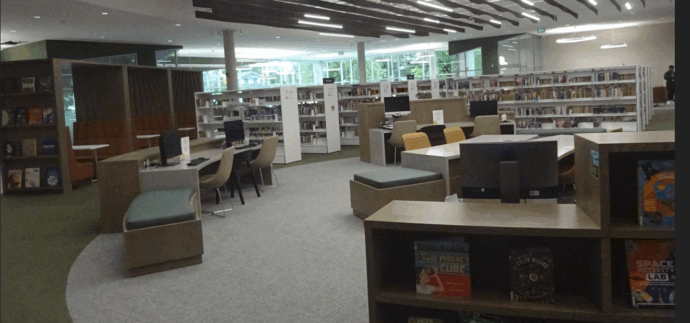
Burlington Public Library (BPL) has launched its new strategic plan. The two-year plan will guide the library’s work to strengthen community connection, learning, and civic engagement.
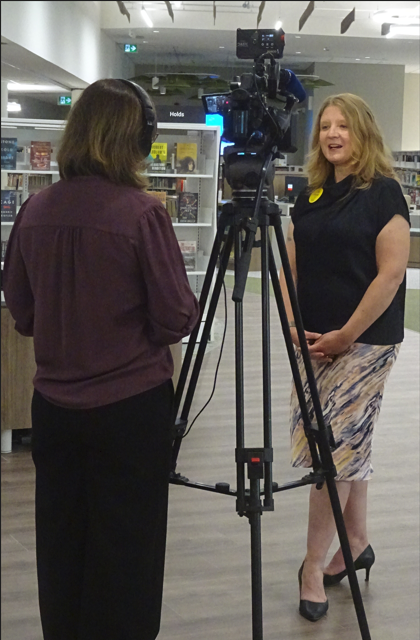
 Lita Barrie, BPL’s Chief Executive Officer being interviewed during the opening of the New Appleby branch. “We’re focusing on the ways the library can bring people together,” says Lita Barrie, BPL’s Chief Executive Officer. “We believe in the power of connection, especially among people who wouldn’t otherwise cross paths. This plan responds to challenges like polarization, isolation and affordability, to create a more connected community.”
The plan builds on the mission, vision, and priorities in BPL’s current 2021-2025 strategic plan, which was developed amid the Covid-19 pandemic.
Under BPL’s previous plan, the library accomplished major milestones such as eliminating daily late fines and relocating New Appleby Branch to the Robert Bateman Community Centre.
“Our mission continues to be inspiring imagination, collaboration, and compassion to support an informed and literate society,” says Jason Manayathu, Chair of the BPL Board. “We’ve made great progress in the past four years and want to continue in that direction with renewed focus that reflects the needs of the community now and in the future.”
Library staff surveyed the community for input and reviewed more than 500 comments on the draft plan. Customer service, borrowing, and innovation remain key goals. Library users can also anticipate benefits such as new programs, better connections to community services, improvements to multi-use spaces, and an updated range of Maker services for do-it-yourself projects.
Three Community-Centred Priorities
The Strategic Plan 2026-2027 sets out three priorities to help bring Burlington together.
Priority 1: Enhance community well-being by helping people feel connected, accepted, and empowered to achieve their goals. Customers will find more ways to connect—with people, resources, local events, and opportunities—through programs and spaces that bring neighbours together. The library will foster belonging by reaching out into the community, connecting with partners, and making it easier to access drop-in support and community resources.
Priority 2: Inspire discovery with collections, services, and spaces that reflect our evolving community. Visitors will find adapted spaces that fit how they want to use the library, with accessible signage and defined zones for study, collaboration, leisure, and play. Fresh reading suggestions will make waiting for popular titles more rewarding, and a diverse range of Maker services will open new doors to creativity, experimentation, and skill-building.
Priority 3: Nurture a workforce culture driven by our organizational values. Each visit to the library will feel more engaging, consistent, and welcoming as staff focus on meaningful connections. Behind the scenes, improved workflows and thoughtful innovation will help staff provide responsive service to everyone who walks through the doors.
Learn more and explore the plan at bpl.on.ca.
 The opening of a new branch of the library was flawless. An observation: Getting responses from 500 people is something few organizations in Burlington receive. This attests to the strong bond between the library and the people that use the service.
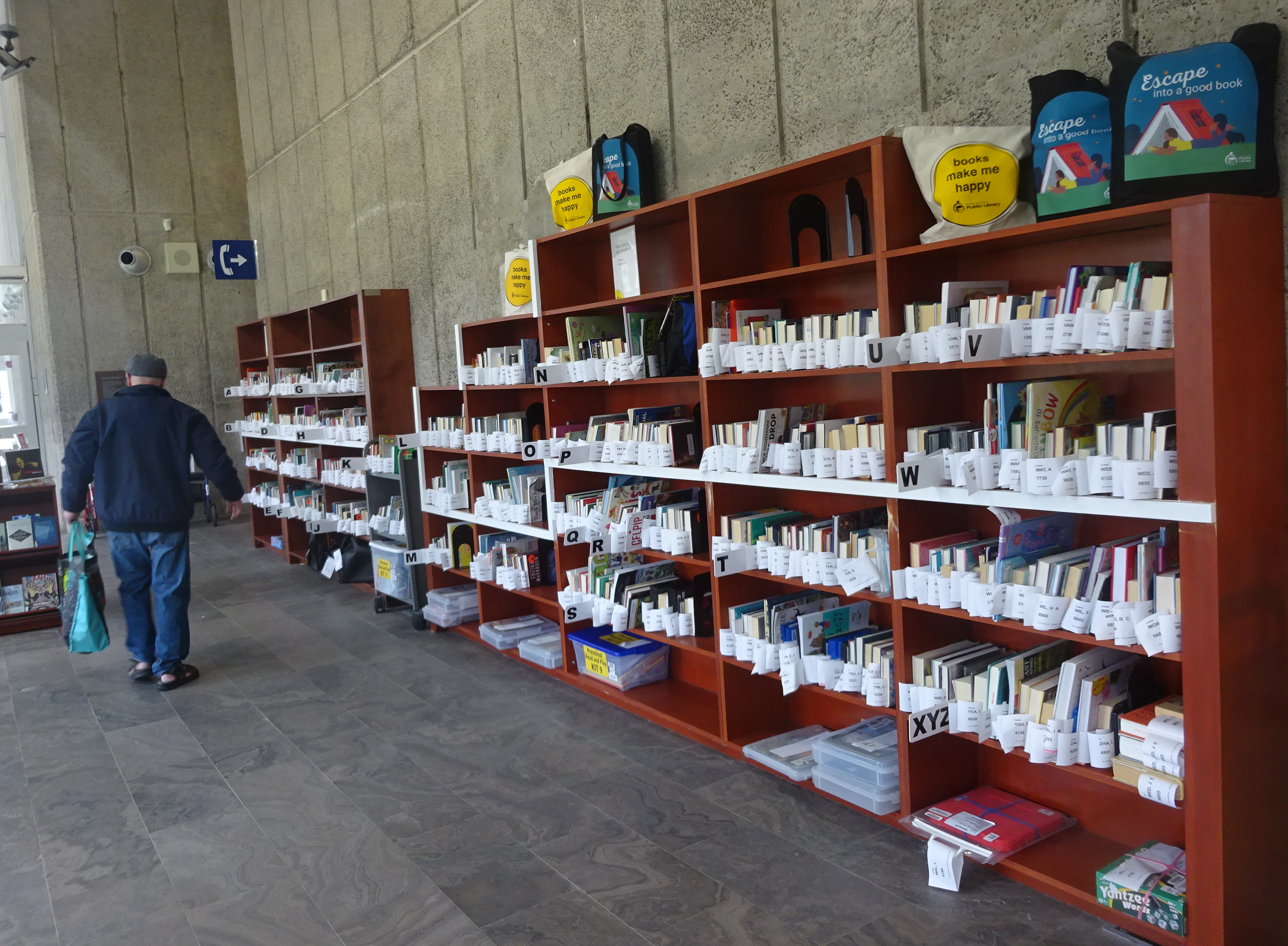
Picture below tells just how active the place is.
 Books waiting to be picked up.
By Gazette Staff
October 31st, 2025
BURLINGTON, ON
The Halton District School Board (HDSB) is now accepting applications to the I-STEM (Innovation, Science, Technology, Engineering & Mathematics) program for students starting Grade 9 in the 2026-2027 school year. The regional program is open to all students within Halton and Ontario, and students can apply on the I-STEM webpage of the HDSB website (hdsb.ca).
I-STEM is a four-year program that supports students to develop innovation skills related to engineering design and design thinking, entrepreneurial thinking skills and global competencies. Students learn to be prepared for technological change and disruption, globalization and shifting demographics.
The I-STEM program offers students opportunities to engage in hands-on learning and gain practical experiences that prepare them for lifelong learning and future success.
Graduates of the I-STEM program at the HDSB have been recognized for their excellence at a national level, having been finalists and winning top national prizes in the Samsung Solve for Tomorrow STEM competition.
The HDSB I-STEM Program is offered at:
2025-2026 I-STEM Key Dates
- Tuesday, Dec. 2, 2025 – Online Application Closes at 11:59 p.m.
- Friday, Dec. 5, 2025 – Date by which schools will inform candidates as to the status of their application
- Friday, Dec. 12, 2025 – Last date for students to accept spot in program
Background resources
I-STEM Program
 High School lunchroom was filled to capacity with parents looking for information on what was then a possible I-STEM program at Aldershot. There was a time when I-STEM wasn’t well known, and few school boards offered the program. The Halton District School Board added the program to Aldershot High School in order to keep the school open. This took place during the period of time when the Board was closing two of the system’s seven high schools.
During the early part of that process, Central High School and Lester B. Pearson were to be closed. The Central High parents put up quite a fight – that resulted in the closing of Bateman High School instead of Central.
With Central remaining open, there wasn’t much in the way of a student population at Aldershot.
The Board went looking for new reasons to keep Aldershot open – I-Stem was the choice.
 Superintendent Blackwell and Director of Education Miller expressing their surprise at the turnout for I-Stem registration at Aldershot High School in November 2018 The evening the opportunity was taken to the public, there was some doubt in the minds of school board officials on just how receptive parents would be to the idea.
It snowed that evening. Despite the poor weather, parents filled the auditorium, then the large lunch room, then the library.
|
|




 By Lori Croonen


 By Gazette Staff
 By Gazette Staff

 By Pepper Parr
 Further, every Not for Profit organization should require that every Board member complete the training.
 Training for new and returning Board members: February, March & April
 Training for new Board members covering the purpose of boards, legal obligations, and fiduciary duty.
 We’re excited to share that BurlingtonGreen is partnering with the Burlington Performing Arts Centre (BPAC) for a very special theatre experience on March 8th featuring David Suzuki and Tara Cullis.
 By Gazette Staff



 By Gazette Staff
 By Gazette Staff

 By Gazette Staff
 The story begins with the disappearance of a young boy in the Nile—a tragedy that unravels hidden secrets and stirs superstition in a small northern Sudanese village and follows the story through the eyes of three compelling women—teenager Fatima, struggling mother Sulafa, and matriarch Nyamakeem. Gaafar’s lyrical, evocative writing explores themes of patriarchy, racism, and colonial legacy while delivering a riveting story of identity and resilience.
 By Pepper Parr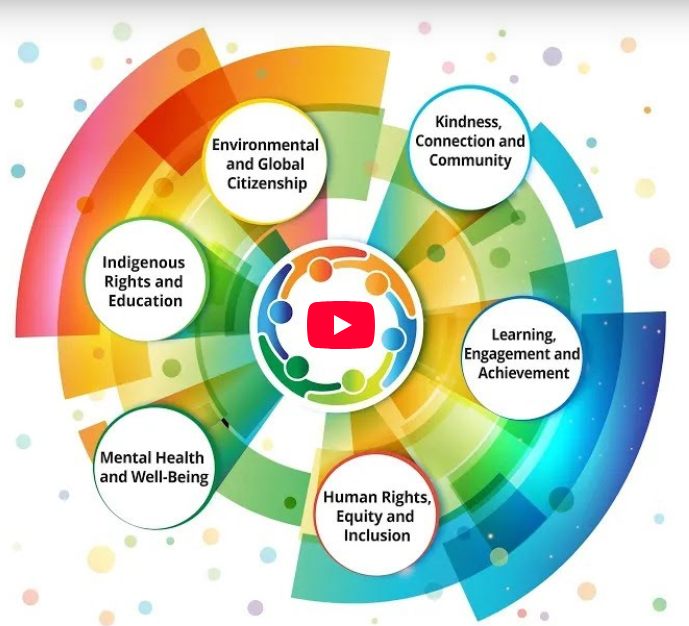



 A child’s Father explains:”Everyone has their own beliefs about what happens after death, but you can think of it like a bird being freed from it’s cage.”


 This year, your challenge is to create a design inspired by a book you love.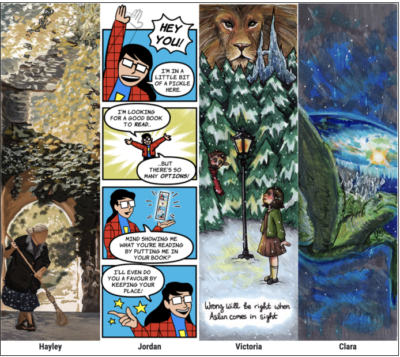
 By Olha Rusyniuk


 By Pepper Parr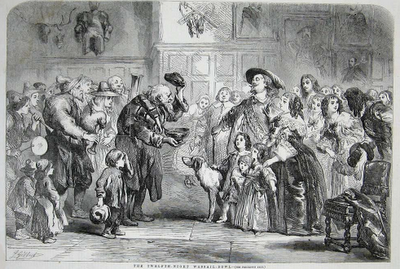


 By Gazette Staff