By Pepper Parr By Pepper Parr
December 9th, 2025
BURLINGTON, ON
There was a time when Burlington had a healthy number of local community organizations, built around education and recreation issues.
Burlington was a bustling place – parents were involved, and life was safe, easy, with no major issues taking up everyone’s time.
That began to change as we got into the 1980’s and into the 90’s
The city hummed along when Walter Mulkewich was Mayor; never any tax increases, and not nearly enough spent on infrastructure – leaving the city with a several million dollar gap that now requires a 2% tax levy that will go on for at least two decades.
 In 2018 a community organization was created to get the vote out. In 2018 a community organization was created to get the vote out.
 Then Ward 2 Councillor Marianne Meed Ward with Mayor Rick Goldring. Rick Goldring was Mayor. Marianne Meed Ward, then a Councillor for Ward 2, had decided she wanted to be Mayor. She won the seat with the promise that there would be no towers in the downtown core.
She eventually got the Urban Growth boundary moved north of the downtown core and committed herself to building high-rise towers around the three GO stations, which became known as MTSA’s
The community organization Engaged Citizens of Burlington held all candidate meetings in every city ward during the lead-up to the 2018 election did a superb job. The only thing one could complain about is that ECoB never did release a financial statement.
ECoB used the money raised to pay for the debates and one event held at the Burlington Performing Art Centre ( A Tale of 2 Cities). We arranged for a meeting prior to the election at Tansley Woods Community Centre to try to inform potential candidates on how to run an election campaign and what the job entailed.
They had to pay for the use of the venues for some of the debates. They decided to have a videographer film the debates so that residents who could not physically come to the Ward Debate could watch them on YouTube. We had to pay for people to operate the sound systems at the debates themselves.
They had to pay to incorporate as a not-for-profit and buy directors’ insurance. We paid for advertising. (The Gazette carried some of the ECoB advertizing.) In the end there was nothing left.
 There wasn’t much in the way of standing room at the ward 2 all-candidates meet held at the New Street Baptist Church in 2018 ECoB was never able to get any traction after the election. The turnout at the all candidate meetings was very high – but it didn’t result in people signing up to continue the good work.
ECoB used the money raised to pay for the debates and one event held at the Burlington Performing Art Centre ( A Tale of 2 Cities). We arranged for a meeting prior to the election at Tansley Woods Community Centre to try to inform potential candidates on how to run an election campaign and what the job entailed.
We had to pay for the use of the venues for some of the debates. We decided to have a videographer film the debates so that residents who could not physically come to the Ward Debate could watch them on UTube. We had to pay for people to operate the sound systems at the debates themselves.
We had to pay to incorporate as a not for profit and buy director’s insurance. We paid for advertising. etc. – there was nothing left.
 ECoB folded. An organization call BRAG – Burlington Residents’ Action Group got off the ground – which was as far as they got. ECoB folded. An organization call BRAG – Burlington Residents’ Action Group got off the ground – which was as far as they got.
The group wasn’t able to find a common cause; leadership issues resulted in its dissolution.
BRAG was replaced by Focus Burlington, which dedicates itself to going over the budgets with a fine-tooth comb.
Focus has about a dozen, maybe a few more, men and women who share different sections of the Budget Book, with each person focusing on a different part.
They badger city hall for data; they complain – rightly so -about the paucity of data.
They communicate via email. Except for one person, the members know each other.
The difference with Focus Burlington is fundamental – other than the two founding members, no names are released.
Of those doing the hard work – and it is hard work – some fear repercussions and don’t need the hassle of getting on the wrong side of City Hall Staff.
People aren’t interested in sharing their names and BIOs, which might make people easier to identify.
 BRAG founders Eric Stern (above) and Stephen White  Focus Burlington’s board members are Eric Stern and Stephen White. Focus Burlington’s board members are Eric Stern and Stephen White.
Stern provided the Gazette with the following:
“Burlington residents and taxpayers with an interest in the city’s budget are welcome to join the Focus Burlington Budget Group. We are a group of professionals who are not looking for recognition, but are focused on ensuring good governance of the city administration by elected officials. Our membership includes retired CEOs, auditors, HR experts, enterprise risk and performance improvement specialists, engineers, and media experts.”
“Focus Burlington does not publish the names of their helpers. Most don’t want to be known, fearing retribution from either Council or city administrative staff.
“They communicate primarily through email, and they rarely meet in person. One member of our group has not shared their name and communicates only through an unidentifiable email address.”
Stern and the group members believe that some members of council have abdicated their responsibility to review the budget in a robust fashion and look to the Citizens for input.
 These people turned out for a meeting on how to get involved in the process of getting elected. On balance, Focus Burlington is doing a good job at keeping the idea that citizens have the right to participate in the affairs of the city alive – and that this amounts to more than just responding to city surveys.
Future political leaders come out of ward-based organizations. Without these groups there is little in the way of candidates to choose from when an election takes place.
When every member of Council is returned to office one does not have a council that is responsive – you get what we have now.

By Axel Komerant
December 10th, 2025
BURLINGTON, ON
Most of our entertainment in Canada now runs through some form of tap, swipe or click for payment. This extends to streaming platforms, online gaming, virtual concerts, even ticketed live streams. People basically want every process to be seamless, and that includes how they pay for things; that explains the popularity of digital payment methods like cards, Interac, mobile wallets, etc.
 Smoother, safer and more flexible ways to pay for entertainment. What it implies is that the future of entertainment is not just about new content. It is also about smoother, safer and more flexible ways to pay for it. In that light, we’ll be discussing digital payments in relation to where it is now, and what the future holds for it.
Transition From Traditional Payments to Seamless Digital Solutions
Prior to what we have today, businesses used to be about cash and physical cards. At the time, they seemed to be most convenient and “fool-proof,” so they were the obvious choice.
However, as things moved on, there had to be a change without compromising on speed, security and a user-friendly checkout experience. That brought about solutions like digital wallets, mobile banking and contactless payments.
The best part is that these digital solutions are compatible with almost anything you need them for. So, you use them for your music streaming subscription, gaming platforms, live event ticketing, etc. That made the transition seamless, bringing them into the mainstream spotlight faster.
How Payment Technology is Shaping Online Entertainment Platforms
Unconsciously, the availability of more accessible digital payment options is changing online entertainment. Here are some of the ways you probably didn’t think of:
- Subscription flexibility: Since customers have the luxury of options for big and small payments, platforms can now introduce different tiers of subscription. In the end, it’s a win-win for everyone because businesses get more signups, while the new customers have a seamless check-in.
- Microtransactions in games: Being able to easily buy new skins, unlockables and other in-game accessories wasn’t as it is today. Just imagine having to go through a long checkout process just to get a skin. But now, you just need to input some sort of passkey; for the most part, you don’t even leave the game screen.
- Interactive digital experiences: Overall, your digital experience is significantly better when you don’t have to worry about payment. There is less friction at checkout, and as a result, entertainment providers are able to focus more on design and presentation, while transactions remain efficient.
As things stand, the availability of trusted payment methods signals trust and accessibility for potential customers. That is why some sectors like regulated gaming environments that support multiple trusted payment options are becoming more visible. A good example are directories highlighting online casinos that accept American Express, which shows how well entertainment services are adapting to consumer preferences for recognised and secure payment methods. It is just a win-win for everyone.
Security and User Confidence in Digital Payments
 Trust becomes part of the “entertainment value. .In the pursuit of speed and convenience, it is important not to compromise on security. Payment providers also understand this, and that is why they have introduced:
- Encryption
- Tokenisation
- Two-factor authentication
Basically, entertainment providers have also adopted advanced security measures to ensure real-time fraud monitoring, allowing Canadians to enjoy content without concerns.
We should also mention that privacy expectations and regulatory standards also influence how platforms approach payment security. So, beyond the basic encryption, they also have to prioritise data protection in compliance with legal developments. Thinking it that way explains the movement towards systems that actively detect unusual activity in real-time. This is especially important since several users connect through mobile apps and shared networks where security vulnerabilities are more.
As a result, trust becomes part of the “entertainment value” in itself. If you’re confident that payments are secure, you’re more likely to upgrade to premium services. So, digital payments are no longer a “technical necessity” but a fundamental element of modern online services.
Emerging Trends: What the Future Looks Like
Certain trends are already emerging and while some are fully deployed in most systems, several are still in development. Let’s look at some of them:
- Biometric authentication: Almost everyone uses it these days; we now have face IDs and fingerprint payments for online transactions and it just makes things better. People just use passwords for backup in case biometric is not available.
- AI-powered fraud detection: Systems are already in place to detect unusual activities, but they are very inefficient with a lot of false negatives and positives. But with AI-powered systems, we’re going to see the fully automated version that is fully efficient and fool-proof.
- Cryptocurrency and blockchain in entertainment access: Crypto is gradually becoming mainstream in Canada, however, not well enough. The “giants” like Netflix, Amazon Prime, as most sectors, are yet to accept it, and once they start doing so, it’ll be a game changer.
Entertainment Payments as Part of the Experience
You will also agree with us that payments are no longer just a “functional” part of the business model. Rather, they’ve become a critical part of the entertainment journey. With smooth transactions, users get seamless services, and in extension, there is more confidence and loyalty to the brand.
By Gazette Staff
December 8th, 2025
BURLINGTON, ON
From the Queen’s Park Observer.
After a contentious fall session, Doug Ford appears to be slipping when it comes to public opinion.
The Angus Reid Institute’s final premiers’ ranking of 2025 ranks him second-to-last, ahead of only Quebec’s FRANCOIS LEGAULT. Ford clocked in at 34 per cent approval, down seven points.
Ford tends to hover at the bottom of the pack in Angus Reid’s numbers, and while other pollsters have had Ford higher, they’re still seeing a slight dip.
 Ford tends to hover at the bottom of the pack in Angus Reid’s numbers. While more than half of Canadians were on side with Ford’s RONALD REAGAN ad that upended tariff negotiations with the U.S., his approval rating has plummeted from 41 per cent to 34, Angus Reid notes, saying the Premier may be in for “a Dickensian season of holiday introspection.”
“Likely driving this are more top-of-mind issues facing Ontarians, as the Trump threat continually now ranks outside of the top five. Ford’s government is reportedly moving to eliminate Ontario’s commitment to emissions reductions and climate targets, and has been moving aggressively forward with development of the Ring of Fire region. The government projects a $13.5-billion deficit and “meek” economic growth this year and next,” the pollster says.
Not to mention: the Skills Development Fund may be sticking.
By Emma Miller
December 8th, 2025
BURLINGTON, ON
Shrinking a home does not have to shrink a life. A simple playbook helps, edit what you own, digitize the rest, then reprint select memories at a size that fits the new space. Senior moving guidance often stresses emotional pacing, brief memory sessions, and family involvement, which eases the hardest choices and keeps relationships strong.
 For a typical two bedroom move, many guides suggest six to twelve weeks as a realistic timeline. For a typical two bedroom move, many guides suggest six to twelve weeks as a realistic timeline, with slower weekends for sorting and faster weekdays for logistics. The result is not a stripped space, it is a curated one that tells a clear story.
The edit phase trims decision fatigue. The digitize phase preserves stories without boxes. The reprint phase brings warmth back to the walls in the right scale for smaller rooms. A steady rhythm through these steps makes the process doable and kind.
A simple path from full rooms to a focused home
Edit what stays without second guessing
Start with clear rules. Try the Four Box Method, keep, donate, sell, trash. Pair it with the One Year Rule, items used within the last year usually stay, others go. Avoid maybe piles that drag decisions across many days. Allow one brief memory session per special item, then decide. Color coded sticky notes help families coordinate choices by room. A short gathering for passing items on can make giving heirlooms to loved ones feel celebratory rather than rushed.
 Editing is not about loss, it is about choosing what best represents the story. After the first round, tighten the edit. Keep one heirloom per category, such as a single wedding album, then photograph or scan duplicates before donating. When the dust settles, a few pieces deserve a second life on the wall, which is where curated printing can shine, including options like affordable canvas art prints. Editing is not about loss, it is about choosing what best represents the story.
Digitize memories so the stories travel light
Scanning turns stacks into a searchable library. Aim for 300 to 600 DPI, save as TIFF or high quality JPEG, consult digital photo records for format and retention guidance, and use date based filenames so everyone can find moments fast. Back up files twice, once to an external drive and once to a cloud account. If hiring a service, compare turnaround time, indexing, file formats, and privacy policies. Expect basic scanning to range from ten to fifty cents per photo, with more for full metadata.
Cloud costs are predictable. Common examples include iCloud Plus at 50 gigabytes for 0.99 dollars per month, Dropbox Plus at 119.88 dollars per year for two terabytes, and Amazon Prime at 139 dollars per year with unlimited photo storage. For step by step instructions on settings, storage, and file types, consult AARP’s guide to digitizing old photos. Consider one consolidated hard drive for home movies, then keep only the most meaningful physical tapes.
Reprint at the right scale so small rooms feel warm
Once the library is set, bring select moments back into the room. For a single focal piece, choose artwork that spans about 50 to 75 percent of the wall width, and hang it with the center near 57 inches from the floor. Leave six to twelve inches of breathing room around large prints. On small walls, medium sizes like 16 x 20 or 18 x 24 read clearly without crowding.
 Keep gallery spacing consistent, about two to four inches, so the group reads as one composition. For a five foot wall, aim for art that is roughly three to four feet wide, either one statement print or a tidy grid. Keep gallery spacing consistent, about two to four inches, so the group reads as one composition. In a three foot hallway, consider vertical formats that lift the eye. Slim frames or floating frames add warmth without visual bulk. To finish, keep five or fewer tactile heirlooms, select two or three wall pieces, and create one photo book of twenty to forty pages for hands on browsing.
Small homes, big stories
Downsizing works best as a calm review, then a project with weekly milestones, sort, scan, and style. The home that emerges feels lighter, yet more personal, because every item has earned its place. The space may be smaller, but the story it tells can feel bigger than ever.
By Gazette Staff
December 8th, 2025
BURLINGTON, ON
 They may not be playing outdoors in this weather but a Burlington Soccer team wants to put full teams on the playing field come the spring. They may not be playing outdoors in this weather but a Burlington Soccer team wants to put full teams on the playing field come the spring.
The GU15 Ontario Player Development League (OPDL) Team is searching for players looking to challenge themselves and grow their skills.
Get in touch with Head Coach Alban Lika at ALika@burlingtonsoccer.com
By Gazette Staff
December 8th, 2025
BURLINGTON, ON
The weather was brisk but that didn’t slow anyone down during the 44th annual Santa Claus parade in Burlington.
There was a different route, but the crowds were what they always are.
Players from the Centaurs Rugby Club played catch with kids along the way, making it more than just different people walking by while spectators stood on the sidewalk.
.A favourite every year is the Pipes and Drums of the Halton Regional Police Service.
The flute section of the Burlington Teen Tour Band was a part of the parade – they always are. This is one of the city’s most impressive community organizations.
The Top Hat Marching Orchestra was at its Yuletide best.
The Christmas Train, not part of the Burlington Transit fleet, rounds the bend onto Brant Street with a decent load of passengers.
Santa waves farewell as he heads back up north to prepare for his Christmas tour around the world.
The photographs were taken this year by local photographer and former Burlington Post Editor Denis Gibbons.
 Flute section of the Burlington Teen Tour Band  Centaurs Rugby Club played catch with kids along the way.
 Top Hat Marching Orchestra  Pipes and Drums of the Halton Regional Police Service.
 The Christmas Train, not part of the Burlington Transit fleet, rounds the bend onto Brant Street with a decent load of passengers.  Santa and his reindeer at the end of the parade – heading to the North Pole and Christmas Day – he has a lot of work to do.
Gibbons has covered parades for many years, including the two during the Covid pandemic. On those occasions, Gibbons never knew quite where the parade was going to be – but he managed to find and photograph both of them.
By Tom Parkin
December 8th, 2025
BURLINGTON, ON
Full time jobs fall for a second successive month
Seasonally adjusted full time employment, Canada, Nov 203 to Nov 2025

Headlines of 54,000 jobs added in November had Prime Minister Mark Carney celebrating last Friday’s jobs report. But even the shallowest dive below the headline quickly shows why union leaders weren’t joining his cheery mood.
After Carney called the report “great news for Canadians” the role of buzz killer fell to Unifor president Lana Payne, who pointed out the report found 9,400 full-time jobs were cut in November.
Longshore and Warehouse Union president Rob Ashton raised concerns about workers being pushed into “side hustles” amid full-time job losses.
26,000 workers abandon job market
And Friday’s jobs report very clearly shows part-time jobs cycling up as full time work falls, not a trend to be cheered.
StatsCan shows full-time workers fell by 9,400, tumbling from 17,237,500 in October to 17,228,100 in November. Part-time jobs increased by 63,000, rising from 3,844,400 in October to 3,907,400 in November.
November was the second consecutive month of full-time job losses. In October, 18,000 full-time jobs were cut.
Labour market participation also fell in November as 26,000 workers gave up on the job market.
Labour force shrinks as part-time work rises
Nov 2023 to Nov 2025, seasonally adjusted
Ontario leads decline in full-time jobs and participation
The biggest drop in participation was in Ontario, where 19,900 workers abandoned the labour market, 77 per cent of the national decline.

Ontario full-time jobs fell by 6,900 positions, 74 per cent of the national loss. The number of Ontario part-time jobs increased by 13,000 only 21 per cent of the national increase.
At 78.7 per cent, Ontario now has Canada’s third lowest participation rate among people aged 15 and 64. Only Nova Scotia and Newfoundland and Labrador were lower. Quebec continues to have the highest labour market participation rate in Canada at 81.4 per cent.
19,900 Ontario workers abandon search as full time jobs tank

Retail and manufacturing cut jobs, construction gains
Job trends in major industries again show Ontario is driving the troubling results.
Ontario retail stores cut 29,400 jobs in November, while shops in the rest of Canada increased staff by 600. Ontario manufacturing cut 7,400 jobs last month but only 1,900 in the rest of the country. Nationally, construction employment increased by 4,500 jobs but only 1,700 in Ontario.
Employment in selected sectors, Nov 2023 to Nov 2025 seasonally adjusted:

Canadian workers face a range of economic risks, and are being being lulled into complacency by politicians who want to celebrate victories that haven’t been won.
Worker complacency could cause unions to pull back when they need to lean in.
Carney seems intent on spending a lot of money on companies. The question is whether the focus is on workers. Alarm bells are ringing after Algoma Steel cut 1,000 jobs just days after hundreds of millions in subsidies were given. Carney excluded the union from that deal.
This is the moment when workers need the government to hear that there should be “no talk about us without us,” ensuring their unions can put workers at the central focus of government decisions.
By Gazette Staff
December 7th, 2025
BURLINGTON, ON
 With hundreds of people downtown for the Santa Claus parade, doors to city hall were locked – access to the washroom in a public building. Nope Santa Claus went off very well
Photos on that to follow.
What didn’t work out all that well was the doors to City Hall – they were locked. People who needed to use a washroom had to find a restaurant with washrooms they could use.
For reasons that have never been clear, Burlington doesn’t seem to be able to understand that – when you have to go, you have to go.
By Pepper Parr
December 7th, 2025
BURLINGTON, ON
I was not able to cover the first part of the Standing Committee meeting that took place on Monday December 1st; an appointment that had already been re-scheduled twice had to take place.
I was able to log in at close to 11:30 am and missed very significant parts of the debate.
I attempted to log into the city website the following day to get caught up and learned that the webcast for the Monday meeting was not available. City communications have yet to explain why.
Here is what I missed.
The agenda item was: Next steps for a music festival in Burlington. Jacqueline Johnson, Commissioner of Community Services made opening remarks:
 Jacqueline Johnson, Commissioner of Community Services. Johnson: “I am pleased to offer some opening remarks for this important report. Following Council’s direction in October, our team has spent the past several weeks running a clear, transparent process to identify a provider for Burlington’s waterfront Music Festival. There has been a lot of attention to this work, understandably so, and I want to start by acknowledging the effort staff put into getting us to this point, especially with very tight timeline. I also want to take a moment to recognize the long history of the Burlington Sound of Music festival for more than 40 years. It played a meaningful role in shaping Burlington’s cultural identity, and while Council ultimately had to make a difficult decision based on financial realities before you, the festival’s contributions to our community over the many areas should be acknowledged.
“The process that followed moved very quickly. We heard from more than 3500 residents who told us what they want to see going forward, Canadian and local talent, affordability and accessibility, environmental responsibility and a festival that reflects Burlington’s character, that feedback informed our approach throughout the call for applications, previously called Expression of Interest, generated 12 submissions from a mix of national producers, not for profits and local organizations. I want to thank all applicants. There was a real interest in being a part of what comes next in Burlington, and the range of concepts showed a strong sector engagement.
“Each submission was evaluated using the city’s festival and events policy then led a detailed assessment of operational readiness, safety planning, community impact, financial sustainability and alignment with resident priorities. They did this under very tight timelines as well, and I want to acknowledge the thoroughness they brought to that work. Through the evaluation, one proposal emerged as the strongest match for both the vision and the practical needs of delivering a festival in 2026 council was clear in October that sustainability and reliability were top concerns.
“I want to speak directly to the capacity of that recommended provider. MRG Live, is a national organization with a proven record, delivering major multi-day festivals, managing complex logistics and securing talent and sponsorship at scale. Earlier in the fall, staff anticipated returning with several options for council. As we went through the evaluation and considered timelines required for next year, we determined the more responsible way forward was to bring a single, clear recommendation .
“In our judgment, this gives Burlington the best opportunity to deliver a well planned, community focused event for 2026 so what is before you today is a recommendation that reflects community input, follows council approved policy, is grounded in the information by detailed a detailed expert review, and it provides a solid path forward for a renewed waterfront Burlington festival that we can all be proud of. So thank you, and happy to take any questions.”
 Shawna Stolte, Ward 4 Councillor: My questions, the reference of it being the waterfront musical festival, with that being in capital letters, is that the proposed potential new name for this festival? Shawna Stolte, Ward 4 Councillor: My questions, the reference of it being the waterfront musical festival, with that being in capital letters, is that the proposed potential new name for this festival?
Johnson: No, that’s just what we’re referring to it as right now. That’s to be determined.
Stolte: I just happened to be out in the general public over the weekend and overheard a conversation about, and I don’t know how representatives of the public, but people talking about how they understood the Sound of Music was canceled. So just that name and the brand alone, I think speaks so much. And I know that there’s some question about the name and how we could go about potentially continuing under that name, and just wondering if there’s been further conversation about the name of the Sound of Music Festival and how that could continue so the public sees it as a continued festival that is very similar to what’s been offered in the past. Myconcern is that under a new name, it could impact its success of it, as far as people thinking that it’s not the sound of music anymore.
Johnson: It is a great point and question, and although I can say that, you know, the communication and marketing and that will be done, I believe will will still bring strong, strong support for a festival next year, it’s something that the public expects in terms of the legalities or logistics around using that name. I think that was a question that came up in committee in October, and I believe Commissioner Hurley (City Solicitor) spoke to it. I’m not sure if there’s any other information, if any discussions have gone on since that meeting and today, but I can, I can turn it over to Blake to see if he has any comments to offer.
 Blake Hurley: City Solicitor Blake Hurley: City Solicitor: There’s been no further discussions and investigation of that aspect of it, this process that’s before you today had to play out and depending on what decision that committee and council ultimately make on this that will guide us as we how we move forward in exploring other options.
Mayor Mead Ward: Similar to Councillor Stolte’s discussion – so we’re moving? Should Council approve this, moving in a new direction? I guess my question is, what then happens to the Sound of Music, entity and the name? They have some outstanding obligations to vendors, as well as the city. Is the city planning a separate future report back on on those matters, as well as as the name of the festival, and could it be used for, for the new the new operator, not a new festival, but the new operator?
Johnson: I’m not able to speak to their outstanding funds owed to another party. It would be not something that the city, as far as I know, would be involved in. Again, I believe Commissioner Hurley spoke to that, or can speak to that a little bit more confidently, in terms of using a name. That is something this process wasn’t involve in. We were just looking to see what the interest was in the community for an organizer to run the festival for 2026. Was there another part to your question?
Meed Ward: Are you planning to come back, or do you need a staff direction to come back to us to discuss those matters? I understand a staged approach, and today is not the day for it. I’m just asking, at what point would there be a conversation for council on those matters? And if you’re planning to come back, do you need any kind of report back direction today.
Johnson: We wouldn’t need a direct direction. We can report back in some of our information that we have coming back in Q1
 I didn’t see any specific reference to the parade, which is a historical legacy part of this. Meed Ward: Second question is, around the there’s reference to additional downtown activation. I didn’t see any specific reference to the parade, which is a historical legacy part of this. I know we didn’t ask the community about that, which is unfortunate, but I certainly know from conversations I have, it’s a really important part of the festival.
Johnson: That being contemplated as part of this festival through you chair, yeah, no, we didn’t directly ask the community, but we do know that the community really appreciates that part of the festival, and it is something we’ve already started talking to the new organization about. So that is absolutely being contemplated.
 Hundreds of volunteers make the Sound of Music Festival work – two of them mark the location for a vendor. Will the volunteers work for free? Councillor Sharman. Really appreciate the report and the great work and short time coming up with a solution. I have two questions. The first one is, with respect to the volunteer component of the sound of music in the past, will we be inviting the same degree of volunteer support that we’ve had in the past that made it so much part of Burlington
Johnson: We would certainly encourage all of those folks that want to get involved, to or have been involved, to continue to be involved again. This is something that we will work with the organizer between now and June, and hopefully be able to report back in q1 with those details, or you’ll just see that come to life at the festival.
Sharman: My second question might be a little more sensitive. The mayor made the statement; if we choose to approve this report,then that raises the question about: How do we know whether we should choose to support the decision you’ve made? Is that something we would need to go into closed session to discuss this or is this a done deal?
Johnson: Nothing is a done deal. It would be up to you if you wanted to go and dive deeper into the detail. The report is pretty thorough. There’s lot of backing to the decision and the approach that we as staff are recommending. We’re very confident that this is going to achieve what we were directed to do. Between what we heard from the survey, what we heard in terms of the values that council wanted to see, as well as our festival of events policy guidelines.
We had a group of experts come together xxx, and this was a clear path forward. There wasn’t really even too much around. You know, The decision between this and the other applicants was,very clear and very and unanimous. I strongly recommend we go forward in order to to meet timelines and to get this done. However. You know, it’s the prerogative of council if we want to dive deeper.
 I’d like to move that we go into close to discuss the details of the decision before us. Sharman: You know, it’s not my decision, it’s my colleague’s decision to see if they have any interest in going into close to discuss it. So I’m going to make the suggestion that we go to close, and we need a council vote to committee vote to go into close, and if there’s no support, then we’re clear. I’d like to move that we go into close to discuss the details of the decision before us.
Chair: If you are proceeding to close, I’d recommend that you proceed into close to receive solicitor client advice with respect to the process. And I think that will satisfy us to get us into close. Iy’s not simply enough just to talk about the decision. We need to go into close for a specific purpose. And I’ll ask you, does that satisfy your purpose? We are going to take a vote on whether we go to close.
Counsellor Nissan: I want to know what is the goal of going into closed? What are we trying to achieve that we don’t have in the report currently?
I think the solicitor just clarified what that is, and it’s a matter of understanding the process and how we got to the decision. I have to tell you, I don’t actually want to discuss the reason any more detail. I think it is exactly what the city solicitor suggested.
Chair: To the solicitor, are there elements of this which is related to your Do you have advice to share with us in close that that you otherwise you know you weren’t planning to give to us, but what you can give to us
Hurley: I can provide legal advice in closed session with respect to the decision process and what decisions and what authorities need to be made and relied upon to do so, with respect to the contents of the decision and the festival groups decision itself and the process they went through that is something that would be discussed in open session going into close would be simply seeking and providing legal my legal advice with respect to any questions surrounding authorities and responsibilities for the group and for this council,
Chair: Councillor Sharman, you want to move to go into closed, yes, please.
Okay, we will take a vote all those in favor.
Council moved into Closed session
So we will move into closed session,
Council comes out of a lengthy closed session and reports that no votes were taken in closed session. So we will continue. Are there any questions for staff?
Councilor Sharman: Thank you very much. I want to comment that it was great that we went to the close. It was very helpful. So thank you for staff for accommodating us, and that was helpful. I do have a question with respect to, you know, the depth of community involvement that we’ve always had in this event, and whether with with MRG, we might have the opportunity to engage our community members and get some of that community involved into the process.
Johnson: We would speak with the new organization around ensuring that the conversations are happening with the existing volunteers, and just invite folks that want to be involved. For something new we need recognizing the nature of the relationship with MRG around the Spencer Smith Park and other parts of the city.
Mayor Mead Ward: I wondered if staff could just provide a little bit more color than what we got in the report around the process and who participated in reviewing the applications.
 Emily Cote, Director of Recreation, Community and Culture: We received the applications on November 21 and staff and members of the Festival and Event strategy team, which I can name: Senior Manager of Cultural services for the City of Burlington; Director of music from the Burlington Teen Tour band; the executive director from the Burlington Performing Arts Center, Special Constable from HRPS, our financial controller from our finance department, and then the director of destination development and marketing from Burlington Economic Development and Tourism and the Executive director from the Burlington Downtown Business Association (BDBA) sat down and went through all the applications and aligned them with our festival and events policy and the criteria that’s established in there. MRG came out as a clear top applicant. Emily Cote, Director of Recreation, Community and Culture: We received the applications on November 21 and staff and members of the Festival and Event strategy team, which I can name: Senior Manager of Cultural services for the City of Burlington; Director of music from the Burlington Teen Tour band; the executive director from the Burlington Performing Arts Center, Special Constable from HRPS, our financial controller from our finance department, and then the director of destination development and marketing from Burlington Economic Development and Tourism and the Executive director from the Burlington Downtown Business Association (BDBA) sat down and went through all the applications and aligned them with our festival and events policy and the criteria that’s established in there. MRG came out as a clear top applicant.
Mayor: My final question, just so the public is aware, the the reasons that the recommendation for us today has been is a Receive and File rather than an approve or pick a proponent. Can you share with the public why it is worded as a receive and file? Thanks,
Cote: It’s worded as a receive and file for a few reasons. One is that staff have the delegated authority under the Festival and Events policy following our process, which we did in this case. The second reason is there’s also a very, very short time window to successfully put on an event for 2026. The applicant needs to get all of the items in a row. Typically, it’s about 18 months to put an event like so. So that’s also why we’ve brought it to to committee.
Mayor: To be clear, the team that you mentioned, have made this decision, and this is a report out for information to council.
Cote: That’s correct.
Chair: I see no more questions. We have a mover for this motion.
Mayor, I’m happy to speak to it as the mover chair, if that’s okay.
I just want to thank our staff team and all of the people who participated in this process. Council set you on a very short timeline to get this work done, to communicate with the with the public, to do the survey and to to make a decision and bring that information back to us, so that really the proponent would be set up for success for the 2026 festival. So I want to thank you for your work in a short period of time.
It’s it’s an interesting outcome, not one I saw coming, but I’m satisfied that a very thorough process was done, and the right folks have been engaged in that process. I’m really pleased to see that it’s going to remain free. That was something certainly important to me. But it’s borne out by the by the survey that we see that’s the highest, the highest response was to keep it free or nominal. But Free is better, so I think that is, that’s great, and I think there’s still opportunity to to provide input into into the festival.
Staff will report back in January with some additional information. And I’m pleased to see that the major elements that have made this such a successful event continue to be part of this application, including local, including Canadian, including making sure that there is a strong community presence as part of this, as part of this. And I know, you know, for us, we just wanted to make sure that this could go, could keep going. It’s it’s been going for many years in our community, and it is a well loved it’s really the kickoff to summer, and it’s the time my my my kids used to tell me turn Burlington change from being boring ton To Being Awesome. So more more youth and young people participating in events in our downtown is is phenomenal. And it’s actually really interesting to see the the interest 12 applications to do something, and I take a lot of comfort that staff are going to follow up with those to see if there is a both end, if there’s a way for some of these other events to take place somewhere in the city, at a different time, or, you know, at a different venue, obviously. So, so that’s really great to see people wanting to provide local programming. So overall, you know, I think this is a good direction, and it retains a music festival for our community, which they’re very interested in pursuing, and making sure that happens. So we will have a waterfront festival and invite everybody to come Father’s Day weekend like always. Thanks.
 It’s not a complete decision – that will come in January, February or March of 2026, first quarter. Councillor Kearns: So this a Receive and File. It’s not a complete decision that will come in January, February or March of 2026, first quarter. I just want to remind folks that this was a financial decision that was made, and I’ll be looking forward to seeing what the finances look like with this particular arrangement.
Some of the funding pressures were quite heavy on the previous organization, especially around security costs and city permits. I note that this is two days and not four, which is a huge cost cut to the overall delivery of the program, and I’ll be looking forward to see which sponsors are going to be able to help assist in keeping this a free festival.
We definitely have a direction here under our policy, but this really has not been a council decision. To be really clear, policy is Council-driven, but this decision is a staff driven decision at this time to continue to do the work and the exploration, so we will see what comes back in the first quarter of 2026
Councillor Sharman: The situation we were in over the last few years was pretty difficult and significantly costly, and we can’t forget that. We ended up in a position middle of last year or late last year that was untenable, frankly, and with little time to fix it, staff did what we asked them to do, was step up and bring us a solution that would give us something that was sustainable, replicable, and that would evolve into something that could be, could be there for us for a long time to come.
You’ve done that in the short term. It won’t be four days, it’ll be two days, but then we’ve only got, you know, a few months to make that happen. And I recognize we were hearing back in September that, you know, that’s when grant should be applied for, and those opportunities so maybe too late.
My point here is that you made a robust and dependable recommendation out of the gate, and you did consider other organizations, many people we know, and we really appreciate all the work they’ve done in the past, and we look to have them involved in some ways as we move forward. So we’re not abandoning anybody. We’re just looking at we just put a new engine in the in the car who’s going to start off with being a smaller car, and we’re going to drive it off, and we’ll make it into something bigger in the future. And we look forward to having a significant community engagement in in that process. Thank you.
Councillor Nisan: Could staff just confirm what we will be getting back in Q1; my understanding is the this is a receiving file because of providers already been selected. So could you just confirm what happens in Q1 in terms of that report back?
Cote: What’s coming back in Q1 is a detailed report of what the festival will look like in June. The details of what it even maybe what it’ll be called, what it’ll be, look what it will include. And so just some more detail that we didn’t have yet to include in this report.
Nisan: Obviously the timelines are very very tight, so I recognize this is a delegate decision by staff. And overall, although, although your staff aren’t asking necessarily, I am very happy to see that a there will be any festival at all in 2026 I think that what’s going to be a challenge period and and the fact that we were able to is is fantastic, and that the intention is for the festival to be free. I think it’s absolutely critical. We all know that a festival can be delivered at Spencer Smith Park, A A plus venue at a cost, but to do it for free is more challenging, and so that they are trying to do that, and that they’re going to figure out a way, is so important to me. I hope to see great things in the future. And I wish all the best to the selected provider. Thank you.
Chair: The report has been moved by the mayor, and I’m going to call the vote on the following motion, and I’m going to read it out:
Receive and file for information Community Services. Report, CSS, 29- 25 regarding Waterfront Music Festival, the results of the call for the application and recommended next steps with the outcome of the Waterfront Music Festival call for application process, including the identification of MRG and live limited as the top applicant through the festivals and events strategy team in accordance with the city’s festival and events policy, and direct the director of recreation, community and culture to bring forward an information report in q1 2026, providing event details for the waterfront Music Festival scheduled at Spencer Smith Park on Father’s Day weekend, June 19 to 21st 2026, all those in favor, any opposed.
 Council just prior to the vote. Angelo Bentivegna was the chair of the meeting The vote was unanimous.
A lot of Council noses are still very much out of joint.
By Gazette Staff
December 5th, 2025
BURLINGTON, ON
Lots of palace intrigue at Queen’s Park.
Premier Ford didn’t like the job Progressive Conservative Party Executive Director Gareth Neilson was doing and turfed him after just six months in the job.
 Political intrigue walks the halls of the provincial legislature. Just six months after taking the gig, PC Party executive director Gareth Neilson was abruptly shown the door this week, Queen’s Park.
Observer has learned. Neilson, a longtime organizer with decades of party work under his belt, was fired “without cause” at the behest of Premier Doug Ford.
The PC party Executive Director’s job is to keep the party on an election footing, be it for the next election or a snap election.
Neilson is quoted as saying: “Just look at the Ontario Liberals, they’re a mess today and it’s because they failed to prep before and after 2018.”
One PC insider said “It sounds like the Neilson exit reflects the leader [DOUG FORD]’s preference for putting a loyalist in the job — someone more in line with his direction, much like [ex-exec director] DAVID GARLAND. That could explain why Gareth didn’t last. ““From what I saw working with him, he was laying the groundwork the party would need heading into the next campaign. In politics, you’re always gearing up for the next fight, whether it’s a by-election or a snap general.”
Why it matters: Executive directors are crucial to a political party’s function — they’re in charge of pretty much every facet of the operation, from overseeing memberships to election prep and beyond.
Just six months after taking the gig, PC Party executive director Neilson was abruptly shown the door this week. Neilson, a longtime organizer with decades of party work under his belt, was fired “without cause” at the behest of Premier DOUG FORD.
Neilson is keeping pretty tight-lipped on the matter — reached by phone last night, he only said “the party is going in a different direction.”
 You serve at the will of the leader. “You serve at the will of the leader. It is what it is,” he said. “I’ll be back when Doug Ford’s gone.”
It isn’t the first time Neilson’s been let go from the party, he was turfed as director of organization around the 2022 election, before returning as exec director this spring.
This time around, his ouster caught many card-carrying loyalists off guard, including one sitting caucus member who said, “wow.”
Word on the street is party brass weren’t happy with some of the budget cuts Neilson was pushing for. And while he says he has “no hard feelings,” Neilson is no longer planning on attending the upcoming party convention at the end of January.
The timing of his firing and its proximity to the convention is also raising eyebrows, but Neilson said most of the planning on that front is already done.
Executive directors are crucial to a political party’s function — they’re in charge of pretty much every facet of the operation, from overseeing memberships to election prep and beyond. It’s a full-time paid position.
By Matthew Lau
December 6th, 2025
BURLINGTON, ON
Premier Doug Ford recently called himself a “prudent fiscal manager”—this is the same Doug Ford that said the Liberal government of Kathleen Wynne who he replaced back in 2018 was “reckless” in its spending. The irony is, according to the Ford government’s recent economic update, if the Ford government was as “prudent” as the previous Liberal government, Ontario taxpayers would save between $7 billion to $10 billion this year.
 The Premier was going to “unleash our economy.” A government whose spending costs taxpayers an extra $7-10 billion this year is not exactly “keeping costs down,”  PC Leader Doug Ford faced a barrage of questions from Liberal Premier Kathleen Wynne and NDP Leader Andrea Horwath during the election that made him Premier. In 2017/18, provincial government program spending was $142.5 billion or 17.3 per cent of GDP. The latest projection for 2025/26, including reserves, is $220.4 billion, an increase of more than $2 billion from the original 2025 budget and representing 17.8-18.1 per cent of GDP (depending on the GDP forecast). Had Doug Ford simply maintained Wynne’s “reckless” spending at 17.3 per cent of GDP, program spending would be $7 billion to $10 billion lower.
Notably, the Ford government’s vast overspending predates the negative impacts of Trump’s tariff policies. In 2024/25, program spending was 17.7 per cent of GDP. Again, comparing to Wynne’s “reckless” spending level, the Ford government cost taxpayers approximately $5.4 billion extra last year.
Much of this increased spending has gone to corporate welfare. As researcher Samantha Dagres found in a recent analysis, Ontario government corporate subsidies reached almost $10 billion by 2023, or nearly triple 2017 levels. In recent years, corporate handouts have been given for everything from manufacturing automobiles and producing candy to supplying windows and training dogs. Alas, studies show corporate welfare programs fail to improve economic growth.
In addition to “keeping costs down,” the Ford government boasts in its economic update about “unleashing our economy.” But just as a government whose spending costs taxpayers an extra $7-10 billion this year is not exactly “keeping costs down,” the data plainly show the Ford government has done little to unleash the province’s economy.
As economists Ben Eisen and Joel Emes showed in a study earlier this year, Ontario’s real GDP per person, which is a broad measure of living standards, has fallen markedly relative to the rest of Canada since 2000, and the situation has not improved since the Ford government came to office in 2018.
The most recent data confirm Ontario’s economic stagnation. In 2024, real GDP growth was 1.2 per cent in Ontario versus 1.8 per cent in the rest of Canada. According to a TD Economics forecast in September, Ontario’s real GDP growth is expected to slow to 1.0 per cent in 2025 and 0.9 per cent in 2026—again below the national average in both years. Meanwhile, unemployment is expected to remain stubbornly high: 7.8 per cent in Ontario this year compared to less than 7 per cent (on average) in the rest of Canada.
Poor fiscal management and failed corporate welfare programs are not the only reasons for Ontario’s long-term underwhelming economic outcomes. The province’s business and personal income taxes remain persistently elevated because the Ford government broke promises to reduce both.
Ontario’s top marginal tax rate is currently 53.53 per cent. Notably, according to estimates by fiscal economist Kevin Milligan and Micheal Smart, even when the top tax rate was 46.41 per cent back in 2011, before two provincial tax hikes and a federal tax hike, the rate was already so high that increasing it further would actually be so economically harmful as to reduce total government revenue.
As the evidence, including in the latest economic update, clearly show, the Ford government is neither keeping costs down nor unleashing the economy. Quite the opposite.
 Matthew Lau is an adjunct scholar at the Fraser Institute and writes regularly for the Financial Post. His writing covers a wide range of subjects, including fiscal policy, economic theory, climate change, and government regulation. He holds a Bachelor of Commerce degree with a specialization in finance and economics from the University of Toronto, and is a CFA charterholder. Matthew Lau is an adjunct scholar at the Fraser Institute and writes regularly for the Financial Post. His writing covers a wide range of subjects, including fiscal policy, economic theory, climate change, and government regulation. He holds a Bachelor of Commerce degree with a specialization in finance and economics from the University of Toronto, and is a CFA charterholder.
By Joe Gaetan
December 6th, 2025
BURLINGTON, ON
Burlington has spent years trying to improve its transit system. Routes have been redrawn, schedules adjusted, buses upgraded, consultants hired, and millions invested. Yet for all that work, the city keeps running up against the same frustrating truth: Burlington was built for cars, and no amount of tinkering can turn it into a city where traditional fixed-route buses operate efficiently.
 QEW cuts through the city. To understand why that matters, it helps to look at the physical reality of our city. Burlington is carved into pieces by major infrastructure. The QEW and 403 form a massive east-west barrier. The CN freight corridor and GO rail line slice along the south end of the city with only a few places to cross. Dundas Street creates a northern boundary that is fast-moving and difficult to navigate on foot. This patchwork leaves buses weaving in and out of neighbourhoods just to get from one side of the city to the other. The system we inherited cannot succeed using the same tools that work in big cities. Which is why residents choose to drive – even if they prefer not to.
Inside those neighbourhoods, the challenge grows. Burlington developed with winding crescents, cul-de-sacs, and subdivisions that were intentionally designed to discourage through traffic. It’s part of what makes the city pleasant to live, but a nightmare for bus routing. Traditional transit needs straight, continuous corridors to maintain reliability. Burlington is full of curves, loops, and pockets that require detours, long travel times, and the kind of indirect routing that turns a simple trip into a long one.
Layer on the fact that Burlington is largely low-density, with single-family homes spread far apart, and the problem becomes structural. A big bus passing through a neighbourhood where the nearest person might be a ten-minute walk from the stop is never going to attract large numbers of riders.
The Alternative
The alternative, ARGO’s Smart Routing™. A system used elsewhere and now being piloted in Brampton and Bradford West Gwillimbury. Instead of relying on fixed routes and large buses, it uses smaller electric vehicles that respond in real time to where riders actually are. In short, it’s a system designed for suburban cities like Burlington.
 19 passenger electric buses that would work on an on-demand model. ARGO’s Smart Routing adapts transit to where people actually are. Riders request a trip a day ahead, and the system then sends an electric vehicle to pick them up at or near their home. No more walking long distances to a stop, waiting in the cold or heat, dodging rain sleet or snow hoping a delayed bus will show up.
The door-to-door model can dramatically improve use for seniors and people with accessibility needs-something deeply important as the city plans for the future.
Perhaps most importantly, this model is cost-responsive. Instead of putting large, expensive buses on routes where they routinely carry one or two passengers, the ARGO system deploys vehicles where and when they’re needed. That means higher utilization, lower operating costs per trip, and a more efficient use of taxpayer dollars.
A pilot program would give Burlington the ability to test the concept, measure outcomes, and collect data before making long-term decisions. And on that note – we also need to ask riders to tap on and off each segment. The potential upside – better service, lower cost, and higher ridership.
Burlington spends millions on transit and has floated the idea of purchasing hybrid/electric buses at a cost of roughly $1.5 million each for buses that on average carry just one rider. The e-Jest buses used by Argo and deployed in cities like Sain John NB and Santa Maria CA run around $350,000.
Burlington has an opportunity to reinvent transit by integrating micro-transit alongside our existing system. Rather than pushing harder on a model that struggles no matter how much money we pour into it, why not explore a system designed for cities like ours.
ARGO may not solve every challenge. But it may be the solution that truly fits Burlington. Link to how ARGO works. Get a peek at what the electric 19 passenger buses look like.
Finally, this is exactly the kind of Canadian-made innovation that Prime Minister Mark Carney and Premier Doug Ford should be looking to champion, not only as a smarter transit solution for cities like Burlington, but as a strategic investment in a homegrown company with national and international potential.
By Gazette Staff
December 6th, 2025
BURLINGTON, ON
 This is a deep dive into how Canada is likely to manage the threat to our northern border. It was first published by Policy Alternatives, This is a deep dive into how Canada is likely to manage the threat to our northern border. It was first published by Policy Alternatives,
Since Russia’s 2022 invasion of Ukraine, Ottawa has aligned itself with Washington: sanctions, military aid to Kyiv, reinforced deployments in Eastern Europe, suspended diplomatic channels. But in a multipolar world, can Canada maintain this course? Supporting Ukraine remains essential, but Canada must also protect its interests and play its historic role as mediator.
When Pierre Elliott Trudeau went to Moscow in 1971, Canada was in the thick of the Cold War. The Soviet Union was the West’s adversary, yet Ottawa chose dialogue, balancing deterrence and diplomacy. Half a century later, in a new era of great-power rivalry, that lesson bears repeating.
Today, the international system is no longer unipolar. The post-1991 era of uncontested U.S. dominance has given way to a more fragmented world. Emerging powers such as China, India, Turkey, and Brazil are reshaping the global order. As for Russia, despite sanctions and the costs of the war, it remains a central player: a nuclear power, an Arctic neighbour and, a state embedded in energy markets, diplomacy and security networks.
A long history of shifts
Russia’s place in the world has never been fixed. Since Peter the Great’s reforms in the early eighteenth century, the country has alternated between European integration and inward-looking autocracy. The late nineteenth century brought industrialisation and a measure of liberalisation, quickly followed by revolution and the rigid centralisation of Soviet power.
The Soviet Union projected power worldwide but collapsed under the weight of its contradictions in 1991. In the late Soviet period, Mikhail Gorbachev began limited political liberalisation (glasnost, perestroika, competitive elections). After 1991, that liberalisation continued briefly. In 1993, under President Boris Yeltsin, the constitutional crisis and the new constitution entrenched a strong presidential system; from then on the authoritarian turn gathered pace.
Canada had to adapt to these shifts in Russia’s orientation. During the Cold War, Ottawa condemned Soviet repression while maintaining exchanges and pursuing détente. From the 1950s onward, Canadian peacekeepers were deployed to conflicts shaped by East–West rivalry. Canada supported NATO and NORAD but also sustained cultural and scientific exchanges, convinced that isolation alone was untenable.
What is at stake for Canada today
 Distant Early Warning (DEW) Line in the Arctic reminded Canadians daily that Soviet bombers could reach North America within hours. Russia and Canada share an Arctic geography that is more than symbolic. During the Cold War, radar stations on the Distant Early Warning (DEW) Line in the Arctic reminded Canadians daily that Soviet bombers could reach North America within hours. Today, climate change is opening new Arctic sea routes. If Canada wants to assert its sovereignty in the North, it cannot ignore Russia as a key actor.
The Ukrainian diaspora is another dimension. Canada hosts one of the world’s largest Ukrainian communities, which has naturally shaped Ottawa’s pro-Kyiv policy since 2014. Yet Canada’s own history also reminds us of the need to balance solidarity with dialogue. Even at the height of the Cold War, Ottawa kept communication channels with Moscow open, recognizing that engagement and deterrence can coexist.
Canada’s commitments to its alliances are real. NATO, NORAD and the G7 remain the pillars of its security. But the country has always aspired to be more than a loyal ally: a mediator, a bridge-builder, a moderate voice. In a multipolar world, aligning exclusively with Washington risks narrowing Ottawa’s strategic room for manoeuvre.
This approach must also take into account Canada’s domestic constraints: the importance of the Ukrainian diaspora, its commitment to NATO and the G7, and public opinion. The policy focus should therefore focus on risk management and crisis-prevention mechanisms where Canadian interests are direct and measurable.
Multipolarity and realism
Recognizing multipolarity does not mean condoning Russia’s aggression in Ukraine or abandoning a rules-based international order. It means acknowledging that the global system is no longer organised around a single pole of power. Russia has tightened ties with China, expanded its presence in the Middle East and sought greater influence in Africa.
 The DEW Line was the northernmost and most capable of three radar lines in Canada and Alaska. The first of these was the joint Canadian-United States Pinetree Line, which ran from Newfoundland to Vancouver Island just north of the Canada–United States border, but even while it was being built there were concerns that it would not provide enough warning time to launch an effective counterattack. The Mid-Canada Line (MCL) was proposed as an inexpensive solution using bistatic radar. This provided a “trip wire” warning located roughly at the 55th parallel, giving commanders ample warning time, but little information on the targets or their exact location. The MCL proved largely useless in practice, as the radar return of flocks of birds overwhelmed signals from aircraft. For Canada, the task is to defend its national interests while accepting the realities of a multipolar system. That means preparing for long-term coexistence with Russia. At times this coexistence will be conflictual, at times cooperative.
We should distinguish two tracks. First, the need to keep communication channels open to manage crises, avoid miscalculation, and state Canada’s positions directly. Second, the idea of deep security or environmental partnerships, which is not realistic so long as Moscow continues to violate international law and wages a war of aggression. This article addresses the first track.
A forward-looking Canadian policy
A pragmatic approach should start with limited, verifiable measures in the Arctic: search and rescue; air and maritime deconfliction; spill prevention; and tightly scoped scientific exchanges on permafrost and climate risks. Gradually revitalising the Arctic Council would focus on risk management that directly affects northern communities.
Since 2014, and even more since 2022, Russia has acted reactively (at times over-reactively) and in defiance of several treaties and international frameworks. That does not make it unpredictable. Its priorities and red lines have been relatively consistent. Since 2014, Moscow has repeated them: NATO enlargement, Crimea, Western deployments, and Belarus’s security. What is often read as unpredictability largely reflects weakened Western analytical capacity and channels of understanding. Hence the case for crisis hotlines and renewed expertise to reduce misperception.
Diplomatic channels must also remain open. Canada kept talking to the Soviet Union at the height of Cold War hostilities; the same logic holds today. It ensures that crises can be managed and that Canadian positions are not filtered only through allies. In practice, that means maintaining crisis channels, military points of contact to prevent incidents and very targeted technical exchanges when Canadian interests require them.
Lean into our middle-power identity
Energy and resource security is another area where Canada makes a distinct contribution. As a reliable supplier to partners seeking to reduce dependence on Russian hydrocarbons, Canada can strengthen its position as a credible alternative. At the same time, it should not shy away from including Russia in global discussions on energy and climate, because those debates lose relevance if major powers are excluded.
Diaspora communities matter as well. Canada’s large Ukrainian community has shaped Ottawa’s policy, but Russian-speaking Canadians should also be part of the conversation. Encouraging dialogue among communities helps ensure Canadian policy reflects a plurality of perspectives.
Finally, Canada should lean into its middle-power identity. Its credibility has always rested more on constructive mediation than on military might. It should champion global governance frameworks that do not close the door to Russia when concrete interests converge, when compliance with rules can be verified, and when safeguards are in place.
Drawing on Canada’s past
 Soviet tanks are surrounded by crowds of Czechs protesting against the invasion on Prague’s Wenceslas Square on August 21, 1968. Canada’s Cold War experience shows that principled pragmatism is not weakness but strategy. Ottawa condemned the 1968 Soviet invasion of Czechoslovakia while pursuing arms-control talks. Canadian universities welcomed Soviet students. Cultural exchanges continued. Canadian officials pressed for human rights within the Helsinki framework.
From 1945, Canada emerged from the Second World War as a founding member of the United Nations precisely because it understood that adversaries had to be included. Excluding the Soviet Union from the post-war architecture was never an option. The same logic applied during the 1956 Suez Crisis, when Lester B. Pearson proposed the first UN peacekeeping force, a solution that won the support of the United States and the Soviet bloc and hastened British and French withdrawals. Canadian influence did not come from military force but from creativity and credibility as an honest broker.
Canada was also at the forefront of disarmament and arms-control initiatives. In the 1980s, as Cold War tensions intensified, its diplomats pushed for a ban on chemical weapons and for nuclear non-proliferation frameworks.
These precedents show that Canada has long understood a basic truth: global governance cannot function if adversaries are absent from the table. In today’s multipolar era, trying to exclude Russia risks weakening the very institutions Canada has championed for decades.
Diplomatic imagination
As Russia redefines its place in a multipolar world, Canada must also reposition itself. The choice is not between naive engagement and total isolation; it is between a reactive role that trails great-power rivalries and a proactive middle-power role that helps shape the terms of coexistence.
 Late November 1956: Canadians arrived in Egypt to serve in the first large-scale United Nations peacekeeping force. Canada has long played an important role in international peace support efforts; the country was a central player in the first large-scale peacekeeping mission undertaken by the United Nations in response to the Suez Crisis in Egypt in 1956. Canadian Minister of External Affairs Lester B. Pearson put forth the concept of a multinational force that would go there to enforce a cease-fire and oversee the withdrawal of foreign troops. Pearson was awarded the Nobel Peace Prize. Trudeau’s 1971 trip to Moscow was controversial, but it reflected Canada’s confidence in its ability to play its own game on the world stage. Pearson’s initiative during the Suez Crisis reflected the same intuition: Canadian influence has come less from military strength than from diplomatic imagination. Half a century later, that confidence – together with vision and initiative – is needed again.
If Canada defines its Russia policy solely by Washington’s preferences, it risks shrinking its own role in a multipolar world. If instead it draws on its history of engagement, combining firmness with dialogue, loyalty to allies with independent judgment, it can speak with a voice that matters. Canada does not choose the Russia it has; it chooses the policy it pursues.
A strategy of selective engagement, backed by deterrence, law and verifiable safeguards, reduces the risk of miscalculation and creates space for action when interests align. Over time, it can also rebuild a minimum of trust and stabilise the relationship, while steering away from a dangerous collision course, including the risk of nuclear escalation.
By Pepper Parr
December 6, 2025
BURLINGTON, ON
The story was told on social media: it should have been front-page news.
 Alexa Gilmour; NDP member for Parkdale-High Park. Her comment on social media should been front-page news. Earlier this week, the Ford Progressive Conservative government voted down the NDP motion to end violence against women. I want to tell you just how big a slap in the face it was to women across Ontario.
The Associate Minister for Women’s Social and Economic Opportunities;
the Minister for Children Community Social Services;
and the Minister for Education and Child Care,
didn’t even bother to show up for the debate to hear the plan being put forward.
This after we had gathered dozens of frontline workers from the labour, union rights workers, and advocates in the Violence Against Women.
All these people had come together to write this plan, hand it to the government and say, Please, here’s what we need to do to end violence against women.
They voted it down.
By Pepper Parr
December 5th, 2025
BURLINGTON, ON
At a recent council meeting, during which how city councillors are to be compensated, Ward 1 Councillor Kelven Galbraith said: “With no print newspaper left in Burlington”, he relies on flyers to reach residents. He noted that the current budget only allows him to do so once a year.
Galbraith needs some help; There are four online newspapers that serve the city:
Burlington Gazette, which is the oldest online newspaper: 12 years
Burlington Today – a relative newcomer that has a strong readership.
The Burlington Post which converted to an online paper when Metroland Media killed all their weekly papers, and stiffed their reporting staff at the same time.
The Bay Observer and Insauga.


The five online newspapers are active, growing and serving the news and entertainment that are part of every city.
Advertising support from the city, precious little. The Bay Observer has managed to convince some of its city Councillors to advertise. In Burlington, both the federal and provincial elected representatives have advertising budgets. Not much of that money makes its way to the media.
 The Bay Observer manages to get some advertising from members of Hamilton City Council. In Burlington media gets invitations to photo ops where the Mayor might tear up or a Council member is cutting a ribbon at a new retail location. 

Media is in place to keep those that serve the public transparent and accountable. They all read the media – we know that because when there is something that they think is wrong – we hear from them.
By Gazette Staff
December 5th, 2025
BURLINGTON, ON
 Specifically: 1 (one) lane out of 3 existing (1 left lane), on the QEW Niagara Bound will be closed from 2:00am until 5:00pm Saturday December 6th weather dependent. As part of our project on the QEW/Burlington Bay Skyway Bridge (Niagara Bound), the contractor is working on the rehabilitation of the QEW Niagara Bound lanes of the Burlington Bay Skyway bridge and to carry out this work, one Niagara Bound (eastbound) lane, out of the three lanes approaching the Skyway will be closed to allow for waterproofing and paving of lane 1 and the median, including the approach slab.
Specifically:
- 1 (one) lane out of 3 existing (1 left lane), on the QEW Niagara Bound will be closed from 2:00am until 5:00pm Saturday December 6th weather dependent.
It is expected that there will be traffic delays during this closure.
- Advance signing and notification will be provided to motorists so they can plan an alternate route. Eastport Drive will be open and available as an alternate route. Motorists can access the QEW Niagara Bound both before (north) and after (south) the Burlington Lift Bridge.
- No additional weekend work is anticipated if the work scheduled for this weekend is completed.
Travellers can visit http://511on.ca/ or @511Ontario for updates on work and traffic impacts.
By Pepper Parr
December 4th, 2025
BURLINGTON, ON
The Santa Claus parade will take place on Sunday.
Will there be room in the event for the reason for the season?
Or is the birth of Christ going to be totally forgotten?
 We sometimes lose sight of what the Season is about. Did parents watching the floats pass by use the opportunity to spread the message? You don’t have to buy into whether or not it was a virgin birth.
The fact is Jesus Christ was born.
You don’t have to buy in on whether or not he rose on the third day.
The fact is, he was crucified.
And those two facts are pillars, fundamental parts of the society we live in – the Western society at least.
Amazes me how we have managed to forget all that.
Maybe that has something to do with how damaged a world we live in.
By Gazette Staff
December 5th, 2025
BURLINGTON, ON
 The Burlington Community Foundation released their Vital Signs report in September. As part of their in-depth follow up to the contents of the report they have scheduled three Vital Community Conversations for 2026 so they can gather in community to discuss ways to take action around some of the key findings identified in Burlington’s 2025 Vital Signs research. The Burlington Community Foundation released their Vital Signs report in September. As part of their in-depth follow up to the contents of the report they have scheduled three Vital Community Conversations for 2026 so they can gather in community to discuss ways to take action around some of the key findings identified in Burlington’s 2025 Vital Signs research.
The first Vital Community Conversation, to be held in partnership with the Burlington Public Library, will focus on housing. A registration link will be made available in January on our website.
 Save the the following dates to join us in community: Save the the following dates to join us in community:
- January 27, 6:30-8:30 pm, Central Library (maximum capacity: 60)
- April 16, 1-3 pm, Tansley Woods branch (maximum capacity: 40)
- October 8, 6:30-8:30 pm, New Appleby branch (maximum capacity: 60)
This is an interesting approach to learning what the public thinks and feels about what the Community Foundation has been doing. The funds they make available to community organizations are well known: the most recent distribution amounted to $315,000 to xxx organizations.
The foundation wants to dig deeper into the housing issue. Set out below is the data Vital Signs had on housing.


By Trevor Hurry
December 5th, 2025
BURLINGTON, ON
Sports fans across the United States continue to find new ways to deepen their connection to the games they love. One of the most influential shifts in recent years is the rise of casual bettors, fans who place low-stakes wagers primarily for entertainment.
 One of the most influential shifts in recent years is the rise of casual bettors, fans who place low-stakes wagers primarily for entertainment. Far from being high-risk gamblers, these everyday fans use online betting to make games more engaging, social, and emotionally immersive. Their involvement is transforming how sporting events are viewed, discussed, and enjoyed.
Emotional Investment that Elevates Every Moment
Casual bettors introduce a new layer of excitement into every match they watch. By putting even a modest wager on a team, play, or outcome, they instantly feel more emotionally connected to the action on the screen.
Every pass, pitch, or possession gains weight because there is personal interest attached to the unfolding moment. This heightened engagement mirrors the thrill of prediction; fans get to test their sports knowledge and instincts in real time.
With online betting platforms offering accessible markets and simple interfaces, fans can jump into the action without needing deep technical expertise. Exploring FanDuel odds or comparing props on other platforms becomes part of the fun, adding anticipation to the experience.
Shared Experiences That Strengthen Social Bonds
One of the most overlooked benefits of casual wagering is its ability to strengthen social connections. When friends or family discuss picks, share small bets, or celebrate even tiny wins, they turn isolated viewing into a shared adventure.
Online betting encourages these conversations by making wagering more accessible and interactive. Fans use group chats, forums, or live watch parties to compare strategies and talk through potential outcomes.
 Informal pools or weekly challenges to keep everyone involved. This collective experience turns sports into a participatory event rather than a passive one. Friendly competition naturally emerges, with bettors creating informal pools or weekly challenges to keep everyone involved. These social elements deepen camaraderie and encourage fans to return for more.
The sense of competition is playful rather than high-pressure, making it ideal for casual bettors who want to enhance the enjoyment of their favorite sports.
Live Betting and Real-Time Engagement
Today’s online betting platforms allow fans to place wagers in real time, creating a dynamic way to stay glued to every moment of the game. Live betting lets casual bettors react instantly to momentum shifts, coaching decisions, or standout performances.
This interactivity turns the viewer into an active participant who tracks the latest betting insights and trends alongside the game. This fast-paced decision-making provides gratification that traditional bets can’t match.
Fans remain engaged from start to finish because every possession, play, or penalty can influence their next move. The rapid pace of live markets aligns perfectly with the fast-moving nature of modern sports, giving bettors a deeper, more dynamic connection to the action.
Gamification and Modern Fan Engagement
Gamification has become a major driver of enhanced fan engagement in the online betting space. Many platforms now include trivia, quizzes, challenges, streaks, and leaderboards, features that encourage competition beyond the wagers themselves. For casual bettors, these elements add an extra layer of fun and motivation.
Gamification rewards knowledge, consistency, and strategic thinking. Fans enjoy earning badges, climbing leaderboards, or beating friends in prediction contests. These features help transform online betting into a holistic entertainment experience rather than a purely financial one.
The blend of fun challenges and low-stakes wagering keeps fans involved long after the final whistle. As online betting continues to evolve, gamification keeps casual bettors engaged through interactive tools.
Source
Focusing on Micro-Moments and Deeper Understanding
Casual bettors often explore prop bets and micro-markets that highlight specific performance metrics rather than full-game results.
This focus encourages fans to pay attention to the finer details of the sport, the number of rebounds a player grabs, the pitch count in an inning, or the total yards gained on a drive. As a result, bettors develop a deeper appreciation for the nuances that casual viewers may overlook.
 The focus encourages fans to pay attention to the finer details of the sport, the number of rebounds a player grabs, the pitch count in an inning, or the total yards gained on a drive. Online betting platforms make these micro-moments accessible and easy to follow. When assessing FanDuel odds, for instance, bettors can track live stats, compare projections, and analyze trends as games progress. This deeper dive into individual performances enriches the viewing experience and gives fans new reasons to stay invested, no matter how the broader game is unfolding.
Trends and statistics are increasingly powering the enjoyment of fans who are becoming more loyal to their teams. Fandom is not only about watching your team perform on the field, it’s about knowing the nuances that are driving your team’s season.
Reshaping The Landscape
Casual bettors are reshaping the sports landscape by making games more exciting, interactive, and socially connected. Their low-stakes approach allows them to enjoy the thrill of online betting without the high pressure often associated with traditional gambling.
Whether it’s the emotional investment, social camaraderie, live betting action, or gamified experiences, casual bettors enrich the sports experience in meaningful and memorable ways.
Content reflects information available as of 2025/12/03; subject to change.
By Pepper Parr
December 4th, 2025
BURLINGTON, ON
City Hall was shut down and Staff evacuated and then went into a lengthy hold and secure process that lasted more than seven hours.
The threat was made at around 2 p.m. yesterday (Nov. 26) and lasted late into the night to ensure the safety of everyone in the building.
What has yet to be made clear is the actual threat. Some reports say it was a phone call, another report had the threat made by someone from the mail floor of city hall.
 Some reports have the intruder standing in the middle of the ground level of city hall. No dat from anyone on this matter. A representative from the city stated that the hold and secure was lifted at around 11 p.m. last night, but did not respond to questions on the nature of the threat and who it was directed towards.
Const. Jeffery Dillon, a media relations officer with the Halton Regional Police Service (HRPS), added that the hold and secure was initiated by the city itself as per City Hall policies and was not initiated by the police.
Nothing else?
An arrest was made.
No court date given and so far no names.
This doesn’t pass the smell test.
In the eight hours the building was shut down, there was enough time to search every nook and cranny in the building?
|
|





 By Pepper Parr
 In 2018 a community organization was created to get the vote out.

 ECoB folded. An organization call BRAG – Burlington Residents’ Action Group got off the ground – which was as far as they got.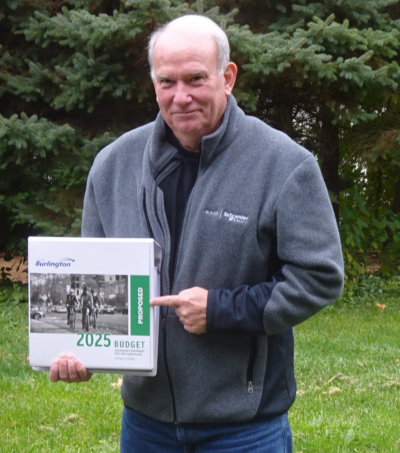
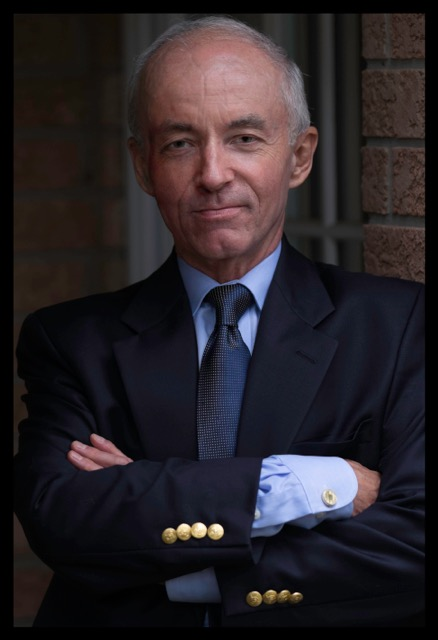 Focus Burlington’s board members are Eric Stern and Stephen White.




 By Gazette Staff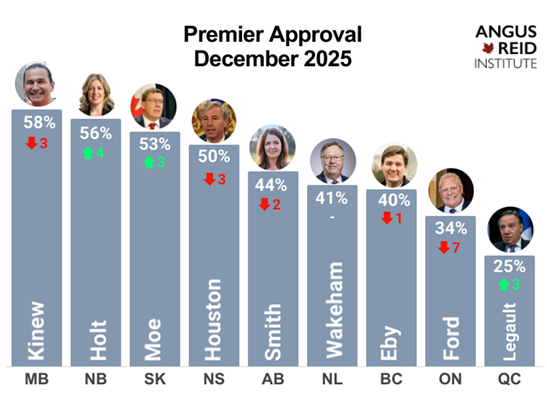
 By Emma Miller


 By Gazette Staff
 They may not be playing outdoors in this weather but a Burlington Soccer team wants to put full teams on the playing field come the spring.
 By Gazette Staff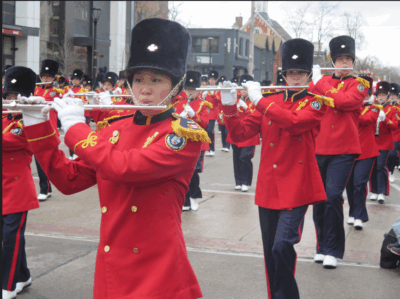

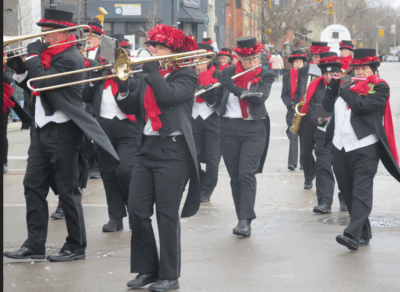



 By Tom Parkin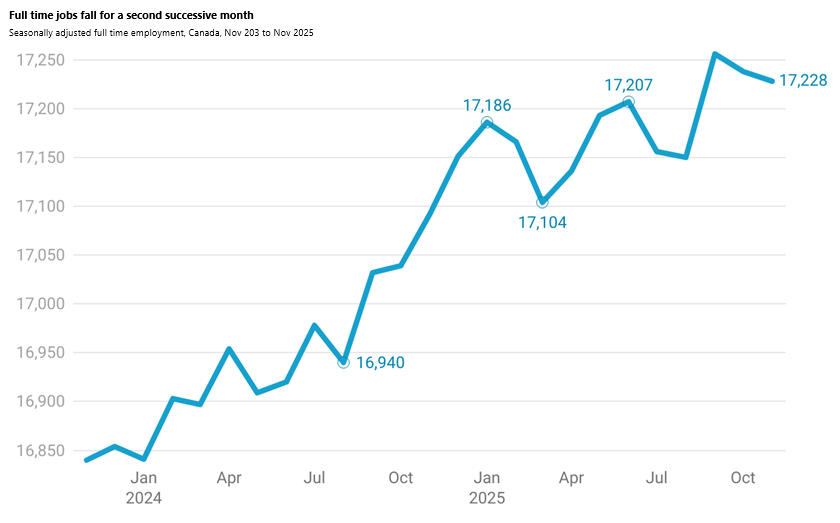
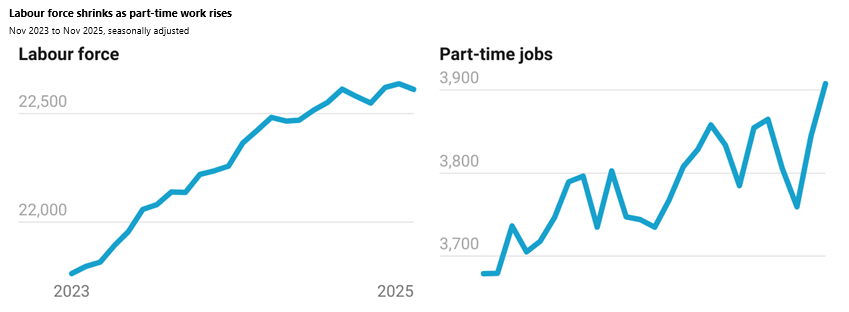
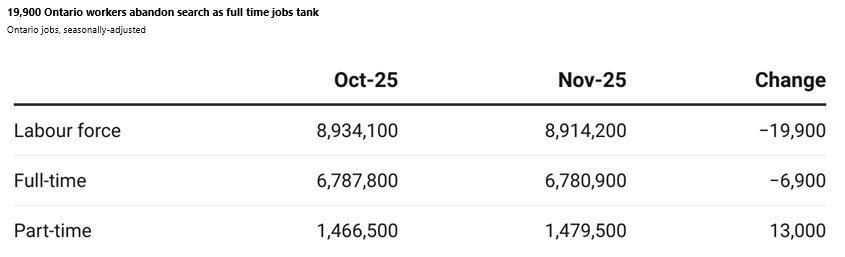
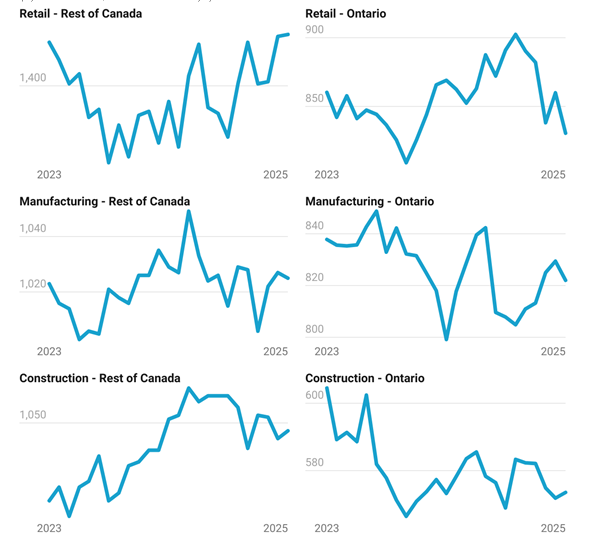
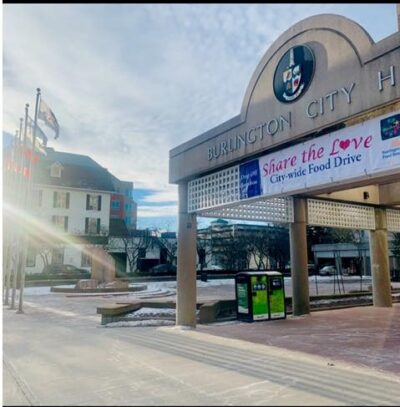
 By Pepper Parr
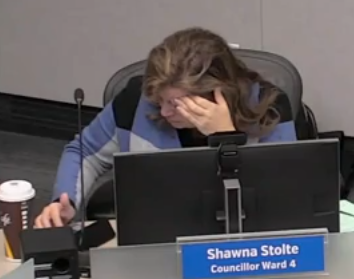 Shawna Stolte, Ward 4 Councillor: My questions, the reference of it being the waterfront musical festival, with that being in capital letters, is that the proposed potential new name for this festival?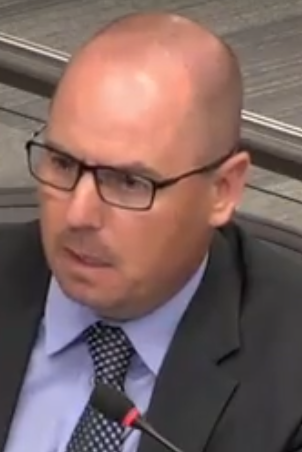


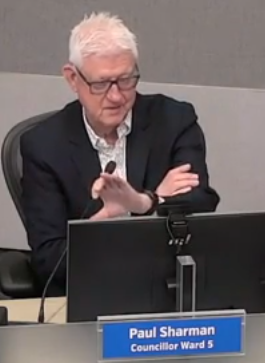
 Emily Cote, Director of Recreation, Community and Culture: We received the applications on November 21 and staff and members of the Festival and Event strategy team, which I can name: Senior Manager of Cultural services for the City of Burlington; Director of music from the Burlington Teen Tour band; the executive director from the Burlington Performing Arts Center, Special Constable from HRPS, our financial controller from our finance department, and then the director of destination development and marketing from Burlington Economic Development and Tourism and the Executive director from the Burlington Downtown Business Association (BDBA) sat down and went through all the applications and aligned them with our festival and events policy and the criteria that’s established in there. MRG came out as a clear top applicant.


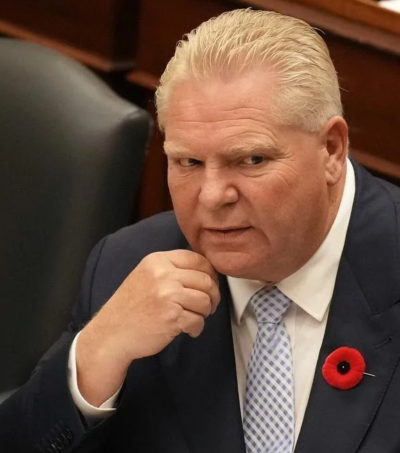


 Matthew Lau is an adjunct scholar at the Fraser Institute and writes regularly for the Financial Post. His writing covers a wide range of subjects, including fiscal policy, economic theory, climate change, and government regulation. He holds a Bachelor of Commerce degree with a specialization in finance and economics from the University of Toronto, and is a CFA charterholder.
 By Joe Gaetan

 By Gazette Staff

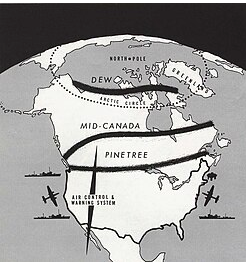
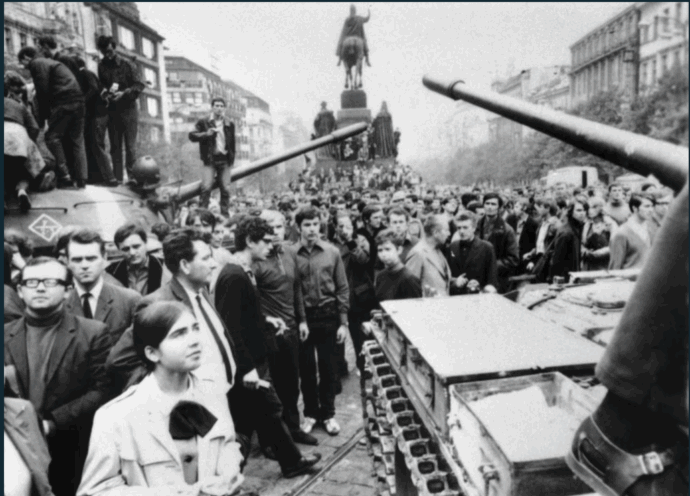

 Do you have something to say about the article you just read? Be part of the Policy Options discussion, and send in your own submission. Here is a
 By Pepper Parr








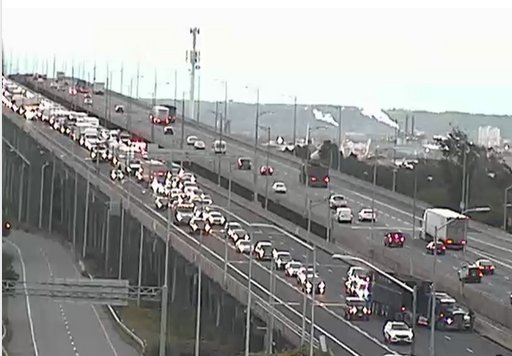
 By Pepper Parr
 The Burlington Community Foundation released their Vital Signs report in September. As part of their in-depth follow up to the contents of the report they have scheduled three Vital Community Conversations for 2026 so they can gather in community to discuss ways to take action around some of the key findings identified in Burlington’s 2025 Vital Signs research.
 Save the the following dates to join us in community: