By Tom Parkin By Tom Parkin
January 5th, 2026
BURLINGTON, ON
>
Liberals and Conservatives are down while the NDP, Greens and Bloc Quebecois are up. But the poll respondents weren’t in an election, were they?
Polling averages to December 2025

Pollsters’ December reports framed federal political support as “deadlocked,” “a coin toss” and “gripped in a tie.” Left unsaid was that both the Liberals and Conservatives have lost ground and the smaller parties are up. But are those smaller party gains bankable?
Data Shows’ average of the 14 publicly released polls in December shows the Liberals down 4.4 points and Conservatives down 3.3 since the April election. The NDP is up 3.3, Greens up 1.8 and BQ up 1.0.
Before NDP supporters get excited, there’s good reason to think, for now anyway, the pollsters’ framing isn’t wrong.
In the abstract, you’re my choice
There was no threat of an election in December, as Canadians responding to pollsters were well aware. So their responses were about an abstract decision, one not pressurized by the real risks voters face in a real election.
If their responses were amid an election campaign and polls were showing the big two parties “gripped in a tie,” minds of many liberal-left supporters of the NDP would be churning over a key thought: the Conservative are a threat, “strategic voting” is required.
Maybe before the next election call the NDP can rally back to 20 per cent. But in the heat of a “deadlock” election campaign, those gains can melt before election day.
Perhaps there are more pathways, and comments are open, but it seems there are three ways the NDP’s strategic voting countdown bomb can be diffused. By surpassing the Liberals. By hardening its own support. Or by eliminating the Conservative threat.
Surpassing the Liberals
The NDP surpassing the Liberals in the polls would make it the strategic choice for the “Not Conservative” liberal-left voter. Though it’s difficult to believe this support gap can be bridged before the next election, politics can be unpredictable.
The problem is, banking on surpassing the Liberals and reversing the logic of strategic voting is an all-in wager. If they don’t surpass, and it’s a “coin toss” election, any gains made vaporize.
But despite the strategy’s unlikely medium-term success, it should be pursued. If the NDP gains from the Liberals but cannot surpass them, any partial success toward the goal can be reaped if another strategy can successfully diffuse strategic voting.
Hardening NDP supporters
Hardening supports means increasing voter loyalty, regardless of anticipated electoral outcome. It requires either strong affinity to the NDP or strong antipathy to the others. It needs a unique party identity in sharp contrast to the others — so sharp that supporters will cast an NDP vote and let the chips fall where they may.
To be successful, hardening doesn’t need supporters who believe the other choices are the same, only that both are no good. It benefits from a strong sense of personal identity about where a supporter “fits” into politics. Bargaining over material gains, such as a dental plan or some money for this or that, tends to undermine political identity. Something that can be bargained can be divided. An identity cannot.
As Carney moves right, hardening support is certainly possible. But data tables provided by IPSOS shows how far the NDP is Delmar the goal.
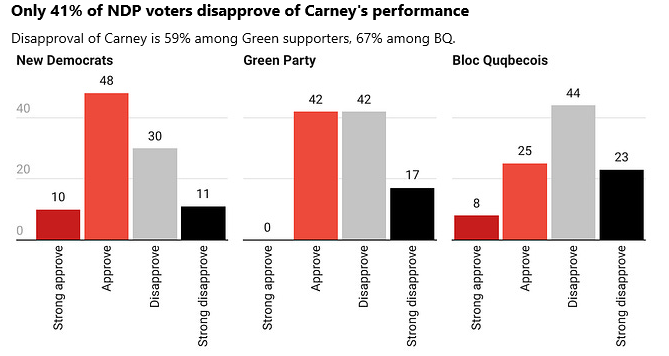
IPSOS shows that while the NDP now holds about 10 per cent support, only 41 per cent of them disapprove of Mark Carney. From that we might think the NDP’s hardened core is 4.1 per cent of the electorate.
Only 41% of NDP voters disapprove of Carney’s performance
 Disapproval of Carney is 59% among Green supporters, 67% among BQ. Disapproval of Carney is 59% among Green supporters, 67% among BQ.
But unlike surpassing, a payoff from hardening support isn’t contingent on another strategy’s success if hardening isn’t fully successful. If no other party is good for someone’s personal political identity, that vote is decided, regardless of the conditions.
Eliminating the Conservative threat
Finally, there is the strategy of eliminating the threat that activates strategic voting, high Conservative support. Poilievre’s party is current at 38 per cent. The experience of the 2019 and 2021 elections suggests if the Conservatives were at about 34 per cent the perception of a threat would be abated.
We saw in November’s polling analysis that while Carney’s rightward move is helping the NDP it is also eroding the Conservatives. And perhaps there is more of that to be had. But the NDP should be looking to shave at least three points off the Conservatives if they want to eliminate the threat.
Like the goal of surpassing the Liberals, a payoff from driving Conservative support to 34 per cent or lower requires that either the strategy is fully successful or another successful strategy protects partial gains made. In a “coin toss” election, Conservatives may be able to call home “Not Liberal” voters who shifted to the NDP.
All of the above
While hardening support is the most reliable strategy, surpassing the Liberals and eliminating the threat of a Conservative government probably have the greatest payoff.
The issue is not to select between the strategies, but to create a harmonizing grand strategy that ties together three campaigns in the three theatres: the first between the NDP and Liberals, another with the NDP and its own supporters, and the third between the NDP and the Conservatives.
If a new NDP leader in 2026 can find that harmony, the party has a good chance of making gains, and holding them until day the votes are cast.

By Gazette Staff
January 5th, 2026
BURLINGTON, ON
UPDATED – The event will not be streamed on Facebook
It has become an event that draws a crowd that gets bigger each year.
The annual New Year’s Levee at the Art Gallery of Burlington.
This year the event will be on Sunday January 11th, 2026; 1:00 p.m.
You might want to add this to your personal calendar.
 The event celebrates everything. Gould and the husband are delighted; the expectant Mother – not so sure.
By Pepper Parr
January 5th, 2026
BURLINGTON, ON
 The title of the meeting – Beyond the Ballot – a public engagement initiative sponsored by Focus Burlington, is intended to draw out what people are thinking about the municipal election that will take place in October. The title of the meeting – Beyond the Ballot – a public engagement initiative sponsored by Focus Burlington, is intended to draw out what people are thinking about the municipal election that will take place in October.
A panel will be in place to respond to some questions Focus Burlington wants to ask.
The event takes place at the Lions Hall on January 20th. 7:00 pm
There is no fee. Email: contact@focusburlington.ca to RSVP
By Gazette Staff
January 5th, 2026
BURLINGTON, ON
It’s just a good Canadian winter. We appear to be getting a little soft.
Nature and the climate we have – and we made this client – is doing it’s thing.
Bundle up and enjoy it.
Or go south – and you know how bad it is down there.
Ontario Public Service workers return to in-office work five days each week starting today. Going to be a lot of grumpy people in a lot of offices today.
 Vehicles are well spaced – drive in should go smoothly.
By Pepper Parr
January 4th, 2026
BURLINGTON, ON
OPINION
As I was working through what the Gazette had published in 2025, one question kept popping up in my mind.
There wasa some nice stuff on how well some of the students had done, consistent reporting on what City Council had done and failed to do.
Following the senior staff changes could have been as funny were it not really serious.
Stable senior leadership is critical, and ensuring the right people are in the right job is a task delegated to the City Manager (CAO), a job the city delegates to the City Manager, now called the CEO.
 Tim Commisso, served the city well if you forget the conversion of Bateman High School into a $100 million community Centre Burlington just keeps burning through them: Meed Ward followed through on her promise to rid the city of James Ridge when she was elected Mayor in 2018 – no mention on what that cost the taxpayers. The City would have to cover the cost of his returning to British Columbia. Meed Ward then brought in Tim Commisso who served the city well but didn’t want to put up with the verbal backstabbing that took place. Weeks after getting a salary increase, he advised the city that he would not be renewing his contract.
 Hassan Basit That introduced Hassan Basit to the city. His five-year contract ended 16 months after he took on the job. There were greener pastures at Queen’s Park – Deputy Minister and Chief Conservation Executive
The Mayor needed a new CEO quickly – Curt Benson, a solid planner in his own right, got talked into taking on the job until the end of this Council’s term of office next October.
Hard for a vision to develop roots that are critical for growth which Council knew was coming.
 In 2010, when Meed Ward was a Council member there were 18 property owners in the football. It was possible then do some remarkable with the football. The developers moved in quickly and began assembling the property. Hardly a single lot left for development. An unfortunate missed opportunity. The 2018 promise to limit growth in the Downtown core was lost when the Nautique won its Ontario Land Tribunal case. The tragedy with that situation was that the city was in a position early in the LPAT Local Planning Appeal Tribunal, (preceded the OLT) hearing to have it stopped in its tracks. They failed to take advantage of the opportunity.
Meed Ward did manage to get the Urban Growth centre moved north and making the MTSA’s (Major Transit Service Areas) the focus for development.
Can anybody point to a serious plan for any of those MTSA’s: They are built around the three GO stations: Aldershot, Burlington and Appleby Line.
 The three GO stations made sense. The transit station at the bottom made no sense. They never were major transit points – it took losing an LPAT appeal for the city to learn that. There are development applications either in the process of going through planning or already approved. At this point, no one is building residential housing, be it high rise or single-family dwellings.
Bronte Meadows had hoped to break ground before the end of the year. There are no stakes in the ground – never mind shovels.
The public wants to know what their city is going to look in five to ten years – different is all this city Council can say.
Whatever the vision is, and I’m not at all certain that there is one, the best that can be said is that it is adrift.
And that is not what leadership is about.
Perhaps that is what the October municipal election will be about.
How do you do a photo op about a vision?
By Gazette Staff
January 3rd, 2026
BURLINGTON, ON
Obituary
With hearts full of gratitude, we celebrate the life of Douglas Roy Leggat. Doug passed away peacefully at home in Burlington, Ontario, on Tuesday, December 30, 2025, surrounded by family. Doug leaves behind an enduring legacy of family, community and entrepreneurship.
Born and raised in Hamilton, Doug was predeceased by his parents, Roy and Florence Leggat, and his two older brothers, Bob and Don. He is survived by the love of his life and sparring partner, Maryella (Foran). They met while attending TMU (Ryerson) and were married for nearly 70 years, building a partnership grounded in love, respect, humour, and shared purpose.
Together, their greatest joy was raising their children and watching their family grow: Sue (Bill) Kidd, Brian (Michelle Capriotti), and Leighan (Bob) Basadur; his grandchildren Tanner, Charlie (Larisa Yurkiw), and Hugh Kidd; Julien (Bianca Jivan), Portia, Mason, and Ella Leggat; and Molly and Dougie Basadur. He was also a proud great-grandfather to Nora, Lydia, and Monty Kidd, and Lawrence Leggat.
Doug’s professional life was defined by leadership, integrity, and vision. He was a true entrepreneur and mentor to many. He started his automotive career, in Dundas, Ontario. Over the years, he grew the car business by acquiring property and opening dealerships under the Leggat banner. He was passionate about the automotive industry and believed that business should serve people and strengthen communities. He led by example; he was fair, honest, and had an unwavering sense of responsibility.
As Chair of the Canadian Automobile Dealers Association (CADA), Doug provided steady leadership. He was an integral part in establishing the Benefits 360 program, which brought security and peace of mind to families while traveling. He played a key role in the creation of the NADAP agreement, bringing dealers and manufacturers together to create a fair and enduring framework that remains in place today. His collaborative, principled approach earned him lasting respect throughout the industry.
Doug was philanthropic and had a profound impact on his community. He served as the inaugural Chair of The Burlington Foundation and led the Joseph Brant Capital Campaign. He was a past President of the Hamilton Golf and Country Club, and an active member of numerous boards and committees. Among the causes he most enjoyed supporting were the Nelson Youth Centre, CityKidz Hamilton, and Ridley College. He was guided by his deep belief in the importance of opportunity and education.
Doug was a keen competitor and enthusiastic athlete. He excelled in football and hockey at Ridley College and Ryerson. His love of sport extended to golf, tennis, and epic water volleyball competitions. Nothing brought him more joy than spirited family board games, spoons and card games.
Doug would tell you that his greatest joy was his family, family first – always. He treasured summers on Muskoka’s Penman Island, where no one was too old for a boat ride with Doug at the helm, especially if the destination was Port Sandfield for ice cream.
Generous, warm, and deeply dedicated, he gave his very best to those he loved.
The family extends their heartfelt thanks to Raymund Samera and Gerald Lugtu for their devoted and compassionate care of Doug, as well as all involved at Joseph Brant Hospital and PSW’s.
Visitation at SMITH’S FUNERAL HOME, 1167 Guelph Line (one stop light north of QEW), BURLINGTON (905-632-3333), on Wednesday, January 7, 2026 from 3 – 5 p.m. and 7 – 9 p.m. Funeral Service will be held at Port Nelson United Church (3132 South Dr, Burlington) on Thursday, January 8, 2026 at 2 p.m.
In lieu of flowers, the Leggat family kindly requests that those wishing to honour Doug consider donating to the Doug Leggat ‘54 Bursary at Ridley College or the Burlington Community Foundation.
Burlington Community Foundation Link
Ridley College Donation Link
By Gazette Staff
January 3rd, 2026
BURLINGTON, ON
There is no mention, at least not yet, on the city website about an agenda item related to the FIFA opportunity that will cost the city as much as $160,000 if it actually happens.
What the Gazette is seeing is articles in print media on the “predatory World Cup pricing model.”
 Officially, FIFA is a not-for-profit body under Swiss law. The cheapest standard seat (known as a category 4 ticket) for the final will start- start at $4,185 and rise to more than double that for the best non-VIP seats – Category 1. Officially, FIFA is a not-for-profit body under Swiss law. The cheapest standard seat (known as a category 4 ticket) for the final will start- start at $4,185 and rise to more than double that for the best non-VIP seats – Category 1.
General admission tickets for the Group stage are about three times higher than they were for the 2022 World Cup Games.
This clearly isn’t priced for the family to attend a game.
 Emilie Cote is leading the RCC effort to have the FIFA Caravan come to Burlington. While we have yet to learn just where the Recreation, Community and Culture people are with their efforts to bring the FIFA Caravan to the city – one has to ask if Burlington wants to do business with an organization that is rapacious in just about everything they do.
Granted,it is the biggest sports event in the world – bigger than the Olympics.
We will have to wait and see what city staff have to report.
Focus Burlington did a survey on what people thought about the spending of the $160,000 – they came up with an amount of $200,000. Link to that story is HERE
By Gazette Staff
January 2nd, 2026
BURLINGTON, ON
Originally published by the Canadian Centre for Policy Alternatives.
Living the high life
 Bleak news for ordinary workers: Canada’s 100 highest-paid CEOs have already made what it will take the average worker all of 2026 to earn. Bleak news for ordinary workers: Canada’s 100 highest-paid CEOs have already made what it will take the average worker all of 2026 to earn.
The average worker’s pay has increased by only 15 percent over the previous year, while CEOs’ pay has risen by a staggering 49 percent.
Meanwhile, regular costs are rising faster than workers’ income: beef is up 39 per cent, eggs are up 36 per cent, rent is up 26 per cent and utilities are up by 23 percent.
That’s the latest from our annual CEO pay report, Living the High Life: A record-breaking year for CEO pay in Canada, by CCPA Senior Economist David Macdonald.
“Canada’s highest-paid CEOs are enjoying another year of smashing new pay records,” Macdonald says. “Those 100 CEOs now make 248 times more than the average worker—the biggest pay gap in Canadian history.”
We don’t have to stand by idly as this income gap keeps growing. David includes solutions in this year’s report, including a new tax on millionaires—which would apply to those 100 high-flying CEOs.
We’ll be pushing for that, and many more solutions this year. Please join the fight against income inequality.
Inequality in a graphic format.


If you want the complete report on Living the High Life click HERE
By Gazette Staff
January 2nd, 2026
BURLINGTON, ON
It wasn’t Hibah Abdellatif’s first visit to the maternity ward.
 Abdellatif family celebrates the birth of their third girl. Her third child was born at Joseph Brant Hospital at 9:09 am on January 1st.
Hana Abdellatif is the first baby to be born at Joseph Brant Hospital (JBH) in 2026, The child weighed 7 pounds and 1 ounce.
Hibah and Mohamed Abdellatif of Oakville spent New Year’s Eve celebrating when, in the early hours of January 1, Hibah went into labor. They welcomed the new year with the arrival of their third daughter, Hana.
“It was a smooth delivery,” said Mohamed. “The nurses joked with us that we should come back next year to deliver another baby because of how smoothly it went.”
In keeping with a time-honoured New Year’s tradition, Hana and her parents were presented with a gift from the hospital.
More than 1,500 babies were delivered at JBH in 2025. The physicians, midwives and nurses in the hospital’s Labour and Delivery unit provide excellent, quality care to pregnant, labouring persons and newborns.
After delivery, parents and newborns move to the Maternal & Child unit, which provides a broad range of care and services to address the physical and emotional needs of families before and after delivery.
By Sandeep Saroya
January 1st, 2026
BURLINGTON, ON
At Medical Grade Physiotherapy & Wellness, we believe that effective care doesn’t rely on a single approach. Instead, it comes from collaboration. By combining physiotherapy and chiropractic care under one roof, our clinic is proud to support the Burlington community with comprehensive, patient-centred treatment that targets both pain relief and long-term physical function.
Two Disciplines, One Shared Goal
 Physiotherapy focuses on restoring movement, strength, and control. Physiotherapy and share a common purpose: helping people move better, feel stronger, and live with less pain. While each profession has its own expertise, their collaboration often leads to better outcomes than either approach alone.
The Role of Physiotherapy
Physiotherapy focuses on restoring movement, strength, and control. Physiotherapists assess how the body moves as a whole and develop personalized treatment plans that may include:
- Therapeutic exercise and strengthening
- Manual therapy for muscles and joints
- Postural and movement retraining
- Injury prevention strategies
- Education to support long-term recovery
Physiotherapy plays a key role in helping patients regain function after injury, surgery, or prolonged pain.
The Role of Chiropractic Care
Chiropractic care focuses on the health of the spine and joints and how they influence the nervous system. Chiropractors use hands-on techniques to:
- Improve joint mobility
- Reduce spinal restrictions
- Decrease nerve irritation
- Restore proper joint mechanics
When joints move more freely, the body can perform daily activities and rehabilitation exercises more effectively.
Why Working Together Makes a Difference
 Chiropractic adjustments can help reduce joint stiffness and improve mobility. At Medical Grade Physiotherapy & Wellness, physiotherapists and chiropractors collaborate to create integrated treatment plans that address both the cause and the consequences of pain.
More Effective Pain Relief
Chiropractic adjustments can help reduce joint stiffness and improve mobility, allowing physiotherapy treatments to be more effective. This combination often leads to quicker and more sustainable pain relief.
Improved Physical Function
Pain relief alone isn’t enough — restoring function is essential. Physiotherapy builds strength, stability, and movement confidence, ensuring that improvements achieved through chiropractic care translate into real-life activities.
Personalized, Coordinated Care
Every patient’s experience with pain is unique. Collaborative care allows our clinicians to tailor treatment plans that reflect individual goals, whether that’s returning to sport, managing chronic pain, or staying active in daily life.
Better Long-Term Outcomes
By addressing joint mechanics, muscle strength, and movement patterns together, patients are less likely to experience recurring pain and more likely to maintain long-term results.
Supporting the Burlington Community
 Dealing with ongoing discomfort or looking to improve how your body moves, our integrated approach ensures you receive the right care at the right time. Burlington is an active community, and staying mobile is essential to enjoying everything it has to offer. At Medical Grade Physiotherapy & Wellness, we are committed to helping our neighbours stay active, independent, and pain-free through collaborative, evidence-based care.
Whether you’re recovering from an injury, dealing with ongoing discomfort, or looking to improve how your body moves, our integrated approach ensures you receive the right care at the right time.
To learn more about how our team can help, visit Medical Grade Physiotherapy & Wellness or explore our physiotherapy and chiropractic care services.
 By Gazette Staff By Gazette Staff
January 1st, 2026
BURLINGTON, ON
New Year , new slate.
What do you want to write on yours?

What are the changes you want to make in your life?
For the City of Burlington?
For the Region?
For the Country?
For the world.
By Gazette Staff
December 31, 2025
BURLINGTON, ON
 Library CEO Lita Barrie has her list of the books she want to read in 2026 The 2026 Reading Challenge from BPL CEO Lita Barrie
Love to read? Take the BPL Reading Challenge in 2026 and read one themed book of your choice each month. It’s fun, it’s easy, and it’s rewarding!
Discover the Read Less Travelled
Across 12 months, explore 12 featured themes—each one curated to enliven your curiosity, stretch your reading habits, and send you on a year-long literary adventure. Take a look at the 2026 themes!
Whether you’re already an avid reader or hoping to reignite your love for books, BPL Reading Challenge offers something for everyone. Last year, over 750 adults joined the challenge—and we’re excited to welcome even more in 2026.
Challenge Yourself
This isn’t just about reading more—it’s about reading differently. Choose your own book each month while using the themes as a friendly guide to genres, styles, and topics you might not pick otherwise. It’s a chance to discover new authors, new voices, and new perspectives.
How It Works
BPL Reading Challenge is easy to join and take part in.
It’s Free!
Sign up at no cost. You’ll receive a handy reading tracker and be automatically signed up for a monthly email filled with booklists and inspiration. Anyone with a library card from Burlington or our Halton Region, Hamilton, and OverDrive partner libraries can join the challenge. BPL membership is free if you live, work, or attend school in Burlington.
 Library booklists and recommendations from fellow readers Read a Book Each Month
Pick any title that fits the monthly theme. Library booklists and recommendations from fellow readers and library staff will help keep your options fresh and plentiful.
Track Your Progress & Win Prizes
Check in online each month to log your reading journey. Every completed month earns you an entry into prize draws—with a grand prize at the end of the challenge.
Come to an Author Talk
NEW in 2026! This edition of BPL Reading Challenge features three in-person author events tied to the monthly theme.
Join the Community
Meet other readers at our monthly meetups—share what you’ve read, swap suggestions, and make new friends.
Sign Up Today
Don’t miss your chance to enrich your reading life and be part of a welcoming community of book enthusiasts. Get ready now to plan for 2026 and make it a year of literary adventures. Sign up today!
By T. Viacheslav.
January 1st, 2026
BURLINGTON, ON
Visibly, slot games online are a significant segment of online entertainment in Canada, driven by complex software architecture and RNG engines designed to ensure fairness. Canadian players demand transparent mechanics and measurable performance metrics, not just surface‑level marketing. Casinobello.com claims to offer data‑driven analysis of online slots Canada, with detailed RTP and feature breakdowns for technically discerning players.
This article examines popular titles, explains underlying mechanics, outlines features that matter, explores ways to maximize outcomes responsibly, and emphasizes player protection. The treatment here is technical and specific, not promotional fluff. Where claims are made by the brand, they are assessed against independent standards and empirical research.
Understanding how slot games online function at a systems level is key for informed engagement. Reliable platforms provide not just game listings but verifiable documentation of mechanics, payout structures, and audit trails. These elements are necessary if players are to assess titles on more than aesthetic appeal.
 Understanding how slot games online function at a systems level is key for informed engagement. Popular Slot Games in Canada
 The Canadian market shows a consistent preference for titles with measurable payout structures and identifiable feature complexity. Games like Mega Moolah, Gonzo’s Quest, Thunderstruck II, and Starburst dominate traffic analytics due to their mix of volatility profiles and bonus spin mechanics. These games combine RNG integrity with feature layers that impact short‑term variance while retaining predictable long‑term statistical properties. The Canadian market shows a consistent preference for titles with measurable payout structures and identifiable feature complexity. Games like Mega Moolah, Gonzo’s Quest, Thunderstruck II, and Starburst dominate traffic analytics due to their mix of volatility profiles and bonus spin mechanics. These games combine RNG integrity with feature layers that impact short‑term variance while retaining predictable long‑term statistical properties.
Mega Moolah is known for its progressive jackpots, where a portion of each stake contributes to a shared pool across operators. This introduces distributed state tracking, requiring robust server synchronization and audit logging to ensure correct jackpot awards. Conversely, Starburst focuses on high RTP figures and simple mechanics, reducing cognitive load and computational complexity in outcome interpretation.
Feature‑rich games like Gonzo’s Quest employ avalanche mechanics, where multiple outcome states occur in a single play cycle. Each avalanche is a new RNG state drawn from the master seed pool, complicating the state machine. Thunderstruck II incorporates multi‑level bonus quests with adaptive paylines, necessitating an event‑driven engine that tracks conditional feature triggers. Below is a structured comparison of popular slots:
| Title |
RTP (%) |
Key Features |
Volatility |
| Mega Moolah |
88–94 (varies) |
Progressive jackpots, bonus wheel |
High |
| Starburst |
96.27 |
Expanding wilds, re‑spins |
Low |
| Gonzo’s Quest |
95.97 |
Avalanche, multipliers |
Medium |
| Thunderstruck II |
96.65 |
Multi‑level bonus, free spins |
Medium‑High |
Popular Canadian titles are distinguished by quantifiable mechanics that tie into RTP and feature complexity. Players should examine these elements rather than base decisions on superficial rankings.
How Slot Games Work
Slot games online operate on core components common to all digital implementations: a Random Number Generator (RNG), a pay table, a feature logic layer, and a user interface. The RNG is a pseudorandom algorithm that generates an output stream at high frequency, determining every reel position and outcome. These algorithms are tested by independent labs such as GLI and eCOGRA, using statistical tests like Chi‑Square and Kolmogorov‑Smirnov to verify randomness.
Once the RNG produces a number, the game’s mapping function translates it into reel stops, symbol distributions, and feature outcomes. This separation of RNG and outcome mapping ensures that the cryptographic seed state remains unpredictable. Without this design, outcomes could be reverse‑engineered or predicted, undermining fairness.
 Modern slots incorporate multiple layers of stateful logic for bonus spins, multipliers, and progressive jackpots. Modern slots incorporate multiple layers of stateful logic for bonus spins, multipliers, and progressive jackpots. These layers are event‑driven; a trigger event (e.g., scatter symbols) transitions the game into a bonus state with its own sub‑RNG and payout rules. The state machine must reliably record transitions, payout tallies, and conditional multipliers, and persist the state for interrupted sessions.
A critical concept here is Return to Player (RTP). RTP is a long‑term statistical expectation, not a short‑term guarantee. It predicts theoretical returns based on infinite spins under controlled conditions. Understanding RTP’s statistical nature is necessary to avoid misinterpreting short‑term variance as malfunction or bias.
Best Features to Look For
Identifying the best features in slot games online requires separating marketing language from engineered function. Features should be evaluated on metrics such as bonus spin triggers, multiplier mechanisms, free spin states, and jackpot network architecture. These elements directly affect play dynamics and outcome distributions.
Progressive jackpots, for example, involve a networked environment where multiple games contribute to a shared prize pool. From a systems perspective, this requires synchronized state and secure transaction logging to avoid inconsistencies. Platforms that claim “huge progressive payouts” should provide transparent data on contribution percentages and award frequency.
Similarly, bonus spins mechanics are conditional states with embedded payout matrices. Their design can be formally represented as a conditional probability space over multiple variables (trigger frequency, multiplier values, spin counts). Games with well‑documented bonus structures allow players to model expected values under defined conditions. Lack of transparent documentation makes it impossible to assess true economic expectancy.
Technical Feature Checklist:
- Transparent RTP and volatility metrics.
- Clearly documented bonus spin rules and conditions.
- Progressive jackpot contribution mechanics and audit trails.
- Independent scatter payout mechanics.
These criteria help players distinguish between surface‑level attractions and feature depth. Reliable platforms like Casinobello.com should include these technical breakdowns in their reviews rather than generic praise.
Maximizing Your Chances
 What players can optimize are session design, bankroll controls, and feature engagement strategies. These practices relate to probability management rather than outcome prediction. Maximizing outcomes in slot games online does not mean guaranteeing profits; statistical engines ensure outcomes remain unpredictable. What players can optimise are session design, bankroll controls, and feature engagement strategies. These practices relate to probability management rather than outcome prediction.
Start with bankroll segmentation. Divide your total play budget into discrete units and allocate them across sessions with predefined stops. This reduces the risk of overexposure in high‑volatility games. Controlled bankroll frameworks are analogous to risk management principles in financial engineering.
Next, understand expected value (EV) under specific feature engagements. While RTP gives long‑term expectation, EV can be refined for sub‑states like bonus spins or scatter triggers. Players should calculate conditional EV for bonus states to gauge whether certain features improve or diminish expected returns relative to base play.
Another optimisation is adjusting to game pace and hit frequency. Games with high spin rates and frequent small wins can maintain engagement but may deplete bankrolls rapidly in high‑variance states. Monitoring hit frequencies through session logs and adjusting play rates accordingly can enhance sustainability.
Responsible engagement also involves recognising diminishing returns. Extended play with negative EV leads to predictable decay in balance. Scientific research on gambling patterns indicates that players who set predefined stop rules and adhere to them exhibit lower losses and more controlled play. These controlled practices align with technical risk mitigation rather than speculative chasing.
Playing Slots Responsibly
Responsible play is a technical and behavioural framework aimed at minimising harm while maintaining entertainment value. Operators and platforms should provide tools such as deposit limits, loss thresholds, session timers, and self‑exclusion options. These tools operate as enforced constraints within the software, binding player behaviour to defined parameters.
Deposit limits prevent excessive staking by capping the amount movable into play balance. Technically, this requires server‑side enforcement where the player’s account state is checked before authorising any further deposits. Without this backend control, client‑side limits are ineffective and easily bypassed.
Loss thresholds work similarly, halting play when cumulative losses reach a predefined point. This feature must integrate with session state tracking and payout reconciliation subsystems. Platforms that lack these integrated controls expose players to uncontrolled loss escalation.
Session timers alert players to elapsed time. These timers are not mere notifications; they should interrupt play flow and require explicit acknowledgment before continuation. This enforces mindfulness and aligns with cognitive‑behavioural principles that reduce risk of extended, unconscious play sessions.
Conclusion
Slot games online represent intricate engineered systems, balancing RNG integrity, feature complexity, and payout mechanics. Canadian players should approach these games with technical understanding rather than relying on surface descriptions. Casinobello.com’s data‑focused approach to online slots Canada is valuable, but players must critically assess RTP, volatility, and feature documentation themselves.
Mechanics such as bonus spins, progressive jackpots, and scatter payouts significantly influence engagement and expected outcomes. Understanding how these mechanics are implemented allows players to make informed choices. Technical criteria such as audit trails, RNG certification, and transparent RTP reinforce trustworthiness.
 Optimization is about sustainable play, not guaranteed returns. Maximizing your chances involves structured bankroll management and risk evaluation. Optimization is about sustainable play, not guaranteed returns. Responsible gaming controls serve both as behavioural safeguards and as engineered constraints within a platform’s ecosystem.
Explore the most reliable, high‑rated slot games online at Casinobello.com — detailed Canadian slot analysis, bonus spin breakdowns, and progressive jackpot mechanics await your review.

By Gazette Staff
December 30th, 2025
BURLINGTON, ON
Wishing you a happy holiday: What’s open and closed at the City of Burlington
Over the upcoming holiday season, City of Burlington administrative services will be closed from Wednesday, Dec. 24, 2025, to Thursday, Jan. 1, 2026. City administrative services will re-open on Friday, Jan. 2, 2026. To learn more about City services and facility availability over the holidays, please see the summary below or visit burlington.ca.
Animal Services
The Animal Shelter at 2424 Industrial St. will operate as follows:
- Monday, Dec. 29 to Wednesday, Dec. 31 – open to appointments
- Thursday, Jan. 1, 2026 – closed to appointments
To report an animal control related emergency on a holiday, please call 905-335-7777.
Burlington Transit
Burlington Transit will operate as scheduled over the holidays:
- Wednesday, Dec. 31 – regular service
- Thursday, Jan. 1, 2026 – special holiday service
Find real-time arrival information and plan your trip using Google Maps. From a mobile phone, access Google Maps and click on your bus stop to see arrival times. From a computer, select your bus stop, then click on ‘See Departure Board’ to view arrival times.
Specialized Dispatch is open from Monday, Dec. 29 to Wednesday, Dec. 31, from 8 a.m. to 5 p.m.
Burlington Transit Customer Service is open Saturday, Dec. 27 from 10 a.m. to 2 p.m. and from Monday, Dec. 29 to Wednesday, Dec. 31, from 8 a.m. to 6 p.m.
City Hall
Service Burlington and the Building, Renovating and Licensing counter on the main floor of City Hall at 426 Brant St., will close at 4:30 p.m. on Tuesday, Dec. 23, 2025, and re-open on Friday, Jan. 2, 2026, at 8:30 a.m.
Many service payments are available online at burlington.ca/onlineservices.
For online development services, MyFiles can be used by residents who have applied for Pre-Building Approval. Check the status of Pre Building Approval applications at burlington.ca/MyFiles.
Halton Court Services – Provincial Offences Office
Court administration counter services at 4085 Palladium Way will operate as follows:
- Wednesday, Dec. 24 – Friday, Dec. 26 – closed
- Monday, Dec. 29 to Wednesday, Dec. 31 – open, 8:30 a.m. to 4:30 p.m.
- Thursday, Jan. 1, 2026 – closed
- Friday, Jan. 2, 2026 – open 8:30 a.m. to 4:30 p.m.
On days when the court administration counter is open, telephone payments are available at 905-637-1274, from 8:30 a.m. to 4:30 p.m. Many services are also available by email at burlingtoncourt@burlington.ca or online at Halton Court Services. Payment of Provincial Offences fines is available 24/7 at paytickets.ca.
Parking
Free parking is available downtown, on the street, in municipal lots and in the parking garage (414 Locust St) after 6 p.m. and on holidays, including Dec. 25 and 26, 2025 and Jan. 1, 2026.
On Sundays, free parking is available downtown, on the street, in municipal lots and in the parking garage (414 Locust St.).
On Saturdays, pay parking downtown is required in high-demand parking lots (Lots 1, 4 and 5) and all on-street metered parking spaces. A three-hour maximum is in effect for all on-street spaces. Free parking is available in the remaining municipal lots and the parking garage (414 Locust St.).
NOTE:
- The Waterfront parking lots (east and west at 1286 Lakeshore Rd.) do not provide free parking on holidays.
- Parking exemptions or City-Wide Parking Permits are required to park overnight on city streets and for longer than five hours. Visit bylaw.burlington.ca for parking exemptions.
- City-Wide Parking Permits, Exemptions, Alton Village Permits and Neighbourhood On-Street Parking Programs are cancelled during declared snow events. Parked vehicles on-street will be subject to enforcement and/or relocation.
Recreation Programs and Facilities
Burlington Seniors’ Centre
The Burlington Seniors’ Centre at 2285 New St. will close Monday, Dec. 22, for the holiday and building maintenance. It will re-open on Monday, Jan. 5, 2026.
Customer Service
Recreation, Community and Culture customer service is available to assist you:
- In person at recreation facility counters during program times
- By email at liveandplay@burlington.ca
- By phone at 905-335-7738, Monday to Friday from 8:30 a.m. to 5:30 p.m. and weekends from 9 a.m. to 4 p.m.
Phone and email service are closed Dec. 24, 25, 26 and Jan. 1, 2026. A complete listing of holiday service hours is available at burlington.ca/servicehours.
Cogeco skating at Burlington Rotary Centennial Pond
Burlington Rotary Centennial Pond, located at Spencer Smith Park (1400 Lakeshore Rd.), is open for the season. During skating season, the pond is open daily from 10 a.m. to 10 p.m., weather permitting – exceptions include:
- Christmas Eve – ponds closes at 5 p.m.
- Christmas Day – pond closed
Registration is not required. For more information, including skating times, visit burlington.ca/pond.
Residents are encouraged to call the ice conditions hotline at 905-335-7738, ext. 8587 before leaving to make sure the pond is open.
The free skate lending program at the Burlington Rotary Centennial Pond is available Monday to Thursday, 5 to 9 p.m., and Fridays, from 5 to 10 p.m. On Saturdays, Sundays, and school breaks, it is open from 10 a.m. to 10 p.m.
Tim Hortons free skating
Thanks to Tim Hortons, Burlington residents can enjoy another holiday season of free skating, from Sunday, Dec. 21 to Saturday, Jan. 3, 2026. Free skating will be drop-in only, and no online reservation is needed. Skating is first come, first served until capacity is reached. For dates and locations, visit burlington.ca/timsfreeskate.
Drop-In recreation programs
Swimming, skating, fitness and other drop-in program times vary over the holiday period. Drop in or reserve in advance. For schedules, visit burlington.ca/dropinandplay.
Holiday ice and gym rentals
Stay active this holiday with family and friends by renting ice or a gym at a special discount. This holiday season, ice and gym rentals are available at a reduced rate for booking dates up to Jan. 4, 2026. Residents can view facility availability and complete the rental 24 hours in advance through their online Live & Play account. Learn more about how to rent at burlington.ca/rentals.
Outdoor Fun
Head outside and play in our parks and trails, including disc golf at Tyandaga Golf Course (1265 Tyandaga Park Dr.), tobogganing and more. Explore all the options at burlington.ca/outdoorplay.
Roads, Parks and Forestry
The administrative office will be closed from Wednesday, Dec. 24 to Thursday, Jan. 1, 2026, re-opening on Thursday, Jan. 2, 2025. Essential services, including snow removal, will be provided as required.
By Nicolai Ryan Klausen
July 16, 2025
BURLINGTON, ON
Since January 2025, the use of cryptocurrencies in Ontario online gambling has increased, with Bitcoin and Ethereum deposits currently constituting approximately fifteen percent of all transactions on the licensed markets. The shift has compelled the operators to redesign their payment systems and compliance procedures.
The majority of gambling websites believed that crypto would be a niche that only tech-savvy people would prefer. That assumption proved wrong when regular players started asking for digital currency deposits, primarily to avoid traditional banking channels. The sudden demand caught many operators unprepared.
 Alcohol and Gaming Commission of Ontario was forced to revise its monitoring demands. The Alcohol and Gaming Commission of Ontario was forced to revise its monitoring demands expeditiously. The risks posed by the transactions using cryptocurrencies are not the same as credit card payments, especially regarding the regulations regarding anti-money laundering. Some platforms temporarily stopped accepting crypto while they built proper tracking systems.
Implementing the conversion of Bitcoin into Canadian dollars keeping in mind the privacy of the user needs an intricate technical framework. Smaller operators found it convenient to collaborate with fintech companies, instead of building their systems. The costs surprised several platforms that underestimated the complexity involved.
Cryptocurrency gamblers behave differently from traditional players. They tend to deposit larger amounts but also spend money faster. Many are active traders who seek the best altcoins to buy now between gaming sessions, treating gambling and crypto investing as related activities. These players often use specialized platforms that offer comprehensive altcoin research and trading across multiple blockchain networks.
 Cryptocurrency gamblers behave differently from traditional players. The demographic skews younger and more male than typical online casino users. These players often have higher disposable incomes but also show more impulsive spending patterns. Some operators worry about increased problem gambling risks, though data remains limited.
Other provinces are watching Ontario’s experiment closely. British Columbia postponed similar regulations after observing implementation challenges. Alberta continues studying the issue while Quebec has expressed skepticism about allowing cryptocurrency gambling.
The affiliate marketing sector has expanded rapidly around crypto gambling. Streamers and influencers promote both casino bonuses and cryptocurrency investments, though some have faced scrutiny over inadequate disclosure of financial relationships.
Player complaints have varied widely. Crypto enthusiasts appreciate faster transactions and enhanced privacy. However, some players lost money when cryptocurrency values dropped between making deposits and attempting withdrawals. One case involved a player who deposited during a market peak and could not withdraw enough to cover losses.
Several operators report that crypto users generate higher lifetime value despite creating more customer service issues. Such players show more interest in promotional offers and are more loyal to those platforms that support their payment methods.
The early rush seems to be subsiding as operators are increasingly becoming selective in the cryptocurrencies that they will accept. The unorganized early 2025 is being replaced by more organized solutions as the market becomes mature.
The regulatory stability and market conditions are the factors that ensure future growth. The cross between gambling and cryptocurrency is unstable, and its success is tied to the sustainability of the two industries and the trust placed on them by the players.
By Jasmin Feltrim
May 3rd, 2025
BURLINGTON, ON
Thanks to popular live dealer games, all modern online casinos let players immerse themselves in the atmosphere of a gambling establishment without having to leave their homes. On live dealer casino games, a player watches the professional croupier or host via a video stream. To feel confident and respond appropriately to current events within the game, it is crucial to understand what the key phrases and commands being used by the host are.
Leading online casinos worldwide, from US operators to UK sites like those analysed and compared by the expert platform legalcasino.uk, offer a wide range of live games. There you will find tables for roulette, blackjack and baccarat from top providers such as Evolution, Playtech, and Pragmatic Play Live. However, the dealer’s phrases in these games will differ, so the following is a look at which expressions are most frequently used within them.
Universal Phrases Used by Live Dealers
Let’s begin with basic expressions that appear in virtually every live game:
Roulette
Live roulette is one of the most dynamic casino games, and its rules are simple with a wide array of bet options. The popular game has its own set of terms that are worth learning before trying your luck:
- Spinning the wheel — the croupier begins the game and releases the ball.
- Ball is in the wheel — the ball is spinning and will soon come to rest in one of the sectors.
- Winning number is… — for example: “Winning number is 32, Red, Even, High.” — meaning that everyone who bet on 32, red, even, or high numbers (19–36) has won.
- Inside/Outside bets — these denote the type of bets: inside (on individual numbers) or outside (on groups such as columns, odd/even, dozens, etc.).
- Straight up, Split, Street, Corner, Line — types of bets on individual numbers or specific groups.
Blackjack
 Player constantly makes game decisions, to which the dealer responds with specific phrases. In live blackjack, the player constantly makes game decisions, to which the dealer responds with specific phrases:
- Hit — the player requests to take one additional card.
- Stand — the player finishes drawing and keeps their current cards.
- Double Down — where the player doubles their stake and receives an additional card.
- Split — the option to divide identical cards into two independent hands is called splitting.
- Blackjack — a hand with an ace and a card valued at 10 (ten, jack, queen, king). The highest possible score is 21 points with two cards.
- Bust — the player or dealer exceeds 21, which is an automatic loss.
- Push — when the player and dealer have the same number of points (not blackjack) it’s called a push, and the player typically gets their bet returned.
In real-world blackjack games, players use hand signals like tapping the table (hit) or a wave of the hand (stand). This does not apply to online casinos, as actions are obviously done digitally through a game interface.
Baccarat
 Task is to predict whose hand will have the highest score, either the Player’s or the Banker’s. In live baccarat, your main task is to predict whose hand will have the highest score, either the Player’s or the Banker’s. During the game, dealers use the following phrases:
- Player wins / Banker wins / Tie — the result of the round: the player wins, the banker wins, or it’s a tie.
- Natural 8 / Natural 9 — if either side has an 8 or 9 from the first two cards, this is a “natural” — the round ends without a third card being drawn and the highest “natural” wins.
- Drawing a third card — according to the rules, the dealer automatically draws a third card if required.
- Commission / No Commission — some tables charge a commission on banker wins (usually 5%).
Tips for Beginners
Be sure to learn the basic terminology as it will help to enjoy the flow of the game. Pay attention to the interface as well, because the dealer’s commands are also displayed visually, which helps you stay oriented even if you do not fully understand what was said.
Using demo modes for some practice is an excellent way to get used to the pace and vocabulary without the risk of losing money. First-person virtual table games can then be explored before jumping into the full live experience. Only start playing in a full experience when you are confident of a game’s process and phrases.
Conclusion
The language of live dealers is a structured part of the gameplay. It enables the player to make timely decisions, understand the round’s progress, and create the immersive atmosphere of a real casino. The greater your understanding of these gaming expressions, the more comfortable your live dealer experience will be.
By Tom Parkin
December 30th, 2025
BURLINGTON, ON
The Mark Carney Liberals campaigned with a pledge to “double the pace” of housing construction, but its much-vaunted flagship Build Canada Homes program, announced in the 2025 Budget, comes nowhere close, according to a report from the Parliamentary Budget Office.
The PBO also found that despite grandiose claims, Ottawa’s actual investment in housing construction will be cut rapidly over the next five years and the number of housing units built by Build Canada Homes (BCH) will be few.
And while half of what BCH will build will be “affordable,” the numbers are insufficient and the program definitions mean affordable units could actually rent for above market rates.

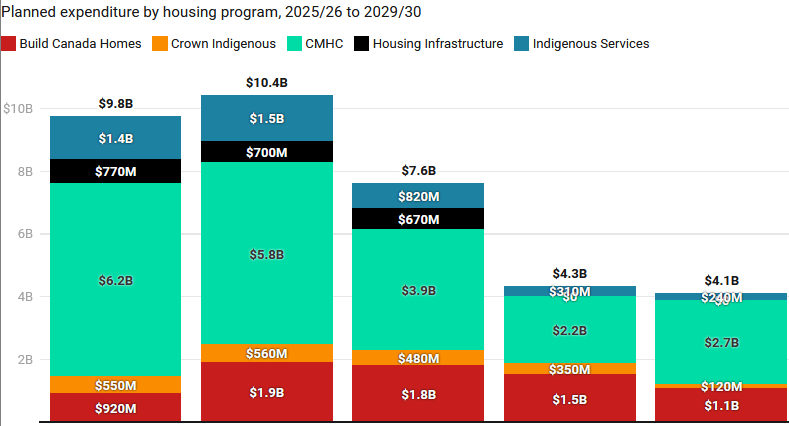
The 2025 budget creates BCH with $7.3 billion in new funding over five years. Yearly funding ranges from $920 million and $1.9 billion.
But the budget also severely cuts several existing housing programs. Funding for CMHC’s programs will drop from $6.2 billion next year to $2.7 billion in fiscal year 2029/30. Indigenous Services Canada’s housing investment is cut from $1.5 billion in 2026/27 to $240 million in 2029/30.
The net effect is a decline in total housing investment from $9.8 billion in 2025/26 to $4.1 billion in 2029/30, a 56 per cent drop.
And BCH will come nowhere close to delivering the housing impact the Mark x Carney promised.
Far from doubling the pace of construction, BHC will construct just 26,000 additional housing units from 2026/27 to 2029/30. The PBO did not calculate the number of units that won’t be built due to funding cuts to existing housing programs.
And 26,000 units over five years is just 433 additional units constructed in an average month. CMHC’s November data showed an average of 17,500 housing units were started in the past twelve months. Adding another 433 units would be a 2.5 per cent increase, closer to a rounding error on zero than a 100 per cent increase.
Of the 26,000 units to be constructed by BCH, only 13,000 are defined as affordable for low income households, nowhere close to addressing even the most extreme tip of the housing crisis.
There are 80,000 homeless people just in Ontario, according to a 2025 report by the Association of Municipalities of Ontario. Even if all the BCH resources were focused on just Ontario homelessness, it would only address only a sixth of the problem.
 And the BCH definition of affordable doesn’t even mean the new units would be below the average rent of the area. And the BCH definition of affordable doesn’t even mean the new units would be below the average rent of the area.
On average in Canada, monthly rent on a two-bedroom apartment would be considered “affordable” at $2,168 or less, the PBO found. But the national median rent on two-bedroom housing is $1,100 per month, says the PBO. The average asking rent for two bedroom housing in November was $2,179, according to Rentals.ca.
By Pepper Parr
December 30th, 2025
BURLINGTON, ON
The football is still the hottest development site in the city.
What used to be the Ascot Motel, was sold a number of years ago. Our understanding was that it was bought by the Vrancor Group. We weren’t sure what the purpose was in purchasing the site, the owner of the motel was desperate to sell the property.
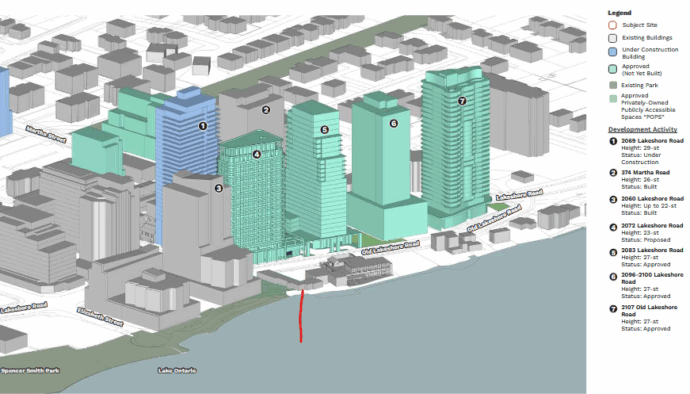
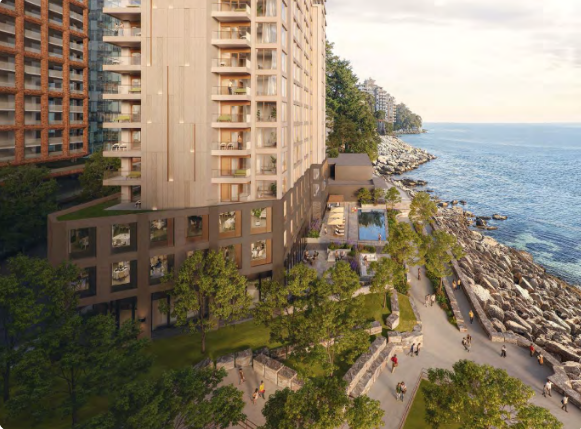
 What was once the site of a motel is now expected to be the Hotel Darko Vranich has wanted on the lakefront. At a special meeting of Council on January 6th, we will learn that Planning has approved the development of 50 residential units and 154 hotel suites in a tower that will rise to 25 storeys and have four levels of underground parking serviced by two car elevators that will be serviced 24/7.
The purpose of the report going to Council on January 6th is to provide information on the proposed Official Plan and Zoning By-law amendment applications necessary for proceeding with the Statutory Public Meeting and present a recommendation on the proposed applications. Staff are recommending approval of the official plan and zoning by-law amendment applications for a 23-storey mixed-use building consisting of 154 hotel suites and 50 residential units. Staff note that the proposed development is considered 25 storeys according to the City’s Zoning By-law, which includes the mezzanine and mechanical penthouse as additional storeys.
Key findings:
- The applicants have applied for an Official Plan Amendment and Zoning By-law Amendment to facilitate the development of a 23-storey (25 storey including mezzanine and mechanical penthouse) mixed use building. The proposal requires an amendment to the Official Plan to support the height and density that is contemplated, as well as an amendment to the Zoning By-law to provide relief of height, floor area ratio (FAR), parking and several setbacks. Staff are recommending approval of the proposed Official Plan Amendment and Zoning By-law Amendment based on the following:
o The proposed amendments are consistent with the Provincial Planning Statement (2024);
o The proposed amendments conform with the Regional Official Plan (2009, as amended), the Burlington Official Plan (1997) and the general intent of Burlington Official Plan (2020);
o The proposed development maintains the general intent of Zoning By-law 2020.
- Staff is of the opinion that the proposed development represents good planning.
On September 18, 2025, the City acknowledged that a complete application had been received for an Official Plan and Zoning By-law Amendment for 2076 Old Lakeshore Road.
A 23-storey (City’s Zoning By-law considers it a 25-storey building), will be comprised of 50 residential units and 154 hotel suites, with a total gross floor area of 13,914 square metres.
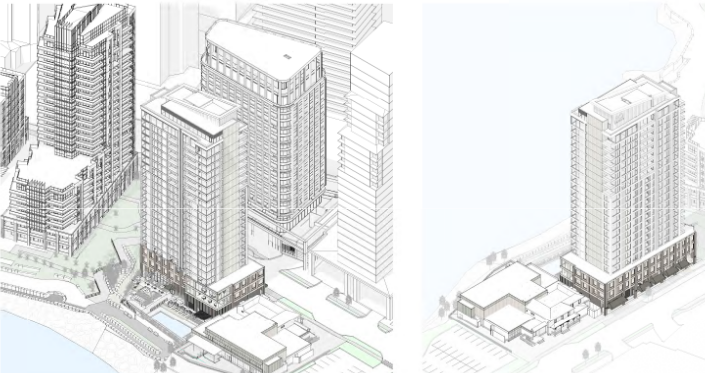
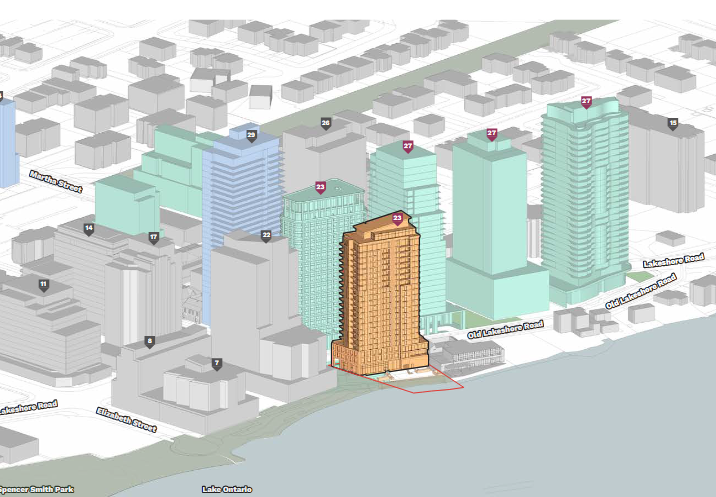
 Rendering on the left is the Bridgewater development; the renderings in the venter are both in the approval stage. They are on the north and south sides of Old Lakeshore Road.. The rendering on the right is the proposed 25-storey tower that will have hotel and residential units. Emma’s Back Porch is to the east of the 25-storey tower. The proposal includes four levels of underground parking, with 82 parking spaces accessed via two car elevators which would be serviced by a full-time valet. At grade, the parking will be accessed via a driveway on the east side of the site from Old Lakeshore Road, with a dedicated loading space immediately to the west of the parking access.
The encroachment of the existing motel building onto City owned lands would be remedied as the proposed development is fully contained within the limits of the property to be retained.
Planning Staff recognize that this area of Downtown Burlington has not developed in accordance with the policies, as originally adopted by Council in the 1997 of the Burlington Official Plan. This is because of previous site-specific Ontario Land Tribunal (OLT) decisions for properties in the East Sector (2093-2101 Old Lakeshore Road and 2069-2100 Lakeshore Road and 2107 Old Lakeshore Road). Due to these OLT decisions and the surrounding development context, some of the policies are no longer achievable for the West Sector properties including:
- Assembly of lands from the Martha Street alignment to Waterfront East, consisting of lands within Area ‘A,’ including the Old Lakeshore Road allowance
- Martha Street alignment to meet Old Lakeshore Road;
- Construction of and dedication to a public authority, a public waterfront access that provides a connection between the Pearl Street extension and Lakeshore Road in the vicinity of a Martha Street extension;
- Closure of a portion of Old Lakeshore Road to achieve redevelopment and intensification.
 The orange structure is the most recent development recommended by the City Planning Department. Staff note that the view corridor from Martha Street to Lake Ontario, the provision of enhanced public spaces and the preservation of significant cultural heritage resources were achieved through the East Sector properties. The West Sector properties will provide enhanced public spaces through the implementation of the Downtown Streetscape for Lakeshore Road, Old Lakeshore Road and will enhance the waterfront trail.
Parking and Transportation
The City’s Official Plan directs that adequate off-street parking is accommodated for development proposals. In support of the application, a Traffic Impact Study (TIS) prepared by Paradigm, dated September 2025, was submitted for staff review. Transportation Planning staff
The Official Plan contains policy direction for development proposals along the waterfront to provide public open space and waterfront trail use, where feasible. This direction sets out that where the distance between the water and the public roadway will accommodate both the development and the Waterfront trail, the proponent will be required to dedicate lands below the stable top of bank and dedicate a 15-metre-wide strip of land above the stable top of bank to the City as part of parkland dedication.
While the applicants are proposing to dedicate the lands below the stable top of bank to the City, they are not proposing to dedicate the 15-metre strip above the stable top of bank. Staff is supportive of this approach, based on the following circumstances unique to this site:
The intent of the Official Plan to provide for and ensure public access to the waterfront is achieved through the proposed land dedication and waterfront trail;
 The extension of the Waterfront Trail . The distance between the water and the public roadway is not sufficient to allow the proposed development and the Waterfront Trail as originally envisioned by the policies. If the proposed development is not able to proceed, there is a chance that the proposed waterfront trail extension would not be realized;
The site has a challenging topography with a significant grade change between the front property line along Old Lakeshore Road and rear property line along the water’s edge. This will require erosion control, appropriate slopes and transitions, all of which would limit the useable area of the space for parkland;
Based on the site’s lot area, a 15-metre strip of land would far exceed the 10% of lot area that the City is able to require as part of parkland dedication under the Planning Act. The City would need to compensate the proponent for the difference; and,
The City is able to achieve an extension of the waterfront trail that will align with and match the existing trail configuration that currently exists to the west, at the rear of 2060 Lakeshore Road (i.e. Bridgewater Development).
Further, the proposed waterfront trail extension is located within the sloped area below stable top of bank and would not be accounted for as parkland. Parks staff has requested cash-in-lieu of the 15 metre parkland dedication required by the Official Plan, in addition to the dedication of the lands below the stable top of bank to the City and the construction of the waterfront trail extension.
Staff are in support of the application as it enhances the waterfront, extends the existing trails, and provides public access to Burlington’s waterfront.
Let’s hear what the planner has to say when he delegates and what Council members have to say when it comes to questions.
By Gazette Staff
December 29th, 2025
BURLINGTON, ON
 Snow tires are being installed. Starting 7 p.m. on New Year’s Eve, customers can ride on any GO train or GO bus for free until 8 a.m. on New Year’s Day. UP Express will also be free to all customers on New Year’s Eve from 7 p.m. until end of service.
Metrolinx will once again be offering complimentary service on GO Transit and UP Express on New Year’s Eve in partnership with Forty Creek Whisky to help you ring in 2026 safely.
GO Transit and UP Express will run extra late evening trips on every line so everyone can GO safely into 2026:
- Lakeshore West: We will be adding extra late-night trips on Dec. 31 to help you get home safely, with the last train leaving Union Station at 7:47 a.m.
- Milton Line: We will be adding additional evening trips arriving into Union Station on Dec. 31 with the last train leaving Union Station at 2:55 a.m.
- UP Express: We will be adding late-night trains from Union Station to help you get home safely. Special trains will be departing every 30 minutes, starting at 1:15 a.m., with the last train leaving Union Station at 3:45 a.m.
Riders are encouraged to continue tapping on and off with their PRESTO card, but they will not be charged.
By Pepper Parr
December 29th, 2025
BURLINGTON. ON
As we leave 2025, a look over our shoulder to see what we might have gotten right and where we were definitely wrong could prove to be a useful exercise
We are doing this review on a quarterly basis, starting with January, February and March of 2025.

Mohammed Hijab, a philosopher of religion representing the Islamic viewpoint, learned that an event planned to take place at the Convention Centre was suddenly withdrawn.
B’nai Brith Canada, the country’s oldest Human Rights organization dedicated to eradicating racism, antisemitism and hatred in all its forms, contacted the Convention Centre and briefed them on just who Mohammed Hijab was. Link to that story:
 Gould won her race; Brown didn’t. But then Gould didn’t become Prime Minister and was left out of Cabinet.  It looked as if things were quiet on the political front but behind the scenes Emily Brown announced that the Conservatives raised $15,000 in two weeks. Earlier in the month Karina Gould announced she had raised $50,000 in two days. Link to that story: It looked as if things were quiet on the political front but behind the scenes Emily Brown announced that the Conservatives raised $15,000 in two weeks. Earlier in the month Karina Gould announced she had raised $50,000 in two days. Link to that story:
Karina Gould went public with her promise to reduce GST taxes by 1% if she wins the Liberal leadership race. She didn’t win that race. Link to that story:
Natalie Pierre, Burlington’s MPP announced that she was not going to run for re-election when Premier Ford called a snap election. Changed her mind and decided she would run for re-election. After not taking part in the only all-candidate meting Pierre squeaked out a win by less than 50 votes. Link to that story
Talk of getting shovels in the ground came out of the Planning department. 27 storey tower proposed. Link to that story.
 Mayor didn’t see the numbers the way the citizen did. Mayor maintains a citizen group is wrong on their tax numbers. Link to that story.
Waterdown residents wanted to become part of Burlington. Didn’t happen. Link to that story
A surprising 20% of Poliviere Conservatives think Canada should become America’s 51st State. Link to that story.
Art Gallery celebrates 50 years of serving the public. Link to that story
Developments along Plains Road changing the look and feel of Aldershot. Link to that story.
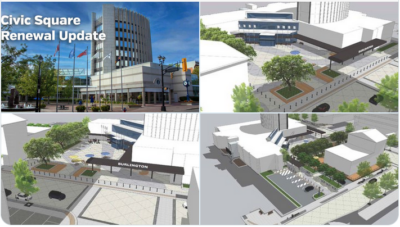
 Civic Square getting a new look. Might not be seen before the next election. Redevelopment of Civic Square: Could this project be in trouble? Link to that story.
Housing has become a major concern for almost every municipality in Ontario. Burlington has a Land Partnership with a significant number of properties owned by the city. Some could be made available for affordable housing development. Link to that story.
Quarter of a million people on surgery waitlists. Link to that story here:
Burlington skyline isn’t what it used to be. Link to that story.
Province didn’t waste any time in removing American booze from LCBO shelves. Link to that story.
 Police get their day before Council to explain what they do. We know what they are costing us. Police tell council just what they do from day to day. Link to that story.
Citizen points to very significant salary increases at city hall. Link to that story.
Where did the Liberal surge come from? Link to that story.
Civic Square completion date moved back a year. Much of the 6.5 million cost comes from federal and provincial coffers. Link to that story.
Rural residents want to see a plan for their part of the city. Link to that story.
Home designated as historic over the wishes of the property owner. Link to that story.
Measles increases surprises everyone. Over 96 per cent of cases in Ontario are among individuals who are unimmunized. Link to that story.
 They weren’t evicted – the place was to be torn down. Then the developer changed their mind. But Kelly’s will have moved further up the street. Kellys Bake Shop given 60 days notice to move. Link to that story.
|
|





 By Tom Parkin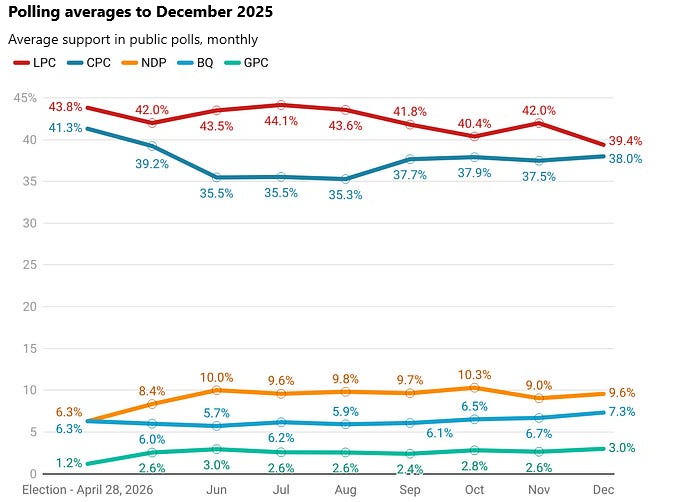
 Disapproval of Carney is 59% among Green supporters, 67% among BQ.
 By Gazette Staff
 By Pepper Parr
 The title of the meeting – Beyond the Ballot – a public engagement initiative sponsored by Focus Burlington, is intended to draw out what people are thinking about the municipal election that will take place in October.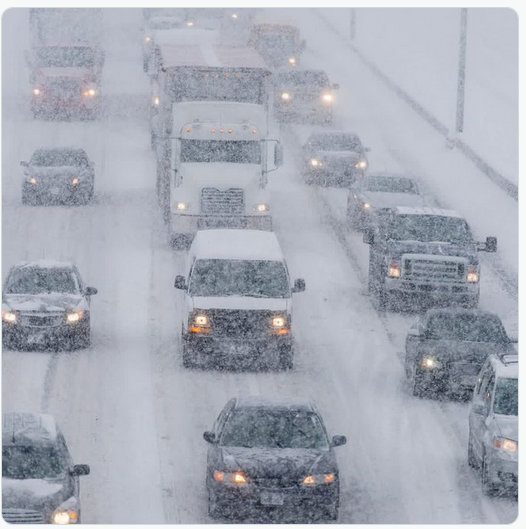
 By Pepper Parr

 By Gazette Staff

 By Gazette Staff
 Officially, FIFA is a not-for-profit body under Swiss law. The cheapest standard seat (known as a category 4 ticket) for the final will start- start at $4,185 and rise to more than double that for the best non-VIP seats – Category 1.
 By Gazette Staff
 Bleak news for ordinary workers: Canada’s 100 highest-paid CEOs have already made what it will take the average worker all of 2026 to earn.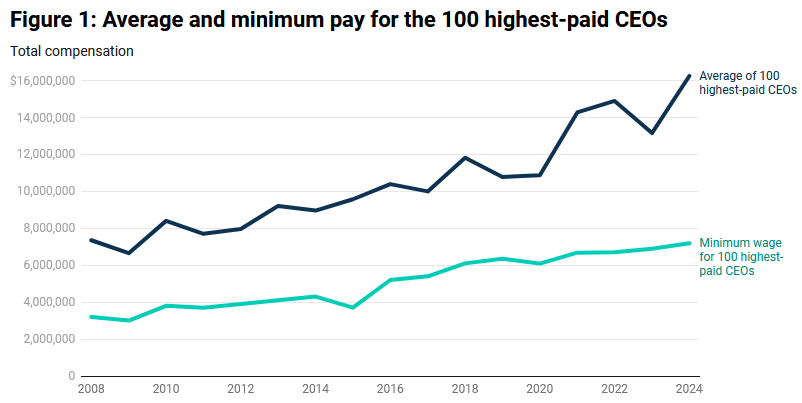


 By Sandeep Saroya


 By Gazette Staff


 By T. Viacheslav.
 The Canadian market shows a consistent preference for titles with measurable payout structures and identifiable feature complexity. Games like Mega Moolah, Gonzo’s Quest, Thunderstruck II, and Starburst dominate traffic analytics due to their mix of volatility profiles and bonus spin mechanics. These games combine RNG integrity with feature layers that impact short‑term variance while retaining predictable long‑term statistical properties.








 And the BCH definition of affordable doesn’t even mean the new units would be below the average rent of the area.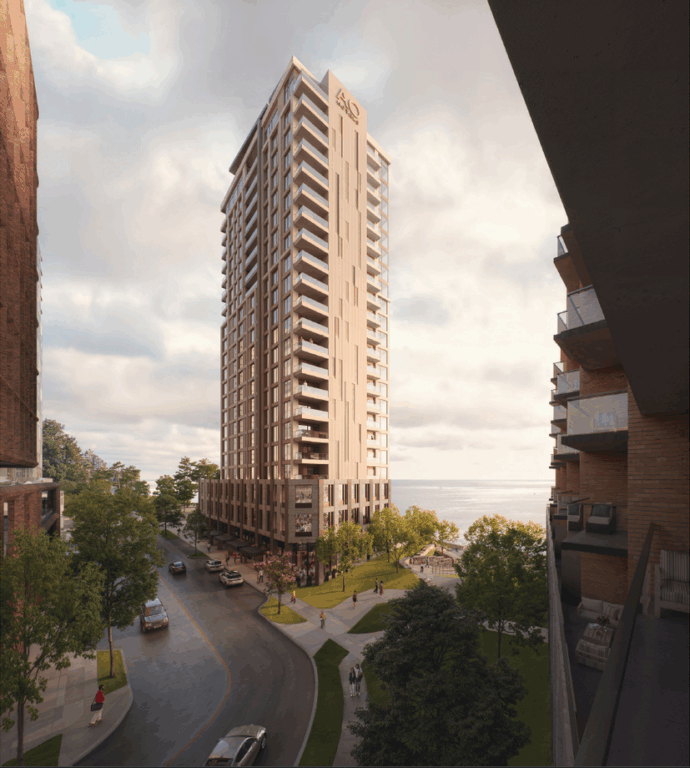



 It looked as if things were quiet on the political front but behind the scenes Emily Brown announced that the Conservatives raised $15,000 in two weeks. Earlier in the month Karina Gould announced she had raised $50,000 in two days.