By Pepper Parr By Pepper Parr
February 17, 2015
BURLINGTON, ON
Two oddities: the word neighbourhood does not appear in the current Official Plan and Shoreacres Blvd is not within the boundaries of the Shoreacres Community Study.
What isn’t at all odd is that the people who live in the community want some say over the rate at which their community undergoes a change.
The Community and Corporate Services Standing Committee was reviewing a report from the Director of Planning on the the option of a Character Area Study for Shoreacres as part of the Official Plan Review.
 Neighborhood character studies have taken on a bit or a social cachet in Burlington. Two years ago there were two of the things launched; one at Indian Point, which went nowhere and the residents want to get out of what they started. Neighborhood character studies have taken on a bit or a social cachet in Burlington. Two years ago there were two of the things launched; one at Indian Point, which went nowhere and the residents want to get out of what they started.
A second community character study was launched in Roseland where small developer/contractors were roaming the streets looking for property they could purchase and divide into two lots or build what have come to be called monster homes.
In the spring of 2014, the demolition and rebuild of a dwelling in the Shoreacres Community led to a grassroots community discussion about a growing trend of redevelopment and its related impacts in the area. This community discussion took place through informal gatherings, petitions and conversations with media.
The Director of Planning was instructed to report back to Development and Infrastructure Committee in Fall 2014 on whether to conduct the study based on the following:
scope and timing of the study and the impact on the completion of the Official Plan Review Process
additional resource requirements
preliminary policy directions, zoning and design guidelines.
 Selling the dream. The house proposed is seen as so out of design and proportion from the house behind the hoarding by the residents – they fear the character o their neighbourhood will be changed too quickly, The planners organized a preliminary community meeting to consult with residents regarding the primary issues facing the neighbourhood. Staff concluded that the built form and housing stock in a section of Shoreacres is relatively homogeneous. While redevelopment has been occurring in the larger neighbourhood that comprises Shoreacres (generally described as south of New Street, west of Walkers Line and east of Appleby Line), there is a particular area within Shoreacres that has similar characteristics that distinguish it from other areas of Shoreacres.
This area can generally be described as those properties located south of Spruce Street and north of Lakeshore Road, on both sides of Goodram Drive on the west and on both sides of Juniper Avenue on the east. Common features within this area are, most notably, the predominance of bungalows and absence of two-storey dwellings, low pitch rooflines, mature trees, the absence of sidewalks on some streets and the usage of siding as a common cladding material.
 This resident seeks consent from neighbours to sever their property Staff, in consultation with the Ward Councillor, established an initial boundary for this area comprising approximately 185 homes and mailed out meeting notices and questionnaires to these addresses.
A community meeting to discuss recent development in the Shoreacres Community took place last July – 65 people attended, which some residents pointed out later amounted to one third of the residents in the study area – more than the percentage that voted in the municipal election.
Staff took the residents through the basics of planning and gave them an update on the Character Area Study for Roseland and Indian Point.
The primary issues that were raised at the meeting and through questionnaires, phone calls and emails can be summarized into the following topics:
a) There is inadequate public notification for demolitions, rebuilds and minor variance applications
b) There is inadequate protection of existing mature trees on both public and private property
c) The size of the study area as shown on the meeting invitation is too scoped
d) The architectural style of new homes (modern architecture, flat roofs) is incompatible with the existing neighbourhood
e) Redevelopment has adverse impacts on the privacy of adjacent property owners
f) The permitted building height (10 m for peaked roof residential dwellings) is incompatible with existing dwellings
g) The permitted number of storeys (2 storeys maximum) is incompatible with existing dwellings
h) The applicable Zoning By-law provisions for corner lots are inappropriate for the neighbourhood
At the community meeting, staff provided several responses regarding the above concerns as summarized:
a) Public notification requirements for development applications are established in the Ontario Building Code and the Planning Act and, for Ontario municipalities, there are no legal notice requirements that accompany the issuance of site plan approval, demolition permits and/or building permits. The public notification requirements for minor variance applications are set out in the Planning Act and implemented by the City. Specifically, a sign is posted on the subject property and notice is mailed to all property owners within 60 m of the subject application.
While the various act set out what is required there is no reason why the planning department can’t do more than the acts call for
b) The City of Burlington does not have a private tree by-law that can protect trees on private property. The City recently considered the implementation of a Private Tree By-law in July of 2013, but did not proceed with this initiative. The protection of trees on public property is managed through the site plan process and the protection of boundary vegetation is protected through the Forestry Act and reviewed during the site plan process.
c) The study area shown on the meeting invitation is a preliminary study boundary and is still subject to change.
d) Architectural style cannot be regulated through the Planning and Building Department, but the Urban Design Guidelines for Low Density Residential Zones and the site plan process allow for review of architectural elevations and an opportunity to influence architectural style with the objective of ensuring compatible development.
e) (e-h) The concerns relating to privacy impacts, building height, number of storeys and corner lot zoning provisions all relate to the existing Zoning By-law requirements that apply to this area. During the meeting, staff noted that a zoning review could be conducted by City staff to determine whether or not changes to the Zoning By-law would assist in managing some of the changes being experienced by the neighbourhood. Based on the comments that have been received to date, staff is of the opinion that a zoning review, including additional public consultation, in this area is warranted.
 Another large, spacious corner lot. Mayor asked what the average size of these houses was – between 1200 and 2200 sq. ft. but Faccenda said the neighbourhood was not yet ready for significant development. Albert Faccenda said a neighborhood will look like what the people who live there want it to look like. People sell their property and get the best price they can and developers build on the property they bought. We build what the market wants he said. He added that the present bylaw would allow 7 to 8 thousand sq. ft. homes; that sent a shudder through the council chamber.
Councillor Meed Ward asked what Faccenda wanted to see changed – the lot coverage could be more generous he replied. A bungalow get 35% lot coverage; a 1 1/2 storey can have up to 30% coverage and a two storey gets 25%
Strategy/Process
The city is currently conducting a Character Area Study for Roseland and Indian Point as part of the Official Plan Review. Significant insight has been gained as a result of the consulting team’s work and staff is recommending a study for the Shoreacres neighbourhood with narrower scope.
Subject to Council approval of the Terms of Reference, the scope of the Shoreacres Study would identify the compatibility impacts of recent development within the neighbourhood, and determine what, if any, measures should be taken to modify policy, zoning and development application process (e.g. minor variance or site plan applications).
The proposed study will be lead independently of the Official Plan Review. Any Official Plan policy amendments that may arise from this study would be conducted as a City- initiated Official Plan Amendment. This project could be instructive to the upcoming Zoning By-law Review, particularly for residential neighbourhoods south of the Queen Elizabeth Way
The Shoreacres community, as defined in the reports is certainly very distinct. |Mary Alice St. James said there were more than 40 corner lots in the area which gives developer/contractors opportunities to put much larger houses into the community and fundamentally changing the look and feel of the streets.
The community is one of the most desirable and priciest in the city. Ken Crew, who delegated, said he and his wife needed ten years to put together the money needed to buy a house.
They like their community just the way it is and while they say they are not opposed to development they don’t want to see all that much in the way of change. The developer/contractors love the area – they can sell almost anything they build at a very pretty price.
The question really comes down to – how much say do the people in a community get to say about what is permitted in the way of new construction.
The houses are not small; the lots are not small, however most are not large enough to be divided.
At what point do the homes in place now become outdated and no longer meet the needs of new families?
Is the character of a neighbouhood something municipal bureaucrats should be protecting or should the market determine what can be built and sold for a profit?
Director of Planning Bruce Krushelnicki is very sympathetic to the interests of the residents of the community. His planner Rosa Bustamante thinks it is more of a zoning exercise – the residents see their community being chewed up by economic interests.
Aldershot has much the same kind of housing on the water side of Plains Road west of King Road.
 This is the community the residents want to conserve – their hope is that a neighbourhood character study will result in zoning or bylaws that keep that exists. Niagara on the Lake has zoning and bylaws that determine what the look and feel of the streets in the commercial core of that city will look like – and they keep a very tight rein on what gets done. That community is a destination and is good business.
Does a small neighbourhood deserve the same kind of attention? The third of the community that showed up for the meeting, in the middle of July when many people were on vacation.
What do the residents of the community want? There were just two delegations. Ken Crew, a long time resident who was joined by his neighbour Ron Fleming
“To our neighbourhood, your approval of a City-funded and timely Character Study is of incredible importance he said.
“We have followed with great interest and support the development of the Character Study for Roseland and Indian Point. However, we are not Roseland or Indian Point. Our values and needs, while sharing some commonality with the Roseland study, are specific and unique to our mature neighbourhood.
The vast majority of the homes are smaller bungalows, with some 1 ½ storey homes and more recently a few bungalofts. There is also a very strong sense of community within this group of taxpaying homeowners.
“More recently however, our area, like others in Burlington, is under constant attack from developers with no ties to the local area or its residents, who are simply buying up the existing mature homes, demolishing them, and replacing them with the largest monster homes the city will allow under the current bylaws and regulations – or buying up corner lots and severing them for multiple large or monster homes. Their sole interest is profit, not the residents.
“A prime example is the new home recently erected on Oak Crescent, approximately 3 times the size of all other homes in the area, dwarfing its neighbours, with wrap-around large balconies, ruining the privacy of all homes surrounding it. It totally destroys neighbourhood character and streetscape and has reduced the existing tree canopy.
 Residents in the community don’t see how this new home fits in with the bungalows in place now. And that porta potty has to go. “The footprint of the original corner house was changed and flipped 90 degrees in the opposite direction, while all of the plans and changes were done without the existing residents being aware of the changes, and without having any opportunity to provide input or discussion on this new monster home.
As well as being highly passionate about the character of the area we live in, we are also quite aware that change in our neighbourhood is inevitable, and in fact we have no serious opposition to change. We are very open to the proper, controlled, and measured changes that can be done without compromising the values we hold so dear. We know the City needs an effective and enforceable set of rules to control development and we want to work with, not against city planners to develop the appropriate set of rules to retain our unique community character. That is why this study is so critical.
“Burlington is a great place to live as recent studies have shown, and we are proud to be citizens of this excellent community. BUT, if City management does not recognize the rapidly increasing levels of citizen concern and involvement, particularly in the housing sector – whether it is the demand for Character Studies, the plans to build 28 story buildings in the wrong areas, or building large developments in areas where we already have major unresolved problems, like sewage and drainage, then we run the risk of allowing the destruction of some of the very core principles and characteristics that so many resident taxpayers find so vital to their continued happiness and desire to stay here as long term residents. The uniqueness of these neighbourhoods is a large part of what makes Burlington such a great place to live.”
 Another corner lot – this one on Lakeshore Road. The owner wants you to call them. “Time is of the essence. We have little time left to save this truly unique neighbourhood. Our earlier attempts to obtain an interim by-law to restrict monster homes in our area were unsuccessful, so we recognize this timely Character Study is our only option. “
Albert Faccenda a developer/contractor who has built eight homes in the community said there is no market for bungalows in Shoreacres; that he built one and lost his shirt. The Faccenda statements were in direct contract to what everyone else was saying. Faccenda finds that to be the case on most of the occasions he speaks. He told the residents of Roseland that their 100 foot lots were ’dinosaurs’ or more correctly, properties he would like to purchase and redevelop. He told Indian |Point residents that the Character Study being done in that neighbourhood was going to devalue their property.
Mary Alice St. James, an elementary school principal and a community resident gave a polished presentation extemporaneously – and made all the points that had to be made. She stressed that people want to move into the community and she doesn’t believe they want to move in and build homes that are out of character with what is already in place. “They wanted our neighbourhood” she said. “The situation we are faced with now is not nice” she added.
Councillor Craven said that while he appreciated the St. James passion “it is exactly what we saw at Indian Point but “once people got into the issues they got a better sense as to what could be done and at Indian Point they decided they didn’t want this study to go any further.”
 On one of the coldest winter days – the people in the community still get out with their dogs for what is a brisk walk. Craven said he thought “this issue may become less clear than you think it is now” referring to the Shoreacres residents.
Councillor Sharman was curious to see the outcome and added that he “was not comfortable with the way we are going about this”.
But they are going to “go about it”. The decision to proceed with the study will be made at a city council meeting before the end of the month.
Right now this Council has to determine just what the 2015 budget is going to look like.

By Staff
February 17, 2015
BURLINGTON, ON
How much do they want to spend and how much are they going to tax you?
The city will take an additional 3.64 % more in 2015 than they did in 2014.
They added $125,000 to the 2015 budget – that will break down to $19.10 for each $100,000 of property valuation.
There was a total of $37,675 in one time spending added to the budget this year.
Next time out, which is in 2016, there might be a hint that money is needed for a new city hall – there was no heat in the council chambers so everyone packed things up and headed for the Centennial Room at the New Street Library.
Your Council spent 3 ½ hours running through the budget, tempers flared, differences of opinion were expressed and poor John Taylor kind of got clobbered again.
There is now a clear right wing cabal in place which, surprisingly get Councillor Dennison to go along with them.
Councillors Craven and Sharman are the core of this cabal and they inevitably get Councillor Lancaster to go along for the ride.
The power in this Council clearly lies with these three – the Mayor is at times seen as an add-on.
The Mayor did however, move the motion to approve the motion and send it along to council later in the month for approval.
He called the budget miraculous and commented that the 20 year long range plan, which every Council member and staff explained was an approximation, projected increases in spending that were two times the rate of inflation.
All in the future of course but once written down these things tend to take on a life of their own.
By Staff
February 13, 2015
BURLINGTON, ON
A nice story, the kind of thing one likes to read about. Leslie Gray and her husband Christopher of KooGle Theatre partnered with the Symphony on the Bay to do a performance of a medley of Rogers and Hammerstein classic musicals.
Oklahoma, South Pacific, King and I and the Sound of Music; concert sounds sure to please all ages and at prices like
Adult: $31.75 +HST
Senior: $23.75 +HST
Student and Child: $17.75 +HST
Leslie and Christopher will be the soloists supported by the Symphony on the Bay.
 Symphony on the Bay will support Leslie and Christoper Gray as they take a Sunday afternoon audience through a medley of Rogers and Hammerstein classics. Sunday the 15th at the Performing Arts Centre at 3:00 pm. There were just 21 tickets left at 6:00 pm this evening.
By Staff
February 12, 2015
BURLINGTON, ON
A constant irritant for most Burlingtonians is being included in with the city of Hamilton when things are being counted.
That much touted “Best Mid-sized city in Canada award became possible when former Mayor Cam Jackson went after the publishers of MoneySense magazine and explained that Burlington was not really Hamilton.
 Chris Byrnes, the owner of a radio license in Woodstock commented that “Each time I return to Burlington, it frustrates me that there is no local radio station in my home town, a city of over 176,000 people. Chris Byrnes, the owner of a radio license in Woodstock commented that “Each time I return to Burlington, it frustrates me that there is no local radio station in my home town, a city of over 176,000 people.
Burlington is the largest city in Ontario, and perhaps Canada that does not have the benefits of a local radio station. So I did something about this and found a FM frequency and filed an application with the Canadian Radio Telecommunications Commission (CRTC) back in late 2013, after conducting an audience demand study, an economic study and having conversations with some of the key stakeholders in our city.
On 16 January the CRTC finally issued a public notice inviting comments from the public on the “appropriateness of issuing a call for radio applications to serve Burlington, Ontario.”
In this public notice they also say “The city of Burlington is included within the Hamilton Census Metropolitan Area (CMA), which is currently served by seven commercial radio stations.
Burlington accounts for 24% of the total population of the Hamilton CMA.” They go on to say they want “additional information that the Commission will take into consideration before making a final determination on whether it should proceed with a call for applications”
 It will be an uphill battle, explains Byrnes to convince the CRTC in Ottawa that Burlington is not part of the Hamilton CMA. But if enough Burlington residents and business owners submit their comments to the CRTC, then perhaps the CRTC may then invite applications for an FM license to serve Burlington. It will be an uphill battle, explains Byrnes to convince the CRTC in Ottawa that Burlington is not part of the Hamilton CMA. But if enough Burlington residents and business owners submit their comments to the CRTC, then perhaps the CRTC may then invite applications for an FM license to serve Burlington.
Byrnes would like you to support this application and bring radio to Burlington.
He explains how to do this.
Your comments need to be in your own words, but you might want to mention how long you have lived and/or worked in Burlington and tell them why you feel Burlington is a distinct city and not part of Hamilton. You might also mention that Hamilton radio stations do not serve Burlington. Lastly, tell them why you feel it is important that Burlington needs its own FM radio station.
You can send your comments electronically: Here’s the link:
Click on this link to submit your comments directly to the CRTC.
When you get to the website you will be asked to write your comments in the comments box or if you wish, write a letter first and save it. Then follow the instructions to upload a word document.
Next click “I do not wish to appear” (as they are seeking public written comments and there will not be a hearing at this early stage) and then provide your contact information in the required fields (first and last name, your email address and the city you live in). Then agree to the terms and conditions and click submit.
There is a degree of urgency – comments must be sent before February 17th. Monday, the 16th of February is Family Day in Ontario – use the day off to bring radio to Burlington.
By Staff
February 12, 2015
BURLINGTON, ON
Portions of Harvester Road, west of Appleby Line are closed due to a water main break.
Halton Regional Police are advising the public of a partial road closure of the westbound lanes on Harvester Road, 50 meters west of Appleby Line are closed to traffic.
Westbound traffic is being diverted into the centre lane along Harvester Road.
This partial road closure may last up to 12 hours which may cause a back up during the afternoon rush hour traffic.
Reroute if possible.
By Mark Gillies
February 12, 2015
BURLINGTON, ON
Part 2 of a 3 part feature
Their last farewells were at Freeman Station
 Private H. Kearse who lived on Brant Avenue died in World War 1. He left his wife and 3 young children in Burlington, so he could fight in France with the 86th Machine Gun Battalion. His death was reported in the newspaper before Private Kearse’s widow was officially notified. The last time this hero saw his family, was when he waved goodbye to them at the Freeman Station. When our boys left, there was not a dry eye to be found anywhere. When Canada answered the call to go to war, Burlington did its part. One hundred years ago, as World War 1 began, with a population that was less than 2,000, Burlington sent 300 sons. We responded in World War 2, and sent even more. The boys went to defend our freedom, and the town proudly marched them up Brant Street and onto the train cars at the Freeman Station. Some did not return. Their names are remembered at the Cenotaph on the grounds of City Hall.
Before Los Vegas, there was Burlington!
Most people do not know that in the 1890s and for another 30 years, Burlington was regarded as one of North America’s hot vacation playgrounds, especially for wealthy Americans. One of Burlington’s favourite sons, A.B. Coleman, who built and lived in the “Gingerbread House” on Ontario Street, was a wealthy entrepreneur who among other business endeavours, built and owned the Hotel Brant, the Brant Inn, Burlington’s first golf course on Francis Road, and developed most of the homes at historic Indian Point, mainly for the benefit of wealthy Americans and Europeans.
 The Hotel Brant was a beautiful 5 Star hotel that overlooked Lake Ontario. The developer and proprietor, Burlington’s A. B. Coleman was the man responsible for stimulating the tourist industry in Burlington. He advertised the Hotel Brant all over North America and Europe, as the perfect summer vacation destination. Tourists flocked to Burlington. Most arrived by the Grand Trunk Railway and stepped off at the Freeman Station. The Hotel Brant, in the Garden of Canada, was advertised all across North America, and even Europe, as the perfect summer vacation destination. The 200 room hotel offered beautiful cool summer breezes, a roof garden, fishing, bathing, bowling greens, ping pong, billiards, boating, canoeing, golf, tennis, swimming, even furnished bungalows.
 Wealthy Americans and Europeans were lured to the Hotel Brant by an intensive advertising campaign. This advertisement appeared in the Washington Post on July 17, 1904. Tourists from the United States, Europe and from across Canada flocked to the Hotel Brant. How did they get here? Most came by train and disembarked at the Freeman Station. Burlington at one time, with only a population of about 1500 people had 4 train stations. One was in Tansley, one in Aldershot, and the 4th, the Burlington station, not to be confused with the Burlington Junction station, was across the street from the Brant Inn and Hotel Brant and it too received many tourists destined for the Hotel Brant. Sadly, we have demolished the Tansley station, the Aldershot station, and the Burlington station downtown, leaving only the Freeman Station for us to enjoy today.
The Hotel Brant came to its demise when the Government of Canada expropriated the building in 1917 and converted it into the Brant Military Hospital, as a facility to care for our injured soldiers returning from overseas after World War One. The Brant Military Hospital was eventually demolished. Today, it is the site of the Joseph Brant Hospital.
The Brant Inn, a world famous entertainment mecca
 The Brant Inn was known all over North America and parts of Europe as a great entertainment destination. The owner A. B. Coleman brought in world class singers and musicians to entertain the patrons. If you wanted to see these performers in person, most arrived by train. Even the performers came by train to the Freeman Station. Undaunted by the loss of the Hotel Brant, A.B. Coleman turned his attention to his other moneymaker, the Brant Inn, which was located just across the street. The historic Brant Inn which was demolished in 1969 was to become one of North America’s greatest venues for entertainment. Almost every single major musician and singer from the 1920s up to the big band era and beyond, played the Brant Inn. The Brant Inn was advertised all across North America as the place to be to see the world’s greatest entertainers perform in person. If you couldn’t get to Burlington to see your favourite entertainer live, you could always hear them on radio. Their performances were broadcast live right across North America. For those that travelled to Burlington from somewhere across North America or Europe, you usually arrived by train and stepped off at the Freeman station.
 The Brant Inn received continuous publicity all over North America and Europe. This story about Ella Fitzgerald appeared in the Pittsburgh Courier on August 2, 1947. Burlington was a famous tourist town, as well as being an agricultural community. With a population just like a village, Burlington responded to the tourist trade and had several hotels ready for weary guests. Outside of the Hotel Brant, Burlington had three more on Brant Street. You could stay at the Hotel Raymond, or the Queen’s Hotel, and if they were full, you could find accommodation at the Burlington Hotel. These were the earliest hotels, and later on, many more were built.
 King George VI and Queen Elizabeth stopped at the Freeman Station in June 1939, as part of their cross Canada tour. It was the only time British Royalty had ever been to Burlington. The Royal Family stopped to visit Burlington at the Freeman Station
King George VI & Queen Elizabeth arrived in Canada in 1939. The Royal family were invited to tour right across Canada and into the United States. This was the first time British Royalty had ever been to either country. The Royal couple in the month of June stopped in Burlington to say hello to the thousands of residents who showed up to catch a glimpse of the two as they waved to everyone while visiting at the Freeman Station. The King and Queen were on their way to St. Catharines to officially open the Queen Elizabeth Highway. For local residents, this was to be their only time to see Royalty in Burlington. The British Royal family have never returned to Burlington. It was an historic moment at Freeman Station 76 years ago.
 World famous author Peter C Newman arrived with his family from Austria to the Freeman Station after World War 2 to start all over again. The ravages of war had left the family with nothing. Their new life began on a local farm in Freeman. This photo from around 1946 shows Peter in Freeman with his favourite farm horses Bob & Joe. Welcome to Canada, your new home
Canada was founded on immigration. Burlington received not a few, but thousands of new residents over the decades. They came for many different reasons. Economic hardships in Europe, the ravages of war, new war brides, a chance to start a new life in a new land, were all catalysts that brought us these inspirational people. Most came with nothing, except the clothes they were wearing, and maybe a suitcase, and that was it. When they stepped off the train at Freeman Station, and looked around with some fear in their eyes, little did they know what was in store for them in Burlington. But, every single new immigrant will always remember the Freeman Station, where their new life began in Canada.
Tomorrow, find out what the Freeman Station symbolizes, and why it is historical.
Mark Gillies is a lifelong resident of Burlington, who grew up in Aldershot and developed as a local historian, researcher, master genealogist and writer who has a passionate interest and extensive knowledge of the many early pioneer families. Mark writes a regular column about colourful local history introducing Burlingtonians to the people that made this city what it is today.
Part 1
By Pepper Parr
February 11, 2015
BURLINGTON, ON
Well – things along the waterfront are just popping and hopping.
We learned last week that the contractor who was going to build the Bridgewater project filed for Bankruptcy and that New Horizon has taken over that project.
 The Bridgewater was the first major development on the waterfront in the core of the city to be approved – that was in 1985 – they called it a “legacy” project then. Then we learn that the hotel will be a Marriott Hotel and not a Delta. Then we learn that the Mariott Group had bought the Delta operation. This hotel you will recall was going to be open for people attending the Pan Am Games in Hamilton this summer. Burlington missed out on that opportunity. We didn’t miss out completely – we got to build a new park almost on the North West border of the city that will have soccer pitches for the soccer teams to practice on.
The public will not be allowed to watch those practices. But we digress.
The Bridgewater project will overcome the bumps it has hit.
 The ADI Development Group came along a few months ago and began the process to get a 28 storey structure a block away from the Bridgewater. Some think that won’t fly. The ADI Development Group will grind away and do their best to get their 28 storey project approved – not at city hall but at the OMB.
All kinds of things happening on the waterfront.
Then the public learns that the Waterfront Hotel site is going to undergo a massive change.
The existing hotel will get demolished and three structures will be built – an 8 storey building, a 22 storey building and a 25 storey building.
 The Waterfront Hotel has always been seen as a prime development site – the six storey hotel will come down and be replaced by three structures: 25-22 and 8 storeys assuming the set back from the water’s edge issues can be resolved. The existing parking lot contains approximately 135 spaces. The hotel was constructed in 1986 and abuts city owned parkland to the west and south. The site is relatively flat, sloping from east to southwest. There is a 4m grade difference between Lakeshore Road to the water’s edge.
It is going to be hard for the city to argue against the ADI project when there is a 22 story condominium in the process of being built almost across the street and now a project that it less than four blocks to the west that will have three structures – two of which will be more than 20 storeys.
The demolishing of the Waterfront will allow for structures that can face westward and take in all that Spencer Park has to offer.
The development potential for this site has been a gleam in the eye of both those who have struggled to get some traction and bring some real vibrancy to the downtown core and the long term thinkers in the planning department.
The early stage thinking on the potential of a site that was once the location of a canning factory goes back to before the current city hall was built.
The idea of a ‘master plan’ for the waterfront goes back to 2003-5 when the city was developing plans for the waterfront park – including the pier and Discovery Landing. A series of design charettes
Royal Host owned the hotel lands and participated actively in the design charettes – they were interested in redeveloping the site as they had done with their property in Kelowna BC
The City’s consultants developed preliminary concepts for the hotel redevelopment which included the idea of constructing below grade parking in the area of land between the existing hotel and water (city owned lands known as the headlands)
The idea then was for a park area would be elevated from the current grade, accessed by stairs – thus no net loss of park land; it was one of the key principles. But the ideas and concepts, as exciting as they were, never got beyond the preliminary stage. At the time City Council directed staff to enter into a joint master plan process with Royal Host – and discussions began on a cost sharing. Royal Host ultimately didn’t proceed but staff and Council recognized that at some point a redevelopment proposal was likely to come forward and took the pro-active step of adopting design principles for the site and putting in place an official plan policy that required a master plan to be done before any redevelopment could happen
Time changes everything. Conservation Halton regulations eliminated the potential for development (including parking) on the city-owned lands – but the principles that Council approved, including the need for a master plan (or planning study) remain relevant
 Red line area is where the three structures would be located; blue line sets out the study area. With a proposal from Vrancor the study process begins again with the city managing a process that will bring three development concepts; one from the developer and two from the consultant based on public input and the design principles approved by Council.
The Vrancor Group which owns the Waterfront Hotel and was described as being a significant player in the hotel business was represented by Ken Dakin – the man who got Mayrose Tyco past the hurdles when they ran into new Conservation Halton regulations.
Vrancor would have preferred to proceed by way of a traditional applicant driven process but understands the Official Plan policy which calls for a study which isn`t that much of an impediment given that the city has done a lot of the work previously.
Vrancor appreciates the opportunity to table its redevelopment concept as one of three concepts to be evaluated in the study, as set out in the Terms of Reference.
 Away back when there were horses pulling wagons on Brant Street and the Freeman Station was taking loads of fresh produce to locations around the world there was a canning factory at the foot of Brant. It was said one could smell the tomato sauce as far north as Caroline Given the opportunities of the property for mixed use redevelopment, Vrancor wants the study to proceed with an open mind with respect to density, height and floor area ratio.
The shoreline setback is critical to redevelopment on the property. Vrancor wants to resolve the setback with Conservation Halton before the planning study proceeds beyond consultant selection. Vrancor is currently pursuing the shoreline setback matter by way of technical submissions to Conservation Halton.
Vrancor accepts responsibility for the cost of the planning study, subject to its review and approval of the consultant cost. Vrancor does not want to incur study costs until the shoreline setback is resolved.
City Council assures everyone that there will be all kinds of public participation. Yes, but the following from Vrancor’s planner hints at just how much the public is going to see: “I have instructions to advise that concept plans are not available for publication.” Not all that encouraging is it. In the Terms of Reference for the study public participation is set out:
• Four public sessions: One to launch the process and confirm values and principles, one workshop to develop preliminary development concepts, followed by a meeting to present and review the three development concept alternatives, and a final public meeting to review the draft Official Plan (OP) policies, zoning and design guidelines.
There is a “stakeholders committee” on which there is decent public representation:
Ward 2 Councillor
Developer or Representative
Planning and Building
Transportation Services
Conservation Halton
Region of Halton – Planning and Public Works representatives
Downtown Business Association
Two Members of the Public to include
One resident from the downtown
One resident from the broader city
Parks and Recreation
Others as may be determined by the Steering Committee from time to time
 This is the process that will be out in place – but nothing gets done on time when the lakefront is involved. Planning staff will ultimately select a preferred development concept and the Waterfront Hotel Lands Planning Study will send a recommendation to Council.
Look for something in about eight months – assuming Ken Dakin can stick handle the set back issues past Conservation Halton.
By Mark Gillies
February 11, 2015
BURLINGTON, ON
If you’re like me, you really enjoy living in Burlington. We live in one of Canada’s wealthiest communities. We are also fortunate to live in a community that has a rich historical past. No doubt about it, this city has a lot going for it, yet at the same time, there is still much more room for improvement. As an historian, I have never seen so many in one community so determined to obliterate its historical past. What a shock! Over the years our local demolitionists have done a good job, there is not much remaining from the 19th century. Many Burlington buildings from the early 20th century now appear to be targeted too, even if they have historical recognition. The demolitionists continue to win most battles. The preservationists continue to lose most battles. Future generations will be denied the right to much of their heritage.
 Burlington was put on the map with the combined efforts of the Grand Trunk Railway and our market gardeners, with both moving us quickly into the 20th century. This extremely rare full colour advertisement (only 1 remains) was inserted into European newspapers at the turn of the century, as an enticement to stimulate European immigration to the Garden of Canada. There was a point in the recent past when the city of Burlington was prepared t sell the Freeman station for kindling to anyone who would cart it away. A city engineer stood before Council and said the build was structurally unsound and could literally fall apart any day. What that engineer did not know was this: much of Burlington’s current wealth is due in no small measure to the existence of the railway station at the Burlington Junction.
But hey! Who cares about historical buildings?
We have to give credit to local organizations like the Burlington Historical Society who work hard at documenting some of Burlington’s rich historical past, and they must become completely frustrated when there is nothing available to fill in the missing parts of our local heritage. Without their efforts, few of us would know anything at all about some of our glorious history. There are a couple on City Council who try their best to keep some of Burlington’s historical buildings relevant, and free of a wrecker’s ball. They can only do so much.
There are a few local citizens and businesses who thankfully come forward and voice their concerns in opposition to historical buildings facing demolition, and there are those who operate our two museums doing their best to showcase our past. There are some dedicated homeowners of historical residences who do their best to preserve the historical aspects of their property. Outside of these few, there seems to be an overwhelming desire to rid the landscape of anything that is old, and replace it with something else. This could be a new hi-rise condo, a hotel, a plaza, a factory, an oversized house, or anything else that may generate new tax revenues.
Don’t get me wrong, I’m not anti-progress; I’m really pro-heritage. I believe that as a society we have to do much better to harmonize the two together. The answer is to not always knock old buildings down, that’s too easy, and it’s cowardly. The intelligent and correct answer is to work with our historical properties and responsibly integrate them into today’s world.
Why is this desire to destroy everything old happening in Burlington? I believe it can be summed up in one word, “ignorance”. There are those from within the general public, some members of our own City Council, some employees at the City of Burlington, some in our educational system, some local developers, some in our own Heritage Burlington, even some departments within the provincial and federal governments who haven’t a clue about what is historical and what is worth saving in Burlington. What’s worse, many of them just don’t care.
 Residents are so fortunate to have the 1906 Freeman Station in Burlington. At 109 years of age, this building has outlived all of us. It is recognized provincially and federally as historical, but this city owned property lacks the will of our local government for any financial support. The Burlington Junction Train Station, or as it’s more commonly called, the Freeman Station, is a perfect example of how ignorance almost destroyed Burlington’s most historically significant building EVER.
The Garden of Canada made Burlington world famous
The Freeman Station represents the focal point of our community. Our whole local society and lifestyle, over several generations, can be worked around our local train station. Without the presence of the Grand Trunk Railway which ran their double tracks through Burlington, stretching from Montreal to Chicago, and with their other track running across the Beach Strip into Hamilton, the Niagara Region and into the United States, Burlington would probably not exist, as we know it today. Prior to the establishment of the predecessor railway through Burlington by the Great Western Railway, co-founded by Hamilton’s Sir Allan Napier MacNab, and Peter Carroll from Aldershot, goods were shipped by sailing vessels.
In the 1850s era, it was not uncommon to see wagons loaded with lumber lined up for over a mile waiting to be unloaded at the wharf located at the bottom of Guelph Line, and during the same period, they even backed up Waterdown Road at Brown’s Wharf in Aldershot. Over time, roughly 2-3 decades, when the timber had all been harvested, and the lands cleared for farming, the second local economic base became wheat, shipped first by sailing vessels, then by rail. When the Canadian west opened up in the 1870s & 1880s with free land available to new settlers, many of our local wheat farmers moved to the prairies, and wheat ceased to be a local crop. This left Burlington and surrounding areas looking for a third economic base.
Established farmers and even new settlers decided they would try other agricultural products. Their choices were fruit and vegetables. As it turned out, this was just about the most perfect location in all of North America for a wide variety of food production. The soil conditions, the temperature, the growing season, everything was perfect for great harvests. In short order, Burlington had thousands of acres of flourishing apple, pear, peach, plum, and cherry trees, plus strawberries, melons, tomatoes, beans, celery, cucumbers, and countless other fruits and vegetables under cultivation producing vast quantities.
There were market garden farms covering Aldershot, Freeman, Nelson, Appleby, Port Nelson, Kilbride, Lowville, Campbellville, Tansley, Zimmerman, all villages surrounding Burlington, with the Freeman Station at the heart of the whole area. Our area was a market gardening mecca, so much so, that Burlington became known around the world as “The Garden of Canada”. The harvests were so bountiful, that Burlington shipped produce to Hamilton and Toronto, and when we saturated those two markets, the market gardeners expanded some more, and shipped all over Ontario, and then it was all across Canada, followed by Europe, and then it was South Africa. Burlington was helping to feed many parts of the world. The name “Aldershot melon” became just as famous internationally as the well known “Idaho potato”.
Just in time delivery started with the GTR at Freeman Station.
 What made Burlington wealthy in the early part of the 20th century was the ability of the local market gardeners to get their high grade produce to the Grand Trunk Railway’s Freeman Station and have it shipped across the country and around the world, arriving just as fresh as when it was picked. How did our market gardeners get this fragile produce to these destinations? The 1906 Freeman Station which is now being restored and re-located to Fairview Street, was the focal point for most of this growth. Previously, there were two other train stations in Freeman which were destroyed by fire, one in 1883 and the other in 1904. They also played a part in this new economy. If it wasn’t for the railways in Burlington, the local wealth generated would not have happened. Burlington became very affluent at the turn of the 20th century, due to the efforts of the Grand Trunk Railway to quickly move the product, the local development of refrigerated boxcars, and also, our market gardeners who comprehended the science of agriculture, and maximized their yields. But, this was just one part of the Freeman station’s significance to Burlington. There were many more.
Tomorrow, find out how the Freeman Station played different roles in Burlington during the early part of the 20th century.
Mark Gillies is a lifelong resident of Burlington, who grew up in Aldershot and developed as a local historian, researcher, master genealogist and writer who has a passionate interest and extensive knowledge of the many early pioneer families.
Mark writes a regular column about colourful local history introducing Burlingtonians to the people that made this city what it is today.
By Walter Byj
February 11, 2015
BURLINGTON, ON
Burlington school Board trustee Andrea Grebenc, who hasn’t been a trustee long enough to cash the first paycheque found herself managing questions on the issue of a possible change to high school start times.
 Andrea Grebenc gets handed a hot potato – defers a decision at committee level. A good chair in the making. It was an auspicious debut on Monday night in her role as chair of the transportation committee for the Halton District School Board (HDSB).
Late last year, a motion was passed by the board requesting that the Halton Student Transportation Services (HSTS) do a study that would look at high school start times and to realign bussing to all high schools to a start time between 8:45 am and 9:15 am.
The due date for the report was for March of this year.
Karen Lacroix, General Manager of the HSTS, responded with a letter listing a number of questions and requesting additional information before any study would be initiated. The discussion was the highlight of the meeting.
Most school board meetings can be very procedural and quite dry. Not this meeting. With Lacroix in attendance and the trustees quite aware that any change in school hours, both elementary and secondary could be quite contentious to the public, ideas and comments were coming from every direction.
If secondary school hours started later, would elementary hours start sooner?
How much later could secondary school start and when would classes end?
How would this affect after school athletics?
How would this affect students with after school jobs?
If elementary schools hours were changed, how would this affect daycare before and after school?
How would this affect special education busing?
What about schools with grades 7 to 12?
What would be the cost of this study?
How will this affect the teacher’s timetable?
All valid questions.
 These questions led to a discussion of class minutes (74), the length of the school day, travel time between classes and the overall school day. Every trustee at the meeting was a full participant – it seemed that each was learning something new. These questions led to a discussion of class minutes (74), the length of the school day, travel time between classes and the overall school day. Every trustee at the meeting was a full participant – it seemed that each was learning something new.
Throughout the meeting, there was no opposition to delaying start times for secondary students.
Board chair Kelly Amos, Oakville, is a strong advocate of this change and the board is in agreement.
The question is how this would be done with the least disruption.
The committee did give some parameters to Lacroix for her study. Any time changes should not be more than 30 minutes from the current start times.
The study however is still on hold until one piece of the puzzle is resolved.
Burlington trustees Collard and Reynolds, asked that the proposed study be put on hold until the HDSB is advised if the Catholic board will also want to delay their starting times for their secondary students.
Depending on that decision, the HDSB might have to decide if they have a partner in school times or if they might need to go it alone.
Either way, before a final decision is made, there will be many more meetings to follow as no doubt the public will want their say.
Editor’s note: We appreciate that not all the people who attend the HDSB are protestants; historically the board has been referred to as the “protestant board” while there is a different school board for Catholics. With our society much more diverse perhaps it is time to look for a more descriptive name. Protestant was used for purposes of a headline
By Staff
February 7, 2015
BURLINGTON, ON
If you want your ten minutes of fame before city council slip over to the city web site and register to delegate.
Residents or businesses wishing to have their say about the proposed 2015 budget can register to speak during the budget review at the City of Burlington’s Community and Corporate Services Committee meeting on Feb. 11, 2015, by doing one of the following:
Completing the online registration form at www.burlington.ca/delegation
Printing and completing the registration form on the city’s website and mailing, faxing (fax 905-335-7675) or hand-delivering it to the clerks department at City Hall
Phoning the clerks department at 905-335-7698
Coming to the clerks department on the first floor of City Hall and completing a form in person
Registrations must be received by the clerks department no later than noon on Feb. 10, 2015.
Each delegation will be allowed up to 10 minutes to speak.
The proposed budget information can be found on the city’s redesigned website, www.burlington.ca/budget.
By Staff
February 5, 2015
BURLINGTON, ON
They weren’t lined up trying to rush through the doors at the Target store in the Burlington Mall but the parking lot was pretty full.
 Security seemed heavier than usual. Crowds certainly weren’t heavy. The line ups at the cash register were decent and, surprisingly, staffs were very pleasant. They are all going to be out of a job within the next eight weeks.
The discounts weren’t great – there were some items marked down 30% but the bulk of the items had 10% discounts.
What was really different was the amount of security – they were all over the place.
I’d not experienced that level of experience during previous visits to the same store. I didn’t shop Target all that often – the selection wasn’t what I was looking for.
The sale will go on for a number of weeks – everything is to be sold – inventory, furniture, fixtures and whatever isn’t nailed to the walls.
There might be some bargains in the closing days.
The Starbucks in the Burlington Mall location was closed as was the pharmacy.
By Staff
February 4, 2015
BURLINGTON, ON
The Burlington Beer Festival – a two season event – will be holding it’s winter season at the Waterfront Hotel Friday and Saturday of this week.
 Two programs – a full scale beer tasting and pairing event – tickets are $125 each and then the Saturday session from noon to 11 pm – where you can taste a solid section of craft beers. Two programs – a full scale beer tasting and pairing event – tickets are $125 each and then the Saturday session from noon to 11 pm – where you can taste a solid section of craft beers.
No American big brands names at this event.
Friday February 6 – begins at 6 – runs till 11 guests will participate in an exclusive three-hour tutored pairing, where they will be guided by an esteemed panel of speakers through seven small dishes, each accompanied by unique beers from premium craft breweries. The Master of Ceremonies for this evening is Bill White from Niagara College, who will share his passion and knowledge of beer over the course of the event. This special event will provide beer connoisseurs with a unique opportunity to engage with members of the craft beer community, and get a more in depth look into the craft beer industry. $125 a ticket.
Saturday February 7th – Winter Beer Fest – noon-11 pm
$25+HST [Includes five 4 oz. samples and a Winter Fest tasting mug]
On Saturday, the indoor/outdoor space of the Waterfront Hotel Ballroom will be transformed into a beer fans paradise, where Festival-goers are invited to sample an array of products offered by 10-12 talented local brewers, warm up with winter comfort foods and enjoy live entertainment all day.
Wayne Brown is the mind behind this event. While relatively new to the city – it has attracted a growing following.
By Pepper Parr, Publisher
February 4, 2015
BURLINGTON, ON
Time to count the chickens and see just who the readers are and what they think.
There is a graphic on the right hand side – Please click on it and respond to a very short survey – 7 questions.
 The survey will be up for a month. When you respond to it from a particular computer you can’t respond a second time. We would prefer that each person respond to the survey just the once. We don’t want to skew the numbers. The survey will be up for a month. When you respond to it from a particular computer you can’t respond a second time. We would prefer that each person respond to the survey just the once. We don’t want to skew the numbers.
We will do a report on the survey results – and yes we will tell you what you tell us. We get more positive comments than negative comments but there are people who don’t have as much as the time of day for what we do.
The Mayor used to like us but of late he has decided we are not quite his cup of tea.
For the most part we reflect the community and the community talks back to the editorial team and the other readers. At times there are some very healthy debates – and yes at times there are some pretty dumb comments made. We moderate the comments and strive to keep it lively and polite.
Let’s see what the survey tells us!
By Pepper Parr
February 4, 2015
BURLINGTON, ON
An email from a colleague said he was going to be in town – and could he buy me lunch.
The immediate answer was – of course you can buy me lunch – the follow up question was: What did he want?
James McLean, holder of a PhD in communications studies currently on a Sabbatical from Concordia University in Montreal, is working on his next book: Minority Media and the Journalistic Entrepreneur.
Lunch was relaxed; two old time media types swapping tales and working at impressing each other. I noticed there was a grey file folder on the table we occupied at Spencer’s on the Waterfront; it wasn’t very thick.
 Academic wants the views and thoughts of an on-line publisher. Does he have any idea what he is getting into? Dr. McLean wants to include the Burlington Gazette as one of four or five on-line publications he will be researching. He is using on-line sites in both Canada and the United States doing in depth interviews a couple of times a year during which he certainly took us to task on some of the approaches we used. He also digs into the analytics and who our readers are; what they read, how long they stay on line and some detail on the demographics of our readers.
The waiter asked if we wanted our beverage glasses re-filled – McLean was picking up the tab so my answer was a quick yes – but I wanted to know what was in the file folder. McLean opened it up – he had a release he wanted me to sign giving him permission to use quotes from me in his book and to refer to some of our data.
The waiter was serving 9 oz. glasses of a very nice California Chardonnay so I of course said yes, reached for my pen and signed on the dotted line.
No publication date yet – but when the book does come out we will do what we can to get Dr. McLean back into the city; perhaps he can be a guest speaker at those Insight Burlington events the Mayor used to hold.
Heck – a book about Burlington’s on line media will help us keep that title of the Best Mid-Sized city in Canada. That should help – shouldn’t it?
By Staff
February 1, 2015
BURLINGTON, ON
Passage. The wok of Lesley McInally opened at the Art Gallery of Burlington late in January. The Opening reception takes place on February 8th along with another exhibit that might well take up all the attention. It would be a mistake to not find time to slip over to the Perry Gallery and spend some time appreciating the slab built paper clay vessels.
 A Lesley McInally slab built paper clay vessel. Born and raised in Scotland, Lesley McInally got her degree in ceramics and printmaking from Duncan of Jordanstone College of Art, Dundee University. She immigrated to Canada over a decade ago and settled in the Georgian Bay area, in Cookstown, in a landscape that reminded her of her homeland. Her slab built paper clay vessels, while functional in form are inspired by the landscape of both Canada and Scotland, especially the historic stone structures that show the accumulated layers of age.
McInally’s forms take on the soft rounded contour of stones that have faced the effects of weathering over time. These forms are often pierced with openings so that pinpoints of light illuminate dark interiors.
Her surfaces range from mists of colour to glaze that resembles cracked, blistered, and peeling paint. In the last couple of years she has developed a technique where she uses her old printmaking techniques. She layers ceramic pigments and hand coloured porcelain engobes to create complex textural surfaces that reveal hidden burst of colour similar to lichens.
McInally’s work possesses evocative powers that drive the viewer to decode the narrative elements which she hints at but never states.
Lesley McInally will be showing at the AGB until March 22, 2015
By Ray Rivers
February 2, 2015
BURLINGTON, ON
It’s a nice change to see gasoline prices down. We’re pretty used to them going the other way and tired of all the excuses offered by the oil folks for why they have no choice. Global political instability or natural disasters are the classics. When hurricane Katrina struck New Orleans the oil industry got to double-up on excuses, blaming both the natural disaster and the storm-related destruction of the refineries and oil platforms.
 Pipeline capacity was sometimes the reason for higher gas prices. Typically the oil giants claim their hands are tied, blaming inflated selling prices on the tax man, or the speculators – derivatives, futures and hedge funds. They spit out this line as if they are innocent, even though they do much of the speculating themselves. And when the economy is healthy and growing, it’s inadequate refining capacity, depleted oil fields and limited pipeline capacity that are to blame – as if the industry has no control over these factors.
The price of oil is currently of huge importance to us. We are a free-trading, transport-intensive economy built on the automobile. The price of oil can mean the difference between economic boom or bust. Those of us old enough will recall how the late 1970’s Arab oil embargo gave us third-world-style gas pump shortages. North America and the world were plunged into recession and then wrenched back into near hyper-inflation – and then into something called stagflation.
More recently in the run-up to the 2008 recession, oil prices skyrocketed towards $150 per barrel, becoming the proverbial ‘straw breaking the camel’s back’, and triggering the debt-driven economic collapse that year. But what goes up also comes down and the price declined to one third of its value as quickly as it had risen. Then, as night follows day, prices rose again in sync with the recovering economy.
Today most of us are cheering the prices at the pump. Some experts attribute this phenomena to Saudis flooding the market in an attempt to drive American horizontal drilling hydraulic fracturing (fracking) entrepreneurs out of business. Others speculate it is the Yanks and Saudis collaborating to inflict damage on the oil-export dependent Russian economy. Since almost a fifth of Russia’s GDP and half of its budget come from oil revenues, falling oil prices may be more effective than sanctions have been at stopping the armed aggression in Ukraine.
 Fracking has certainly had a huge impact on where Americans get the gas from – the damage to the environment is becoming a little clearer and it doesn’t appear to be good news. America used to be the world’s biggest oil producer, until the low-hanging fruit in the oil fields was nearly exhausted and cheap middle-east oil came begging for a market. Thanks to ‘fracking’ the US is poised to regain that title and become self-sufficient. Of course that has implications for Canada, given that the US is virtually our only export market.
The very first oil in North American came from a well in Ontario in 1858. Today production is largely from Alberta, Saskatchewan and Newfoundland. The federal government has supported the oil industry in one way or another over the years, including the governments of John Diefenbaker, Pierre Trudeau and Stephen Harper. In addition to direct subsidies and accelerated capital write-off, the government plays a significant role in oil transport, exploration, investment, international trade and environmental management.
But, if Stephen Harper saw the development of the vast ‘tar sands’ as a solution to the vagaries of Canada’s business cycle, he couldn’t have been more wrong. Oil is as volatile as… well just look at it today. And as the US becomes self-sufficient and even competes with Canada for export markets, that volatility will just get worse and markets dry up. And then there are the new supply-side technologies, such as ‘fracking’, which will enable countries from China to Ukraine to start producing more of their own oil.
What is really exciting, though, is demand-side technology. Electricity is a better alternative for propelling an automobile, whether in pure or hybrid vehicle format. Electric motors are safer, cleaner, virtually maintenance-free, more reliable, quieter, and more powerful – as we see with the Tesla all-electric sports cars or the economical Nissan Leaf. Electric vehicles were common-place in the mid 19th century, even holding the land speed record until the turn of that century.
Oil will always be part of our economy – for fertilizer, plastics, and the other myriad of uses – but 70% of all the petroleum used today is for transportation. And those days are limited. Even the lower pump prices we see today should not forestall the inevitable move away from petroleum. The smart money is on the alternatives.
We know the roller-coaster ride in petroleum pricing will continue, lifting prices again once the industry gets its act together following this current crisis. The oil industry is a largely unregulated oligopoly (limited number of sellers), and so long as they can work together (collude), and avoid political minefields, they will manipulate the market to their financial advantage. And we can expect to hear those old excuses crop up again as they do.
Ray Rivers writes weekly on both federal and provincial politics, applying his more than 25 years as a federal bureaucrat to his thinking. Rivers was a candidate for provincial office in Burlington where he ran against Cam Jackson in 1995, the year Mike Harris and the Common Sense Revolution swept the province.
Background links:
Energy 101
Oil Busts USA Oil Price of Oil
Shale Gas US Energy Reserves Canada’s Energy Policy
Oil Sands Environment Tesla
By Pepper Parr
January 30, 2015
BURLINGTON, ON
Talk about trouble in paradise!
ADI Development Group wants to put up a 28 storey structure on the corner of Lakeshore and Martha.
 The hotel on the right was going to be a Delta – it will now be a Marriott. The 22 storey Bridgewater condominium is on the left. City council doesn’t like that idea one bit and point out that we already have a “legacy” project on the waterfront – that being the Bridgewater 22 story condo.
 Has the company that was brought into to construct the 22 storey condominium on the right gone into bankruptcy? However, we have been told that the construction company signed up to build those 22 floors is in bankruptcy – and that will trigger all kinds of issues.
Given the reported bankruptcy – might we see the ADI Group looking for a way to get in on the Bridgewater development? They are an aggressive organization that is close to completing their Mod’rn Project on Guelph Line; squabbling with the city over their share of the cost of providing services to the Linx2 project on Sutton and Dundas; probably gearing up for an Ontario Municipal Board hearing on the LAkeshore Martha project and doing some deep thinking on what they want to do with the property they bought from Paletta International next to the Aldershot GO station.
These guys have BIG plans
When the Bridgewater condo development was being put together Myrose Tyco – the developer had to meet some stringent requirements set out by the Conservation Authority. One of these had to do with the amount of set back from the edge of the lake that is required. Setbacks from the lake are handled by Conservation Authority and right now Burlington doesn’t have the kind of representation needed at that Authority.
Three city Council members managed to keep Councillor John Taylor off the Conservation Authority but he got appointed to the Niagara Escarpment Commission – that will get him back to the Conservation Authority in time. Through finagling on the part of Councillors Craven and Sharman Councillor Taylor is not going to be at the Conservation Authority table. Councillor Meed Ward will be there and once she has the organization figured out she will bring her style of politics to that room.
 Councillor Rick Craven, centre, would appear to be holding many of the keys these days. He is certainly not opening any doors for his colleague John Taylor on the right.
But it will take some time for her to learn to fit in and while she is doing that Burlington will not have access to the “institutional” memory that John Taylor brought to that job.
There is a lot more to tell about how your city council has really mis-managed its relationship with the Conservation Authority.
It gets better – the 8 storey hotel that was intended to be opened for the Pan Am Games – that didn’t happen did it – got pushed back. The city was assured that it was going to have the equivalent of a four star hotel right in the waterfront.
Delta Hotel’s signed on and you the tax paying public were led to believe that everything was coming along just fine.
The Gazette doesn’t know how well the project is coming along but we do know that it isn’t going to be a Delta Hotel.
We are advised that it will now be a Marriott Hotel – which is going to mean all kinds of paper work for the permits department at city hall.
The city’s solicitor Nancy Shea Nicol will get pulled into this as well – she will wear two hats – one as the Interim City Manager – the one we had left town for Florida and wasn’t able to get a new city manager in place before he left – even though that was one of the reasons he was hired.
Oh what a tangled web we weave.
By Staff
January 29th, 2015
BURLINGTON, ON
Imagine the Lee-Chin Family room at the Art Gallery of Burlington aglow with 7500 glass jars lit with candles inside them.
This is the view that will be before you at the Art Gallery of Burlington when a major installation opens next month: Of Water and Tides.
 Lyndal Osborne with some of the over 7,500 glass jars she uses to take us on a journey involving two amazing rivers: one in Australia, one in Canada. International artist Lyndal Osborne uses over 7,500 glass jars to take us on a journey involving two amazing rivers: one in Australia, one in Canada.
This major cultural event will challenge your views on how we think about our richest natural resource – water.
Shoalwan: River through Fire, River of Ice (2003) and Tidal Trace (2004-2013) are two major installations in the oeuvre of Australian born artist Lyndal Osborne: both are inspired by bodies of water.
Shoalwan is a reflection on her experiences along the Shoalhaven River in Australia and of the North Saskatchewan River that flows near her home in Edmonton, Alberta. It presents her contrasting experiences in two countries that are antipodal.
Tidal Trace, in collaboration with John Freeman, came to be from her experiences at Gros Morne National Park in Newfoundland where she noticed plastic and metal refuse, items left behind on the beach or thrown at sea, were brought to shore by the rolling of the waves, like a macabre dance of gift-giving.
 A reflection Lyndal’s experiences along the Shoalhaven River in Australia Shoalwan and Tidal Trace invites visitors to meditate and contemplate on the beauty and force of water. It also reminds us of the destructive power of the human race in the name of evolution and technological advancement.
In the end…who will win?
Of Water & Tides showing at the Art Gallery of Burlington from February 7, 2015 to April 5, 2015. There is no admission charge for AGB events.
By Mark Gillies
January 22, 2015
BURLINGTON, ON
Part 2 of a 2 Part feature
 Peter Carroll 1807-1876 was a wealthy man, a land surveyor, a co-founder of The Great Western Railway, and a businessman who served on many corporate boards. When Rock Bay opened, it was spectacular to see. Peter Carroll had selected an ideal location for the mansion, overlooking Burlington Bay from the north shore line located at the far western end. Below the mansion sitting high atop its high ground, was a jut of land that ran way out into Burlington Bay. This land was to be known as Carroll’s Point, and the name is still in use today. You could say that Peter Carroll’s closest neighbour, towards Hamilton, was Sir Allan MacNab, who lived in nearby Dundurn Castle.
Peter Carroll loved to entertain. His wife was the former Henrietta Martin. They married in 1836. Together they entertained the wealthy and put on countless lavish galas. Most guests at the time lived in Hamilton, and they would ride to Rock Bay Castle in their fancy carriages from the city out to Peter and Henrietta’s estate, horses prancing along York Boulevard, across the Burlington Heights, turning right at the Valley Inn Road, proceeding down the hill, and then driving up to the front gates which were located just about where the Woodland Cemetery main entrance is now.
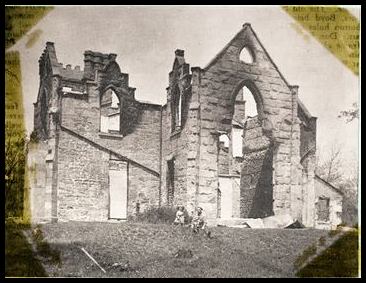
 Rock Bay Castle was a mansion in Aldershot owned by Peter & Henrietta Carroll, a venue for high society galas. Guests, in this photo, can be seen enjoying themselves at Rock Bay Castle. The lane way to Rock Bay was long and it was winding. Colourful gardens adorned both sides of this beautiful lane. Peter had oak trees planted on either side of the lane. Over time, the oak trees provided a covered arch, all the way to the handsome port cochere. Many of these trees can still be seen on the Woodland Cemetery grounds. Stepping out of the carriage upon your arrival, there were many servants tending to your every need. As you walked up the steps to the front entrance way, the great wooden door would be opened for you, and then you entered into a beautiful wood paneled hall, and proceeded to one side into a circular reception hall, graced with a large fireplace. In the fireplace would be a fire, well-seasoned oak logs would be crackling and burning. This reception hall was 2 storeys high, and to one side was a circular staircase that led you up to a balcony with a window that overlooked the estate’s property.
From this same balcony room, several doors would lead you into the bed chambers. Rock Bay had a beautiful drawing room, and within it was something quite rare for Upper Canada at that time. It was a beautiful grand piano. The windows in the mansion were adorned with heavy curtains of brocade. To light the estate in the evening, scented candles were found to be everywhere. Beautiful family portraits painted in oil were hung on most walls inside this magnificent home. Rock Bay was breathtaking.
The focal point of Rock Bay was the exterior’s large square tower, similar to one seen on Scottish baronial castles.
When you were either entertained at Rock Bay Castle, by Peter & Henrietta Carroll, or at Dundurn Castle by Sir Allan MacNab, guests knew they were in a special circle of the elite, and from this, they had a chance to enjoy the benefits of high society.
 Peter Carroll’s monument is in historic Hamilton Cemetery. Peter died from small pox in 1876. His legacy is now forgotten. While Peter Carroll was on a business trip to France in 1876, he managed to contract small pox. When he returned home, he tragically died a few days later on September 18th. Henrietta, herself contracted small pox from Peter, but survived this attack. Peter was buried in Hamilton Cemetery. However, the importance of Peter’s death and his funeral were overshadowed by another event that captured all of the headlines in Canada and the United States. A man from Hamilton, named Cyrenius Chapin Roe, a machinist by trade, unveiled his invention that totally captivated everyone. Cyrenius was more commonly known as C.C. Roe, and his invention was patented as “Steam Man”.
 C.C. Roe from Hamilton invented the world’s first robotic man, called “Steam Man”. It took North America by storm. Many events of real importance at that time were relegated to the back pages of newspapers. This was the world’s first robotic man capable of walking upright, and “Steam Man” could perform feats of strength. The world was captivated by this man’s invention, spawning many articles and stories everywhere. C.C. Roe and his family travelled all across Canada and the United States with “Steam Man”, as people flocked to see this marvel of modern technology for themselves.
 Henrietta, after recovering from small pox, continued to live at Rock Bay. When she became too elderly to live there on her own, she went to live in Hamilton. Henrietta, after recovering from small pox, continued to live at Rock Bay. When she became too elderly to live there on her own, she went to live in Hamilton.
There, Henrietta died of senile debility on July 20, 1907. While Henrietta, as a widow, was still alive and living at Rock Bay, my own grandmother Mabel Henrietta Hunter and her sisters, Lydia, Maud, Nellie, Ethel, Edna & Jessie, as young girls in the 1880s and early 1890s would play at Rock Bay with the jovial elderly lady. Henrietta Carroll taught the young girls how to make various crafts.
My great grandfather, Arthur Hunter, was an original Aldershot market gardener, and the Hunter family lived in Peter Carroll’s Bay View cottage as tenants. When my grandmother was born in 1883, it was at Rock Bay mansion. My great grandparents, Arthur & Elizabeth Hunter gave Mabel, my grandmother, the middle name Henrietta, in honour of Henrietta Carroll, a lady who was quite adored by the Hunter family.
 Rock Bay Castle suffered the fate of a devastating fire. Henrietta Carroll lost everything. The building was eventually demolished. The stone walls were crushed into gravel. And what became of Rock Bay? Sadly, this beautiful mansion burned to the ground around 1908. The stones from the building were crushed into gravel. Some say, that this same gravel was used for the new roads winding throughout Woodland Cemetery. This could be true, I do not know.
As for the name Rock Bay, where did that name come from? No one knows for sure. Some say, it was named after Peter Rock, who owned the Maple Leaf Hotel, located in the Market Square in Hamilton. I don’t believe that is true.
Peter Rock did not arrive in Hamilton, until around 1890, many years after the death of Peter Carroll. My own theory is, it was a combination from two sources. “Rock” could have been in reference to the stone from Queenston, used to build the mansion’s walls, and “Bay” would have been the reference to Burlington Bay.
What’s really unfortunate is Rock Bay Castle, this beautiful mansion from the 1850’s is no longer with us. We lost a beautiful jewel from the past.
Mark Gillies will next tell you about Harry Lorimer, another forgotten person from Burlington’s colourful historical past. A humble man, Lorimer made a huge impact on Burlington, not just once, but twice. Lorimer’s house at 504 Burlington Avenue was recently removed from the City’s Heritage Registry for lack of historical significance, a decision many find totally incomprehensible, myself included.
By Ray Rivers
January 29, 2015
BURLINGTON, ON.
Writing this year’s budget is a challenge for federal finance minister, Joe Oliver. His predecessor, the amiable Jim Flaherty had left us believing the government would be finally riding its way to a balanced budget, with possibly some new tax cuts thrown in this year. But the PM, hoping to counter negative polling, jumped the gun and offered up almost $5 million in new cuts and spending, including $2 billion in cuts mostly for the wealthiest families.
 Minister of Finance is in way over his head – Prime Minister may have pushed him under a bus. The problem is the price of oil. Oil is vital to the functioning of today’s modern economy. One would think we’d all welcome a drop in its price, especially those who drive cars. Falling oil prices are actually better than a tax cut for consumers, since it is immediate. I will be discussing this in more detail in my next column.
Suffice it to say that, generally, if the cost of a factor of production, like oil, falls, corporate net income (profit) should rise, except for the oil companies. And consumers with more money in their pockets after filling-up, can be expected to spend it, thereby boosting the economy and creating new taxable employment. All of this should make the budget balancing act easier, and maybe even generate a surplus, you’d think.
But it isn’t working out that way. For one thing the Conservatives cut the corporate income tax rate from 19% in 2009 to 15% today, presumably to encourage greater investment. But that was money for nothing, because investment in Canada has fallen rather than increased, and with it so has productivity. Cutting corporate taxes was a failed proposition federally, as indeed it was here provincially – also contributing to Ontario’s deficits.
When oil prices were flying high, at over $100 per barrel, the taxes from the oil industry more than made up the shortfall – but that was then. Today the oil companies are barely breaking even mining the tar sands. Still the silver lining of low oil prices is that our falling Canadian dollar should make us more internationally competitive. However, as I outlined in my last column, it may take years to revive the non-oil economic sectors of the Canadian economy.
 Governor of the Bank of Canada gave Oliver a gift recently by cutting the bank rate. So with federal revenue down, how does Mr. Oliver balance the budget? Financing Canada’s debt costs us almost $30 billion annually. The Governor of the Bank of Canada gave Oliver a gift recently by cutting the bank rate, thus potentially lowering the cost on new financing. But our declining US exchange rate neutralizes much of that because some of the debt is held by foreigners in US denominated securities- and that costs us more as our dollar falls.
Having just cut taxes, this government is unlikely to raise them again, so the Finance Minister has to look at the cost side of the equation. We should expect more service cuts, further compromising services in immigration, veterans affairs and the military. Don’t be surprised if new taxes appear disguised as user fees, such as more costly park permits, passport applications, etc.
Most likely there will be further deferrals of major capital investments and acquisitions, such as fighter aircraft and arctic patrol ships. Lumping this year’s expenditures into next year’s budget is a favourite shell game of a government in trouble – it’s called creative financing. And expect to see whatever is currently left of the departments of Environment and Natural Resources get further hollowed out.
Of course the Minister may decide it is time to sell off more Crown land, airports or other physical or intellectual property. We have started bunking-in at some foreign embassies, and we should expect that trend to continue, despite the obvious complications for diplomacy and sovereignty. Foreign aid, such as it exists today, might be further wound down – after all U2’s Bono was Paul Martin’s friend.
 It was the tar sands that were going to save our economic bacon – then the Saudi’s changed the game. It could happen – Mr. Harper might claim a balanced budget, even with the extra billions he prematurely slashed from the revenue side. Balancing the budget is a point of principle for the PM, one that he expects will define him and his leadership. But unless the price of oil rises substantially to somewhere close to $100 a barrel soon, showing up with a balanced budget would just be a lot of smoke and mirrors. And the longer the PM waits to announce that budget the harder it will be to justify the numbers.
Keynesian economics says we should pay off the debt in good times so we have borrowing room in the bad times. It has been almost seven years since the 2008 recession hit and this PM got to preside over the largest deficit in the nation’s history. So it has taken a long time to even get close to his goal of being in the black, notwithstanding all the chatter.
In the end, Mr. Harper may well claim a balanced budget, even taking us back to the kind of surplus he inherited when he first became PM. Of course the real question is whether the electors are better off now than they were in 2006? For some the answer is clearly yes. But for the many who find themselves on the other side of that ever-increasing spread between the wealthiest ten percent of Canadians and the others, the answer is not so simple.
 How does the Minister of Finance create an economic pie big enough for everyone to eat? For those middle and lower income Canadians, who make up the vast majority of our population, it is the size of the economic pie and their share in it that matters. And so it is high time that our government started addressing the issue of economic inequality – the distribution of wealth in this country. We could look to Mr. Obama’s recent ‘State of the Union’ address as a starting point for that discussion in Canada.
Ray Rivers writes weekly on both federal and provincial politics, applying his more than 25 years as a federal bureaucrat to his thinking. Rivers was a candidate for provincial office in Burlington where he ran against Cam Jackson in 1995, the year Mike Harris and the Common Sense Revolution swept the province.
Background links:
Harper Tax Cuts More on Harper Tax Cuts Pay Back the Debt
More on Debt Investment
Previous Rivers Column on how the PM sees the Canadian economy. Obama’s Take on Equality
|
|





 By Pepper Parr
 Neighborhood character studies have taken on a bit or a social cachet in Burlington. Two years ago there were two of the things launched; one at Indian Point, which went nowhere and the residents want to get out of what they started.


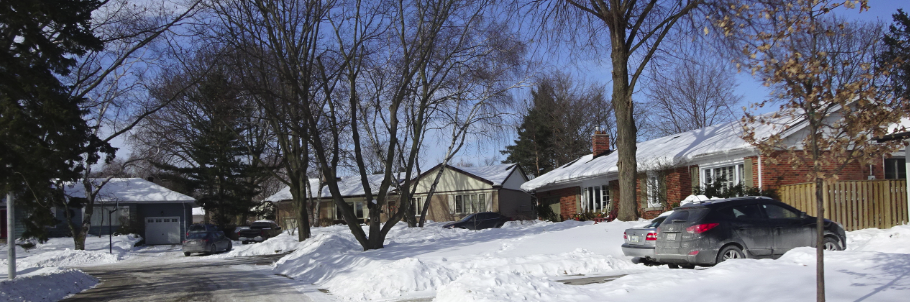





 Chris Byrnes, the owner of a radio license in Woodstock commented that “Each time I return to Burlington, it frustrates me that there is no local radio station in my home town, a city of over 176,000 people.
 It will be an uphill battle, explains Byrnes to convince the CRTC in Ottawa that Burlington is not part of the Hamilton CMA. But if enough Burlington residents and business owners submit their comments to the CRTC, then perhaps the CRTC may then invite applications for an FM license to serve Burlington.


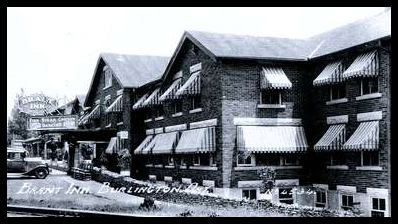


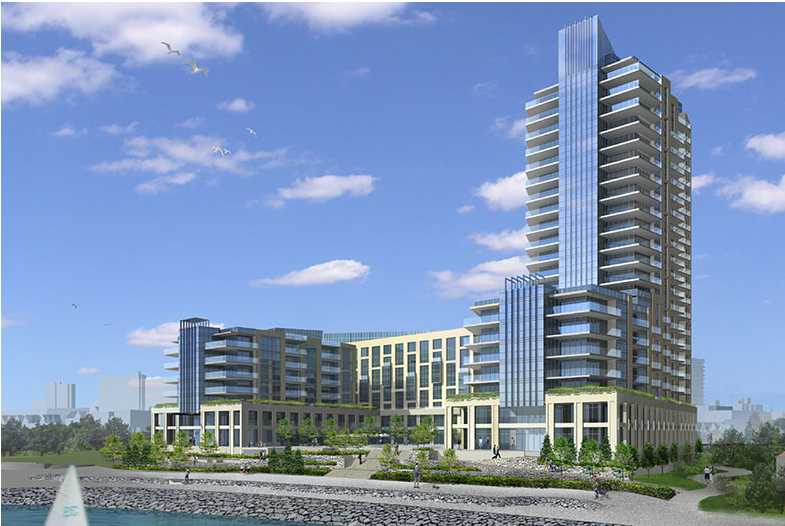

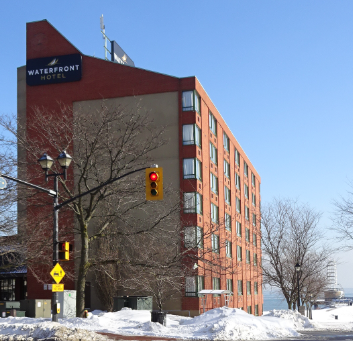
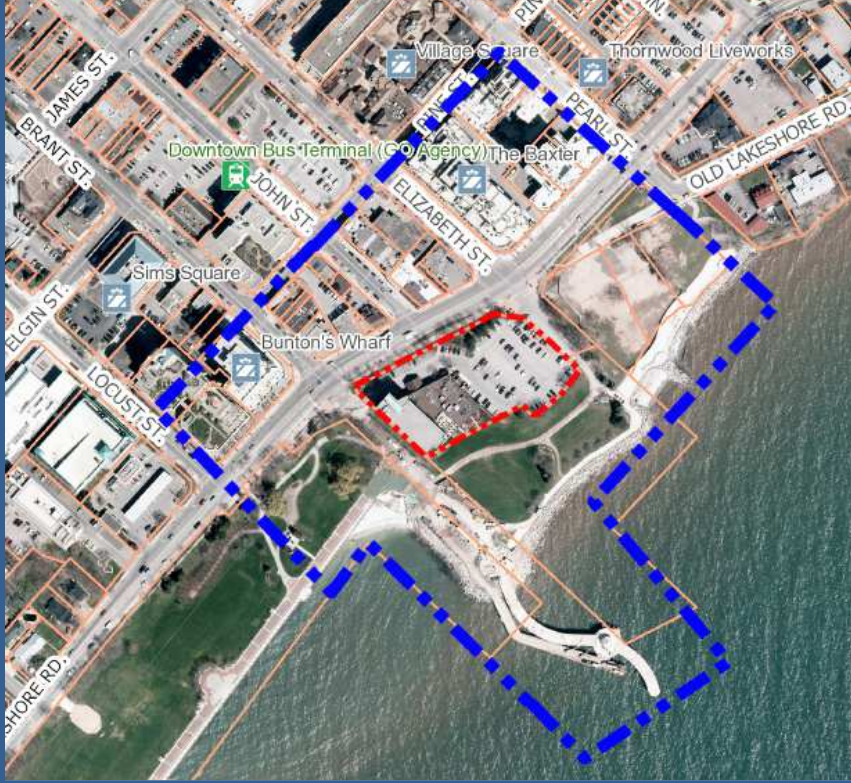
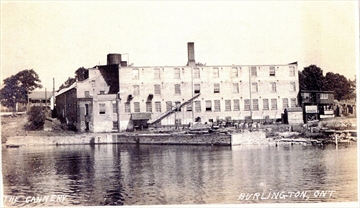


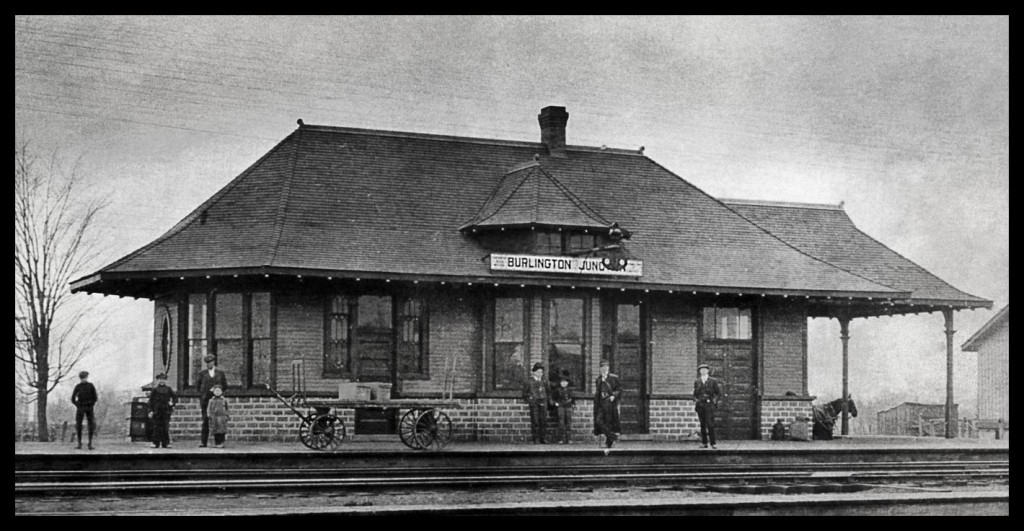
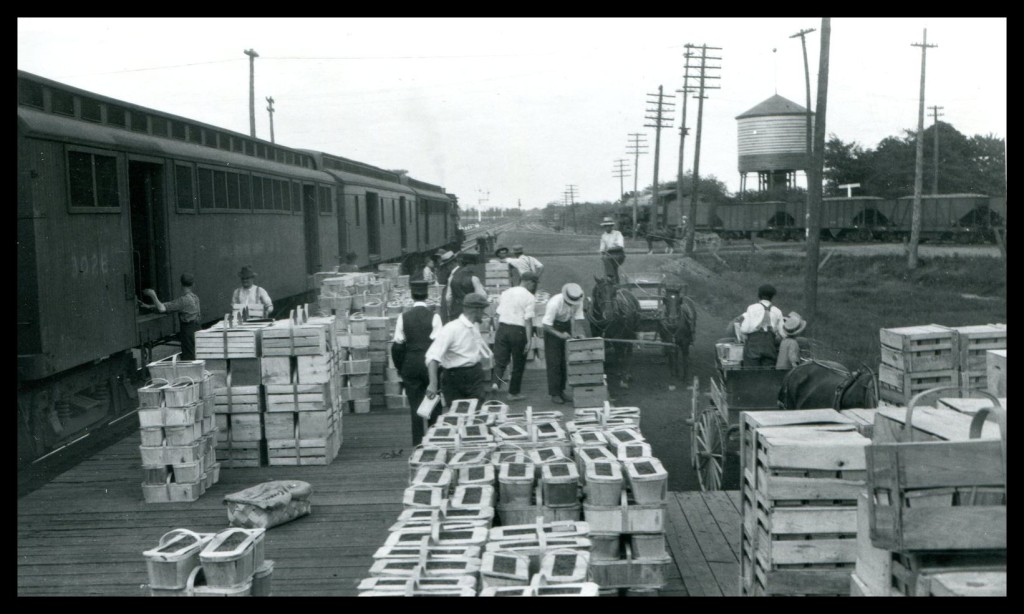


 These questions led to a discussion of class minutes (74), the length of the school day, travel time between classes and the overall school day. Every trustee at the meeting was a full participant – it seemed that each was learning something new.


 Two programs – a full scale beer tasting and pairing event – tickets are $125 each and then the Saturday session from noon to 11 pm – where you can taste a solid section of craft beers.
 The survey will be up for a month. When you respond to it from a particular computer you can’t respond a second time. We would prefer that each person respond to the survey just the once. We don’t want to skew the numbers.
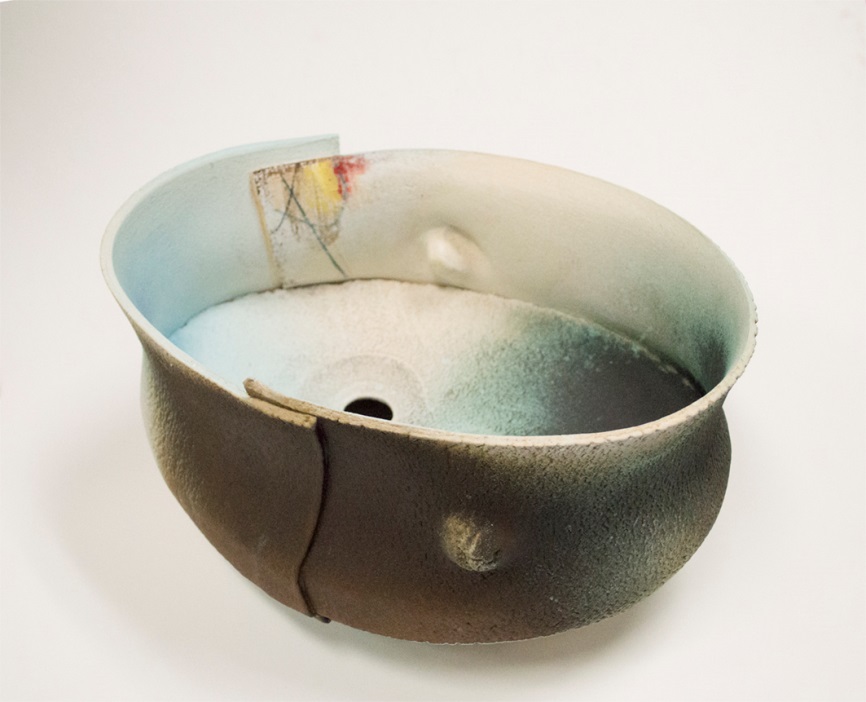



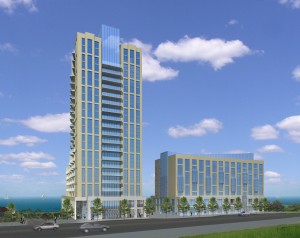
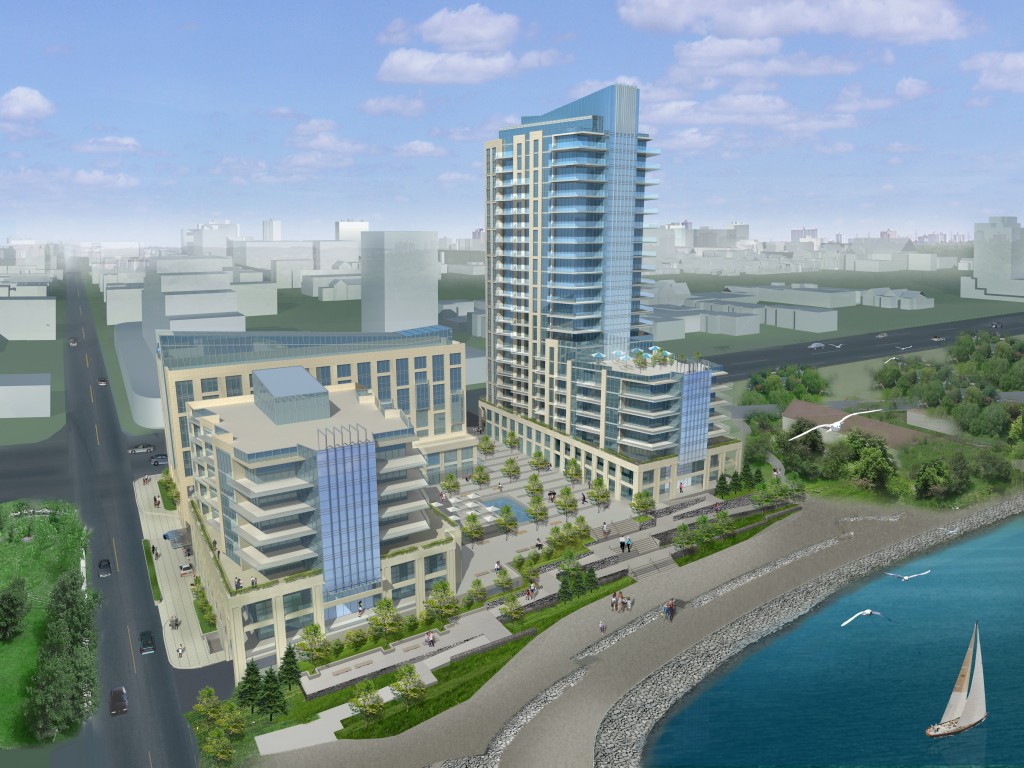
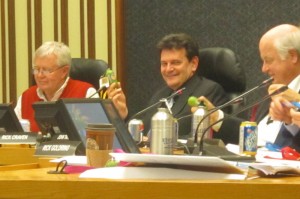



 Henrietta, after recovering from small pox, continued to live at Rock Bay. When she became too elderly to live there on her own, she went to live in Hamilton.