By Staff By Staff
January 12, 2015
BURLINGTON, ON
The Hamilton Philharmonic Orchestra will do their second performance of its new Gallery Series of chamber concerts to be held at the Art Gallery of Burlington.
Taking place at the Art Gallery of Burlington on Wednesday, January 21 at 7:30pm. The Gallery Series brings our region’s local art galleries and professional orchestra together to create intimate, 60-minute chamber concerts in inspirational and beautiful environments.
 The Hamilton Philharmonic will play within the setting of the current exhibit An Aqueous State by photographer Janusz Wrobel, Within the setting of the current exhibit An Aqueous State by photographer Janusz Wrobel, and This Pocket of Deeds by Warren Hoyano, the HPO Woodwind Trio performs glistening and harmonious works written for flute, clarinet and bassoon.
Principal flutist Leslie Newman, principal clarinetist Stephen Pierre and bassoonist Melanie Eyers show Burlingtonians the beauty of these symphonic instruments in an environment that allows audiences an up-close experience with professional musicians.
“We are delighted to bring our professional musicians to the Art Gallery of Burlington and offer Burlington residents a great chamber music experience in such a unique setting,” says Carol Kehoe, Executive Director of the HPO.
 Hamilton Philharmonic will perform at the Art Gallery of Burlington The performance is hosted by HPO composer-in-residence Abigail Richardson-Schulte who provides context for each musical selection on the program.
Following the performance, Art Gallery of Burlington Chief Curator Denis Longchamps provides an introduction to the exhibit before inviting guests to join HPO musicians and Gallery staff for a reception.
Art Gallery of Burlington is located at 1333 Lakeshore Rd., Burlington
Reception following the concert. Cash bar
The Gallery Series is a FREE concert series with donations gladly accepted at the door. Seating is limited seating and on a first-come, first-served basis. RSVP is recommended by calling 905.526.7756. Doors open one hour prior to the concert starting.

By Pepper Parr
January 12, 2015
BURLINGTON, ON
Brian Dean, General Manager, of the Burlington Downtown Business Association is a happy camper. He has more clients.
Some of those clients are not all that pleased that they are on the client list.
 Purple lines how the new territory added to the BDBA boundary. The addition of the names on the list came about when the city went along with the BDBA request to enlarge their boundaries. They now extend further north on Brant; take in a large chunk on the west and a bit of land on the east.
Every commercial operation within those boundaries is automatically a member of the BDBA which adds to the BDBA revenue base because commercial operations are automatically members of association.
Dean does a good job of representing the commercial interests of the downtown core. His objective is to use BDBA tax levies to make the downtown part of the city look better and to use those resources to promote programs that benefit all the commercial retailers and service providers.
 Brian Dean, top toff at the Downtown Business Association was out drumming up business for those of his members that took part in the Red Bag Sale.
Good business associations add value for their members. There are opportunities to use the collective energy of the commercial sector to create a sense of place and make it a destination. Ottawa has it Byway market, Toronto has a Distillery District – Burlington doesn’t yet have a sense of identity. Strangely enough Spencer Smith Park does have an identity – it is the locale for two of the best events in the province. RibFest and the Sound of Music draw thousands of people.
Napanee has a part of town that, believe it or not, that has become a fashion destination. Napanee? So it can be done.
The BDBA has a member of city council who sits with the association as a liaison; traditionally the member for the ward fills that role – but not always.
In the “putsch” (a secretly plotted and suddenly executed attempt to overthrow a government). that took place at city hall on December 18th Marianne Meed Ward was replaced as the BDBA liaison by ward 6 Councillor Blair Lancaster. The argument given for the change at the time was that ward 6 is kind of separated from the city and it would be a good idea to have someone from that part of the city on the BDBA. And, as Lancaster pointed out, she does have 30 years of downtown business experience.
The city council liaison is not a voting member nor is there presence required to create a quorum. Dean, the general manager, can if he wishes ask anyone at the meeting to serve as a “guest” chair. You can see where this is going; the city council politics are spilling over into the boards, committees and agencies that make so much happen in the city.
 Ward 6 Councillor Blair Lancaster thinking through the answer to a question. Dean is quick to tell people that Meed Ward is a significant asset on his board, no one seems prepared to point out that while Lancaster did have a Spa with her name on it in the downtown core – she didn’t work at the Spa. As she told the Gazette some time ago: “I have professional managers run the place – they use my Miss Canada brand.” The Spa was closed in 2014.
By Pepper Parr
January 8, 2015
BURLINGTON, ON
For those of you who remember the “drive-in” movies – there will be an opportunity to re-live that experience when you are driving along Lakeshore Road and passing the Art Gallery of Burlington between January 16th and February 15th.
 Love – the moment! Jim Riley, a Burlington, based video artist will have a two-channel window installation showing in the evenings. The video installation will be visible after dusk in two windows facing Lakeshore Road at the Art Gallery of Burlington. During other gallery hours, monitors will play the videos in the Community Gallery of the AGB.
 Love – same gender Riley’s art practice involves taking a moment of time, slowing it down, and placing it in a circle for the audience to examine. The circle acts as a portal to that moment, for the viewer to explore. As a non-linear story teller, Riley invites the audience to pause and view the two videos on a winter evening walk or, in a fleeting moment, from their vehicle.
Seven couples were invited to engage in the project. They were given minimal instruction, and they decided how to interpret the directions.
 Janet – self love The main circular image illustrates the couples’ love. The participants reflect a wide span of backgrounds. Images range from young sweethearts to middle-aged duos, interracial lovers, same-gender couples, single parent and child love, and a mature couple that have been lovers for nearly fifty years. Viewers may find their interactions intriguing.
 Lilly – self love. The participants were each asked to bring an object that represented them. These solo images are shown in the smaller Lakeshore window. The contributors are also shown individually, representing self-love. Viewers are invited to connect the dual images of Love Kiss with the solo imagery.
There are several theories as to the origin of a kiss. The kiss has been used as ritual, and to show affection or sexual and romantic love. Kissing between humans may be seen as a form of loving non-verbal communication.
Riley was a participant in the No Vacancy – Cirque event held at the Village Square last September.
By Pepper Parr
January 7, 2015
BURLINGTON, ON
A four part feature on the city’s decision to sell small parcels of land that it owns that fronts on to Lake Ontario between Market and St. Paul Street. Part 4: The Meed Ward position.
“This is not the end” said Councillor Marianne Meed Ward before members of Council voted to approve the “stop up and closure of Water Street land parcels”, which were steps that had to be taken before the property on the lakefront between Market and St. Paul Streets could be sold to Michael Swartz and his neighbours.
 Councillors Meed Ward and Taylor seemed to see eye to eye on the sale of the waterfront property – but Taylor did vote for the sale of the land. Meed Ward knew hers was going to be the only dissenting vote but she appeared to want to be on the record when she added: “I know the residents in this city, I have heard from people in every ward, and they want us to put public waterfront access at the top of our agenda.”
“They want us to preserve what we have.”
“I know” she continued. ”that if it is not this council there will be a council that will realize the vision”.
“The residents will not change” said Meed Ward, implying that councils come and go. However in Burlington Council members stick around for a long time.
Councillors Taylor and Dennison have warmed their seats for more than 20 years.
 Councillor Meed Ward called the site “magnificent” and “spectacular” It will soon become totally private. The resident’s wants access to the spectacular, magnificent waterfront said Meed Ward. This is no the last chapter. I know the community will see this through. It may take 50 years, it may take 100 but the public will eventually have the trail they want.
When the other members of Council spoke they chose to be defensive. Councillor Dennison said he agreed with a lot of what Meed Ward had to say but as Councillors we have to “pick our battles”.
“This particular piece of land does not fit the vision” Dennison added that he didn’t like being painted as against a waterfront trail – he just didn’t think a piece of land the city already owned was part of the vision; something he didn’t enlarge upon.
Sharman said he too supports a public waterfront but there are circumstances that have not been portrayed correctly.
 The two windows on the Lake on the East and the West will be accessible by the public. The parkette in the middle will become private property. Don’t expect the Windows to be all that inviting. One council member wanted any amenities to be “minimal” There has been a “massive deception” that is the critical issue that has to be recognized by the community.
The problem is the “circumstances” Councillor Sharman refers to were never made available to the public.
Sharman is sticking to his guns and closed his comments saying: “We’re doing the right thing”.
Councillor Lancaster appeared to be reading from the same script Sharman had. “At the end of the day” she said” “given the legal opinion and the complexities of this particular piece of property it didn’t make sense” to keep it.
That wasn’t the view of the Staff report which recommended leasing the property. Senior staff probably did not see the report Swartz had prepared and made available privately to some members of Council.
Mayor Goldring said “this issue has been around for 20 years – this council has addressed the issue and made a decision. “We are showing leadership”.
 Standing up and being counted as they vote to sell city owned waterfront property. The one thing that came across as this sorry episode came to an end is that there were legal opinions and privately commissioned reports that were not made available to the public.
Somehow, the transparency this council speaks about often did not apply to these documents.
Councillor Craven made no comment.
Councillor Taylor said he felt the issues had been personalized and he wanted council to get on with other matters.
Links:
Part 1 How the decision got made
Part 2 The Scobie delegation – it made no difference.
Part 3 The Swartz situation
Part 4 Meed ward position
By Pepper Parr
January 6, 2015
BURLINGTON, ON
A four part feature on the city’s decision to sell small parcels of land that it owns that fronts on to Lake Ontario between Market and St. Paul Street. Part 3: The Swartz situation.
Frederick Michael Swartz will, in the near future, take possession of the property that runs from the edge of the back yard of his Lakeshore property to the edge of the retaining wall on Lake Ontario.
 One dreams about setting like this. It is now private property. He already has a magnificent site – when he takes possession of what is now city and provincially owned property, they will have exclusive access and all the privacy one could ask for.
The public does not yet know what Swartz paid for the property – that will be disclosed when the deal is complete. Swartz is actually buying land from the Ontario Ministry of Natural Resources and the city of Burlington.
The purchase of the land creates a property that has immense potential. When it next changes hands – and property always changes hands – it will see an impressive increase in value.
The property was purchased in September of 2007 for $1,850,000
Getting the small parcels of land was a battle but Fredrick Michael is a tough nut used to getting what he wants. He is described as a very successful retired banker who now spends his time on community projects and is heavily involved in Habitat for Humanity.
 Janice Connell after delegating to city council i committee – She thinks she just might have nailed it! Swartz and his wife Janice Connell did a fine job of delegating at city hall; she did the schmoozing that was needed with members of council. She got into what was pretty close to a spitting match with Councillor Meed Ward but she was just one vote which the Swartz’s didn’t need.
Six of the seven voted for the sale of city owned water front property on a recoded vote. Councillor Marianne Meed Ward was the dissenter. Several of the Councillors couldn’t get their hands up for that YES vote at city Council on December 18, 2014 fast enough.
Some people have a bit of a beef with Swartz and his wife. They did nothing wrong – they saw an opportunity and they went after it and they knew how to do the lobbying and the report writing.
They hired a highly regarded real estate professional who did the research and provided Swartz with a solid case for the city to sell the property. It was an opinion that appears to have been made available to members of Council – not to all of them – but the public is never going to see the document.
While Council appears to have relied heavily on the report – they haven’t said a word about it. Had they done so they would have had to make it public and the understanding in place when the information was made available was that it was never to be made public. Swartz bought and paid for the report.
Janice Connell was the spokesperson for the family. This is a spunky lady – she made her point each time she delegated and did her best to take on Councillor Meed Ward directly.
Connell told city council that selling the property was the best decision the city could make. Many people do not share that view. It was certainly the best decision for the Swartz household and it will be great if at some point that family deeds it to the city – but that isn’t going to happen any time soon.
The villains in this disaster was a city council that let themselves be swayed by some pretty persuasive arguments.
And in doing so they forget about what the city is about; they also managed to overlook more than a dozen sound policies that were in place. Add to that they chose not to go with the pretty solid Staff Recommendation.
This is a city council that is swayed by people with a lot of money. Developers come pretty close to walking all over this council.
 Mike Swartz, delivering a very hard message to city council. We don’t want to sue but we will if we have to. They have already retained legal counsel. This council fears litigation; when it looked like the city was going to balk at a possible sale Frederick Michael slipped up to the podium in the Council chamber and let them know he was quite prepared to take his case to the Courts. Almost every member of Council tucked their tails between their rear legs and moved on to another part of the agenda.
Frederick Michael did what anyone else in the same position would have done. When he saw an opportunity to purchase the property he put together his case, did the lobbying that was needed and had his wife serve as the spokesperson. She did a very good job.
As spokesperson Janice Connell decided to reach a little further than her grasp could accommodate and attempted to tangle with Councillor Mead Ward who chaired the Standing Committee that was hearing the delegations.
Rule 1 when delegating: stick to the subject; rule 1a – don’t try to beat up the chair.
Meed Ward made it evident that she could handle Connell and while some sparks flew – no harm was done. Frederick Michael and his wife had won what thy came for – they didn’t need a scalp in their belt as well.
It was a significant win for Swartz who represented the other two property owners whose homes abutted the strip of land that was going to be and should have become public park land.
 Mayor Goldring and Councillor Meed Ward were on different sides of the decision to sell water front property. History will tell which of the two was right. The long term goal of a continuous waterfront trail has been set back as much as a century. Mayor Goldring took the position that there was “no long term possibility to connect the park at Burloak with Spencer Smith Park”. “If we did” he added “I would look at this much differently.”
It sounded like the Mayor was saying creating a complete Waterfront Trail was like trying to put a man on the moon. We’ve already done that Your Worship.
 A lot three properties to the east of the lots that are adding waterfront land to the homes is on the market. Council seemed oblivious to this news. Except for Meed Ward every member of council saw the position they had taken as one of real leadership. While council was agreeing to the wording of the bylaw that would permit the sale to take place a piece of property three properties to the east of the Market and St. Paul properties came on the market. Meed Ward said she had had discussions with the agent and the property owner and there appeared to at least be some room for discussion.
Council needed both a vision and the will to see the potential – they had neither.
There is a scene in the movie On the Waterfront that has Marlon Brando sitting in the back of a cab saying to his agent: “I could have been a contender” after throwing a fight in the ring.
This newly elected Council threw the fight and ensured that Burlington was not going to be a contender and have something most cities on a body of water yearn for, strive for – a place for its citizens to enjoy nature.
The stretch of waterfront land is now going to be enjoyed exclusively by Frederick Michael and his two neighbours. Good on him.
Links:
Part 1 How the decision got made
Part 2 The Scobie delegation – it made no difference.
Part 3 The Swartz situation
Part 4 Meed ward position – to follow later in the week.
By Pepper Parr
January 5, 2014
BURLINGTON, ON
A four part feature on the city’s decision to sell small parcels of land that it owns that fronts on to Lake Ontario between Market and St. Paul Street. Part 1: The decision – how it got made.
It all began with a report that was the response to a Staff Direction put forward by ward 2 Councillor Marianne Meed Ward back in 2012.
Direct the Manager of Realty Services to report back to the Budget and Corporate Services Committee regarding the portion of Water Street located between St. Paul Street and Market Street providing the background and history and options available to the city. (Councillor Meed Ward) (SD-30-12)
 Members of the original city sanctioned Waterfront Access Protection Advisory Committee did the early work on just what the city had in the way of windows to the Lake and just how accessible they were. Council liaison to the Committee Marianne Meed Ward is on the right. The Waterfront Access Protection Advisory Committee (WAPA) had done some extensive work on the state of the twelve Windows to the Lake. WAPA members covered the city from one end to other and looked at every “window” location and commented. That mess at Market and St. Paul Street was included in their report.
Councillor Meed Ward did not expect her Staff Direction to result in the sale of the land.
Staff did a thorough job and came back with what appeared at the time to be a reasonable compromise that protected the property the city owned and gave residents whose homes abutted the waterfront property long term protection and the privacy they desired.
 The since sunset Waterfront Access and Protection Advisory Committee produced a report with good graphics that set out what existed in the way of city owned land that could be opened up more effectively to the public. The staff report came back with three options:
1. Create a City Parkette – connecting the St. Paul Street and Market Street road allowances
2. Develop Windows-to-the-Lake at St. Paul Street and Market Street and retain ownership with an exclusive lease to the abutting land owners until required for public use
3. Develop Windows-to-the-Lake and dispose of Water Street parcel.
and recommended option 2, leasing the land.
Council voted 6-1 for option 3 – to dispose of the land.
In a arriving at the decision to sell the land the city had a confidential report from the city solicitor. The public never got to see that document nor did the public get to hear any of the debate. All the discussion was done in a closes session of Council. The Burlington Waterfront Committee was so upset at that process they lodged an official complaint. We will report on how that went.
 The view to the east from the edge of the retaining wall. This property has riparian rights that could have extended the pathway to the east a little further. That decision opened up an opportunity for those people whose property abutted the properties, that were owned by both the city and the Ontario Ministry of Natural Resources, to make an offer to purchase land.
There is a lot of murky legal history surrounding the way the retaining wall was built. When Judges make decisions they become public information. One of the problems with the judicial system is that it wasn’t designed for the average man. Without case numbers and the ability to follow a judicial trail it is very difficult to follow the threads of a case. Just because a decision is made by a Judge does not mean it was a great decision; that is why we have appeal courts.
 The City solicitor lets the public down with her tendency to keep information to herself; lawyers tend to behave that way. The practice is – say nothing unless you have to. Our legal system is an adversarial one. The public tends to get lost or forgotten in that kind of a process. The spirit of community engagement does not yet get much space in the office of the city solicitor and this Council seems to like it that way. The City solicitor lets the public down with her tendency to keep information to herself; lawyers tend to behave that way. The practice is – say nothing unless you have to. Our legal system is an adversarial one. The public tends to get lost or forgotten in that kind of a process. The spirit of community engagement does not yet get much space in the office of the city solicitor and this Council seems to like it that way.
There is nothing preventing this city council from taking a position that every legal document is made public and ensuring that it is posted on the city web site.
The Staff Report with the recommendation that the property be leased was supported by Provincial Policy, Regional Policy, City Official Plan and Parks and Recreation policy.
The Regional Official Plan designates all of Burlington’s shoreline as “Regional Natural Heritage System”. Regional Official Plan Amendment (ROPA 38) Policy 125 (10) states; “To protect and enhance the Halton waterfront as a major resource that is part of the Provincially significant Lake Ontario and Burlington Bay shoreline.”
Policy 118(6) states: “Encourage the development of trails within the Regional Natural Heritage system”
Policy 118(14) states: “Encourage the Local Municipalities to: a) Acquire public open space on tableland adjacent to watercourses and along the waterfront within the Urban Area; b) Identify and designate along or near the waterfront of Lake Ontario and Burlington Bay, a continuous waterfront trail, making use of public road allowances in locations where public waterfront properties are not available”
Burlington Official Plan calls for acquisition of land to create new or add to existing Windows-to-the-Lake/Bay shall be encouraged by City Council, as a means to increase public access to the waterfront.
Corporate Policy – Parks & Recreation – Waterfront Trail (September 27, 1993) is provided as Appendix B – Waterfront Trail specific excerpts pertaining to this report are provided below:
The acquisition of land adjacent to existing Windows-to-the-Lake and Windows-to-the-Bay, as well as opportunities to create new Windows-to-the-Lake or Windows-to-the-Bay as they become available, will be considered by City Council, where practical and feasible, to increase public access to the waterfront.
It goes on to say: “A continuous Waterfront Trail will be implemented through development and/or redevelopment along Lake Ontario and Burlington Bay where there is sufficient land between that water and a public or private road. This trail may be composed of two components: a shoreline trail immediately abutting the Lake or Bay, and a near shoreline trail located in the general vicinity of the Lake or Bay.
And adds “The Waterfront Trails will be connected to existing waterfront public open spaces and, where appropriate, other points of interest in the general vicinity of the waterfront.
More: “The City will develop specific guidelines and a marketing program for the Waterfront Trail that will include, but may not be limited to, landscaping, fencing, lighting, signage, parking, construction materials and trail furniture, in consultation with the public, Region of Halton, the Halton Conservation Authority, and other public agencies.
And more yet: “Waterfront trail policies were introduced in the 1997 Official Plan. Since that time limited development along the waterfront has occurred. Waterfront Trail policy development objectives have resulted in the city expanding the waterfront trail and public ownership including:
Easterbrook townhouse development near the Royal Botanical Gardens (RBG), is one where the city required public waterfront access through the Official Plan Amendment (OPA) and rezoning application resulting in Spring Garden Trail.
 This is where the the trail will end – it begins at the canal further west. This may well be as far as it goes for the next century. The Bridgewater project, that 22 story condo to be built on the edge of the lake, saw the city swap land so that a trail could be built between the water and the development – it is in place now. This is the eastern part of a stretch that goes west to the canal at the Hamilton border.
The Staff report that recommended leasing the land also set out the categories of public space that could be created when considering options including, Parkettes and Windows- to-the-Lake.
“Parkettes are described in the Parks and Recreation and Cultural Assets Master Plan as: Small landscaped venues intended to contribute to an area’s urban design, provide passive/rest areas and lower level park amenities; can be accessed by walking and cycling. They would have features that may include landscaped areas, rest areas, public art, monuments and related features.
 You wouldn’t know it – but this is public property and anyone can walk out to the end and look over the lake. City will now put signage indicating that the land is public. Great views. “Parkettes typically have Seating area(s), walkway connections to the community, bike racks and refuse containers. Some include creative playground structures, tree and shrub plantings; signage and fencing for demarcation of public and private property.
“Windows-to-the-Lake are described as small public areas located on city road allowances next to Lake Ontario or Burlington Bay; established to increase public access to the waterfront. They tend to have bollards or railings to keep vehicles on the road allowance and signage to identify as Windows-to-the-Lake.
The Staff recommendation was to preserve the land for future public use which meant: A) Purchase of the MNR portions of the waterfront between St. Paul’s Street and Market Street road allowances; retaining the ownership of the water lots; Creation of Windows-to-the-Lake on the existing St Paul Street and Market Street road allowances, Entering into lease agreements with the adjacent home owners for exclusive use of the public land between St. Paul Street and Market Street until which time the city decided to develop a waterfront Parkette.
Pros: Supported by the Waterfront Trail Policy, land remains in public ownership, retention of larger land base to create a future waterfront Parkette, retention of option to connect Market Street to St. Paul’s Street. Would provide formalized public access creating an opportunity for residents and waterfront trail users to enjoy the waterfront. Risks associated with shoreline protection is maintained by the adjacent land owners through agreement.
Costs and Liability issues with shoreline protection constructed by the adjacent residents in 1989 as per confidential Legal report L-20-13 can be accommodated in the lease agreement
Limits the establishment of further encroachments in structures or landscape development
Cons: Restricted public access to publicly owned properties along the waterfront is inconsistent with the Waterfront Trail Policy, Uncertainty for adjacent landowners on timing to develop future Parkette, Residential properties to the east and west of the road allowances limit the opportunity to continue the waterfront access beyond this site. Limited benefit as a continuous connection for the Waterfront Trail, existing properties contain encroachments that would require removal or integration into a future park plan and extension of the waterfront access beyond the site would require further land purchases or through development processes
Option Three to dispose of Water Street Parcel and develop Windows-to-the-Lake instead involved: Selling the city and MNR water lots between St Paul Street and Market Street to the adjacent land owners, creation of Windows-to-the-Lake on the existing St. Paul Street and Market Street road allowances
Pros: Access to waterfront would be formalized through two formally developed
Windows-to-the-Lake, proceeds from sale of property could finance a portion of the Windows to-the- Lake implementation, clear demarcation of land ownership with the formalization of the Windows-to- the-Lake, risks associated with the shoreline protection becomes the responsibility of the purchaser, resolves any potential legal issues as per confidential Legal report L-20-13 (which the public never got to see. Issues of encroachments would be resolved, development of Windows-to-the-Lake is a clear message to residents of the opportunity to enjoy the waterfront
Cons: Could be seen as inconsistent with Official Plan and Waterfront Trail Policy on public access and development objectives, no opportunity to establish a Parkette and waterfront trail with the sale of these public lands
Retaining the land for future consideration allows the city to plan for the purchase of land, capital costs for Parkette and Windows-to-the-Lake development and costs associated with repaying the adjacent land owners with the depreciated value of the shoreline protection works implemented in approximately 1989.
The following provides the capital and current budget impact for each of the options provided for consideration based on 2014 development costs.
 This road allowance will be tidied up and turned into a window on the Lake. A bench will be put in along with a sign telling the public they can use the space. Councillor Dennison did his best to ensure that signage and benches would be minimal. Option One– Create a Parkette on Water Street Parcel
Capital expense of $182,000 plus $7500 per year to maintain the land.
Land costs and shoreline protection were set out in the confidential document.
Option two: Preserve for Future use
Capital cost of $80,000, which includes costs to construct and maintain Windows-to-the-Lake; $3500 per year to maintain the Windows on the Lake. Land costs were hidden in that confidential report.
Option three – Dispose of the land:
Capital cost $80,000 and $3500 per year to maintain the Windows on the lake.
Revenues from the sale of the land are identified in L-20-13; that’s the confidential report council got to read and debate – so they apparently know what the selling price is.
The Gazette has information that it cannot yet corroborate that the deal has already be closed.
Estimated cost for Parkette and Windows-to-the-Lake development, which is the leasing option, is $182,000. This does not include the land costs or costs to repay adjacent landowners for the constructed shoreline protection identified in confidential Legal report L-20-13.
Given that staff did not previously identify the development of this property for parkland, the Finance Department propose the use of Parkland Dedication Reserve Fund (PDRF) toward the development of the Parkette and Windows-to-the-Lake. The PDRF has an uncommitted balance as of June 30, 2013 of $9.8 million. Additionally, this park is not identified in the city’s current development charges study.
Taking ownership of this property will enhance the value of the three homes that abut it. The public will learn what was paid for the land – later. The Staff report also said: “Upon receiving direction from council on an approved option, staff will develop and undertake a community engagement process which outlines the purpose, outcomes and participation goals of any engagement opportunity. Outcomes of the public engagement process will be reported back to council with concept plans for the Windows-to-the-Lake and Parkette development.
There has been absolutely no public consultation other than petitions from the opposing sides – each have radically opposing conclusions.
There is one more surprise – the public will not know how much the buyers pay for the property until the deal is closed.
Don’t you just love the way your council manages your affairs?
Links:
Part 2 The Scobie delegation – it made no difference.
Part 3 The Swartz situation – to follow later in the week.
Part 4 Meed ward position – to follow later in the week.
By Pepper Parr
January 4, 2015
BURLINGTON, ON.
The Burlington Economic Development Corporation (BEDC) Strategic Plan was introduced to a Council Stranding Committee recently. There was a blessing from Council and a sigh of relief as well as the hope that the desperately needed leadership was finally in place. Newly minted Executive Director Frank McKeown left them feeling confident.
After far too many years of expensive consultant’s reports the hope is that there is a board that means business and will do business
The updated Strategic Plan incorporates the principles of the BEDC which they believe will deliver the outcomes the City desires and in some cases redefine achievable results envisioned. There is now a dose of reality as well as a reality check.
 The BEDC has had a difficult four years. Under the direction of the former Executive Director, it was never able to get beyond commissioning report after report. Significant Burlington companies chose to leave the city – at least one was taken from us right under our noses. The BEDC has had a difficult four years. Under the direction of the former Executive Director, it was never able to get beyond commissioning report after report. Significant Burlington companies chose to leave the city – at least one was taken from us right under our noses.
The Board decided that it had had enough and dismissed the Executive Director in 2013 – on All Hallow’s Eve – and began taking a look at what was needed. A high powered group of executives was brought in as advisors and with all kinds of input from former city manager Jeff Fielding they looked as if there wasn’t a business they didn’t want to get into.
It is amazing what sensible, proven executives will think of when they feel they have their hands on the public purse and not all that much in the way of genuine oversight. A one point they were going to create close to half a dozen corporations to get into property acquisition and development.
 Former city manager Jeff Fielding had all kinds of ideas on what could be done with the Economic Development Corporation. When Fielding bought a one way ticket to Calgary some of the high flying ideas were given a reality check and a new board was installed; they appointed Frank McKeown, formerly Mayor Goldring’s chief of staff.
The BEDC Strategic Plan was developed to address key economic community needs:
a) Investment and assessment growth;
b) Growing local employment opportunities and
c) Accessible Industrial Commercial Institutional (ICI).
The BEDC then adopted a number of key strategies to pull this off:
Develop an Economic Vision for Burlington that will fit into the City’s Strategic Plan. The plan will have very specific goals and tactics that are well researched and can be executed.
Develop and maintain critical economic data, reports and policy; this will require an upgrade in capacity but will form a long-term basis for better insight and decision-making.
In his report to Council McKeown said: “It is vital that Burlington increase the investment at the Industrial, Commercial Institutional level – relying on the residential portion of the tax base is a recipe for a financial disaster for the city.
 Frank McKeown, while the Mayor’s Chief of Staff, attempts to fix the clock in Council Chambers. He now gets to set the clock for economic development. In an exclusive interview McKeown explained part of his problem. “We don’t have an economic vision”. He added that part of the problem in creating an economic vision is the need to tie that to the vision the city has for itself – and at the moment the best Burlington can do is point to the three pillars in the Strategic Plan put together in 2011: Prosperity, Vibrant Neighbourhoods and Good Governance.
What has Burlington got going for itself other than a lake at the bottom and an Escarpment at the top – which is basically geography. The city has talked about eco-tourism and making the cycling opportunities more attractive – but Burlington isn’t France and there is never going to be a Tour du Burlington.
We did have a shot at some major cycling events in 2012 but that one got away when the cost of policing the event just wasn’t feasible financially.
 The federal Inland Water operation has been around for years and was thought to be a possible anchor for the creation of an economic cluster. Burlington does have a very significant cluster of corporations involved in the water business – some 60 of them. With the federal Inland Water Centre serving as an anchor there was the hope that something could be developed. Turns out that most of the companies in the water business didn’t want to cooperate all that much for fear they would get to know each other too well and poach specialized talent from one another.
The city does have a nascent pool of engineering talent and significant depth in the 3P field which, combined, gets Burlington corporations involved in some major projects. 3P’s are Public Private Partnerships that bring private funds and expertise to the table to build public infrastructure projects; from the water we drink to the roads we drive on.
Recent reports suggest that these 3P project end up costing the government much more than if the government did all the work themselves. The other side of that argument is that governments tend to go over budget and well beyond the planned delivery date.
 The Joseph Brant Hospital is a 3P project that involves a number of Burlington corporations. The Joseph Brant Hospital re-build is a 3P project that recently announced who the lead contractor is going to be. That team includes local financial expertise.
McKeown is focusing on who the major property owners are in the city. He has a list with nine names and has already met with five of the nine to determine what they have in the way of land holdings and what their long term objectives are. This includes the development, in coordination with land owners and developers, of a 5 year investment profile around potential development and a proactive approach to local development opportunities. He then has to square that with the city Official Plan. It is a challenge.
The BEDC is being restructured around services. We must be able to answer the question – How can BEDC help grow our business? explained McKeown. Services being evaluated include access to senior government funding, accessibility to McMaster research for Small Medium Enterprises (SME’s), export growth support, support for start-ups, and key peer networking opportunities.
These will be largely partner driven. The BEDC will partner with the city to create a surplus land marketing pilot. Burlington doesn`t have all that much surplus land but the pilot will allow the City and BEDC to establish principles around land development opportunities and for BEDC to develop land development/marketing competencies in a low risk focused way. Surplus lands will remain under City ownership in this process until the transaction is completed.
 Frank McKeough, former Chief of Staff to Mayor Rick Goldring asked about how politicians can handle complex issues when voters tend not to be informed. As the Executive Director of economic Development he can now be very proactive at informing the voters. When McKeown was the Mayor`s Chief of Staff his biggest frustration was the rate at which things got done at city hall. McKeown was frequently heard muttering `”there isn`t any speed at city hall”. Culturally, BEDC will re-tool its processes and activities to respond at the Speed of Business to business and opportunities.
In addition, they will be following a partnership strategy to help us achieve the outcomes the community needs. These partnerships will include clear definition and agreement on activities. BEDC will be pursuing a broad range of partnerships expanding on its partnerships with the City and Team Burlington to include partnerships with the Halton Region, HalTech (local Research and Innovation Centre), McMaster University and an expanded partnership with the Burlington Chamber of Commerce. They will also be working to establish ongoing stakeholder engagement with the important actors in the development community and key business sectors.
One of the areas the BEDC has not managed yet to do the job that has to be done is finding a better more relevant and effective way to communicate with the public. The communications team was dissolved and a more fresh approach is being created.
The BEDC is getting out of the networking business and has passed that along to the Chamber of Commerce – they will share the networking opportunities. McKeown tells people that their networking events brought in a lot of money – but they also cost a lot of money to make happen and while staff were immersed in putting on events they weren’t able to get much done in the way of attracting new business to town.
 Frank McKeown, then the Mayors Chief of Staff explains a concept to Ward 5 Councillor Paul Sharman. Both are strong believers in the need for solid, verifiable information before decisions are made. McKeown wants to see much better data. Much of the data coming out of the Region is “less than reliable” according to McKeown. The approach he says to measuring results in a number of areas is “not consistent and we end up with data that doesn’t tell us what we need to know”. Putting systems in place to gather the data, validate it and then make decisions based on that data will take time and it will cost – but McKeown knows better than most that without good data you cannot make good decisions.
Many of the areas of focus for BEDC are new or currently unmeasured. The organization has identified how they we will measure performance and will begin immediately to track and report on these identified measurements. Over a short period of time they will have benchmarks established and performance results published.
The BEDC board has decided it will not move forward as a Land Development Corporation.
During his time as city manager Jeff Fielding began the developing of a relationship with the Fraunhofer Institute. They are Europe’s largest application-oriented research organization whose research efforts are geared entirely to people’s needs: health, security, communication, energy and the environment.
Fraunhofer has aligned itself with McMaster University and Burlington wants to become part of that relationship. McMaster currently has a meaningful project with Fraunhofer in life sciences.
 McMaster University’s DeGroote School of Business is seen as a prime resource by the economic development people. The connection is being developed. McKeown explains that McMaster is the number two research and development university in Canada (University of Toronto holds the number one spot). “Part of what we want to do is achieve much better access to these people and the commercialization of some of the research they do. They are a tremendous resource.
For once we have an agency that isn’t pushing its snout into the public trough and asking for more money. The BEDC proposes to operate in 2015 at the existing base budget level. As they evaluate the pilot land marketing activities they will have a revenue measurement which they will use for future evaluation.
When McKeown got into involving the public in economic development his report said: “Earlier discussions regarding BEDC reorganization identified some public engagement requirements. BEDC is not reorganizing the corporation at a level to trigger this requirement. BEDC will be actively engaging stakeholders and the public during their development of the Economic Vision.
Not exactly an invitation for the public to voice an informed opinion is it?
This time around there is a board in place to get a job done; no longer are there a bunch of people who sat at the BEDC board table to protect the interest of the organization they represented. A welcome change.
The ball is now in McKeown’s hands – assuming the Board he reports to acts as a Board and not a group of people with personal agendas. McKeown has a proven track record – he can pull this off if he is given the room and the resources. He is financially prudent and knows what risk is and how to measure it.
The biggest unknown for McKeown is what his former boss is likely to do. City Council has to create a vision for the city that is real and compelling.
By Pepper Parr
January 4, 2015
BURLINGTON, ON.
They are called Character Area studies; exercises where planners and residents meet to talk about what kind of a community they want.
In the past few years Burlington has done two of these: one in the Roseland community where the exercise is still underway and a second at Indian Point where the exercise was wrapped up.
 A part of the city that is rich in history Shoreacres may get a serious look at what it is and what it wants to be as part of the Official Plan Review. There is a Business Case in the 2015 budget for a third Character study for the Shoreacres community. Priced at $60,000 this study is part of the Official Plan review and came out of a Staff Direction.
This community has deep history – more so than Roseland. Both communities have been hit by what many refer to as predator developers who purchase older buildings on large lots; demolish the building and apply for a variance to divide the lot and put up two houses.
While many in the community regret the sale of what are seen as prime historical properties for every buyer there is a willing seller.
The Paletta Mansion is within the Shoreacres boundaries. Originally deeded to Laura Secord, who never lived on the property, the magnificent house was saved from destruction when purchased by the city. The Paletta family donated a large sum and had the house and park area named after them.
The Indian Point Character Study was wrapped up when the Planners came to the conclusion that the residents were so badly divided on a direction for the community that nothing could be achieved.
Indian Point has a rich history as well with large lots that cluster around the lake and Indian Creek.
These Character studies give residents of a community the opportunity to decide collectively what they want their community to look like and what they would like to see preserved. The people who live at Indian Point couldn’t arrive at any kind of consensus. The rank greed on the part of several participants during the Indian Point meetings was unsettling. It was difficult to see much in the way of community at those meetings.
 A per-fabricated bridge is installed over Shoreacres Creek. The Roseland character study meetings have been more civilized – close to genteel actually. But it has taken a long time and there isn’t yet a clear sense yet as to where the community wants to go.
What is clear in Roseland is the desire to see fewer demolitions which the majority seem to not want.
However, the ward Councillor has an Ontario Municipal Board hearing coming up in March at which he is appealing a Committee of Adjustment decision to not permit a re-zoning application to sever his Lakeshore Road property.
What Councillor Jack Dennison is doing would appear to be at odds with what the community says it wants – but they re-elected Dennison by a respectable majority.
Burlington is clearly struggling with its character as a city. There is work to be done.
By Pepper Parr
January 3, 2015
BURLINGTON, ON
Understanding developers requires a mind that can see into all kinds of cracks and crevices.
The Gazette got a call from a reader alerting us to trees that were being cut on the property to the east of Emmas Back Porch.
We made some calls – city hall was shut down for the holiday period and it was difficult to get any real information. We visited the site and took some pictures – speculated that the property might be something the ADI Group was looking at for a sales office.
It took a little time to get through to people – here is what we know.
 What was once a gas station is now an empty lot with not a tree left on it. No one, other than the owner, knows what is going to happen next. We will keep you posted. The owner of the property Draco Vranich, who owns the Waterfront Hotel, has the right to cut down trees that are on is property because the city does not have a private tree bylaw.
Because the site is on the lake’s edge it comes under the jurisdiction of the Conservation Authority as well as the city.
Someone cut down a lot of very mature trees and pushed a lot of the brush over the bank and into the lake.
The Gazette was told that that Draco Vranich was planning on putting in a parking lot that would be used by the “trades” who would be working on the Bridgewater a couple of hundred yards to the west.
Bruce Krushelnicki, Director of Planning and Building informed the Gazette that a free standing parking lot would not be permitted on that site without a change in the zoning.
Krushelnicki also noted that some survey work had been done on the site – there were survey markers in the ground.
During a meeting with the Director of Planning “on another matter” he advised the property owner that a parking lot was not permitted on the property.
He added: “There are no permits issued for this site (site plan, site alteration or building permits) and since the site has no buildings on it, no demolition permits have been issued recently.
 By the time anyone from city hall got to the site most of the big trees were down and the trunks carted away. Could that have been why the work was done during the holidays? Accordingly I observed no excavation, construction or site alteration. It appears – as I reported to you earlier – that the owner in concert with the neighbouring owner, is “cleaning up the site” by removing vegetation and debris. There is no development or building taking place on the site and no applications for development or construction have been received. I did not see any work being done on the slope at the rear although debris had been dumped there historically and may be part of the clean up.”
Krushelnicki continued: “I will have the by-law enforcement people monitor the site to ensure that work proceeds in compliance with the permissions granted, the property standards by-law and property maintenance by-law.”
The owner had alerted us to the work, and asked for our advice. So far he appears to be complying with our advice and acting within his rights.”
Looking into those ‘cracks and crevices’ mentioned earlier we know this:
The site is being “cleaned up”; the property has been recently surveyed. The large concrete blocks that were at the front of the property are now at the lakeside of the property – very close to the top of bank.
The site could, under the existing zoning and Official Plan, take a structure three to five metres deep – and as high as four storey’s.
What bothers the public is the not being told what is going to be done to the properties that edge on the lake. The current city council is prepared to sell lakefront property – when there was no need to do so – which has the public a little spooked. If they will sell part of the community’s heritage there doesn’t appear to be any limit on what they will do.
Ward 2 Councillor Marianne Meed Ward strives to keep her constituents fully informed. She had to play catch up on this one.
 By Staff By Staff
January 1, 2015
BURLINGTON, ON
There is an opportunity to get your habit of giving back to the community that has been so good to you back into gear – The Canadian Blood Service is holding their first Blood Drive for 2015.
 January 3, from 8:00 am to noon. Book an appointment at 1-888-236-6283 January 3, from 8:00 am to noon. Book an appointment at 1-888-236-6283
Besides booking an appointment to donate blood you can also register to donate stem cells and learn about donating cord blood.
Making that appointment for January 3rd is a little more important this time around; the Blood Service employees are set to strike January 8th. The 13 blood service workers in Burlington, part of the 800 workers that could go on strike will resume negations January 5th.
OPSEU, the union representing the workers warn that concession sought by management pose a serious risk to the safety of the blood system. The concessions are said to include the layoff of skilled professionals and replacement with lower cost, casual part time employees and a changing workplace climate that demands faster processing of blood products and unreasonable production targets.
The consistent flow of blood products is vital to hospitals
By Pepper Parr
January 1, 2015
BURLINGTON, ON.
The Gazette got a call from a reader about some work being done on the lot that is the east of Emma’s Back Porch. Huge concrete blocks were being moved around and every tree on the property had been cut down.
 The property is accessed from Old LAkeshore Road. It was once the location of an gas station. Might that mean there are environmental clean up issues? There were a lot of stumps left – they were apparently going to be coming out later.
The work was being done at a time when city hall was closed – convenient?
Our first guess was that the ADI Group saw an opportunity to put a sales office on that piece of land; I would be in a direct line of site from where they plan to build a 28 story condominium.
 There was some speculation that the property next to Emma’s Back Porch might be the site for a possible sales office for the ADI Group that has an application in for both an Official Plan Amendment and a significant upgrade to the zoning for the site. The circle indicates where the proposed ADI Group project is to be built. ADI managed to get a zoning variance to set up their sales office on Brant Street but they are limited to three years at that location – and they are going to need more than three years to sell out a project that doesn’t yet have a name.
A comment from a city hall staffer said: “The property belongs to Mr. Vranich, who also owns the Waterfront Hotel. We met with him last week on another matter and he mentioned to us that he would be “cleaning up this site” and referenced tree removal from private property.
 The Conservation Authority is going to want to have a conversation with the owner of the property – and perhaps explain what “top of bank” actually means. “He also explained that he and Mr. Jackman owner of the Emma’s property plan to clear the brush and trees along their shared property line. We advised him that he can clear trees from his private property, but should speak to the conservation Authority about trees near the stable top of bank. We also advised that he cannot remove trees from City property without a permit.”
“He does not have a building permit so he should not be excavating and has no site plan approval or (to my knowledge) site alteration permit, so he should not be altering the grades on the site. I will visit the site and see what he is doing, and will provide you with an update.”
The “top of bank” issue – which falls into Conservation Authority will fall into one of those “I didn’t know that” or “the workers did more than they should have”.
All kinds of tree trunks and brush have been pushed over the top of the bank. It was that need to set back any structure a specific number of metres from the top of the bank – a definition every planners knows about – that made any plans Tim Horton’s had for any construction on the site.
It was also the issue that basically ended what IKEA wanted to do on that North Service Road site. Tuck Creek ran down the east side of that property and that limited what IKEA could do.
 This is what the site looked like a few years ago – before the pier was completed. The Gazette got out to the site and took some pictures and talked to a couple of sources and were told that the owners of the property had cleared the site and planned to create a parking lot – which they hoped to be able to rent out to the trades that will be working on the Bridgewater project.
Plausible – the concern is – why was all this being done at a time when there was no one at city hall that could slip on over to the site and check out what was being done.
When the Conservation Authority people get back to their desks on Monday – they will have a lot of questions to ask.
Ward 2 Councillor Marianne Meed Ward said she wasn’t aware of any development plans for the property – those things are always run by the ward Councillor
This is a small story worth following.
By Staff
January 1, 2015
BURLINGTON, ON
During holiday periods the gremlins that make the wheels of web sites go around get inside the engines and tinkers with the parts to make them run more smoothly.
 Look upon the Gazette as the strongest source of news and news analysis in the city. Our techie is beavering away with the web site – which is why the masthead doesn’t appear.
We are still the Burlington Gazette gearing up for an even stronger year than 2014.
By Pepper Parr
December 30, 2014
BURLINGTON, ON
The city is taking a different approach to the way they present their budget to the public and a significantly different approach to how staff work with the funds they are given to use.
In an effort to show tax payers where the money is going and the value gotten from the spending the city is now setting up budgets based on the service delivered rather than on just the department that that does the spending.
This approach has introduced a significantly different business process management and brings forward a phrase you are going to hear a lot of from your council member: Results Based Accountability – the city wants you to know that staff will be accountable for the results they deliver.
Not quite sure how that phrase would be applied to the pier. Several council members expressed concern and surprise over how many people in their wards had not ever been to the pier. Yet we spent more than twice the original price of $6 million – and I’ve yet to hear any Council member even mention the word accountability let along accept any responsibility for the thing – which the public appears not to care all that much about.
The city has released a draft budget that will call for a tax increase of 3.55% in 2015 – a little higher than inflation isn’t it?
Included in that budget are nine business cases for new, or improved or upgraded services. Each business case sets out the argument for the expenditure.
One of the nine business cases is about transit – a service expansion, an upgraded Community Connection will cost $337,000, add three Full time employees (FTE’s) and tack on one quarter of one percent to the tax levy.
This service is designed to connect the places where seniors live to the places seniors want to travel to. The Seniors’ Centre would be the hub for this service.
 There is nothing fancy about the place. It’s simple, serves the purpose with a bus stop almost outside the door and plenty of parking. The site will become a bit of a mobility hub for the Community Connection the city proposes to upgrade. There is a Community Connection service that runs just two days a week – the proposal is to make this a Monday to Friday service running from 10am to 3 pm with additional links added to the service.
The Business Plan approach requires that the potential benefits and risks be spelled out and that what the metric for success will be. Smaller buses will mean lower fuel costs (lower gas prices aren’t going to hurt either) – the risk at this level is defined as low.
The Business Plan approach requires staff to explain “How Success will be measured”. Here they set the bar so low that they can’t possibly fail. Transit staff talk in terms of an additional 8 boarding’s each hour on the route. The service, if approved, will run for five hours each day –and they call success a total of 40 boarding’s during the week. That seems like an almost incredibly low number. It gets taken up to 14 boardings an hour in 2016.
Included in the nine new business cases is an $84,000 expenditure for 3D Visualization software – which the city should have bought five years ago. It’s a minor expense but the business case doesn’t tell the full story. There doesn’t appear to be any allocation for staff training nor is there any mention of ongoing upgrades to the software – and with software there are always upgrades.
 The terminal on John Street where many of the bus service transfers are made is to be made one of the mobility hubs in the city. Still a lot of thinking to be done on how the parking lot gets integrated into the plan. The benefit to the city is they will have a tool that will allow them to create images of the growth of the community. “Building on existing models” the business case made adds that “the downtown will be completed first with other mobility hub areas and intensification corridors to follow”. Mobility hubs are points in the city where different transportation modes come together: the GO stations at Aldershot, Burlington and Appleby Line are the prime identified bubs at the moment with the John street terminal added. There are many that believe there should be an additional hub somewhere near the top of Appleby Line.
 Six properties were assembled in a part of the city that is to some degree isolated – they’ve basically nothing in the way of parks – and crossing the railway tracks is one way this community gets its daily exercise.  Those six properties in the Queensway shown above were assembled, houses demolished and 54 units built. would 3D modelling have let the public know how massive the change was going to be? The 3D models will be used for public engagement, council meetings and visioning exercises. “One of the central elements of the project will be the ability to build the model by requiring builders and developers to submit images of proposed and completed development projects for import to the model.
 An example of 3D rendering. The software used to create the image allows the image to be seen at different angles and elevations. Creatively used it can be a very effective tool. The Capital Works department says “success will be measured by” Customer satisfaction but it isn’t clear just who the customer is. The developers are not going to like the additional expense. They might want access to the model – will the city give it to them?
Heck – the Gazette would like access to that model.
The other two success criteria are “Model Utilization” and the “% of Complaint submissions”. So they have thought of the complaints that will come in. Interesting.
Each business case is required to set out the potential risks and benefits and what the probabilities of each actually are. The benefit/risk probability for the project is high if the project proves to provide an effective tool to assist Council and the public to visualize alternate development proposals.
Not implementing the service is given a medium probability due to the “lack of community support and understanding of intensification”.
 And that is what this $84,000 expenditure is really all about – showing the public what intensification will look like before it gets shoved down their throats. And that is what this $84,000 expenditure is really all about – showing the public what intensification will look like before it gets shoved down their throats.
By Staff
December 29, 2014
BURLINGTON, ON.
Roy Brooke is an avid cyclist who lives in Victoria BC. On a trip to Copenhagen Denmark he experienced physically separated bikes and cars with a dedicated cycle tracks.
Brooke tells his story: “Visitors to Copenhagen tend to notice that it is tough to take a photograph without a cyclist or bicycle in it. Cyclists seem to be everywhere, and statistics bear out the impression — 55 per cent of Copenhagers’ use bicycles each day and 41 per cent of people arrive to work or school by bike in the Danish capital.
 In Copenhagen cycling is not limited. any any one demographic “On a visit to Denmark I started to notice who was actually doing the cycling as much as their sheer numbers — old, middle-aged and young people, families with children, women in high heels, people doing chores, people just getting around; every possible segment of society seemed to travel by bike.
“As a parent, what surprised me were the many mothers and fathers in the downtown core with children on their bikes.
“At home in Victoria, I bike on quiet residential streets with my four-year old on the back in his carrier. However, I never venture downtown with him on my bike. In my judgment as a parent, neither the core of our city or the roads that lead to it are safe enough for me to travel by bicycle with my son.
“Yet in Copenhagen, a much larger and more bustling city than Victoria, families ventured into the busy core at all hours with children.
“I rented a three-speed cruiser at my hotel and set forth to find out why. After a few hours biking around Copenhagen, I had several clear impressions. Foremost, during the entire time I biked around town, I never once felt like I was running a gauntlet of death between parked cars on one side and speeding traffic on the other. Almost every route physically separated bikes and cars with a dedicated cycle track.
“In some areas, this was a bike lane on raised pavement. In others, simply but ingeniously, parked cars rather than people were the ones in the road nearest the traffic. This let bikers and pedestrians use the calm, safe space between parked cars and buildings.
 Lanes created for bicycles where they don’t put riders in harms way and pedestrians have the sidewalks to themselves. In Copenhagen it isn’t a “them” and “us” – cars and bikes each have their place.  Traffic management includes instructions for cyclists. “In places without physical barriers between cyclists and car traffic, thick lines painted on the pavement and wide cycle tracks kept cars at a distance, and all intersections were marked to prioritize cyclists.
“In a word, I felt safe.
“I also didn’t need to think much to bike. It was clear where I had to go because cycle routes were clearly delineated. It was clear when I had to go or stop because there were usually stoplights just for bicycles. And, it was clear where I could park or rent bicycles: just about anywhere.
“In short, things were designed not only for motorists but cyclists also.
“My overall impression is that Copenhagen’s physical separation of bike and car routes and having fully integrated design takes the “us versus them” out of cycling. I never felt irritated by motorists because I never came near them. I assume that I never bothered motorists, for the same reason. Pedestrians, motorists and cyclists thrived side by side because the urban system was built with everyone in mind.
“Above all, I understood why parents took their children into Copenhagen’s core on bikes. If Victoria had similarly modern cycling infrastructure, I would do the same here.
“Many other cities — Barcelona, Paris, Dublin for example — have made similarly large and fast leaps. Separated bike lanes, bike-share systems and lowered speed limits were common denominators in their success.”
 Burlington has recently marked lanes to alert car drivers to merging bicycle traffic. Is the time right for Burlington to make a similar leap? A start has been made. We have the chevron markers and there are now several bike lanes clearly marked with green paint alerting drivers to the merging of bicycle tragic,
During the recent municipal elections very little was heard from the cyclist lobby and as close to nothing from any of the candidates. Mayor Goldring seems to have assumed that he has learned a lesson after his flip flop on bicycle lanes along Lakeshore Road.
Burlington could join the ranks of leading, livable cities, not through a dialogue that is about cars versus bikes, but one based on the actual evidence: that proper, modern biking (and pedestrian) infrastructure makes life better for everyone.
New Street is scheduled to have some major infrastructure work done in the next few years. There was a proposal that dedicated bike lanes be part of that infrastructure upgrade – it wasn’t going to be cheap. The argument was to add the dedicated lanes while an upgrade was being done.
That item will come up during the budget debates in February.
By Pepper Parr
December 29, 2014
BURLINGTON, ON.
There are people in the Burlington Community Foundation offices plowing through piles of paperwork during the holiday as the 310 applications for funding under the ODRAP program are reviewed.
The Foundation was given the task of managing the claims process and raising hundreds of thousands of dollars locally to qualify for “two for one” matching funds from the province.
 Claims Committee member Nancy Swietek, Dan Lawrie Insurance listens to a resident whose home was flooded Monday of last week the claims committee, made up of Nancy Swietek, Dan Lawrie Insurance, Rick Burgess, a local lawyer, Mark Preston of Preston Insurance Services and Bruce Russell of Wardell Insurance, went through 22 applications and sent a couple back to the insurance adjuster hired by the Foundation, to give the applications a professional review.
The committee spent two hours clearing 22 claims. Using that as an average, the 310 claims are going to eat up an additional 28 hours of their time – and these people are all volunteers – they don’t get as much as a dime for their efforts; they probably don’t even get mileage.
Funds for those approved should work their way through the cheque requisition process and be in the hands of the applicants very close to the 15th of January.
Those who were late filing their applications will not see any funds until sometime in March. What surprised many, stunned would be a better word, was the more than 100 claims that came in the two days before the deadline.
The Claims committee is handing out funds that were raised by the community and matching funds that given to them by the province – they have a responsibility to ensure that those monies are distributed within the ODRAP guidelines – which, in the minds of many are a little on the stringent side.
 There wasn’t a microphone or a telephone Burlington Community Foundation president Collen Mulholland would get her hands on as she drove the organization that raised very close to $1 million for flood relief victims – she then made sure the province made good on the two-for-one matching grant. While there is no formal process for appealing the finical support given, Collen Mulholland did say that the Claims Committee will listen to anyone who has a concern about what they were given or if their application was denied.
The ODRAP rules are strict. Funds are available to people who were uninsured or under-insured; if the applicant does not meet that criteria there claim will not get processed.
The Burlington Community Foundation hired an independent insurance adjuster who goes over the claim and ensures that the numbers and other data given are correct, fair and reasonable.
 Keven Reimer the insurance adjuster working for the Claims Committee talking to resident at a public meeting explaining the ODRAP program Keven Reimer, the insurance adjuster, made it clear at a public meeting that the objective was to help people get back on their feet. A furnace that was damaged by the flood will get replaced – that Persian rug that was in front of the 60 inch HD TV set – is probably not going to be replaced. You will get funding for a carpet and a decent sized TV set – but the new Persian rug is something you will have to save up for.
The drive to help people in Burlington who were very hard hit by the flood damage August 4th is now coming to a close. Burlington raised close to $1 million in less than 100 days – a remarkable feat that in due course will be properly recognized and celebrated.
All the recognition does not go to the politicians – Mayor Goldring made two critical phone calls and showed the kind of leadership his citizens expect of him when he called Colleen Mulholland at the Burlington Community Foundation and asked if they would take on the task of putting together the team that would deal with the provinces ODRAP program and raise funds locally. The Mayor placed a second call to Ron Foxcroft asking him to head up the fund raising drive.
The people who know Foxcroft knew he was going to put the squeeze on them – and squeeze he did. There wasn’t a banker in the city that didn’t get a call; several got more than one phone call.
There were some local retailers that came through big time for their customers and there were large suppliers of the kind of thing thousands of homes in this city bought to repair their homes that were not heard from.
When the final list is published you will see who showed up and who didn’t.
There were people who did some extraordinary work. Recently elected MPP Elanor McMahon jumped into the trenches and made numerous critical phone calls. When the province at first said no to the request from the city that it be seen as a disaster area and was entitled to the matching funding McMahon was one of the people getting back to the Premier and Minister Ted McMeekin.
There were two members of council who now know more about the basements of houses in the eastern
 There was hardly a basement in ward 5 that had been flooded that Paul Sharman didn’t look at closely. During the early stages of the fund raising he was one of the more passionate speakers.  Ward 4 Councillor Jack Dennison spends a lot of time at community events – more so than some other council members. During the early days of the flood his staff had him crawling through more than 1000 basements. Here he works with residents on community planning half of the city. Paul Sharman and Jack Dennison went into hundreds of basements to see first hand how bad the damage was. Both handed out hundreds of forms and handled even more phone calls from worried residents.
Burlington has a to to be proud of – the people and the commercial sector of the city pulled together in many marvelous ways.
By Staff
December 29, 2014
BURLINGTON, ON.
Do you remember this time last year?
It was snow, on snow, on snow with dozens of senior staff members out in the field on Christmas Day.
 Millar Road was blocked solid – for several days  That was a live wire when it came down.  This tree actually survived – picture could go on a post card  Hydro crews worked around the clock and late into the night to get power lines back up. In several places new cable had to be strung.  Burlington Hydro CEO Gerry Smallegange explaining to a community meting in Kilbride that work was progressing but it was just going to take time. A little photo feature to remind you what it was like.
Maybe the August 4th flood is Burlington’s bad weather for the year?
Burlington asked the province for some financial relief due to the storm – the claim was for $1.8 million – we haven’t seen that money yet.
By Pepper Parr
December 27, 2014
BURLINGTON, ON
During the 2014 budget deliberations council wasn’t able to find the funding needed to cover the cost of a person to be named as manager of culture for the city.
 The first Culture week for Burlington had a great turnout in Civic Square. Then city manager Jeff Fielding said at the time that while he couldn’t promise anything he would do his very best to find some savings somewhere and crate the position of Manager of Culture for the city.
In 2013 and 2014 the city began to see a different cultural community; the Art Community Collective was formed, the first No Vacancy was put on at the Waterfront to critical acclaim to be followed by a second much larger presentation at the Village Square.
The city held its first Cultural week; the Performing Arts Centre was under stronger management and was making time and space for the smaller community groups – and they weren’t asking for an increase in funding.
The Burlington Art centre underwent a name change and then a change in its leadership.
 Angela Paparizo, now the Manager Art and Culture with Trevor Copp whose delegation brought about a shift in city council’s thinking in 2013 Things on the cultural side of the city were getting more attention and more funding.
General Manager Scott Stewart announced to staff that Angela Paparizo was the successful candidate for the position of Manager of Arts and Culture.
The internal announcement went on to say that “Angela brings more than 10 years of experience in Public Administration, a Master’s Degree in History and Bachelor Degree in Journalism. Angela is continuing her education in Cultural Planning with the University of British Columbia.
“As a Cultural Planner for the City, Angela’s work has been focused on the development of the Cultural Action Plan, Public Art Program, Cultural Mapping, Relationship with Cultural Joint Ventures and Support for cultural community through Community Development and Facility Fee Waiver fund.
“Angela’s experience and passion for arts and culture has helped her successfully develop and deliver Culture Days 2014 in collaboration with artists and cultural organizations.
 Performing Arts Centre – a key cultural stakeholder – where do they fit into the Cultural Plan and how much input will they have? will they be truly an arm’s length organization? “While working in various management positions in the past, Angela’s extensive experience in project management including proposal writing and budgeting has helped her strategically plan highly creative and impactful arts and culture programs that inspire public involvement and provide value to the community.
“As a Manager of Arts and Culture, she hopes to continue her rewarding work in advancing collaborative, community-based programs and services, developing cultural opportunities in Burlington and enhancing the quality of life.”
 With a new name and a brand that is being developed and some bright people running the show – where will the Art Gallery fit into the Cultural Action Plan. The challenge now is to put energy and financial resources into the job as it has been outlined. It is a significant step for the city. In the past culture has resided within the Parks and Recreation department where the focus was on sports and recreational activities.
With new, and hopefully more focused management, culture and the arts will have a chance. The trick is to ensure that we get beyond “Elvis on Velvet” and that the community understands it will take time to pull all the stakeholders together and get them singing from the same sheet music.
There is a very delicate balancing act to be done; diplomacy is going to be a key element and the prime stakeholders will have to be brought on side. Avoiding turf wars will be a challenge.
How avoiding a lineup of artists with their hands out gets pulled off will be interesting to watch.
By Pepper Parr
December 26, 2014
BURLINGTON, ON
It was pretty close to a ten year project but John Taylor, Councillor for Ward 3 knew that he would eventually be able to deliver for the residents of the Mountainside Community – and he has.
 Project Manager Jennifer Johnson point out a detail in the entrance area of the rebuilt Mountainside Recreation Centre that is now open to the public. Last week the marvelously renovated Mountainside Recreation Centre was quietly opened for people in the community. Early in January there will be a public opening – but Jennifer Johnson, city Project Co-ordinator already knows how well the place is going to work.
While she was checking on some last day details she put on her figure skates and tested the rink. It has been some time since Jennifer has skated and gone up on her toes and used the picks to twist and turn on the ice. She had the sheet of ice all to herself – and made the best of it. She did not tell us if she took even one small fall on that perfect sheet of ice.
 The corridor that integrates the swimming – splash pad areas with reception and the ice rink is finished in material that has the look and feel of wood. Johnson was Project Manager for the Haber Recreational Centre in Alton where she worked with the Board of Education to bring in one of the few fully integrated collection of a high school, a recreational centre and a public library in a community that is in the process of finding itself. There are those in Alton who refer to that part of the city as the NEW Burlington.
After 18 months of construction, the newly renovated Mountainside Recreation Centre is completed. It is not your typical recreation centre with that cinder block look to it.
 There are parking lots at the bottom of the slight grade leading to the entrance of the Recreation Centre; a drop off bay and a small parking lot at the top of the site. The architects chose a very fitting blend of stone, brick and paneling that fits in with the wooded location. ZAS Architects did the design work and produced something that looks and feel a little more like a mid-level resort location than a community centre with both outdoor pools and an ice rink.
The use of building material that has a finish resembling natural wood gives one the impression, and a look and feel of natural wood is everywhere.
The contract to build was awarded to Bondfield Construction Company Limited in May 2013. The cost for the project totaled $9.3 million, which included all the hard costs (construction) and soft costs, architect fees, permits, project administration, contingency and furnishings.
 The concession area is set up so that hockey players and those using the pools and splash pad outside have access. The job amounted to a complete revitalization and connection of the existing arena and pool house buildings into one integrated recreational complex that has two community rooms with screens and projection equipment, refrigerators and micro-wave ovens. These are rooms that small dances could be held in.
The customer service area is very pleasing – the concession is set up so that it can serve the people using the pools and splash pad area in the summer and the people using the ice rink in the winter.
 Change rooms on the left and a brand new sheet of ice. The change rooms in the ice arena are as upscale as most of the golf clubs in the community. Hockey referees have their own change room with lockers.
The centre is built into the side of a small mountain. Tree planting, re-forestation, trail installations were part of the revitalization.
The facility is now open for ice rentals and community room rentals. The grand opening will take place on January 2, 2015.
The Mountainside community now has the recreation centre it has waited for – Councillor Taylor just might burst with pride when the place is officially opened.
 Entrance to the Mountainside Recreation Centre. Public art is being done.
It was not an easy project to bring to fruition. Parks and Recreation wasn’t all that keen on the idea and a former city manager tried to kill the project at one point. They don’t call John Taylor the dean of city council because he has a pretty face. He slugged away to keep the project in the budget – next week his constituents can celebrate his perseverance with him.
In the months ahead, work on the public art that Simon Frank, the Hamilton artist selected, will be going forward – it will be interesting to see how this addition to the city’s bank of public art works out.
There have been some clunkers in the past.
By Staff
December 22, 2014
BURLINGTON, ON.
Artists want to be artists – they aren’t bean counters – there is seldom enough money coming in to actually count.
For many – the art should speak for itself – so what’s to market.
Artists are seldom “business people” the really successful artists have managers who take care of that stuff.
 The art work sold at the Art Gallery earlier this month does well when it is displayed – the trick for artists is to get their work shown. For those artists who are not at that rung on the success ladder the Art Gallery of Burlington is putting on a series of workshops to give artists a bit if a leg up.
If you are an artist looking to promote your work – Check out these AGB workshops to help increase your visibility to potential clients.
Your Digital Projects (4 weeks)
Tues Feb 3 – 24, 1-4 pm OR
Tues Apr 7-28, 1-4 pm
This four-week workshop will provide entrepreneurs a digital design skill set for creating practical documents using Adobe Photoshop, Illustrator and maybe even some of your own images and fonts. After an introduction to our Adobe software’s essential design tools and panels we will begin to construct and customize layouts such as greeting cards, advertisements, posters. With the aid of an instructor, a Mac-lab and your creativity let’s digitally stitch your ideas and images together. For beginners or those with some experience. Instructor: Kevin Willson
This work was shown during the Art in Action event last November. Using Social Media (3 weeks)
Sun Feb 1-15, 1-4 pm OR
Wed Apr 1-15, 1-4 pm
This three week workshop provides a summary of the major developments in social media such as Facebook, YouTube, WordPress, and Twitter. We will examine how social media can be used to stay current about art trends and news, as well as how to self-promote and conduct business online. Participants will be introduced to a variety of social media environments and will gain hands-on experience with many of the leading social media applications. *This course requires active participation of students and a willingness to immerse in social media practices. Instructor: K. Jennifer Bedford
 Burlington has a number of venues for the sale of art. Local artists are looking for ways to break out of this market. Photographing Your Merchandise (4 weeks)
Tues Mar 3-31 (no class Mar 17), 1-4 pm
Students will learn and practice photography and lighting techniques of small objects
such as plants or pottery and larger subjects such as paintings or fashion. This is ideal
for crafts people and artisans who wish to expand the photographic portfolio of their
creations or collection for either print or web. Instructor: Jorj Takacs
We are advised by the AGB that there will be a fee for the courses – they were not able to advise us as to what the fee will actually be.
When we get the data we will pass it along to you.
By Pepper Parr
December 17, 2014
BURLINGTON, ON.
The Strategic Plan was introduced to a Council Stranding Committee.
There is a revised policy or service standard.
The updated Strategic Plan incorporates the principles of the BEDC which they believe will deliver the outcomes the City desires or, in some cases, will redefine achievable results envisioned by the economic Development Corporation.
The updated Strategy includes clear and specific key performance indicators (KPI’s) for all areas as well as defined tactics to achieve these results.
 Zoned commercial, spitting distance to the QEW, minutes from downtown – owner wants to rezone and make it residential. The BEDC has had a difficult four years. Under the direction of the former Executive Director, it was never able to get beyond commissioning report after report. Significant Burlington companies chose to leave the city – at least one was taken from us right under our noses.
The Board decided that it had had enough and dismissed the Executive Director in 2013 – on All Hallow’s Eve – and began taking a look at what was needed. A high powered group of executives was brought in as advisors and with all kinds of input from former city manager Jeff Fielding they looked as if there wasn’t a business they didn’t want to get into.
When Fielding bought a one way ticket to Calgary some of the high flying ideas were given a reality check and a new board was installed; they appointed Frank McKeown, formerly Mayor Goldring’s chief of staff, as the Executive Director.
It is amazing what sensible, proven executives will think of when they feel they have their hands on the public purse and not all that much in the way of genuine oversight. A one point they were going to create close to half a dozen corporations to get into property acquisition and development. Some sanity prevailed.
Through the plan development process,  nor did it conclude that BEDC should compete as land developers with the private sector. The decisions were based on the following: nor did it conclude that BEDC should compete as land developers with the private sector. The decisions were based on the following:
The City has very little surplus land. Land Development models in other cities are usually based on significant surplus land or considerable land available at very low cost. The Board and City will continue to evaluate the opportunity in this area.
The scale of potential property available does not justify immediate investment in corporate restructure. Other alternatives exist to achieve the desired results with lower risk.
A Strategic Plan was developed to address the key economic community needs which were defined as:
a) Investment and assessment growth; b) Growing local employment opportunity and c) Accessible Industrial Commercial Institutional (ICI).
The BEDC has adopted key strategies to pull this off:
Develop an Economic Vision for Burlington that will fit into the City’s Strategic Plan. The plan will have very specific goals and tactics that are well researched and can be executed.
Develop and maintain critical economic data, reports and policy; this will require an upgrade in capacity but will form a long-term basis for better insight and decision-making.
It is vital that Burlington increase the investment at the Industrial, Commercial Institutional level – relying on the residential portion of the tax base is a recipe for a financial disaster. To make this happen McKeown will be bringing a tighter focus and process to market attraction.
He will develop new partnerships and strategies to work with land owners, developers and the commercial real estate sector. This includes the development, in coordination with land owners and developers, of a 5 year investment profile around potential development and a proactive approach to local development opportunities.
The BEDC is being restructured around services. We must be able, said McKeown to answer the question – How can BEDC help grow our business?
Services being evaluated include access to senior government funding, accessibility to McMaster research for Small Medium Enterprises (SME’s), export growth support, support for start-ups, and key peer networking opportunities. These will be largely partner driven.
A surplus land marketing pilot with the City will be given a go. BEDC will begin marketing identified surplus lands under a pilot model. The City and BEDC will establish principles around land development opportunities that will allow BEDC to develop land development/marketing competencies in a low risk focused way. Surplus lands will remain under City ownership in this process until the transaction is completed.
 The property IKEA chosen for their new location was quite deep but problems with the Ministry of Transportation and difficulties with the Conservation Authority killed the plans. Will the BEDC be able to overcome this kind of problem? There is a reason for the BEDC being located outside city hall – they want to operate at the Speed of Business. Culturally, BEDC will re-tool its processes and activities to respond at the Speed of Business to business and opportunities. McKeown always had a problem with the molasses that seemed to be attached to every document that circulates through the building.
The Burlington Chamber of Commerce will take over the networking events the BEDC used to hold. They were always very well attended but the new BEDC doesn’t see that as a part of their core business. They will work with the Chamber on the events but not be in bed with them – at least not at the networking level.
The BEDC’s 2015 Expectations: 1 Surplus Land Marketing/Sale Pilot, 2 Annual Economic Report established and published, 3 Targeted Market Attraction Established, 4 Stakeholder Process established with land owners and developers – QEW Corridor, 5 Five Year Development Profile, 6 Economic Vision and targeted activity in defined re-development areas. Lakeside Plaza was given as an example.
That is one impressive list. If McKeown wrote it – then it is doable. Memo to the BEDC board – think bonus for the lad.
The proof is in the pudding isn’t it? Many of the areas of focus for BEDC are new or currently unmeasured. The organization has identified how we will measure the organization and will begin immediately to track, measure, and report on these identified measurements. Over a short period of time we will have benchmarks established and performance results published. McKeown didn’t say how often.
 The BEDC needs help telling its story. The one thing it has never had is a commitment to be open with the information they collect. Some of it is sensitive – but certainly not all of it. They have tended to take a proprietary approach – not unusual in the business world. The BEDC needs help telling its story. The one thing it has never had is a commitment to be open with the information they collect. Some of it is sensitive – but certainly not all of it. They have tended to take a proprietary approach – not unusual in the business world.
A dose of retail thinking would serve the BEDC well – and a little less clubbiness wouldn’t hurt. There is a tendency to think they have all the answers – they don’t.
For once we have an agency that isn’t pushing its snout into the public trough and asking for more money. The BEDC proposes to operate in 2015 at the existing base budget level. As we evaluate the pilot land marketing activities we will have a revenue measurement which we will use for future evaluation. In addition, the development of the Economic Vision will include an evaluation of other revenue opportunities including strategic development opportunities.
When McKeown got into involving the public in economic development his report said: “Earlier discussions regarding BEDC reorganization identified some public engagement requirements. BEDC is not reorganizing the corporation at a level to trigger this requirement. BEDC will be actively engaging stakeholders and the public during their development of the Economic Vision.
Not exactly an invitation for the public to voice an informed opinion is it?
The Strategic plan says is has a new Board is in place and fully engaged. BEDC has quickly established an operating plan to address the economic needs of the community and will continue to measure performance and report to Committee on its economic achievements.
 Current BEDC Executive director Frank McKeown tended to have to battle with ward 5 council member Paul Sharman who brought experience as a consultant to the table. Not much in the way of proven operational experience which McKeown does have. The Burlington Economic Development Corporation 2014 – 2015 Board of Directors
Gary Graham, Chairman, Gowling Lafleur Henderson LLP – Partner; Rick Goldring , Mayor; Paul Sharman, Burlington Council member; Jack Dennison, Burlington Council member; Ruta Stauskas, Boehringer Ingelheim (Canada) Ltd. – Vice President, Human Resources; Bonnie Prior Appraisal Institute of Canada – Ontario – Executive Director; Randall Smallbone, Portland Investment Counsel – Dealing Representative; J. Michael Hanna, Kylin Developments Inc. – President; Gordon Kack, MHPM Project Managers Inc. – Vice President – Operations; Dr. David Conrath, Conrath Communications Ltd. – President; Scott Stewart, City of Burlington – General Manager, Development and Infrastructure.
This time around there is a board that is in place to get a job done; no longer are there a bunch of people who sat at the BEDC board table to protect the interest of the organization they represented. A welcome change.
The ball is now in McKeown’s hands – that assumes the Board he reports to acts as a Board and not a group of people with personal agendas. McKeown has a proven track record – he can pull this off if he is given the room and the resources. He is financially prudent and knows what risk is and how to measure it.
The biggest unknown for McKeown is what his former boss is likely to do. City Council has to create a vision that is real and compelling. They need to provide the sizzle – Frank McKeown will sell the steak.
|
|





 By Staff









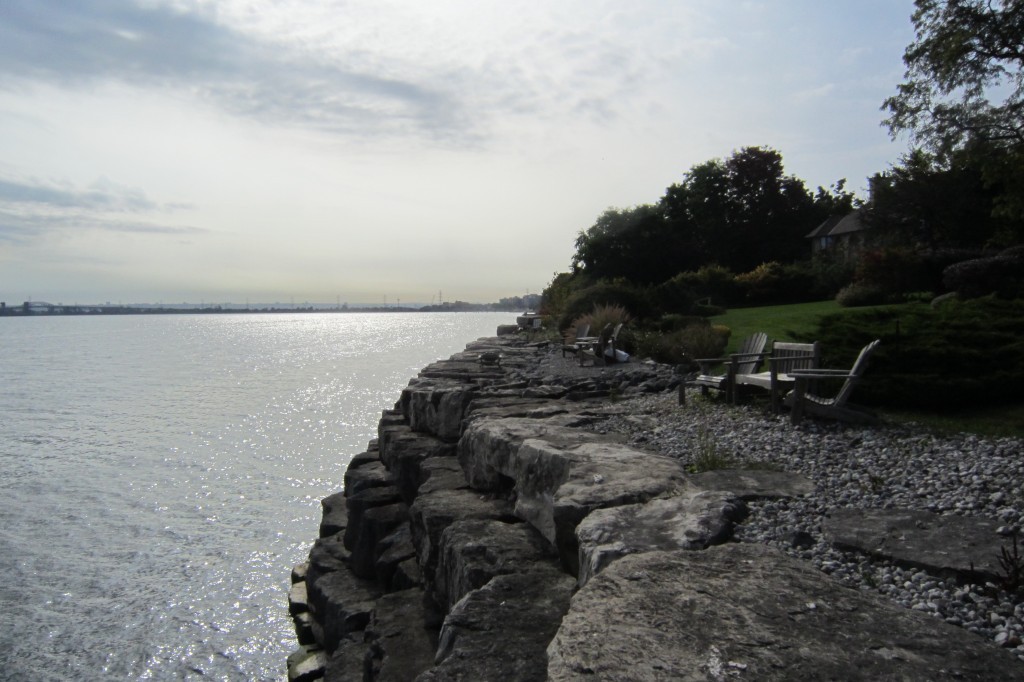

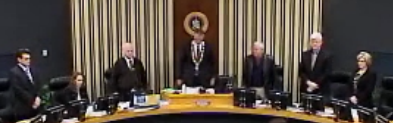
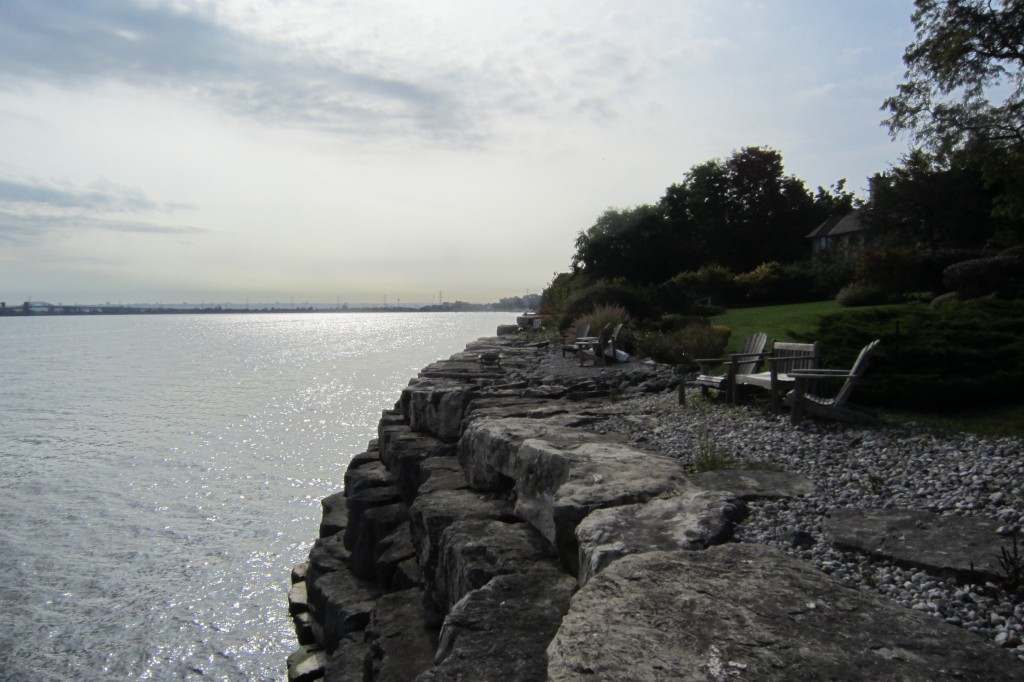
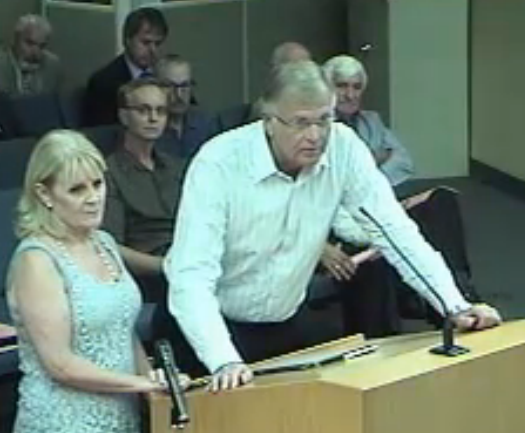

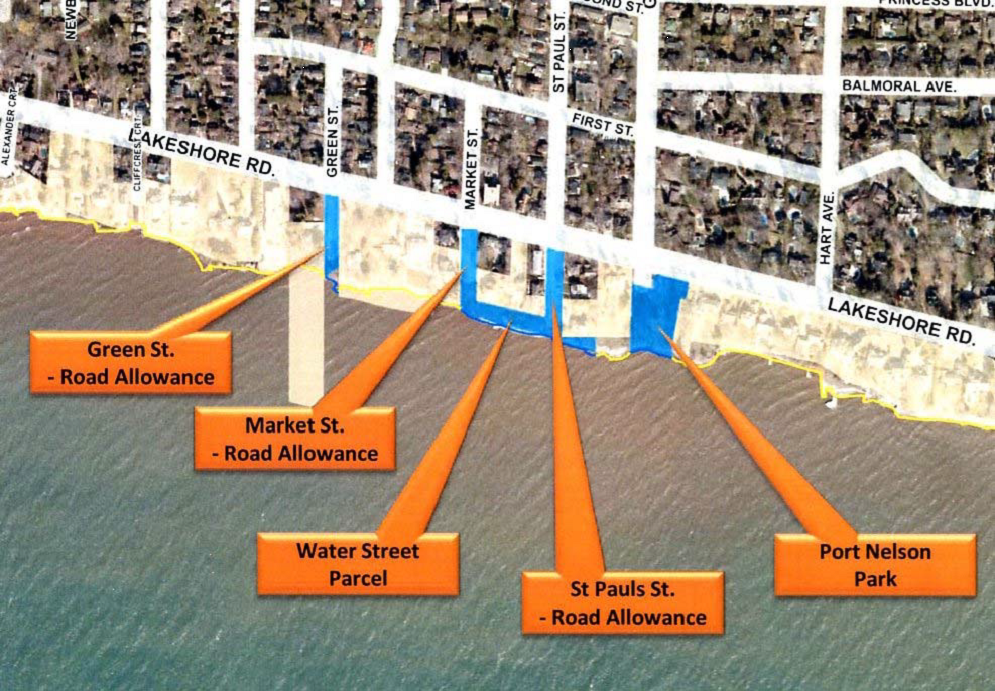

 The City solicitor lets the public down with her tendency to keep information to herself; lawyers tend to behave that way. The practice is – say nothing unless you have to. Our legal system is an adversarial one. The public tends to get lost or forgotten in that kind of a process. The spirit of community engagement does not yet get much space in the office of the city solicitor and this Council seems to like it that way.
 The acquisition of land adjacent to existing Windows-to-the-Lake and Windows-to-the-Bay, as well as opportunities to create new Windows-to-the-Lake or Windows-to-the-Bay as they become available, will be considered by City Council, where practical and feasible, to increase public access to the waterfront.
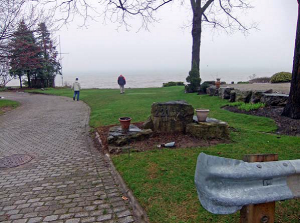


 The BEDC has had a difficult four years. Under the direction of the former Executive Director, it was never able to get beyond commissioning report after report. Significant Burlington companies chose to leave the city – at least one was taken from us right under our noses.
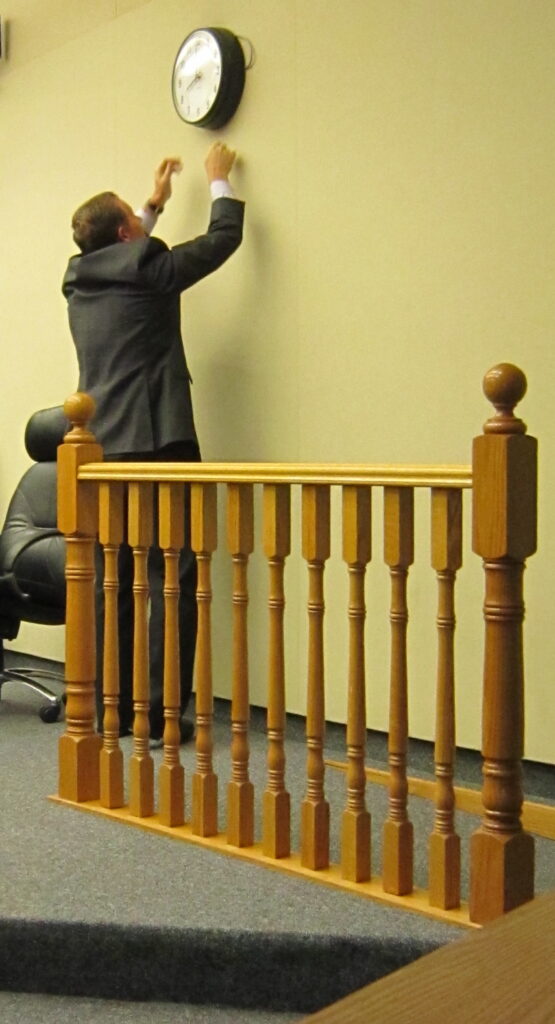






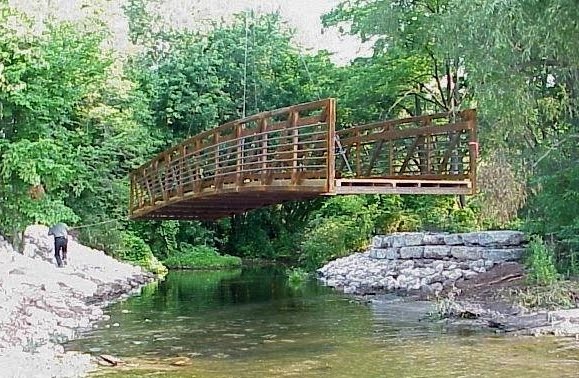

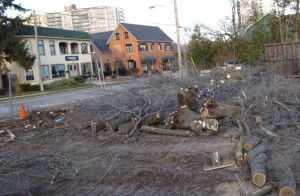


 January 3, from 8:00 am to noon. Book an appointment at 1-888-236-6283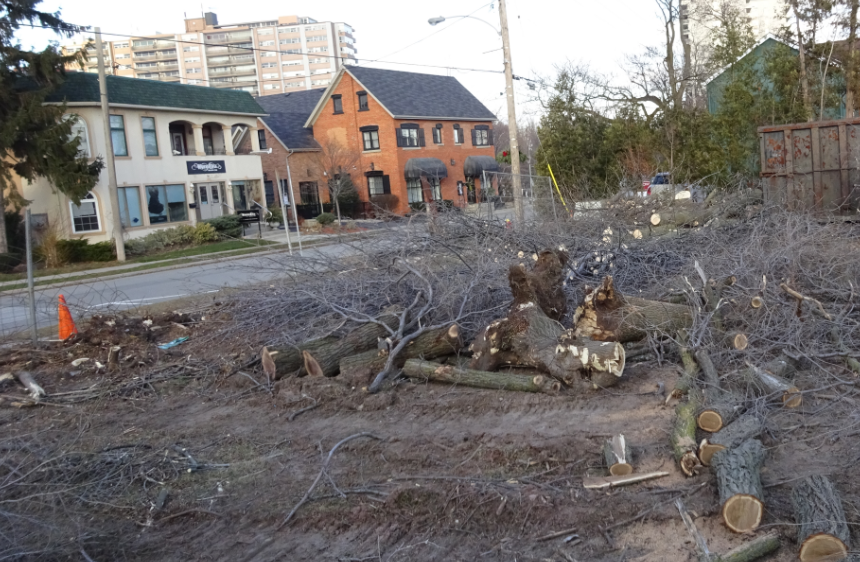

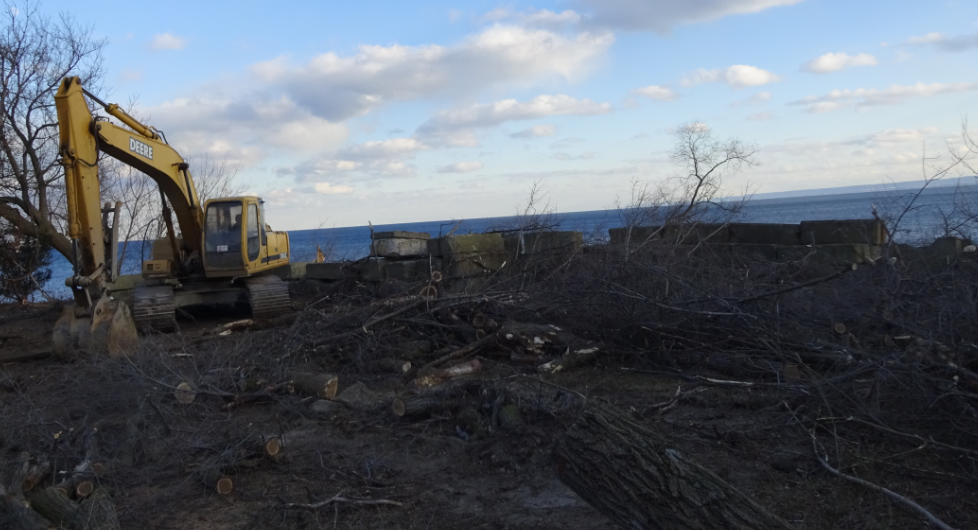




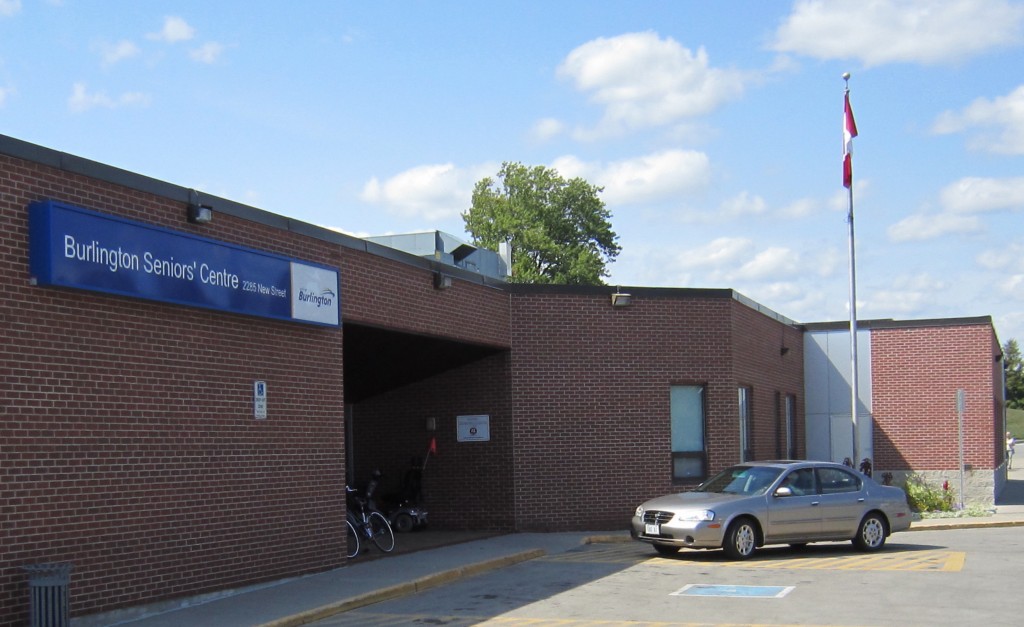
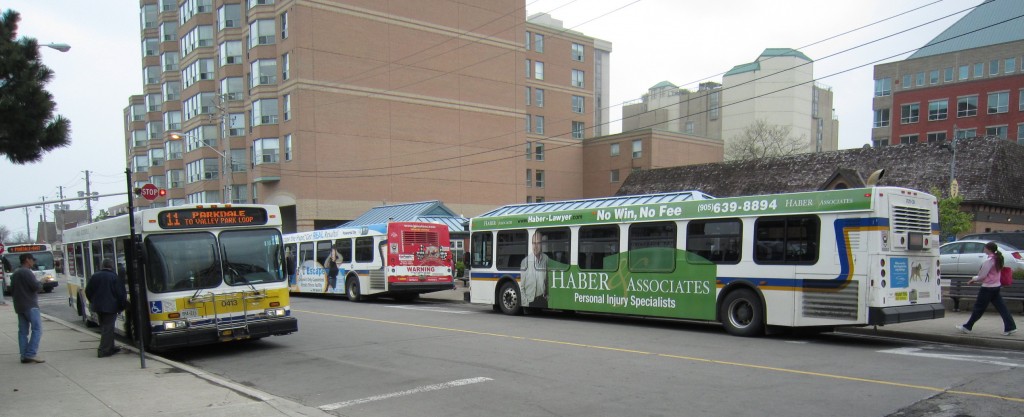
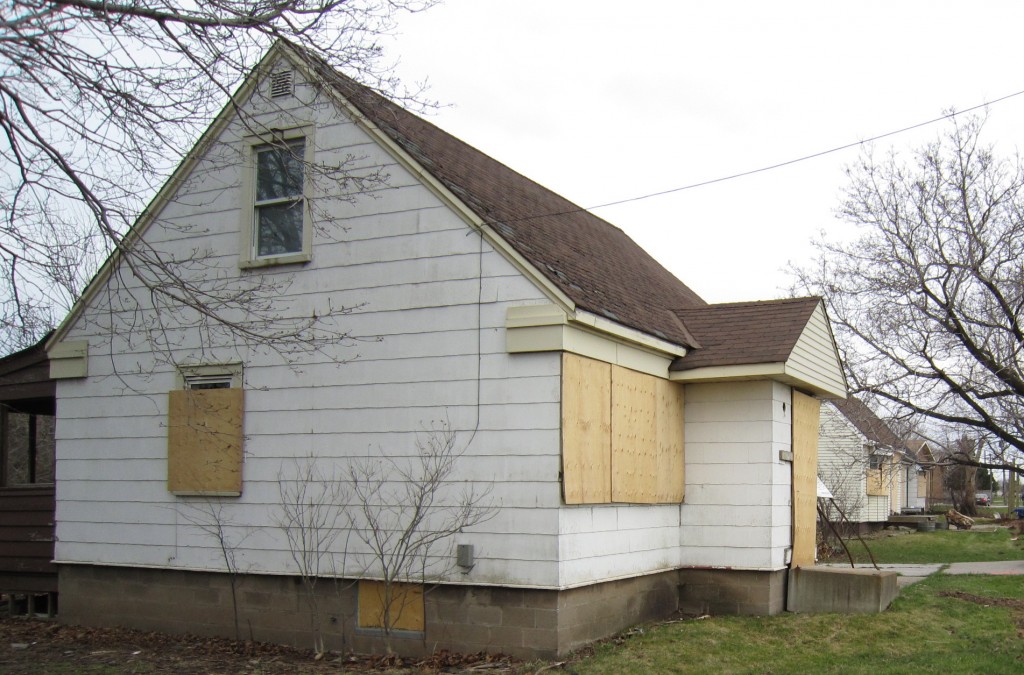
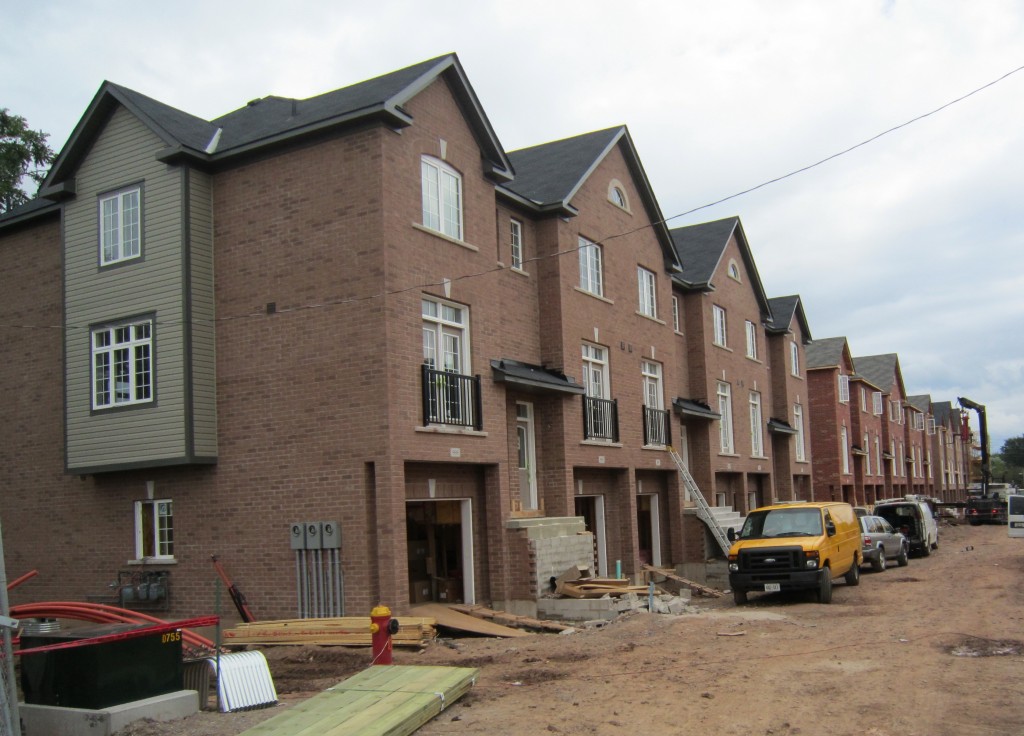

 And that is what this $84,000 expenditure is really all about – showing the public what intensification will look like before it gets shoved down their throats.




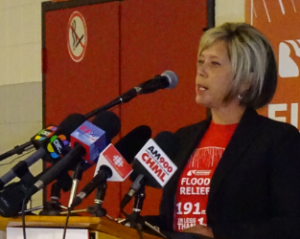

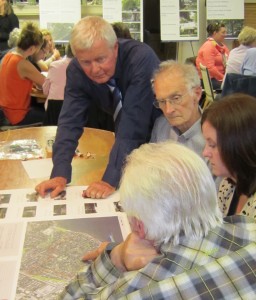


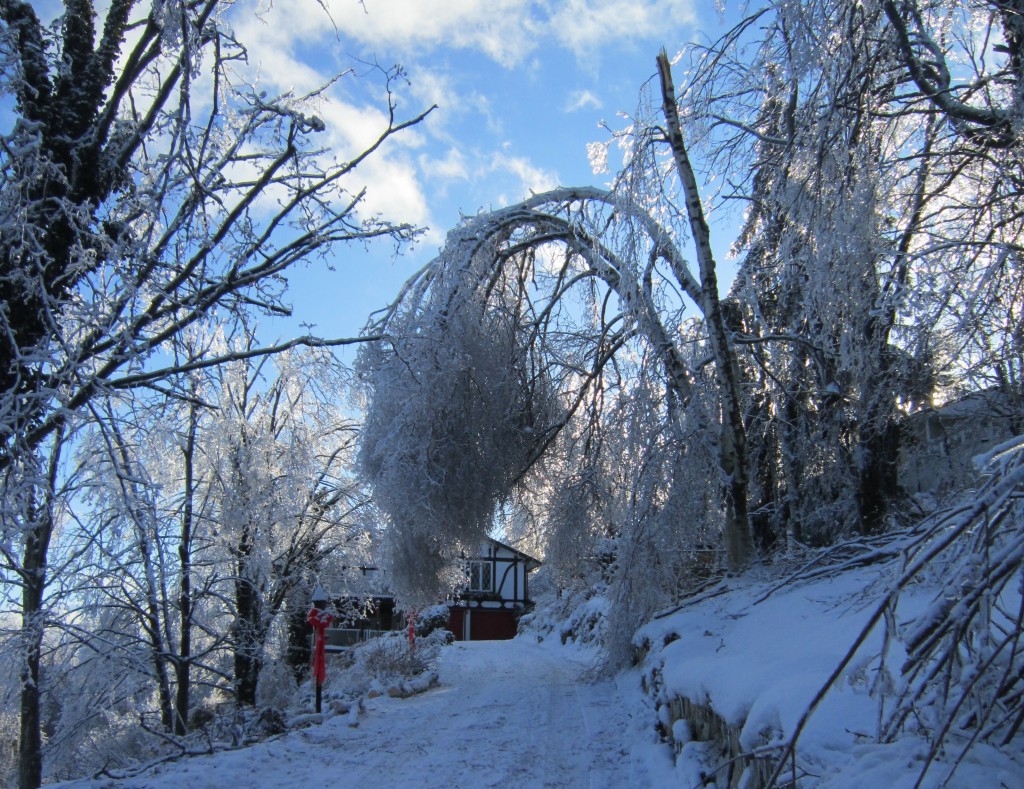


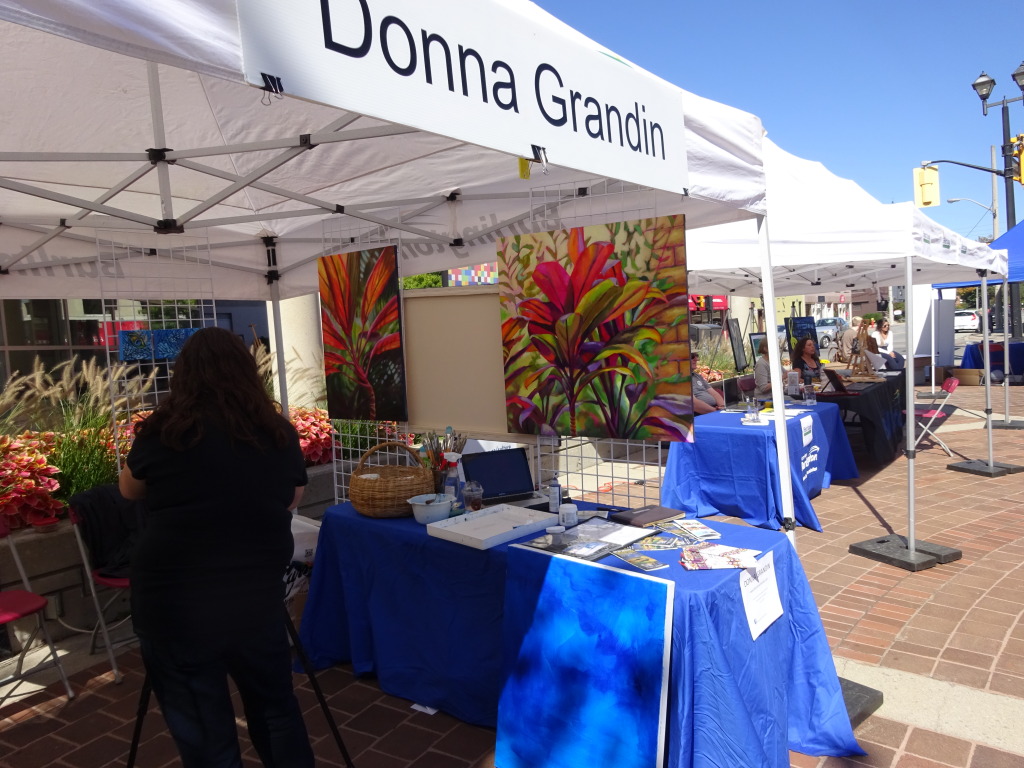


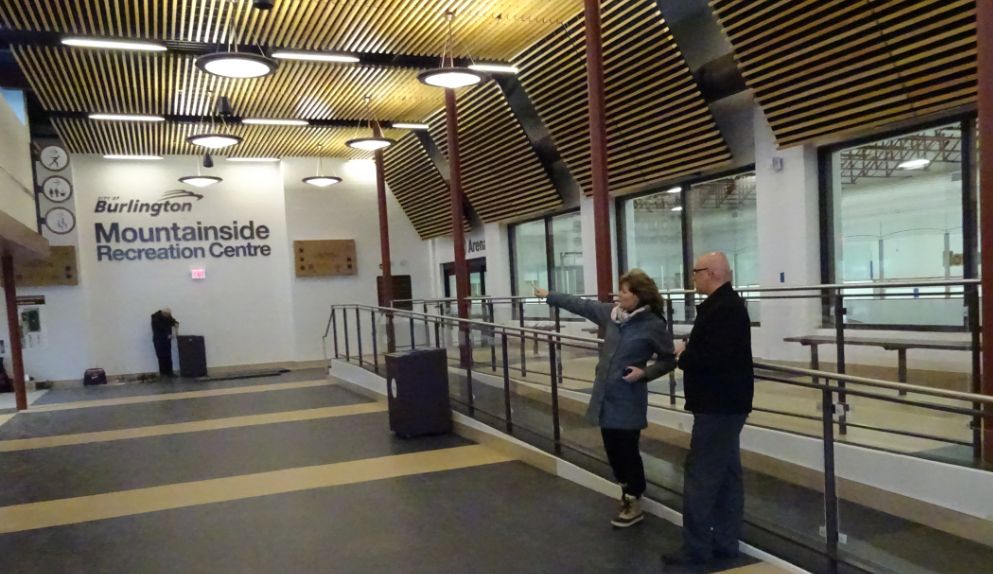





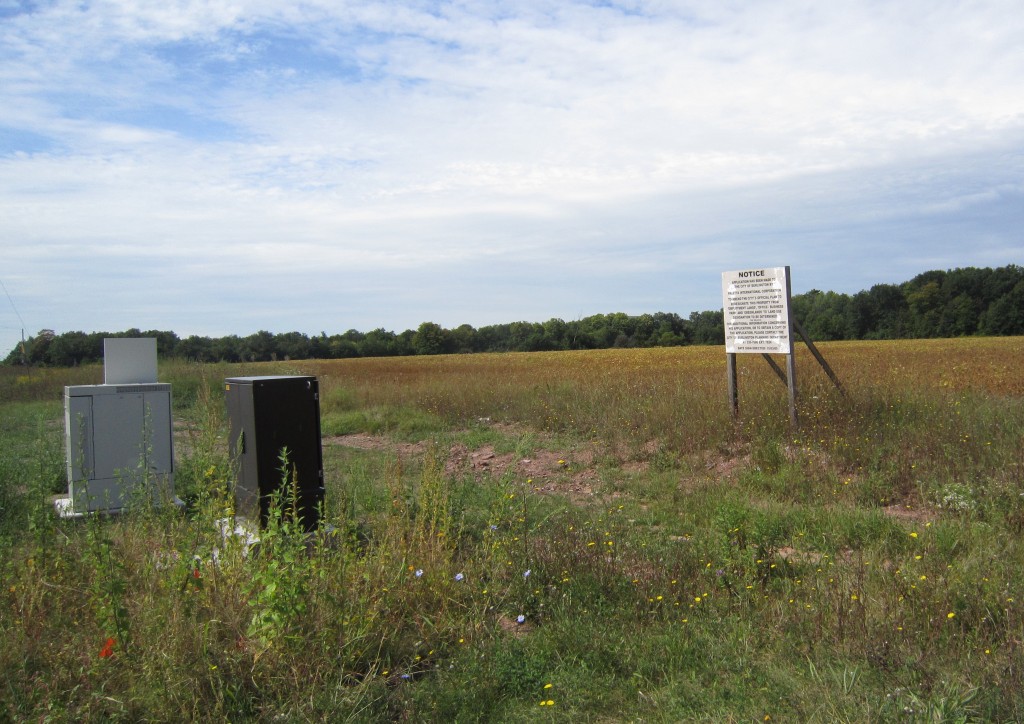
 nor did it conclude that BEDC should compete as land developers with the private sector. The decisions were based on the following:
 The BEDC needs help telling its story. The one thing it has never had is a commitment to be open with the information they collect. Some of it is sensitive – but certainly not all of it. They have tended to take a proprietary approach – not unusual in the business world.