By Pepper Parr By Pepper Parr
March 9, 2015
BURLINGTON, ON
We elect them to make decisions on how the city will be run, which includes everything from hiring a city manager who runs the administrative side of things to approving a budget that will determine how we are taxed.
They meet as both members of two Standing Committees and as a city council where they approve everything done at the Standing committee level.
The seven members of the Burlington city council are also members of the Halton Regional Council.
 The seven members get paid something in the order of $60,000 for serving as members of city council. They get an additional amount for serving as members of the Regional Council. The seven members get paid something in the order of $60,000 for serving as members of city council. They get an additional amount for serving as members of the Regional Council.
Along with all the discussion and debate – these seven men and woman VOTE.
 City Council during a recorded vote. Meed Ward votes against a motion. It is only on recorded votes that the results of a vote are known. But you don’t know how they voted unless you are in the room or watch the proceedings on the web cast. And – even if you are in the room it is frequently difficult to see who has their hand up and who doesn’t.
The only time the public is certain as to how a member of council votes is when there is a recorded vote and they all have to stand up and actually be counted.
Recently the office of the city Clerk improved the quality of the minutes and the agenda so that we now know how a vote went – however all the document says is that the vote carried or lost – you don’t know who voted for or who voted against a motion.
In February of 2013 city council decided that recoding all the votes wasn’t necessary Here is the comment made at that time.
“With respect to recorded voting at standing committee meetings, members of Council on the review team expressed differing viewpoints. Acknowledging that recommendations from committee are intended to be a preliminary position on a matter, it was felt that recording a member’s vote at that stage of deliberation could inhibit a member from changing his or her position later at Council should new information become available.
It was also noted that recorded voting would slow the transaction of business at committee meetings. As the review team did not have consensus on the matter, a recommendation on recorded voting is not included within this report and would require direction from Council. Nonetheless, the sentiment of the review team was that if recorded votes were to be permitted at Committee, these would be restricted to the main motions (and main motions as amended) but would not be applied to amendments themselves or any secondary motions tabled.
 The Halton District school Board has a system that records all votes. Why doesn’t Burlington have one of these? Over at the Halton District School Board an automatic voting system was put in place. When a vote it to be taken the trustees press a key on a keypad and the results are flashed up on a screen.
The city of Burlington isn’t there – they don’t want to be there – many of them don’t want you to know how they voted on specific issues – because you can then hold them accountable.
Here is what the public now gets.
There is a report coming forward on the Air Park and the problems the city has been having getting the Air Park ownership to provide a site plan for the work they have done in the past and work they want to do in the future.
It took two court cases for Burlington to make clear that the city has the right to require a site plan.
The report is an important one – and it was to be brought forward in February but council decided to defer the report until the new city manager was in place.
James Ridge is due to report for duty March 23rd. Because this is a critically important report council wanted the new city manager at the table which meant deferring the report.
Here is how Council handled that matter:
REFERRAL OF REPORT PROVIDING AN UPDATE REGARDING THE BURLINGTON EXECUTIVE AIRPARK
The following amendment was moved by Councillor Taylor and seconded by Councillor Meed Ward:
Amend Item CW-6-15 of the Development & Infrastructure Committee Meeting No. 2-15, by making the following change:
“Refer the report providing an update regarding the Burlington Executive Airpark to the March 30, 2015 Development & Infrastructure Committee meeting.”
AMENDMENT CARRIED
Was the vote unanimous? If it wasn’t how did members of council actually vote? The public report doesn’t tell you that.
There is a lot at stake with the air park decisions. It is one of the issues that will define the shape of the northern rural part of the city.
There are a significant number of people in ward 6 who are not certain their member of council is hearing what they have to say about the direction the city should take on this issue and they would dearly love to know how Blair Lancaster voted.
The public record doesn’t tell you how she voted. It doesn’t tell you how any of them voted – just that they did.
Related article:
Council decision on recorded votes.

By Staff
March 9, 2015
BURLINGTON, ON
Is the end in sight?
Has anyone seen a robin yet?
Where are the rubber boots?
For the first time in a few days you can actually see the people out on the street – they are no longer bundled up behind scarves and hoods.
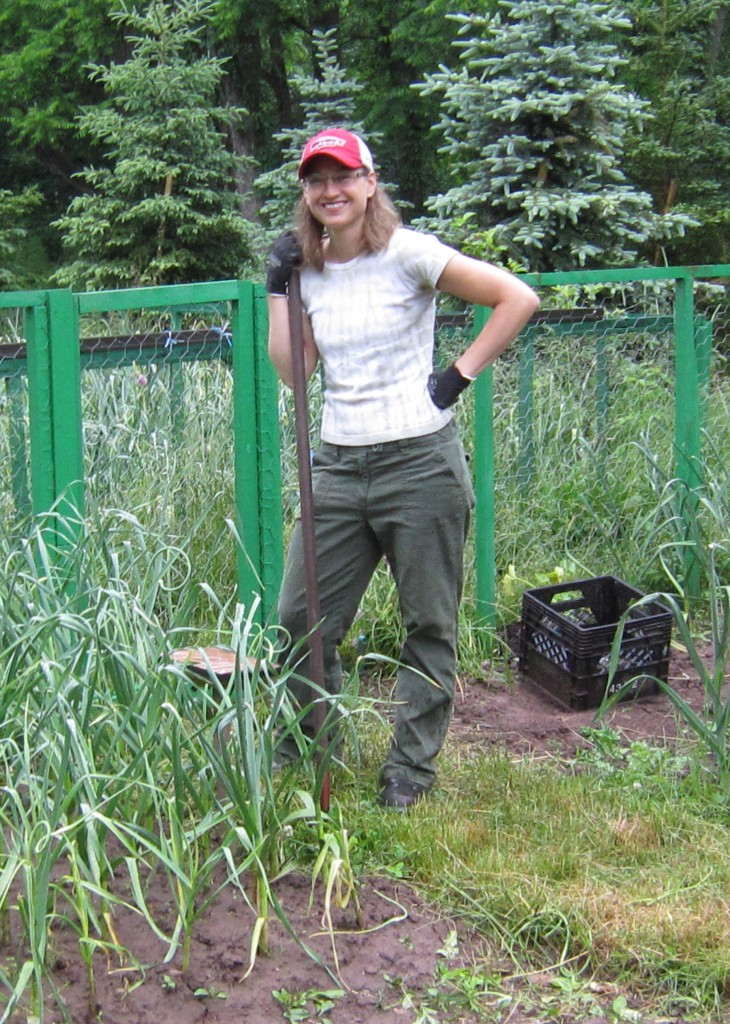
 Michelle Bennett was one of the people that brought community gardens to the city. There are now three in Burlington with plans in the works for possibly two more. Spring may not be here yet but it is certainly in the air and Daylight Saving time tells us something doesn’t it?
Did you get a chance on the weekend to sit in the sun and feel the warmth on your face?
And did you get out without a coat?
 The tough winter may have just loosened its grip on us. The tough winter may have just loosened its grip on us.
Is it time to begin looking at seed catalogs and put away the brochures on the deals to go south?
Registration for one of the plots in the three community gardens: Amherst Park, Central Park and Francis Road bike trail will be accepted from March 16 to April 12.
By Mark Gillies
March 9, 2015
BURLINGTON, ON
Part three of a four part feature.
 This picture of the 13 Waldie children, Agnes, Marion, James, John, Lillian, Ida, Ernest, Frederick, Robert, Walter, Jessica, Charles and Mary was photographed around 1886 or 1887, after their mother had died in 1884. On the top left is John Waldie, the father, at about 52 years of age; and below John, is the children’s mother Mary Thompson Waldie at about 40 years of age. One of Canada’s greatest business leaders at the turn of the 20th century was John Waldie; a man with humble beginnings and amassed unbelievable wealth, and became one of Canada’s most powerful lumber barons was also a true philanthropist, a refined gentleman, and a man who was passionate about calling Burlington, his home.
John Waldie married twice. His first wife was Mary Ann Thompson. Mary was born in 1841, but died at the age of 43 in January 1884, just three weeks after giving birth to her 13th child Mollie. John’s second wife was Sarah Ann Jarvis from Milton, a young lady of 29, who married the 53 year old widower in December 1885. Sarah Ann, at the age of 61, suffered a stroke and died June 6, 1918.
 Sarah Ann Jarvis was a remarkable young lady. At 29 years of age, she entered into marriage with John Waldie who was 52 years of age; and then Sarah became a stepmother to John’s 13 children. John Waldie had 13 children, and their lives continued on with much diversity after John Waldie’s death in 1907. Some children had tragic endings, while some had successful careers, some married into wealthy families, while others played and lived the life of the rich and famous.
From eldest to youngest, the first born was in 1862, and the last born was in 1884; their names are in chronological order; Agnes, Marion, James, John, Lillian, Ida, Ernest, Frederick, Robert, Walter, Jessica, Charles and Mary.
Agnes Waldie was born in 1862. On June 22, 1882, Agnes married into the affluent Marlatt family of Oakville. Her husband was Cecil Gustavus Marlatt, a dashing young man, a yachting enthusiast, an industrialist, and one of Oakville’s favourite sons. The Marlatt family owned the local tannery which at the time was the largest employer with over 200 employees.
The couple had two children. Roy Waldie Marlatt died in 1885 from cholera, at the age of 5 months. Their second son Kenneth Dean Marlatt was born in 1888 and passed away in 1942. One month after Kenneth’s birth in November, Agnes died on December 22, 1888 from spinal meningitis.
 Agnes Waldie (L) married into one of Oakville’s wealthiest families. In 1882 Agnes married Cecil Gustavus Marlatt. It was Agnes who laid the cornerstone for the new Knox Presbyterian Church in Oakville (C), a building mainly financed by the Marlatt family. Agnes and Cecil were members of Knox Presbyterian Church located on Lakeshore Road in downtown Oakville. It was Agnes who laid the cornerstone for the church in 1884. The Marlatt family financed the construction of Knox Presbyterian Church.
 Marion never married, preferring a life of world travel and high class living. Marion Waldie was born in 1864 in Wellington Square. Marion, the second eldest daughter never married. Preferring the single life, Marion lived most of her affluent life travelling around the world. On Aug 29, 1949 Marion passed away at the age of 85, in Toronto.
 John Edward Waldie’s life was tragically cut short at the age of 26 when he drowned in a canoeing accident on the French River. James William Waldie was the eldest son. William, as he was known, was born in 1867, at their home in Wellington Square. William followed in his father’s footsteps and became involved in the lumber business.
 William Waldie was the first son to follow in his father’s footsteps. William moved his own family to Castlegar, British Columbia, and began the west coast operation of the family’s massive lumber business. The Waldie’s expanded their business across Canada, and William went to Castlegar, British Columbia, and set up the William Waldie & Sons Lumber Company. This west coast business was highly successful and operated until 1961.
John Edward Waldie was born in 1868 in Wellington Square. John also followed his father and older brother into the lumber business, but in 1894, the family was devastated at the news of the sudden death of John Edward Waldie. At the age of 26, John drowned in a canoeing accident on the French River.
 Lillie, like her older sister Marion, never married. Lillie travelled the world and lived the life of luxury. At her Toronto home, she suffered a heart attack and died when she was only 68 years old .Eliza Lillian Waldie was born in 1870 in Wellington Square. Lillian, just like her older sister, never married. She too, preferred to travel around the world, living the life of the rich and famous. Two days after Christmas in 1938, Lillian suffered a heart attack at the age of 68, and died in her Toronto home.
 Fanny married Dr. Charles Temple. The wealthy Temple family were prominent surgeons in Toronto. Ida Frances Waldie was born in 1871 in Wellington Square. Ida was known as Fanny. In 1895, Fanny married Dr. Charles Algernon Deveser Temple, a surgeon. The Temple family were prominent Toronto doctors. In February of 1940, Ida Waldie Temple at the age of 69, died.
Ernest Tasker Waldie was born in 1873. Ernest had a difficult life. Apparently, he was dropped on his head as a baby, and suffered his entire life with mental disorders. Ernest lived most of his life at the “Orillia Asylum for Idiots”, tnhat was the original name of the institution. This same institution is now involved in a $2 billion dollar class action lawsuit with the Province of Ontario for alleged mistreatment of patients, which is scheduled for court in September 2015.
 Ernest Waldie suffered from medical conditions and spent most of his life at an institution once called the “Orillia Asylum for Idiots”, now called the Huronia Regional Centre in Orillia. Heading up the class action, are two former residents from the psychiatric facility, who told how they had been beaten, sexually abused, held upside down in ice-cold water and medicated against their will at the Huronia Regional Centre (Orillia Asylum for Idiots). Ernest at 58, died from pneumonia and heart failure in 1931 while he was a patient at this same institution. There was a contributory cause of Ernest’s death listed on the Death Certificate. It was recorded as “Idiocy”.
Frederick Norval Waldie was the fourth eldest son of John Waldie. Fred was born in Burlington in 1875. After his father’s death in 1907, Fred became president of the Victoria Harbour Lumber Company. At the age of 52, Fred died from heart disease in Shanty Bay, Ontario.
 Robert pursued law as a career and did not go into the lumber business. Robert Waldie became the President of the Imperial Bank of Canada, and also held the position of Vice-President with the Canada Bread Company. The fifth son was Robert Stanley Waldie, who was born in Burlington in 1877. Robert did not follow in his father’s footsteps and venture into the lumber business. Robert chose law as a profession. As a lawyer, Robert was successful in the business world, and rose to become the president of the Imperial Bank of Canada. The Imperial Bank merged with the Canadian Bank of Commerce in 1961; the largest merger of two chartered banks in Canadian history. Robert Waldie was also the vice-president of the Canada Bread Company. Robert Stanley Waldie died in 1966.
 Walter left the Victoria Harbour Lumber Company to join the military at the beginning of World War 1. While overseas, Walter died from influenza in 1919. His father-in-law was Sir Albert Edward Kemp (L), the Minister of Militia and Defence for Canada, in Sir Robert Borden’s Government Walter Scott Waldie was born in 1879 in Burlington. Walter like most of his brothers went into the lumber business. When World War 1 broke out, Walter enlisted into the military and went overseas. In 1919, while still in the service and located in Wales, Walter died from influenza on February 2, 1919. He left behind his wife Alice and 3 young children John, Alice and Ian. Mrs. Walter Waldie was the daughter of Sir Albert Edward Kemp. During World War 1, Sir Albert was the Minister of Militia and Defence, and the Minister of the Overseas Military Forces for Canada.
Jessica Waldie was the eleventh child born to Burlington’s Waldie family in 1880. Jessie had more of an ordinary married life, and one not so much wrapped around all of the wealth that the Waldie family enjoyed. In 1905 Jessie married Godfrey Edward Spragge. The Spragge family had four children, John, Edward, Elizabeth and Peter. John Godfrey Spragge, the eldest son born in 1907 chose a military career and rose in rank to become a Brigadier-General in World War II.
 Percy was the youngest son of John and Mary Waldie. He joined the war effort and died in battle, with the rank of Lieutenant, at Hulloch Village, Loos, France. Percy was just 33 years old. Charles Percival Waldie was John Waldie’s youngest son. Percy was born in 1882. When World War 1 came along, young Percy enlisted. The Great War was to claim his life, and on September 26, 1915 at the battle of Loos near Hulloch Village, France; 2nd Lieutenant Waldie was killed in action.
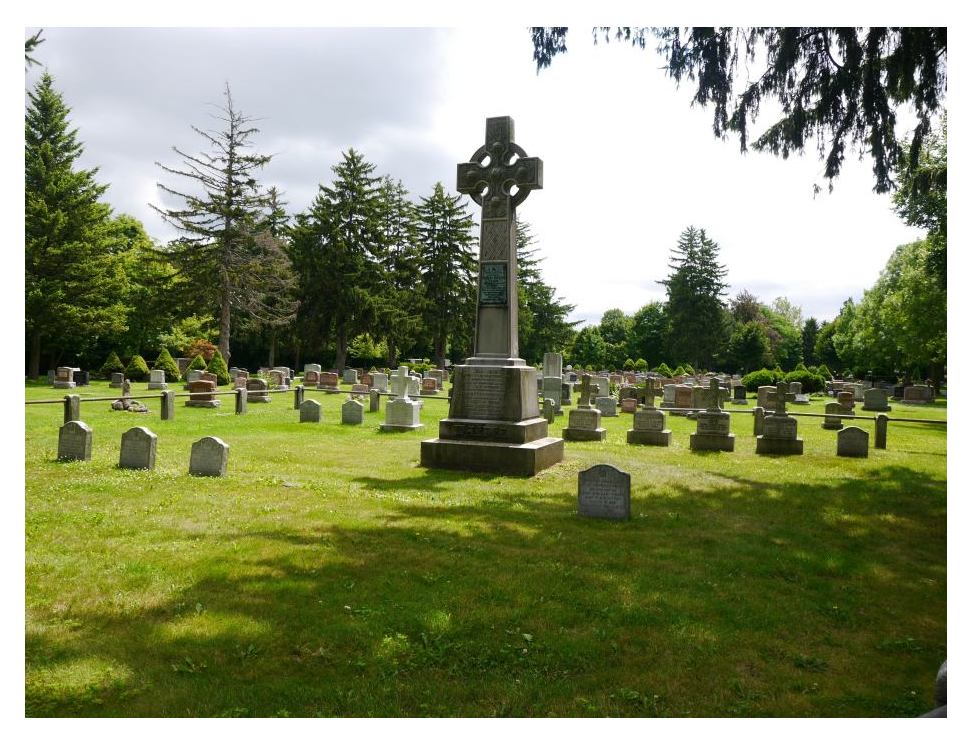
 John Waldie and his family all returned home to Burlington and are buried in the family plot in historic Greenwood Cemetery. The youngest child of John Waldie was Mary Waldie, and the family called her Mollie. Mollie was born in Burlington in 1884. Mollie enjoyed a privileged life. At the age of 21 in 1905, young Mollie married Robert Cecil Hamilton Cassels. The Cassels family were prominent lawyers in Toronto. Today, Cassels, Brock and Blackwell is one of the largest law firms in Canada, and has been established for over 125 years. Mollie at the age of 75, passed away June 16, 1959.
My next article, Part 4 of a 4 Part series, will be what the City of Burlington has done to recognize this great Canadian philanthropist, a one of a kind business leader, who was a distinguished local and federal politician, and was the “Father of Burlington”, plus the “Father of the Burlington Public Library”.
Mark Gillies is a lifelong resident of Burlington, who grew up in Aldershot and developed as a local historian, researcher, master genealogist and writer who has a passionate interest and extensive knowledge of the many early pioneer families.
Mark will write a regular column about colourful local history introducing Burlingtonians to the people that made this city what it is today.
By Staff
March 7, 2015
BURLINGTON, ON
While a larger community is gearing up for the review of the provinces ecologically parts of our environment BurlingtonGreen has announced its 2015 line up of award winning films for their 2015 Eco-film Festival which will start later this month – on March 25th.
The screenings will be at the Burlington Central Library (2331 New Street), followed by take action initiatives, guest speakers, and audience discussion on how individual and collective action can help the planet locally.
Doors open at 6:30pm with the film beginning at 7:00pm – $5.00 donations are welcome upon arrival to support event costs.
The eco-film festival line up includes:
Watermark (March 25th) An extraordinary awarding winning documentary by Canadian filmmakers that examines our relationship with water and how it shapes humanity.
 Surviving Progress (April 29th) Martin Scorsese’s provocative documentary that delves into concepts of progress focusing on technological advancement, economic development, and population increase in the modern world. Surviving Progress (April 29th) Martin Scorsese’s provocative documentary that delves into concepts of progress focusing on technological advancement, economic development, and population increase in the modern world.
 Chasing Ice (June 3rd) An Academy Award winning film that details the story of one man’s mission to change the tide of history by gathering undeniable evidence of our changing planet. Chasing Ice (June 3rd) An Academy Award winning film that details the story of one man’s mission to change the tide of history by gathering undeniable evidence of our changing planet.
Dirt! (September 23rd) An astonishing look at the glorious and unappreciated ground beneath our feet.
Journey of the Universe (November 4th) An epic story of cosmic, earth and human transformation from the Big Bang to today.
Complimentary refreshments will be available along with free eco-prize raffle draws at each event. BurlingtonGreen aims to host green events and asks that all guests walk, cycle, carpool or use public transit whenever possible, and bring their own mug for refreshments.
BurlingtonGreen is very grateful to local Burlington company O. C. Tanner for their continued support of the Eco-Film Festival. Event refreshments provided courtesy of Whole Foods Market.
Together they make a difference when we think global and act local
For those who may be new to Burlington and haven’t heard about BurlingtonGreen it was established in 2007. It is a citizen-led, not-for-profit environmental agency. Their mission is to protect the diversity of nature and to create a healthier environment, now and for the future. Through awareness, advocacy, and action they collaborate with all sectors of the community to protect the natural environment and to make Burlington a cleaner, greener, more environmentally responsible city.
By James Smith
March 7, 2015
BURLINGTON, ON
Sometimes, little noticed somewhat boring announcements by government are the ones that pack the biggest punch. Yesterday’s announcement by Minister Ted McMeekin that Ontario intends change to how we’ll plan, build, and pay for developing cities in Ontario is one such announcement.
The way Ontario is built and developed is about to change; I think this will be a very welcome. First let me declare my bias, I’m a Founding Member of BFast (Burlington for Accessible Sustainable Transit), and as a design consultant I often work on projects for both public and private developers. I feel the changes announced by Minister McMeekin yesterday may mean modestly more work for me and my clients.
If these changes live up to the billing, changes to Smart Growth, land use planning and development charges have the potential to be a seismic shift on how cities are built for years to come and this affects us all. The coming changes will radically impact how we go about urban growth in Ontario on a scale as large as the introduction, ten years ago, of The Green Belt. If the legislation lives up to the press release, the Province will put teeth into its Smart Growth policy and Municipalities will need to pull their weight.
So far Smart Growth is a policy many municipalities, including Burlington, give just lip service. Professional planners and drafters of Official Plans write elegant documents, but City and Town Councils frequently ignore their more lofty goals. With this legislation Minister McMeekin is saying Municipalities will be held to account, and will need to live up to the Goals of Smart Growth. Long overdue.
This change is about the kind of building projects we’ll see built in Ontario and how we will pay for the stuff we build. I suspect that members of Burlington and other City councils who subscribe to the failed dogma of Libertarianism won’t like this legislation one bit. To them I say: “suck it up princess, the free ride is over”. Specifically these Planning Act Changes propose to:
• Ensure residents are better consulted at the beginning of the planning process for new developments.
• Encourage residents to provide feedback on the future of their communities.
• Help municipalities resolve potential planning disputes earlier, reducing involvement of the Ontario Municipal Board in local disputes.
• Extend the review of new municipal official plans to 10 years, instead of the current five-year cycle
• Providing municipalities with more control and stability over their planning documents. Once a municipality establishes a new official plan, it would be frozen and therefore not subject to new appeals for two years unless changes are initiated by the municipality. A community planning permit system once established by a municipality would not be subject to any appeals of private applications for five years.
• Clearly defining what constitutes a minor variance (a small change from a zoning bylaw).
Better consultation with residents early in the development process and getting their feedback are welcome, long overdue changes. The challenge will be to break down the walls of NIBYism; no small task. For at least seventy years North America has embraced suburban sprawl funded by, more sprawl.
Leigh Gallagher, in her book The End Of The Suburbs outlines how North Americans have the car-centric suburban landscape in their DNA and is our expectation of where we live. Both Gallagher and Smart Growth talk about breaking this unsustainable cycle. The proposed changes to the Act will have to help with this understanding of what Smart Growth means, so residents will need to understand this shift when proposals are brought forward. As, or more importantly, the development industry will have to change their business model too.
 Six houses identical to this one were torn down on land that was part of the Veterans Land program – the lots were assembled and the infill shown below built. Boilerplate infill projects will no longer be acceptable. Projects will more and more have to reflect an individual neighbourhood’s character and residents taste and long-term expectations for their community. Budgets for new projects will therefor need to change as removing the hated OMB from most planning disputes will mean more money being spent on public meetings and Architects’ fees and less time on Lawyers’ fees. In my experience, anytime more thought goes into a design and less time is spent on legal wrangling makes for a better project.
 Fifty eight units were built on land that previously had six homes on it. Tough to find a back yard in this infill project. The ten year cycle for Official Plans has potential positive benefits as it will reduce the time Cities and Towns spend on Official Plans and free up those staff resources. No only is limiting the involvement of the OMB of great news, these changes will mean fewer Municipalities, will do their city planning by Official Plan Amendments. Burlington specifically has for at least 25 years engaged in planning by Official Plan Amendments rather than relying on either the Regional or City’s Official Plan. Councils often are blinded by developments that have actually cost the Municipality money in the long run as the Official Plan Amendments often is at odds with the official plan, these changes will force the Development industry to do better planning, spend more on Designers and less on Lawyers.
Development Charges are set to be changed in the following fashion:
• Help municipalities recover costs for transit services and waste diversion.
• Create clear reporting requirements for capital projects municipalities financed though development charges, as well as section 37 of the Planning Act related to density bonusing and parkland dedication.
• Municipalities would be required to follow reporting requirements that reflect best practices and detail to the community how money from development charges is spent.
• The government would create better reporting requirements for municipalities collecting money under section 37 of the Planning Act related to density bonusing, and related to parkland dedications, which details how the funds are spent.
• Development charges would be payable at the time the first building permit was issued for a building so that developers could be certain of the cost.
• Municipalities would be required to better integrate how development charges fit with long-term planning, including local asset management plans.
• The government will help municipalities identify and share their best practices on using development charges to address local planning and financial objectives.
• There would be more stringent reporting and greater oversight of any funds or municipal charges on new developments that fall outside what is allowed in current legislation
Development Charges can be a useful tool to reflect the real capital costs of any building project on a municipality. Planner Pamela Blais in Perverse Cities clearly outlines that the real cost to the municipal taxpayer of urban sprawl is not presently accounted for in many North American jurisdictions. Development Charges attempt to make a project pay for the real cost of the capital costs a new project represents.
While Transit and Waste diversion were not specifically accounted for in the previous Act they can be funded under more general categories. Specifically calling these items out is a good step. The challenge will be to use Development Charges to limit Greenfield, or make it pay for the burden it puts on a Municipality while simultaneously not acting as a brake on positive and creative infill development.
So there needs to be the ability for Municipalities to bracket Development Charges accordingly.
By Pepper Parr
March 5, 2015
BURLINGTON, ON
There are some corporations that learn how to re shape themselves to meet a challenge – there are many that didn’t see the change coming and when it did hit them they didn’t know what to do and so they died.
Kodak, once a great American corporation died – the Yellow Pages saw the wave coming and turned themselves into a digital company that was slowly getting out of the printed telephone directory.
It has not been an easy change.
 Cheques this size tend to bring out smiles. The Burlington Downtown Business Association was the city that made the best use of the Yellow |Pages Shop your Neighbourhood program for the second time. Chris Long, VP Sales for the Yellow Pages was in town to give the Burlington Downtown Business Association (BDBA) a cheque for $5,000 for the job they did in making a lot of retail sales mileage out of the Yellow Pages Shop the Neighbourhood program.
The last time Long was in town he left the BDBA with a cheque for $10,000 – why the difference?
The Yellow Pages people have realized that they have to partner with people who need to get their message out to their customers. Directory advertising no longer has the clout it used to have – so the Yellow Pages people put together a program that carried the Yellow Pages “Let your fingers do the walking” logo on marketing material local retailers would use for the Shop your Neighbourhood program.
Yellow Pages honed in on a specific day that just kills local retailers – Black Friday and Cyber Monday – two days that the internet owns. The masses flood the internet and the Big Box stores run specials that a smaller retail operations just cannot compete with.
But the DAY in between those to massive events was the kind of niche opportunity Yellow Pages believed could be exploited by the local retailer.
They worked with more than 200 Business Improvement Associations across the country – providing marketing support and a campaign the public could identify with.
As he was handing over the $5000 cheque Long pointed out that those Burlington retailers who used the program did very well. He added that Burlington made the best use of the program; Your numbers he said were better than any other city in the country.
Fairholme Interiors used the program, to reach out to their client base and tell them about the 25% discounts
Long said Yellow Pages was delighted with the response and added that those who tied their marketing efforts to what we were offering did well. Retail is always going to be a “bricks and mortar operation” that are the commercial base for cities and towns across the country.
Retailers face a different marketing landscape – the telephone directory isn’t the only choice anymore – it’s a digital world and the Yellow Pages people want to be part of that kind of business.
 The ladies in the yellow scarves are from Fairholme Interiors – the Burlington retailer that did very well with the Yellow Pages Shop the Neighbourhood program. Janet Sachadi, on the far right owns Fairholme. Jennifer Walker , the other woman in a yellow scarf does marketing for the retailer. This is the third year Yellow Pages has run their Shop the Neighbourhood; they plan on fine tuning the program and running for several years.
More than 8,000 individual retailers across the country took part in the program – they recorded 750,000 visitors to their stores and racked up a reported $89 million in sales.
Was it all a direct result of the Shop your Neighbourhood program? Probably not but it is certainly having an impact.
Yellow pages provides marketing material and promotes the program on a critical day for Canadian retailers – that Saturday between Black Friday and Cyber Monday – watch for it next year.
By Staff
March 4, 2015
BURLINGTON, ON
If you were with us way back in 2010 when we first hit the streets you would have known us as Our Burlington. The name for the newspaper on a web site was chosen by the late John Boich for reasons we all felt were good at the time.
 We realized in late 2011 that Our Burlington didn’t sound like a newspaper and we weren’t treated as a newspaper. So we chose Gazette as the name we would be known by. We realized in late 2011 that Our Burlington didn’t sound like a newspaper and we weren’t treated as a newspaper. So we chose Gazette as the name we would be known by.
When we called someone and said y we were from Our Burlington we could have been anything from a pet grooming operation to a flower shop.
When we changed the name to the Gazette people knew in an instant what we were – and for reasons we can’t explain – there was an immediate uptick in the readership. For the first few days there was a rise of 5% that then moved to 8% and the increase held.
We tell you this because we kept the Our Burlington name – there were still people who had us bookmarked as Our Burlington and that was how they got to us.
 Anyone looking for Our Burlington will get this message. The old website address is no longer functional – we have been the Gazette for close to two years. Anyone who went to Our Burlington got sent directly to the Gazette – they didn’t even know they were being transferred.
The Our Burlington web site address is no longer functional; it has been taken down. Try to go there and you get the Server not found message.
For those that lose their way – you’ll figure it and come back.
By Pepper Parr
March 5, 2015
BURLINGTON, ON
One would hope that a health club benefit is one of the perks that James Ridge negotiated when he met with the Human Resources people to negotiate his contract – he is going to need to ensure that his stamina is in top form.
 James Ridge – what kind of an administrative structure will he create? A number of files have been put on hold until he gets himself a chair to put behind the desk he will use. It will be interesting to see if Ridge goes the route that Jeff Fielding took when he moved from the 8th floor where he was a walk across the hall from the Mayor to the 6th floor where he was right in with his team.
That’s a pretty small team at this point. Scott Stewart turns out to be the only man on deck.
 Fielding, a city manager who excited staff and taught them how to rise up to almost any challenge. But he didn’t stay long enough to make a real mark – there are however going to be some stains. While Council members have had several interviews with Ridge, these were job interviews and the dynamic of that kind of a relationship is different. Ridge will have wanted to impress them and at the same time get the measure of the council he is going to serve.
Council members will have wanted to individually get the measure of the man and determine how their individual agendas might be advanced.
Given the style and ideological split on this Council Ridge will have figured out what he has to work with and for.
There are a number of significant files that are on hold until he arrives – officially that is set as March 23, 2015.
A Workshop that was planned on the “Alignment and Collaboration on Employment Lands” has been moved back to late May or June.
 Getting tough, tough about compliance with the Site Plan bylaw will occupy the new city managers for a time – bigger decision to be made is what role does an air park play in the city’s longer term economic development plans. No one at city hall believes they can work with the air park owner. There are some tough decisions to be made on the Air Park. The city is believed to be ready to use the authority the courts have given them to enforce the Site Plan bylaw. There are property owners along Appleby Line that are watching this with great interest. The pain on this one is going to be shared.
Emotions are running very high in at least one household.
Burlington has land that is designated for employment use – many in the real estate field believe that some of that land is much more suited to residential use – which is music to the ears of the developers that own the land.
Burlington has some very important decisions to make. The Fielding approach was to make all kinds of side deals – at least one of those is going to come back and bite this council in the backside.
Burlington is struggling to find just the right balance between residential and commercial and then figure out how we manage the very large seniors’ population we are going to have.
The politicians talk about how well they are going to take care of that seniors’ population – those people vote.
 Frank McKeown, former Chief of Staff to Mayor Rick Goldring now runs the Economic Development Corporation. His objectives don’t fit all that well with a growing seniors population that will require more in the way of services. Making Burlington a high-tech haven and a seniors heaven is going to be a challenge. Frank McKeown now runs the Economic Development Corporation – he isn’t comfortable with the idea of Burlington being seen as a seniors heaven; that doesn’t jive very well with a vision of a city that has loads of high-tech talent and is one of the most pleasant and safest places to live – expensive perhaps but the high tech field pays very well.
James Ridge and his wife are going to take four days to drive from Vancouver to Burlington with heir four pets in the car. One can imagine the conversations that will take place – between the husband and wife – we don’t believe the pets talk.
Staff know next to nothing about the man who is going to lead the administrative side of the city. Ridge will want to determine as quickly as he can what he has in the way of bench strength and figure out what he wants in the way of a senior level administrative structure. Right now many of the eggs are in Stewart’s basket.
During the early Goldring first term there were three General Managers. That got whittled down to two with the working relationship with one of those two less than sterling.
Roman Martiuk was the City Manager at the time; he wasn’t able to form the kind of working relationship Goldring wanted and after just over two years Martiuk moved on – ok he was pushed out.
Goldring himself had a very difficult first two years getting the hang of the job for which he wasn’t all that well prepared. His wisest move was bringing Frank McKeown in as Chief of Staff but that didn’t last.
Fielding’s octane level was far too high for this council. Time will show just how rough shod he ran over this council.
Besides the Air Park matter and the decisions to be made on what we do with the employment land we have there is a document that sets out what taxes could look like twenty years out. It is not a pretty picture.
Welcome to Burlington James Ridge!
By Pepper Parr
March 3, 2015
BURLINGTON, ON
Employers need to continuously develop new talent, acquire new skills, and be open to fresh insights and ideas.
Tech Under 20’s need hands-on work experience that will strengthen their resumes and take their skills and careers to the next level.
These two groups need to meet each other – which is part of what Silicon Halton is trying to do with their Meet Up at the Art Gallery of Burlington March 10 at 7 in the evening.
A team of teens and adult mentors are working together on this meet up, inviting local Employers and Tech Under 20’s to present ideas and discuss the importance of Tech Internships to the ongoing growth and success of all types of businesses in the region.
 The technically trained students are showing us a different world. There are forms are as different as their thinking. On the agenda are:
Tech-focused students who have recently completed internships and are looking for new opportunities’
Employers who have recently offered (or are looking to fill) tech-focused internships in Halton’
Government program representatives with information about funding (for employers) and opportunities (for students / grads).
Discussion after the presentations on helping Silicon Halton develop a new Tech Internship Program for the region.
TECH UNDER 20’s
Oleg L.
Grade 12 student, Oakville
Sofware developer
INTERNSHIP EXPERIENCE: Recently completed a semester-long co-op with a software company that led to a full time summer job offer.
TOPIC: Oleg will discuss how demonstrating a high level of skill and commitment during a short term co-op can lead to extended opportunities with an employer.
Amanda R.
1st year UWaterloo
Honors Mechatronics program
Schulich Leader scholarship winner
INTERNSHIP EXPERIENCE: After competing in robotics competitions for 6 years and volunteering in Lego robotics since 2011, she is currently working on her first co-op placement as an Automation Engineer at Camcor Manufacturing, Linamar
TOPIC: Amanda will discuss the importance of networking before, during and after internships and co-op programs.
Ella R.
Grade 12 student, Oakville
Competitive robotics software developer, autonomous programmer & on-field strategist
INTERSHIP EXPERIENCE: Completed a Thermal and Nuclear Internship with Hatch Inc. last summer.
TOPIC: Ella will discuss how her internship opened her eyes to the variety of roles available on engineering teams in a large company setting.
Eddie S.
Grade 12 student, Milton
Competitive robot designer, build team leader & on-field strategist
INTERNSHIP EXPERIENCE: Eddie hasn’t taken part in an internship program yet, but want to learn more about opportunities related to engineering and design.
TOPIC: Eddie has advanced skills in design, engineering and robot fabrication, but he is unsure of where to turn for information on internships that would suit his interests and future career development.
Sam R.
1st year student at OCAD University
Majoring in Graphic Design
INTERNSHIP EXPERIENCE: Completed a communications internship with Appleby College two years ago that led to a paid, full time position with their communications team the following summer.
TOPIC: Sam will discuss how his technical and creative skills in graphic design and digital photography were expanded while meeting the needs of the internship, and how he benefited from the responsibility and creative freedom provided by both the internship and full-time summer positions.
LOOKING FOR: Sam is interested in working with organizations that will stretch his technical and creative skills further, while providing opportunities to continuing developing his portfolio of graphic design, photography, videography and motion graphics work.
EMPLOYERS
Tom Murad – Ph.D., P.Eng., F.E.C., SM.IEEE; Head of Siemens Engineering & Technology Academy, Siemens Canada Limited
Vincent Hamel; Manager, Electro-Optical Engineering, L-3 Wescan
Ian Small; General Manager, AudioBooks
Mark Arteaga; President, RedBit Development
Mark will discuss “what we look for when we hire”.
Government organizations that have funding available will also be on hand.
Sandra Nuhn: Manager, Entrepreneurship and Innovation, Halton Region
Sandra will highlight two young entrepreneur programs that the Halton Region Small Business Centre is delivering in the Region.
Summer Company: Provides hands-one business training and mentorship, with awards of up to $3,000 to help enterprising students between the ages of 15 – 29 start and run their own summer business.
Starter Company: provides training, mentorship and the opportunity to apply for a grant of up to $5,000 to youth between the ages of 18 – 29 to start, grow or buy a small business.
Kimberly Neale
Integrated Job Developer, Employment Services, Halton Region
Kimberly will highlight free employment services, programs and training incentives available to employers & job seekers in Halton Region. She will provide information / updates on Ontario’s Youth Employment Program, the Youth Job Strategy and Canada-Ontario Jobs Grant.
Sabrina Essner
Program Lead, Halton E-Mentoring & Newcomer Strategy, Halton Region
Halton Region is a welcoming, inclusive and supportive community. Sabrina will discuss the launch of Halton Region’s E-Mentoring program, community value and how to participate.
Registration can be done at Eventbrite
By Pepper Parr
March 2, 2015
BURLINGTON, ON
At the beginning of each meeting of the city Councillors the Chair asks if there are any declarations of interest. Ward 4 Councillor Jack Dennison frequently has to declare an interest because his sports club operations provide recreational services to the city.
A declaration of interest prevents a member of council from voting for anything that he or she stands to benefit from. Other than that – it’s all pretty tame stuff.
A question cropped up at the Development and Infrastructure Standing Committee this afternoon when it looked as if ward 5 Councillor Paul Sharman was in the process of getting himself into a conflict when he suggested that Lori McDonald spend some time in his part of town.
 Lori MacDonald is the woman who wants to bring ArtFest to Burlington for a three day gig she wants to hold on Old Lakeshore Road. Lori MacDonald is the woman who wants to bring ArtFest to Burlington for a three day gig she wants to hold on Old Lakeshore Road.
The dates for the event are May 29-31 – which happens to coincide with the Car Free Sunday that is sponsored by Councillors Dennison and Sharman using the $10,000 the pinched from the city budget
Mayor Goldring wanted to know if the organization could “pull this off” with the time they have. MacDonald sounded confident and she seems to have much of the hard early stage work done. There are a couple of hair dressers on Old Lakeshore that are concerned about their clients getting into their shop.
MacDonald has been working on this project since October but hasn’t been able to say anything about it until Council had given it a nod.
Artfest Ontario is MacDonald’s company – which she owns runs. She has been in the art development business for some time – got into creating Artfest when she took on the development of an art show at the Distillery District in Toronto.
She used to do three a year in Toronto but is cut back to one due to the Pan Am Games. She has run an Artfest in Kingston for the past three years and is looking forward to getting something going in Burlington.
She really wanted to be at Spencer Smith Park but that wasn’t possible.
 The tents will be set up along Old Lakeshore Road ans in the Emmas Back Porch parking lot. The old Burlington Art Centre (now the Art Gallery of Burlington) used to run an outdoor art show but after a couple of really bad years due to weather for the most part gave up on the project which created an opening for MacDonald
She expect to set up more than 100 10 x 10 foot tents along Old Lakeshore where she is getting great cooperation from Craig Kowalchuk at Emmas Back Porch who has turned his large parking lot over to the Artfest.
Council will give the go on this, if that is their wish, March 23rd.
In the meantime Sharman will be doing his best to coax Lori MacDonald to ply her trade at Sherwood Forest Park during the Car Free Sunday May 31st.
I could have sworn I saw Paul Sharman wink at MacDonald while she was giving her delegation
By Pepper Parr
February 27, 2015
BURLINGTON, ON
If you can get yourself over to the Central Library on Sunday the 8th of March you will have a chance to meet one of those old timers who has done it all but doesn’t know quite how to hang up his spurs.
 Sandy Thomson recalling some history for Burlington |Gazette reporter Walter Byj Sandy Thomson, the great-great grandson of Captain George Thomson, a Berwick, England native who was the Burlington Beach Canal’s lighthouse keeper and diarist for 29 years in the 1800’s has produced a short film on the lighthouse.
The diaries became the base documents for the short film that Sandy and his small film crew have completed.
The diaries were preserved and are at the Brant Museum along with the lenses from the lighthouse.
Sandy Thomson still drives a motorcycle and has a small film operation – Cine 16 that keeps him busy.
 The Burlington canal lighthouse
The original Burlington Canal Lighthouse and Light station were built in 1838 to guide ships into Hamilton Harbour. The current stone structure as it stands today was built in 1858 and sits adjacent to the Burlington Canal Lift Bridge under the Burlington Bay James N. Allan Skyway.
The Burlington Canal Lighthouse Group (BCLG) is a non-profit organization formed by Hamilton and Burlington community members to preserve the Burlington Canal Lighthouse and Lightstation. Current member of the BCLG, Sandy Thomson says, “It is important to preserve the lighthouse that has both historical and educational importance. Other lighthouses have been restored on the Great Lakes and this is the only one left to be restored on Lake Ontario.”
Captain Sandy Thomson at the wheel of a Russian tug Thomson is the owner of marine-parts manufacturer, Thordon Bearings, in Burlington. He provides innovative products to the marine industry around the world. While building a market for his propeller shaft bearings, Thomson captained a Russian steam tugboat, Rudokop, and toured all the major ports in Europe in the 1990-2000’s promoting Thordon’s propeller shaft and rudder bearings to ship owners and shipyards in the Baltic, North, Mediterranean and Black Seas.
“My great-great grandfather maintained the lighthouse for those vessels entering Hamilton Harbour on those dark and stormy nights, and as a former sea-captain, I can appreciate what a welcome sight that light is”.
The video will be shown during the BCLG’s general meeting at the Burlington Central Library on Sunday, March 8, 2015 at 2:00pm. The public and new members are welcome!
By Pepper Parr
February 27, 2015
BURLINGTON, ON
It was back in 2011 when newly elected Mayor Rick Goldring told a Chamber of Commerce crowd during his very first State of the City address that Burlington had been advised that it had to raise $60 million dollars from its taxpayers and that the Burlington Hospital Foundation had to come up with an additional $60 million
 An architects rendering of the new entrance to the Joseph Brant Hospital which will now face the lake. The entrance will be off Lakeshore Road with the new parking garage to the west of the hospital. The city manager Jeff Fielding, who was hired some time later, told Council that was the biggest amount of money Burlington has ever had to raise.
The hospital foundation announced earlier this week that “Together, as a community, we raised an incredible $2 million from September – December 2014, in response to the Michael Lee-Chin & Family Community Matching Challenge. As a result the Lee-Chin Family added a matching million dollars.
The Joseph Brant Foundation is sincerely grateful to Mr. Lee-Chin for challenging us to achieve a new milestone in our campaign, and to every donor who participated and made the decision to support the building of the new Joseph Brant Hospital.
Construction plans are proceeding on schedule with a public meeting to be held in March to view the final site plan.
The parking garage which was the first phase of the redevelopment of the hospital has been completed and is now in full operation.
The Halton McMaster Family Clinic is also open and is winning awards for design excellence.
By Pepper Parr
February 27, 2015
BURLINGTON, ON
This was the 19th time former MP and Member of the Privy Council Paddy Tourney held her event for younger woman in Burlington. It was a sold out – not the first time that has happened.
Each year Torsney sponsors a breakfast and brings in a speaker to talk about woman’s issues.
There are men in the room – but they are vastly outnumbered. The room – usually at the Holiday Inn – always has a buzz to it. The buzz at a women’s event is always quite different than when it is mostly men gathered.
 Burlington’s Paddy Torsney being Paddy Torsney While Torsney would like the ticket price to cover all the costs – it never quite works out that way. What she does is look for corporations or individuals who will take a table and cover the cost for young woman to attend the event.
Torsney is currently the International Parliamentary Union Permanent representative at the United Nations in New York – where she advocates for the IPU and comes to terms with living in New York City.
 Dr. Catherine Zahn talks to students about the importance of completing their education. These high school students attending this annual event are at that stage in life when values and choices are being formed. This year Dr. Catherine Zahn, President and CEO of the Centre for Addiction and Mental Health, spoke about the importance of mentoring and the changing view the public is developing about mental health.
Dr. Zahn is advocates strongly for making mental health part of the health system. “The divisiveness between communities and hospitals is not doing anything for anyone” she asserted and pointed out that it is time for more in the way of both resources and an understanding of the needs of people with mental health issues.
 Elizabeth Small, on the left, was recognized for her success in being trained as a construction worker. Zhan shifted back and forth between the importance of young women finding the mentors they need and the changing public view of mental health issues.
There was a time she said that literally and metaphorically people with mental health issues were shut away and we knew nothing about them.
That day is gone – but Zahn doesn’t believe that we are yet at the point where mental health is understood and appreciated for what it is across the public health spectrum.
 Students from Corpus Christ attend the women’s breakfast. She seemed to feel that we are much further along with women experiencing the equality they are entitled to – however she is quick to point to the huge income disparity between men and women.
Zahn suggested that the solution to getting a stronger understanding and acceptance of mental health issues is to treat it the way the fight to beat cancer was waged. “Make it an issue and focus on the impact mental health has on not just the individual but the families involved and the larger community” she said.
There is a shortage of professional’s in the mental health field – without the investment in these professionals we will not make any advances” said Zahn.
“I am very optimistic both about the changes taking place in the opportunities for young woman today and the advances we can make in the treatment of  mental health” she added. mental health” she added.
Torsney made the point with her comment to the younger audience when she said: “You are a different generation; things that are obvious to you were not obvious to us”.
You could almost feel the torch being passed from one generation to the next.
By Staff
February 26, 2015
BURLINGTON, ON
The province has announced that youth in Ontario can now apply for summer jobs.
 Ontario’s Summer Jobs programs, in place since 2004, has helped almost 1,100,000 students find summer jobs, start businesses and access employment services. Each year, the programs help more than 100,000 students and youth: Ontario’s Summer Jobs programs, in place since 2004, has helped almost 1,100,000 students find summer jobs, start businesses and access employment services. Each year, the programs help more than 100,000 students and youth:
• Find a summer job through Employment Ontario or community agencies.
• Get help with résumé writing and preparing for interviews.
• Apply for funding to start their own summer businesses.
• Gain experience working with the Ontario government.
For more information click HERE. for details on year-round programs to help youth under 30 build skills, start a business, or find a job.
Helping young people get work experience is part of the government’s economic plan for Ontario. The four-part plan is building Ontario up by investing in people’s talents and skills, building new public infrastructure like roads and transit, creating a dynamic, supportive environment where business thrives and building a secure savings plan so everyone can afford to retire.
Ontario is offering employers a $2-per-hour hiring incentive to hire summer students.
In the media release the province provides two additional websites with additional information. They seem to be saying the same thing – but do you research and learn as much as you can. There are some very interesting jobs – got get em!
Employment for people under 30
General government employment information
By Staff
February 24, 2015
BURLINGTON, ON
As drug busts go in the Region it was a big one.
The Burlington Strategic Support Team of the Regional Police concluded a drug trafficking investigation that resulted in four arrests and the execution of Controlled Drugs and Substances Act search warrants at two Burlington residences.
• 2350 ml (2.35 Litres) gammahydroxybrutyrate –commonly known as GHB,
• 2497 grams of marihuana (approximately 2.5 kilograms).
• 143 marihuana plants,
• $2690.00 in cash.
 The police know what a photo op is all about – question is did the politicians teach the police or was it the other way around. The drugs have an estimated street value of $ 166,690.
The following persons have been charged:
Robert Hegedus (41 yrs) of Burlington (Held for Bail)
• Trafficking a controlled substance (marihuana),
• Cultivation of a controlled substance (marihuana),
• Possession of a controlled substance (marihuana) for the purpose of trafficking,
• Possession of a controlled substance (GHB – gammahydroxybrutyrate) for the purpose of trafficking.
Edina Hededus (30 yrs) of Burlington (Released on Promise to Appear in Milton Court on March 24th 2015)
• Cultivation of a controlled substance (marihuana),
• Possession of a controlled substance, (marihuana) for the purpose of trafficking,
• Possession of a controlled substance (GHB – gammahydroxybrutyrate) for the purpose of trafficking,
• Breach of probation.
Matthew Robilliard (21 yrs) of Burlington (Released on Promise to Appear in Milton Court on March 24th 2015)
• Possession of a controlled substance (marihuana) for the purpose of trafficking.
Trenton Ascah (18 yrs) of Burlington (Released on Promise to Appear in Milton Court on March 24th 2015)
• Possession of a controlled substance (marihuana) for the purpose of trafficking.
By Staff
February 23, 2015
BURLINGTON, ON
Expect to see the Councillor for ward 1 on a street corner in Aldershot as soon as the weather warms up enough.
Rick Craven has gotten his community, the city and one of his more important election campaign donours to come together and raise the funds for some “public” art that will improve the look of Aldershot.
 Ward 1 Councillor Rick Craven is shameless when it comes to promoting Aldershot. If there is just one thing that Councillor Craven does – that is improve the look of Plains Road. Many will disagree with some of his thinking and the policies he promotes but you can’t take away from the guy his continued efforts to make Plains Road a nicer looking road.
And one has to give him credit – he has come up with some impressive results.
 The art selected will be placed on city owned land adjacent to the Jazz project now under development on Plains Road. “Residents of Aldershot Village have been working together to create a great neighbourhood for decades. Recent efforts to improve Plains Road have made significant progress towards increased pedestrian access and beautification of the street. To compliment this work, an exciting new public art project is now taking shape.
“Driven by the community, this project is an innovative partnership between local residents, businesses and the City of Burlington. The public art installation will help to beautify Plains Road and create a year-round neighbourhood hub for all to enjoy.
“The artwork will be located adjacent to the Branthaven Homes’ Jazz condominiums, engaging Plains Road and the neighbourhood.
“An open competition will be held to get proposals from professional artists from across Canada. Three short-listed designs will be selected for public viewing and comment. A community jury comprised of local residents, business owners and artists will select the winning design.
“The artwork will be installed in the summer/fall of 2016 along with a community celebration and artwork unveiling!
“To make this project a reality, a fundraising target of $75,000 has been set. The City of Burlington, Branthaven Homes, Aldershot Village BIA and Plains Road Village Vision have already raised $60,000. We are now reaching out to corporate sponsors and community members for the final 20%.
Their goal is to raise $5,000 through an Indiegogo campaign. 100% of all donations will go towards the artwork commission. All donations over $25 will be issued a tax receipt from the City of Burlington. With is bitterly cold weather people must be saving a bundle on those expense lattes they don’t get out to buy. Click HERE and send some of that saved cash to help fund this initiative.
The mission of the City of Burlington’s Public Art Program is to enhance the quality of life in Burlington through the rich context of the arts. The program strives to bring artwork by both established and emerging artists to the city centre and the neighbourhoods throughout Burlington, Ontario. The Public Art Program provides cultural opportunity, guides the evolution of a vibrant artistic character for the City’s emerging public places, and ensures a visual legacy for all to enjoy.
Jeremy Freiburger of Cobalt Connects advises on the public art program for the city and is facilitating this program.
The art selected will be placed on a piece of property adjacent to the Jazz project owned by the city.
By Staff
February 23, 2015
BURLINGTON,ON
The good people at The Different Drummer bring you this news with their apologies.
As a result of the extreme cold weather alert, our event planned for this evening at the Central Library with Paula Todd will be rescheduled. We will be in touch when we have all the details.
Todd was going to give a talk on her most recent book: Cyber Mean
Ian Elliot is very sorry for any inconvenience and will refund all ticket purchases.
By Pepper Parr
February 23, 2015
BURLINGTON, ON
The creation of a municipal budget is complex – the work begins almost as soon as the previous budget is approved.
Each department sets out what it expects to need to deliver services.
There is an Executive Budget Committee that massages the numbers that come from the departments.
 Joan Ford, Director of Finance – Finally! A draft is sent to Council members; the finance department takes council through an overview. Staff make sure all the Staff Directions from Council are included in the budget calculations.
Then the budget is taken to the public – this year poor publicity and bad weather did them in – there were a reported seven people in the room for a public review of the budget. There are usually close to 100.
The Capital budget usually gets approved first.
Council members are asked to review the budget and submit “Action Request’ forms which are requests by a Council member for consideration of a request for funding or for a request to have funding that was in the budget to be removed. There were a total of 25 budget action requests.
 Councillor Rick Craven, centre, with a copy of the 2013 budget on a memory stick. Councillor Craven had two; one for $600 to conduct another Jane’s Walk – which is basically a guided tour of the ward. Craven asked for the funds to cover this event as a one-time expenditure. He was given funds previously to conduct such a walk.
Craven also wanted $25,000 added to the base budget, which means the funding would be in place every year until such time as it was removed from the budget. The money was to cover the cost of a single park bench in each ward each year. The expense would be in the Parks and Recreation budget.
Where the debate on this one got interesting was the steps Councillor Meed Ward took to ensure that the decision as to where the park bench got placed was not left in the hands of the ward Councillor. The ongoing bad blood between Meed Ward and Craven was clearly evident – again.
What no one asked was – why does it cost $3000 to install a park bench?
Two years ago several council members got the idea to hold “car free” Sundays in the city during the summer. The first was held in the downtown core and a second out in ward 5 where the event went quite well. The downtown core event was a total bust and wasn’t repeated the second year.
Councillor Lancaster got council to go along with a car free Sunday in her ward that went well enough. Held basically in the Alton community, a part of the city that is still finding itself, the event has the potential to create a sense of occasion in that part of the city.
 Participants in the 2014 Car Free Sunday in Alton. These events look like they are here to stay. So – for 2015 there will be a car free Sunday in wards 4, 5 and 6. A total of $10,000 was added to the base budget each year for these events.
Councillor Dennison, the only member of council with personal business operations of any size, always looks for ways to increase the business opportunities for the city. He has had his eyes on the Tyandaga golf course property for a long time. He wants the city to get out of the golf club business, arguing that there are more than enough private golf courses in the region (there are 9 in Burlington) and that the city doesn’t get real value for the money it pumps into the operation of Tyandaga.
Dennison will tell you that there is between $12 to $18 million to be had if some of the land was sold to a developer. When this was discussed last year Mayor Goldring referred to the selling of some of the golf club property as a “cash grab” – what was wrong with that? It would have paid for the pier embarassment.
Dennison withdrew his request and had the matter as something to be considered during the Strategic Plan discussions.
Dennison got Council to go along with one more cutting of the grass along the hydro corridors at a cost of $6000 The cutting would be done on a trial basis to see if the taxpayers thought it was a good improvement.
Dennison also tabled the idea of creating a services organization that would handle things like vehicle maintenance for both Hydro and the city. Burlington owns hydro – makes sense. It could make even more sense if transit was included. The idea got punted to the Strategic Plan review.
Jack Dennison does two things other Councillors don’t do – he at times “gets into the weeds” on issues. On one occasion we recall his telling a staff member some detail on the thickness of the wood in a building; he drives staff and his fellow council members bananas when he does this.
On the other hand Dennison is the Council member that comes up with the bigger bolder ideas; Tyandaga was one example.
This year he wanted to add $200,000 in revenue to the budget from what he was certain would happen – an increase in the investment returns the city earns. That one didn’t pass.
 Ward 4 Councillor Jack Dennison always has an eye open for an economic opportunity – sees a great one for the city: sell the golf course. This year he also wanted to see $200,000 added to the revenue stream based on his belief that the number of building permits issued would be as strong in 2015 as they were in 2014. That one lost as well.
Trust Dennison to bring things like this up in 2016 when the budget is under consideration. And – you have not heard the last of Dennison’s attempt to sell some of that Tyandaga golf course property.
Councillor Lancaster seemed to be dumping on the cultural sector with her very pointed questioning of Dave Miller, Sound of Music chief, who wanted an increase in the base budget allocated to SoM each year.
Lancaster got Council to go along with a cost of living increase. Her concern with SoM is that it keeps growing – she wants it to remain basically the same but that if it does have to grow there be events outside the downtown core.
Lancaster, who used to have a business in the core, claims that restaurants do very well during the Sound of Music but that other retailers take quite a hit.
The Performing Arts Centre was down for $95,000 to cover the cost of student education. Lancaster thought this work could perhaps be done by the Student Theatre people. Brian McCurdy, a man who knows how to protect his turf explained that by educating students the city is creating the arts audience of the future. He got his funding.
While Lancaster appeared to look like a bit of a cultural Grinch – it was her support, along with Meed Ward, that kept the Freeman Station in one piece while the community found a place to locate the structure where it is now being fully renovated.
It will be interesting to see if Lancaster can work with the Sound of Music to get some of the events up into the Alton community.
The “dean of city council” got clobbered during the creation of the 2015 budget. In both 2013 Councillor Taylor got well in excess of $75,000 for the BurLINKton community development program. The funds were to cover the staff that make the programs happen. In 2014 Taylor asked for the funding but only after promising to not ask for the funds a third time.
 Taylor came close to having to beg to get the funding he wanted for the BurLINKton Community Development program. This year he knew better than to ask for the funding he had been given previously – but he did ask for $10,000 as a “life line” to cover the organization until an expected grant comes in. Taylor came close to having to beg for the amount – he was literally jerked around by his fellow Councillors. Taylor saw the votes against him as “payback” for getting Meed Ward onto the Conservation Halton board.
Transit is always an issue when it comes to customer service and the price to ride the buses. An 8% drop in transit use from 2013 to 2014 reinforces the view of this council that no one wants transit – yet they continually talk about “improving the modal split” and getting people out of their cars.
The transit advocates claim the constant change in bus routes and schedules confuses the public and they give up on the service. More than $2 million is going to be spent on technology that will help transit understand who gets on the bus and who gets off the bus – the hope is that the data that comes out of the technology will result in service that meets the needs.
A glimpse as to how data can trip up the best of plans was seem when transit staff were explaining when taxi scrips had to be used to cover declines in HandiVan use. Turns out that if a person asks for a HandiVan pick up at a specific time – say 1:00 pm, to get to an appointment and the request cannot be met that is counted as a decline – the customer servioce request had to be declined – however if that same customer is told the HandiVan could pick them up at 1:15 the 1:00 pm request is still counted as a decline.
Meed Ward had asked that the $35,000 budgeted for taxi scrip funding last year and cancelled be put back into the budget to cover those “declines”. Bad data – bad decisions.
Meed Ward wanted to know what it would cost to re-instate the school specials – that was punted to the 2016 budget.
Meed Ward brought an interesting idea forward when she asked: what would it cost to create a free fare day one day a week for seniors? The idea got moved to the 2016 budget wen a business case will be presented.
You can see Meed Ward building her base for an expected run in 2018 for the Mayor’s job.
The city has hundreds of bylaws and bylaw enforcement officers to tell you when you might be afoul of one of those bylaws. There are merchants in this city who know full well what the bylaws are but the will flout them on weekends nevertheless because they know there are no bylaw enforcement officers on duty weekends.
That might change – Meed Ward asked that a business case be prepared setting out what it would cost to have 24/7 and/or weekend evening bylaw coverage.
The creation of a budget by the city is a combination of things money has to be spent on and things the city would like to spend money on.
The construction of the Performing Arts Centre and the Pier were things the city wanted to spend money on. While Mayor Goldring ended up having the pier put around his neck like a rubber tire and then set ablaze – the decision to build the Pier belongs to former Mayor Rob MacIsaac and his Council of which Councillors Dennison and Taylor were members; Councillor Craven was a late comer to the pier issue
The collapse of a crane on the construction site brought to light significant problems with the design and the quality of the steel used. Those decisions were made long before Goldring was Mayor.
The Performing Arts Centre was very controversial when it was proposed and it went through two very awkward years once it was opened. Brian McCurdy was brought in to run the operation and he has done a superb job of improving attendance and bringing in shows that the community wants – he has also done a fine job in making the space accessible to local performance groups.
 A rapt audience listened to an overview of the 2014 budget. What they have yet to have explained to them is the desperate situation the city will be in ten years from now if something isn’t done in the next few years to figure out how we are going to pay for the maintenance of the roads we have. There is within the municipal sector a movement to involve the public long before the first draft of the budget is worked out. Burlington isn’t there yet.
In the months ahead city council will begin looking at its Strategic Plan. There will be an opportunity then to look at governance matters and perhaps there will be some energy and effort from different community groups who want to see some real and relevant involvement in the fiscal affairs of the city.
 The public didn’t show up for the 2015 budget discussions. Seven people managed to make it to the event. Until then your city council will play games with the numbers, let petty politics get in the way of doing what is best for the city. Thankfully there is a group of intelligent, committed people in the finance department to ensure that the city is financially sound.
By Pepper Parr
February 19, 2015
BURLINGTON, ON
While the Mayor may have given one of the driest and flattest speeches heard in some time Keith Hooey, president of the Burlington Chamber of Commerce did a great number in teasing the audience as to who the next Entrepreneur of the Year was going to be.
 Dan Lawrie, an artist in his own right with a piece of art that is part of his collection. Lawrie was named the 2015 Entrepreneur of the Year At one point Hooey had the crowd laughing with him – that Mayor Goldring should be so lucky.
While there was no drum roll – Hooey told his audience that Dan Lawrie would be the 2015 Entrepreneur of the year.
 Dan Lawrie put up a significant portion of the money needed to pay for the creation of the Spiral Stella. While the Gazette always felt that entrepreneurs were those young guys with nothing but energy working to get a start-up off the ground – Burlington sees it differently.
We would put Lawrie in the ranks of the season veterans who runs a tight operation and has grown a very significant business that covers Burlington and Hamilton very well. Bur more on Dan Lawrie and what he has achieved when we do a full profile.
Right now – Dan is the Man for 2015.
Lawrie was the guy with the wallet behind the Spiral Stella that sits outside the entrance to the Performing Arts Centre where it really doesn’t get noticed.
By Staff
February 18, 2015
BURLINGTON, ON
As of today the Burlington Community Foundation Flood Disaster Relief Claims Committee (DRC) has reviewed 88 claims with 77 of those being approved for some amount.
Throughout the first quarter of 2015, interim claim payments are being distributed and once all 310 claims are assessed, the committee will determine final payment amounts and disburse final cheques with a goal of completing the process by April 30.
 Funds raised within the community and matched by the province on a two-for-one basis are now being distributed to victims. The Foundation has paid out a total of $696,000 which would work out to a little over $9000 per claimant – with more to follow when the Claims Committee has determined what is left and available for distribution.
“We are extremely pleased to report that many victims of the August flood have started receiving cheques to assist in their recovery efforts,” said Colleen Mulholland, President and CEO, Burlington Community Foundation. “The response from those who have received compensation has been extremely appreciative.”
 National banks were a major source of funds – they did a lot more for the city than several major corporations that do very good business in Burlington. Ryan and Amy More’s home and lives were devastated by the flood in August. They received their first cheque from the Flood Relief Fund and were overwhelmed with appreciation. “My wife and I are so appreciative of everything that our Burlington community has done for us to help build our lives back,” said Ryan More. “We feel blessed to have such great neighbours and to live in a community that cares. This financial support is a tremendous help and we would like sincerely thank everyone who contributed.”
The Claims Committee continues to meet every two weeks to process each claim.
|
|





 By Pepper Parr
 The seven members get paid something in the order of $60,000 for serving as members of city council. They get an additional amount for serving as members of the Regional Council.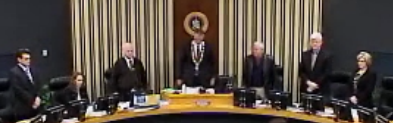



 The tough winter may have just loosened its grip on us.



 Surviving Progress (April 29th) Martin Scorsese’s provocative documentary that delves into concepts of progress focusing on technological advancement, economic development, and population increase in the modern world.
 Chasing Ice (June 3rd) An Academy Award winning film that details the story of one man’s mission to change the tide of history by gathering undeniable evidence of our changing planet.
 This change is about the kind of building projects we’ll see built in Ontario and how we will pay for the stuff we build. I suspect that members of Burlington and other City councils who subscribe to the failed dogma of Libertarianism won’t like this legislation one bit. To them I say: “suck it up princess, the free ride is over”. Specifically these Planning Act Changes propose to:



 We realized in late 2011 that Our Burlington didn’t sound like a newspaper and we weren’t treated as a newspaper. So we chose Gazette as the name we would be known by.



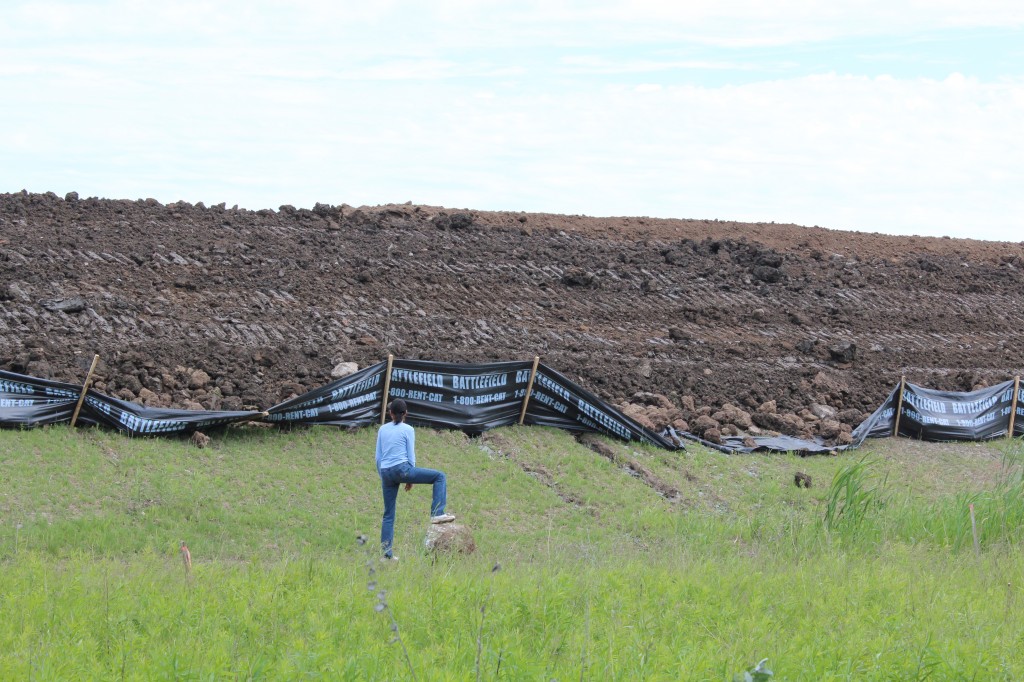


 Lori MacDonald is the woman who wants to bring ArtFest to Burlington for a three day gig she wants to hold on Old Lakeshore Road.

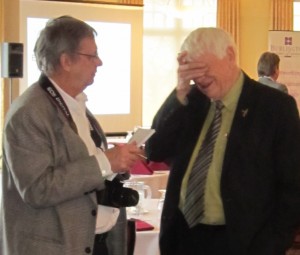
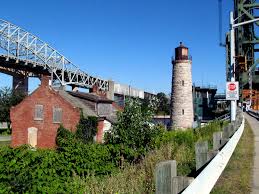







 mental health” she added.
 Ontario’s Summer Jobs programs, in place since 2004, has helped almost 1,100,000 students find summer jobs, start businesses and access employment services. Each year, the programs help more than 100,000 students and youth:
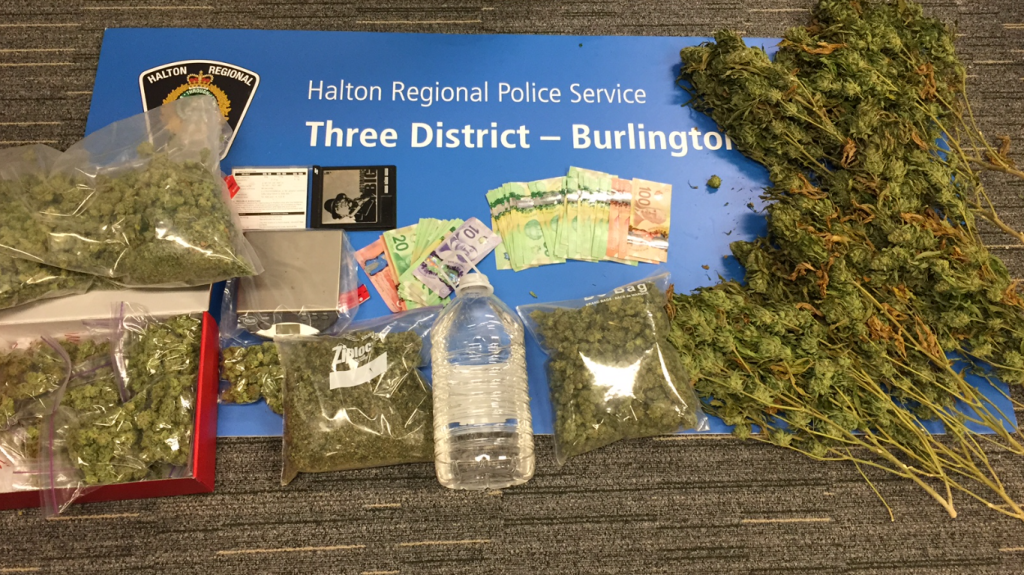

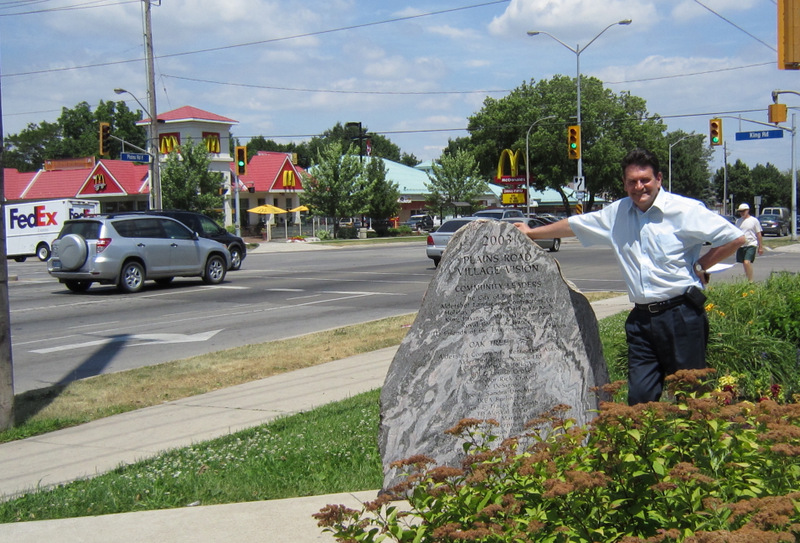



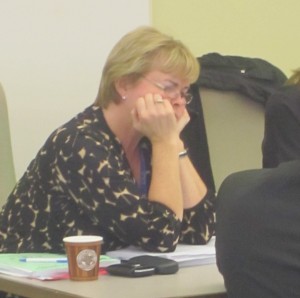
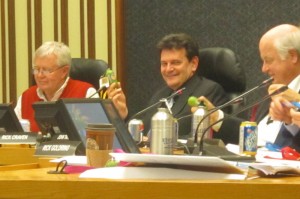
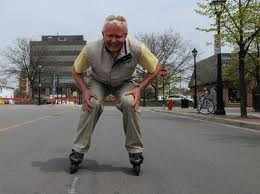
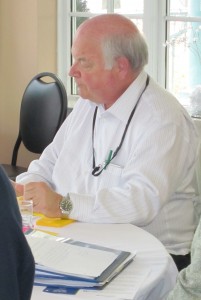
 The city has hundreds of bylaws and bylaw enforcement officers to tell you when you might be afoul of one of those bylaws. There are merchants in this city who know full well what the bylaws are but the will flout them on weekends nevertheless because they know there are no bylaw enforcement officers on duty weekends.