October 28th, 2013 October 28th, 2013
By Pepper Parr
BURLINGTON, ON. It’s that time of year again – Halloween yes – but much more interesting is the Annual Art in Action Studio tour which this year will include 29 artistes in eight locations.
 This Studio Tour event is now in its 11th year. There are some of the old standards and at couple of places that might better be given a rest but this is still very much a superb opportunity to get out and see what the city’s arts community has to offer. This Studio Tour event is now in its 11th year. There are some of the old standards and at couple of places that might better be given a rest but this is still very much a superb opportunity to get out and see what the city’s arts community has to offer.
 Premier Arts event for November in the city. Not to be missed. If this event is one that you’ve done in the past there is an opportunity to see the growth in artists you’ve watched and see how they have perhaps grown and changed.
There are two we have been watching and appreciating the changes, the growth and the new directions they are going in. Last year there were a few that weren’t on the tour and we missed them.
The tour lasts two days. You will find yourself bumping into the same people at different locations and striking up friendships and talking about what you saw that you liked.
November 2 and 3.
 A Helen Griffiths piece. This artist continues to both surprise and delight. Art in Action runs the Studio Tour which gives artists exposure which never hurts. The organization also has a scholarship is gives each year. Last year $1,500 went to Michelle Nguyen, a Robert Bateman High School graduate studying landscape architecture at the University of Guelph.
 Fratesi has pieces at the Burlington Art Centre where her work can be rented from the Art Bank Cheryl Goldring and Don Graves handle fundraising for the group which pay for studio tour advertising and scholarships.
New to the Studio Tour this year are: Tamara Kwapich (Studio 5), Lois Shaw (Studio 6) and Donna Fratesi (Studio 1) and Rachel Quinteros (Studio 4)

October 29, 2013
By Pepper Parr
BURLINGTON, ON. The four Burlington Rotary organizations in Burlington got trashed by local media and people involved in the Santa Clause parade when all they did was advise the parade committee that they were changing their priorities.
Burlington’s four Rotary Clubs have put up $1250 each year for the past ten years to support the annual Santa Claus parade that is organized by a citizen’s committee chaired by Gunther Kaschuba. The parade committee says they were blindsided – the Rotarians didn’t see it that way and will be dealing with the parade people in due course.
Rotary pays full freight for a float of their own in the parade plus putting a cheque for $5000 on the table each year. In the past they have asked for some corporate recognition as Rotary moves forward with plans to enlarge their membership and re-focus their projects.
 The Santa Claus parade has taken place for more than 45 years in Burlington. Organized by a citizens group that works out of the city’s Festivals and Events office it is the premier holiday event in the city. The elves have got a spot of trouble to manage with one of their benefactors this time around. Like any organization, Rotary continually looks at its program and reviews the effectiveness of what they are doing. They apparently came to the conclusion that the Santa Claus parade was no longer part of the way they wanted to interact with the community. Rotary has yet to issue a statement. Because there are four different groups in Burlington – it is not always easy to come up with a single voice but the message to the Santa people was that the end of their participation had arrived.
One might quibble that perhaps more time could have been given but the parade organization, which has never issued a financial statement that we are aware of, has in the past been somewhat high-handed with the way they manage the event.
 Colorful to say the least. For Rotarians right relationships are paramount and, after listening to a number of people, one gets the impression that there was more wrong than right with the way the Santa parade people managed one of their biggest benefactors.
The parade will take place Sunday, December 1st beginning at 2:00 pm at the intersection of Prospect and Guelph Line. Somehow the financial problems will get worked out. Remembering to thank people for their contributions and not to take them for granted is one of the life lessons most of us get at our parents knee.
October 27, 2013
By Pepper Parr
BURLINGTON, ON. It was a SOLD OUT event. No numbers yet on exactly how much was raised but the auctioneer was really busy for a part of the evening.
 Angelo Paletta worked the room of the Burlington Community Foundation Masquerade ball like a politician running for office. It was a fun night where Angelo Paletta, this year’s Patron for the Burlington Community Foundation annual fund-raiser, worked the tables so well one might have thought he was running for office.
 There were there to dine, to dance, to raise additional funds and just have a good time. The setting made all that possible. The Burlington Convention Centre was very nicely decorated with the event where the masquerade theme dominated.
The evening was part social, part fund-raiser and the occasion when Murray and Diane Hogarth the Philanthropists of the year were celebrated and honoured for what they have given back to the community.
 This wasn’t an occasion to take name of identify the “usual suspects” but a time to catch people in an environment they are comfortable in. Deals and conversations are always part of the social mix. The Burlington Community Foundation is an organization that works on several levels for the city. Besides holding a boffo ball – it has a structure that serves the people who want to donate some of the wealth and their talent to the community. The Hogarth’s are the first couple recognized as philanthropists in Burlington and they are the fourth to be so honoured. Predecessors were: Don Smith, Kevin Brady, Doug Leggat and now Diana and Murray Hogarth.
The Foundation collaborates with individuals and corporations to build endowments, give grants and connect community leadership. There are currently more than 55 funds overseen by the Foundation with Donour Designated, Donour Advised, specific fields of interest; scholarship based and unrestricted funds.
Philanthropy is not just people giving money – it is service to the community where talent is as relevant as the size of the cheque that might be written.
Each year the Foundation produces a Vital Signs report setting out where the city is on a number of different socio-economic levels and highlighting areas of specific concern to the community.
 That is a great smile! Mental Health was highlighted as a very serious concern and one that will be given more attention through a Roundtable the Foundation will sponsor in the New Year.
There are other organizations that use the Foundation to distribute funds into the community. The Halton Heros leave the funds they have raised with the Foundation and have the organization deliver the funds when there is a need. The service allows an organization to focus on fund raising and not get bogged down with the investment and management of the funds raised.
 How two women can have a conversation and ignore a Bobby Orr sweater defied understanding – well male understanding anyway.  When it came to bidding for items it was clear this woman knew what she wanted.  Foundation Executive Director Collen Mullholland makes sure the event Patron Angelo Paletta stays on track  Fist full of dollars. One unique auction item was a high end purse stuffed with cask. The winning bidder got the purse and a tax receipt for the cash which went to the Foundation.  He needed just that much more – and the deal might have been done or perhaps it was just that much more for the golf ball to go into the hole. We will never know which.  A ball is a social event – where people spend as much time walking as they dancing and dining. Gives everyone a chance to check out the gowns as well.  You dance with the person who brought you – and dance they did.  Do the masques hid the beauty?   This wouldn’t be a Burlington organization if there wasn’t an invitational golf tournament as well. The Foundation distributes funds to an extensive list of organization including ArtHouse, Bay Area Restoration, Bruce Trail, Burlington Art Centre , Canadian Mental Health Association, Conservation Halton Foundation, Danielle’s Place, Easter Seals, Food for Life, Habitat for Humanity, Halton Food for Thought, Reach Out Centre for Kids ROCK, , Start2Finish and the YMCA. This wouldn’t be a Burlington organization if there wasn’t an invitational golf tournament as well. The Foundation distributes funds to an extensive list of organization including ArtHouse, Bay Area Restoration, Bruce Trail, Burlington Art Centre , Canadian Mental Health Association, Conservation Halton Foundation, Danielle’s Place, Easter Seals, Food for Life, Habitat for Humanity, Halton Food for Thought, Reach Out Centre for Kids ROCK, , Start2Finish and the YMCA.
Later in the week the Foundation will announce what was raised and move on to the next project which in a few short months will be the Roundtable on Mental Health and the impact that is having on our community.
We asked Ashley to cover the Masquerade Ball, seen as the premier social event in Burlington, where the funds raised go to the Burlington Community Foundation.
One table insisted on posing for the camera – something we don’t do much of. We prefer to catch people as they are rather than what they want the camera to see. But this bunch of happy campers had bid on a Bahamas Cruise and invited our photographer to tag along and do an expose on the crowd. This might be a Burlington Ashley Sloggett could get used to
 A night out doesn’t mean the home front doesn’t have to be looked after – this couple work the phones – perhaps to determine just where the kids are. I’ll call this one – you call that one.
October 24, 2013
By Pepper Parr
BURLINGTON, ON. You know that culture has some traction in Burlington when city council members ask what a Poetry Slam is and when Councillor Jack Dennison suggests the he might even drop by the Black Bull on Guelph Line and hear how Tomy Bewick, a construction worker delivers his message.
Bewick runs the Burlington Poetry Slam, an event most Councillors knew absolutely nothing about; yet it is an organization that has been given a Canada Council grant to bring together Slam poetry artists from across the country. In Burlington, whoda thunk?
After a close to brutal session at the Regional offices in Oakville where council members took part in a vote that marked the beginning of the end of the Beachway Park community, council met in Burlington to discuss the basics of a Cultural Action Plan and then decide what they wanted to do.
 Teresa Seaton, center, organizer of the Art in Action Tour, thinks through a response at one of the Cultural Action Plan sessions. She is one of 250 people organized as an Arts and Culture Collective in Burlington. They didn’t make any decisions – it was far too late and everyone was far too tired to be able to make sensible decisions, but Burlington did get to see the outline of a community that few really knew existed. The Arts and Culture Collective, a group of more than 250 people organized on-line, didn’t really know each other but they have become a voice and they want a seat at the table where the decisions are made. Nine of their members delegated and laid out their aspirations for a Cultural Action Plan. They have certainly “informed” the plan the city wants t create but there is still some distance between the bureaucrats and the artists.
 The Collective had done their homework – they knew what they wanted – now to actually get it – that’s their challenge. The delegations were listened to, heard and engaged. This is not something that happens for many delegations at our city hall. All too often Council members sit there close to mute as people take their case, their concerns and their hopes the city’s leaders. That wasn’t the case Wednesday night.
Organized as the Arts and Culture collective in July the thing grew from some 20 people who took part in the first meeting to the 250 people who exchange thoughts and ideas on-line and have learned how to deal with city hall and bring about changes.
The process began a couple of years ago when the city hired Jeremy Freiburg to prepare a report on just what Burlington had and didn’t have going for it in terms of culture. Everyone knew about the newly minted Performing Arts Centre and everyone knew about the Burlington Art Centre but few of the many ever went to the place to look and see and feel the art over there.
Freiburger’ s report dug up all kinds of data on where Burlingtonians spent their cultural dollars – far too much of it gets spent outside the city. He mapped where people go and how much they spend. He told us what people wanted in terms of culture.
What he revealed was a city that really didn’t have a solid cultural tradition. We saw a city that chooses to go elsewhere for its culture and entertainment, partly because, they feel, there isn’t anything they like here.
Some thought Freiburger was going to deliver a set of recommendations on what the city should do next – but he chose not to do that. Instead he gave them the data they needed to begin to figure out what they want to do.
And that is when the Collective began to form. The people who met, first wanted to be able to do their art here in this city and not have to go to Hamilton or Toronto – but there was no place, no space, nor any expectation, that there was indeed a local arts community. The city didn’t know they were there and they didn’t know each other.
The group – the Collective – had surfaced and is telling the city that they are here and they want to be involved.
 The artists came from every possible discipline. They met to talk through what the city should include in its Cultural Action Plan – then they had to figure out how to actually control that plan once it’s established. Artists don’t march to the same drummer that the rest of us do – schedules and rules aren’t their strength and it was difficult for the collective to pull together a large number of people.
Because many of the artists were working by themselves they didn’t know many of the people who were doing the same thing. Trevor Copp, who ended up being the leader/spokesperson for the group came up with the idea of holding a Speed Dating event at a local pub. The idea was that people would gather and sit with others for a couple of minutes and then move on to another table and meet someone else. Such is the state of relationship building in this world. It was a good idea, novel and it had the potential to work. But very few people showed up. Copp didn’t miss a step – he chose to see the upside, the bright side and pulled together a meeting that saw less than a dozen people talk about what they wanted in the way of an arts community.
That conversation will get reported on at greater length at another time – what we saw was a group that is thinking this through and while the plan is still in the formative stage city hall now has to work with people who are the arts community – we just didn’t know they were there.
Bureaucrats being bureaucrats they decided to have Copp become part of the Steering Committee that was to fashion a plan out of the data the Freiburger report provided and once a plan is in place, put together a schedule and time frames to implement it.
One of the major beefs the artists had, was that there were no artists on the steering committee. The addition of Trevor Copp and Rosanna Dewey to the Steering Committee that had people who administer funds but didn’t “do” art was a significant step. The challenge now is to ensure that Copp and Dewey don’t get co-opted and turned into bureaucrats. Power can be very seductive.
Dewy is an artist in her own right and part of the Burlington Fine Arts Association, which has a temperament quite a bit different from that of many of the members of the “collective”.
That there is a change taking place in the cultural temperature of the city is evident. Freiburger maintains that the change began with the unveiling of the Spiral Stella outside the Performing Arts Centre – debatable. One of the occasions that signaled the change was the “No Vacancy” event that took place at the Waterfront Hotel.
This was “avante garde” for Burlington and while the event lasted less than four hours and experienced a small loss it brought out people who hunger for depth and maturity in their cultural menu – the No Vacancy – which will take place again next year, showed that it can happen in Burlington and is happening in Burlington.
 Performing Arts Centre Brian McCurdy makes a point with the Mayor. He is making points all over the city as he brings about a different working relationship with the Centre and the city. City Hall and the Tourist people see the arts as something that could perhaps attract people to the city. The Executive Director of the Performing Arts Centre has been in town long enough to have figured out what we have and don’t have and has already shown that his institution is able to be flexible with the performance community.
All good signs – but like a great recipe, there is something to the way you flick the rest to get that meal on the table and make an occasion to be remembered.
Council will meet early in November to get down to the nitty-gritty of spending money – and at the rate this council is spending the artists had better move quickly or there won’t be any left.
With a little luck the artists will be at the table helping people whose experience is in parks and recreation learn how to move beyond swimming schedules and volleyball games to events that stir the soul. Mind you, watching Maurice “The Rocket” Richard put another one past a Toronto goal tender is certainly something to stir the soul.
October 18, 2013
By Dr. Jeremy Hayden.
BURLINGTON, ON In light of the looming cold and flu season, I am interjecting with a brief mention of a promising, true and tested approach to improve one’s health (and I’m talking about thousands of years here folks, not a time frame to take lightly). Granted traveling south for the winter may be the most attractive option, running from those pesky winter viruses and bugs won’t ultimately fix what may already be broken. We all should know that a whole person approach to a healthier more robust system should be first and foremost, yet it’s often quite evident that what we know is best for one self, due to lack of time, motivation, commitment and effort, is, for some, sometimes a lot easier said than done…
Reference to fighting a cold or flu is often a primary focus for many. The immune compromising winter season is one which too often places unnecessary and undue stress on our bodies. One may argue that getting sick or catching colds build the immune system and is beneficial, which to an extent may be true. However wouldn’t you prefer to reap the same benefits by doing so without ever needing to get sick? Within the Naturopathic Medical (and Natural living) realm, the realization of this can be achieved, and often with simple ease; strengthening our innate and adaptive immunity whist keeping happy and healthy throu gh it all. Why position ourselves to have to fight these bugs, when we can utilize and take advantage of their unwanted effects to better our overall health? gh it all. Why position ourselves to have to fight these bugs, when we can utilize and take advantage of their unwanted effects to better our overall health?
Herbal medicine is a practice that will help achieve this common goal
Herbalism is utilized to incorporate the vaccination stimulating effects of cold and flu viruses in order to ramp the immune system while simultaneously building immunity to those pesky cold and flu season bugs. Think of it similar (relative perspective here) to getting a vaccination shot; the bug or virus enters the body, provides a stimulus to our immune system, enough to create a resistance to its current and future presence, yet without the effects of making us sick. Enter the herbal medicine perspective; Cold and flu bugs are inhaled and enter the body day-to-day from those around us who may be infected by a cold or are sick. Specific herbs taken prophylactically allow the body’s immune defenses to become stimulated and build immunity to various cold and flu strains, yet due to the stimulation and balancing effects of concentrated herbals, the immune system is strong enough not to allow these ‘bugs’ to take over and make us sick.
 Herbal medicines are not injected – they are swallowed. Basic facts about herbal medicine for a better immune
Most immune herbals are safe when used as outlined on the bottle.
Little to no contraindications exist when using these herbs (contact a licensed natural health care practitioner if and when in doubt or if complicated health issues may exist)
· Herbal tinctures (liquid herbal form) are often the best option for many people as they concentrate the active constituents of a herb and allow for better therapeutic effect.
· Immune herbals often have long-lasting therapeutic immune effect.
· Liquid herbals are considered food type medicine; they are in whole form, grow naturally, and are unadulterated, but concentrated naturally, so our bodies recognize and utilize them best
· Herbals work well as individual (single herb) extracts, however will work to a greater synergistic effect when combined together
· Look for Canadian companies that represent true certified organic, pure herbal tinctures (all are not created equal!)
Top immune prophylactic herbals are:
Astragalus root, Siberian ginseng,codonopsis, schisandra, reishi and licorice root.
Look for herbal liquid tinctures that contain some or all of the above immune herbals. Effective herbals exist for acute immune compromise as well (existing cold), so don’t hesitate to use an Andrographis, Baptisia, Echinacea, Thuja herbal combination to ‘beat the current bug’ (discontinue other immune herbals until the acute virus has been eradicated). A minimum of three-month prophylactic treatment is always best, however supporting your immune system at any point will help your body remain healthy, build immunity and prevent that nasty cold or flu.
Finding a supplier that is reliable is not always easy in a market that is not that tightly regulated. People in the naturopathic field are always very comfortable recommending products from St Francis Herb Farm
What is a naturopathic doctor? Where an MD focuses more time on pharmaceutical medicine, NDs also study pharmacology and its drugs, however extensive training in natural medicine (such as botanical, Oriental, nutritional, physical, and homeopathic medicine as well as lifestyle, counseling and herb-drug interactions) is adjunctively studied as well. In Ontario, a naturopathic doctors is considered a primary care physicians. NDs cannot prescribe pharmaceutical medications in Ontario as MDs are able to, and are only covered under extended health plans and not OHIP billing, however they are able to employ conventional laboratory testing and diagnostic imaging as necessary.
 Jeremy Hayden, Doctor of Naturopathic Medicine (ND). ND is a professional medical designation earned following an undergraduate pre-medical degree and four years of post-graduate medical training at a fully accredited (CNME) naturopathic medical college. All licensed Naturopathic Doctors practicing in Ontario have been fully regulated under the Drugless Practitioners Act. Jeremy Hayden, Doctor of Naturopathic Medicine (ND). ND is a professional medical designation earned following an undergraduate pre-medical degree and four years of post-graduate medical training at a fully accredited (CNME) naturopathic medical college. All licensed Naturopathic Doctors practicing in Ontario have been fully regulated under the Drugless Practitioners Act.
October 14, 2013
By Gordana Liddell
BURLINGTON, ON. Travel has been different since the tragic attack on New York and Washington in September of 2001. Public safety took on a whole new meaning as airlines in particular increased security which meant a much closer look at the people who boarded air[planes and what they carried on with them. The rules imposed at times seem confusing and some feel perhaps a little silly. Well just what can you take aboard a plane and what should you pack and not pack?
Asha of Burlington asked:
 Harmless in the hands of your sweet Grandmother – but how does security know she’s a sweet little old lady? Recently, my 80-year-old mother’s knitting needles were taken away at airport security. I think it’s ridiculous. She’s a senior citizen. What do they think she is going to do with knitting needles?
Dear Asha,
The first thing to remember is to not take it personally. The airlines and airport authority are only trying to do all they can to ensure passenger safety. They have rules they need to follow – without the option of discretion. It’s safest that way.
Think of it this way if you like: it’s not assumed that passengers will do nothing. Even your 80-year-old mom. This thinking is, what if this person is a psycho? Or what if the person sitting next to her is a psycho and gets a hold of those knitting needles? Or what if she drops them and they roll down a few rows into the hands of the psycho sitting in 3B? Yes…in order to ensure the safety of all those passengers enclosed in that metal tube darting through the sky…everyone is viewed as being a potential psycho.
You just never know what anyone is going to do at any given moment. And normally, people just go about their lives without going ballistic. But if they do go off, it’s usually easy for us to gain some distance. Up in the sky however, this is not possible, and so it is imperative to completely avoid any potential danger.
I realize it seems silly to you, and we are all aware that your mom intended to use the knitting needles to knit. But when she is on an airplane, think of them as eleven inch metal spikes rather than crafting tools. It’s not a public space where we are free to do as we please. There are rules set in place that we must follow and to try and dispute them is pointless.
I once had an enraged passenger come to me because security had turned her away. They would not let her bring her bullwhip on board as carry-on and she was just outraged. She told me it was ridiculous and screamed at me, “What do you think I am doing to do on a plane with a bullwhip? Whip someone?!” I was almost speechless; struck by the simplicity of what she just said…but what had obviously escaped her. I did manage to get out an, “I have no idea.”
And that is the truth. You have no idea what anyone will do, and on an airplane, it’s just best to prohibit any item that might pose any possible danger.
 That September 11th changed the world and certainly changed airline security procedures. Box cutter, bombs in a diaper and a bomb in a shoe are the attempt we know about. Knitting needles in the wrong hands would be lethal. Look at an item in terms of its basic form…not in terms of its use. There is no difference between trying to board with knitting needles or a bullwhip, handcuffs or fuel or box cutters or any number of potentially dangerous things people try and innocently carry onto planes on a daily basis. Nobody thinks the person carrying them WOULD use them for ill intent. But for the safety of others, the WHAT IF must be considered and general rules must be made and enforced.
The next time you or your mom travel and plan to do some knitting on the way, check with the specific airline you are travelling with. Every country and airline has their own security guidelines, and these are constantly being updated.
The smaller, rounder tipped needles as well as the circular knitting needles are usually okay. The smaller and the more blunt they are, the more likely they will pass through security without a problem. Anything sharp and pointy should be avoided as a general rule. Common sense goes a long way.
Once again, don’t take it personally. They are just looking out for everyone’s safety as best they can.
Gordana Liddell is our resident travel writer. She is a graduate of the University of Toronto, a travel industry veteran with nearly two decades of experience as a freelance travel writer, and most recently book editor. She is fortunate enough to live right here in Burlington with her family.
October 10, 2013
By Staff
BURLINGTON, ON. If you hustle hard enough, if you promote and promote and promote marketing objectives can be met.
 700 people – a networkers idea of heaven – all at the Performing Arts Centre Thursday evening. James Burchill has done that with his Social Fusion Network and has managed to get more than 700 people to register for his trade show event taking place at the Performing Arts Centre this evening.
Was it the $500 cash prize he put up? Was it the opportunity to meet with 700 people in one location without spending a dime? Or is it that Thursday is just a quiet day and there was really nothing else to do in town.
Whichever, it will be interesting to see how much buzz there is in the room this evening. The guy has done something right.
October 6th, 2013
By Pepper Parr
BURLINGTON, ON. Do you know where you are going to be at about 5:00 pm on Thursday October 10th? You might want to be at the Business Week – Social Fusion Networking & Trade Show and mix with some 500 odd avid networkers at the Performing Arts Centre.
Who will you have the opportunity to meet with? Small business people, trades and services people for the most part. There are the regulars who use the occasion to keep in touch with a large group of people at one location. There isn’t a bar in town where you are going to be able to network with hundreds – and all of them sober.
 Social Fusion Network’s first trade show and meet up at the performing Arts Centre – well attended. Run by James Burchill, the Social Fusion Networking group is for people and businesses doing business in Burlington Ontario. SFN Burlington (aka BiB – Business in Burlington) is not the Chamber of Commerce. There are no memberships, no fees, no agenda – just show up and you’re in.
Burchill, a shameless promoter, defines himself as Marketing Strategist • Author • Trainer • Speaker. He has done what a lot of independent people set out to do and that is find a niche he can work and grow. On occasion he has had a flashy red Ferrari parked outside the location he is using; some lucky person will get a chance to drive the thing.
Burchill – regularly in the Gazette Burchill also writes a column for the Gazette where he tends to assuage his technical bent. Type the word Mojo into the search box – and you get to see everything the man has written for us. His take on Tweet going public was interesting and his background on wearable devices are both worth a read.
For the Business Week event the marketing angle is a cool $500 cash gift. You have to be in the room to personally take that cash home.
Many people wonder – are these events worth the time? There are just under 2000 people who have registered with the Network and show up on an infrequent basis. Originally held at the Waterfront Hotel Burchill had to find a venue with more room and is now at the Ivy Kitchen and Bar on the South Service Road.
 Burchill probably has the best collection of relevant business cards in the city. Finding the metric that tells if the event worked or not isn’t as simple as counting the number of people who came through the door. There is nothing for people to actually buy – other than a drink at one of the most impressive bars in the city, so there are no sales numbers. How any people return – something in the range of 250 – 350 each month; on occasion it climbs higher.
One of the indicators that says a lot is the number of people who commented on the event on the web site – there were 321 feedbacks for the first trade show. I didn’t see anything negative when I scrolled through.
This “trade show” is the second Burchill has held. The take up on this event has been better than that of the first – so he is on to something. The Gazette met a woman at one of the MeetUps who now writes a regular column for us – and we didn’t even have to buy a ticket to get in. So for us, networking clearly works.
Burchill has taken to calling his operation the Social Fusion Network – it works and the five $100 bills he is waving in the air may turn out to be the enticement that moves his numbers up.
Is the event worth the time – yeah it is something you want to take in. Don’t break a great dinner date opportunity to get there but if you’re looking for a place to relax a bit and have a cool one as James would say – drop in. Starts just after 5 pm – runs till 7:30. Bring your wallet – you might need a place to stash the cash.
October 3, 2013
By Pepper Parr
BURLINGTON, ON. It is going to be a scramble to get all the paper work done in time for IKEA to meet some deadlines that are out there.
The first hard date is October 21st when the Development and Infrastructure Committee will go over a report that covers details that have to be approved at that Committee level. It is vital that the report staff produces be approved at that Committee meeting.
 Red line at the op is the railway line – that isn’t going to move. Dark line on the right is the creek that has to be dealt with and Conservation Halton isn’t making that easy. Lot of room for the interchange upgrades that are going to be needed to handle the volume of traffic. The schedule is now so tight that council members will move from meeting as a Standing Committee on the evening of the 21st into meeting as a city council to pass the zoning by-law change IKEA needs to build its new office/retail operation on the site.
There is a mandatory 20 day comment period when a change is made in a zoning by-law.
While everyone waits out that 20 day period, documents from Conservation Halton have to be signed. Conservation is involved because there is a creek running along the east side of the property.
But that isn’t the only issue that has to be resolved and, longer term, it isn’t the toughest one. The intersection at Walkers Line is reaching capacity. Changing the configuration of an intersection like Walkers Line is no small matter.
 Currently located on Plains Road in Aldershot IKEA has wanted to move for some time and committed to staying in Burlington – why not this is a great market and IKEA is a top tourist draw for the city. Then the complications set in and the project is getting close to needing life support. IKEA has been toiling away since before March of 2011 on plans to move their operation from Aldershot to a piece of land on the North Service Road just west of Walkers Line where there are multiple problems that someone didn’t see coming their way.
IKEA made a corporate decision to move and put together an agreement with Hopewell, the company that owns the land on the North Service Road.
It didn’t take a rocket scientist to see immediately that the North Service Road could not handle the traffic that would be created with an IKEA on the Hopewell property.
Widening the North Service Road would be necessary but there were problems there because North Service is cheek by jowl with the QEW which itself is going to be widened in the not too distant future.
A walk along North Service between Guelph Line and Walkers Line suggests that property could be bought to widen the road but there is at least one large structure that is going to have a road very close to it when widening takes place..
Add to that the Creek that winds its way down the east side of the property and dips under the QEW and is governed by Conservation Halton rules and you get a sense of what IKEA is up against.
Did the planners that IKEA engaged not do their homework? Did they not make themselves aware of all the problems they would incur? When they first talked to Burlington’s planners did the Planning department not brief them?
The IKEA development is the first initiative seen in what the city calls one of its prime development areas. This one is called the Prosperity Corridor and covers both sides of the QEW from Appleby on the east to Brant on the west with the focus at this point on the Guelph Line – Walkers Line stretch.
City hall is realizing that a change made to Walkers Line and the QEW ripples through to the other major intersections. City hall has also learned that you just don’t come along with a development application and expect the province to take a serious interest in what you want to do.
The province takes a much longer term approach and the next time the Burlington intersections along the QEW come up for a hard close look with a cheque book in their hand is 2016 – and that’s when they begin looking at what might be needed.
IKEA wants to be OPEN in its new location the spring of 2015 with shovels in the ground before the end of this year if they can get the paper work out of the way.
 North Service Road looking west: There is room to widen the road; not sure how Leon’s will feel about giving up some frontage so people can get to IKEA. Report providing information regarding 3455 North Service Road (IKEA Properties Limited) (PB-82-13) (Referred to the October 21, 2013 Development & Infrastructure meeting)
The city has growth plans that cannot be met without significant development in the Prosperity Corridor
The Walkers Line /QEW upgrades are critical
Land west of Walkers Line has been purchased for the development of 300,000 sq/ft of industrial office space. It is not clear at this point if this is ‘new development’ and what stage it is at.
IKEA alone accounts for half of the new Industrial Commercial construction forecast for 2013 – thus if the deal in the works now doesn’t close before the end of the year – there goes the forecast and up go residential taxes – unless the finance people raid some of those fat reserve funds the city has tucked way.
 One of the city’s top tourist destinations is going to move to the property on the left. Widening this road to three lanes isn’t going to handle the traffic – and left hand turns are going to be terrible. Lots of work to be done on this file – and the clock is ticking. Making the North Service Road work as a development site is not going to be easy and the city knows now that it needs partners from the private sector as well as more from the Region and the province.
Problem is the province doesn’t think the city needs the kind of help it is talking about.
The agreements that are being readied for signature have IKEA paying all the short term costs – these will get spelled out in the report that wasn’t tabled last night.
The city and the Ministry of Transportation (MTO) will pay all the costs for the long term – which refers to the cost of reconfiguring Walkers Line and the North Service Road.
This would seem like one of those situations where Burlington General Manager Scott Stewart needs to get all the players in the same room at the same time and give them a solid dose of his “tough love”. He once took on a group of soccer Moms and if a deal can be worked out with that crowd, IKEA should be a cake walk.
But it doesn’t look like that today – does it?
October 3rd, 2013
By Pepper Parr
BURLINGTON, ON. If you want to talk to people in the city’s legal department this week – do it today, because most of the brains in that department will be in Milton on Friday, sitting in a Courtroom hearing an application that has been made by both the city and the Burlington Executive Airpark over who gets to call the shots when it comes to changing the way land is used.
 What was thought to be a sleepy little airport became a massive problem for the city The city creates by-laws and believes everyone has to abide by the bylaws in place. The Airpark argues that they don’t have to follow the city’s bylaws because they are regulated by the federal Department of Transportation.
The airport began making massive changes to their site about five years ago. The city, the Region and Conservation Halton didn’t pay much attention to what was being done at what had been a sleepy little rural airport. They understood that the airpark came under federal jurisdiction and were content to leave it at that.
When it became evident that the airpark was being upgraded significantly the city asked then ordered the airpark management to apply for the necessary permits.
Nope said the airpark people. There was some back and forth – the city sued them, they sued the city and it became evident that there were serious differences of opinion over how the laws the airpark were relying upon were to be interpreted.
So, back in late August, lawyers for both the city and the Airpark met in a Courtroom and agreed this had to be resolved and set October 4th as the day a judge would listen to arguments on arcane points of law. Both the city and the airpark brought in big legal guns and for the past seven weeks have been doing their “examination for discovery”, which is that period of time when they get to ask all kinds of questions.
Each side then prepares its brief and files it with the Court.
Someone in the Court house decides which judge is going to hear the arguments and at just after 10:00 am a bailiff will call out All Rise, the Judge will enter and the game begins.
There will not be any witnesses, there won’t be any television type court room drama; just some very smart lawyers arguing important differences on what was meant when a federal law was written and how that law impacts on a different level of government.
North Burlington residents have taken it in the ear over this issue – they have put up with trucks driving up and down the roads hauling landfill. When they found out how much fill was being taken onto the airpark site they were alarmed and made their concerns known to city hall and the regional government.
Delegations were made at both city hall and the Region during which it became evident that Burlington didn’t know what was going on and the Region didn’t appear to be at all concerned. Some in Milton kind of like the idea of an airport being close to their part of the Region.
The residents were having none of it. They formed an interest group and showed up everywhere they could to press their point. Both the Region and the city got the message.
 How does this kind of site alteration take place without a permit? If you’re an airpark and federally regulated – this is what you can get away with. The space atop that hill is where a helicopter landing is going to be located. It quickly became very clear that the airpark people were not going to budge so the city sued. That got us to the point where everyone is before a judge who will hear an application for an interpretation of just what the law means. These are called judicial interpretations.
Each side, the city and the Airpark were originally given two hours to give their interpretation of what the federal law means. When all the talking is done, the judge tells them that the decision will be reserved and in a couple of months (this won’t be a case that is decided upon in a couple of weeks) a decision will be handed down and both sides will read that decision very, very carefully.
And then you can bet the wine allowance that the side most unhappy with the decision will appeal. There is the possibility that this case will go from the Court of Appeal to the Supreme Court.
In the meantime the Airpark development plans are frozen and that suites residents on Appleby Line and Bell School Line just fine.
One small question: Why did the city’s Community Services Committee go into Closed session to discuss a Confidential Legal department September 18th report regarding the Burlington Executive Airport? Were the city’s lawyers seeking direction? Was there a glitch in the case law they were relying upon to make their case. It just seemed a little odd that there would be a Confidential report that close to the hearing date.
 October 2, 2013 October 2, 2013
By Pepper Parr
BURLINGTON, ON. It was going to be Janet Turpin Myers day. Her first published book was going to be launched in the community hall in her community at Cedar Springs. A woman who is usually in jeans and running around barefoot was dressed in a sleek, very trim fitting sort of wine coloured dress that she could hardly move in was there to talk to her friends about her book and autograph copies.
 The line on the other side of the room was for the bar – it was shorter. This was a book event. There were two lines, one on either side of the room. One at the bar, the other at the signing table – the signing table was longer.
Myers had worked for years to get to this day. She knew from very early in life that she was meant to write, to craft words and put feelings on paper that other would absorb and mix into the way they saw the world.
Friends galore showed up, both daughters were on hand; one delightfully pregnant and the other in a foot cast with husband Mike ensuring that things went smoothly – they did.
Myers made up treats that came right out of the book “Nightswimming”. If you’ve not read the book the significance of the treats or the ‘flat fifty’ Black Cat cigarette tin Myers had on display would have meant nothing to you.
What was interesting was the number of people who had three, five – one person had eight copies of the book in their arms as they waited to have them autographed. While it was a significant day for Janet Turpin Myers it was one her publisher was delighted with. Selling books after the editing, design, production and marketing of the title is what book publishing is all about – and in Canada that is a major challenge.
There are very few presses that take the risk on an unknown writer. Maureen Whyte, president of Seraphim Editions was kept away from the launch due to health issues.
At every book launch the author is expected to tell how hard they worked and thank everyone who was with them on the journey. Myers did the usual – 18 months to write the book – six more to edit it. How she lucked into finding a publisher.
Myers however went a little deeper than most and explained how the story came to her. She did summer in the Muskoka’s as a young girl but Nightswimming is not a story about Janet Turpin. The story came to her in bits and pieces. The first picture man saw of the earth taken from space amazed the young girl. The Apollo mission fascinated her and the Vietnam War mess kept intruding into her thoughts. Myers told her audience that she finds she wants to “nourish imaginations with the truth” which is getting down pretty deep.
Born in Montreal, moved to Ontario, graduated from Nelson High, went to McMaster to study political science and social work, earning Bachelor level degrees in both – a typical Burlington story.
 Guests with three, four, five and at least one with eight books ready to be signed. A very successful book launch Worked as a social worker in a field she knew absolutely nothing about but read up the day before the interview and aced it – got the job. “Bullshit will baffle brains every time” explains Myers. And there we have an insight into the woman. She is forward, aggressive in an acceptable way, holder of opinions that she will share with you at the drop of a hat and adventuresome. She lives in Cedar Springs which suits her. The outdoors is all around her; she doesn’t have to deal with the social constrictions in a neighbourhood – but is instead a part of a community of people with shared values. The setting is rural but not farm country.
Myers revels in the place where her home is spacious, dark and filled with artifacts she has picked up. An old wall phone that you cranked to get the line which was shared by many people. The house phone is a rotary dial. Local transportation is by golf cart – which Myers drives like a Mad Hatter.
Yoga is a large part of the daily regime for Myers and following the equinox and the movement of the earth and its relationship to other planets are all part of the way Myers orders her life. There were 108 sun salutations that time had to be made for. Yoga, four or five times a week is also part of the routine and it comes as no surprise when Myers tells you that she has meditated since she was 16.
 Janet Turpin Myers works in a bright, sunlit room filled with the smell of cedar trees when the windows are open. Typing was a bird course for her at Nelson High – it taught her that she was never going to be a secretary despite a disappointing conversation with a guidance teacher. Latin opened up the world of words to her and she couldn’t wait to get to McMaster where she saw the possibility of reading every book she would ever want to read.
For Janet Turpin Myers “it all just falls into place”. She listens, she hears and she writes.
There are two books that could be ready for publication; one that will never see the light of day.
There is poetry that has been published. Some piece are light – funny, fun.
G@Twitter
Hustlers, hecklers, wisdom-crackers,
hero-worshiping sycophanters,
lonely poets, pondering fellas,
chatter boxes and joke re-tellers.
Lady-celebs with silicone augments
slinging sex and nonsense comments.
Hyperactive urbanistas
with tips on lattes
from bored baristas.
Holy-quoters, pissed-off voters,
lefties, greenies and Kickstart totallers,
politicians with hidden missions,
and office girls Instagraming kittens.
Advisors, enthusers, philo-so-phisers,
dictator smashers and hashtag dashers.
Celebrities who follow none
and non-entities the hipsters shun.
¬Quips about the daily sorrows
from twitter geeks that no one follows.
Freedom fighters and witty writers
of pithy quotes for Lit-insiders.
It’s more or less that less is more
Twitter is crack from the dollar store.
Janet Turpin Myers, April 2013
Others are more profound.
Find Me
come and find me in the hallway
beyond the breathless corner
where darkness pulses ripples
of permission and desire
come and find me in the hallway
do not dive into my eyes
but lock your bigger hand onto my wrist
making this no frantic random clutching
but a sure thing
decided
single-minded
come and find me in the hallway
then take me
as I have been yours
forever
for the taking
Janet Turpin Myers, November, 2012
All her work is given time, the kind of time her grandparents used when they polished silver; you rubbed and you rubbed a bit more and then you have it done. Myers does this with words. The first collection was made public last Sunday.
 The more than 500 acres that make up the Cedar Springs community are the range that Myers roams – where she can howl at the moon and run around barefoot. Launch day was full but the day was not over when the chairs had been put away and the last of the guests thanked. Sitting at home, yards away from the community centre, the phone rings. Janet’s eldest daughter, delightfully pregnant during the launch gave birth to a boy – “my daughter had her baby last night! This is my first grandchild. A baby boy. He came 3 weeks early, but he’s strong and healthy…just needs to fatten up a bit. My daughter was in labour for 1hr 45mins, start to finish. We got her to the hospital at 11:03pm and the baby was born at 11:27!”
It was a very full day indeed.
Burlington may have witnessed the introduction of a major new writer.
October 1, 2013
By Pepper Parr
BURLINGTON, ON. It wasn’t hard to figure out what the major message was behind the 2013 version of Burlington’s Vital Signs report is: there are many in the community who just don’t have enough – and it isn’t just the “poor” people that are going without.
The Burlington Community Foundation, around since 1999, released, along with 26 other communities across Canada, a report that touched all the usual bases and added in a significant push on the pressing needs for better access to mental health services.
The Vital Signs report is data driven and uses graphics very effectively to make the point. The cartoon cover page is Burlington: there’s the gazebo (I met my wife for the first time there) there’s Pepperwoods, there is Benny’s and the gas station. The drawings are all in colour and attractive in their own way. Cute – it isn’t until you get to the second page that the point is made. Well – compare the two versions and you know in an instant what the report wants to talk about.
The report is the second published by the Community Foundation. The 2013 report covers eleven key areas of focus, including physical and mental wellness, poverty, youth, and seniors.
“This year’s report again emphasizes that Burlington is a city of contrasts. We are a prosperous community, with higher than average levels of income and education, with remarkable environmental features such as our escarpment and waterfront. Yet, there are people struggling in our community, in ways that are often unseen, as we drive and walk through our neighbourhoods”, said Burlington Community Foundation (BCF) President and CEO, Colleen Mulholland.
Who are the people that collect all the data and tie the different strands that are woven into the tapestry that is our city?
Established in 1999 as a centre for philanthropy, Burlington Community Foundation is a local knowledge broker and one of the most reliable partners in the non-profit sector. They collaborate with donors to build endowments, give grants and connect leadership. Responsive to their donors, the grant making experts help people give, build legacies, address vital community needs and support areas of personal interest. The Foundation helps people, agencies and corporations improve the city’s vitality.
 Cover: 2013 Vital Signs report commissioned by the Burlington Community Foundation. Take away the good stuff, the nice stuff and the picture is that of a different Burlington – not one we all get to see. The report argues that “connections are critical to community vitality” but how do you do that? You’ve heard it before and with a municipal election just over a year away you will hear it again from every one of the rascals running for office: – Burlington is ranked as the top mid-sized city in which to live in Canada.
 We drive – everywhere, in part because local transit has yet to develop to the point where it serves the community as well as it is going to have to. Biggest reason – we like our cars. And we drive our cars – to everything. 79% of Ontarian’s commute to work by car, truck or van. That number is 86% for Burlington where we have an excellent, frequent train service that has three stops in the city with plenty of parking – free.
We vote – in the last federal election 66.5 of us voted while the Ontario average was 61.5%. Didn’t do much for us in terms of the quality of our elected members though did it?
 We have one of the best educated populations in the province. We are a well-educated community – check out the charts.
 Burlington is doing better at both the number of people with jobs and the number that are unemployed. But there are other indicators that reveal serious problems. Our people are employed – they need to be – our housing is amongst the most expensive in the province and rental accommodation is not easy to come by.
Median household income levels are 24% higher in Burlington than the provincial average but according to Statistics Canada, almost 1 in 10 youth under 18 lived in a low-income household.
In 2012, 36% of all items circulated by Burlington public libraries were in the child or youth category. Attendance at children and youth programs at Burlington libraries was 35,195.
Overall, the age profile of Burlington is getting older and more so than the Ontario average – in 2011, there were 29,720 seniors 65 years of age or older living in Burlington, comprising 16.9% of the population vs. 14.6% in Ontario.
Young people in Burlington are preforming well in school compared to the Ontario average but there are some opportunities for improving the lives and outcomes for our youth, starting as early as kindergarten. Some issues we need to tackle as a community are obesity, bullying and mental health.
Burlington residents are better educated than the population of Ontario and Canada. 67% of Burlington adults 25 years of age and over have completed some form of post-secondary education, compared with 60% of the population of Ontario.
Among Burlingtonians 25–64 years of age, 95% have completed high school – this is a big positive change in a 10 year period: in 2001, 79% had completed high school.
In 2011, there were 143,510 people 15 years of age or older in Burlington. Within this age range, 93,030 people were employed and 5,755 were unemployed for a total labour force of 98,785.
Burlington has stronger employment statistics than Ontario as a whole. The employment rate among people 15–64 years of age was 65%, compared to 60% for Ontario. Burlington’s unemployment rate was 6%, compared to 8% for Ontario.
For the past 10 years, the rate of unemployment in Burlington has been consistently lower than elsewhere in Ontario and in other communities across Canada.
Here are some quick facts about jobs and businesses in Burlington, according to the Halton Region 2012 Employment Survey, released in June 2013:
The City of Burlington has 4,638 businesses providing 74,216 full and part-time jobs.
While Burlington accounts for 35% of the 15–64 year olds living in Halton Region, jobs in Burlington accounted for nearly 40% of Halton’s total employment.
Approximately 80% of jobs were in the service-based sector – the leading ones being the retail trade, professional, scientific and technical services, and health care and social assistance.
 Can we blame the air quality problems on Hamilton? Air quality good – but could be better
Burlington has good air quality, compared to downtown Hamilton. Hamilton has more poor to moderate air quality days (22%) than does Burlington (16%).
However, Burlington’s location in southern Ontario – in Canada’s manufacturing heartland and downwind from the industrial centre of the U.S. – increases the number of poor to moderate air quality days relative to more northern parts of Ontario and cities in other parts of Canada. For example, in each of Sudbury and Ottawa only 8% of the days in 2012 had poor to moderate air quality compared to 16% in Burlington.
 Price increases are great if you own property – tough market to get into for first time buyers. The average price of a home in Burlington in the first half of 2013 was $486,669 – up 7% from 2012.
Similar increases were seen in the neighbouring cities of Hamilton (+6%) and Oakville (+7%), with Burlington housing costs continuing to be intermediate between these two cities
 Burlington’s rental market is tight – far too tight. The city thought it had a hope recently with close to 100 affordable units coming on line – but that one got away on us. People looking to rent – particularly those with more modest incomes – can find it difficult to find affordable rental housing in Burlington. In fall 2012, Burlington’s rental vacancy rate was 1.3%. For reference, a vacancy rate of 3% is considered necessary for adequate competition and supply. By comparison, Hamilton’s vacancy rate was 4.2%, and in Ontario as a whole it was 2.5%.
In 2011, Halton had a higher percentage of households (4.6%) on waiting lists for affordable, rent geared-to-income housing than was the case for Ontario as whole (3.2%). Further, the demand for this housing greatly exceeds the supply, as only 0.5% of Halton households were living in affordable, rent- geared-to-income housing in 2011.
In Halton, between 2010 and 2011 there was a 47% increase in households waiting for rent-geared-to-income housing. Families with children are the hardest hit.
 The kids think they are getting the exercise they need – caution, this is “self-reported” data. Residents of Halton are more likely to rate their overall health as “very good” or “excellent” (72%) compared with Ontario residents as a whole (61%). Moreover, positive health ratings increased from 2011 (66%) to 2012 (72%).
Over 75,000 Burlington residents 18 years of age and older are overweight or obese based on their self-reported height and weight. That’s just over half of the adult population who have an increased risk of certain health problems, including Type 2 diabetes, hypertension, coronary heart disease, gallbladder disease, obstructive sleep apnea, and certain cancers.
Mental health is now at least being talked about – it isn’t something we hide the way we used to – that was an improvement for the better. Now we have to address the problem and it is not going to be cheap.
The Canadian Institute for Health Information tracks the performance of over 600 health care facilities across Canada on a variety of indicators of effectiveness of treatment, patient safety, appropriateness of treatment, and accessibility. JBH is either at or better than the Canadian average on all of the indicators.
 Seniors need different services. The city currently has one Seniors’ Centre and at least five high schools. Will we need additional Seniors’ Centers that can be converted to high schools 30 years down the road? There are some significant problems to need solutions and we don’t have a lot of time to find the answers. Canada’s age profile is getting older, and this trend will continue for several decades into the future. For example, the proportion of people 65+ years of age in Ontario is expected to grow from 14.6% of the population in 2011 to over 23% by the year 2036.
Burlington’s age profile has historically been older than that of Ontario as a whole, and the difference has been increasing over time. As of 2011, 16.9% of Burlington’s population was 65 years of age or older, compared to 14.6% of Ontario’s population.
 Burlington has more of the Region’s senior population – do we have well thought out plans to meet their needs? Based on Statistics Canada measures of low-income from the 2006 census, 5.6% of Burlington seniors have low-income after tax. However, the prevalence of low-income is particularly acute among female seniors in Burlington: this prevalence is higher than the Ontario average, and higher than other Halton region communities.
In 2006, about 1,800 senior households in Burlington spent 30% or more of their total household income before tax on mortgages, electricity, heat and municipal services. Of these, almost 500 spent 50% or more of their income on housing, which leaves very little money for food, medications, or other necessities.
In the Age-Friendly Communities Forum: A Seniors’ Perspective – an initiative of the Elder Services Advisory Council In Halton Region – the Burlington participants identified a need for affordable housing as one of the top 3 issues for seniors in Burlington, and noted that “some people are moving out of the community as they cannot afford to live here.”
 We love the place. Burlington residents tend to see the quality of life in the city as improving: 27% said the quality of life in Burlington has improved over the past two years, compared to only 11% who said it has declined.
Survey respondents were asked which factors had the greatest impact on quality of life in their city. What set Burlington residents apart particularly was the importance of a low crime rate, and a strong sense of community.
In a survey of Burlington residents, 76% said culture is “essential” or “highly important” in their daily lives. There are many types of cultural experiences. For Burlington residents, the top 6 are festivals (86%), museum & local history (81%), art galleries (78%), going to the theatre (75%), public art (69%) and family heritage & traditions (69%).
Benefits to Burlington from community cultural organizations include:
624,000+ visits to local festivals, events, productions and exhibitions
89,000+ hours of cultural programming offered to all ages
Burlington residents spend 37% of their cultural time in Burlington, and the remaining time in other cities such as Toronto and Hamilton.
 These numbers are the reality for many. A person cannot live on the minimum wage – it has to be close to doubled – and that’s not something a municipality can do. Ontario has a legally mandated minimum wage of $10.25 an hour. However, a person working full-time at the minimum wage rate will be living in poverty, as they will earn less than Statistics Canada’s Low Income Cut-off.
The concept of a “living wage” is motivated by the following question: What does a family working full-time (37.5 hours a week, year-round) need to earn in order to pay for the necessities of life, to enjoy a decent quality of life, and to be able to participate fully in the economic, political, social and cultural life of the community?
The answer to this question depends on family composition and on where you live. Community Development Halton has tackled this question for the Halton Region, including Burlington.
What is included in a living wage, and what is excluded? “A living wage isn’t extravagant. It doesn’t allow families to save for retirement, to save for their children’s education or to service their debt. But it does reflect the cost of affording the basics of life – something the minimum wage doesn’t do,” states the Canadian Centre for Policy Alternatives.
Community Development Halton considered three types of Halton households: a family of 4 (two parents, two children – a boy age 10, and a girl age 14), a single-parent family (mother age 30 and a boy age 3), and a single person (male age 32). In each household, each adult is working full- time, year-round. The calculation of living wage reflects the typical costs in Halton, as well as taxes and benefits.
 The number of youth have grown since 2006 but the senior population has grown more. The number of youth in Burlington has increased since 2006, but at a slower rate than older age groups. As a result, the overall age profile of Burlington is getting older.
Burlington is an affluent community, but not everyone is well off. In the 2006 census, 7% of all residents lived in low income households. However, this was greater for youth under 18, where 9% – almost one in 10 youth – lived in a low income household.
This is what students have said they did in terms of getting the physical education they need for balanced growth. According to the Canadian Society for Exercise Physiology, youth 12–17 years of age require at least 60-minutes of moderate to vigorous intensity activity per day.
In the Halton Youth Survey, two–thirds of Burlington Grade 7s claimed to meet the 60-minute-per-day guideline, but only just over half of Grade 10s claimed to meet the guideline.
Girls in the Halton region were much less likely than boys to report meeting the physical activity guideline, with only four in ten Grade 10 girls meeting the guideline.
 This is not a healthy number. Why in a community where genuine financial need is not pervasive? The Halton Youth Survey, conducted by the Halton Our Kids Network, developed an indicator of involvement in criminal activity based on four self- report questions asking about vandalism, carrying a weapon, selling drugs, and group or gang involvement, and these define what is meant here by “criminal activity”. Note that because this is based on self-report, it includes not only youth accused of crime but also youth who “got away with it”.
 Our girls are at very serious risk: do we understand why and do we have programs to help them deal with the depression they are experiencing? One in five people in Ontario experiences a mental health problem or illness. Because mental illness can affect people in all walks of life, this is as important an issue in comparatively affluent communities like Burlington as it is in other less affluent communities. When you take into account family members and friends, almost everyone is affected in some way.
Mental illness affects people at all life-stages. However, one of the most significant characteristics of the onset of mental health problems is that, unlike many other illnesses, they are more likely to first emerge and affect people early in their lives.
According to a Mental Health Commission of Canada report, the potential negative effects of mental illness on the lives and prospects of young people are considerable:
“Mental disorders are the most common medical conditions causing disability in young people. Most mental disorders begin before age twenty- five and tend to be chronic, with substantial negative short and long-term outcomes. They are associated with poor academic and occupational success, economic burden, personal, interpersonal and family difficulties, increased risk for many physical illnesses and shorter life expectancy.”
Early detection and treatment of mental health problems is vital for the young people in our community and for the future health of our city.
Access to youth mental health services is not what it needs to be
Only one-third of those who need mental health services in Canada actually receive them.
71% of family physicians ranked access to psychiatrists in Ontario as fair to poor.
While mental illnesses constitute more than 15% of the burden of disease in Canada, these illnesses receive only 5.5% of health care dollars.
ROCK reports that due to mental health funding gaps, as of March 2013, youth and families were waiting for just over 1,000 various services they offer. Wait times for these services range from months up to 2 years.
Suicide is the second leading cause of death among young people in Canada. One of the most important causes of youth suicide is mental illness – most often depression, bipolar disorder, schizophrenia, and substance abuse.
The effects of youth suicide go beyond the deceased, impacting those who survive their death – their parents, friends, peers, and communities.
 Do our students feel their schools are safe? A survey conducted by the Centre for Addiction and Mental Health found that in response to the question, “In the last 12 months, did you ever seriously consider attempting suicide?”, 7% of Ontario Grade 7s and 12% of Grade 12s answered “yes.”
The Halton Youth Survey asked a somewhat different version of the question, focusing on teens who “sometimes, often or always” had thoughts of suicide in the past 12 months. While the question is somewhat different the results are similar: one in twenty (5%) Grade 7s in Burlington had thoughts about suicide in the past 12 months, increasing to over one in ten (13%) by Grade 10.
Depression is a mood disorder characterized by intense negative emotions and feelings, that negatively impact on people’s lives leading to social, educational, personal and family difficulties.
The Halton Youth Survey created an indicator of being at risk for depression, based on a person saying they “always” or “often” had experienced the following four emotional states in the past week: feeling sad, lonely, depressed, or like crying.
The percentage of Burlington students at risk for depression increases from Grade 7 to Grade 10, and by Grade 10, one in 10 teens are at risk for depression.
This increase in risk for depression from Grade 7 to Grade 10 is occurring primarily among girls. By Grade 10, one in seven girls is at risk for depression.
In the qualitative research project, Halton Youth Voice Road Show (2011), participants suggested the following causes for depression in youth:
Being bullied, which was seen to lead not only to depression but also suicide
Different social groups within a school bullying one another
The fact that sometimes youth were just mean to each other
Technology, since youth don’t actually need to connect to each other on a personal level any more
Images and expectations portrayed in the media
The pursuit of material possessions, with participants saying that it would be better if youth just spent time hanging out instead of shopping
Stress
Not having friends
Being pressured to do drugs
Youth mental health trends at Joseph Brant Hospital
Trips to the hospital emergency department because of a mental health issue represent the tip of the iceberg for youth mental health and substance abuse issues in Burlington. Emergency department visits can occur when mental health or substance abuse issues are undiagnosed, or are untreated, or treatment is not working. Youth visits to the JBH emergency department because of mental health or substance abuse problems show:
Emergency department visits for mental health or substance abuse issues spikes upwards for youth 18–24 years of age.
The annual number of youth under 25 years of age going to JBH emergency because of mental health or substance abuse issues has increased 30% over the last 3 years.
The rate of increase has been even higher among the subset of youth under 18 years of age – showing an increase in emergency visits of 43% over the past 3 years.
JBH operates the Child and Adolescent Psychiatry Consultation Clinic, which provides support to children/youth under the age of 18 years. The case load for the Clinic increased by 16% from 2010–11 to 2011–12, and the average wait time for assessment increased by 31%, to 47 days.
The Community Foundation serves us all well – now the community has to look at the data, talk about it and figure out where we can shore up the weak spots and ensure that we continue to do what we have done well.
Collen Mulholland plans to hold a Roundtable on Mental Health early in 2014. How about ensuring that every grade 10 student in the Board of Education’s high schools be given a copy and make it the focus of a civics class.
 September 28, 2013 September 28, 2013
Nightswimming by Janet Turpin Myers.
Reviewed by Pepper Parr
BURLINGTON, ON. In Ontario summer activity for those who are able to get away for the weekends falls into one of two clearly defined groups – the campers and the cottagers.
Janet Turpin Myers, a Cedar Springs resident , writes about being a cottage goer in the Muskoka’ s – Penn Lake to be specific, in her first novel, “Nightswimming”. It is the story of vivid, delicate, life forming, first adolescent love.
 Turpin writes of love on several levels; two sisters who loved the same man that they lost to a war, then of two friends loving the same tanned lithe young boy during that period of time when Neil Armstrong landed on the moon. Turpin writes of love on several levels; two sisters who loved the same man that they lost to a war, then of two friends loving the same tanned lithe young boy during that period of time when Neil Armstrong landed on the moon.
Innocence pervades each page. Readers see themselves on those pages as Myers weaves pieces of history into her novel and displays a delightful skill with phrases that work right to the heart of the thought she wants to share.
She captures Saturday morning in downtown Huntsville where the locals and the cottagers jockey for possession of the supermarket and takes readers right into those weenie nights they had then for the kids who swam all day and read Archie comics at night.
Not a word about drugs but a painful view of a mother who lost her husband in Vietnam and could not manage the pain without whatever painkiller she could find, sometime wrapped in a cigarette paper other times in a bottle.
“There is something precious about Canadian summers. This is because they are slender and stream through cracks in the cold rock of the Canadian Shield like melted gold.” As we experience the end of this past summer and reflect on that sentence – Myers just about got it right – didn’t she?
Myers has the three prime characters, now teenagers, “erupting out of the peaceable plains of childhood into the rift valleys of adolescence.” Add in twin sisters who seem to be part of the landscape and live in the Muskokas where they “sit on a bench in front of the IGA store, smoke Black Cat cigarettes and criticize Torontonians” with the smug superiority that only locals can have for the interlopers that come up each summer.
And Sheldon, whose body had the shape of a triangle with “a trickle of soft hairs that led downward from his belly button.” Sandra, the book’s narrator “tried not to stare” He, with the “pudding eyes of a long lost boy”, who the narrator believes is “dreaming on another girl”.
It is a summer time story by a lake where the dock is the community square; where swimming and early teen dreams as the narrator tells of a “memory that swims up the spine carried on an undercurrent that slips through Penn Lake, around my heart, through my voice but is silent by singing as I relive Sheldon catching me in his arms. I let the memory rest there, behind my eyes, which are giving thanks for the darkness that is concealing the secret of what Sheldon and I are doing beneath the water’s surface.”
The books shared light, memory soaked language that serves as a guide through experiences we’ve all had; experiences that call back those summer evenings, with sunsets that belong on postcards.
Pearl, the ‘best friend’ with the troubled mother who, unable to contain the loss of a husband, parades nude in a public place while a child pleads “Mom” and with that one word was saying everything she could. “The mother’s in the crowd understood, you could tell by their faces. They were hearing Pearl’s heart, it was making the sound that comes when you have no power.”
Myers tells a story that evokes feelings and recalls in us experiences we had forgotten; of the way relationships change, when the “white is separated from the yolk.” And when the boy interest is not seen the same way through the eyes of the different girls who were on the way to becoming women.
Pearl tells our narrator, “Sandy Bear” “that all of a sudden he rolls on his side, and brings his cute adorable little face close in and then he stops, STOPS, and I’m thinking, come on, come on, do it, pretty please, but I don’t want to make a mistake, so I vibe him, yes with my mind, and he does it.”
The white lies, the fibs “..I’ve pitched a few, that particular one was genius. Back then a boy who smoked was considered a little bit bad but a boy who smoked menthols was clearly unpredictable. And a Volkswagen van, especially with a pop-top meant one thing. Shaggin wagon.”
 Summers end, that dock, if picked up and shaken like an old mat, would drop a million memories that would flutter from it like dust.” Summers end, that dock, if picked up and shaken like an old mat, would drop a million memories that would flutter from it like dust.”
Sandy Bear leaves Penn Lake, “lugging a load far heavier than the usual comic books and flip flops.” “I was dragging the contact light of Sheldon’s cheek beneath the water, so much like the feel of his arms around me when we were nightswimming; and something else as well…”
“A picture of those Sheldon eyes: beloved, unmoving afraid.”
Nightswimmers is a small book, the first to be published by Myers. If it is even a hint of what is to come the name Janet Turpin Myers is one to remember and to watch for her next book. Published by one of the small publishers in this country it is worth more than just a read; it is worth sharing.
“Nightswimming” by Janet Turpin Myers
Published by Seraphin Editions, Woodstock, Ontario.
Softcover.
September 27, 2013
By Pepper Parr
BURLINGTON, ON. It’s all about networking , ya gotta get out there and network; show the flag, press some flesh – let them know that you’re in the game and you’ve got things, stuff and ideas that will make their business a couple of cuts above the others. Right?
Networking at its very best in the nicest venue in town. That’s the current folk-lore and there are some people who really do this well. When you meet them at an event you remember them because of the way they tell their story. There are those sad sacks that show up looking a little worse for wear and tell you they forgot their business cards but if you know someone looking for a good collection agent – would you pass their name along?
 James Burchill with one of his regular networkers. Then there are those sharp young things that drive up in an SUV, glance in the mirror and fluff their hair, put on a fresh coat of lipstick and wiggle out of their jeans and into a very stylish skirt, arrange a bright scarf around their neck, check the blouse button levels and walk into the place where the hounds are hanging out – and they make it happen. They’re not on the make – they’re networking and they make the contacts and they follow-up.
 Monthly networking event is held at the Ivy Bar and Kitchen. A business card will get the conversation started but it’s sometimes difficult to tell your story with just a business card. James Burchill runs a MeetUp in Burlington every month. He started out at the Beaver and the Bullfrog, outgrew that venue and is now at the Ivy Bar and Kitchen where he hosts a couple of hundred people the third Wednesday of the month. He has an email set up where he gets the word out and consists of a list of who has said they will attend. If there is someone you want to meet – you’ll know if they plan to attend. You can check this out
Burchill took the event he hosts a couple of steps further and rents out the smartest space in town – the Family Room at the Performing Arts Centre where he can bring together pretty close to 800 people without feeling packed in. That’s a networking event.
The “value added” as Burchill likes to put it, is he space people can rent to set up tables and display what they have to offer. Jamie Buisman, a local photographer, sets up her camera and does some work right on the spot; pretty good way to find out if the fit and feel is right with a photographer.
Ivy Bar and Kitchen set out a couple of tables with nibbles to satisfy that peckish feeling. Neat way to get an idea what they have to offer.
You can get a table for a couple of hundred bucks – say $350 all in. With 500 people showing up that 500 impressions which works out to a little over 60 cents an impression – not a lot more than a fancy business card. That is getting value for those marketing dollars. Some of the smaller operations have taken to sharing a table.
In the advertising world the line goes that half of the advertising you run works for you – the trick is to figure out which half. At the Social Fusion Networking Group every dollar works. Burchill by the ways runs these events in a number of communities – so if there is some other part of the province that interests you – chat him up.
September 27, 2013
By James Burchill
BURLINGTON, ON. There has been a lot of talk about the “stealthy” initial public offering (IPO) that Twitter filed with the U.S. Securities and Exchange Commission (SEC). A lot of the buzz is that this is somehow a “circumvent” of the otherwise open system used for filing to be publicly traded in America. Most of those reports can be discounted with one simple fact: “stealth” initial filings for an IPO are legal, though new, they have a real purpose.
 The ultimate press release – and it didn’t cost them a dime. Talk about the power of social media! When a company filed an IPO before the new rules took effect this month, that company had to fully and publicly disclose all of its filing paperwork. This meant that the press, potential investors, and the company’s competition now had access to information that may have been proprietary, was almost assuredly preliminary, and that was subject to change as negotiations with regulators commenced before the actual IPO launched. This process often takes months.
Under the new rules, the filings with the SEC, up until paperwork is finalized, can be kept confidential and not be publicly disclosed. This means months of disclosure is lost, but it also means that the initial stumbles, mis-interpretations, and months of being wide open to the competition are no longer there.
During the draft stage of the IPO prospectus, under the new rules at the SEC, this information is kept private so that the company can continue to operate normally and with the secrets it might hold from its competitors intact. This change came with the JOBS Act that was signed into law as part of the overall economic boost efforts being made by Washington, D.C. for the U.S.
 This is when the public loves the stock market. But remember Bre-X Mining, it is not always gold in what you think you see. Twitter is using this provision with its IPO to shield it from unwanted scrutiny during the initial phases of the S-1 filing. It’s smart to do so. Companies like Facebook, Google and others would love to see how the financials within Twitter, as well as their future plans for boosting revenue, are being implemented. Under the old system, this would have given them several months in which they could craft competing options or even usurp Twitter’s plans altogether by offering something better, sooner thanks to that foreknowledge.
Now, they won’t know that information until Twitter wants them to, or is ready to go public. Their time window will be far smaller at that point and so they’ll be less likely to be capable of acting on the information gleaned.
This provision also gives companies like Twitter, who may not be sure about the timing for an IPO, the opportunity to delay or even cancel going public until it’s ripe and to do so without losing face or looking weak.
 Should Tweet go public – will this be another one of the Apple public issues that goes bananas? Chances are, Twitter is serious about going public and plans to follow through with this IPO, but in the information technology field, especially social media right now, every moment is a chance to win or lose at the game. Things change almost daily, so keeping information close to your vest is an important part of the game.
As it is, when the information is made public, there is still a three week window (or so) before the IPO actually happens and investors can start offering money for shares of Twitter.
Overall, this new idea is a good one and will make companies in the U.S. more likely to use the process of going public through an IPO sooner instead of later. That’s good for the economy overall, even here in Canada.
September 24, 2013
By Dr. Jeremy Hayman
BURLINGTON, ON. So we all strive to put our best foot forward in raising our children to live the best lives possible, correct? No problem; give them a stable home-life, welcoming and supportive social environment, love, nurturing, guidance, opportunity, compassion and understanding, a balanced active lifestyle and good food. Done, it’s as easy as that. We raise our children the best way we see fit. They grow up happy and healthy, flourish and succeed in life. The next successful generation begins. Agreed?
 Is this child’s mood the result of a problem at school or due to the food that he was fed? Well… let’s see you say that while looking me straight in the eyes and without your fingers crossed behind your back. A simple endeavor, maybe for an outsider looking in at the delicate balancing act of being a parent, but as a parent, it’s often a different story. So where do we begin as well-intentioned parents wanting to provide “the best” for our children from day one? Well, a little of each, if possible, but even that vision can sometimes fall short and derail. It’s not by choice or from lack of trying, but it’s often due to the simple fact of life and its multitude of impressions constantly being offered up to our children.
And we certainly can’t forget about children themselves, they too have a mind and vision of their own! So, short of equipping our children with everything they need in life in order to be healthy and live happily, it seems like there’s quite a division of extremes in fulfilling what we need to do as parents, and to not blame ourselves or point fingers at others in the end. So if you’re not a perfect parent, don’t strive to be one, realize there is no such thing, and still can’t quite seem to fill in the missing pieces, then putting your best “food” forward and feeding your children then, properly, may be a good place to start.
 What is this parent dealing with? An adolescent going through a stage or a child that didn’t eat properly?erft Would you believe it if you were told a bag of candy each night may be the reason your child “decides” not to fall asleep for three or more hours after putting him or her to bed? How about feeding your child a bowl of marshmallows before sending them off to school with no food in sight remaining, only to find out from the teacher that he or she “just doesn’t seem to be listening, cooperating, or focusing throughout the day”? How about being told that feeding your child an overwhelming amount of “midway” “grub” may have been a strong contributing factor to him or her getting sick while on that high velocity amusement park ride? The list goes on.
Well, we believe ourselves when we remain rigid on not feeding our kids too much red meat due to the risk of causing high cholesterol and cardiovascular concerns (which, by the way, I utterly disagree with, so stay tuned for an upcoming perspective on that!). What about that “the tryptophan in the turkey is what put us all to sleep”, or that “the one small piece of raw broccoli must have been what put my child’s digestive system over the edge with that horrible and gassy stomach ache” (of course it wasn’t the other processed food or drink they’re fed on a day-to-day basis…of course not that!). So why is it that we often “believe” to a default that healthy food that affects our children and causes them “strife”, but the unhealthy food we fill our children’s diets with have no effect on them at all? It’s a social and culturally embedded oversight, that I realize, but what we all need to accept is that food, healthy or not, affects us all, children and adults alike.If sugar laden processed food before bed can potentially keep our child up at night, then why do we suppose it stops there? Can’t this exact food wreak even deeper havoc on our children’s personality, emotions, energy, focus and health? Well here’s the answer: It does!
 They aren’t Oreo cookies but that food is healthy. And beyond the overabundance of legitimate literature that supports the effects of food on children’s health as well as the effective use of food as medicine and on health, we, as parents, accepting or not, know that food, to whatever degree, somehow affects our children. So let me tell you this; deprive your child of any food for any great length of time, and tell me he/she won’t waiver on some extent of grumpiness, upset, irritation, tiredness, ‘wildness’ or otherwise (need I go on?). Yet fulfill and satisfy these emotional and biological reactions with food, and what happens? You guessed it; your children’s mood changes, and usually for the better. And here’s a hint, feed your child nutrient dense, tasty, satisfying foods (yes it is very possible to do this!) and guess what? You guessed again, mood improves even more. Feed them calorie dense, nutrient depleted, processed, high sugar foods, mood will artificially improve, for the short-term, before taking a nose dive once again. So what’s the point here? Well if no food causes alterations in our children’s mood (as is clearly evident), then isn’t it possible that food itself may cause changes and effects as well?
 What’s wrong with this picture? It’s not a LED television set?wev <>Our bodies accelerate on an insurmountable number of chemical reactions, all at the mercy of vitamins, minerals and cofactors. Yes, one can argue we physiologically create some of these on our own, however many, essential components, are only created by way of the nutritional content from food. Consider it like this; would you tend toward a healthy, youthful vibrant individual who eats primarily nutritious and healthy food, or prefer to put your money on a person who simply survives on calories alone from any food source to get by? Well the body and its physiology is an amazing entity, but to stress toward the unhealthy option, I mean, eventually, the body will give out, so why give the option to start our children down that path at all? Well here’s how I, as a Naturopathic Doctor, and parent, see it; as parents, we all attempt yet struggle to provide the absolute best for our children’s lives. When pondering the unanswerable parental question of “what am I doing wrong?”, we clearly realize that we cannot possibly change each and every aspect of our child’s lives once the multitude of life’s influences have already begun to unfold. Therefore, what we know from our discussion so far is that food, yes food, can play a vital and impactful role in the lives of our children. We haven’t even begun to scratch the surface of the literature available to us, however when we opt to present our children with more healthy snack and meal options, we know from our discussion so far, that there has to be some sort of effect, and most likely positive, within their lives.
It’s clear, at this point, that within medical science, foods contain many of the precursors to mood, stability, and emotions of our children via the brain and otherwise (take one of serotonins – the “feel good” neurotransmitters precursor, tryptophan, for example), yet we always tend to wonder “why is my child not happy, why do they act the way they do, why don’t they listen, why can I do everything for them yet they still seem not to be assimilating into a happy healthy life?”.
Well, multiple consideration are possible, however although a grade of “A” can be given to all those parents who try so hard to provide as much as they can for their children, there still seems to be something lacking when it comes to overall happiness and health. Ever wonder, just by chance, that one of those missing pieces just may be healthy, nutrient dense food? Unhealthy, non nutritious type “foods” do interfere with the assimilation and use of nutrients from healthy foods, so it’s no wonder an eating plan unfocused on health can interfere with our child’s overall constitution. Our children’s foundation of overall health is built on a few simple yet obvious pillars; and along with enough rest and a proper balance of stress, providing healthy eating options is certainly one of the most effective ways of putting our best foot…and food forward.
Dr Jeremy Hayman is an Ontario and Board licensed Doctor of Naturopathic Medicine, practicing at Back On Track Chiropractic and Wellness Centre in Burlington Ontario where he maintains a General Family Practice with special interest in Psychiatric as well as Pediatric health. Dr Hayman can be contacted at send me an email
September 24, 2013
By Pepper Parr
BURLINGTON, ON. Sometime in the next couple of week Nicholas Carnacelli will wander across Brant Street to city hall and sit with people in the Planning department, perhaps the Director of Planning Bruce Krushelnicki, and sign the Section 37 Agreement that he wanted.
If Carnacelli was a real sport he would invite Krushelnicki over to the restaurant on the ground floor of the building he owns that houses a decent restaurant and treat him to a decent lunch.
After more than three years of reports, teeth gnashing and hand wringing city hall staff bent to the will of a developer and did it the way he wanted. Was the developer right? Was city hall staff being led around by the nose? The real truth is in there somewhere.
The issue was all about a Section 37 Agreement – which is part of the planning act that lets a city give a developer additional height and density in a development in return for specific benefits that get given to the city. Burlington is one of the few cities in the province that use Section 37 Agreements. One of the reasons for that is we happen to have a Director of Planning who understands fully what can be done with this type of agreement.
Unfortunately, with this specific situation someone one not only dropped the ball – they lost the darn thing and now had a mess on their hands. Someone either thought or wanted affordable housing on the table when it was about parking right from the beginning in the mind of the developer and it was his money everyone was talking about.
Having the Council member who was the strongest advocate for affordable housing unable to properly understand Section 37’s and the process used to get into one of them didn’t help.
 The Carriage Gate development will occupy a full city block and change significantly the streetscape for people who live on Caroline east of Brant The city needs the development at John and Caroline and Nick Carnacelli, president of Carriage Gate, wasn’t about to put up a building filled with affordable housing that he would have to sell the Region who would then rent them out to people who qualified for affordable housing.
In order to sell units to the Region Carnacelli had to price them at a particular price point and these were not going to be units with granite counter tops and high-end appliances which is where the good margins exist
Carnacelli was never going to actually be in the affordable housing business but there were people who wanted him to price his units so they could be bought by the Region and then rented out.
Ward 2 Councillor Meed Ward argued for the need for more affordable housing – and claimed the need was rising. The idea that 73% of the units of a building were to be priced so they could be made into affordable units was a pipe dream at best and someone should have caught this one before it went as far as it did.
 The development will be the biggest project the city has seen since the late 80’s. Carnacelli wanted to put up an eight story office tower that would house medical types for the most part and have the 17 story units consisting of apartments that would be registered as condominium units. In between the two structures would be an eight story garage.
All the back and forth about the make-up of the Section 37 Agreement would have taken place between the planning department and the developer. It is clear now that there was a major disconnect between the two – this isn’t the first time a developer didn’t want to go along with what a planner hoped to see. It does appear to be the first time in Burlington where a developer has balked so publicly. According to the Director of Planning Burlington has done less than ten Section 37 Agreements.
Given the mess this agreement became perhaps the city should just get out of looking for section 37 agreements.
During the debate Monday evening all kinds of little gems of information came to the surface. According to Meed Ward the Region will pay up to $255,400 for a condominium unit that it will then make available to those needing affordable housing.
That sets a price the developer has to sell for if the units he is building are going to be sold as affordable housing. Difficult to have one price for units sold to the Region and another price sold to anyone that comes along – so you have a building full one and two bedroom units being sold for $244,500 – south of Caroline – in Burlington?
There was an audible gasp in the public seating section of council chamber when Meed Ward said the annual income level for an affordable units was $90,000 – really? And that no more than 30% of the annual income could be spent on housing. Thirty percent of that $90,000 income is $30,000 a year which works out to rent of $2500 per month – where did those numbers come from?
During the debate the Mayor and several Council members spoke of the lesson learned – weren’t they supposed to have known what the math on all this was before they made a decision back in 2010
Ward 2 Councillor Marianne Meed Ward was the lead council member on this file and turned out to be the only person that voted against the staff report which was instruct the City solicitor to amend the agreement with the developer and instruct the Director of Planning request that the owner enter into the agreement.
Can you imagine, a condominium unit south of Caroline being sold for that sum. Carriage Gate will sell its units for whatever the market will bear. The units that are to affordable would be condominium units bought by the Region and then rented out to those who met the affordable housing income levels.
 This intersection will become the northern anchor for a block long project that will put a medical office building and a 17 storey condominium tower and an eight story parking garage into a part of the city that has been two storey buildings for decades. Change never comes easily to any community – how will Burlington handle this change? The developer chose not to sign the Section 37 Agreement that required him to price 70% + of his units at the $255,400 level to meet the WHAT. The planners rethought the situation, wrote up a second report and asked Council to amend the original agreement, which was never signed. The planners were satisfied, the majority of Council was satisfied.
Carnacelli will sign the new agreement, the planning department will recommend that the zoning be changed which council do and the developer can get on with putting up the first significant development the city has seen since the 80’s.
There were some who felt the changes the developer wanted meant the project was now a completely different project and should be started all over. Doing something like that would have sent the file to the Ontario Municipal Board where this developer has won the last two cases that he took there.
Meed Ward did her best to bring about a change. She failed, but she will be back, hopefully with a clearer understanding of how Section 37 agreements really works.
September 24, 2013
By Piper King
BURLINGTON, ON. I had originally planned to compare the desserts from the several different restaurants run by a group in the city. I drove out to the location of the first one but couldn’t seem to find it. I was looking for the Local Eatery & Refuge. My stepson, Jordan and I decided to start our adventure there but when we arrived at the location (4155 Fairview Street), the name on the building was Dymond’s Social Kitchen & Bar . Puzzled, we parked and entered the establishment. . Puzzled, we parked and entered the establishment.
When you walk in, Dymond’s has a classy feel to it, but with a slightly retro kick. The tables and chairs are dark, but it thankfully lacks a claustrophobic feeling, due to the large and airy interior. The walls have a mix of wood paneling and light brick. The ceilings are a mix of industrial and dark night club blocks, which gives it an upscale, chic feel.
 Kasia – took good care of us. The server, a tiny blonde lady named Kasia greeted us warmly. We asked for a booth seat, and she ushered us over and took our drink order. I asked if they have milkshakes (which these establishments usually do not) and much to my delight, she responded YES! Jordan ordered a chocolate shake and I the peanut butter and chocolate.
When Kasia returned, I asked her if this was still the Local Eatery & Refuge. She said that it’s under the same management, but they broke away from the Tortoise Group of Companies April 1st of this year and renamed it Dymond’s Social Kitchen & Bar, after the owner Ryan Dymond.
We were both amazed when our milkshakes arrived! Basically, we received two shakes for the price of one! I took a sip of my shake and it was absolutely delicious! What struck me was that it was a lot lighter than the typical milkshake you’d get from either Wimpy’s, or Lick’s, which by the way is no longer in business – the bailiff had posted a notice on the plate-glass door. A bonus for me with the shake in front of me was that I could taste more of the chocolate and less of the peanut butter (score)!
When Kasia returned she took our order: Jordan chose the Bacon Cheese Burger with fries and I chose the Arizona Dog and chips.
 You could feed a family with this burger. A few minutes later, Kasia brought out the largest burger we had ever seen, I mean this thing was piled high with lettuce, tomato and an onion ring (it was almost Alice in Wonderland/cartoon huge)! My dog was another amazing feat of Foodie heaven! I have NEVER seen a hotdog piled up with so much deliciousness. When we make hotdogs at home they’re usually a meager chicken or beef dog and a thin, no-name bun.
The condiments alone amount to a meal. This was quite literally, the king of dogs, hands down! The chips were served in a deep fryer basket. (I wondered if they were served in the very same basket they were fried in)? I didn’t ask. The presentation for both meals were amazing. The food was hot and delicious! I suddenly remembered a Carl’s Jr commercial I used to see when I lived in Arizona. Carl’s Jr is known for the messiest burgers, so much so that their slogan was, “If it doesn’t get all over the place; it doesn’t belong in your face.” This Arizona Dog would have made Carl’s Jr. proud!
When we “finished” our meals (I managed to eat half of the hot dog and only half of the basket of chips), the owner, Ryan Dymond came over and introduced himself. He struck me as a person who’s passionate about food and the restaurant industry.
Ryan, a Burlington resident for many years, explained his reasoning for breaking away from the pack. He wanted a restaurant that supports local businesses and he felt that this could not be accomplished as a franchise. Once separated on April 1st, he ensured that all the food served in the restaurant would be sourced from local food businesses. Most restaurants provide a menu for pairing the food with a fine wine, but his vision is to pair their foods with amazing, locally brewed craft beer. The only outsourced beer he advised us, is Samuel Adams (which hails from the U.S.). He wanted to create a restaurant with “downscaled food in an upscale setting.”
 Ryan Dymond – broke away from a corporate environment and struck out on his own. The menu suggests he will do well – will the Dueling pianos give him that edge? He went on to explain that every Friday night (and starting in October, Saturday night too) they have an amazing musical spotlight called Dueling Pianos. It’s basically two pianos set up in a central location so both the bar and the dining room could request and enjoy the music all night. He explained that he had renovated to ensure that everyone could enjoy the music and that no one would feel isolated. Plus, for one Friday out of every month they feature a theme night, whereby they’d play to a specific theme – such as an “all Elton John songs” night.
It was truly a pleasure to meet Ryan and he was so good about posing for a photo or two. I will definitely go back one Friday, or Saturday night to check out the Dueling Pianos and see what the atmosphere will be like at night-time.
All in all, Jordan and I give Dymond’s Social Kitchen & Bar four thumbs up! The food was delicious, the atmosphere was relaxed and it really had an upscale feel to it that would appeal to Burlington’s affluent society, but the fare will cater to the “inner kid”.
Jordan summed it up this amazing event with his spontaneous observation at the end of our meal “Best part about this experience? “Heart” just came on the speakers.” So, we can give Dymond’s another gold star for amazing musical taste.
Dymond’s Social Kitchen & Bar
4155 Fairview Street Burlington L7L 2A4
905.633.9464
September 23, 2013
BY Pepper Parr
BURLINGTON, ON. It has been so long since Burlington has seen a high-rise building that includes office space in the city that we may have forgotten what this kind of development means to a city.
An eight story office building and a 17 story apartment building with an above ground parking garage in between the two. Somewhere along the way some people let themselves believe that 70+% of the apartments were going to be affordable housing. The Carriage Gate project is a mixed use development consisting of an 8 storey office building, a 17 storey, 154 unit apartment building, an 8 storey above-ground parking garage, three levels of underground parking garage, and ground floor retail/service commercial uses.
A group of citizens will argue before Council that changing the content of the Community Benefits negotiated in exchange for extra height and density on the Caroline/Elizabeth Street development is a mistake and are asking: “Do they have the right to make this change or does this become a new project?”
In 2010, council approved the project and changed the Official Plan on this site to grant double the height for an 8 storey office building and parking garage, and over four times the height for a 17 storey apartment building.
In exchange, the Developer agreed to negotiate a Section 37 Community Benefits Agreement which was to have over 70% of the units as “affordable” housing under Halton Region’s definition of affordability.
Nick Carnacelli, the developer doesn’t see things this way. He argues that he got the additional density for the parking that he put in place and that affordable housing was not part of the deal. At the committee meeting where the issue was threshed in the city planner explained that while some people felt there was a deal in place – there is no deal in place until the documents are signed and as of today the Section 37 agreement has not been signed. The city did approve the change to the Official Plan
According to community advocates the community benefits document that was to be signed by the develop included: a) providing an additional 269 parking spaces; b) Apartment to be constructed to LEED certified environmental standard; c) Parking garage will contain a green roof design and d) Residential component will have over 70% affordable housing units.”
The Official Plan change was approved and changed. The developer is asking for a reduction in the affordable housing component from 73% to 27%.
The community advocates maintain the developer is not now willing to sign the agreement. They argue that the project cannot proceed until the Section 37 Community Benefits Agreement is signed as it was an integral aspect of the deal and was to be registered on the title of the property. They add that the zoning bylaw cannot be changed and a building permit cannot be issued until the Section 37 Agreement is signed .
The change to the Official Plan has already be made but the zoning by-law amendment remains outstanding. Some were surprised that any changes could be made without the attendant agreements being signed or that the changes to zoning and the official plan were not made conditional to the community benefits agreement.
Bruce Krushelnicki patiently explains that Section 37 agreements cannot be made conditional. The benefits to the community are separate from the issuing of an Official Plan change or a change in the zoning bylaw and the issuing of a building permit.
“A section 37 Agreement is one that allows the city to reap certain benefits when an advantage is given to a developer allowing an increased return on a development. The development has to stand on its own merits – it is only if it stands on its own merits and is approved by a city council that we planners can then negotiate a Section 37 agreement.”
Much of the council committee debate on affordable housing focused on the question: is there a place for affordable housing in the downtown core south of Caroline? Where should affordable housing be located and who should be paying for that housing?. Council committee heard arguments that social housing is a Regional responsibility and should be addressed at the Regional level and that developers should not be expected to take on this social service. The city already has a significant amount of social housing on John Street, immediately north of Pine and south of the Burlington transit station.
Staff and the owner agreed to a total direct community benefit valued at $6-7 million to be spent in the provision of parking as well as several other benefits that do not have direct costs but which are nevertheless community benefits.
The Planning department also notes that other Section 37 Agreements where affordable housing was secured the amount was less than 30% in all instances.
Carnacelli explained that the affordable housing units he would have built were so small that families would not be able to live in them thus defeating the purpose of social housing in the downtown core.
Is the city working with a developer who has out maneuvered them several times? Does the developer understand the process better than the people he has to deal with at city hall?
The project has been something of a paper nightmare for the planning department. A condition of the agreement approved by Council in 2010 was the imposition of an 18 month deadline for the signing of the required agreements. The bylaw passed by Council at that time was not enacted because Carriage Gate Group Inc. did not enter into the required agreements or pay the rezoning unit fees within the specified time-frame. The conditional approval lapsed on January 5, 2012. In September of this year Council granted an 18 month extension to the approval lapsing date.
Carnacelli faces some exceptionally stiff costs on the hydro side of the project. In order to get hydro to the site he was expected to pay for the cost of getting a hydro lines up from Lakeshore to his site. Once that hydro line is in place anyone south of the Carnacelli site, which is at Caroline and Elizabeth, would get a free ride. Carnacelli felt hydro should put the line in and then have anyone developing along the route pay for a share of the cost.
The Molinaro Group didn’t have to pay for the costs Carnacelli is expected to pay to get hydro into the buildings they built along Lakeshore Road because the hydro line ran along Lakeshore.
The Carriage Gate project is to have a total of 522 parking spaces of which 193 spaces were required for the residential portion of the development and 60 public spaces were required as part of the land sale. The site is located within the Downtown Parking Exemption Area (DPEA) and therefore the provision of parking is not required except for the residential units. The developer was thereby providing an additional 269 spaces that would not otherwise be required by this development. The estimated value of these parking spaces to service non-residential development is approximately $6-7 million. The developer however will charge a fee for those parking spots when they are used.
The staff report points out that approval was granted almost three years ago when the initial Section 37 community benefits were being discussed. In that time economic and market conditions have changed. In that time costs, including but not limited to, development charges, hydro and construction, have increased significantly.
The community advocates argue that a lot of due diligence, expense and research went into the preparation of the original Staff Report presented to Council on July 5, 2010 which included wording for a Section 37 Community Benefits Agreement which they maintain resulted in the approval of the development.
They suggest that “if the deal can be changed on this development after the approval process has been completed, this sets a precedent going forward for every Development throughout the entire City of Burlington.” True perhaps but the Section 39 “deal” has not been signed and as Krushelnicki explains – it isn’t a deal until it is signed.
The community advocates argue that “altering a Section 37 Agreement after the approval process is complete merits a very serious review as developments of this size are going to change the landscape of Burlington forever and this deal sets a serious precedent going forward. When is a deal not a deal?
Krushelnicki would respond – a deal is not a deal until it is signed.
The community advocates suggest that any change to the approved Section 37 Community Benefits Agreement on the Carriage Gate Development makes it a different project and thus warrants further serious review.
The signatories to any agreement can negotiate changes before the agreement is signed and city planners have reviewed the requested changes and approve of the requested changes.
Is this a battle between Marianne Meed Ward, Councillor for that part of the city this project is to be built in, and the development community along with those who argue Burlington desperately needs new office development in the downtown core if the city is to have a core that is viable?
There are some impressive properties along Caroline that may not be comfortable with a large office/residential complex parked on their shoulder.
There are those who argue that Meed Ward does not understand the economics of development and is giving the city a bad reputation as a place for developers to ply their trade.
The city has to comply with a provincial Policy Statement that requires the Region to develop a specific amount of housing and a specific number of jobs. The city does not have a choice – that is what we must do and if a project like Carriage Gate helps the city meet that requirement – they will negotiate the best deal they can get and then happily approve it.
Burlington currently faces negative net growth in the amount of Industrial, Commercial and Institutional (ICI) tax levels. The money to run the city comes from taxpayers for the most part and if it isn’t raised on the ICI side – then it will come from the residential side.
The issue, actually the elephant in the room is what kind of development will there be in the downtown core? That’s one on which there is the kind of community consensus this council would like to see. Should Burlington office development just be on the North and South Service Roads and over along Burloak?
During the committee debate Meed Ward suggested that if the community benefits were being scaled back then the height and density given should be scaled back as well.
 The buildings in this photograph are gone – the developer bulldozed everything as they moved on both the constructions and their marketing plans. What Carnacelli argues is that the development charges he has to pay have increased 40% since he started work on the project.
Staff in their report have recommended to Council that the city solicitor be directed to re-work the Section 37 agreement and have it conform to what the developer has asked for while a group of citizens want Council to send the project right back to the drawing table and see it as a new project.
The developer has already flattened the buildings that were on what was once called Tudor Square and has begun to market the project. Would anyone care to wager on what city council will do Monday evening? If there is ever going to be any serious or significant development in the downtown core the Carriage Gate project has to be approved. That might mean holding their nose for some.
September 23, 2013
By Pepper Parr
BURLINGTON, ON. It was going to be Maurice Desrochers jump from operating properties he had bought up as “executive rentals” into a fully-fledged developer who would develop a city block west of Brant street in a part of the city that is settled and knows what it wants and knows very well what it doesn’t want. And they didn’t want the development Desrochers was proposing for a stretch of Caroline Street between Hagar and Burlington Streets.
 Residents believe the developer has focused solely on the positive nature of the aesthetic – they are concerned about density and the intrusion of anything other than single family homes. Desrochers had bought up a number of properties and then developed a plan that he felt fit in exceptionally well with the neighbourhood. Somewhere along the way there was a major disconnect between the developer and the community – when more than 70 residents showed up for a Saturday morning meeting in May to give the idea a big thumbs down.
The resistance in the community was too much for the developer who we understand has decided to sell off some of the property purchased and either move on to some other project or stick to the “executive rentals” business.
 Desrochers did one project for which Burlington has been and will continue to be forever grateful and that was the saving of the Gingerbread house on Ontario Street. Desrochers wasn’t able to translate the good will generated from that project into acceptance from the community that he could build housing that would be consistent with the way most residents saw their community. Desrochers did one project for which Burlington has been and will continue to be forever grateful and that was the saving of the Gingerbread house on Ontario Street. Desrochers wasn’t able to translate the good will generated from that project into acceptance from the community that he could build housing that would be consistent with the way most residents saw their community.
Barry Imber, one of the people leading the group, explained the concern at the time when he said: “Communities evolve over time during which small changes take place and are absorbed into the community and a new norm gets created”. “These are incremental changes” he adds. “What Desrochers wants to do is something revolutionary – he wants to tear down a complete block and put up housing that is not permitted under the existing Official Plan or the zoning.
Desrochers was looking for both an Official Plan change and significant rezoning. Councillor Marianne Meed Ward made it clear that she would support the rules that are in place now.
The rules in place for the part of Burlington west of Brant are complex. When Burlington did its last Official Plan Review, completed in 2008, it created a number of precincts in the city. Brant Street was given a zoning of 7 storey’s as of right now with the possibility of going to 12 storeys.
 Residents believe the developer had focused solely on the positive nature of the aesthetic – they were concerned about density and the intrusion of anything other than single family homes. The thinking behind the creation of the Precincts back in 2008 was to create communities with a clearly defined zoning by law set in place to protect the character of the community. They called the land between Brant on the east and close to Maple on the west and from Baldwin on the north down to the Lake – the St. Luke’s Precinct – which was anchored by St. Luke’s Anglican Church which has land that gives it a view to the Lake. That property was given to the Anglican Church by the Joseph Brant family.
The precinct boundary has all kinds of wiggles and squiggles in it but it is basically west of Brant. The community has many styles; some single story, some two and two and a half. There are some apartment buildings as well but the core is single family homes and the residents want to keep it that way. That’s what the Official Plan gave them in 2008 and they don’t want to give that away.
 Maurice Desrochers talking to residents about his Caroline street project during a Saturday morning community meeting. Was this an inappropriate development or a tussle between a developer and a group of citizens who didn’t like the pace of change that was being proposed? We will never know. Hopefully Desrochers will have realized some capital gain on the purchase and sale of the properties. Failing that all he has for this effort is invoices from consultants and some nice poster board with drawings of the dream.
Maurice Desrochers did not make himself available for comment.
|
|





 October 28th, 2013
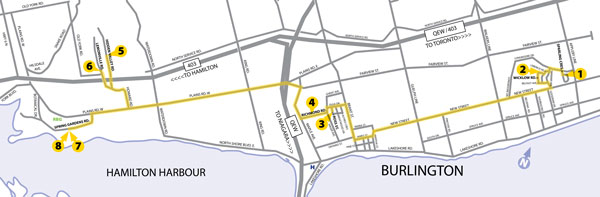 This Studio Tour event is now in its 11th year. There are some of the old standards and at couple of places that might better be given a rest but this is still very much a superb opportunity to get out and see what the city’s arts community has to offer.





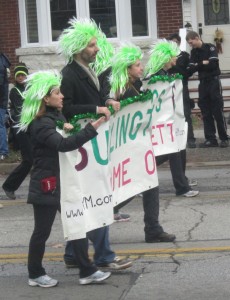



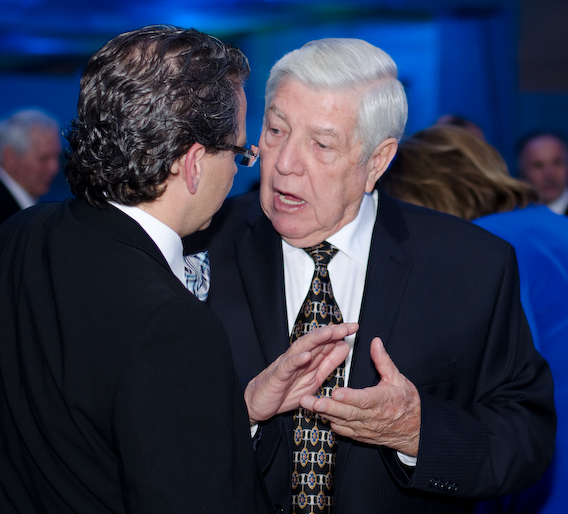
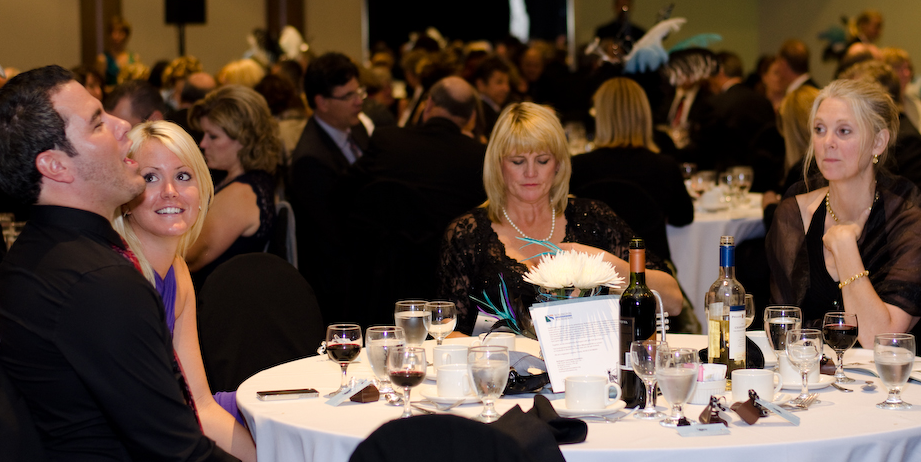












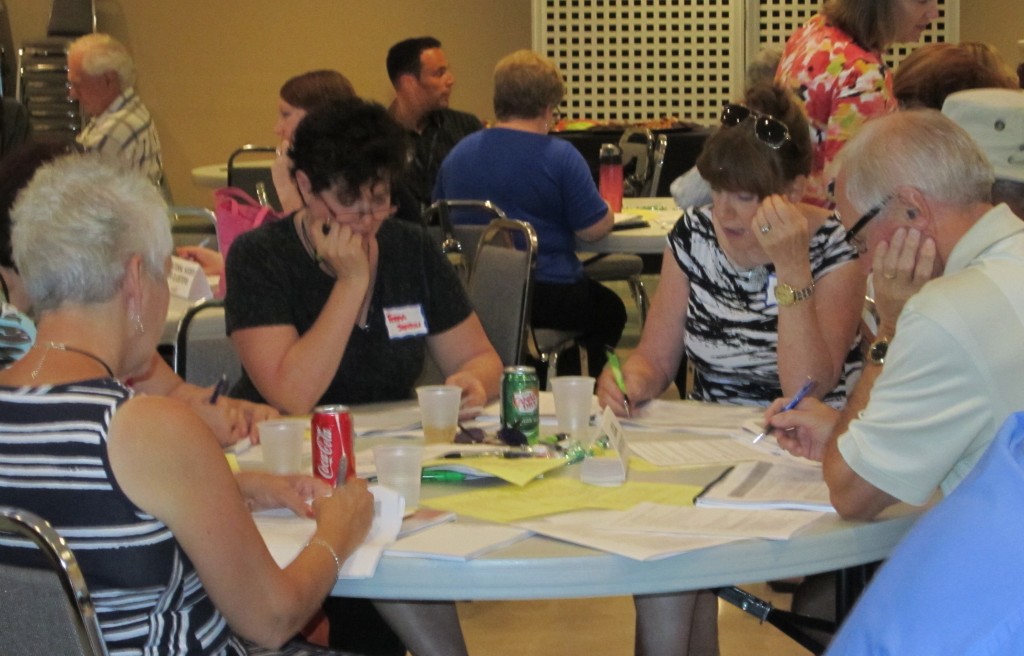
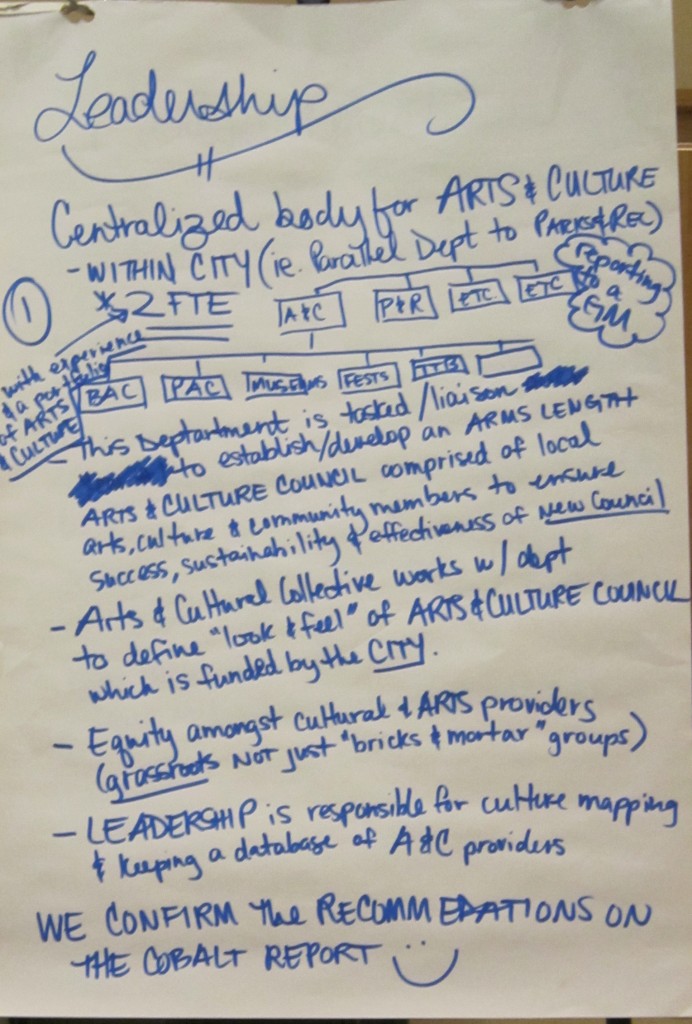



 gh it all. Why position ourselves to have to fight these bugs, when we can utilize and take advantage of their unwanted effects to better our overall health?











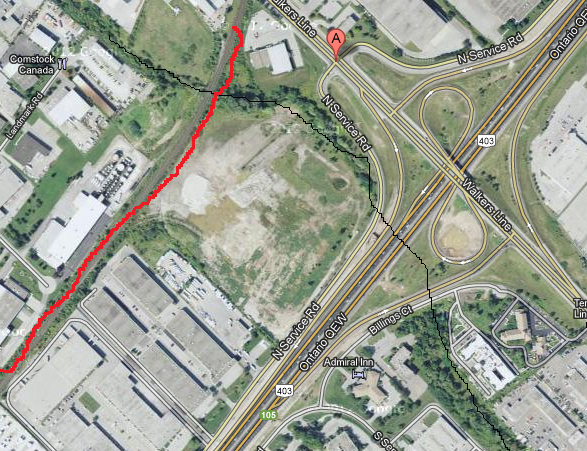
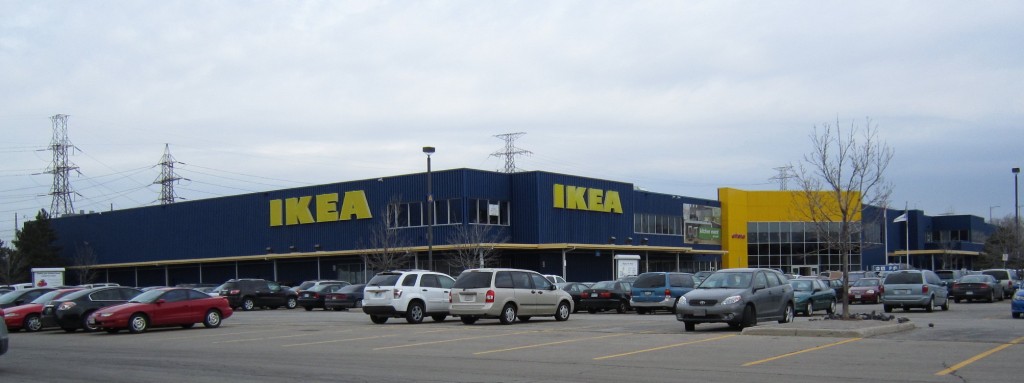
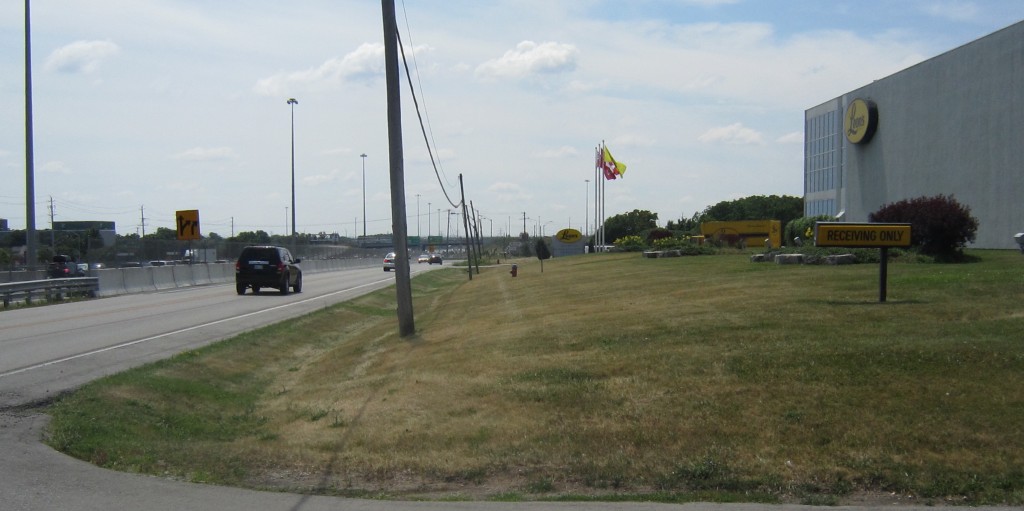


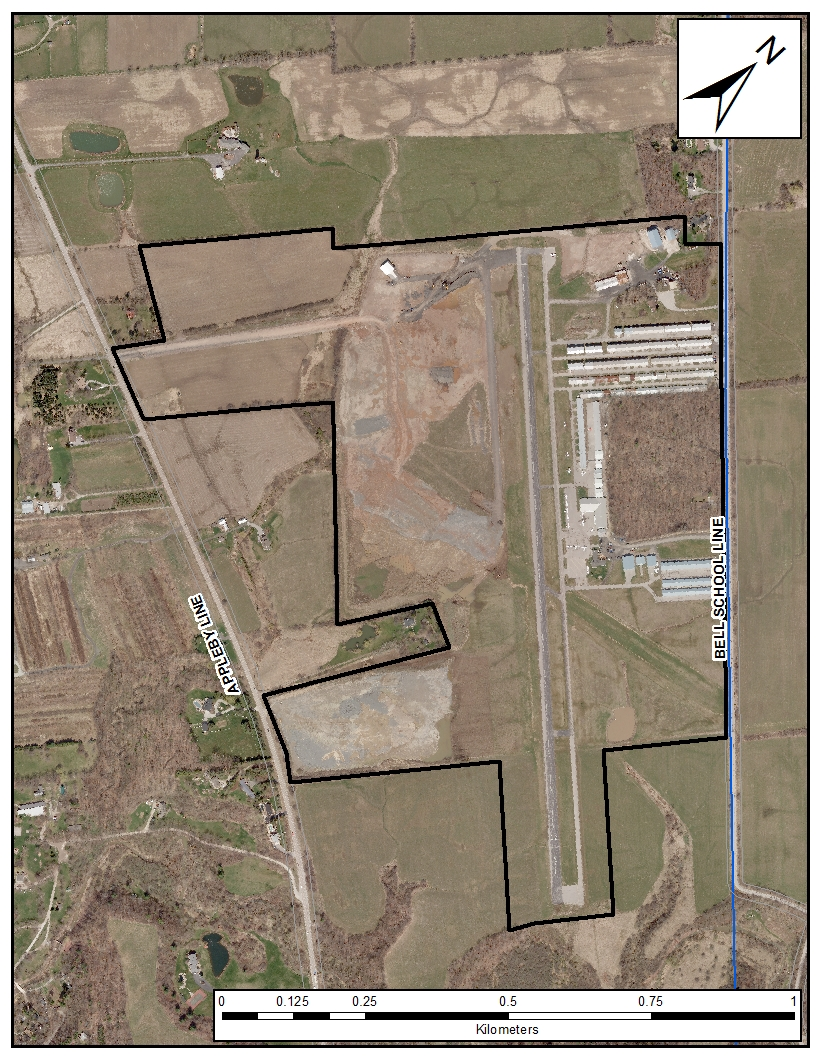


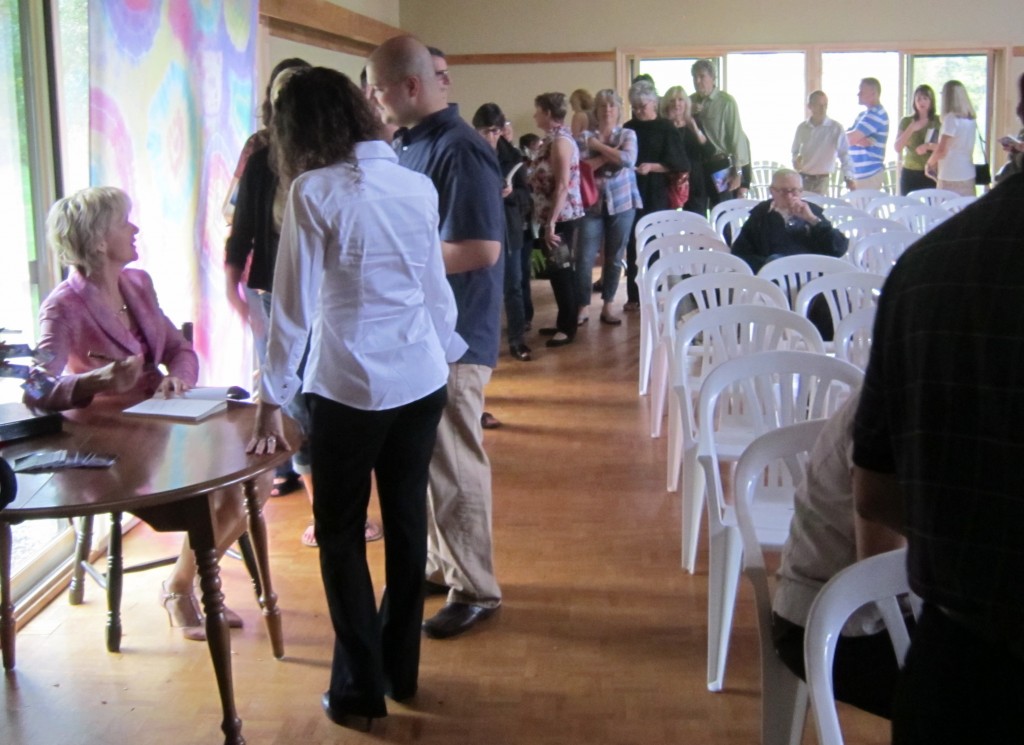




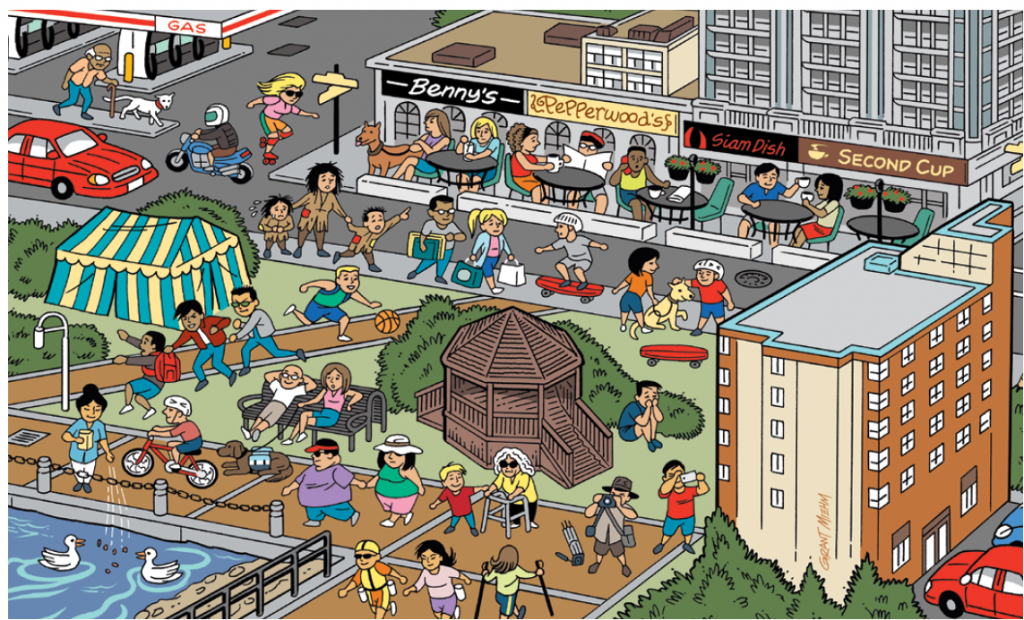
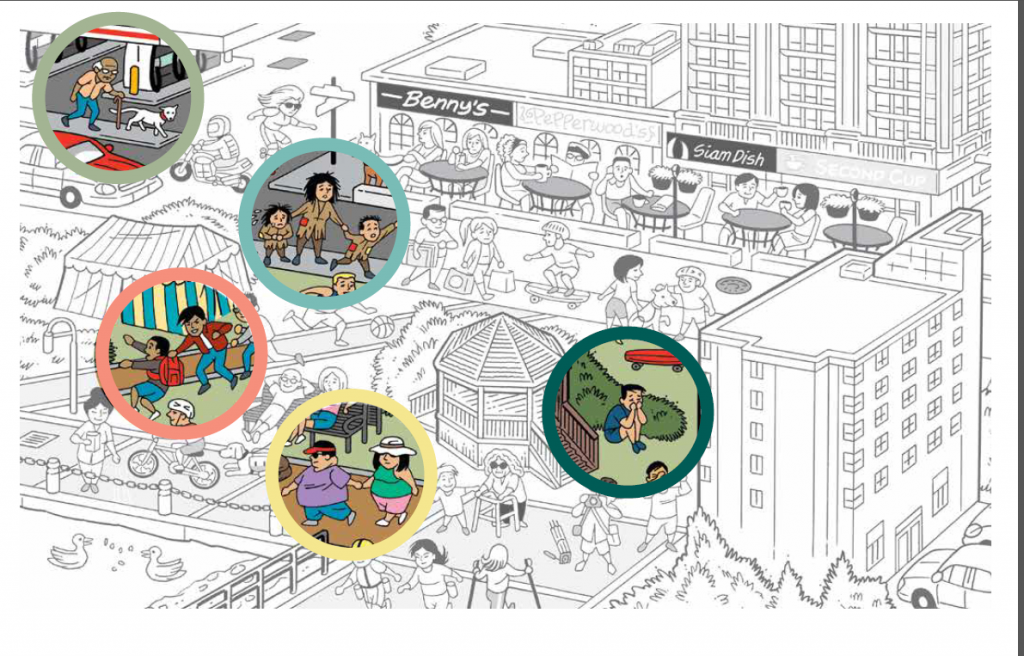
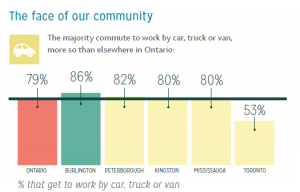
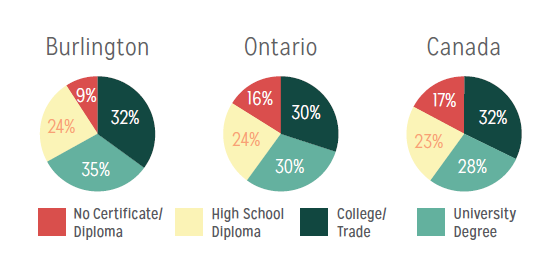
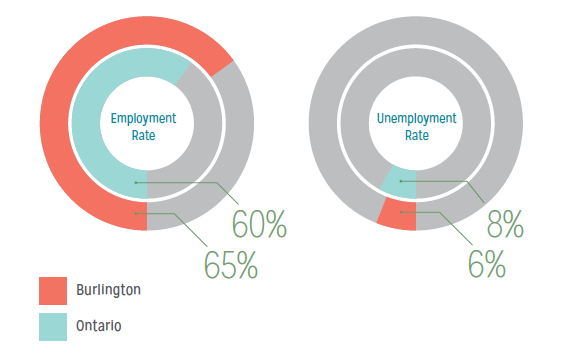

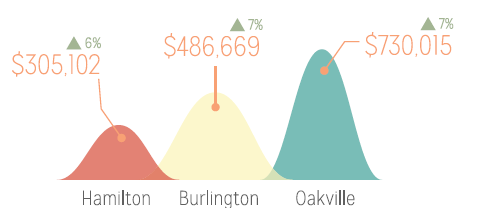
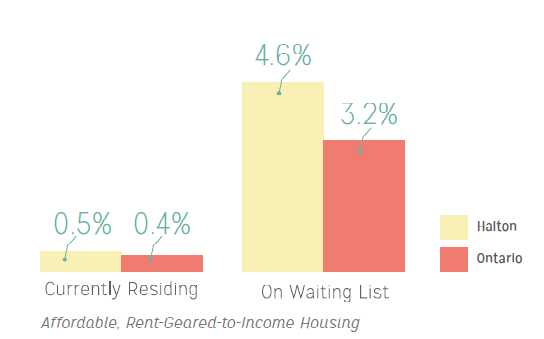
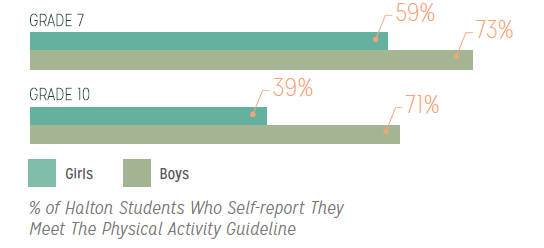
 The Canadian Institute for Health Information tracks the performance of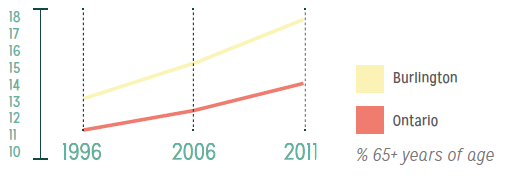

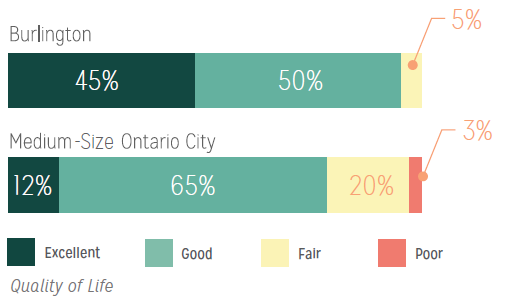
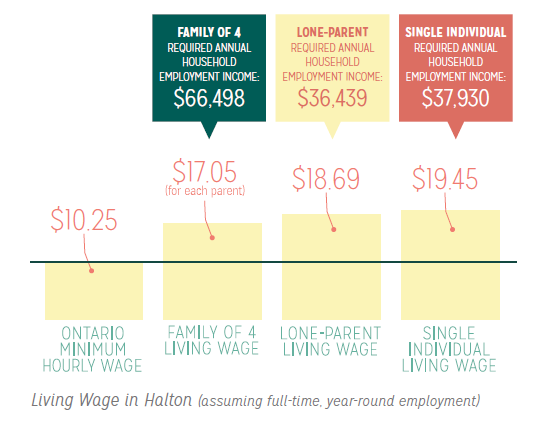
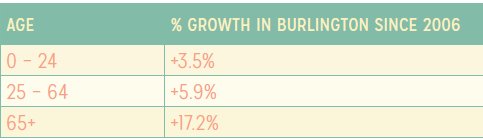
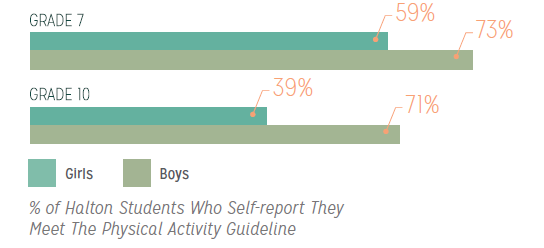
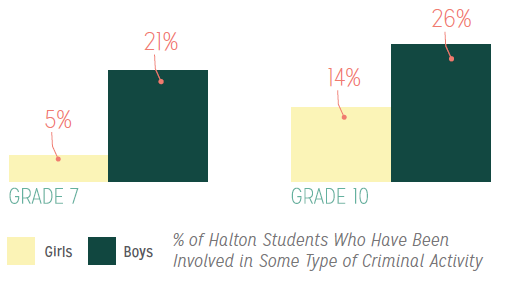
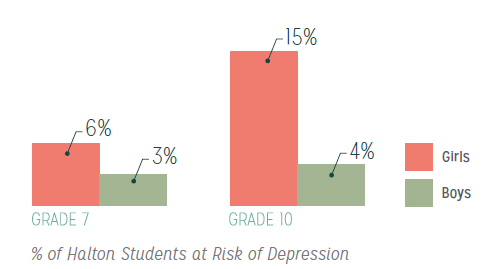


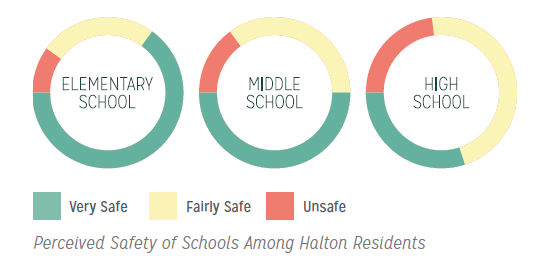





















 .
.