By Hanna Wilson By Hanna Wilson
June 21st, 2026
BURLINGTON, ON
Weddings in Southern Ontario have been taking on a different approach in recent years. Based on the trends we see and follow on social media, couples are increasingly creating wedding events that serve as holistic experiences. It is not just about focusing on one or several elements of the celebration; rather, the goal is to create an organic interconnection between every aspect of the wedding to ensure a sense of fluidity and eliminate any “dead air” or empty gaps.
In this context, every element plays a role—from the color palette, décor, and setting to the couple’s attire, the culinary elements, and—above all—one of the most emotional moments: the couple’s arrival, which plays a fundamental part in the bigger picture. It is this interconnection that makes the difference. If you are reading this article, it is because you are interested in the best practices currently being applied to wedding timeline planning. We are here to help you discover them.
We know that planning your wedding is likely one of the most stressful experiences you will face; we are sharing these tips to help you turn your wedding into a truly unique experience.
The Wedding Itinerary as an “Experience”.
 Make your wedding an experience to be remembered: plan for the event. More couples are turning to professional wedding planners to map out the entire flow of their wedding day. Many planners now refer to this as a “wedding experience itinerary,” a detailed schedule that goes beyond simply listing times and activities. If we add the word “experience” to the equation, then we elevate the concept to a higher level, as it focuses on:
1- Minimizing downtime between key moments to avoid lulls in the celebration.
2- Coordinating photo sessions with natural light to make the most of the setting, whether natural or man-made.
3- Managing guest movement between locations to ensure smooth organization.
4- Guaranteeing a seamless transition between the ceremony and the reception.
Burlington and Oakville are leading the way in this shift.
The growing popularity of venues overlooking Lake Ontario, private estates with natural scenery, and exclusive locations allows for events to unfold in widely diverse settings. It is common to see a traditional ceremony in a Catholic church—or a more modern one in a waterfront garden—followed by a reception in a private banquet hall.
The factor of “mobility”—well understood by local planners—is also crucial; as we know, traffic along the GTA’s western corridor can vary significantly depending on the time of day, the season, and the event’s location. A route that looks short on a map can turn into a delay that disrupts the entire celebration schedule if not properly planned for.
Consequently, couples are paying closer attention than ever to the day’s logistics. The guest experience has become a top priority, as couples realize that the overall impression of a wedding depends not only on décor or the menu but also on comfort, smooth transitions, and the sense that every moment unfolds naturally.
Timing Logistics: The art of coordinating everything without stress.
Planning a perfect wedding in Burlington or Oakville should be considered an art form; it involves far more than simply selecting exceptional vendors. It requires a thorough knowledge of the local geography and the ability to seamlessly manage and time the connections between various locations—mapping out routes, choosing the best schedules, and handling the logistics of moving guests. It means figuring out the fastest ways to travel while avoiding traffic jams and ensuring the day’s timeline runs with maximum efficiency and precision.
Typically, when we envision a wedding, we picture three distinct settings: the “I do” moment by the lake, an editorial-style photo shoot at a private estate, and a sophisticated reception at a dedicated venue. However, it is the transitions between these moments where many itineraries falter; even short-distance travel can pose a massive logistical challenge.
What are the key elements to consider to avoid these stressful situations?
Here are a few crucial ones:
1- Parking capacity and restrictions in busy areas.
2- Logistics for transporting large groups of guests.
3- Tight timeframes for capturing the perfect lighting in photographs.
4- Seasonal traffic fluctuations that can disrupt any schedule.
Planning stress-free transitions means avoiding a sense of rushing when the focus should be on enjoyment. The key lies in designing a logistical plan that works in your favor.
The New Standard in Event Design: Mindful Itineraries in 2026
The evolution of contemporary weddings has moved beyond packed schedules. In 2026, couples recognize that true luxury lies in fluidity, and they are designing their days with deeply realistic time buffers.
Modern planning no longer forces moments; instead, it allows them to coexist in balance. The most successful structures this season rely on three logistical pillars recommended by experts:
- a) Organic transition periods: Strategic pauses between events that eliminate any sense of urgency.
- b) Dedicated logistical blocks: Travel times calculated with ample leeway to safeguard the guest experience.
- a) Balanced pacing: A relaxed rhythm that allows for editorial-style photo sessions without sacrificing the couple’s presence at the reception.
This paradigm shift has transformed the atmosphere of today’s weddings: by mitigating logistical stress, it creates space for both hosts and guests to absorb and enjoy every stage of the day fully.
The Role of Guest Transportation
Almost without realizing it, guest transportation has become a key element of the wedding planning process. Imagine having everything ready for your wedding and then, just as everything is set, you discover that your guests aren’t arriving on time because they are stuck in traffic chaos; while some make it on schedule, others arrive late, throwing off the entire event timeline. What a disaster!
 Arranging group transportation from specific pickup points rather than leaving guests to manage their own travel ensures that people are on time. We recommend arranging group transportation from specific pickup points rather than leaving guests to manage their own travel. It simplifies the journey for guests and spares them the ordeal of the notoriously heavy traffic in the GTA; second—and more importantly—it enables better organization, maximizing attendance and reducing stress, which adds immense value to the overall event experience.
When planning group transportation, the following aspects should be considered:
1- Group transport between the ceremony and the reception
2- Coordination of transfers for out-of-town guests
3- Synchronization of arrival times
4- Ensuring the event proceeds without interruptions
The Psychology of Transportation
To gain expert insight into this aspect, we consulted a company that has been a leader in the wedding limousine business for 25 years. According to Peter Maslanka, CEO of Erin Mills Limousine & Luxury Coaches, there is an inextricable link between guest transportation logistics and the emotional energy of the entire day—a factor often overlooked by couples planning their events.
“The most common mistake when planning a wedding is viewing it merely as an event taking place in beautiful locations, rather than as an integrated system of many moving parts that need room to breathe,” explains Maslanka.
“The day flows effortlessly when transportation runs smoothly; however, we have witnessed how ignoring the schedule can turn a seemingly seamless event into total chaos. When local realities and regional characteristics are disregarded, even the most spectacular event can suddenly feel disjointed and rushed. There is nothing sadder than seeing the frustration or stress on the bride and groom’s faces on their wedding day when things don’t go as they had envisioned.”
To solve the logistical headache of moving large groups without sacrificing style, modern couples are increasingly turning to high-end group transportation solutions.
Based on Erin Mills’ experience, fleet tracking, and booking trends, here are the best options to ensure a smooth transition on the wedding day:
Executive minibuses (24 to 32 passengers): These offer the comfort of a luxury coach but with the agility needed to navigate the streets of Burlington and Oakville easily. They are the ideal choice.
Luxury coaches (up to 45 passengers): Ideal for transporting large groups or out-of-town guests.
Luxury Sprinters: Perfect for transporting smaller groups or immediate family, or for quick transfers for VIP guests; they combine an exclusive design with maximum scheduling flexibility.
Here are some real-life experiences shared by couples online.
On platforms like the r/weddingplanning subreddit, a recurring theme among couples who chose multi-location weddings in the Greater Toronto Area (GTA) is the feeling that their “moment was stolen” due to overly tight schedules.
This is a testimonial from a bride in Oakville whose personal experience perfectly illustrates what we have been discussing throughout this journey:
“We fell in love with a beautiful historic property for our photos, but it was a 25-minute drive from the church. On paper, it seemed like a good idea. In reality, by the time we parked, adjusted my dress, and gathered the wedding party, we only had 15 minutes of actual photo time left before we had to rush off to the reception. Watching the video now, the whole afternoon feels like a blur of us checking our watches and getting in and out of cars. I wish we had considered travel time as just another ‘scene’ of the day, rather than viewing it merely as a gap on a schedule.”
At the other end of the spectrum, we have reviews from couples who opted for more realistic, less rushed timeframes. According to an experience shared on Reddit, a couple from Burlington highlighted the relief of having a well-planned, unhurried day:
“When our wedding planner suggested building in a 45-minute buffer for travel and guest arrivals, we thought it was crazy and worried our guests would get bored; however, the reality was quite the opposite. Our guests arrived at the reception relaxed, with time to grab a drink, socialize, and find their seats without any chaos. We can’t even describe the energy in the air when we made our entrance—it felt like something out of a movie. Everything flowed perfectly.”
If you start viewing your wedding from a cinematic perspective, you will quickly realize that the spaces between key moments matter just as much as the moments themselves; the goal should be to create a fluid, beautiful transition that allows the audience to enjoy the experience.
Conclusion: The True Luxury of a Wedding is Flow
As we have seen, the evolution of weddings—particularly in Southern Ontario—teaches a clear lesson: designing a spectacular event goes beyond choosing the perfect flowers, menu, or attire. The true centerpiece of an unforgettable experience is the peace of mind that comes from knowing time is on your side.
Incorporating photos at various iconic local settings—ranging from natural landscapes to exclusive venues—is a wonderful way to create a memorable day. However, a major pitfall lies in assuming the magic will simply happen on its own during transit; many factors can derail the dream of a perfect experience. The geography and traffic of the GTA’s western corridor are unforgiving to improvised schedules, making detailed planning essential—nothing should be left to chance.
We have also discussed how modern couples are increasingly adopting a “cinematic production” mindset for their weddings. This involves building in intentional “breathing room” and delegating guest transportation to group options like mini-coaches or the ever-popular executive wedding buses. Let’s be honest: this isn’t just another operational expense; it is an investment in the peace of mind you need. It eliminates the friction of hunting for parking, coordinating convoys lost on the QEW, or racing against the setting sun. Most importantly, you are protecting the most valuable asset of your big day: your own ability to enjoy it.
 This is what the day is all about. Plan for it. Experiences shared by other couples on forums and social media demonstrate that the most successful weddings aren’t those that rigidly adhere to a military-style schedule. Instead, they are the ones that flow so naturally, allowing hosts and guests alike to savor every emotion, every glance, and every toast without feeling rushed. Get creative and be bold enough to craft your own “wedding experience itinerary” tailored to your needs; approach it realistically and move with style—allow yourself to truly experience your wedding rather than simply managing it.

By Ron Foxcroft
June 19th, 2026
BURLINGTON, ON
Community leader, Hamilton businessman and co-founder of Carmen’s Banquet Centre Peter Mercanti died Thursday morning.
Losing Peter is very sad, and an enormous loss to his family, his friends and Hamilton.
Peter loved his family, loved his friends, and was passionate about his love for Hamilton and the Tiger Cats.
 Peter Mercanti Peter was warm, outgoing, friendly, dedicated to family , friends, business, and possessed a wonderful sense of humour.
One day about 10 years ago, he said, “My kids are spending so much money, I can’t even afford a haircut.”
So I handed him $20 for a haircut. AND for the next 10 years I sent him $20 once a month so he could get a good haircut!!!!!!!
His kids loved the story of their dad’s $20 haircut. So did Peter.
He will never be forgotten. I will toast wonderful Peter the very next time I am at Carmen’s.
By Gazette Staff
June 19th, 2026
BURLINGTON, ON
“Elections can be surprising things” wrote a Gazette reader “… with results that defy even wise pundits like yourself.”
 Marianne Meed Ward at her 2018 nomination meeting event with Leah Reynolds. “Now that MMW has chosen the crafty, sagacious Leah Reynolds as her campaign manager, it is difficult to imagine how she could lose. Perhaps this time, it will be Leah with her iPad sitting behind Marianne giving her the right answers during the planned Burlington Gazette sponsored debates.
“Of course, if the latter actually happens, I will eat my silk pantaloons.”
Another reader points out how small campaign events happen.
 Lisa Kearns at the Shifra Tea. “Interesting that Lisa was at the Shifra Tea about a week ago and spoke. Mayor Meed Ward was not there. “I have been told that Lisa has been very accommodating in helping Shifra if they needed things. Two days later, a photo-op of MMW being at Shifra was on her Facebook.
Mayor Meed Ward also visited Pearl on Pine retirement home after finding out that Lisa had been there. Perhaps Mayor Meed Ward is running a little scared?
Related news story:
Meed Ward is said to have coached Leah Reynolds during school closure debates
By Gazette Staff
June 19th, 2026
BURLINGTON, ON
The Conservation Halton Foundation made history on June 11, 2026, raising a record-breaking $302,000 at its eighth annual Blue Gala. This year, funds raised will support water-based education and recreation programs for local children in our community, and events like the Halton Children’s Water Festival, which has been attended by more than 50,000 youth since its inception.
Together with the Blue Community campaign (June 13 & 14), where park fees and donations were collected for the Conservation Halton Foundation, the 2026 Blue campaign raised an incredible $345,065.
 Weather was great and the location perfect.  Jim Cuddy performing. Surrounded by the restored natural landscape at Area 8 Conservation Area, over 365 Blue Gala guests had the opportunity to hear from The Honourable Todd McCarthy, Minister of the Environment, Conservation, and Parks; Chandra Sharma, President & CEO, Conservation Halton; and Garner Beckett, Executive Director, Conservation Halton Foundation. One of the highlights of the night was a cozy and entertaining Fireside Chat with Canadian music icon Jim Cuddy hosted by Breakfast Television’s Tim Bolen.
Guests enjoyed incredible cuisine from celebrity chef Chef Corbin before the Jim Cuddy Trio took the stage to close out the evening with an incredible set that had guests dancing in the aisles. Together with strong community support from sponsorships, the Blue Auction and 50/50 raffle helped the Conservation Halton Foundation exceed its event fundraising target.
The Conservation Halton Foundation’s annual Blue gala is the organization’s signature fundraiser. Each year, it shines a light on Conservation Halton’s parks and drives essential funding to support local environmental projects. Thanks to our presenting sponsor Mattamy Homes and the many other sponsors and supporters who contributed to the event. Funds raised will support the blue spaces that contribute to healthy watersheds, and that connect youth with nature through learning and recreation programs.
By Pepper Parr
June 19th, 2026
BURLINGTON, ON
Elections get out of hand at times.
The character of a candidate is what matters most.

The Gazette received information from two women about a month ago. We made the information available to the candidate without revealing any names.
We pointed out to one of the women that we could be sued for defamation. Her response: “He won’t sue,he doesn’t have any money.”
This is a story that has legs.
By Gazette Staff
June 19th, 2026
BURLINGTON, ON
Recent immigrants to Canada are increasingly becoming homeowners, with new data from Statistics Canada showing that homeownership rose between 2018 to 2021, even as rates declined among Canadian-born individuals.
The findings, released Tuesday by StatCan, examined how immigrants admitted as permanent residents between 2017 to 2021 progressed toward homeownership in their first five years after arriving in Canada.
The report analyzed homeowners across seven provinces and found that newcomers are entering the housing market faster than previous cohorts, despite rising prices and affordability challenges.
 Most immigrants begin by renting, building credit histories and increasing their earnings before purchasing homes. In Ontario, the homeownership rate among immigrants in their fifth year after admission climbed from 35.7 per cent in 2018 to 40.2 per cent in 2021.
During the same period, the rate among Canadian-born residents aged 25 to 54 fell from 50.7 per cent to 47.8 per cent.
The study found that the time spent in Canada plays a critical role. Most immigrants begin by renting, building credit histories and increasing their earnings before purchasing homes.
By their fifth year in Canada, economic class immigrants had ownership rates approaching those of Canadian-born residents. In British Columbia, for example, economic immigrants recorded a homeownership rate of 40.1 per cent, compared with 43.3 per cent among Canadian-born residents.
Regional differences also emerged, as recent immigrants in the Maritime provinces and Manitoba had homeownerships rates comparable to those of Canadian-born residents, while newcomers in Ontario, Alberta and B.C. continued to lag behind, reflecting higher housing costs in those provinces.
The study found that more than 85 per cent of immigrants who owned homes during their first year as permanent residents had already spent time in Canada as international students, temporary foreign workers or asylum claimants, before obtaining permanent residency.
Homeownership patterns also varied by immigration class and place of birth. Economic-class immigrants posted the highest ownership rates, followed by family-sponsored immigrants, while refugees had the lowest rates.
Among regions of origin, immigrants from East Asia recorded some of the highest homeownership levels in Ontario, Alberta and B.C.
Despite achieving homeownership, recent immigrants often faced greater financial strain. First-time immigrant homebuyers generally earned lower incomes than Canadian-born buyers, but purchased more expensive properties.
In B.C., the median home purchase price for recent immigrants reached $660,000, compared with $580,000 for Canadian-born buyers.
 StatsCan report suggests many newcomers rely on larger mortgages and prioritize home equity over retirement savings. The report suggests many newcomers rely on larger mortgages and prioritize home equity over retirement savings. Recent immigrant buyers were significantly less likely to contribute to Registered Retirement Savings Plans (RRSPs) in the year they purchased a home.
The study concluded that while homeownership remains a key role indicator of economic integration, recent immigrants may be more financially exposed to fluctuations in housing markets, due to higher debts levels and lower retirement savings.
By Gazette Staff
June 19th, 2026
BURLINGTON, ON
The Annual Summer Parade.
 The summer parade couldn’t be much further away from the music event taking place at Spencer Smith Park. For the longest time, it was the event that heralded what was then the Sound of Music.
City Council was determined that there be a parade but MRGLive wasn’t all that keen on the idea and they weren’t prepared to pick up any of the costs.
Nevertheless, there will be a parade that takes place on Saturday June 20th – starts at 9:30 way up at Teen Tour Band Way.
 Mayor Meed Ward was committed to the parade, Councillor Sharman wanted to see it march along the Naval Promenade – that would have conflicted with what Lakeshore Music & Arts Festival plans. Expect to see that route lined with Food Trucks. Mayor Meed Ward was committed to the parade, Councillor Sharman wanted to see it march along the Naval Promenade – that would have conflicted with what Lakeshore Music & Arts Festival plans. Expect to see that route lined with Food Trucks.
MRGLive is the organization that is presenting the Festival. They operate a number of events across Canada, most of which are in BC.
By Gazette Staff
June 19th, 2026
BURLINGTON, ON
They are getting even more devious.
The most recent scam that came to our attention is something reputed to be from the Canada Revenue Agency (CRA).
 If you responded to a notice like this, you took the first step to giving these scammers access to your personal confidential information. When you see an email address that doesn’t look right, do your self a favout – don’t respond.
Look carefully at that address: docshared-publisher@crmail.com
Phonier than a $2.bill, which Canada doesn’t issue anymore. Many people are watching for their tax return assessment and might think this is that document.
Revenue Canada doesn’t send information that way.
They have a secure web site that yo register at and create your password
Canada Revenue Agency (CRA) <docshared-publisher@crmail.com>
By Gazette Staff
June 18th, 2026
BURLINGTON, ON
The development of this budget was guided by the HDSB’s 2024-2028 Multi-Year Strategic Plan and informed by extensive input from students, families, staff and community members. Their contributions reinforced the critical need to maintain the programs and services that enable students to thrive.
In the 2026-2027 school year, these investments will directly support more than 64,500 students and 6,500 (full-time equivalent) staff in 92 elementary schools, 16 secondary schools and five continuing education centres across the region.
 Curtis Enns: Chief Executive Officer HDSB “This budget is presented within the context of the remarkable achievements of our students and staff,” says Curtis Ennis, Chief Executive Officer of the HDSB. “Across the HDSB, students are excelling in academics, athletics, the arts and skilled trades, with rising graduation rates and success in post-secondary pathways. This environment of excellence is fostered by our dedicated educators and staff.”
“To achieve a balanced budget that meets financial obligations, the HDSB navigated a challenging financial landscape. The process began with a baseline deficit of $7.1 million, which was further impacted by a projected decline in student enrolment which resulted in a reduction of funding and anticipated increases in operating costs. Through diligent planning, the HDSB closed this gap by successfully identifying $16.9 million in total savings, efficiencies and new revenue opportunities. This process required careful decision-making to align spending with funding and Ministry requirements, all while maintaining a commitment to direct 98% of funding directly toward student success.
“Our responsibility remains to invest thoughtfully in the learning experiences and supports that enable students to succeed,” continues Ennis. “The 2026-2027 budget is a balanced budget that meets our financial obligations. At the same time, we recognize that achieving balance has required difficult decisions”.
By Pepper Parr
June 18th, 2026
BURLINGTON, ON
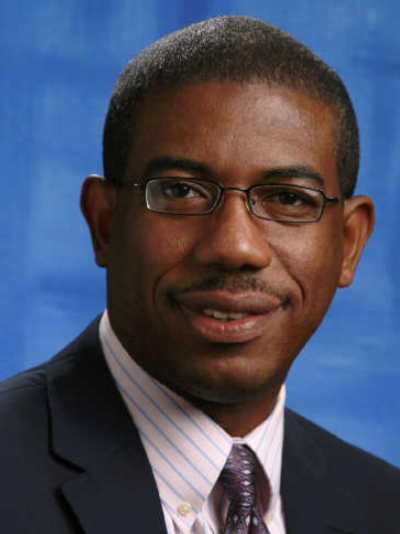
 Things did not go that well for Rory Nisan, who showed up at the Oakville Film Festival wearing his suit with a tie, expecting to get a moment at the podium. Things did not go that well for Rory Nisan, who showed up at the Oakville Film Festival wearing his suit with a tie, expecting to get a moment at the podium.
MP Effie Triantafilopoulos and MPP Natalie Pierre go their couple of minutes.
 Ward 3 Councillor Rory Nisan. Wants to be Mayor. Mayor Meed Ward attended virtually and said her thing.
All Rory got was a mention and a chance to stand up and wave from his seat.
He didn’t stay for much of the OFFA presentation.
Nisan is in full get elected mode these days.
By Peppa Adler
June 18th, 2026
BURLINGTON, ON
Ontario is the clearest answer in Canada for anyone asking whether online casino legal play exists under provincial rules. The short answer is yes, online gambling in Ontario is legal when the site is regulated through Ontario’s framework, and the player is at least 19.

Canada’s Criminal Code sets the national baseline, but provinces control online casino legal gambling schemes, including casinos, lotteries, and internet gaming. That split explains why online casino Ontario rules differ from those of other provinces. This 2026 guide explains Ontario gambling laws, how iGaming Ontario works, how to identify AGCO licensed casinos, and what the online casino legal status means for Burlington and wider Ontario players.
How Gambling is Regulated in Canada vs. Ontario
 If a gambling site has this logo it is regulated by the province of Ontario . Gambling in Canada operates through federal permission and provincial control. The Criminal Code generally prohibits gaming and betting unless an online casino legal exception applies. Section 207 allows provincial governments to conduct and manage lottery schemes, which is the legal foundation for many casino, lottery, and betting products. In practical terms, is gambling legal in Canada depends on whether the activity is run or licensed under provincial authority. Unlicensed commercial gambling remains the problem. Casual players are not the main target of the law.
The Federal Criminal Code: The Baseline
The Criminal Code answers several common questions at once: is gambling illegal, is gambling illegal in Canada, and what is illegal gambling in Canada. Gambling is not illegal by itself, but running a gambling business outside the online casino legal exceptions can be. The federal framework leaves room for provinces to decide what legal gambling looks like inside their borders.
Why the Provinces Set the Rules
Canada does not have one national online casino regulator. Each province decides which products are offered, who can operate, and what minimum age applies. That is why Canada online gambling laws, gambling laws Canada, and online casino Canada legal rules must always be read through the province where the player is located.
iGaming Ontario and the AGCO
Ontario went further than any other province by opening a competitive internet gaming market on April 4, 2022. Operators must be registered by the Alcohol and Gaming Commission of Ontario and have an operating agreement with iGaming Ontario before serving players in the regulated market. The AGCO sets and enforces standards. iGaming Ontario contracts with operators. Together, they define the online casino legal route in Ontario.
Legal Online Casinos in Ontario
Not every casino site visible to a Burlington player is regulated in Ontario. The online casino legal difference comes down to licensing and oversight. Players comparing options can use resources such as onlinecasinoincanada.com while still checking the official iGaming Ontario directory before depositing. Ontario’s regulated list showed 44 operators and 78 gaming websites as of June 8, 2026.
Licensed Regulated Sites vs. Offshore Sites
 A licensed Ontario site is registered with the AGCO and contracted with iGaming Ontario. That gives players provincial standards for fairness, advertising, safer gambling tools, and complaint pathways. Offshore sites may hold licenses elsewhere, but they are outside Ontario’s system. For online casino legal protection, an Ontario-regulated operator is the safer benchmark. A licensed Ontario site is registered with the AGCO and contracted with iGaming Ontario. That gives players provincial standards for fairness, advertising, safer gambling tools, and complaint pathways. Offshore sites may hold licenses elsewhere, but they are outside Ontario’s system. For online casino legal protection, an Ontario-regulated operator is the safer benchmark.
How to Check a Site is AGCO-licensed
Use this quick check before treating any online casino legal claim as reliable.
| Check |
What to confirm |
| iGaming Ontario wording |
The site says it is regulated in Ontario |
| AGCO status |
The operator appears in the official register or the iGO directory |
| Age gate |
Ontario players must be checked as 19+ |
| Bonus language |
Promotions do not hide licensing details |
The AGCO states that operators and suppliers are registered through its internet gaming process, while iGaming Ontario publishes the regulated operator directory.
Legal Gambling Age in Ontario and Across Canada
The age required to legally gamble in Ontario casinos and online casinos is 19 years old. This is the age of importance based on the location of the individual. It is illegal in Ontario for someone under the age of 19 years old to be in a gambling venue or casino.
In Ontario, legal online gambling for residents begins at age 19, irrespective of the platform from which they play, be it a casino site, their mobile device, or computer.
Do You Pay Tax on Gambling Winnings in Canada?
 Gambling wins fall into the non-taxable category. For the average gambler, gambling wins are not considered taxable income in Canada. This is because gambling wins fall into the non-taxable category, along with other lottery wins, according to the Canada Revenue Agency. As such, an amateur gambler in Ontario who wins the jackpot will retain the entire amount.
There are two important limits. First, a person who gambles as a business may face a different tax result if the activity is organized, systematic, profit-driven, and functions as a source of income. Second, income earned after the win can be taxable. If a player places a large payout in an interest-bearing account, the interest is ordinary taxable income, even though the original gambling win is not.
| Situation |
Typical tax result |
| Casual casino win |
Not taxed |
| Lottery prize |
Not taxed |
| Professional gambling business |
May be taxable |
| Interest earned on winnings |
Taxable |
This is general information, not tax advice. For unusual or high-value circumstances, speak with a qualified accountant or the CRA.
Responsible Gambling Resources
 The online casino legal industry is intended for entertainment, not profit-making. The online casino legal industry is intended for entertainment, not profit-making. Legally licensed operators from Ontario have the duty to offer more secure gambling control, while the AGCO directs users to services such as the BetGuard self-exclusion and ConnexOntario service. ConnexOntario provides free, anonymous, and 24/7 help with regards to gambling and other matters. The Responsible Gambling Council is a non-profit organization in Canada dedicated to problem gambling prevention.
| Resource |
What it offers |
| ConnexOntario |
24/7 confidential gambling support |
| Responsible Gambling Council |
Research, tools, and prevention resources |
| BetGuard |
Self-exclusion from regulated Ontario online gambling |
| Gamblers Anonymous |
Peer meetings and recovery support |
If a casino hides deposit limits, time-outs, or self-exclusion tools, treat that as a warning sign.
FAQ
Is online gambling legal in Ontario?
Yes. Ontario residents aged 19 and over can play through operators registered with the AGCO and contracted with iGaming Ontario. That is the strongest online casino legal route in the province.
Are offshore casinos legal for Ontario players?
Offshore casinos are not regulated by Ontario. A player may be able to access them, but the online casino legal protections are weaker because Ontario’s standards, complaint process, and operator controls may not apply.
What is the legal gambling age in Ontario?
Both online and offline, it is 19. The age requirement depends on the province in which you reside, not the location of the website.
Do I have to pay tax on my casino winnings in Canada?
Casino winners generally do not pay tax on their gambling winnings. Gambling winnings that earn the individual an income would be taxed.
By Elsa Freadburgh
June 18th, 2026
BURLINGTON, ON
Online table layouts are often more complicated than they first appear, especially once side bet displays are added to the standard setup. In the midst of all these features, Golisimo Casino offers a clear example where side bet options blend with traditional game formats. On Golisimo Casino, side bets attract interest by adding choices and information, but they also change how players experience the flow and focus of the table.
For many players, blackjack and baccarat are classic games that appeal because their rules and pacing remain consistent across sessions. However, digital platforms can transform familiar table games by introducing screen space for extra wagers that physical tables rarely display. These side bets give players more to do, not just by multiplying potential outcomes but by overlaying new betting spots, trackers, and result panels across the play area. Understanding how these additions work highlights why even a simple round can feel visually and mentally richer when the game is played online instead of at a casino in person.
 Side bet potential? What side bets add to a table
Side bets allow gamblers to place optional wagers beyond the main game result, offering payouts for certain combinations, patterns, or quirky outcomes unrelated to the core rules. In blackjack, their possibilities might include pairs, suited cards, or sequences among the first few dealt, all of which come with unique odds and consequences. When it comes to baccarat, side wagers often spotlight conditions like tie bets, specific winning margins, totals, or rare card events, each displayed around the edges of the main layout. These add-ons make each hand capable of generating multiple win/loss outcomes per round instead of the simple binary of the main wager.
The additional bets are accompanied by separate payout lists, labeled betting circles, and sometimes elaborate trackers or pop-up details. On Golisimo Casino, increasing the volume of visible options can make the table feel more crowded and detail-dense, even before play begins. Players get a visually busier setup, needing to read through rules and odds and process more information each hand. While this provides appeal for those seeking layers and variety, it also means that following the flow of the main game now requires filtering through much more on-screen stimulus than in a simpler, more traditional setting.
How they change the rhythm of online play
Each new side bet on a table brings an extra phase to the betting process, requiring decisions before the hand even starts and occasionally presenting reminders or banners after cards are dealt. On platforms like this one, players are prompted to place these extra wagers before the main deal, which extends the decision-making period for every round. This little pause increases the time needed to set up for each hand, as well as the attention required to check each choice. Once dealing begins, each side bet is resolved independently, adding new pop-ups, animations, or results banners with every hand, which means more information arrives in bursts rather than as a single outcome.
This effect is amplified by interfaces that display stacked notices for side bet results, consolidate expanded information panels, or visibly highlight when any additional condition has paid out. On Golisimo Casino, these tools make every bet’s outcome clear, but they also make each round busier both visually and mentally. Because attention is split between different areas of the table, the main action sometimes feels less central or even delayed by flashes of side bet wins or losses. Over time, players experience a rhythm with extra checkpoints per hand, creating a more complex flow that stands out from classic single-result tables.
Recognizing a table’s complexity from the layout
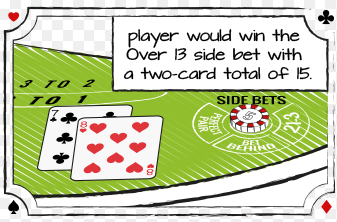
 When side bets are abundant, you will typically see more colored or labelled betting circles, additional panels describing rules, and records of previous side bet hits around the screen. This design strategy instantly makes the play area feel fuller and more complex, crowding the focal point traditionally reserved for the main game. Simpler table layouts, by contrast, limit extra markings and keep the center of visual gravity strictly on the main wagers, which helps sustain clarity and ease of focus even when multiple players are at the table. Looking for these visual markers is often the easiest way to tell whether a table promises a straightforward or multi-layered experience before you commit to playing there. When side bets are abundant, you will typically see more colored or labelled betting circles, additional panels describing rules, and records of previous side bet hits around the screen. This design strategy instantly makes the play area feel fuller and more complex, crowding the focal point traditionally reserved for the main game. Simpler table layouts, by contrast, limit extra markings and keep the center of visual gravity strictly on the main wagers, which helps sustain clarity and ease of focus even when multiple players are at the table. Looking for these visual markers is often the easiest way to tell whether a table promises a straightforward or multi-layered experience before you commit to playing there.
The way these elements are animated or highlighted affects the perceived busyness as much as the number of wagers themselves, with pop-ups, banners, and moving notifications sometimes taking center stage during or between hands. On Golisimo Casino, the variety of display styles for side bet outcomes means even fast tables can appear full of action, based on how those results are communicated. If you notice your eyes constantly shifting to catch new labels, results, or messages, it is often the side bets—and their presentation style—at work. Observing these interface cues provides a quick way to gauge table complexity and anticipate just how lively your game session may feel, long before the cards are dealt.
By Pepper Parr
June 18th, 2026
BURLINGTON, ON
Indigenous Service Minister Mandy Gull-Masty’s announcement on the First Nation’s clean water bill.
 The federal government tabled the long awaited First Nations Clean Water Act on Tuesday, reviving a piece of legislation that died on paper when parliament prorogued last year. The federal government tabled the long awaited First Nations Clean Water Act on Tuesday, reviving a piece of legislation that died on paper when parliament prorogued last year.
The bill’s predecessor, Bill C-61, included a clause “recognizing and affirming that it is a human right of every individual on First Nations land to have access to clean and safe drinking water.”
The version tabled by the Carney government drops the explicit mention of rights, and instead promises to advance “the progressive realization of the internationally recognized human right to safe drinking water on First Nation lands.”
The new bill would establish legally enforceable protections for safe drinking water on First Nation lands, with the stated goal of bringing service levels in line with those in non-Indigenous communities.
Asked to explain why explicit reference to access as a human right was dropped, Indigenous Services Minister Mandy Gull-Masty said it was about presenting a bill that could withstand the test of time.
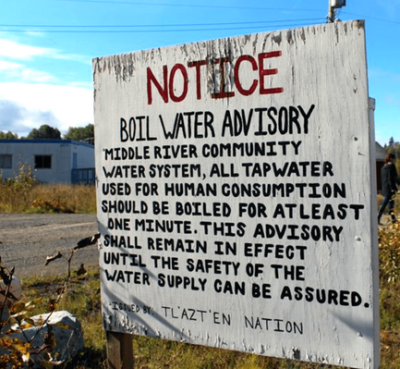
 What the federal government has allowed to take place is criminal. This is long past due. What the federal government has allowed to take place is criminal. This is long past due.
There are currently 38 active long-term drinking water advisories in Canada. In addition to these, there are dozens of short-term advisories that frequently fluctuate.
By Gazette Staff
June 18th, 2026
BURLINGTON, ON
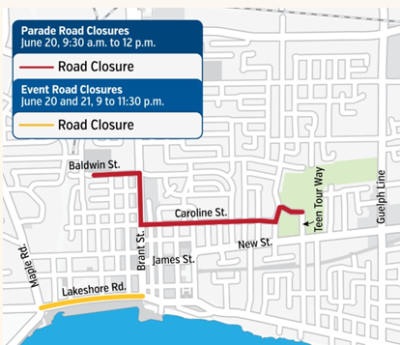
Lane Closures & Restrictions – 8:30 to 10:30 a.m.
- Teen Tour Way, from New Street to Drury Lane will have the westbound lane closed.
 Road Closures – 9:30 to 11:30 a.m. Road Closures – 9:30 to 11:30 a.m.
- Drury Lane from Caroline Street to Teen Tour Way
- Caroline Street from Drury Lane to Brant Street
- Brant Street from Caroline Street to Baldwin Street
- Road Closures – 10 a.m. to noon
- Baldwin Street from Brant Street to Hurd Avenue
These roads will reopen shortly after the parade passes the areas:
Lakeshore Music and Arts Festival
Saturday, June 20 and Sunday, June 21, 2026
 Road Closures – 9 to 11:30 p.m. Road Closures – 9 to 11:30 p.m.
- Lakeshore Road from Elizabeth Street to Maple Avenue
The roads will reopen shortly after the attendees exit the event.
Resident Access
Please be prepared for delays and plan accordingly.
For the most unrestricted vehicle access during the race, please park on a side street outside of the closure so that you may exit the area and avoid the road closure entirely.
Traffic Supervision
This event has road closures for pedestrian access and vehicle use will therefore be restricted and managed under the supervision of the Halton Regional Police Service.
Emergency vehicle and personnel access is maintained at all times during road closures.
 Parking Restrictions Posted Parking Restrictions Posted
Temporary Parking restrictions will be posted to ensure clearance for emergency vehicle access and traffic flow. All parking restrictions will be enforced.
Burlington Transit Delays and Information
Road Closure Feedback
City of Burlington, 905-335-7777, ext. 7704 or festivalsandevents@burlington.ca
By Gazette Staff
June 17th, 2026
BURLINGTON, ON
With so much going on in the city on Father’s Day Weekend the idea of getting out of town and enjoying Free Fishing
Fish for free across Ontario on June 20 and 21
This Father’s Day weekend, Ontario is inviting families to reel in some fun and enjoy the outdoors together for free. On June 20 and 21, Canadian residents can fish in Ontario without purchasing a licence or Outdoors Card.
 The most contemplative sport you can imagine. It’s between you and that catch. “Some of the best memories are made out on the water,” said Mike Harris, Minister of Natural Resources. “Father’s Day weekend is a great chance to cast a line for the first time, or rediscover the joy of it, while getting out to enjoy Ontario’s beautiful outdoors.”
Recreational fishing is a key part of Ontario’s economy, supporting local tourism and jobs in communities across the province. Free fishing opportunities like Father’s Day weekend provide a chance for people to learn more about fishing on Ontario’s lakes and rivers.
If you are fishing for free during the Father’s Day weekend, all conservation licence catch and size limits, fishing sanctuaries and other fishing regulations still apply.
Quick Facts
This weekend marks the third of four free-fishing periods in Ontario this year. The remaining dates are during Family Fishing Week (June 27–July 5).
 Teach your kids how to catch fish and how to prepare them for cooking. And then cook that fish on an open air fire pit. For beginners, Ontario offers loans of rods and reels for free through the TackleShare program, in‑person Learn to Fish programs as well as an online Learn to Fish Guide to help new anglers get started.
1.16 million anglers spend $2.4 billion per year on recreational fishing in Ontario.Canadian residents participating in free fishing periods must carry identification issued by the provincial or federal government, showing their name and date of birth.Outside of free fishing periods, most people between the ages of 18 and 64 must have an Outdoors Card and a licence to fish. All veterans and active Canadian Armed Forces members residing in Ontario can enjoy free recreational fishing in the province, whenever and wherever fishing is allowed.
Ontario fishing licences can be purchased online at HuntAndFishOntario.com. If buying online, always look for the Ontario logo. Licences can also be purchased in person at participating ServiceOntario or authorized licence issuer locations.
By Gazette Staff
June 17th, 2026
BURLINGTON, ON
The Performing Arts people were a litte slow in getting this one out the door.
Bands from navy stations HMCS Stadacona and HMCS Naden will be on the BPAC Main Theatre stage for a seventy five minute concert.
Admission is FREE!

 The flag is referred to as the White Ensign. Bringing together musicians from Halifax and Victoria, this concert unites members of the Royal Canadian Navy’s Stadacona and Naden Bands for a rare joint performance.
Audiences can expect a dynamic and moving program showcasing Canadian music, featured soloists, and selections that reflect the proud traditions and evolving sound of Canada’s navy bands.
Performed by the country’s finest military musicians, this special evening highlights collective artistry and a shared commitment to honouring service.
An opportunity to hear the shared musical voice of the Royal Canadian Navy.
By Gazette Staff
June 17th, 2026
BURLINGTON, ON
Burlington will celebrate Canada Day at Spencer Smith Park with a full day of free family-friendly entertainment, community activities and waterfront celebrations.
 When it matters: Canadians show up.  Visitors can enjoy a vibrant Kids Zone, local marketplace vendors, food offerings and live performances throughout the day. The official opening ceremony, led by Burlington’s Junior Redcoats, takes place at 4 p.m. Visitors can enjoy a vibrant Kids Zone, local marketplace vendors, food offerings and live performances throughout the day. The official opening ceremony, led by Burlington’s Junior Redcoats, takes place at 4 p.m.
The celebration concludes with live music, a synchronized drone light show and a fireworks display over Lake Ontario.
Event Highlights:
- 8:30 a.m. – Canada Day Run (pre-registration required)
- 9 – 11 a.m. – Pancake Breakfast courtesy of Burlington Lakeshore Rotary Club
- 11 a.m. – Free Yoga in the Park
- 11 a.m. to 4 p.m. –Family entertainment including Lexy the Rap Dad and SuperDogs shows
- Noon to 10 p.m. – Food and marketplace vendors
- 4 p.m. – Opening ceremonies
- 5 – 9:30 p.m. live performances with Hayley Verall, and Ol Child and more!
- Dusk, approx. 9:40 p.m. – Drone light show and fireworks finale
Event details and schedule are subject to change.
This project is funded in part by the Government of Canada
Getting There
Attendees are encouraged to plan for delays when leaving the downtown area following the fireworks and to consider walking, cycling, taking transit or using the free shuttle service. Burlington Transit will be free on Canada Day and will operate on a Saturday schedule.
Based on feedback from last year, shuttle service including pick-up and drop-off locations have been adjusted to improve traffic flow and reduce wait times.
Free Canada Day shuttles will run from the south side of the Burlington GO station, beginning at noon, providing continuous service to downtown at Lakeshore Road and Brock Avenue until approximately 11:30 p.m.
Due to the closure of Lakeshore Road at night for pedestrian safety, a Ride Share pick-up area has been designated near 2084 Old Lakeshore Rd.
Visitors to the event are encouraged to plan ahead, as parking in the downtown area will be at peak capacity. The parking lot closest to the playground and splash pad will be reserved for accessible parking permit holders.
Volunteers Needed
The City is seeking volunteers aged 14 and older to support the event. To learn more about the roles and to apply, visit Burlington.ca/Volunteer. Canada Day volunteer applications close June 19.
For more information on the Canada Day event, please visit Burlington.ca/CanadaDay.
By Pepper Parr
June 17th, 2026
BURLINGTON, ON
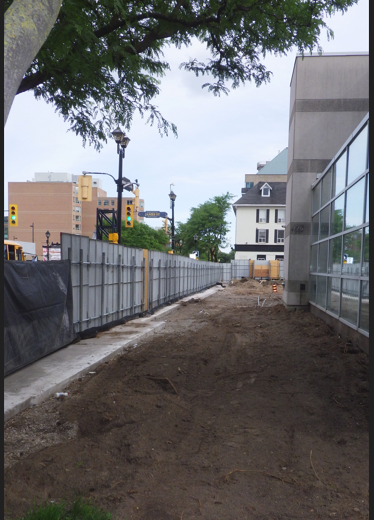
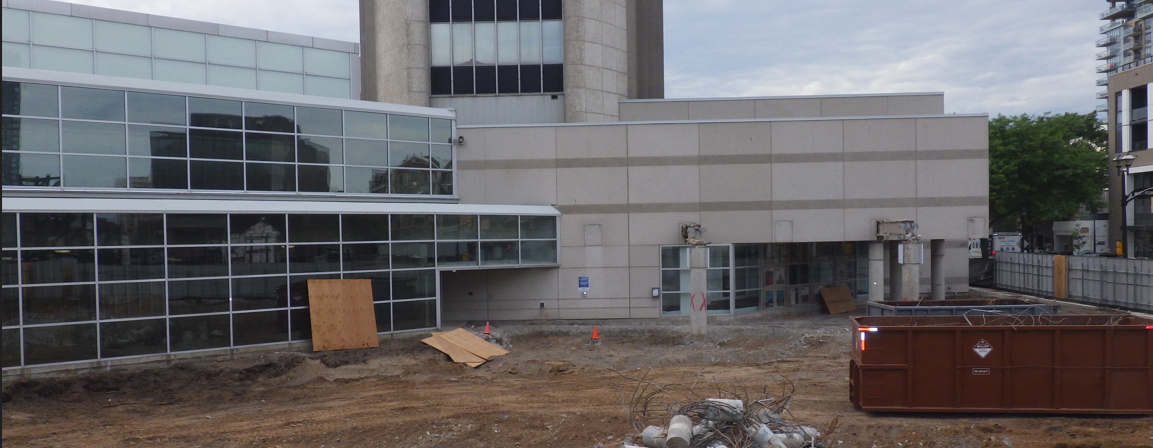
Civic Square has construction hoardings around the site as the space goes through a rebuild and a new entrance to City Hall is built.
 The Brant Street side of Civic Square.  Construction crews are tearing out the fountain and much of the uneven surface
At this point, it is mostly a tearing apart of what existed. The fountain is gone. The clock has been put into storage until its new location is ready.
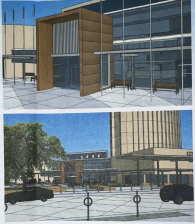
 The brown covering above the entrance doors doesn’t look particularly inviting. Why do municipal buildings always look so drab? The rendering of the site that appeared in City Talk gives you an idea of what the new Civic Square will look like. The flag poles will be on both sides of the new entrance.
The $7.8-million renewal project of the Burlington Civic Square and Brant Streetscape is jointly funded across three levels of government.
- Federal Government: Over $1.9 million via the Investing in Canada Infrastructure Program (ICIP).
- Provincial Government: Approximately $1.6 million via ICIP.
- City of Burlington: Approximately $1.3 million. Those numbers don’t add up. The city may have had a reserve fund for this kind of work.
Tearing out the fountain and levelling the surface of the square .
By Pepper Parr
June 17th, 2026
BURLINGTON, ON
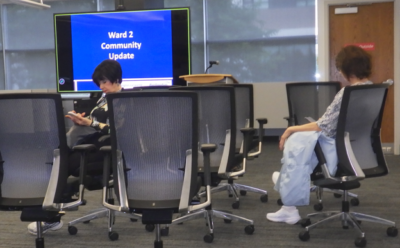
The Ward 2 Community updates are usually decently attended events.
Councillor Lisa Kearns would take the people who showed up – it averaged about 50 people, through what had happened and what was going to happen.
She was always very detailed. Her constituents were never shy about asking touchy questions.
On Tuesday, I thought some people would show up to see if she had anything to say about the election.
 The attendance did improve and there were a number of calls from those taking part in what was both a live and a Zoom call presentation. The turnout was disappointing. That didn’t stop Kearns from going through her presentation and answering questions.
Kearns made her ward event as both Zoom calls and a live event. People could attend or ask questions live during the call.
She is the only Council member who does these regular meetings.
At the end of each meeting, she will give out the date for the next meeting.
She didn’t do that Tuesday night because she wasn’t sure if there was going to be another Ward level meeting now that the city is into an October election race that is getting interesting.
Three people are running for the Office of Mayor: Kearns, the current Mayor and Ward 3 Councillor Rory Nisan – which means two of the seven Council seats will have new members. Add in the resignation of Shawna Stole in Ward 4 and things do get interesting.
Summer is a slow time for Council. The rules that apply to Council members running for re-election limit what they can do. Kearns isn’t certain that she will be able to hold another Ward level meeting before the ballots are cast.
The Gazette had questions for Kearns.
 Rainer Noack displaying his King Charles III medal We wanted her to comment on what was happening to the Student Theatre program. “I can’t comment on that” she said. We followed up with: Rainer Noack is no longer with the Student Theatre, do you know why? “I can’t comment on that either.” Rainer Noack has directed and overseen the youth-focused performing arts program since it began in 1978.
Something is up – the word we have is that it had to do with behavioural issues.
 Lisa Kearns saying “Thank you” to her constituents and explaining that the meeting might be her last as a Ward Councillor. We asked Kearns if the current tax levy number for the 2027 budget is at the 5.8% increase level?
Kearns said it was somewhere between 5.9 and 7%.
This is a working number; something that will be debated fiercely. Our interviews with candidates have every one of them saying they are for “fiscal prudence” and “not more than inflation”.
Kearns set the standard for communicating with ward residents. For this to possibly be the last one she would hold as a Ward Councillor is disappointing.
By Gazette Staff
June 17th, 2026
BURLINGTON, ON
The folks at the Royal Botanical Gardens (RBG) invite you to explore the vibrant sculptural universe of artist Ken Kelleher, internationally known as Anchorball. This massive outdoor exhibition transforms the garden into a vivid sculptural landscape where bold characters, imaginative narratives, and contemporary form merge with nature to create a world full of wonder.
Featuring 18 monumental sculptures ranging up to 12 feet tall, the exhibition introduces visitors to an evolving fictional universe populated by playful and mythical characters. Visitors can also discover a hidden digital world using augmented reality, extending the experience beyond the visible landscape and inviting moments of surprise, play, and exploration throughout the garden.
Experience a joyful fusion of nature and art designed for curiosity, exploration, and imagination.

|
|





 By Hanna Wilson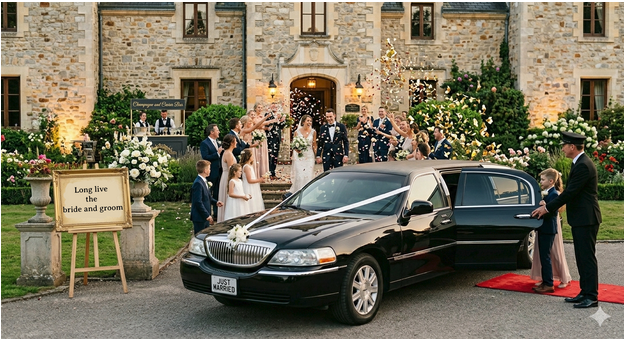


 By Ron Foxcroft
 By Gazette Staff

 By Gazette Staff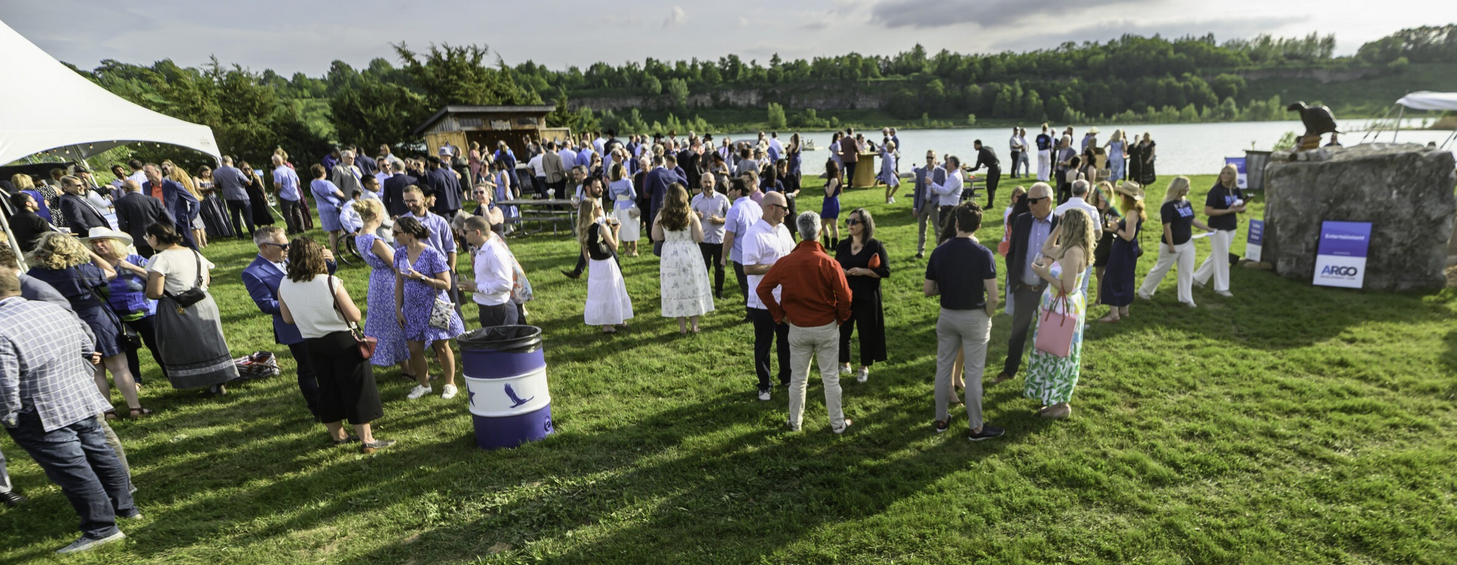

 By Pepper Parr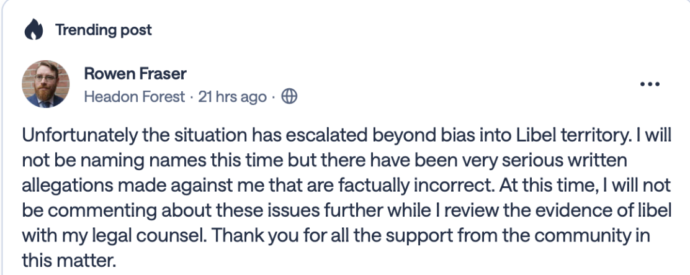


 By Gazette Staff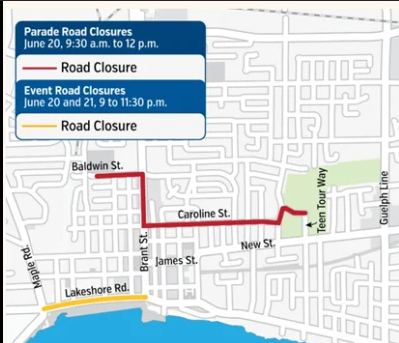
 Mayor Meed Ward was committed to the parade, Councillor Sharman wanted to see it march along the Naval Promenade – that would have conflicted with what Lakeshore Music & Arts Festival plans. Expect to see that route lined with Food Trucks.
 By Gazette Staff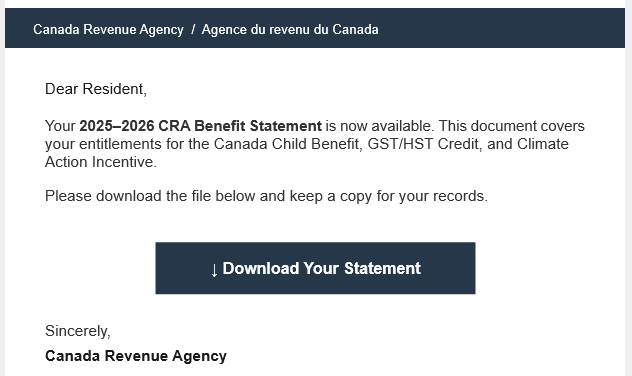
 Things did not go that well for Rory Nisan, who showed up at the Oakville Film Festival wearing his suit with a tie, expecting to get a moment at the podium.
 By Peppa Adler

 A licensed Ontario site is registered with the AGCO and contracted with iGaming Ontario. That gives players provincial standards for fairness, advertising, safer gambling tools, and complaint pathways. Offshore sites may hold licenses elsewhere, but they are outside Ontario’s system. For online casino legal protection, an Ontario-regulated operator is the safer benchmark.

 By Elsa Freadburgh
 When side bets are abundant, you will typically see more colored or labelled betting circles, additional panels describing rules, and records of previous side bet hits around the screen. This design strategy instantly makes the play area feel fuller and more complex, crowding the focal point traditionally reserved for the main game. Simpler table layouts, by contrast, limit extra markings and keep the center of visual gravity strictly on the main wagers, which helps sustain clarity and ease of focus even when multiple players are at the table. Looking for these visual markers is often the easiest way to tell whether a table promises a straightforward or multi-layered experience before you commit to playing there.
 The federal government tabled the long awaited First Nations Clean Water Act on Tuesday, reviving a piece of legislation that died on paper when parliament prorogued last year.
 What the federal government has allowed to take place is criminal. This is long past due.
 Road Closures – 9:30 to 11:30 a.m.
 Road Closures – 9 to 11:30 p.m.
 Parking Restrictions Posted




 Visitors can enjoy a vibrant Kids Zone, local marketplace vendors, food offerings and live performances throughout the day. The official opening ceremony, led by Burlington’s Junior Redcoats, takes place at 4 p.m.