By Pepper Parr By Pepper Parr
March 5th, 2026
BURLINGTON, ON
During the closing minutes of the Audit Committee yesterday afternoon Ward 6 Councillor Paul Sharman took an interesting poke at a service he isn’t particularly keen on: transit.
Among the many thing the City Auditor does is confirm that the city is getting value for money. Councillor Shrman picked up on this saying: “I’m fascinated by some aspects of this, especially the value for money audit, which I think is terribly fitting for the concerns we have from the public at the moment about the increase in our budget over the last three years, and people feeling very concerned that about property taxes have gone up significantly when perhaps we’re not picking on the biggest budget items in the organization.
“Shouldn’t the value of the spend be influential in the decision on what we’re going to whether we’re going to do a value for money audit on something or not?”
 Maciej Jurczyk, the City Auditor responds. “Could we do a value for money over, you know, Recreation, Community and Culture, and I don’t mean to pick on on my colleagues from that department, but that is a massive endeavor that would be a full year audit with multiple auditors required to do to deliver a value for money audit over an entire department such as that. So this was more of a more targeted scope of work. And that’s, that’s, I guess that’s a short answer for that, for that.” Maciej Jurczyk, the City Auditor responds. “Could we do a value for money over, you know, Recreation, Community and Culture, and I don’t mean to pick on on my colleagues from that department, but that is a massive endeavor that would be a full year audit with multiple auditors required to do to deliver a value for money audit over an entire department such as that. So this was more of a more targeted scope of work. And that’s, that’s, I guess that’s a short answer for that, for that.”
Sharman follows up with: “ I do have a very specific question. It’s about probably the biggest budget item we have, which is $37 million a year to for the transit department. And what we know about that is we get about $6 million back in fares. There’s some advertising money, but we’re especially essentially subsidizing buses and a few riders.
“We know that perhaps only 3000 community members from Burlington ride the buses every day, which means that 98.5% of taxpayers in Burlington and their families do not use our busses.
“So on that basis, the question for me is, should we not be doing a value for money audit on our transit system, simply because it has the potential to yield significant results?
Maciej Jurczyk: “I don’t want to presuppose what the outcome of any audit would be if it were transit operations or any audit. So I don’t want to suggest that there would be any impact from doing an audit at the end of the day, if it’s the will of audit committee to direct an audit over transit operations, or or any, any business unit within the city, that is your prerogative, and I’d be willing to, not willing, I will accept the staff direction to to perform that audit. I suppose I could leave it at that.
Mayor Meed Ward was sitting beside Councillor Sharman during the short jab from Sharman. She didn’t say a word about transit being a key part of the service the city provides and that it will be essential if the city is to get people out of their cars to give the environment a bit of a break and to help with the gridlock that is all too common during rush hour traffic.
 Mayor Meed Ward watching Councillor Sharman take his first step in killing the current transit service. She chose not to say a word about one of the city services she has promoted fiercely during her time as a member of Council. Looking forward to how the Bfast people respond to this.

By Gazette Staff
March 4th, 2026
BURLINGTON, ON
Province announces the launch of a comprehensive review of EQAO testing and student outcomes
Education Quality and Accountability Office is an independent provincial agency responsible for administering standardized tests in reading, writing, and mathematics to students in grades 3, 6, 9, and 10, with the goal of measuring student achievement and ensuring school accountability.
 Preparing students for what is now a digital world with Artificial Intelligence something they will have to grapple with. The Ontario government has appointed an expert advisory body to lead a comprehensive review of student achievement and assessment across the province, with a focus on improving results in reading, writing and math. This advisory body is part of the government’s ongoing work to ensure that the provincial education system is supporting student success and helping them reach their full potential.
“Student achievement must always come first in Ontario’s education system,” said Paul Calandra, Minister of Education. “While there has been progress in recent years, too many students are still not meeting provincial standards. Our government will continue using every tool available to keep Ontario’s education system focused on accountability and a back-to-basics approach to support student achievement, so that students can reach their full potential and be prepared for good‑paying, rewarding careers.”
William (Bill) Robson has been appointed Chair and David R. Johnson has been appointed Advisor to the Advisory Body on Student Achievement and Assessment. Mr. Robson has been President and CEO of the C.D. Howe Institute for the past 20 years and previously served for eight years on Ontario’s Postsecondary Education Quality Assessment Board, where he helped oversee certification standards for postsecondary programs and made recommendations to the government. Mr. Johnson is an emeritus professor of economics at Wilfrid Laurier University whose research for nearly two decades has focused on the economics of education, including student achievement, assessment practices and post secondary access and persistence.
This expert body will examine EQAO testing and lead a comprehensive review of how Ontario supports student learning, focusing on math, reading and writing, and closing achievement gaps. The review will examine the root causes behind these results and recommend clear, actionable strategies to better support teachers, parents and students, all while continuing to support Ontario’s public education system.
Once the review is complete, the final report will be presented to the Minister and made publicly available. These recommendations will help ensure teachers have the tools they need to do their best work and that students have every opportunity to succeed.
In November 2025, Ontario passed the Supporting Children and Students Act, 2025, which simplifies, streamlines and broadens the Minister of Education’s powers of oversight, including over school board finances, governance and program performance.
By Gazette Staff
March 4th, 2026
BURLINGTON, ON
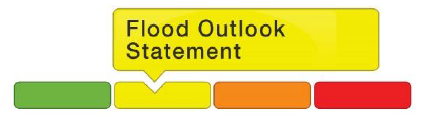
 Conservation Halton advises that local forecasts suggest up to 15 mm of rain is possible Thursday afternoon through Friday morning. Additional rainfall up to 5 mm is possible Friday evening into Saturday. Daytime high temperatures between 3-9°C are expected today through Friday, then will warm further between 10-15°C over the weekend and Monday. Over this period, significant melting of the remaining snowpack is expected. In addition to the forecasted rainfall and melting snow, any remaining frozen ground will increase water runoff and contribute to elevated water levels in creeks and streams within our jurisdiction. Existing ice along watercourses may break up and be transported downstream, increasing the risk of possible ice jams as a result. Conservation Halton advises that local forecasts suggest up to 15 mm of rain is possible Thursday afternoon through Friday morning. Additional rainfall up to 5 mm is possible Friday evening into Saturday. Daytime high temperatures between 3-9°C are expected today through Friday, then will warm further between 10-15°C over the weekend and Monday. Over this period, significant melting of the remaining snowpack is expected. In addition to the forecasted rainfall and melting snow, any remaining frozen ground will increase water runoff and contribute to elevated water levels in creeks and streams within our jurisdiction. Existing ice along watercourses may break up and be transported downstream, increasing the risk of possible ice jams as a result.
Widespread flooding is not anticipated; however, fast flowing water and flooding of low-lying areas, natural floodplains, and areas with poor drainage may be expected.
 Melting snow will increase the amount of water running through creeks. Make sure you know where your children are playing. Conservation Halton is asking all residents and children to keep a safe distance from all watercourses and structures such as bridges, culverts, and dams. Any ice-covered bodies of water are considered unsafe. Elevated water levels, fast flowing water, and cold water temperatures, combined with slippery conditions along stream banks continue to make these locations extremely dangerous. Please alert children in your care of these imminent dangers.
Conservation Halton will continue to monitor stream and weather conditions and will issue an update to this Watershed Conditions Statement – Flood Outlook message as conditions warrant.
This Watershed Conditions Statement – Flood Outlook will be in effect through Monday March 9, 2026.
By Pepper Parr
March 4th, 2026
BURLINGTON, ON
Horizon 50 is the name given to the Strategic Plan that is currently being fashioned by Deloitte, an accounting and consulting company that was brought in to advise on Burlington’s Strategic Plan when James Ridge was the City Manager.
 Stephanie Venimore, Manager, Corporate Strategy & Business Improvement. Andrew Scott, Chief Transformation Officer oversees the day-to-day tasks, while Stephanie Venimore, Manager, Corporate Strategy & Business Improvement works on the document Council is being asked to endorse.
Critical to the direction the city takes in terms of the next 25 years, there wasn’t all that much involvement from Council members. Venimore took them through the stages and looked for comment.
Horizon 50 covers 2026 to 2050; it’s reviewed revised and updated every five years.
Council is being asked to endorse the Horizon 2050 Strategic Plan as a replacement for Vision 2040
Council is expected to instruct staff to consider Horizon 2050 in future land planning policy, service delivery, advocacy and budget planning; and to share the Horizon 2050 strategic plan and supportive research with community partners for consideration in their future service planning.
Quality of life across all ages and stages is established as the City’s central strategic outcome.
With projected population growth, shifting demographics, economic change, and increasing climate pressures, Horizon 2050 sets out four strategic directions with measurable outcomes to guide City decisions. It treats growth, land use planning, infrastructure investment, and service delivery as the “how”—tools designed to deliver the “why”: complete communities, strong environmental stewardship, economic opportunity, and modern, accountable municipal services.
If endorsed, Horizon 2050 will guide future budgets, business planning and partnerships.
The plan and the approach are set out in a series of graphics set out below:


If Council endorses Horizon 2050, staff will embed it across municipal operations through enterprise-wide business planning, and will share the community vision broadly with residents and key program and service delivery partners through a comprehensive communications plan. Budgets and divisional business plans will be realigned to advance Horizon 2050’s strategic objectives and measurable outcomes.
Each of our Boards and Committees will be undertaking independent strategic planning over the next 18 to 24 months. This creates a timely opportunity to align priorities and investments across the organization in support of Council’s endorsed vision for Burlington.
Following the election, staff will work with the new term of Council to develop a multi-year operating plan that aligns municipal priorities and activities with Horizon 2050. Staff will also launch a set of measurable community indicators through a public-facing dashboard, updated as data becomes available, so community members can track progress toward the shared community vision.
By Jim Portside
March 4th, 2026
BURLINGTON, ON
There have to be more important issues facing the city.
During the March 3, 2026, council meeting, Councillor Nisan decided to revisit the issue of what Councillors are paid for what felt like hours but might have only been 20 minutes, while council and senior staff once again struggled to make sense of this issue.
When council salaries were reported in 2024, Councillor Sharman went to great lengths to explain why he was the lowest-paid councillor.
 OMERs does not accept any contributions from people over the age of 71. In 2025, after many discussions in council and countless hours of staff time, this issue was resolved, and a plan was put in place to ensure that Sharman was no longer the lowest-paid Councillor.
The problem arose because city employees contribute to the OMERs pension plan with money deducted from their salary, and the city makes an additional payment on the employee’s behalf.
For the mayor and councillors, 14.6% of their salary is deducted from each paycheque and sent to OMERs. The city matches the contribution with another 14.6% payment to OMERs.
To keep the numbers simple, and ignoring income tax, let’s say Councillor Nisan is paid $1,000 a week. The councillor is then required to pay $146 or 14.6% of his pay into his pension plan. The city matches the $146, and OMERs receive $292 to support Councillor Nisan in his old age. Councillor Nisan’s total compensation (the total cost to the taxpayer) in this theoretical example is $1,146 per week.
In 2024, in Councillor Sharman’s case, OMERs would not accept any contributions from people over the age of 71. Councillor Sharman, as a truly senior councillor, was being paid $1,000 a week, and his total compensation (the total cost to the taxpayer) was $1,000 a week.
Reports from the city showed that Councillor Sharman’s total compensation was lower than that of the other councillors. Obviously, at least from Sharman’s perspective, this was totally unacceptable. Sharman started a campaign to receive the amount the city was paying to OMERs, the match, as part of his salary to bring his total compensation to $1,146. In 2025, after hours of discussion and staff reports, the council agreed and passed a motion to pay Sharman retroactively from the compensation he had missed and to add the city portion of the OMERs benefit to Councillor Sharman’s base pay.
During this epic journey, Councillor Bentivegna turned 71 and joined the senior councillors’ club.
 Councillor Rory Nisan: He pushed his fellow Council member for more information on his total income, which was really none of his business. Why Nisan decided to rehash this issue during the March 3, 2026, Committee of the Whole meeting is difficult to fathom. Many of us without pension plans would jump at the chance to have an inflation-indexed, taxpayer-supported pension in our old age. Shouldn’t Nisan be happy with the status quo, even if his contribution to OMERs makes his take-home pay smaller than Councillor Sherman’s?
There is a strong argument that total compensation should be the same for people doing the same job, regardless of their age or gender.
How many more hours of staff and council time will be spent on this issue of vital unimportance to the taxpayers remains to be seen.
Sharman wanted some of the data on a staff document revised. This will come up again at Council later in the month
Related news story:
City pension plans.
By Gazette Staff
March 3rd, 2026
BURLINGTON, ON
Halton District School Board (HDSB) will host the 34th annual Halton Skills Competition, providing elementary and secondary students with hands-on opportunities to showcase their skills in technological and skilled trades challenges. The elementary competition will be held on March 25 and 26 at the New Street Education Centre (3250 New St., Burlington) and the secondary competition will take place on March 31 at Nelson High School (4181 Montrose Rd., Burlington).
 Pathways from classroom learning to future education, careers and success beyond school. More than 1,200 elementary and secondary students from across the HDSB will participate in a wide range of events designed to connect classroom learning with hands-on experiences that build practical, future-oriented skills. The HDSB’s robust science and technology curriculum begins in elementary school with experiential learning where students can apply their knowledge in real-world contexts, and the Halton Skills Competition extends that learning beyond the classroom. As students move into secondary school, they continue to refine skills in areas they are passionate about, creating clear pathways from classroom learning to future education, careers and success beyond school.
Elementary students will take part in 15 unique challenges, including character animation, construction, green energy, LEGO mechanics and robotics, technology problem-solving, TV/video production and VEX IQ robotics.
The lineup expands this year with a 15th elementary category: Horticulture and Landscape. This competition challenges students to prioritize biodiversity and local ecosystem health, ensuring these ecological principles are the central focus of their landscape designs and habitat creations.
Secondary students will compete in events that reflect skilled trades and technology pathways including, but not limited to, 2D character animation, architectural technology and design, auto collision repair and painting, auto service technology, baking and more. Competitors will apply technical knowledge, creativity and teamwork as they work toward excellence in their chosen areas.
Winners from the Halton Skills Competition will earn the opportunity to advance to the Provincial Skills Ontario Competition on May 4-5 at the Ontario Congress Centre, where they will represent the HDSB alongside peers from other school boards across the province. In 2025, both elementary and secondary students earned Gold, Silver and Bronze awards in 13 various technological challenges.
For secondary students, the provincial competition is a qualifier for the Skills Canada National Competition, which will be held at the Toronto Enercare Centre on May 28 and 29, 2026. Looking back at 2025 students from the HDSB earned top honours at the Skills Canada National Competition, showcasing their exceptional abilities across a wide range of skilled trades and technology disciplines.
 Curtis Ennis, Director of Education for the Halton District School Board. “Experiences like the Halton Skills Competition help students build confidence, deepen their problem-solving abilities and explore exciting pathways in technology and skilled trades,” says Curtis Ennis, Director of Education for the Halton District School Board. “By connecting classroom learning to real-world scenarios, students are building essential skills and exploring meaningful career pathways that set them up for success beyond the classroom. These hands-on learning opportunities play an important role in fulfilling our commitment to Learning, Engagement and Achievement, as outlined in the HDSB’s Multi-Year Strategic Plan, connecting students to real-world challenges and future career possibilities.”
Background resources
Halton Skills Competition
By Gazette Staff
March 3, 2026
BURLINGTON, ON
At a Special Meeting of Council on Monday, March 2, Burlington City Council directed staff to report back with options to support increased housing supply.
 The City Council you elected in 2022 This includes potential changes to broaden non-DC programs through a new or amended Affordable Rental Housing Community Improvement Plan (ARHCIP) funded from sources other than property taxes, as well as other time-limited options that could provide DC relief. No new incentives or program changes were approved at the Special Meeting of Council. The report back will outline impacts, funding sources, and implementation considerations to support fiscally responsible decision-making.
To advance this work, Council referred Report DGM-03-26 to the Commissioner of Development & Growth Management and the Chief Financial Officer, with direction to return to Committee of the Whole on April 13, 2026, with further analysis and options.
Council also unanimously directed that the staff report back include an option based on a “made whole” approach: Burlington would only reduce DCs where replacement provincial or federal funding is secured, reducing DCs dollar-for-dollar up to and including permanent elimination if fully matched. No changes to DCs were made at the March Special Council meeting. The unanimous vote reflects Council’s shared commitment to advancing housing supply solutions while maintaining fiscal responsibility.
Anyone interested in speaking to this item is encouraged to register as a delegate at burlington.ca/delegate or by contacting Legal and Legislative Services at clerks@burlington.ca no later than noon on April 10, 2026. If you are attending the meeting in person, you can register to speak during the meeting by following instructions provided during the meeting.
Reading Resource:
Options for the temporary elimination of Development Charges (DGM-03-26)
The Gazette will report in detail on just how the decision made – was made.
By Gazette Staff
March 3rd, 2026
BURLINGTON, ON
The next municipal election will take place on October 26th, 2026
There are very tight rules that apply.
Staff reviewed the policy for the 2026 municipal election with a goal to address any concerns, gaps or ambiguities that may have come up in the previous election through proposed revisions, and in implementation, staff education and candidate awareness.
We will publish the workings of an election once Council has debated the Staff report – for the moment, here are the important dates.
 The 2026 election will be a very boisterous event. Key Dates & Milestones
May 1, 2026: legislated deadline to establish rules on the use of municipal resources during an election.
May 1, 2026: Nomination period begins.
Aug 21, 2026: Nomination Day – last day for a candidate to file their nomination paper.
Oct 14 – 23, 2026: On-line voting period
Oct 17 & Oct 20, 2026: In-person advance polls
Oct 26, 2026: Election Day. Unofficial results are published on election night.
Oct 27, 2026: Official tabulation begins. Official results are certified and published once official tabulation is completed.
By Gazette Staff
March 3rd, 2026
BURLINGTON, ON
Council are back at the horseshoe today. This time, they meet as a Committee of the Whole with an agenda that has 11 delegations scheduled.
There are 8 items on the consent agenda, items that the Clerk feels do not need debate. Any Council member can ask that an item be moved from consent to the full agenda.
One of the items on Consent is the rules that will apply to the October municipal election.
With 11 delegations this isn’t going to be a short meeting.
By Gazette Staff
March 3rd, 2026
BURLINGTON, ON
Burlington MP Karina Gould reports on what she has been doing for the City
We wrapped up February with a major parliamentary milestone under our belts: the Budget Implementation Act (BIA), Bill c-15, having passed through the House of Commons. This is a significant achievement, and something I played a role in seeing through as Chair of the Finance Committee. Since the beginning of the year, the Finance Committee has been hearing from experts and officials on the importance of passing this legislation quickly in order to safeguard our economy against the shocks of the trade actions coming from the United States.
 Karina Gould outside the House of Commons, where she chairs the House Committee on Budget Implementation. I have to say, there were some important amendments put forward by the Conservatives on limiting the use of Ministerial powers that were included by the Government as part of the Red Tape Reduction Act. This was one aspect of the BIA on which I heard from lots of you. Other amendments, such as protecting Canada Post’s ability to deliver low cost inter-library loans and free postage of books for the blind, were also passed. The BIA is now in the Senate for study.
Of course, we are ending this month with major military action in the Middle East. The Prime Minister has declared Canada’s support of the intent of the action, acknowledging the brutal dictatorship that is in control of Iran at present; Canada has recognized Iran as a state sponsor of terrorism. Canada is not participating in this military campaign. I have certainly been vocal in support of the people of Iran who have been demonstrating (tens of thousands of whom have been killed in recent weeks) for freedom and democracy in Iran. As we watch this conflict unfold, the Government of Canada encourages Canadians across the region to follow local security advice, including sheltering in place where advised. If you or a loved one find yourself/themselves in the region, please register with Canada Abroad and check the Government of Canada’s travel advisory frequently for any changes. My office is available to provide assistance as best we can.
There is a lot going on right now in the world. Despite everything, it is worthwhile to take a moment to reflect on how lucky we are to be Canadian and not to take anything we have here for granted. That doesn’t mean we don’t work hard to make our community and our country better, but it means we appreciate all we have as well. Top of which are peace, freedom, human rights and democracy. Rest assured, I remind myself of this daily, while I get up every day to fight for a better Canada.
This week kicks off a number of International Women’s Day (IWD) festivities in our community and across the country. Let us take inspiration from the incredibly brave women from around the world who are standing up against oppression in some of the most dangerous circumstances every single day. So many women had to fight for equality, the right to vote, the right to own property, the right to run for office, before I and others could do what we’re doing. I remember them and their allies who opened doors for women of the generations that came after them, I urge you to think about what doors you can open and hold open for the next generation of women here in Canada and around the world this IWD.
By Jim Barnett
March 3rd, 2026
BURLINGTON, ON
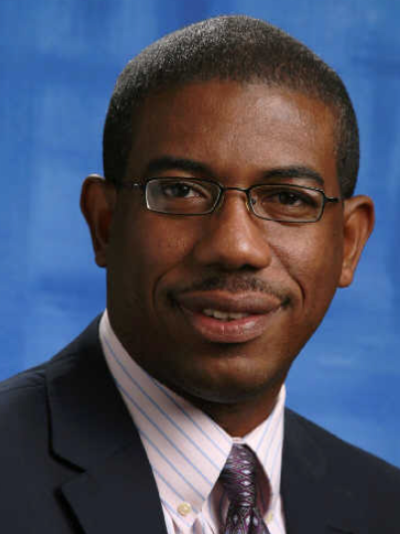
Jim Barnett, a long time resident of Burlington delegated at Council yesterday. His opinion is well worth reading
Good morning, everyone.
The mayor’s preamble still contains instructions against any form of demonstration during the meeting. Is it because most of the demonstrations would be against the position of council and maybe embarrassing?
It sounds like Donald J. Trump signing an executive order limiting decent. Open dialogue, freedom of expression, and freedom of assembly are the cornerstone of democracy. Limiting these freedoms are a limit on democracy. This issue needs to be revisited.
 Jim Barnett My last delegation was on the problems that I saw in the budget. I pointed out that salary increases were double that being granted in the private sector and the tabled tax increases were more than double the inflation in the general economy.
Added to this was the inclusion of the education levy, to make the increases appear less than what was actually taking place, which to some makes it a fraudulent presentation. The budget passed, with only councilor Kerns saying we can do better and voting against it. I hope the citizens remember this when they cast their ballots in the municipal election in the fall.
I am dismayed that council has been able to find a way to provide pool time for people outside of Burlington before looking after the needs of the people of Burlington, who were the primary contributors for pool construction and operation.
Some of you were party to designating the “phone booth” in downtown Burlington at a transportation hub that has led to the dramatic change in planning for Burlington that the vast majority do not like and has been a major contributor to the transportation gridlock in what was our fair city.
Now it appears that some of you believe the removal of development charges are good for the people of Burlington. In fact, the only beneficiaries of the proposal are land speculators, material suppliers and contractors. It would be beneficial if we knew who from this group contributed to the council member’s campaign. It would be helpful, and add to transparency if we knew who were lobbying council members in favor of this policy. Should the city lawyers be looking into this?
Eliminating development charges from new construction will reduce the selling price of the housing currently constructed. The current homeowners paid the development charges and now will lose that investment. This does not seem to be fair to me.
What it does do is make it easier for land speculators to maximize their profits on their speculation. This is not the business the city should be in.
I have paid for development charges on three houses in Burlington. Now some of you want me to pay the development charges for complete strangers. This is unfair.
I suggest that the forecasts for housing needs are in error. Colleges and universities are dramatically cutting back. The Trump meddling in the economy is slowing GDP growth. Yet it seems that council thinks that they can go forward like nothing has changed. There are too many signs that many things have changed and council has an obligation to plan for a more difficult future.
One of the main costs of housing is property taxes. Council says they want to encourage affordable housing but at the same time they are increasing taxes at record levels. You cannot have it both ways! It is particularly hard on the lower twenty five percent of income families who are forced to hard life style decisions, including going to food banks.
 In my opinion, you need to spend your time concentrating on needs, cancelling or at least delaying wants until economic conditions improve. At the same time, you can cut back on the proliferation of newsletters and photo ops that look more like electioneering than communication. In my opinion, you need to spend your time concentrating on needs, cancelling or at least delaying wants until economic conditions improve. At the same time, you can cut back on the proliferation of newsletters and photo ops that look more like electioneering than communication.
Life is about choices. When I bought my first house on Cosburn Crescent, for the next two years there was no going on vacations as we had to furnish the house, buy drapes, do the landscaping and pave the driveway. It is time for council to start making some tough choices.
It is time to cut back on the size of municipal government. Departments that are there for growth can be downsized and those that are catering to wants can be eliminated.
It is time for council to start listening and dialoging with those that delegate such as Lynn Crosby, Gary Scobie, Tom Muir, David Barker, Joe Gaeton and Jim Thomson to name a few.
I offer three suggestions:
Our population is aging. We need to spend more time and money in this area. The forestry programs can be delayed.
Secondly, one of the Committee of the Whole meetings should be moved to the evening, say the third Monday of the month. At this meeting, any topic can be brought forward and dialogue would take place. It is time for council to get more involved with the people with more transparency.
Last, it is time for councilors to treat citizens like customers. It would keep them out of the do-do they are in today.
To conclude are some suggestions for affordable housing
- Tiny houses as part of the Bateman project.
- Basement apartments with lower fees with fewer restrictions with faster processing.
- Remove GST on two or more bedroom units renting for under $2000 per month
- Remove GST on housing under $500,000 per unit.
By Fred Elemere
March 3rd, 2026
BURLINGTON, ON
Watching sports in 2025 isn’t what it used to be.
Analytics has woven itself into every layer of the game, transforming the experience for fans, athletes, and broadcasters alike.
No longer limited to backroom coaches or statisticians, data now drives decisions on the field, shapes live commentary, and deepens fan involvement at home.
This shift hasn’t just changed how games are played—it’s redefined how stories are told and how audiences connect with their favorite teams.
In this article, I’ll break down the ways analytics has reshaped the spectacle, business, and culture of modern sports.
 Analytics has reshaped the spectacle, business, and culture of modern sports. Analytics has reshaped the spectacle, business, and culture of modern sports.
The rise of data-driven sports viewing
Watching a match used to be about catching the highlights and trusting your gut instincts. That’s changed dramatically in the last few years. Now, data is everywhere—from real-time stats that pop up on your TV to detailed predictive models woven into live commentary.
This flood of analytics hasn’t just influenced coaches or analysts. It’s shaped how fans experience every moment of the game. There’s a reason you rarely see people watching a match without their phone or tablet close by. They want instant access to live win probabilities, advanced player metrics, and tactical breakdowns—sometimes before the broadcasters even mention them.
Platforms like Stake Hunters have made it easier for fans to dive deeper into games. Suddenly, you’re not just cheering from the sidelines—you’re weighing stats, making predictions, and engaging with other passionate viewers in real time.
What’s impressed me is how this shift has transformed passive watching into something interactive. Instead of waiting for halftime analysis, you can debate calls and strategies instantly with friends or online communities armed with up-to-the-minute data.
This blend of entertainment and insight means every viewer now has the tools to feel like an expert—and that makes every game more engaging, unpredictable, and fun to watch.
How analytics shapes the fan experience
 Every match, play, or statistic is an invitation for fans to analyze and debate Analytics has completely reshaped what it means to be a sports fan in 2025.
It’s no longer just about cheering for your team. Every match, play, or statistic is an invitation for fans to analyze and debate, whether on social media or in group chats.
The accessibility of detailed stats and data visualizations means anyone can break down strategies or argue player value, not just professional analysts.
This shift has turned passive viewers into active participants. Fans now dig into win probabilities, performance trends, and even micro-stats as part of their regular viewing routine.
As a result, the conversation around sports feels smarter and more inclusive than ever before.
Second screens and real-time engagement
Watching a game isn’t limited to what’s on the TV anymore. Most fans have a phone or tablet open alongside the main broadcast.
With second-screen apps, you get live stats, interactive heat maps, win probabilities, and even real-time polls during the action. One thing that’s stood out is how quickly fans can react to big moments because data is right at their fingertips.
A 2024 report by Ross Video highlights how leading broadcasters are investing in second-screen experiences. These platforms offer interactive stats, customizable camera angles, and real-time discussions through apps and AR overlays—creating an enriched and deeply engaging sports viewing environment.
This multi-layered approach doesn’t just entertain; it genuinely helps fans understand the nuances of what they’re watching.
Fantasy sports and predictive gaming
 Predictive analytics has become central to the fantasy sports experience. If you’ve played fantasy football or tried your hand at prediction games lately, you’ve probably noticed how sophisticated things have become.
Analytics powers everything—from player rankings to live projections—turning every fan into a pseudo-manager with access to insights once reserved for professionals.
A 2024 perspective presented on SlideShare notes that predictive analytics has become central to the fantasy sports experience. Historical data and algorithms now drive forecasts, player performance projections, and user engagement, keeping fans involved throughout and even beyond the games themselves.
This analytical edge keeps fans glued well after the final whistle. Bragging rights aren’t just about guessing scores anymore—they’re about interpreting data better than anyone else in your league or community.
Behind the scenes: how analytics is reshaping coaching and sports broadcasting
What you don’t see from the stands or your sofa is how deeply analytics now shapes what happens both on the field and on your screen.
For coaches, data isn’t just a buzzword—it’s a genuine edge. For broadcasters, it’s become a storytelling tool that brings complex stats to life for fans everywhere.
Coaching decisions powered by data
I’ve watched teams move beyond gut instinct, using real-time and historical analytics to make sharper tactical calls. Substitutions aren’t just about who’s tired—they’re about which matchups work best according to the numbers.
Platforms like PlaySight and TrackMan have made a difference here. As highlighted in Analytics in Coaching, these tools let coaches fine-tune player mechanics and adjust tactics on the fly during games.
This means player development is no longer based solely on experience or tradition. It’s measurable, trackable, and rooted in objective data—giving teams a real competitive advantage.
Broadcast innovation and data storytelling
Broadcasters know that most fans don’t want dry spreadsheets—they want stories that make sense of the action. That’s where modern analytics come in.
I’ve noticed networks bringing advanced stats and predictive models directly into commentary, turning abstract numbers into engaging graphics and narratives viewers can follow. Genius Sports’ Data-Driven Broadcasts for leagues like the NFL and Premier League are prime examples of this trend.
The result is coverage that feels smarter but still accessible. Predictive win probabilities, shot maps, or live performance trends aren’t just for experts anymore—they’re part of how every fan connects with the story of the game.
The future of sports viewing: personalization and immersion
Sports fans today expect more than just a passive viewing experience. The next phase of innovation will see analytics driving a new era where every moment on screen can feel tailor-made and deeply interactive.
Personalization and immersion are moving from buzzwords to practical reality. We’re on the brink of watching games in ways that would have sounded like science fiction just a decade ago.
Personalized content and recommendations
AI-powered analytics are starting to shape each fan’s experience with an almost uncanny level of precision. Imagine watching highlights that focus on your favorite players, or receiving stats tailored to your personal interests—all delivered automatically.
A 2024 industry review by WSC Sports explains how recommendation engines now curate everything from interviews to key plays based on what fans actually care about.
This shift means less searching and more engagement. One thing I’ve noticed is how these systems surface moments I’d have missed otherwise, making every match feel like it’s made for me.
Immersive technologies: AR, VR, and beyond
 Virtual reality is opening doors most fans didn’t know existed. Now you can access real-time stats as overlays during live games. The combination of analytics with augmented and virtual reality is opening doors most fans didn’t know existed. Now you can access real-time stats as overlays during live games or explore virtual stadiums from your living room.
A 2024 market analysis from Credence Research forecasts rapid growth in AR and VR integration, predicting these tools will become common for both broadcasters and venues.
It’s not just about flashy graphics—these experiences bring context to every play and let viewers choose their vantage point. For me, this feels like moving from being an audience member to becoming part of the game itself.
Conclusion
The sports world has shifted in ways that would have been hard to imagine just a decade ago. Analytics isn’t just shaping how games are played—it’s changing how we watch, talk about, and connect with every match.
Data now brings fans closer to the action, whether through personalized highlights or debates powered by advanced stats. Broadcasters and coaches rely on analytics to deliver smarter strategies and richer stories.
As technology moves forward, this relationship will only deepen. The next era of sports promises even more interactive, immersive experiences—putting every fan at the heart of the game.
By Sadie Smith
March 4th, 2026
BURLINGTON, ON
Ontario is home to one of the largest gambling and casino markets in Canada. The province has some 25 licensed gambling venues, ranging from local, slot-based venues to full-scale casino resort destinations. They are all regulated by the Alcohol and Gaming Commission of Ontario (AGCO) and at least part owned by the Ontario Lottery and Gaming Corporation (OLG). But which are the best options in the vicinity of Burlington?
 Hospitality, dining and entertainment are all part of the experience. at the Sheraton In the modern day, a casino visit isn’t just about gambling – hospitality, dining and entertainment are all part of the experience. And these three casinos know the deal. From one very local option to one of the best in the region, and one slightly further away that is a world-class casino in many respects, these picks are among the top options in all of Ontario. Obviously, visitors should bear in mind that gambling at these venues is solely for customers aged 19+ with valid government-issued ID required on entry.
Great Canadian Toronto is the Nearest Large-Scale Casino Resort
 A full-scale casino resort property, with a comprehensive list of gambling options and loads of entertainment. Key Features
- 4000+ slot machines
- 100+ live table games
- Poker room with cash games
- Private high-limit gaming rooms
- Great Canadian Rewards loyalty program
- Free Parking
Great Canadian Toronto is a full-scale casino resort property, with a comprehensive list of gambling options and loads of entertainment and hospitality choices on top of that. As well as the above gambling, the resort offers a 400-room modern hotel tower and a 4000-seater concert arena that regularly hosts popular and underground international music acts.
The 328,000 square feet casino floor is operated by Great Canadian Entertainment, under contract from the OLG. Great Canadian Toronto is around 35 minutes’ drive north of Burlington, on Toronto’s west side and just east of Toronto Pearson International Airport. As the biggest casino resort on this list and the one closest to a big city it can get fairly busy at times, especially on weekend evenings.
For gamblers who prefer convenience and no crowds, Ontario has the largest regulated online casino market in Canada. That means a lot of choice, but also some variation in quality. Therefore it’s a good idea to search for reliable casinos on onlinecasino.ca to find the very best options. Expert comparison sites will help you pick the operators that have a strong selection of games, bonuses and payment options that fit the way you play.
Elements Casino Flamboro is a Relatively Quiet and Nearby Choice
 Close to the race track, the Elements has a great poker room Key Features
- 24km from downtown Burlington
- 900+ slot machines
- Live table games (blackjack, roulette, baccarat)
- Dedicated poker room with multiple cash games and weekly tournaments
- Free parking
Elements Casino Flamboro is located around 20 minutes drive west of Burlington in Dundas, depending on traffic. It is the most convenient nearby gambling option of significant size – while not being quite as big and busy as the other two options on this list. Poker is also increasingly popular in Canada, and Elements’ Flamboro’s room is one of the best in Ontario.
The casino is also connected to Flamboro Downs racetrack, which could be of interest to old-school gamblers or those looking for something a little different to the casino classics and slots. The harness racing track hosts race meets through September to May although schedules vary.
Elements is a chain of casino properties across Canada, also owned and operated by Great Canadian. However, it has recently sold a majority of venues outside of Ontario including all of it’s British Columbia properties.
Casino Niagara is One of the Most Scenic Gambling Venues
 The views of Niagara Falls are stunning. Gambling tables and the slots are as good as they get. Key Features
- Around an hour’s drive from Burlington (depending on traffic
- Niagara Falls views and close to the region’s other tourist attractions
- 1,300+ slot machines
- 30+ table games
- Dedicated poker room with 25 tables
- Part of the Momentum rewards program
If you are looking to hit the town for your gambling, few places in North America have the same vibe as Casino Niagara. Originally envisioned as a temporary casino during the construction of the Fallsview Casino Resort, Casino Niagara has stuck around 25 years and has become somewhat of a local favorite.
The iconic 108m (355ft) Casino Tower has an observation deck with stunning views of the surrounding falls and the Clifton Hill promenade, and at the bottom features a food hall and entertainment district.
The casino resort is operated by a subdivision of American tribal casino operator Mohegan, in conjunction with the OLG. To keep up with the competition, it has undergone many renovations and upgrades over the years, most recently in 2018.
In 2025 returning Premier Doug Ford announced that he is looking to get billions of dollars more investment into the area. He said the provincial government wants to turn it into the Las Vegas of Canada and is searching for casino backers to make that happen.
He mentioned bringing in Great Canadian Entertainment, but also that foreign investment is a possibility. So, this destination resort could be significantly expanded – or face increased competition – in the years to come.
Lucy Roberts
March 3rd, 2026
BURLINGTON, ON
The growing popularity of online casinos has transformed the gambling landscape, especially in Canada, with better regulations, cutting-edge technological innovations, and more of a commitment from operators to protect players.
 If you happen to be one of the millions of avid online blackjack players out there, it’s essential to understand how to approach this leisure activity both sensibly and responsibly. If you happen to be one of the millions of avid online blackjack players out there, it’s essential to understand how to approach this leisure activity both sensibly and responsibly.
With numerous legally permitted platforms available online today, there are various important factors to consider, and a solid foundation of gambling within your means is of the utmost importance.
Let’s discover more about safer gambling tools, as well as budgeting, and other important things that will help keep things safe and fun for you each time you play your favourite games.
Understanding Responsible Gambling
Responsible gambling is a broad term encompassing a set of principles that ensure players can enjoy their gaming experience without ending up with financial hardship.
It’s about maintaining control of your money and your emotions, understanding the risks associated with gambling, and recognizing when it might be time to stop.
Here are some key steps that Canadian online craps players can follow:
- Set Personal Limits: Before you start playing, determine how much time and money you are willing to spend on craps or any other games that you choose to play. These limits should be based on your financial situation and personal circumstances. Commit to sticking to these limits, regardless of the outcomes
- Be Aware of Game Mechanics: Familiarize yourself with the fundamentals of online craps. Writers, companies, and resources online will offer their own betting guide on the game, which will improve a player’s understanding of the rules, strategies, and the house edge, to give you a clearer perspective on how the game operates. Knowledge can significantly reduce misunderstandings, mitigate risk, and help you play more responsibly
- Use Bankroll Management: Establishing a budget for your gambling sessions is crucial. Divide your bankroll into portions, and only gamble with what you have set aside after paying for other important things. By managing your funds effectively, you can prevent overspending and reduce the risk of financial harm
Recognizing Problem Gambling Signs
One of the challenges of online blackjack is the potential for developing unhealthy habits. Being vigilant for signs of problem gambling can help you maintain a healthy relationship with the game. Players should watch for the following indicators:
– Chasing Losses: If you find yourself continuously betting to recover losses, it might be time to take a step back and evaluate your gambling habits. The best advice is to avoid chasing any losses you incur immediately after losing because it could lead to losing even more money
– Neglecting Responsibilities: If gambling interferes with daily life or obligations, such as paying your rent or mortgage, mobile phone bill, gas and/or electricity bill, and so on, it’s essential to reassess your priorities
– Feeling Anxious or Irritable: Emotional changes related to gambling can indicate a deeper issue. If playing blackjack causes stress or unrest, it may be time to take a break.
Many online casinos offer self-assessment tools that can help players evaluate their gambling behavior and recognize potential issues before they escalate.
Tools and Resources for Responsible Gambling
The Canadian online gambling landscape provides a myriad of resources to support responsible gaming. Here are some useful tools every player should consider using from the moment they sign up anywhere:
– Self-Exclusion Programs: Most online casinos in Canada offer self-exclusion options. If you feel the need to take time away from gambling, these programs allow you to voluntarily exclude yourself for a designated period. You can also take brief ‘time-outs’ for up to six weeks.
– Deposit Limits and Session Time Reminders: Many platforms provide features to set deposit limits or remind you of how long you’ve been playing. By employing such tools, you can stay within your predetermined limits and avoid excessive play.
– Support Groups and Hotlines: Various organizations in Canada cater to individuals struggling with gambling addiction. Groups like Gamblers Anonymous provide support and encouragement for those in need.
 Final Thoughts Final Thoughts
Gambling responsibly while playing online blackjack requires a proactive approach and a commitment to maintaining control over your gaming habits.
Players can enjoy their gaming experience without compromising their well-being by setting limits, being aware of the signs of problem gambling, utilizing available tools, and seeking the necessary support.
Remember that responsible gambling is an important aspect of online gaming in Canada, ensuring that the experience remains enjoyable and safe for everyone involved.
By Pepper Parr
March 2nd, 2026
BURLINGTON, ON
The genesis of the request from the developers to waive Development fees was at a February 12 Pipeline to Permit Committee meeting. (P to P )
That committee has a significant number of unelected people taking part on a regular basis.
 One of those was Mick Collins Williams. CEO of the West End Home Builders Association (WEHBA) One of those was Mick Collins Williams. CEO of the West End Home Builders Association (WEHBA)
His involvement at P to P was followed by a lengthy delegation to City Council, where a case was made for a deferment of Development Charges for a two year peiod.
 Michael Collins Williams delegating at City Council with the President of the Molinao group seated behind him That request was what took up the bulk of the full day Council meeting several days late at which Council made it very clear that they were not going to defer Development Charges unless it was certain that the province or the federal government would make the city whole for any financial losses.
Close to the close of the Council meeting today, Kearns gave Notice of a Motion that she will be bringing to Council, which is to propose that lobbyists cannot serve on committees that include unelected officials.
If this passes, Mick Collins Williams will be prevented from taking part in Pipeline to Permit meetings
During earlier Council meetings, Kearns asked Collins-Williams twice if he was a lobbyist, noting that his name was not on the Registry.
Collins Williams did not respond during the meeting.
By Pepper Parr
March 2nd, 2026
BURLINGTON, ON
What kind of a Council meeting was it?
 Galbraith was ready to walk. The squabbling was more than he wanted to put up with. Well, for Kelven Galbraith, it got to the point where he said he was going to walk out if the bickering continued.
And there was certainly a lot of bickering.
Councillor Nisan claimed that the Mayor was spreading disinformation by saying that estimated on the financial side of what a deferral of Development Charges would be ranged fron $4 millio to $43 million
The Mayor said the actual number was just one tenth (1/10) of that.
 Nisan wanted a retraction. The Mayor wasn’t going to comply with that request. Nisan wanted a retraction or demanded that the mayor reveal her source.
The Mayor did just that.
Nisan said her data was wrong.
At the close of the meeting, Mayor Meed Ward said what had taken place was democracy in action.
Not everyone would see it that way.
But they did come up with an approach to getting houses built without deferring development charges.
By Pepper Parr
March 2nd, 2026
BURLINGTON, ON
 There might not be a Midway at the Lakeshore Arts and Music Festival in June. There might not be a Midway at the Lakeshore Arts and Music Festival in June.
But there will be a parade taking place on Brant Street on Saturday – the route the parade will take is still being worked out.
Who will take part in the parade – no word on that yet.
 Midway for the Lakeshore festival is an “iffy” at this point in time. Why the hesitation on the Midway? The Festival people said they will need financial support of between $50,000 and $80,00 – which the city can’t give them because they are a for-profit organization.
The Festival people explain that the Midway will take up space they planned to use for Food Trucks.
Councill Lisa Kearns wondered if the number of Food Trucks are going to make the event look like a Food Truck Festival, with some bands who have yet to be announced playing.
By Gazette Staff
March 2nd, 2026
BURLINGTON, ON
Eric Stern delegated before Council this morning, telling them what he felt was wrong with the approach they were taking to the creation of housing and the management of development charges.
He was before Council for more than20 minutes answering their questions.
 Today’s reality is that property taxes are regressive. Point 1 – Property taxes are a regressive tax. They impact low-income earners more than high-income earners. I know that FCM is trying to change this. Today’s reality is that property taxes are regressive.
Asking low-income households and struggling businesses to “save the development industry, save jobs, and create affordable housing” is simply unfair to them.
The Federal and Provincial governments have helped industries in the past, for example, the auto industry. Those levels of government have tax structures geared to incomes and profits.
Simply put, saving an industry, any industry, is not the responsibility of a lower-tier municipal government, especially one without an affordable housing mandate.
2 – Collins-Williams stated:
“The only way that we are going to be able to sell new units, get those units under construction and save jobs is to reduce pricing.”
There it is, direct from the lobbyist: prices need to come down!
At a very high level, there are two components to the price of a newly constructed home:
1 – Taxes
2 – Everything else, including capital gains on the land and developers’ profits.
For the sake of argument, let’s say the price of a newly constructed condo needs to come down by $100,000 to become competitive with an already built/resale condo.
If Burlington steps in with a $10,000 DC reduction, the developer must reduce the price on their side by $90,000. Without Burlington’s help, the developer must reduce the price by $100,000.
The big question is: If Burlington acts alone and the surrounding communities don’t (Oakville, Milton, Hamilton, Waterdown), do you think the developers will lower prices only in Burlington, or will newly constructed homes sell at market price in the area, as they do today?
It’s difficult for me to imagine that developers and commissioned real estate agents will lower housing prices below the market price. The market price is influenced by the resale homes, surrounding communities, interest rates, and immigration levels.
As Collins-William stated, the price needs to come down to be competitive with the resale market. Eliminating development charges reduces the amount the developer has to lower their price, not the price charged to the home buyer.
I believe it’s naïve to expect a Burlington-only action to lower the market price of a home in Burlington.
Simply put, it will be impossible to prove that the DC elimination will be passed on to the home buyer.
 Federal immigration policies are a major factor in housing prices. 3 – Federal immigration policies are a major factor in housing prices.
The Federal government is prioritizing permanent resident spots for people already in Canada on temporary visas.
The target for international students and temporary workers has been reduced from 7.5% of the population to 5%, which maps to well over 1 million people.
Prices are determined by supply and demand. The Federal government is the elephant in the room, reducing demand and, in turn, lowering resale prices.
Simply put, actions by Burlington’s council will not significantly influence housing prices up or down.
In Summary
1 – Property taxes are regressive. Higher property taxes reduce housing affordability, add to homelessness, and put pressure on all businesses in Burlington.
2 – The province is expected to release a budget by the end of March. Step 1: wait and see what Ontario does.
3 – There is no guarantee that savings will be passed on to home buyers, muddying the affordability argument.
4 – Ask Burlington residents if they are interested in incentivizing developers to build in Burlington over neighbouring communities, or if they feel the community is crowded enough already.
5 – Speaking of asking residents, 2.6% of the people who responded to the Focus Burlington survey were in favour of eliminating development charges, 97.4% opposed. Where is the city’s survey data?
6 – Why did I have to read a summary of the mayor’s motion in the Burlington Gazette yesterday? The motion should be attached to the revised meeting agenda. From September to February, elimination was only an option with funding coming from another level of government; suddenly, things changed. Why wasn’t the mayor’s motion for today’s meeting shared with the public when it was announced on social media?
 Saving industries is not a municipal responsibility 7 – Why wasn’t money allocated in the 2026 budget? 2% for infrastructure, or was it 2% for developers?
8 – Widening roads employs tradespeople.
9 – Saving industries is not a municipal responsibility; please stay in your lane and, while you’re in your lane, please fix some potholes. If you want to expand your personal mandate, run for higher office.
By Gazette Staff
March 2nd, 2026
BURLINGTON, ON
The City of Burlington and its engineering consultant continue to work on completing the drainage assessment of the Industrial Street and Plains Road East Area between Guelph Line and Brant Street. This study aims to assess existing drainage patterns, identify the causes of flooding, and recommend measures to improve drainage.
The study area includes CN lands, which had to be surveyed for a comprehensive drainage assessment.
Coordination with CN to access their lands for the survey unexpectedly took several months, delaying the project timeline.
All survey work and field data collection are now complete. The consultant is currently analyzing the data and evaluating potential drainage improvement alternatives.
How does CN get to slow down work the city has to do to manage flooding problems? Something for MP Gould to look into.

By Pepper Parr
March 2nd, 2026
BURLINGTON, ON
 Mayor Meed Ward Mayor Meed Ward advised her colleagues this morning that she was withdrawing her Motion which was to consider the temporary elimination of development charges.
The option in front of Council is now the Community Improvement Plan.
Staff will debate how a Community Improvement Plan could be implemented and what the limitations would be.
It will be a lengthy discussion.
|
|





 By Pepper Parr
 Maciej Jurczyk, the City Auditor responds. “Could we do a value for money over, you know, Recreation, Community and Culture, and I don’t mean to pick on on my colleagues from that department, but that is a massive endeavor that would be a full year audit with multiple auditors required to do to deliver a value for money audit over an entire department such as that. So this was more of a more targeted scope of work. And that’s, that’s, I guess that’s a short answer for that, for that.”

 By Gazette Staff
 By Gazette Staff
 Conservation Halton advises that local forecasts suggest up to 15 mm of rain is possible Thursday afternoon through Friday morning. Additional rainfall up to 5 mm is possible Friday evening into Saturday. Daytime high temperatures between 3-9°C are expected today through Friday, then will warm further between 10-15°C over the weekend and Monday. Over this period, significant melting of the remaining snowpack is expected. In addition to the forecasted rainfall and melting snow, any remaining frozen ground will increase water runoff and contribute to elevated water levels in creeks and streams within our jurisdiction. Existing ice along watercourses may break up and be transported downstream, increasing the risk of possible ice jams as a result.
 By Pepper Parr


 By Jim Portside

 By Gazette Staff



 By Jim Barnett
 In my opinion, you need to spend your time concentrating on needs, cancelling or at least delaying wants until economic conditions improve. At the same time, you can cut back on the proliferation of newsletters and photo ops that look more like electioneering than communication.
 By Fred Elemere


 By Sadie Smith


 If you happen to be one of the millions of avid online blackjack players out there, it’s essential to understand how to approach this leisure activity both sensibly and responsibly.
 One of those was Mick Collins Williams. CEO of the West End Home Builders Association (WEHBA)
 By Pepper Parr

 There might not be a Midway at the Lakeshore Arts and Music Festival in June.


 By Pepper Parr