By Gazette Staff By Gazette Staff
March 19th, 2026
BURLINGTON, ON
Why Some Homes Sell in Days While Others Sit for Months (It’s Not What You Think)
You’ve seen it happen. A home pops up for sale and – before you’ve even had time to send the listing to a friend – there’s a sold sign out front. Meanwhile, another house that looks just as nice sits… and starts to feel invisible.
Most people assume it’s all about price or location. Those matter, of course. But the real difference is usually momentum – and how easy (or hard) the home is to say “yes” to.
First impression starts online
Most buyers begin their search on the internet, so the “first showing” is often the listing itself. That’s why fast-selling homes typically have:
- Bright, professional photos
- Spaces that feel clean, open, and easy to picture living in
- A description that highlights benefits, not just features (how the home lives, not just what it has)
 Perfect picture of a house for sale. People fall in love with the house and let their feelings make the buying decision. Make sure your agent does their homework and ask them the questions you want answered. The first 1-2 weeks are the “golden window”
This is the part sellers don’t realize: listings get their biggest surge of attention right out of the gate. When a home hits the market looking sharp, priced smart, and easy to tour, buyers move faster because it feels “new” – and nobody wants to miss the one.
If that early momentum doesn’t happen, the same home can start triggering the quiet buyer question: “Why is it still available?” (Even when nothing is wrong.)
Pricing strategy is about search behavior, not just value
Pricing isn’t just “what it’s worth” – it’s where buyers will actually see it in their online search brackets. If comps suggest you’re around $500K but you list at $515K, you can miss everyone filtering “up to $500K,” and you’re suddenly competing against stronger $525K-$550K homes – so showings slow and momentum dies.
Price at $499K-$505K (depending on local patterns), and you often capture more buyers early, which can create urgency and even push the final price higher through competition. The goal is to be the best value in your bracket on day one, not the “maybe later” listing buyers scroll past.
The hidden deal-breaker: friction
A great home can sit simply because it’s harder to buy. Common friction points include:
- Tight showing windows or hard-to-schedule access
- A home that isn’t consistently show-ready
- Slow responses to questions or offers
- Repair concerns that feel uncertain or unexplained
Homes that sell quickly usually feel easy: easy to tour, easy to understand, easy to move forward on.
Marketing isn’t just “posting the listing”
Sold-in-days homes are almost always positioned with intention:
- The right pricing narrative (not just a number)
- Strong visuals (photo + video/3D where it makes sense)
- Clear highlights and upgrades (so buyers don’t have to guess)
- Distribution beyond the MLS (agent network, local exposure, strategic timing)
Because the goal isn’t “more eyeballs” – it’s the right eyeballs, fast.
Selling fast isn’t about luck. It’s about presentation, early momentum, smart pricing, and removing obstacles so the right buyer can act with confidence.
If you’re thinking about selling (or even just want a reality check on what your home might do in today’s market), reach out. I’ll help you build a simple launch plan so your home hits the market in the strongest possible position from day one.
The Secret Life of Your Home’s Previous Owners: Fun, Non-Creepy Ways to Uncover Its History
Every home has a backstory. Not the haunted-house kind (unless you’re into that), but the real kind: who lived there, how the neighborhood evolved, what the house looked like 40 years ago, and why there’s a mystery hook in the garage ceiling.
The best part? With a few smart (and respectful) steps, you can uncover a lot of your home’s past and actually enjoy the process – no trench coat required.
Start with clues hiding in plain sight
Do a quick home-sleuth walk-through and snap photos as you go. Look in the usual “time capsule” spots:
- Attic/crawlspace/utility room: old paint cans, contractor labels, stickers, receipts
- Back of cabinets/closets: vintage wallpaper, hidden hardware, older finishes
- Electrical panel + HVAC/water heater: install stickers often include dates and company names
- Garage rafters/shelves: previous owners love leaving “future you” surprises
Fun idea: Keep a running note called “House Lore.” Every time you find a clue, add a photo and one sentence.
Use public records (without the rabbit hole)
If you do one “serious” step, make it this one – it’s the fastest path to real facts.
Try looking up:
- Property assessor/tax records: year built, square footage, parcel info
- Building permits: additions, remodels, electrical/plumbing work, roof replacement
- Deeds/ownership transfers: a basic timeline of owners (what’s available varies by area)
Guardrail note: Keep it house-focused. You’re learning the home’s story, not tracking anyone.
Find old listing photos
Sometimes the easiest “before” photo is… the listing photo.
Try:
- Searching your address (with/without unit number, abbreviations, ZIP)
- Checking real estate portals that sometimes keep older photos
- Asking your agent (or the previous listing agent) if historical MLS photos are accessible
Mini-game: Recreate the same exterior photo angle today. Instant then-and-now.
 Does keeping the lights on help sell a house? Use the “people archive” (aka neighbors)
If your neighborhood has long-timers, they often know the home’s “chapters.”
Simple opener:
- “We’re learning a bit about the house – do you remember anything about how it used to be?”
People love sharing what they know – just keep it about the home and neighborhood.
Go couch-archaeology with archives
Once you have a decade or an owner name, try:
- Library or local history archives (photos, old directories, neighborhood notes)
- Newspaper archives (community mentions, renovation announcements, old real estate ads)
- Historic maps (the coolest – seeing your home’s footprint change over time is oddly satisfying)
This is where your home stops feeling like “a property” and starts feeling like a character.
Quick guardrails (because we’re grown-ups)
Keep it respectful: stick to public records and willing conversations, and don’t share details about past owners. If you uncover something sensitive (it happens), it’s okay to stop there.
If you’re curious about your home’s story (or you’re buying and want to understand what its history means practically), reach out to people you know personally and trust, references are the best tool a real estate agent has.

By New Leaf Liberals
March 18th, 2026
BURLINGTON, ON
 As we move into the second half of March, the landscape at Queen’s Park is shifting. A series of bogus announcements ranging from HOV lanes to Classroom Credit Cards™️was shadowed by the bombshell announcement of new secrecy laws protecting Doug and his Ministers from accountability. As we move into the second half of March, the landscape at Queen’s Park is shifting. A series of bogus announcements ranging from HOV lanes to Classroom Credit Cards™️was shadowed by the bombshell announcement of new secrecy laws protecting Doug and his Ministers from accountability.
 New Leaf Liberals – looking for the best path to leading at Queen’s Park While the government justifies these moves as necessary for security and “common sense” efficiency, we see them for what they are: a retreat from the transparent, grassroots-led governance Ontario deserves. Doug Ford lost a court case to hand over his phone records, and is changing the law retroactively to cover his tracks.
In this edition, we break down the latest attempt to exempt the Premier and his cronies from Freedom of Information (FOI) requests, the ongoing consolidation of our Conservation Authorities, and the litany of bad policy proposals and bizarre DoFo quotes.
As we’ve said since we started this group a little under a year ago – we believe that renewal starts with transparency. It’s time to get to work now, building local, regional, and provincial capacity to beat Doug Ford, and save Ontario</
“We got to protect ourselves
against the Communist Chinese
that are infiltrating our country”
Hon. Doug Ford
By Gazette Staff
March 18th, 2026
BURLINGTON, ON
April is all about celebrating our natural world at the library! Discover programs that help you grow, mend, fix, swap, and rethink the way we use the things around us. From seed-starting to repair tips, creative reuse to mindful living, you’ll find plenty of ways to learn, share skills, and care for Planet Earth—together.

This Earth Month, our branch displays offer staff-curated book bundles that bring older favourites back into the spotlight.
Start with a bundle or two, then keep browsing—there’s always more to rediscover on our shelves.
While you’re here, look for two Earth Month extras: our Craft Supply Drive (April 1–30) and free Government of Canada biodiversity booklets for kids, available while supplies last.
Come see what’s taking root at your library!
Link to all the event offerings
 By Gazette Staff By Gazette Staff
March 18th, 2026
BURLINGTON, ON
The Ontario Hospital Coalition has been fighting the good fight to keep health care services public.
Hundreds came out to their call on the federal Liberal MPs to help stop Alberta & Ontario’s privatization,.

 On Monday March 16, people across Canada rallied outside the offices of their local Liberal Members of Parliament in a nationwide Day of Action to warn that public health care for all in Canada is under unprecedented threat and to call on the federal government to enforce the Canada Health Act. The Ontario Health Coalition held seven events in Ontario in Ajax, Hamilton, London, Peterborough, Toronto and Waterloo — and one more is coming up in Kingston on Friday, March 20 at the Hon Mark Gerretsen’s office at 234 Concession St. On Monday March 16, people across Canada rallied outside the offices of their local Liberal Members of Parliament in a nationwide Day of Action to warn that public health care for all in Canada is under unprecedented threat and to call on the federal government to enforce the Canada Health Act. The Ontario Health Coalition held seven events in Ontario in Ajax, Hamilton, London, Peterborough, Toronto and Waterloo — and one more is coming up in Kingston on Friday, March 20 at the Hon Mark Gerretsen’s office at 234 Concession St.
The Key Issues:
Alberta’s Danielle Smith government has launched an unprecedented frontal assault on the Canada Health Act to end single tier Public Medicare. The law brings in private for-profit health insurance like they have in the U.S., enables physicians to charge patients for care, brings in queue jumping for the wealthy pushing everyone else back in line, and more. It is not “like” U.S. style health care. It is U.S. private health care, and for-profit health care interests are lined up to cash in.
Closer to home, Ontario’s Premier Doug Ford is privatizing public hospitals and is allowing private clinics to charge patients thousands for needed care. By the government’s own numbers, their latest set of private clinics (some of which are essentially hospitals, a number of which are chain owned) aim to redirect 1.2 million patients away from public hospitals. While the government is giving hundreds of millions more to private clinics, it has pushed the majority of public hospitals into deficit in a direct transfer of public resources. Patients are already being charged more than $4,000 per eye in the private cataract surgery clinics that Ford brought in, in violation of our medicare protection laws.
By Gazette Staff
March 18th, 2026
BURLINGTON, ON
 Leader of the NDP Opposition Marit Stiles going after Premier Doug Ford in the Legislature Marit Stiles, Leader of the Ontario NDP and Official Opposition is calling out Doug Ford’s latest excuses for his sweeping Freedom of Information (FOI) changes:
“These are ridiculous excuses,” said Stiles. “The Premier isn’t worried about China, he is worried about what the people of Ontario will see when his phone records are released.
“This is democratic backsliding, plain and simple. The Premier is making every excuse under the sun to justify changing the rules so he and his Cabinet can hide from public accountability.
“Under Ford’s latest rules, a Greenbelt developer would no longer need to pass brown envelopes to the minister’s chief of staff at an industry banquet; they can just send an email, and none of it would be FOI-able.
“Ford proudly proclaimed in 2019 that he would ‘restore trust, accountability, and transparency in government,’ but his government has become the very thing that he promised to protect Ontarians against – a scandal-ridden government that’s out-of-touch with Ontarians.
“The only person Doug Ford is protecting is himself. This is about his phone records. He lost in court and now he is moving the goalposts to hide the truth from the public. Premier, what exactly are you afraid that the people will see?”
By Gazette Staff
March 18th, 2026
BURLINGTON, ON
Starting on Saturday, March 21, Lakeshore West Line rail service will be temporarily modified until end of service on Sunday, March 22, to accommodate critical track work. These track closures are required to make essential improvements to bring you better, faster and more frequent trips.
 During this time, there will be no GO train service between Aldershot GO and Union Station. Lakeshore West train service will run all stops between Niagara Falls and Aldershot GO, however, trains that regularly scheduled to begin and end at Confederation and West Harbour GO stations will not run. During this time, there will be no GO train service between Aldershot GO and Union Station. Lakeshore West train service will run all stops between Niagara Falls and Aldershot GO, however, trains that regularly scheduled to begin and end at Confederation and West Harbour GO stations will not run.
 GO replacement buses will operate, making stops at West Harbour, Aldershot, Burlington, Oakville and Clarkson GO stations, then run express to Union Station Bus Terminal. GO replacement buses will operate, making stops at West Harbour, Aldershot, Burlington, Oakville and Clarkson GO stations, then run express to Union Station Bus Terminal.
- There will be no GO Transit service to or from Appleby, Bronte, Port Credit, Long Branch, Mimico or Exhibition GO. Customers traveling to and from those stations are encouraged to use local transit options like the TTC.
On Friday, March 20, there will also be some late-night service adjustments.
More information about Lakeshore West Line service adjustments and alternate route options is available HERE.
Customers are encouraged to sign up for On the GO Alerts to receive real time updates about trip schedules, delays or disruptions.
Regular service will resume on Monday, March 23.
Riders can transfer for free with One Fare between GO Transit and most local agencies, including the TTC. Customers are encouraged to use gotransit.com to plan their trips. You can also check the GO Transit Service Updates page for real-time details.
By Frank Conselleri
March 18th, 2026
BURLINGTON, ON
Every February, millions of people around the world tune in for what is arguably the most-watched sporting event on the planet: the Super Bowl. What began as a championship game between two American football leagues has evolved into a global cultural moment that blends sport, entertainment, advertising, and community in a way no other event quite manages.
 Strength and strategy. While the NFL season stretches across several months, the Super Bowl has a gravitational pull all its own. Even casual fans who rarely follow regular-season games find themselves drawn in by the spectacle — the halftime show, the commercials, the celebrity appearances, and the sense that something bigger than sport is unfolding.
More Than a Game
At its core, the Super Bowl is a championship contest between the best teams in the National Football League. But over time, it has become a reflection of American pop culture. Advertisers spend millions of dollars for 30-second slots, musicians treat halftime performances as career-defining moments, and households across North America organize parties that rival major holidays in scale.
In Canada, interest in the NFL has grown steadily over the past two decades. Television ratings continue to climb, merchandise sales remain strong, and fantasy football leagues have helped introduce new audiences to the strategic depth of the game. The Super Bowl, in particular, has become an annual appointment viewing event, even for those who may not watch football the rest of the year.
The Rise of Data, Strategy, and Analysis
One of the reasons American football has aged so well in the digital era is its adaptability to data and analysis. Advanced metrics now influence everything from draft decisions to in-game play calling. Fans consume statistics, predictions, and breakdowns at an unprecedented rate, often engaging with the sport on a deeper level than ever before.
This analytical approach has also shaped how people follow the Super Bowl. Discussions around matchups, player performance, and historical trends dominate conversations in the weeks leading up to kickoff. Whether it’s debating quarterback efficiency or defensive matchups, the modern fan approaches the game with more information at their fingertips than any previous generation.
 It is no longer just a game – it is an economic engine enjoyed around the world. The Entertainment Economy of the Super Bowl
Beyond the action on the field, the Super Bowl has become an economic engine. Cities compete fiercely for the right to host the game, knowing it brings tourism, media attention, and long-term brand value. Hotels fill months in advance, restaurants prepare for record traffic, and local businesses see a measurable boost.
Then there’s the advertising phenomenon. Super Bowl commercials have become cultural artifacts in their own right, often released online days before the game and dissected across social media platforms. For many viewers, the ads are just as anticipated as the final score.
The Growing Role of Fan Engagement
 It was a great match-up – the Seahawks against the Patriot. As digital platforms evolve, so too does the way fans engage with the Super Bowl. Social media commentary, live stats, and second-screen experiences have become part of the ritual. Viewers now watch with phones or tablets in hand, tracking plays, sharing reactions, and participating in real-time discussions.
This shift has also contributed to the growing interest in predictive engagement around the game. Many fans enjoy testing their knowledge of teams and players by exploring odds, matchups, and outcomes ahead of kickoff. For those interested in this side of the experience, betting sites offering Super Bowl Betting options provide a structured way to engage with the sport while following the action play by play.
Why the Super Bowl Resonates Year After Year
What makes the Super Bowl endure is its ability to evolve while staying rooted in tradition. The rules of the game remain familiar, but the presentation, technology, and storytelling continue to change. Each year brings new stars, new narratives, and new moments that quickly become part of sports folklore.
For many fans, the Super Bowl is also about connection — gathering with friends, sharing food, debating calls, and celebrating or commiserating together. In an increasingly digital world, it remains one of the few events that reliably brings people together in real time.
Looking Ahead
 The Super Bowl – America’s game, shared with the world. As the NFL continues to expand its international reach, the Super Bowl’s influence will only grow. Games played overseas, streaming partnerships, and global fan engagement point to a future where American football becomes even more embedded in the worldwide sports landscape.
Yet no matter how much the spectacle grows, the essence remains the same: two teams, one championship, and a few unforgettable hours that capture the attention of millions. Whether you’re watching for athletic excellence, the halftime show, or the shared experience, the Super Bowl continues to stand alone as one of sport’s most compelling annual events.
By Norm Coles
March 18th, 2026
BURLINGTON, ON
 Gamers have dreams of the ultimate Game Room. They can be quite complex.
Gaming in Canada looks very different from how it did even a decade ago. The core idea remains familiar. People still enjoy games as a way to relax or simply have some fun in their spare time. What has changed is how and where those games are played. Technology has reshaped habits gradually. Many Canadians now interact with games in ways that would have felt unusual not long ago.
The shift is not limited to one type of gaming either. Different forms of gaming platforms form a landscape where choice is broader and access is easier than ever.
The Growing Variety Of Casino Games
Casino gaming has become one of the most visible examples of changing habits. In the past, these games were tied closely to physical venues. Visiting a casino meant planning a trip and spending time in a particular location.
A large portion of that activity now happens online. Canadian players can explore hundreds of games through digital platforms that run on tablets and phones. This shift opened the door to far more variety than traditional venues could ever provide. There are hundreds of different games at online casino brands. A look through the Sportaza online casino game selection shows that both table and slot games have grown. There are also live casino games that provide a different way to play.
Slots remain one of the most common options, partly because developers release new versions constantly. Themes change while visual styles become more elaborate with each new title. Table games such as blackjack and roulette also appear in many forms. There are classic digital versions as well as live dealer formats where real tables are streamed online.
This variety means players can explore different styles of play without leaving home. One evening might involve a quick session of slots. Another might focus on a slower table game. The choice is wide – that flexibility has made casino gaming more accessible to a larger audience.
Mobile Gaming And The Power Of Better Internet
One of the biggest reasons gaming habits are changing is simple: faster internet and better mobile devices. Smartphones now run games that once required a full computer or console setup. Canada has been improving both mobile and fixed internet speeds consistently.
Mobile platforms encourage an on-the-go style of play because games are designed to start quickly and save progress automatically.
 Network improvements across the country have definitely helped. Stronger connections mean games load faster and run more smoothly. It is also relatively affordable to get decent internet in Canada. Multiplayer sessions can happen without long delays, which makes the experience feel more social and responsive. Network improvements across the country have definitely helped. Stronger connections mean games load faster and run more smoothly. It is also relatively affordable to get decent internet in Canada. Multiplayer sessions can happen without long delays, which makes the experience feel more social and responsive.
The rise of mobile gaming has also influenced how developers design new titles. Many games are now created with smaller screens in mind first. Games like Fortnite also led the way in terms of cross-platform gaming. It means that the device is less crucial to compatibility. Lots of top titles have embraced cross-platform play.
Console Gaming Still Holds A Strong Place
Even with the growth of mobile play, console gaming remains a huge part of the Canadian gaming culture. It seems likely this will always have its part in the gaming landscape. Large story-driven titles continue to attract players who enjoy long sessions and immersive worlds.
Modern consoles connect easily to online services. This allows players to download games directly instead of buying physical copies. Updates arrive automatically – new content appears regularly through expansions or seasonal events.
This constant flow of updates keeps games active long after their release. Communities form around them to share strategies and highlights through streaming platforms and social media sites like X and Instagram.
Online Communities And Streaming Culture
 Gaming has come a long way from the simple pixelated screens of the past to the immersive, lifelike experiences of today. It has grown into a cultural phenomenon, influencing art, technology, and even social interaction. What once started as a hobby for a niche audience has now become a mainstream form of entertainment embraced by millions worldwide. Another noticeable change involves how players interact with each other. Gaming used to be mostly private or limited to small groups of friends. Online communities now bring thousands of players together.
Streaming platforms like Twitch and YouTube Live allow audiences to watch others play in real time. Commentary and strategy discussions happen alongside the gameplay itself. This creates a shared culture around certain games and personalities.
Canadian players participate in these spaces just as actively as anyone else. Viewers watch tournaments and discuss updates or strategies in community forums.
The result is a gaming environment that feels far more connected than before. This is similar to how many forms of gaming have worked and evolved – they are simply way more accessible.
A Future With Even More Choice
It seems that gaming will continue to expand in multiple directions at once. Mobile platforms will grow stronger. Online communities will remain active. Console titles will push visual and storytelling boundaries.
The biggest recent change is not the games themselves but the freedom to choose how they engage with them. A single device can host dozens of options. Sessions can last hours or just a few minutes. It all comes down to personal preference.
By Gazette Staff
March 17th, 2026
BURLINGTON, ON
 The three properties will be razed, and a three-story structure will be built.  Jamie Tellier: Director of Community Planning Jamie Tellier, Director of Community Planning wasn’t kidding when he said his department would be moving very quickly to get the zoning needed for three properties on Waterdown Road which will be used by Indwell to build very affordable housing.
The City bought the three properties for $7 million with the intention of leasing them to Indwell for 30 years.
Projects like this tend to take years – not this one. The city is clearing all the hurdles and making this a priority. They talk of wanting shovels in the ground before the end of the year.
The City announced today that it has initiated a Zoning By-Law amendment for 1022, 1028, and 1033 Waterdown Road.
The three properties are immediately north of two lots owned by Ward 1 Councillor Kelven Galbraith. He runs a community Farmer’s Market on the sites he owns.
Related news story.
Very affordable Housing
By Gazette Staff
March 17, 2026
BURLINGTON, ON
Province supporting local festivals, small businesses and tourism
To help support local tourism and drive economic growth, the Ontario government is expanding “bring-your-own” (formerly tailgate) event permits for municipally designated cultural or community outdoor public events, including farmer’s markets, movie screenings, art exhibits and neighbourhood festivals. The expanded permit will allow people who attend these events to bring their own alcohol for consumption in designated areas.
“Starting this spring, Ontario is giving communities more flexibility to safely and responsibly enjoy cultural and outdoor events,” said Attorney General Doug Downey. “The ‘bring-your-own’ event permits will help save attendees money, lower overhead costs for event organizers and contribute to local economies.”
 Will people be able to bring their own brew to RibFest? Municipalities will be required to pass a bylaw authorizing the use of alcohol in public, if they do not already have one in place, and establish a local process that would determine whether an event qualifies as community or cultural. Starting April 30, 2026, event organizers in participating municipalities will be able to apply for bring-your-own permits through the Alcohol and Gaming Commission of Ontario (AGCO).
“Our government is always working to find new ways to empower local communities, boost economic activity and increase tourism,” said Peter Bethlenfalvy, Minister of Finance. “By giving Ontario municipalities the choice to make use of this new initiative, our government is directly contributing to their economic well-being while ensuring adults can continue to safely and responsibly enjoy their favourite products.”
The “bring-your-own” permit change will be enabled by an amendment to a regulation under the Liquor Licence and Control Act, giving community and cultural organizations greater flexibility ahead of the spring and summer event season.
By Gazette Staff
March 17, 2026
BURLINGTON, ON
Last Friday, March 13th, cabinet minister Stephen Crawford, Minister of Public and Business Service, Delivery and Procurement, announced some sweeping changes how Freedom of Information (FOI) requests are going to be handled.
For the last four decades, FOI legislation has allowed journalists and members of the public to ask for documents from ministers’ offices and from the Premier’s office.
This is a huge change, and more importantly, it’s going to be retroactive.
Freedom of Information laws have given journalists and the public a window into how government really works, but now the Ford government says it plans to change those rules in a way critics warn could slam that window shut. The province wants to rewrite the laws so records held in the offices of the Premier and Cabinet ministers are no longer accessible through FOI requests. The change would apply retroactively, affecting ongoing battles over documents tied to issues like the Green Belt scandal, the Skills Development Fund and even the Premier’s personal cell phone records.
This is going to impact several of the long-standing battles over public documents.
Journalists and the public won’t get anything from Minister’s offices.
In a Zoom call between Michael Friscolanti: Editor-in-Chief, Village Media and Scott Sexsmith: Podcast Host/Editor at Village Media and Jessica Smith Cross, the editor in chief at the Trillium Queen’s Park Bureau,
Michael Friscolanti: What is a Freedom of Information request and is it an important tool in our toolkit, and maybe what that process looks like when filing one.
Jess: This is a process that’s open to anybody, not just journalists and opposition parties and activists, these are the the people who probably use them the most. You go online and there’s a form that you fill out, you pay $5. Describe the record or records that you’re looking for and where they’re held. It could be the minister’s office or the ministry.
 Jessica Smith Cross, the editor in chief at the Trillium Queen’s Park Bureau. It could be a university or publicly funded college. There are a lot of institutions that to these requests. Staff will go through and look for those records, and then just make a decision about whether or not they can be released under the Freedom of Information Law, and if they can be sometimes they’re released with redactions, and usually have to pay a fee for the processing time.
If you’re looking for a single record that’s easy to find, it actually might not cost anything. But if you’re asking for big, broad requests, you know all the emails sent by people on this issue within the government, which you can ask for, you could be talking hundreds. We have some requests out on behalf of the trillion that have been giving $1,000 plus price tags.
This has been the practice for more than 30 years. Today’s change is that ministers offices and the Premier’s offices are going to be exempt. Now this isn’t a change that’s happened yet. The province just announced that it’s going to table some legislation that, when passed, will do this. I’m going to get into the weeds a little bit here.
It’s always been off limits to get the documents related to cabinet decisions. The idea behind that is that when the Premier and Cabinet Ministers get together to make big decisions about government policy, they should be able to speak their minds freely and disagree with each other, and nobody gets to know what goes on behind the closed cabinet doors, and that extends to records that would show those deliberations.
And for years, there have been battles between journalists and activists and governments about how broad that cabinet confidentiality should be interpreted. But now the government is saying no, no records held by cabinet ministers at all or the premier, and making that even more complex and worse for us, quite frankly, is they’re doing it retroactively, so all of the requests that are outstanding now, and there are many, are going to have that standard applied once the law passes.
Friscolanti: Tell us, in a practical way, what this means to people looking for documents?
Jess: we’ve submitted a whole series of requests looking for documents that have to do with the Skills Development Fund scandal. Our interesting listeners probably know about it. This is these training funds that were given out, and we determined it was two people who tended to have some kind of relationship with the government, who had donated money to the government, had used a lobbyist who’s quite friendly with the government, that sort of thing. We’ve been reporting on this. And what we really wanted to see was the emails, the messages that would make that clear and describe that what we know already and add to it, but now, if this law is passed as described, before we get those records back, any of those emails, messages, documents, memos, whatever that are, just in The minister’s office, like the political staff side of things, it would be we won’t get them, so we would still get stuff from the non partisan civil servants who administer the process the program, but it was the political staff in the minister’s office, in the case of this program in particular, who was making the decisions, the decisions that We believe need a lot of public safety.
Friscolanti: That’s the thing that just it blew my mind as I finished watching the press conference. To be able to do that retroactively is going to have a huge impact on these requests that you and others have done, and the money that we’ve spent, and others have spent.
It sure sounds to the average person, that there’s something to hide – that they’re saying, well, let’s just make it retroactive so we never have to give the journalists these things. What do they say to that? When they were asked that question
“Most people have no idea that FOI exists or how journalists use it, how opposition politicians or advocates use it.
It’s been a complaint of the Privacy Commissioner who oversees all this stuff and journalists for a long time that because of the access to information system, government officials are not actually documenting, thinking their decision making process, they’re avoiding creating records so that records can’t be foied and it’s harder to make good decisions when you’re avoiding things in that way. There’s also this ongoing issue that this law may interfere with government staffers using private email accounts, which they’re not allowed to do, but do anyway have done anyways in attempts to evade the foi system. So by changing it to make sure all political staffers and ministers offices are exempt from the system, they can presumably talk more freely, and we will never know what they’re saying.
Jess: We don’t need to know that a certain cabinet minister disagreed with a government decision, but is putting on a brave face in front of the public, that’s politics, and that’s okay. But if you have you know political staffers in their office talking about the political ramifications of something that should be, something that the public could be aware that they’re talking about the drawbacks to a policy, if they’re, you know, saying something they really shouldn’t be said. And maybe the public should know,
 Michael Friscolanti: Editor-in-Chief, Village Media Friscolanti:Have you spoken any experts who think there could be a legal challenge here?
Jess: I have not been able to do that yet. Though, I think that’s a really good idea overall. When the province passes the province has a right to set the law. It’s what it can do. There are times when this government has gotten in trouble with the court challenging its decision decisions.
Friscolanti: Sure, it’s the retroactive nature of it, too. That’s where I wonder, like, how, whether there’s legal grounds to be able to say that this for sure going forward you can make this change, but how, whether it can impact these previous one but you’re right. This is something can be something that they’ll be talked about in the days to come. How do you think the public will react to this? Jess, that’s a key thing to idea. The Ford government’s obviously making this announcement on a Friday morning. Are they just hoping that this blows over? And do you think that this is the kind of thing that the public will care enough about? Friday is the day for news dumps.
Jess: I think that some people care. I can tell that, because there’s been a reaction to our first breaking news story audit already. These are people who really are highly involved in politics, who care about politics and follow it closely. The gist of the decision is pretty easy to understand. Even if you’ve never filed an foi request, you understand what the government is doing here, as for the general level of engagement in politics, some people may hear it and be like, oh, yeah, that’s politicians for you.
Jess: We’ve done all sorts of requests, but we’ve purposefully filed a handful of some really broad ones. We asked for all communications that were in the labor Minister’s office or the offices of the deputy minister and associate at the Associate Deputy Minister level, all communications about the awarding of these of this money to a handful of different groups, the ones that have been in the news, in our news stories, and what why we did it so broad is because we were hoping to get a glimpse of the why, right? Why did the minister’s office award money to these groups, and in many cases, after the Civil Service had said, Actually, these groups aren’t the most deserving in the province, the minister came in decided to award some grants anyway. So we are looking for any, anybody who had written down the why that happened, or what the consequences could could be. So that request spanned both the political Minister’s office staff and senior civil servants when this law change goes through, assuming it does anything that was just in the political staff’s hands but never made it to the civil servants discussing this stuff, I don’t think we will get any more. We should get stuff that is helped by the civil servants. Still that shouldn’t change as a result of this
Jess: One really interesting one is about an ongoing court case. Global News asked for the Premier’s cell phone records for a particular span of time. This was a really interesting one. Ususually, politicians have government issued phones that they use for government business. The premier uses his personal phone for government business. So after foi ing the government phone that had no records, they foi for the Premier’s personal cell phone records related to government business, and it actually won with the Information Privacy Commissioner and then the Divisional Court in its efforts to get those cell phone records to find out who the premier was talking to in this particular week of time. Now, if this law goes forward unchallenged, it would. It should, in theory, cut that off completely.
 Friscolanti: It still amazes me. They can just do that on a Friday morning. Friscolanti: It still amazes me. They can just do that on a Friday morning. Jess just explain to people why information is so important to our democracy, to the way we do business, why it’s so important that government records are accessible to the public, not just journalists, but the public as a whole,
Jess: The government makes decisions that are incredibly impactful in all of our lives. They have incredibly large communications teams that they use to sell those decisions to the public in the best and most flattering light. I’ve been a journalist for a long time now, and there is always more to the story than what they’re going to tell you willingly, and it’s our job as journalists to find out what they don’t want to tell us.
Access to Information laws is one big way that we can do that, to find the other side of the story that the politicians aren’t going to want to tell you willingly. Sources help. You know analysis of open documents helps too, but fois are a big part of that as why this decision makes me sad. It’s gonna make that job harder.
I knew there was something going. It’s another element of sneakiness.
On Monday, Premier Doug Ford said he is tightening Ontario’s access to information laws to “protect” himself and his cabinet ministers from “communist China” and other hostile powers. After it was announced the government would be excluding the records of the premier, ministers and parliamentary assistants and their aides from those released under the Freedom of Information and Protection of Privacy Act (FIPPA), Ford defended the move.
By Gazette Staff
March 17, 2026
BURLINGTON, ON
 Bring more pollinators to your garden while helping grow a more nature-friendly Burlington. Order one (or more!) of our native plant kits today. Bring more pollinators to your garden while helping grow a more nature-friendly Burlington. Order one (or more!) of our native plant kits today.
While supplies last, kits for sun-loving, shade-loving, rain-loving and monarch gardens are available, as well as four types of native wildflower seed packets prepared by BurlingtonGreen volunteers.
💚 100% of the proceeds from plant kits and seeds sales directly support our Nature-Friendly Burlington programming to protect and care for local green space and habitat.
To avoid disappointment, community members are encouraged to place their online orders as soon as possible (below), for in-person pick up on Sunday, May 24th, 2026 at BurlingtonGreen’s Eco-Hub at Burlington Beach.
ORDER PICK UP
All purchases are for pick up only ( no shipping available). Pickup is Sunday, May 24, 2026 between 10 am and 3:30 pm at the BurlingtonGreen Eco Hub by the beach ( 1094 Lakeshore Road, Burlington, Ontario. L7S 1A7)
If you cannot pick up your order on Sunday, May 24, 2026, you can contact BurlingtonGreen at bg@burlingtongreen.org or 905-975-5563 to arrange pick up of your order on Monday, May 25, 2026 at the BurlingtonGreen Eco Hub by the beach. Any plant material not claimed after Monday, May 25, 2026, cannot be held and will be donated.
Scroll below to make your secure online purchases. Please note that purchases cannot be canceled and items cannot be returned.
By Duncan McCallum
March 17th, 2026
BURLINGTON, ON
This essay is part of the Prosperity’s Path series.
In a time of geopolitical instability and a shifting world order, the challenges facing Canada’s economy have only gotten more visible, numerous and intense. This series brings solutions.
What would you do if your mortgage came up for renewal and you couldn’t afford to keep your home? A lot of Canadian homeowners have had to face that question.
The Bank of Canada went on an aggressive interest-rate hiking cycle in 2022. Prime rates, bond yields and mortgage rates followed. Most homeowners were on fixed-rate mortgages and not immediately affected, but they faced the prospect of much higher rates at renewal.
 Foreclosure is an ugly business that creates problems that take years to overcome. Consider a homeowner who’d bought in 2018 with a five-year fixed-rate mortgage. By the time of renewal in 2023, five-year rates were as much as four percentage points higher. The homeowner’s mortgage payments would have risen by nearly 50 per cent. That could be close to $2,000 per month for a million-dollar mortgage. If the homeowner was unable to afford the increase, they would have been forced to sell.
Fortunately, those high rates lasted only a year before they started coming down, and so homeowners who had mortgages coming up for renewal dodged the peak. But all still faced higher rates – manageable, but painful. In hardest-hit Toronto, delinquency rates – the proportion of mortgage holders who are behind in payments by 90 days – have more than quadrupled since the low.
Canadian homeowners have now had a taste of renewal risk – the risk that rising interest rates will cause mortgage payments to grow on renewal – but they are still unable to protect themselves from it. Available mortgages remain the same, so home ownership continues to be both more risky and less affordable than it needs to be. Can this be fixed?
First, we need to acknowledge the fundamental needs of mortgage borrowers. For most borrowers, their home is their largest asset, and it is a very long-term asset indeed. The land will be there forever and the house might be good for a hundred years. The best way to borrow for such a long-term asset is with a long-term mortgage, what I call a “Matching Mortgage,” for which the interest rates and monthly payments are fixed until the mortgage is repaid. Imagine a 25-year Matching Mortgage. Homeowners would completely avoid renewal risk.
But these needs of homeowners clash with the needs of the banks, the dominant providers of mortgage loans. Their money to finance mortgages comes mostly from short-term deposits, such as chequing accounts and savings accounts. The safest way for them to lend is with floating-rate or shorter-term fixed-rate mortgages that typically run for terms of one, three or five years.
With long-term fixed-rate mortgages, banks would face the opposite renewal risk – the risk that monthly mortgage payments didn’t rise even when their cost of deposits did. Banks cannot face this renewal risk, so banks cannot provide Matching Mortgages.
 Canadian bond market is valued at $6 trillion – innovative mortgage executives are looking at how that money could be tapped. If we want a better mortgage system, we must look elsewhere. We can start by looking to the $6-trillion Canadian bond market. Banks are active players in the bond market but only for shorter-term bonds, such as those seen for the standard five-year fixed mortgage.
In Toronto, delinquency rates – the proportion of mortgage holders who are behind in payments by 90 days – have more than quadrupled since the low.
The natural lenders for Matching Mortgages would be life insurance companies and pension funds, who have a longer horizon. We call them long-term lenders because they have long-term liabilities that are best matched by long-term loans. Matching Mortgages could be a perfect fit between Canadian homeowners and insurers and pension funds. Not only are they incentivized to provide such long-term loans, their long horizon allows them to bring special capabilities too.
Imagine a life insurance company offering a “whole life mortgage,” under which they would allow homeowners to move their mortgages from one home to the next, add and blend new borrowing if required, and even transition to an interest-only or reverse mortgage basis as they approached retirement. Imagine a pension fund offering an inflation-indexed mortgage under which the initial monthly payments would be set 20 per cent lower in exchange for an agreement that payments would be adjusted each year in line with inflation. If we can welcome a new class of lenders to Canadian residential mortgages, the innovation and benefits may be endless.
So why don’t insurers and pension funds offer Matching Mortgages already? Their problem has been an ancient piece of Canadian legislation called the Interest Act. After the first five years of a mortgage, it prohibits lenders from seeking compensation for losses they might incur if borrowers repay their loans early. Without this protection beyond five years, lenders will not lend for more than five years. While purportedly protecting homeowners from unfair charges, the Interest Act actually denies them the ability to protect themselves against renewal risk and protects banks from competition.
Homeowners’ inability to protect themselves from renewal risk by choosing Matching Mortgages leads to a number of unintended consequences. Risks can behave like dominoes. Homeowners’ renewal risk becomes lenders’ credit risk because lenders need to protect themselves against borrowers being unable to carry their mortgages on renewal. And lenders’ credit risk can then become a risk to Canada’s banks because of the massive size of their residential mortgage holdings. If lenders’ inability to renew leads to a large number of foreclosures, we will also have to fear a vicious circle with the economy declining.
 With all these dominoes at play, regulators of financial institutions take notice, and with that comes another problem. With all these dominoes at play, regulators of financial institutions take notice, and with that comes another problem. Regulators require lenders to protect themselves in at least two ways: first, ensuring that homeowners’ earnings would be sufficient to support the mortgage payments even if interest rates were two percentage points higher; and second, limiting the amortization period, perhaps to 30 years. That’s because rising mortgage rates can lead to significant growth in required monthly payments, and longer amortization periods will make these increases even larger. But in protecting themselves against potential borrower distress, short-term lenders reduce potential homeowners’ borrowing capacity by about 25 per cent. This significantly reduces the affordability of home ownership and may also exacerbate the wealth gap between younger and older Canadians.
Home ownership continues to be both more unpredictable and less affordable than it needs to be, as Canadian homeowners face the risk that rising interest rates will cause mortgage payments to grow on renewal.
Many homeowners think they are adequately served by the current system, but they face limited choice, higher monthly payments and unavoidable exposure to renewal risk. If interest rates ever returned to the levels reached in the early 1980s, the result would be calamitous.
We can and should offer homeowners the option to protect themselves against renewal risk. Matching Mortgages today would have slightly higher interest rates than five-year mortgages, in just the same way that 10-year bonds have a higher yield than five-year bonds. This could be offset by extending the amortization period by about five years, after which the monthly payments would be about the same.
Once borrowers are protected against renewal risk, we can safely adjust the mortgage underwriting process to permit lower monthly payments and greater housing affordability.
Innovation to Canada’s mortgage market is long overdue. While renewal risk to borrowers was largely forgotten during 40 years of declining interest rates, interest rate increases over the past few years have brought it back into focus. Matching Mortgages may not be the best solution for all borrowers. Nevertheless, with the addition of new lenders, new competition and new mortgage alternatives, they will bring an improvement for all.
 Duncan McCallum is a former managing director and head of infrastructure finance for Canada at RBC Capital Markets. He is currently the President and CEO at NextGen Mortgage Company Inc. Duncan McCallum is a former managing director and head of infrastructure finance for Canada at RBC Capital Markets. He is currently the President and CEO at NextGen Mortgage Company Inc.
By Gazette Staff
Mar 17, 2026
BURLINGTON, ON
Legal action follows public health warning about infection control practices at Burlington clinic
Diamond and Diamond Lawyers have filed a $5 million lawsuit in the Ontario Superior Court of Justice on behalf of Burlington resident Darwin Allen, who allegedly contracted Hepatitis C after being injected with an unsterile needle during treatment at the Halton Family Health Centre Walk-In Clinic.
The lawsuit names Halton Family Health Centre Inc. and Dr. Timothy Salter as defendants and alleges negligence, vicarious liability and breach of fiduciary duty.
According to the Statement of Claim, Mr. Allen attended the clinic in September 2023 after suffering a cut to his heel. During treatment, Dr. Salter allegedly injected him with lidocaine using an unsterile needle.
 In November 2025, Mr. Allen received a letter from Halton Region Public Health advising that improper infection prevention and control practices involving the use of unsterile needles with multidose vials of anesthetic medication had been identified at the clinic. The letter advised him to consult his healthcare provider and undergo testing for Hepatitis B, Hepatitis C and HIV. In November 2025, Mr. Allen received a letter from Halton Region Public Health advising that improper infection prevention and control practices involving the use of unsterile needles with multidose vials of anesthetic medication had been identified at the clinic. The letter advised him to consult his healthcare provider and undergo testing for Hepatitis B, Hepatitis C and HIV.
Shortly thereafter, Mr. Allen underwent a Hepatitis C blood test. In December 2025, he was notified that he had tested positive for Hepatitis C.
“No patient should walk into a clinic for routine treatment and leave with a life-altering infection,” said Darryl Singer of Diamond and Diamond Lawyers. “This case is about accountability and ensuring proper medical standards are followed.”
 The lawsuit alleges the defendants breached their duty of care by failing to implement appropriate infection prevention and control measures and failing to ensure needles used in treatment were properly sterilized. The lawsuit also alleges Halton Family Health Centre Inc. is vicariously liable for the conduct of Dr. Salter. The lawsuit alleges the defendants breached their duty of care by failing to implement appropriate infection prevention and control measures and failing to ensure needles used in treatment were properly sterilized. The lawsuit also alleges Halton Family Health Centre Inc. is vicariously liable for the conduct of Dr. Salter.
Diamond and Diamond Lawyers believe Mr. Allen may not be the only patient affected. Individuals treated at the Halton Family Health Centre Walk-In Clinic who later received a public health notice, or who have concerns about their care, are encouraged to contact the firm.
Diamond and Diamond Lawyers is a Canadian personal injury and medical negligence law firm that has recovered over a billion dollars in settlements for injured Canadians.
Related news story:
Resident found that he was infected after attending a clinic that had used needles that were not properly sterilized
By Gazette Staff
March 17th, 2026
BURLINGTON, ON
Amid a more complex and unpredictable security environment, Canada is taking decisive actions to strengthen its security and sovereignty and to reinforce the resilience and long-term strength of the country.
David J. McGuinty, Minister of National Defence, announced an historic $200 million investment in core infrastructure for a Canadian-owned spaceport, along with other major new space-related capabilities and initiatives. This marks a significant step forward in Canada’s sovereign space program as outlined in Security, Sovereignty, Prosperity: Canada’s Defence Industrial Strategy.
Canadian-owned spaceport
Demand for timely and resilient launch options are at historic highs worldwide and sovereign access to space has become a critical capability underpinning national security, economic competitiveness, and reliable access to essential space‑based services.
The investment is a 10‑year, $200‑million agreement to lease a dedicated space‑launch pad that will serve as the central foundation for a multi-user spaceport near Canso, Nova Scotia. Operated by Maritime Launch Services, this spaceport will support the operational needs of the Department of National Defence (DND), the Canadian Armed Forces (CAF), and the wider Government of Canada, while also offering ad hoc access to allies and partners.
Launch the North
Minister McGuinty also announced was the selection of innovators for the first round of the Innovation for Defence Excellence and Security (IDEaS) program’s Launch the North contest. This contest is providing $105 million in multi-year grants to support the development and demonstration of breakthrough technologies to advance Canada’s sovereign space launch capabilities. The goal of this challenge is to enable the launch of Canadian payloads from Canadian soil, achieving an initial light lift operational capability by 2028. For the first round of this contest, the following three highly ranked applicants have each been conditionally approved for $8.3 million in funding:
 Rahul Goel, a University of Toronto who designed and built the rocket that will be used in testing the launch facility in Newfoundland. NordSpace – NordSpace Tundra Canadian Responsive Scalable Launch
The NordSpace launch pad is located at the Atlantic Spaceport Complex (ASX) near the town of St. Lawrence on the Burin Peninsula in Newfoundland and Labrador, Canada. Situated about 350 km southwest of St. John’s, the site includes the SLC-02 suborbital pad and plans for the larger SLC-01 orbital pad.
Key details about the location:
 The launch site is located on the Burin Peninsula in Newfoundland Location: Near the old Middle Head Lighthouse, just outside St. Lawrence, NL.
Facility Name: Atlantic Spaceport Complex (ASX), operated by NordSpace.
Geography: Selected for its southern position on the island of Newfoundland, allowing for safe over-water flights into the Atlantic Ocean.
Purpose: Developed for both suborbital (Taiga) and future orbital (Tundra) rocket launches.
 Rendering of the site that is under construction. The site features two main areas: SLC-02 for suborbital flights and smaller vehicles, and SLC-01 for larger, orbital rockets.
 Canada’s contribution to the Space Race. The Canada Arm is used on most of the space flights. Owned and operated by NordSpace in Newfoundland and Labrador, the Atlantic Spaceport Complex (ASX) is aiming to be the first operational Canadian orbital spaceport, and make Canadian history as the nation’s gateway to space. The spaceport is being designed and built for NordSpace’s workhorse orbital launch vehicles, Tundra and Titan, for year-round launches. Situated at a mid-Atlantic latitude of approximately 46° the spaceport balances orbital efficiency with geographic flexibility.
This is really exciting stuff. Canadians created the CanadaArm, which has been used on every space mission. The east coast locations have advantages the Americans don’t have.
The Gazette will follow up later in the week on the other two space companies involved in the competition.
By Gazette Staff
March 17th, 2026
BURLINGTON, ON
Whether you’re new to the volunteer management profession, or looking to re-energize and upgrade your knowledge, this 2-day in-person training experience has you covered. Over the course of two interactive, full-day workshops, we’ll explore the entirety of the volunteer engagement cycle, taking deep dives into planning, recruitment, screening, onboarding, supervision, retention, and more. You’ll hear from experts in the field while building the essential components of your own approach. Plus, you’ll leave at the end of the second day with your own workbook filled with ideas, next steps, templates, and more. Lunch will be provided both days, and we’ll have plenty of refreshments and opportunities to connect with peers throughout the program.
 By the end of the two training days, participants will: By the end of the two training days, participants will:
-A detailed understanding of the volunteer management cycle
-Templates and tools to plan and recruit for volunteer roles effectively
-Insight into appropriate, respectful screening
-Tips for planning orientation and training that engages volunteers
-Resources for successful supervision, support, and retention
-New ideas to inform successful, meaningful involvement throughout the volunteer’s engagement
-Suggestions for keeping the learning going
Registrants must commit to attend both training days: June 2 and June 9. Workshops will be held at the Joseph Brant Museum, Shoreline Room, 1240 North Shore Blvd E, Burlington.
By Gazette Staff
March 17th, 2026
BURLINGTON, ON
If you are one of those that insists on driving into Toronto – read on
There are people who have learned – GO is a much easier on your nerves way to get to the Big Smoke.
 Hardeep Singh Grewal, Parliamentary Assistant to the Minister of Transportation: ” we’re standing up for drivers”. The Ontario government is proposing a regulatory amendment to the Highway Traffic Act that would allow single-occupant vehicles to use High Occupancy Vehicle (HOV) lanes during off-peak hours, making better use of existing highway infrastructure to help reduce gridlock and keep drivers moving on provincial highways. Ministry of Transportation modelling shows the change would improve travel times for all users, with average speeds increasing in both HOV and general-purpose lanes across major highways during off-peak hours. If implemented, this change would take place before the end of 2026, following a period of public consultation.
 Changes coming to who can use the HOV lanes “Gridlock is costing our economy billions of dollars every year and robbing Ontario drivers of valuable time and quality of life,” said Prabmeet Sarkaria, Minister of Transportation. “By allowing single-occupant vehicles to use HOV lanes during off-peak hours, we would help keep drivers moving across the province, so they can spend less time in traffic and more time with their families and friends.”
 HOV lanes are currently restricted to vehicles with two or more occupants, as well as buses, licensed taxis, green-plate vehicles, airport limousines, motorcycles and emergency vehicles. The government is exploring regulatory changes to allow single-occupant vehicles to drive on all existing, planned and future HOV lanes during designated off-peak hours. Existing HOV lane rules would apply outside of off-peak hours, which will be identified through analysis of current traffic data and consultations. These times will not include the busiest weekday morning or evening commute periods. Once finalized later this year, the new off-peak hours will be set out in regulation. HOV lanes are currently restricted to vehicles with two or more occupants, as well as buses, licensed taxis, green-plate vehicles, airport limousines, motorcycles and emergency vehicles. The government is exploring regulatory changes to allow single-occupant vehicles to drive on all existing, planned and future HOV lanes during designated off-peak hours. Existing HOV lane rules would apply outside of off-peak hours, which will be identified through analysis of current traffic data and consultations. These times will not include the busiest weekday morning or evening commute periods. Once finalized later this year, the new off-peak hours will be set out in regulation.
“Expanding the use of HOV lanes would give more drivers the freedom to choose which lanes they use outside of rush hour,” said Hardeep Singh Grewal, Parliamentary Assistant to the Minister of Transportation. “By rethinking our approach to HOV lanes, we’re standing up for drivers and ensuring we get the most out of Ontario’s transportation network.”
Ontario currently has 237 kilometres of HOV lanes, with plans underway to add another 146 kilometres to the network. Expanding the use of HOV lanes would ensure drivers have more choice to reach their destination during off-peak hours.
Quick Facts
- Single-occupant vehicles remain the dominant mode of transportation on Ontario’s highways, representing 72 per cent of vehicles on provincial highways in 2022.
- The proposed use of HOV lanes during off-peak periods will be informed by consultations with stakeholders and traffic data.
- Commercial motor vehicles longer than 6.5 metres would continue to be restricted from using HOV lanes under the proposed changes.
- Single-occupant vehicles with High-Occupancy Toll permits can pay to access HOV lanes on sections of the Queen Elizabeth Way, Highway 403 and Highway 410.
By Gazette Staff
March 17th, 2026
Burlington, on
Homeowners with stronger credit scores are increasingly defaulting on their mortgage payments, an alarming trend that reveals the impact of higher mortgage rates on traditionally lower-risk borrowers.
New data from Equifax Canada show defaults growing not only for the weakest subprime borrowers, but also for more financially stable homeowners with credit scores in the 621 to 680 range, which is the middle-tiered group.
Equifax’s credit scores are rated on a scale from 320 through 880, with the more creditworthy, or prime borrowers, above 660 and the weakest below 580. The scores are based on customers’ past histories of managing their debt.
More of the mid-tier borrowers – known as near-prime borrowers – are missing their mortgage payments by at least 90 days. Across the country, their delinquency rate increased by 31 per cent from the fourth quarter of 2024 to the same period in 2025, according to Equifax data.
The week’s best fixed and variable mortgage rates
That was an even quicker pace than the weakest subprime borrowers, with credit scores of 320 to 520 and of those in the 521 to 580 range. Over the past year, their delinquency rates rose 23 per cent and 28 per cent, respectively.
Equifax said in an e-mail to The Globe and Mail that there is an “alarming acceleration of financial stress” that is rapidly expanding to more creditworthy borrowers, and said it was an indication that “severe payment shock is actively spreading from subprime borrowers into the established middle class.”
“Nobody’s excluded,” Kathy Catsiliras, Equifax Canada’s vice-president of analytical consulting, said in an interview. Ms. Catsiliras said having a good credit profile does not necessarily mean a customer has a lot of extra cash to handle higher mortgage payments.
“Savings are depleting because they’re just trying to keep up, trying to stay current, trying to stay on top of payments. So distress is really coming through,” she said.
Although the Bank of Canada slashed interest rates in 2024 and 2025, mortgages are still pricier than during the pandemic’s real estate boom when the interest rate on home loans was below 2 per cent.
Today, the popular five-year fixed rate mortgage is being advertised in the 3.6-per- cent to 4-per-cent range. The higher monthly mortgage payments combined with higher grocery bills and other living expenses are eating away at Canadians’ paycheques and savings.
Across the country, more homeowners are falling behind on their mortgage payments with those in the priciest real estate markets of Toronto and Vancouver leading the way.
The Equifax data show homeowners in those two markets along with the relatively expensive markets of Brampton, Markham and Oshawa are under greater stress. In these five cities, the delinquency rate has increased for every type of mortgage borrower.
Delinquencies for near-prime borrowers in those five markets rose at the highest pace, rising 55.6 per cent from the fourth quarter of 2024 to the same period last year. Subprime borrower delinquencies went up by 50 per cent; prime borrowers climbed by 32.5 per cent and those with the highest credit scores saw their delinquency rate increase by 4.5 per cent.
“A lot of consumers are really feeling squeezed, and even more so where the mortgage monthly payment is now significantly higher,” Ms. Catsiliras said. “That’s what we’re seeing in terms of why we’re seeing delinquency rates spike.”
 The Equifax data show that the homeowners with the largest mortgages or home loans greater than $800,000 are having more trouble making their payments. The Equifax data show that the homeowners with the largest mortgages or home loans greater than $800,000 are having more trouble making their payments.
In Ontario and British Columbia – home to Canada’s most expensive real estate – the delinquency rate on those super large loans increased by 28 per cent and 26 per cent, respectively, over the past year.
Ms. Catsiliris said higher interest rates on a large mortgage can result in a significant jump in monthly payments.
While the rate of delinquencies has climbed, the overall level is not high across the country for those with a credit score near-prime and above.
Nationally, the delinquency rate for near-prime borrowers was 0.44 per cent in the fourth quarter of last year. For the weakest subprime borrower, the delinquency rate was 15.3 per cent and for the most creditworthy borrowers, it was 0.01 per cent, according to Equifax. The delinquency rate across all borrowers in the country was 0.26 per cent at the end of last year.
 In the five pricey real estate markets, the delinquency rate for near-prime borrowers was 0.64 per cent in the fourth quarter of last year. It was 19.97 per cent for the weakest borrowers or those with a credit score between 320 and 520; and 0.01 per cent for the strongest, according to Equifax. In the five pricey real estate markets, the delinquency rate for near-prime borrowers was 0.64 per cent in the fourth quarter of last year. It was 19.97 per cent for the weakest borrowers or those with a credit score between 320 and 520; and 0.01 per cent for the strongest, according to Equifax.
Nearly two-thirds of the near-prime homeowners took out loans from the country’s five largest banks, according to Equifax, while the rest got their mortgages from other lenders.
In a report released last week, the Canada Mortgage and Housing Corporation says economic uncertainty, rising inventories of unsold homes and a sharp drop in condominium presales are expected to weigh down new home construction over the next several years.
After strong growth in housing starts in 2025, CMHC is forecasting that housing starts will decline nationally from 2026 to 2028, due to high construction costs, tighter financing conditions, weaker demand and developers postponing projects.
By Serena Sirb
March 17th, 2026
BURLINGTON, ON
As spring arrives in Burlington, residents are seeking ways to take their fitness outdoors while also staying safe. This has led to a rise in community fitness programs leveraging secure online platforms for group challenges and virtual coaching.
Digital tools can provide structured group engagement. They can also provide encrypted progress logs and privacy-focused data handling through user-friendly interfaces. These tools are great for those looking to make the most of the warmer months and longer days.
Entertainment Apps and the Rise of Secure Digital Platforms
 There is nothing more exhilarating than a spring run outdoors. Beyond fitness, digital entertainment apps have also remained popular as residents transition into spring. This includes streaming services, multiplayer games and even casino platforms. While they can’t be classed as fitness apps, they’ve helped set expectations for smooth interfaces, strong account protection and reliable payment systems. In terms of iGaming, an online Pokertube review provides insight into how casino platforms manage user safety, encryption and responsible account features.
Fitness app developers are borrowing ideas from this type of entertainment platforms that successfully keep users engaged while also protecting personal information. New features like secure logins and community leaderboards mirror systems that entertainment apps already have.
Spring Fitness Apps: Secure, Structured and Effective
Many Burlington residents are now looking to complement local fitness programs with spring fitness apps. These apps provide safe and structured ways to stay active both indoors and outdoors. These platforms combine secure account management, community accountability and guided workout plans that help users maintain consistency as they build on the habits established over winter.
Safety and Privacy Features
 Many apps now prioritize digital security. As we already discussed, these mirror the standards seen in online entertainment and gaming platforms. Leading apps like Strava, MyFitnessPal and Fitbit offer features such as encrypted progress logs to protect user activity data. Many apps now prioritize digital security. As we already discussed, these mirror the standards seen in online entertainment and gaming platforms. Leading apps like Strava, MyFitnessPal and Fitbit offer features such as encrypted progress logs to protect user activity data.
Plus, two-factor authentication features ensure secure logins and compliance with Canada’s PIPEDA privacy regulations. These safeguards ensure that personal metrics, location data and health information remain confidential. This gives users peace of mind while engaging in virtual and outdoor fitness challenges.
The prices of these apps vary, with free versions available. However, getting a premium version of one of these apps ensures better data, as well as more enhanced safety and privacy features. To give you an idea of premium pricing, Strava Premium is $14.99 CAD per month.
Structured Weekly Plans and Progress Tracking
Apps like Nike Training Club and Runkeeper provide structured workout plans with clear progression schedules. Weekly check-ins and guided programs encourage disciplined pacing. This is similar to what local group challenges promote. Users can track incremental improvements in endurance or flexibility. They can then adjust workouts as needed. For example, research shows that consistent adherence to structured training programs can lead to measurable health gains, such as up to a 15.10% improvement in VO₂ max over a 10-week period. This highlights the real-world return on investment in terms of cardiovascular fitness.
Tailored Outdoor and Home Workouts for Spring
 Yoga classes take place in parks and in Civic Square in Burlington. Apps like Down Dog offer customizable yoga and mobility sessions for those training both indoors and in the park. Fitbit and Runkeeper are also good for tracking performance metrics such as your heart rate. They’re also great at keeping track of step counts and distance — particularly useful as warmer temperatures make running and cycling along Burlington’s waterfront and trails more appealing. With this advanced data, you can combine data-driven insights with guided routines to monitor health gains. You can then use the data to optimize workout intensity. Overall, this allows you to build consistent spring fitness habits.
These apps illustrate how secure and socially engaging platforms can complement Burlington’s spring fitness initiatives. Residents can feel empowered to stay active safely thanks to the privacy protection, goal tracking and measurable results features offered. They can also track progress and see tangible improvements in health. Such insights can prove to be a huge boost for stamina and commitment to exercise as the days grow longer and the weather improves.
Integrating Wearables and Smart Devices
 Once connected, customizable yoga and mobility sessions for those training both indoors and in the park. This spring, many Burlington residents are also using wearable devices to enhance their fitness sessions. Most commonly, devices like Fitbit, Apple Watch and Garmin trackers keep users in the know about key health metrics. This includes heart rate, step counts, active minutes and even VO₂ max estimates.
These devices can be connected with the apps we mentioned before. Once connected, customizable yoga and mobility sessions for those training both indoors and in the park. and stay accountable to their fitness goals.
Staying Both Safe and Active in Spring
Based on local sporting news, there are many sports events and outdoor activities that pick up through the spring season. As the season continues, Burlington residents can leverage these tools to maintain consistency and track measurable gains. They can also use them to participate in a growing culture of safe, low-risk, digitally enabled sports activities.
Whether through municipal programs, outdoor group runs or hybrid virtual challenges, spring in Burlington has become an opportunity to stay active, healthy and connected — enjoying the season’s milder weather and renewed energy. Residents can combine these events with premium fitness apps and enjoy guided workouts, progress tracking and community accountability, while making the most of everything the season has to offer.
|
|





 By Tom Parkin
 By Tom Parkin


 By Gazette Staff

 By New Leaf Liberals
  As we move into the second half of March, the landscape at Queen’s Park is shifting. A series of bogus announcements ranging from HOV lanes to Classroom Credit Cards™️was shadowed by the bombshell announcement of new secrecy laws protecting Doug and his Ministers from accountability.
 By Gazette Staff
 By Gazette Staff
 On Monday March 16, people across Canada rallied outside the offices of their local Liberal Members of Parliament in a nationwide Day of Action to warn that public health care for all in Canada is under unprecedented threat and to call on the federal government to enforce the Canada Health Act. The Ontario Health Coalition held seven events in Ontario in Ajax, Hamilton, London, Peterborough, Toronto and Waterloo — and one more is coming up in Kingston on Friday, March 20 at t
 By Gazette Staff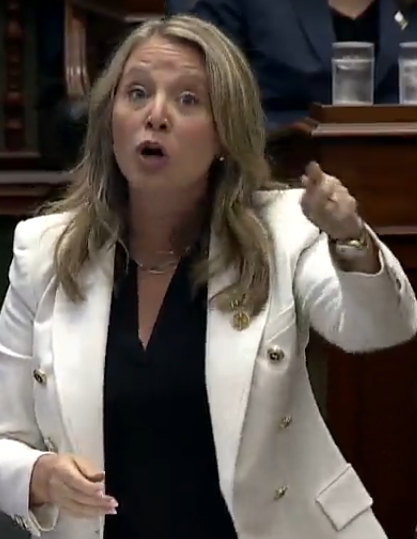
 By Gazette Staff
 During this time, there will be no GO train service between Aldershot GO and Union Station. Lakeshore West train service will run all stops between Niagara Falls and Aldershot GO, however, trains that regularly scheduled to begin and end at Confederation and West Harbour GO stations will not run.
 GO replacement buses will operate, making stops at West Harbour, Aldershot, Burlington, Oakville and Clarkson GO stations, then run express to Union Station Bus Terminal.
 By Frank Conselleri


 By Norm Coles
 Network improvements across the country have definitely helped. Stronger connections mean games load faster and run more smoothly. It is also

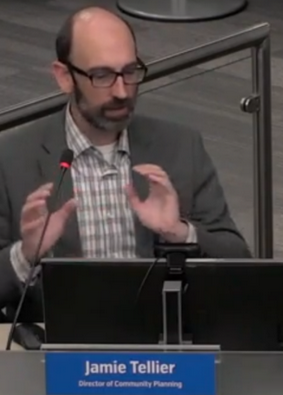



 By Gazette Staff
 Bring more pollinators to your garden while helping grow a more nature-friendly Burlington. Order one (or more!) of our native plant kits today.
 By Duncan McCallum


 Duncan McCallum is a former managing director and head of infrastructure finance for Canada at RBC Capital Markets. He is currently the President and CEO at NextGen Mortgage Company Inc.
 In November 2025, Mr. Allen received a letter from Halton Region Public Health advising that improper infection prevention and control practices involving the use of unsterile needles with multidose vials of anesthetic medication had been identified at the clinic. The letter advised him to consult his healthcare provider and undergo testing for Hepatitis B, Hepatitis C and HIV.
 The lawsuit alleges the defendants breached their duty of care by failing to implement appropriate infection prevention and control measures and failing to ensure needles used in treatment were properly sterilized. The lawsuit also alleges Halton Family Health Centre Inc. is vicariously liable for the conduct of Dr. Salter.


 By the end of the two training days, participants will:

 HOV lanes are currently restricted to vehicles with two or more occupants, as well as buses, licensed taxis, green-plate vehicles, airport limousines, motorcycles and emergency vehicles. The government is exploring regulatory changes to allow single-occupant vehicles to drive on all existing, planned and future HOV lanes during designated off-peak hours. Existing HOV lane rules would apply outside of off-peak hours, which will be identified through analysis of current traffic data and consultations. These times will not include the busiest weekday morning or evening commute periods. Once finalized later this year, the new off-peak hours will be set out in regulation.
 Equifax said in an e-mail to The Globe and Mail that there is an “alarming acceleration of financial stress” that is rapidly expanding to more creditworthy borrowers, and said it was an indication that “severe payment shock is actively spreading from subprime borrowers into the established middle class.”
 The Equifax data show that the homeowners with the largest mortgages or home loans greater than $800,000 are having more trouble making their payments.
 In the five pricey real estate markets, the delinquency rate for near-prime borrowers was 0.64 per cent in the fourth quarter of last year. It was 19.97 per cent for the weakest borrowers or those with a credit score between 320 and 520; and 0.01 per cent for the strongest, according to Equifax.
 By Serena Sirb
 Many apps now prioritize digital security. As we already discussed, these mirror the standards seen in online entertainment and gaming platforms. Leading apps like Strava, MyFitnessPal and Fitbit offer features such as encrypted progress logs to protect user activity data.