 By Ashley Worobec By Ashley Worobec
September 2nd, 2019
BURLINGTON, ON
The Gazette first met Dr. Ashley Worobec when she was part of the team that carried the Torch for the Pan American games in June of 2015.
We asked her to keep in touch – She did – told us she was going to do the New York City Marathon. We asked if she would keep a sort of diary of her training – she said yes.
Ashley has run marathons in the past – when she was a 27 year old adult with no children. This time around she is a 39 year old mother with two children and a sports therapy practice. Last week she took a break – now it is back to the grind. Here is the latest installment of the story.
We returned yesterday from a week’s vacation at Disney World and Universal Studios Florida. We had a wonderful time – my training took a backseat to family fun at the amusement parks!
 Disney World for the family – an a run along a canal while the kids sleep in. We walked everywhere and my step-counter read close to 20,000 steps per day! We did have one non-park day where I fit in a run along one of the paths on a Florida canal- I didn’t feel great on that run – heat and humidity were big factors, as was my diet. I tried to focus on healthy dining options this past week, but of course some extra treats on vacation work their way in and I could certainly feel it on that run!
But I focused on lots of water all week, and I didn’t stress about the two training runs that I missed, because I know in the grand scheme of things that two workouts are not a make or break in marathon training- and in fact, I don’t think my legs could’ve handled a run PLUS a day on my feet at Disney!
The backbone of marathon training is the long run, and I made sure to alter my schedule so that I ran my 26km long run last weekend before we left, and I ran my 28km long run this morning, the day after we got back.
 Data – let’s you record how well you are doing. Critical part of marathon training. This morning was a struggle, which I knew it would be, but I’m proud of myself for getting out there and getting the miles in. Marathon training really is a team effort, and I couldn’t be chasing this New York City marathon dream without the incredible support of my family – my husband and kids met me at the 10km mark and the 20km mark of my route today, with water and electrolytes (my brand of choice is Nuun; which is an electrolyte replacement tab that’s added to water and is very low in sugar) and some sweaty hugs of encouragement.
It really helped me to know that I had checkpoints to the family; my 10-year-old was quite impressed that “Mom can run for more than two hours!”.
 Route of the first run after the vacation break – with kids and husband at check points along the way. I’m now looking forward to back-to-school routines, and getting into some big, big mileage in September and October. I’m also thankful that next weekend is a drop-back week where my long run distance drops to 16km; it’s funny how perspective on that distance changes. At the start of my training, 16km felt monumental, and at this point it feels like a much-needed break!

 By Staff By Staff
September 1st, 2019
BURLINGTON, ON
The City of Burlington’s public art program has selected seven professional artists and artist teams that submitted proposals for temporary art installations throughout the city. Many of these installations are interactive – those artists want public participation.
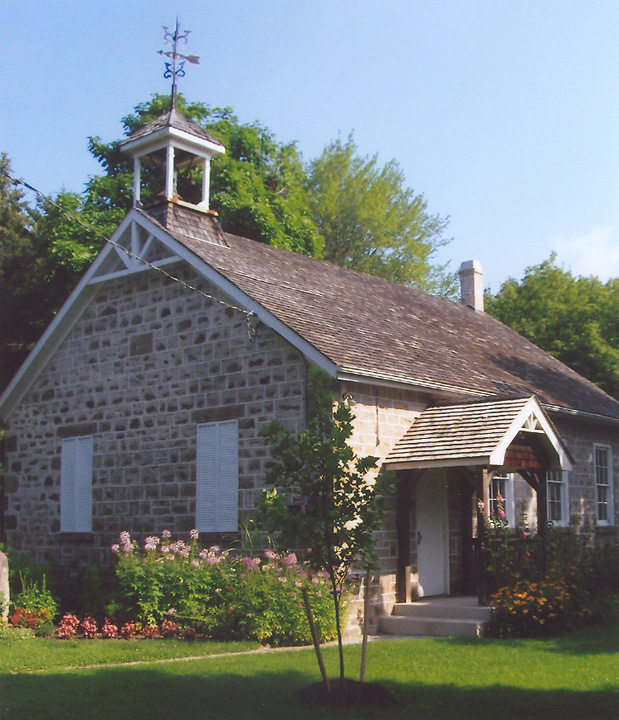
The first of these opportunities is at the Lowville School House on Sept. 5,6, 9 and 10 in Lowville Park. Artist Thomas Sokoloski is looking to record stories about Lowville.
All seven temporary art installations will be unveiled as part of the Burlington’s Culture Days event, later this month on Sept. 27 – 29, 2019. The installations will be exhibited for one-month, running from Sept. 27 – Oct. 25, 2019.
 Angela Paparizo in conversation with Councillor Paul Sharman Angela Paparizo, Manager of Arts and Culture for the city explains the bigger picture: “These temporary art installations will be interesting and captivating. Sculptures, stories, treasure hunts, murals and photos will create a sense of intrigue and hopefully encourage people to seek out these installations and start a conversation. Launching at Culture Days is a great way to kick off the weekend as well as the installations’ month-long viewing.”
Her is a list of the Artwork Concepts
 Lowville school house – talking walls. Lowville Park – artist: Thomas Sokoloski
The expression “If these walls could talk…” comes to life with “Listening to the Walls”, a site-specific interactive installation inspired by the memories of the Lowville community. In the tradition of a community ‘barn-raising’, residents are invited to participate in a ‘memory-raising’ to build and structure an oral history about their experiences. Adorning the upper walls of the barn will be photographic portraits of these storytellers, and below them designated areas where the public can listen to walls tell these stories from within.
Sokoloski is looking for people’s stories about the Lowville. He will be at the Lowville School House on Sept. 5, 6, 9 and 10 to record people’s stories. Residents with an interesting story to share, are encouraged to contact Thomas Sokoloski at studio.sokoloski@gmail.com or call 905-548-0111 to schedule a time.
 Spencer Smith Park – waste management as an art form. Spencer Smith Park – Artist: Arianna Richardson
Arianna Richardson, performing as The Hobbyist, will create an interactive installation and performance art project called “Garbage Party”. The installation consists of a gigantic, absurdly over-decorated, re-imagined version of waste infrastructure. “Garbage Party” prompts the public to consider their own relationships with waste and recycling, presenting a playful and absurd site in which to engage in conversations about our consumer society and the impact of the waste it generates. From Oct. 22-25 from 1 to 5 p.m. each day,
The Hobbyist will be performing on-site maintenance, collecting and documenting trash in the area, and then conducting a short survey with participants.
 The new Gazebo. Spencer Smith Park – Artist: Troy Lovegates
Troy Lovegates is an internationally prolific street artist who works in a variety of mediums, including murals, screen-printing and woodcarving. For this project, Lovegates will create “Hide and Seek,” a series of folk art wood sculptures that have been hidden throughout Spencer Smith Park. Park visitors are invited to participate in a “scavenger hunt” to find the sculptures and collect a stamp at each location.
Visitors can pick up a map with clues from the birdhouse box located beside the gazebo and start their adventure. The first 100 people to turn in their completed map will receive a special prize!
Brant Hills Community Centre – Artist: Jimmy Limit
Jimmy Limit will create a large-scale photographic mural entitled “Photos from Brant Hills Community Centre.” Inspired by the functions and surroundings of Brant Hills Community Centre, Limit will photograph materials associated with sports, the gym, library and materials found in the natural park surroundings of the community centre. By using the language built around commercial photography and advertising, Limit’s images document unlikely assemblages, which cause the viewer to question the motives of the imagery when placed in the public realm.
 Burloak Park is now much more than a concept. Burloak Park – Artist: Tyler Muzzin
Tyler Muzzin will create a floating sculpture entitled “The Great Dark Wonder”. The sculpture is a 1:2 scale mobile research station floating between the breakwater and the shore of Burloak Waterfront Park. Using cellphones, visitors can listen in on a dialogue between two fictional ornithologists who are eternally confined to the research station by unknown forces.
Muzzin’s installation explores ideas of the “Natural” through the lens of ecocriticism. The installation focuses on the representation of physical environments and the ways in which these environments are depicted and, in turn, consumed by mass culture.
 Norton Park, one of the most active in the city already has some permanent public art. Norton Park – Artist: Lambchop
Lambchop will create a large-scale text installation entitled “Typographic Fencing.” The installation defines space and prompts conversation by creating large-scale text in areas where it is not expected— around the edges of parking lots, near ravines, off divided highways, around a fenced-in playground. These temporary installations are woven out of flagging-tape, a simple, inexpensive material used to mark boundaries. Squares in chain-link or vertical-bar fences become pixels on a screen or canvas, the medium for messages.
The messages are installed anonymously and removed without ceremony. By transforming large-text into large questions, aim to spark a dialogue.
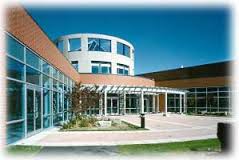 Tansley Woods will be getting a “sound” treatment. Tansley Woods Community Centre – Artist: Kristina Bradt
Kristina Bradt will create “Intersection,” a soundscape projection installed in the lobby of the Tansley Woods Community Centre. Bradt visited the facility at different times throughout the season to collect sound using a field recorder. By capturing the sounds of the activities, events and people that move through the space, Bradt captured that which often goes unnoticed.
Bradt then uses these recordings to create a large-scale floor projection that features bright, abstracted imagery that has a contemporary feel and brings a sense of wonder and curiosity directly inspired by the energy and livelihood of those who inhabit the space. What you see is the artists’ interpretation of the sound data, turned visual art.
 By Staff By Staff
September 2, 2019
BURLINGTON, ON
 She just can’t wait to get to her classroom – she may not have learned to look both ways. They are back in school.
Which means paying more attention to the way we drive and watching for the kids who are not as cautious as they should be.
The Halton Regional Police have begun their School Zones Should Be Safe Zones program.
The Halton Regional Police Service is out in force with their Project Safe Start.
This will be the 12th year the Service has conducted their homegrown campaign, which focuses on education, awareness and high-visibility enforcement of traffic laws throughout Halton Region, particularly in and around school zones.
 Police officers with hand held radar devices catching drivers speeding right outside a high school. This annual campaign is two weeks long and focuses on the period during which children are returning to school. This year’s campaign will run between Monday, August 26 and Friday, September 6, 2019.
School zones should be safe zones. Officers are reminding motorists that over 100,000 students return to school in Halton Region on Tuesday, September 3, 2019. Motorists should be on heightened alert for increased pedestrian and vehicular traffic in and around school zones.
It is important to remember driving safely is your priority:
• Drive at a safe speed. Aggressive driving such as speeding, tailgating and failing to comply with road signs increase the likelihood of a collision. Aggressive driving reduces your reaction time and makes your vehicle movements unpredictable to other drivers.
• Be aware of your surroundings when driving. There are three types of distractions: taking your eyes off the road, taking your hands off the wheel, and taking your mind off driving. Holding your cellular phone in your hands is an offence, regardless of whether you are talking on it, using the navigation system or changing a song. This is still applicable when stopped at a red light. Did you know that texting while driving increases the risk of a collision by 23 times?
• Drive responsibly. Drug-impaired driving and alcohol-impaired driving can result in serious injury or death to you, your loved ones and other road users. Impairment slows your ability to react to changing road conditions. Drinking before driving and any form of drug use will impact your ability to drive.
Halton residents have ranked traffic concerns as their #1 policing priority. Project Safe Start is just one of the campaigns that the Halton Regional Police Service engages in throughout the year in an effort to educate the public and enforce the Highway Traffic Act and other traffic-related legislation.
Sergeant Ryan Snow, Traffic Services Unit: “All motorists have a role to play in traffic safety, especially as children return to class this fall at one of the over 160 educational facilities across Halton Region. Project Safe Start aims to ensure that our youngest and most vulnerable road users remain safe. The Halton Regional Police Service would like to encourage motorists to slow down, drive sober and avoid using their cell phone and other devices at all times while driving. Regardless of who is at fault, when a vehicle collides with a pedestrian or cyclist, the consequences are usually tragic. All children deserve to attend school – safely.”
Pedestrians, cyclists, motorists and police all play an integral role in ensuring safer roads within Halton Region. We thank the community for doing their part to ensure school zones are a safe place to be.
 By Staff By Staff
September 1st, 2019
BURLINGTON, ON
Scamming people is a full time job for some people.
They never let up.
You can defeat them by just paying attention.
You don’t cross the street without looking both ways or making sure the light is green – unless of course you’ve glued your eyes to the cell phone.
The cardinal rule is – If in doubt – don’t.
All one had to do with this scam on those who have Pay Pal accounts is to look at the address it came from – that is not a Pay Pal address.
 This would have been sent to tens of thousands of people whose names were bought from some ‘black’ source then used to attempt to trick you. Look at the email address the notice came from set out below – that isn’t Pay Pal.  Always look at the address the email came from. If you don’t recognize it – don’t open the email.
 By Pepper Parr By Pepper Parr
August 30th, 2019
BURLINGTON, ON
We saw the talent from Community Living when they were part of the Performing Arts Centre season launch event last May.
They were good, really good – they were fun, better at times than some of the other “professional” people on the stage.
 They are working with the Performing Arts Centre on what will be a fantastic show – one day only September 21st. They are working with the Performing Arts Centre on what will be a fantastic show – one day only September 21st.
One of the reasons this show will be what it is going to be is the direction they will get from Rainer Noack, a man who has the ability to draw a performance out of almost anyone.
Rainer has been working at the Student Theatre for years where he has spotted talent and nurtured it to the point where it is ready for the stage.
 Rainer Noack He works mostly with young people – they love him. The performances he directs are filled with energy, sound, joy – and everyone has fun – including those watching the event.
Community Living is in place to enrich the quality of life and to promote full and meaningful inclusion in our community of people who have a developmental disability.
On the 21st of September they are going to enrich your life with a fine performance of wonderful talents.
These people have songs in their hearts and taps in the soles of their shoes – and they have both wit and humour that will make the evening well worth the cost of a ticket.
Performing Arts Centre, September 21st.
 By Staff By Staff
August 30th, 2019
BURLINGTON, ON
.
The parking ticket appeals office located on the first floor of City Hall at 426 Brant St. will be closed on the following dates:
• Tuesday, Sept. 3 – closed between 1 and 4 p.m.
• Wednesday, Sept. 4 – closed between 9 a.m. and 1 p.m.
• Friday, Sept. 6 – closed between 2 and 4 p.m.
Outside of these closure times, the parking ticket appeals office is open Monday to Friday between 9 a.m. and 4 p.m.
Is this shift the first step to limiting the time this office will be open?
Is this not a service that could be made available to the public in the evenings?
By Pepper Parr
August 29th, 2019
BURLINGTON, ON
OPINION
The question that comes to mind is – what took so long?
Ontario’s Minister of Education announced plans to move forward with restricting the use of cellphones and other personal mobile devices in classrooms beginning November 4, 2019.
 The restriction applies to instructional time at school, however, exceptions will be made if cellphones are required for health and medical purposes, to support special education needs, or for educational purposes as directed by an educator. The restriction applies to instructional time at school, however, exceptions will be made if cellphones are required for health and medical purposes, to support special education needs, or for educational purposes as directed by an educator.
During the consultation on education reform in fall 2018, 97 per cent of parents, students and teachers who participated said that cellphone use should be restricted in some way.
In response to this feedback, the Provincial Code of Conduct has been updated to include this restriction. It sets clear standards of behaviour and requires that all school boards ensure their own codes of conduct are up to date and consistent with requirements.
“When in class, students should be focused on their studies, not their social media,” said Stephen Lecce, Minister of Education. “That’s why we are restricting cellphones and other personal mobile devices in the classroom, while making sure technology is available to help students achieve success in the digital economy and modern workforce.”
Amen!
To ensure that parents and guardians are clear on the new guidelines, including the exceptions, the following resources are available:
• Parents’ Guide to the Provincial Code of Conduct
• Cellphones and Other Personal Mobile Devices in Schools – Questions and Answers for Parents and Guardians.
In our travels as journalists we have, on far too many occasions, watched students chit chat with each other during a classroom presentation.
There are occasions when a cell phone is a useful tool and should be permitted in a classroom.
 By Pepper Parr By Pepper Parr
August 29th, 2019
BURLINGTON, ON
Exclusive to the Burlington Gazette. Part 3 of a 3 part series.
Is the park that Nelson Aggregates wants to create a city park or a Regional Park and if it is a Regional Park should it be administered by the Conservation Authority or the city of Burlington?
 Hassaan Basit, Chief Administrative Officer Conservation Halton Hassaan Basit, Chief Administrative Officer of Conservation Halton, said he has not been approached by Nelson Aggregates but that his organization is already administering several large recreational attractions that include Eden Glen, the skiing facility that gets thousands of paying visitors every year as well as the Mountsberg facility that is a very popular destination for people across the province.
If a lake were created in the former quarry sites it would draw large crowds because the water would not be as cold as the waters of Lake Ontario.
There are three phases to the creation of parkland with four distinct transfers of property from Nelson Aggregates to public ownership over a period of about 30 years with the first piece of land being transferred immediately.
 The lands that Nelson Aggregates is either quarrying or wants to quarry. The land, 946 acres in total, would be transferred in several phases. The first will be the 119 acres in the eastern side of the property south of #2 Side Road. This is property where the Jefferson Salamander has habitat and cannot be mined. Nelson has already done remediation work to make it more habitable for the Salamander and expects to do more before any transfer takes place.
Nelson said they would turn over 119 acres immediately, then turn over an additional 77 acres in +/- ten years, then 144 acres from the quarry that is nearing its end of life and finally 606 acres in 30 years when the golf course property meets its end of life
While the quarry people are not tourism or destination experts they do point out to some terrific potential if one includes Mt Nemo in the mix. The walk up the Mt Nemo trail to the edge of Mt Nemo where you look out over a vast piece of land and on good days you can see the CN Tower, which the Nelson Aggregate people will quickly tell you it was made of aggregate quarried by Nelson.
When Nelson Aggregates made an application to quarry land they had purchased south of the quarry lands they were denied the permit they wanted.
At that time the community was adamant about not wanting any more trucks on the road and no more of what they argued was damage to the environment.
They did their homework and presented an argument that the three member Joint Administrative Review Tribunal panel bought – no license.
Nelson aggregates then did their homework and looked for ways to be able to overcome the issues the tribunal believed were significant enough to not permit another license.
They have looked at the land where the Jefferson Salamander was known to inhabit and learned that the creature does not live in the western section of the south property.
 The lands where the Jefferson salamander are known to live are to be protected when the southern property is quarried. Nelson has done a number of enhancements that made the property more environmentally suitable for salamanders which will make it possible for Nelson to argue that the western part of the southern lot is not a natural habitat for the salamander and point out that there are none there at this point in time.
Nelson will be pointing to Regional, municipal and Niagara Escarpment policy and regulations that not only permit aggregate mining but encourage it.
In 2004 through to 2012 the rural community fought hard, spent a lot of money they didn’t have and energized a community that convinced the politicians in office at the time that a new quarry was not a good idea.
Rural Burlington has been threatened on more than one occasion. There was a point in recent memory when it looked like the province was going to ram a highway through the community starting at somewhere near Kilbride and have it link to Hwy 407 and QEW.
Once again, the community came out in force and the government in office at the time backed away from the idea.
 Trucks move in and out of the pit every day. Mining aggregate is a profitable business and the Nelson lands have high quality stone that is very much in demand. The location is also very close to highways needed to move the product.
During the first public meeting on the new quarry question Roger Goulet told the crowd that filled the room at the Conservation Authority that PERL was not likely to be revived to take on this latest battle to prevent the zoning changes that are needed.
“You are going to have to find the leadership you need within the community, then do your homework, go over all the studies the company has to file and find in those studies the issue you need to stop the development.”
Goulet was one of the PERL people who put in eight years battling the quarry people.
 Walt Rickli on the left. Walt Rickli, a vocal advocate for the Lowville community suggested that it might be time to re-think the way rural Burlington gets used by the larger public. He came close to being booed by some people in the audience.
Nelson believes they meet all the policy requirements and the existing regulations and that they have done what needed to be done to ensure that a species, the Jefferson salamander, is not put at risk.
It is going to come down to how strong the community response is, whether or not the ward Councillor is ready to lead that battle and if the community can raise the funds needed to hire the professionals that will take their arguments forward to whatever hearing is held.
This is the very early stage – the application has yet to be filed with the Regional government, the Niagara Escarpment Commission and the City of Burlington. The community can’t do much in the way of reacting until they see what Nelson Aggregates has to say in their application.
They point to the decommission note attached to their license and believe that they are more than meeting that requirement.
 A note that is part of the license issued to Nelson Aggregates. They are not sitting idle. Nelson has had people talking to anyone they can get in front of and have an impressive presentation that they are showing to various stakeholders.
They have planned several public tours of the site during October and have hired public relations firms with experience in managing situations where there is community dissent and digging the support there is and making sure that support is heard.
As one drives along # 2 Side Road it becomes quickly evident that the road will have to be made quite a bit wider if it is to handle the traffic should it become a public site.
Part 1 of a 3 part series
Part 2 of a 3 part series.
 By Ray Rivers By Ray Rivers
August 29th, 2019
BURLINGTON, ON
There is only one way to describe the experience of driving back from northern Ontario on a long Ontario weekend.
Overwhelming traffic and grid lock! Much like the rest of the free highways around the province, and the GTA in particular most days.
 Pay a fee and you can ride in that left hand lane. So the economist in me wants to cry out road tolls. That’s right. Not only would the cost of tolls ration demand, but the tolls would also raise much needed cash for governments all drowning in deficit financing. That does mean that rich folks could afford to take the highway more often than the poor – and unless there are reasonable options to driving that will get the equity folks all upset.
In fact everyone seems to get upset. Nobody likes toll roads, even if, like the 407, they are relatively painless – get a transponder and the cost goes on your monthly visa bill. And talk about success, that highway is now worth over $30 billion, ten times the value Mike Harris got for it twenty years ago.
When Toronto’s city council wanted to impose some road tolls to help with city finances the Liberal provincial government feared a public backlash in the upcoming election, so nixed it. As it turns out that would hardly have hurt them in their election fortunes.
 Weekend traffic In fact only the Green Party has had the courage to advocate road tolls. The other parties would no more dare to promise tolls, than they would photo radar or another long gun registry. The Wynne Liberals did, however, initiate tolls for driver-only cars using high occupancy lanes (HOV) – thus making them high occupancy or toll (HOT) lanes.
So what are our federal politicians promising to do about cars and congestion as we head to the polls in October to vote for them? The Harper Conservatives had launched a national multi-government infrastructure program as the centre piece of their effort to pull Canada out of the 2008 recession. That effort has been criticized for leaving too much money on the table – more ‘much-ado’ than actually ‘doing’.
As part of their 2015 election campaign the Trudeau Liberals had promised a massive nearly $200 billion, 10 year infrastructure program – increasing Canada’s infrastructure by roughly 20%. But like the Tories before them, they have found it difficult to spend as planned. The money needs to be initiated through application from the responsible jurisdictions and that takes two or more to tango.
One might recall the squabble between the Premier and the PM over the Bombardier transit car layoffs in Thunder Bay. It turns out that Mr. Ford had dropped the ball and failed to apply for the infrastructure money which might have kept the company and its employees working.
 Tolls would pay for infrastructure – which would create jobs. Infrastructure investment is credited with creating over 547,000 jobs in 2017 alone. And job creation was the primary motivation behind the Liberal infrastructure program. Though fewer jobs were actually created than planned, it all helped move Canada to a four decade low rate of unemployment, and away from impending recession as Trudeau came to power.
Roads are high on the list for funding, getting almost a quarter of all that infrastructure money. Of course we can all see that money at work as we navigate our way through construction season. But you don’t have to be in a corn field in Iowa to know that if you build it they will come – no sooner do we finish a new road then it is congested with cars again.
There are an ever increasing number of trucks on the road and some of the blame goes to the wasteful industrial practice of just-in-time parts delivery, where trucks essentially become warehouses on wheels. Then there is the new trend of on-line shopping with free truck delivery to your door.
 No immigration – no traffic congestion. And where do all the cars come from? On going urban sprawl necessitates car ownership and private vehicle commuting. Maxime Bernier would blame congestion on too much immigration. But nobody is listening to him, preferring to label him and his party as racists and keeping that party at the bottom of the polls.
Between 2011 and 2016, almost 30 per cent of immigrants to this country, some 356,930 people, settled in the Toronto census area. Even if only one in four acquired and drives a car that is still almost a hundred thousand cars we’ve added to Toronto area roads during those Harper/Trudeau years.
Elections are a perfect time for trying out new ideas. Kathleen Wynne promised to build some long needed high speed rail in southern Ontario had she won the last election. It is not clear how many drivers would have left their cars at home and shaved a four-plus-hour commute in rush hour down to 73 minutes – but at least they would have been given the option.
The federal government has played a huge role in facilitating the development of transportation in this country, the railways and highways and even pipelines. Isn’t it time for one of the political leaders to come out swinging with a better idea about resolving our road congestion?
 Ray Rivers writes regularly on both federal and provincial politics, applying his more than 25 years as a federal bureaucrat to his thinking. Rivers was once a candidate for provincial office in Burlington. He was the founder of the Burlington citizen committee on sustainability at a time when climate warming was a hotly debated subject. Ray has a post graduate degree in economics that he earned at the University of Ottawa. Tweet @rayzrivers Ray Rivers writes regularly on both federal and provincial politics, applying his more than 25 years as a federal bureaucrat to his thinking. Rivers was once a candidate for provincial office in Burlington. He was the founder of the Burlington citizen committee on sustainability at a time when climate warming was a hotly debated subject. Ray has a post graduate degree in economics that he earned at the University of Ottawa. Tweet @rayzrivers
Background links:
National Infrastructure – More Infrastructure – Even More Infrastructure – Free Highways –
Canadian Immigration – Toronto Immigration – High Speed Rail –
By Staff,
August 28th, 2019
BURLINGTON, ON
After a chase by police, and several attempts at stealing another vehicle didn’t work, the police found their suspect hiding in some bushes. Fabulous police work.
 Just before noon yesterday the Regional police attempted to stop a vehicle whose driver they believed was wanted for several Criminal Code offences. The suspect fled and a brief pursuit was initiated in the area of Queensway Drive in Burlington. Due to the dangerous manner in which the driver was operating the vehicle, the pursuit was terminated by police. Just before noon yesterday the Regional police attempted to stop a vehicle whose driver they believed was wanted for several Criminal Code offences. The suspect fled and a brief pursuit was initiated in the area of Queensway Drive in Burlington. Due to the dangerous manner in which the driver was operating the vehicle, the pursuit was terminated by police.
The vehicle was observed again by police in the area of Harvester Road and South Service Road in Burlington. A tire deflation device was deployed, however the driver was able to evade it.
A short time later, the suspect attended a car dealership and attempted to rob an employee of his personal vehicle. This attempt was not successful and the suspect fled in his vehicle once again. The suspect drove the wrong direction onto the Queen Elizabeth Way exit ramp at Walkers Line, and was involved in a minor collision.
The suspect fled the scene of the collision on foot and attended a nearby hotel. The suspect approached an employee of the hotel and demanded their personal vehicle keys. After obtaining the keys, the suspect again fled the scene on foot.
K9 and uniform officers searched the area and after a lengthy track, located the suspect concealed in a bushed area.
Nathan Howes (29) of Brantford is charged with:
-Flight From Police
-Dangerous Operation
-Fail to Comply with Recognizance (x3)
-Robbery (x2)
-Failure to Stop After Accident
Howes was held in custody pending a bail hearing on August 28, 2019 in Milton.
This is the stuff of television shows.
By Pepper Parr
August 28, 2019
BURLINGTON, ON
The start of a new school year has parents busy getting their children ready, getting the clothing and supplies that are needed and wondering what their children are going to learn in the school year ahead.
While parents ready the family, the school board administrators ready the schools, classrooms and teaching staff in a climate where the provincial funding is at times ‘iffy’.
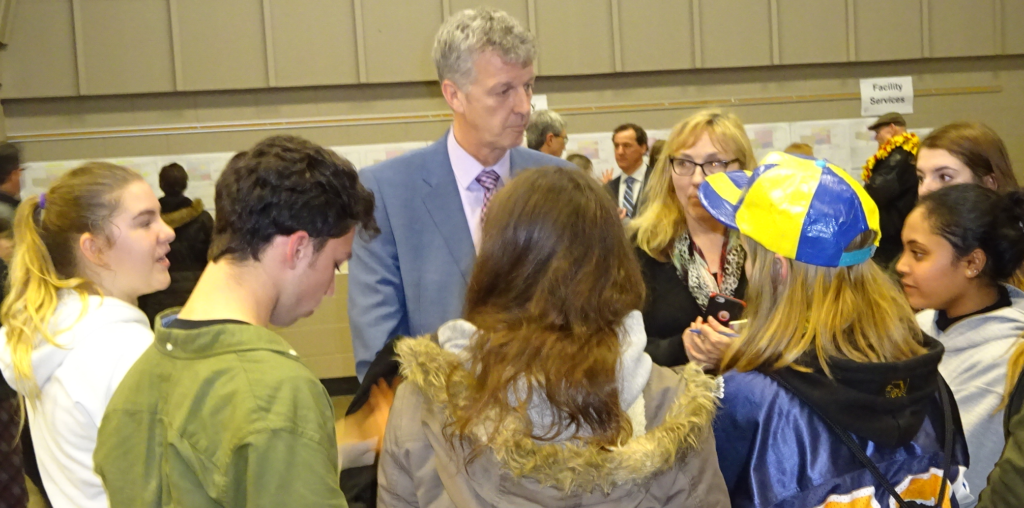 Stuart Miller, talking to students during the difficult days when high schools were being closed. Stuart Miller, Director of the Halton District School Board, has worked through several months of dealing with the Ministry of Education and is still waiting for approval to send the plans for an addition to Nelson High School to take in the students who will leave Bateman High School when it closes.
“The design has been approved, the funding has been approved but we don’t yet have permission to issue the tender”, said Miller.
“I’m not sure I am going to have classrooms ready in time.”
 Bateman high school may be kept open a little longer than expected – forever? Not likely. Keeping students at Bateman for a little longer isn’t going to hurt anyone – there are some that might see it as a sign that perhaps the move will never be required.
Funds aren’t flowing the way they have in the past added Miller. The HDSB did get an additional $1.5 million but they also got an additional 800 + students this year; the final number will be known when the doors open next week. This increase would translate to over an additional $20 M in costs.
The HDSB has always felt it was getting the short end of the financial stick from the province.
The new school being built in Oakville might be ready but Miller won’t guarantee that all the paint will be dry when the doors open.
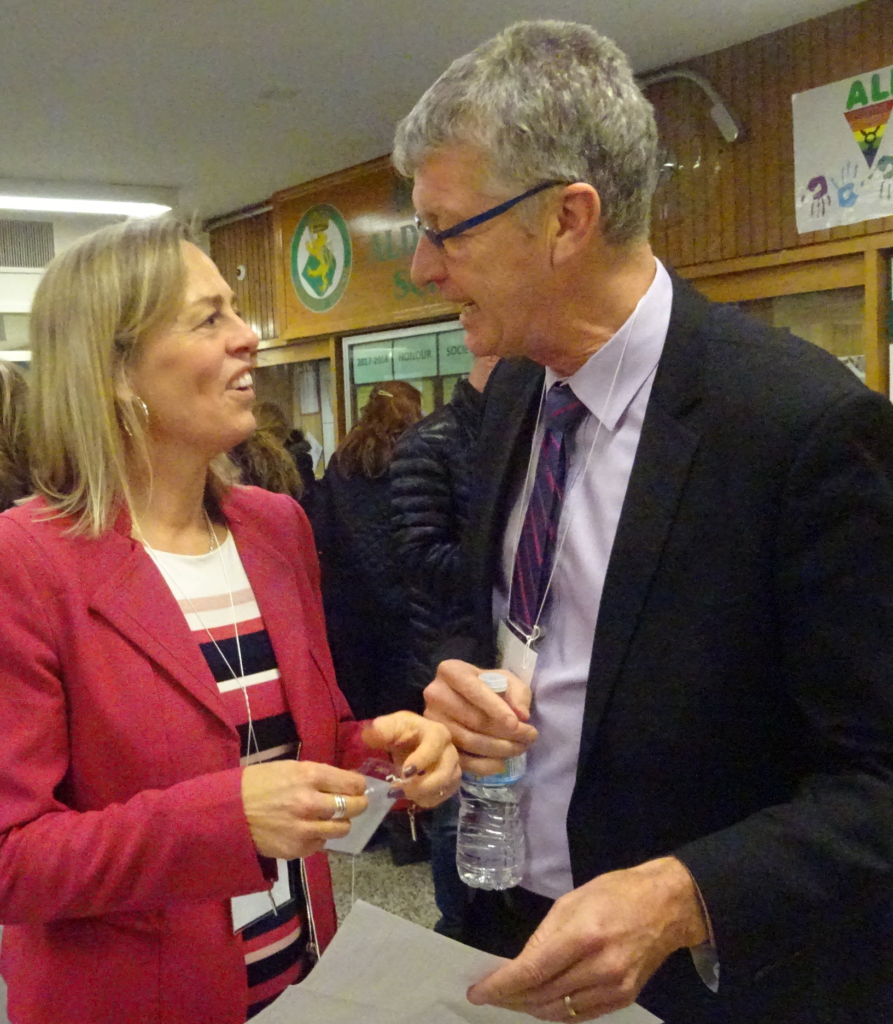 Superintendent Terri Blackwell with Director of Education Stuart Miller the day that hundreds of parents showed up to register their children in the iStem program at Aldershot high school. Miller will be at Aldershot High School next Wednesday to formally welcome the first iStem students to the facilities that have been built for a different approach to high school educations. The Board spent about 1.4 M on upgrades to Aldershot.
iStem was one of the positive things that came out of the Program Administrative Review (PAR) that saw Lester B. Pearson and Bateman High School closed – which amounted to two out of the seven high schools in the city.
 Claire Proteau in her office – where she is open and engaging with her students. The merging of the Pearson students into M. M. Robinson went exceptionally well due in no small measure to the superb direction from MMR principal Claire Proteau and the decision to move the Pearson vice principal into MMR. Cost of transitions/moving LBP to MMR – about $175,000.
The HDSB trustees are going to have to grapple with losing $6.8M from a funding source called Local Priorities. This money was not in the budget for this year( it was provincial funding from last year).
All the union contracts come up for renewal this year. Miller feels confident that there won’t be any impossible situations at the local level – what happens at the provincial level is something he wouldn’t even hazard a guess at.
The International Baccalaureate program that was moved from Bateman to Central takes root this year with pre-grade 9 and a pre-grade 10 offering. Miller expects about 100 students to register at Central for the program. He expects about 600 to register at White Oaks high school for the program there.
With streets crowded with students come Tuesday, let’s hope the the police crack down on irresponsible drivers will have an impact so we can have a traffic accident free week.
By Pepper Parr
August 28th, 2019
BURLINGTON, ON
Updated
We now know when the first SPECIAL EXHIBITION will take place at the transformed Brant Museum. PART OF THE MACHINE: ROCK AND PINBALL begins October 6 through to January 12.
It is these special events that are expected to pay the freight for the operation of the transformed facility. The million and a bit that the city is pumping into the space will only go so far.
 Fun galore on dozens of pin ball machines that will be free to use. Before the pinball machines get plugged in there will be an opening of the Museum for the public on September 15th – noon to 4:00 pm with no entry fee.
We have no word on what the entry fee for the Museum is going to be on a day to day basis nor do we have a schedule on what the Museum hours of operation will be.
An observant Gazette reader advises us that:
General admission is:
$10.00 ADULT
$8.00 SENIOR/STUDENT
$6.00 CHILD
3-12 years
FREE CHILD
Under 3 years
$30 FAMILY
Up to 2 adults/seniors and up to 4 children
And that the hours of operation are:
Mon / Closed
Tues / 10:00am-4:00pm
Wed / 10:00am-4:00pm
Thurs / 10:00am-7:00pm
Fri / 10:00am-4:00pm
Sat / 12:00pm-4:00pm
Sun / 12:00pm-4:00pm
We do know that the new Executive Director or is it Director, different titles are coming out from the museum media people, will take the helm on September 9th. Kimberly Anne Watson was named to the position effective September 9th
The first special exhibition in the Showcase Gallery at the Joseph Brant Museum, is being billed as the Canadian premiere of Part of the Machine: Rock & Pinball from the Rock and Roll Hall of Fame in Cleveland, Ohio.
The interactive exhibition features rock-themed, playable pinball machines alongside merchandise and artifacts related to artists and bands.
COST: Included with regular Museum admission. What isn’t made clear is whether or not pinball machine players have to come with pockets full of Loonies or Toonies.
Not much in the way of history about a pin ball machine – but it could be fun.
By Pepper Parr
August 27th, 2019
BURLINGTON, ON
Exclusive to the Burlington Gazette. Part 2 of a 3 part series.
Nelson Aggregates is quarrying a site between Colling Road and #2 Side Road, west of Guelph Line. They have been doing that for several decades.
In 2004 they applied for a permit to quarry south of the property they were working on and, after a long arduous battle, the issue went to a Joint Administrative Review Tribunal where a three member panel found for the citizens.
 He isn’t exactly pretty but nevertheless plays an important role in the local environment. Comes in different colours as well. The Tribunal took the position that any work done on the site south of the property they were working on would endanger the Jefferson Salamander.
Nelson Aggregate was stunned at the decision; it was close to the last thing they expected.
The decision meant a major change in their plans and at the time the laying off of a number of employees.
Almost from the day the decision was handed down Nelson Aggregates pulled a team together to review and understand just what their problem was and what they could do about it.
 Truck traffic is one of the downsides of any increase in mining capacity. It is a problem and it has to be dealt with – creatively.
The market for quality aggregate was strong and looked to become even stronger. The Nelson site on Colling Road has some of the best stone in the province; that and its location make it a site that Nelson wants to keep in production for as long as possible.
After a considerable amount of research the company learned that the Jefferson Salamander had habitats on the eastern side of the south property but nothing on the western side of the site.
 Burlington Springs Golf Club: Several years of golf left in the place. Corporately they also decided to seek a license for an even larger site – the Burlington Springs Golf Club.
The company, wholly owned by Lafarge, knew that the properties they wanted to quarry met both the Regional and City of Burlington bylaws and complied with Niagara Escarpment regulations.
Burlington adopted an Official Plan in 2018 which the Regional government sent back for some minor changes but told the city that they were not limited to correcting just a few minor problems – they were free to totally revise their Official Plan if they wished.
Nelson believes they are in compliance with the Official Plan that is in force now and that they will be in compliance with the adopted plan when it is made official.
Public opinion is going to be a major factor in this new application. The company decided they would make the city an offer they believed couldn’t be refused – give them all the land once the quarry work was done in about 30 years which many saw as a “pig in a poke”.
The yellow outline is the part of the property that will be quarried. The red outline is where the Jefferson Salamander does his thing – Nelson has already done considerable enhancement work to that part of the property. The land, 946 acres in total, would be transferred in several phases. The first will be the 119 acres in the eastern side of the property south of #2 Side Road. This is property where the Jefferson Salamander has habitat and cannot be mined. Nelson has already done remediation work to make it more habitable for the Salamander and expect to do more before any transfer takes place.
The most recent statement from Nelson Aggregates is that the land would be transferred the day all the necessary bylaws and agreements are in place.
Nelson said they would turn over 119 acres immediately, then turn over an additional 77 acres in +/- ten years, then 144 acres from the quarry that is nearing its end of life and finally 606 acres in 30 years when the golf course property meets its end of life
The deal is that the city would have a site that did have some Salamander habitat on it but that those would be clearly identified; there would still be space the public could use. That would happen the day the bylaws were signed.
 It will become a lake when the quarrying is done – in about seven to ten years. The lake will be the size of 30 football fields with a surface slope that has space for those who just want to play in the water. The next piece of the pie would become available in about seven to ten years and that would be a lake about the size of 30 football fields (77 acres) that would be crafted while the quarrying was being done. There would be a large beach area at the north end, then a shallow water level that became a deep end at the southern part.
The next phase would be when the current quarrying is done at the site now in operation – an additional 114 acres would be given to the public.
The last piece would be the 606 acres that are currently golf course land.
 These are the Nelson holdings. The property in the center, outlined in blue is where current quarrying is taking place. The property at the bottom, outlined in green is owned by Nelson. The largest part will be set aside for the Jefferson Salamander, the part in red is where quarrying will take place and when mined out will be turned into a large lake. The property to the left is golf course land on which Nelson has an option. Those who don’t want any more quarrying argue that the company has to leave the site in a pre-determined condition. True – the company argues that they are adding far more value to the property they are turning over to the city when the deal is signed than called for in their license.
.
They point out, as well, that they are complying with the decommissioning of the site as set out in the license.
Many people are not aware that an aggregate licensing agreement does not have a time limit. With the license in hand the company can mine for aggregate as long as they believe there is stone to be had. Every license has a decommissioning requirement that Nelson shares willingly and are constantly complying with.
During our tour of the site we saw numerous examples of rehabilitation work that had been done and was being done.
 Washing station – mandatory for every truck that leaves the site. We saw a “truck wash” that every vehicle leaving the site was required to drive through to get mud off the wheels and undercarriages of the trucks.
We also saw an unmarked police cruiser parked on the Nelson property in place to look closely at any truck they felt might not meet the road safety standards.
Is what Nelson offering a good deal for the public? It could be.
It is certainly a good deal for Nelson – and after all that is the business they are in and there is a need for quality aggregate.
Is there more than could be done? It would be great if Nelson could find people with open minds and little in the way of vested interests who have a sense of vision and a lot of imagination to sit as an Advisory committee who may not have any clout other than the ability to go public when they have concerns over the direction Nelson is taking.
 Rory Nisan, the ward Councillor is going to have his hands full placating the rural residents and at the same time looking for the bigger picture where rural Burlington can become a destination for everyone – not something the residents want to hear. There is a phrase in the lexicon – social license – the degree to which a society will allow change and the degree to which commercial interests will set aside the need for an immediate return on the assets they have so that something bigger and better can be created.
The idea for a Mt Nemo Park is excellent – but there is a lot of work to make it happen and everyone is going to have to adapt.
Part 1 of a 3 part series.
By Staff
August 27th, 2019
BURLINGTON, ON
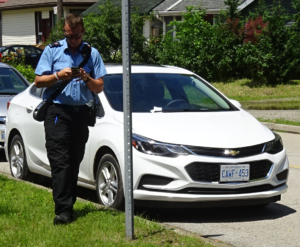 Sometimes you actually get a break at the Appeals Office. The Parking Ticket Appeals Office Closed Aug. 28 and 29
The parking ticket appeals office located on the first floor of City Hall at 426 Brant St. will be closed on Wednesday, Aug. 28 and Thursday, Aug. 29, 2019.
The office will re-open on Friday, Aug. 30 at 9 a.m.
By Ashley Worobec
August 27th, 2019
BURLINGTON, ON
It’s been a real juggle this week, especially to fit in my long run.
I’m leaving for a week’s vacation on Wednesday, working all day today and tomorrow, and I’m working all day today, so it had to be done really early this morning. Thankfully, my friend Sarah agreed to meet me at the crazy hour of 5:00am, and we did our 26km together.
 Garmin is a real task master. The first hour was in the dark, and for the last 1.5 hours we got to enjoy the beautiful sunrise and early morning hours. I had time for a quick shower and a quick breakfast, and off to work I went. My ever-supportive husband got up really early and drove out to meet us at both the 13km and 20km marks. He brought water and some energy gels and it was really nice to have that help – with runs that last this long, it’s very tough to carry enough water on your person.
 Compression socks -about as bright a colour one could find. Recovery is still a huge focus of mine, so I’ve been wearing my compression socks after many of my runs. I really find they help with that heavy-leg feeling I sometimes get with the longer distances. My watch keeps track of my step counts and I’m easily hitting that 10,000 steps/day default goal that Garmin sets!
Today after that 26km, I’m at 25,000 steps! I also work on my feet, so these legs are taking a beating. I’ve been getting bi-weekly massages to help my muscles stay healthy.
Not sure how my runs will pan out while I am on vacation.
We are headed to Walt Disney World (my first Disney trip, and a first for my kids as well), so if I’m feeling up to it, I’ll run a couple of times, and if I’m not, then I’ll miss the 2 runs that I’ve got scheduled next week.
 Data is critical to proper training – knowing what you’ve done and keeping track of the changes is critical to a training program that is going to have you fit for Marathon Day. I’ve fit in my long run this weekend before we go, and I’ll fit in my 28km long run next weekend after we return. The weekly long runs are the most vital part of marathon training, so it’s a juggle to prioritize those and make sure I get that mileage in.
The Gazette publisher wants me to come back with a photo of me and Mickey!
 By Pepper Parr By Pepper Parr
August 27th, 2019
BURLINGTON, ON
When you get back from the Labour Day vacation the federal election that has been bubbling just beneath the surface of the news cycle with the SNC Lavalin scandal taking up most of the oxygen, will become more apparent. This one has the potential to be quite nasty.
Political advertising will become more prevalent, the campaign teams will be out in force and the candidates will be seen wherever they can find an audience.
Burlington residents fall into one of three constituencies.
Burlington, Oakville Burlington North and Milton.
In the days and weeks ahead the Gazette will cover each of the three constituencies and try to keep up with what the politicians have to say.
In the Milton constituency the fight is basically between the incumbent, Lisa Raitt and a newcomer Liberal candidate Adam Van Koeverden.
If the size of the campaign offices is any indicator one could conclude that Adam Van Koeverden is going to spend his way to a win while Raitt, currently the Deputy Leader of the Progressive Conservatives, hopes to ride to a win on the basis of her record – which has a spotty past but rests on a strong voice in the House of Commons.
Both offices are on the Main Street of Milton – less than 100 yards apart.
 The Lisa Raitt campaign office in Milton  The Adam Van Koeverden campaign office in Milton. The New Democrats have yet to nominate a candidate – the Greens have one, but little has been heard of or from her.
Given the issues that concern Canadians – the Greens are viable. In Milton? Anything is possible in the world of politics – look at what the late Jack Layton did in Quebec.
The People’s Party of Canada (PPC), the band of ultra right advocates that Maxine Bernier has pulled together, form the hard right political position.
Ray Rivers, the Gazette’s political columnist, will be returning from a deserved vacation and will share his view on matters political in the weeks ahead.
The Gazette will cover each of the campaigns going forward.
By Pepper Parr
August 25th, 2019
BURLINGTON, ON
Exclusive to the Burlington Gazette. Part 1 of a 3 part series.
It was a decent crowd – even for a meeting that was poorly promoted.
The outcome wasn’t all that clear – what was evident was that the audience didn’t like what they heard and that PERL, Protect the Environment and Rural Lands, the people who fought and won the last battle for Mt Nemo, was not going to lead the charge this time around.
 The current Nelson Aggregate holdings: They own the southern portion and have an option on the western portion. The green line is a property boundary; the red line is the extraction boundary. The operators of the quarry, Nelson Aggregates, had let it be known that they were preparing to make a revised application to mine for aggregate in the southern portion of the site and for the land to the west which is currently Burlington Springs Golf Club.
The Gazette met with the people speaking for the quarry operation and learned much more about the scope and scale of the new plans.
The quarry is owned by Lafarge, Canada’s largest provider of diversified construction materials and a member of the global group, LafargeHolcim. The company has 6,000 employees and 400 sites across Canada.
The operators were taken aback by the 2012 decision to not allow the application to mine on land immediately to the south of the existing quarry. The decision rested on the existence of the Jefferson Salamander that is a threatened species that habitats the area.
It was not an expected decision and resulted in a serious cut back in the number of people employed on the site.
 Walt Rickli, raising the belt on a hoist at the studio he once had on the quarry site. They needed the aggregate beneath his building – so he had to move. Walt Rickli who had a sculpture studio on the land had to find a new home for his heavy equipment – the quarry people needed every square foot of land they could get a back hoe into.
The Nelson quarry people studied the Joint Administrative Review Tribunal (JART) report and worked at how they could resolve the Jefferson Salamander problem and be able to mine the land.
They did their homework and will take their application to the Regional government, City of Burlington and the Niagara Escarpment Commission after which they have to seek a development permit. They will also be seeking a change in the zoning. Three different permits will be required plus a new license from the Ministry of Natural Resources and Forestry.
Mayor Marianne Meed Ward and the Director of Planning has said that before the city even looks at any application they want the decommission work done.
That statement, to some degree, came out of a little bit of ignorance. The license the quarry was given in the 70’s was to mine as much quarry as they wished, or could, on the clearly de-marked site.
The license the quarry has is unlimited, it does not have to be renewed but does require that the land be left as a “lake”.
The critical note attached to the license states:
A note that is part of the license Nelson Aggregates has to mine the property on the #2 Side Road.  Land in the current quarry that has been rehabilitated. Nelson has already been very proactive in re-rehabilitating the land. When they are finished with one area they begin the rehabilitation. That work is clearly evident when you tour the property which the Gazette did last week.
Before any permit is issued Nelson is fully committed to a dialog with the community. They want to be sure that the residents in the rural area, and those south of Dundas, are fully aware of what the quarry is asking for and offering.
One has to fully understand the quarry’s position. They are in the business of mining and processing some of the best aggregate deposits in the province. They believe they have been good neighbours, which is not a view shared by some.
 Rehabilitation of the existing quarry is an ongoing task. The dark brown in the center atop the hill is land fill that has been dumped in to the land. Residents in the past have complained about the damage done by dynamite blasting. The quarry is required to limit blasting to one day a week at a specific hour. They can only blast on Thursday’s between 12:00 and 1:00 pm. As they prepare to file their applications they will do the now obligatory pre-consultations to ensure that they are complying with all the regulations and learn what they have to provide in the way of studies to ensure that the public interest is being met.
Among the studies that will have to be completed are:
Planning / ARA Site Plans –MHBC
Hydrogeological Assessment – Azimuth
Surface Water/Water Balance Assessment – C.C. Tatham
Karst Assessment – D. Worthington
Fully Integrated Groundwater and Surface Water Model – EarthFX
Natural Environment Assessment – Savanta
Agricultural Impact Assessment – MHBC
Built Heritage Assessment – MHBC
Cultural Heritage Landscape Assessment – MHBC
Archeology – Golder
Traffic Study – Paradigm
Noise Assessment – HGC
Air Quality Assessment – BCX Environmental
Blasting Assessment – Explotech
 Aggregate is mined daily on the site. Mining for aggregate is a highly regulated business. The Nelson quarry pumps water out of the site that is some 80 feet below ground level. If those pumps break down they have to immediately advise the Ministry of Natural Resources and Forests and effect repairs as quickly as possible. In order to mine effectively it is vital to keep water out of the site. There are a number of catchment ponds around what is really a huge bowl that has been blasted out of the property from which aggregate has been taken.
Nelson Quarry is proposing that once they have completed the quarrying they will rehabilitate the land and turn title over to the city who will run it as a public park.
The Nelson people are going one further – they are going to create a 15 hectares lake that will have a large sandy beach. The shallow end of the lake (a little like Wasaga Beach where you can walk out for yards before the water comes up to your chest, will become a little deeper and then get quite deep..
In the application they have completed studies that show where the Jefferson Salamander lives and have undertaken to not only not mine that area but to turn it over to the city the day the agreements and zoning bylaws have been set.
The original 2004 application was on property south of #2 Side Road.
The application that will be submitted in the near future will consist of a 60% reduction in proposed extraction area from the previous application.
The revised extraction area will be designed to address the reason the Joint Board refused the previous application (Joint Board Decision 08-030 issued on October 11, 2012).
 The area to the right was part of the 2004 application. It will be given to the city the day the agreements to permit quarry work has been signed. The area to the left will be turned into a lake for the public once it has been quarried out – which will be between 7 and 10 years. In the studies and research they have done the Nelson Quarry people point out that their land holdings meet all the requirements of both the Niagara Escarpment Commission and the Region of Halton.
 This illustration is from the Regional Official Plan – the area with the pink stripes is suitable for quarrying. The recently adopted City of Burlington Official Plan (April 2018) identifies the proposed extraction areas as an “Identified Mineral Resource Area.” The adopted city plan Nelson points to was submitted to the Region and returned to the city because it didn’t comply with the Region’s plan. Burlington is in the process of revising that adopted plan.
 This illustration from the Niagara Escarpment Commission permits quarrying in the area shown in yellow. The portion of this are that Nelson wants to quarry is is shown in light blue. The sites are also mapped as a High Potential Mineral Resource Area in the Region of Halton Official Plan.
The existing Burlington Quarry represents Burlington’s only source of construction aggregate within the City.
There are three designations that apply to the land in the NEC plans: natural, protected and rural area. The Nelson properties have the designation that allows for consideration of new Mineral Resource Extraction Areas in the Niagara Escarpment Plan.
In the NEC plan the proposed extraction area is designated Escarpment Rural Area in the Niagara Escarpment Plan.
The appropriateness of this designation and objective was confirmed in the recently approved NEP (2017).
The Nelson Quarry people have done their homework and are returning with an application they feel meets all the shortcomings of the 2004 application that was decided in 2012.
They have significantly reduced the space they will mine on the south side of #2 Side Road and have added the 606 acres that make up the Burlington Springs Golf Course that will give the company enough aggregate to mine for the next 30 years after which it too will be turned over to the public.
 The lake that will be created on the south side of #2 Side Road Burlington is looking at the potential for a park that will be in the 900 + acres realm – bigger than anything most municipalities across the country have.
Nelson Aggregates will be holding an Open House on the quarry site in October and expects to have their applications in to the three levels of government sometime in November.
Just what will the park consist of? Tomorrow we will detail what we learned in our exclusive interview the people at Nelson Aggregates.
 By Pepper Parr By Pepper Parr
August 26, 2019
BURLINGTON, ON
On Thursday, September 5th @ 10:30am at Rideau Hall in Ottawa Ron Foxcroft will be invested into the Order of Canada.
The ceremony will be aired live and archived on www.gg.ca/en/activities. The video is optimized for Internet Explorer.
The Foxcroft boys, Dave, Ronnie and Steve, and their Mother Marie are very proud of the honour that is being conferred on their Father, but for Ron this is just part of the gig.
 Queen Elizabeth II, in her capacity as Colonel-in-Chief of the Argyll and Sutherland Highlanders of Canada, receives Colonel Ronald Foxcroft (Honorary Colonel) at Buckingham Palace in London. A number of years ago he was presented to Queen Elizabeth II as the Honorary Colonel of the Argyll and Sutherland Highlanders of Canada. The Queen is the Honorary General of the Regiment.
 The Gardens at the rear of Buckingham Palace where Canada Geese are reported to poop. The Queen now has a Foxcroft whistle to scare them off. Ron, for those who know him well, can get quite chatty. The Queen’s equerries, who were standing stiffly in the receiving room while Ron was talking to the Queen were aghast when Ron pulled a Fox 40 whistle out of his pocket and assured the Queen that one hearty blow on his whistle would scare off the Canada Geese on her lawn. The Queen had complained to Ron earlier that the geese we pooping all over her lawn.
If she’d been able to the Queen might well have made Foxcroft an Admiral on the spot for his service to the Queen. She had no love for those geese.
 The whistle that made Ron Foxcroft rich and famous – will he put one in the hand of the Governor General when he is made a member of the Order of Canada in September? With him accepting an award is his wife Marie. Having the ribbon, which holds the Order of Canada medal, placed around his neck by Governor General Julie Payette will give Ron a chance to invite her to a Hamilton Tiger Cats game. What are the chances that he will find a way to give her a silver plated whistle? Bet on it.
The Order of Canada is a Canadian national order and the second highest honour for merit in the system of orders, decorations, and medals of Canada. It comes second only to membership in the Order of Merit, which is the personal gift of Canada’s monarch.
To coincide with the centennial of Canadian Confederation, the three-tiered order was established in 1967 as a fellowship that recognizes the outstanding merit or distinguished service of Canadians who make a major difference to Canada through lifelong contributions in every field of endeavour, as well as the efforts by non-Canadians who have made the world better by their actions.
By Staff
August 26th, 2019
BURLINGTON, ON
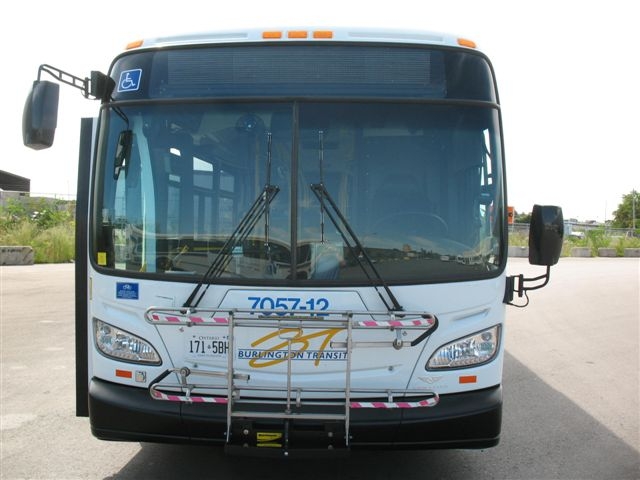
A Gazette reader writes to tell us that “If you take Burlington Transit one of the most useful apps, was being able to see where your bus was while you wait with the NEXT BUS option. You could see where your bus was via GPS.
Burlington Transit has discontinued this service due to “technical issues”. The reader thinks this is BS.
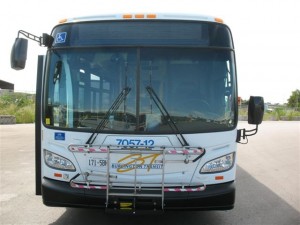 Gazette reader wants to know why existing technology is no longer available to riders. “I am sure the bus location is still known as this is what the transit executive is looking at … they have just dropped this service because they don’t want to support it anymore.
“If this is a service improvement it is just double speak in absolute Brave New World terms.”
Before we reach out to the transit people: Do you use the transit app?
By Staff
August 23rd, 2019
BURLINGTON, ON
Burlington has learned that it can expect two more potential cannabis retail stores; one at 1505 Guelph Line and another at 1025 Plains Rd. E.
The Alcohol and Gaming Commission requires these new locations to provide proof of lease and the potential location for the store.
Once the Province gives notice that the opportunity for commenting is open, the City of Burlington will submit its feedback.
 Mayor has always been a staunch supporter of cannabis stores. In a Statement release by the Mayor’s Office earlier today she explained that, “previously proposed stores have been more than the Provincially-mandated 150 metres away from a school or other locations of concern, including parks, pools, arenas, libraries or recreation centres. They have also been located along transit routes and near the QEW/Hwy. 403.
“Of the two newly proposed locations, the one at 1025 Plains Rd. E. continues to meet the Province’s requirements and the City’s approved criteria.
 High school is considered too close to the proposed cannabis store. “The other newly proposed location, however, does not. While the proposed address of 1505 Guelph Line is more than 150 metres from nearby M.M. Robinson High School, it does not meet the set of criteria for locations and other considerations regarding cannabis stores we approved at Burlington City Council, nor the resolution brought forward by the subcommittee of the Large Urban Mayors Caucus of Ontario (LUMCO) that I sit on with three other mayors – two from jurisdictions that do not allow cannabis stores, and two that do.
“That resolution recommended changes to provincial regulations to give municipalities greater control over locations and proliferation of stores and was approved by LUMCO and forwarded to the province.
“Both documents mentioned above state that a store should strive to maintain a minimum 500 metres buffer distance from sensitive land uses like schools. The potential location on Guelph Line should not be one where we have a cannabis store in our city.”
Meed Ward has always been a staunch supporter of cannabis retail stores and “continues to support regulated cannabis stores in Burlington to give our residents safe, legal access to this product, and help combat black market sales.
“In consultation with the Halton Regional Police Service during the decision-making process, I learned that cannabis products purchased outside a regulated market are sometimes laced with illegal drugs, such as opioids. I also heard directly from residents, including many seniors, who have switched to cannabis for pain management and have gotten off opioids that are highly addictive and lethal.
“Nevertheless, myself and other mayors across Ontario will continue to advocate for additional regulatory controls over the location and number of stores within our cities. The City of Burlington will continue to monitor and report on any newly proposed locations as they arise.”
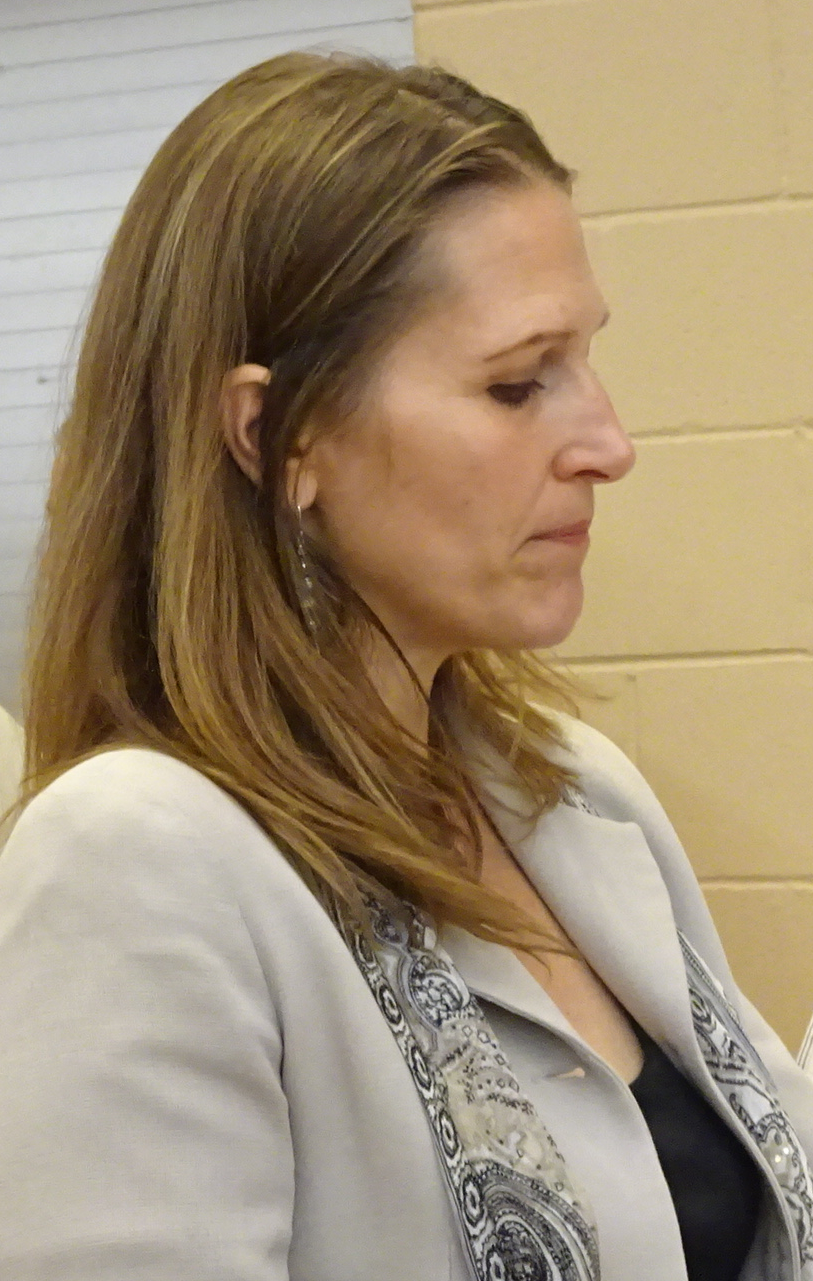
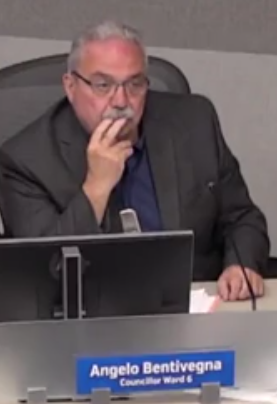
 Shawna Stolte – voted against cannabis stores 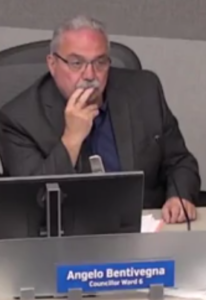 Angelo Bentivegna voted against cannabis stores. The Burlington council cannabis vote was: Mayor Meed Ward, Councillors Galbraith, Kearns, Nisan and Sharman voted for the motion – Stolte and Bentivegna voted against.
|
|