 By Staff By Staff
June 24, 2014
BURLINGTON, ON.
During the past ten days the citizens of Burlington have been signing a very unique birthday card for the newest member of the Royal family: George Alexander Louis was born July 22, 2013.
An article in the Gazette shortly after his birth, set out a list of age appropriate books for the young Prince to play with as he grows up to become the monarch of Canada at some point.
 Cover of the Book of Nest Wishes: Gold embossed type on a rich wine coloured leather produced by a master bookbinder.  Out of that article grew an initiative to send the Prince a Book of Best Wishes every year of his life. The Book was to be a handsome, craft bound leather book measuring 14 inches wide by 10 inches deep with pages for anyone who wanted to send a Best Wishes. Out of that article grew an initiative to send the Prince a Book of Best Wishes every year of his life. The Book was to be a handsome, craft bound leather book measuring 14 inches wide by 10 inches deep with pages for anyone who wanted to send a Best Wishes.
The Book will be presented to Council at the end of the month, where Council members, and anyone in the audience, can sign the book which will then get turned over to Burlington’s member of Parliament, Mike Wallace, who will take the Book of Best Wishes to Rideau Hall , home of the Governor General. The Governor General will have the book transported to Kensington Palace where the Prince lives with his mother and father; the Duke and Duchess of Cambridge.
Getting the initiative off the ground has been a task. The originator of the idea found that he had to have a hip replaced just as the hard field work had to be done.
Joe Veitch, a recipient of the Rotary Paul Harris award, took on the task of pulling together a group of volunteers who would man the tables at the Seniors’ Centre, Tansley Woods and the public library.
Selina Jane McCall did much of the early design work and selected the type face for the project name” Royal Reading.
Susan Fraser, a nominee for one of the city’s BEST awards in 2012, took on the task of liaising with the Hayden Recreation Centre people, where she enticed people at the Centre, students at Hayden High and at the Alton library to sign the book.
Each person who signs the Book of Best Wishes is given a book mark – with a picture of the prince and wording to signify that they have signed. Expect some of those early book marks to show up on eBay someday – they will take on the value of hockey trading cards. There are those who will collect these book marks, which we will issue each year. Copies will be left with the Historical Society.
The name Royal Reading was used to signify a second part of the initiative which was to have the citizens of Burlington involved in the raising of the Prince as a Canadian.
Each year we celebrate his birthday, a few age appropriate books would be sent, not as a gift, but as a part of the process that gives the Prince a sense as to what Canada is all about.
At some point the Prince will get to read Dennis Lee’s Alligator Pie and Roch Carrier’s The Hockey Sweater. He will be introduced to the work of W.O. Mitchell and Farley Mowat as well as Mordecai Richler and Gabrielle Roy.
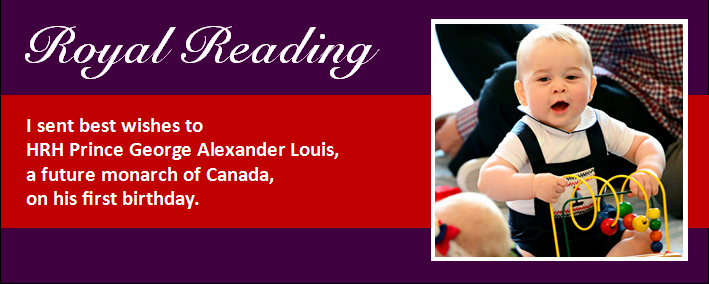 The bookmark that people will take away once they have signed the Book of Best Wishes from the citizens of Burlington to the Prince on his first birthday. Three copies of each book will be purchased with one being sent to whichever Palace the Prince is living in, a second copy that will go into general circulation at the Burlington Public Library with an inscription inside explaining that the title was also sent to the Prince.
A third copy will get placed in a space at the Library that will be known as the Prince’s Bookshelf.
Given the way Royalty travels throughout the Commonwealth and indeed around the world, he will most certainly visit Canada. Our hope, and one of the things we will work towards, is bringing the Prince to Burlington where he just might choose to read from one of his books to a circle of children at the library or perhaps in a public setting at the Performing Arts Centre.
Wouldn’t that be something?
The Book of Best Wishes will be available at city hall on Friday June 3oth and in a booth in Spencer Smith Park on Canada Day. Do drop by and join the thousands that will be taking part in the making of some history.

By Staff
June 24, 2014
BURLINGTON, ON.
Great day in Burlington history.
  After learning that the citizens of the city have paid for their pier twice, the good folks who remit their taxes on time, can take some pleasure in knowing that the Freeman Station is now sitting on its foundation and within day the construction crews will begin their work on the innards of the building. After learning that the citizens of the city have paid for their pier twice, the good folks who remit their taxes on time, can take some pleasure in knowing that the Freeman Station is now sitting on its foundation and within day the construction crews will begin their work on the innards of the building.
 During the process of lowering the station onto the foundation, a 2014 Loonie was placed on top of the sill plate prior to the station being lowered. During the process of lowering the station onto the foundation, a 2014 Loonie was placed on top of the sill plate prior to the station being lowered.
James Smith, a candidate for the ward 5 council seat said “for some reason 2014 Loonies are hard to come by, but we did get one, and the people who move the station next can reclaim it.”
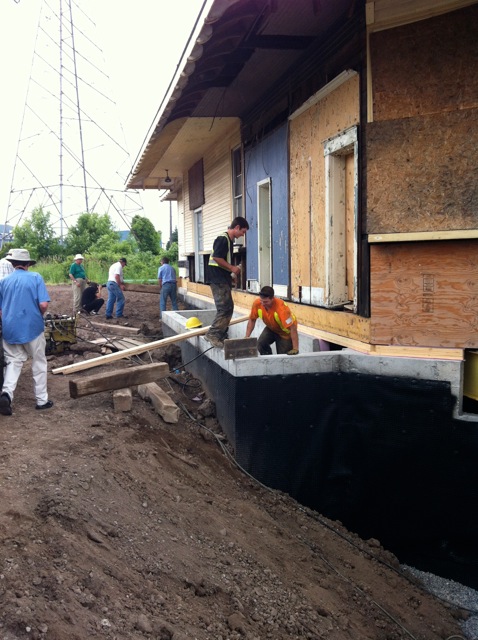 That can happen when the railway station gets moved to its rightful location on the Beachway, where the railway track bed is now used as a walking path. That can happen when the railway station gets moved to its rightful location on the Beachway, where the railway track bed is now used as a walking path.
By Staff
June 24, 2014
BURLINGTON, ON.
The shovels will not be going into the ground this year but the people who are building the Delta Hotel portion of the Bridgewater project have announced that the digging will start in 2015
 Delta Hotel releases rendering of what they expect their eight storey hotel to look like. Shovels are expected to go into the ground in 2015 That won’t be in time for the Pan Am Games which was the expectation when the three structure project that is to be built on the Lakeshore Road east of Brant Street and next to the Waterfront Hotel when the project finally came back to life after years of inaction.
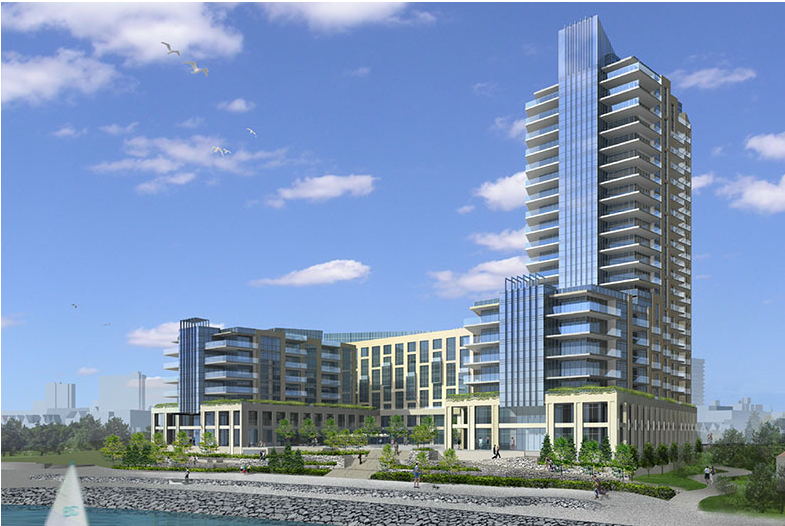 Known as the Bridgewater project, it has been a gleam in the city’s eye since 1985 – it finally got some traction. Hotel portion expect to begin construction in 2015. The hotel expects to open their doors to the public in 2018 with 152 rooms and 8000 square feet of meeting and conference space.
Hotel management is currently in discussion with several high end concept restaurants for the Burlington location.
MADY Developments is in process of constructing the sales and presentation centre that will be used to market the condominiums in the 22 storey structure on the east side of the property and the seven story condominium that will sit to the south of the Delta Hotel on the west side.
 By Pepper Parr By Pepper Parr
June 24, 2014
BURLINGTON, ON.
The full story on the Brant Street Pier settlement is going to come out in bits and pieces. Yesterday the city of Burlington got its story out. The announced that they were awarded $1.5 million from a pool of funds and got to keep an additional $500,000 they had on hand as a hold back from a company; they weren’t prepared to say who the hold-back belonged to.
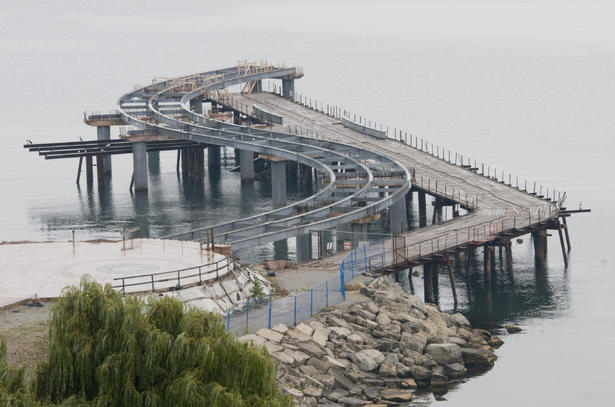 It was a unique design, it was going to put the city on the map – all it did was keep everyone in a room with their lawyers. With those numbers on the table, the city declared victory and said it was time to move on. “The city has $500 million in capital projects going on and from time to time some of those projects don’t work out” said the Mayor. The pier was one of those projects that didn’t work out and the public is apparently going to be expected to suck it up and accept the fact that the pier has cost twice the original price.
Later this week Harm Schilthuis and Sons Ltd., (HSS) will tell its side of the story in a press release.
The Gazette can tell you now that HSS will be given $1.75 million cash from the pool of funds that was created plus an additional $650,000 which will be funds other parties have to pay them.
In an early version of this article there was a typo showing the amount as $65,000. The correct amount is $650,000
This settlement is not yet final; two of the nine parties had to get approval from their boards. While these two parties were not named – it seems pretty clear that they are the ones who have had to contribute the bulks of the funds to the pool.
That pool will pay out $1.5 million to the city of Burlington and $1.75 million to HSS which brings the pool total to $3.25 million – so far
Henry Schilthuis, president of HSS said he is “satisfied with the settlements. The city of Burlington sued HSS and AECOM for a total of $10 million each and sued Zurich Insurance for $3.5 million – they didn’t get any of that money – all they got was a sum to cover their legal fees.” Schilthuis never felt the city had a case – but it took more than four years of grinding legal work to make that point.
There was a point at which Schilthuis wasn’t sure he could keep the company alive. Tens of thousands was owed to his sub contractors but they stood by the firm and agreed to wait. The wait has proven worthwhile
It is a real stretch for the city to claim that it “won”. One has to wonder just how gullible this council thinks its voters are.
HSS was given more than enough to cover their legal fees and the additional engineering costs that were incurred when they tried to come up with a solution to the engineering problems.
The amounts they will get allows them to pay the sub-contractors who stood by the company while the city was hammering HSS financially.
During the city’s media briefing on Monday, much was made of the “shuttle diplomacy” that former city manager Jeff Fielding used to try and broker a deal.
Before the examinations for discovery took place Fielding got approval from the Mayor to broker a deal said Schilthuis and “we arrived at a figure we could live with” said Schilthuis. But when fielding took it back to Council – council turned it down.
Fielding made another attempt at brokering a deal – but HSS didn’t like the look of the numbers the second time around. They had a better picture as to who did what when as a result of the examinations for discovery and took a pass on the offering Fielding made.
The final settlement documents will get prepared and signed, cheques will get sent out and bills paid and everyone will move on.
At some point the city and Schilthuis will have to figure out what they want to do with the steel, beams that were taken out of the pier, that is now sitting in the HSS work yard in Ancaster. Schilthuis sold the property and is moving to a new location in Caledonia and the steel will have to be removed
By Pepper Parr
June 23, 2014
BURLINGTON, ON.
In the world of politics what matters most is the spin that can be put on news that is not all that good. And in the world of politics there is a lot of news that is not that good.
 Steel beams are swung into place during the second round of pier construction. The city of Burlington held a media briefing this morning in which they announced that they had settled their disputes with the people they were suing over the delays in the construction of the Brant Street Pier. They made it sound like a victory.
Interim city manager Pat Moyle explained that a pool of funds had been created and that the city was given $1.5 million from that pool of funds to cover their legal costs.
The mediated settlement, which has yet to be ratified, also said the city did not have to return $500,000 in a holdback they had on hand.
What the public has yet to learn is:
Who put money into the pool of funds? The city said they didn’t put in any money.
Who were they holding back money from? The city wouldn’t say.
All we got was an explanation as to what the city got – not a word about what they didn’t get which was the several million they had sued HSS for when they walked off the job when the determined the pier could not be built with the plans they were given.
After issuing the writs the city was given an alternative proposal from Zurich Insurance to complete the building of the pier for an increased amount. The exact amount the insurance company wanted to complete the job was never very clear.
The idea of creating a pool of funds into which different companies would contribute and then see them distributed to the damaged parties is both creative and unique. Of interest to the citizens of Burlington who have had to pay more than $6 million to Graham Infrastructure to strip away steel and put in new steel and pour new cents to complete the deck of the pier which opened officially just over a year ago.
The city is positioning this as a win – and to some degree it is. They could have gotten whacked by the original contractor for the losses he experienced.
What the public does not know yet is who had to put money into the pool of funds and how much did the different parties put in.
And then – who was that money distributed to?
Let’s look at the parties to the dispute: There were nine of them.
Harm Schilthuis and Sons Limited sued the City of Burlington
City of Burlington sued Zurich Insurance Company (Bonding Company for HSS)
City of Burlington who sued HSS, EFCO, Aecom, Lombard, PV &V, Craneway (Insurance Claim)
City of Burlington sued Aecom
HSS sued Lombard, PV &V, City, Craneway (Insurance Claim)
Out of this crowd who is likely to have gotten money from the pool of funds that was created? We know that the city got $1.5 million to cover their legal costs.
While there has not been a public statement sources indicate that Harm Schilthuis and Sons Limited did not contribute to the pool of funds and an unauthorized spokesperson said “Henry was happy” Henry Schilthuis is the president of HSS.
 Re bar in place ready for the concrete pour around the node that is now the observation platform. City skyline in the background That leaves a bunch of insurance companies and AECOM.
We expect to know in the near future what Harm Schilthuis and Sons Limited was paid out of the pool of funds.
City Council was given a full briefing and “approved a settlement related to the Brant Street Pier that totals $2 million for the City of Burlington and more than pays for the city’s legal costs.” That’s a pretty positive spin. No mention of the millions they sued HSS for because he quit the job he felt couldn’t be built with the plans he was given.
The plans came from Totten Sims Hubicki, (TSH) the architects of the pier who were bought out by AECOM.
“The job of the mediator was to try and facilitate a settlement between the parties, whom I believe all came to table with a willingness to resolve their differences,” said Interim City Manager Pat Moyle.
“The settlement” explained Moyle “is still subject to the final approval of two of the parties’ boards, which the city expects will take place within 10 days from the date of settlement and execution of final releases. There is also a confidentiality agreement related to some of the terms.”
That gag order may prevent the public from ever knowing how much money went into the pool – not that knowing would make all that much difference. What we now know for certain is that the city didn’t recover a dime of the cost for the second contractor.
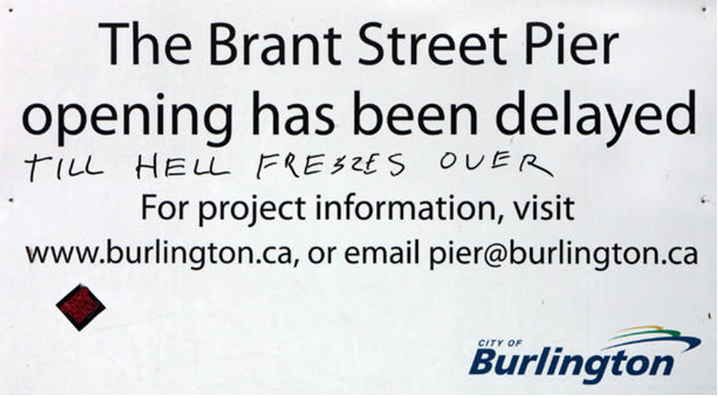 Did the city’s reputation take a hit during the pier construction fiasco? We made headlines that was certain. Now we have a pier – it is heavily used and was it worth the price? Another condition that was released was this statement: “No contribution in any form to the settlement shall be deemed an admission of liability, and any such liability is denied.”
What the city has also not released is the amount they paid Morrison Hershfield for the quality assurance work and the amount paid the second project manager METTKO for the work they did to ensure they work was properly done the second time around.
The total cost of the Brant Street Pier construction is $14.4 million. (it is actually quite a bit higher than that). The Canada-Ontario Infrastructure Program funded $4.4 million of this amount while Halton Region provided $2.5 million.
Does the settlement remove the pier as an election issue? Let’s see what unfolds in the next few days.
When asked what went wrong with the project Mayor Goldring said “there are some projects that just don’t work out”.
City staff on the legal and financial side did a very good job. Treasurer Joan Ford took part in the negotiations; if there is anyone who know what the numbers were – it was Ms Ford.
Former city manager Jeff Fielding was thanked for the “shuttle diplomacy” he did trying to get a deal from HSS. That didn’t work.
Getting your legal fees paid and then told to go home isn’t much of a victory – not after turning down an opportunity in 2011 to have the pier built for a lot less than the $6million plus we had to pay Graham Infrastructure and then turning down an opportunity in 2013 to settle.
 A lot of steel, a lot of concrete – did the public get value for the money that was spent. And are there lessons to be learned – and will anyone be held accountable? What appears to be clear – though not certain yet, is that there was a problem with the design which moves the liability to AECOM and the TSH firm they purchased.
When some of the other parties make public statements the picture will become clearer. The city did the right thing strategically and politically by putting out a statement and putting the needed spin on their story.
The fact is – we paid for the pier twice.
By Pepper Parr
June 23, 2104
BURLINGTON, ON.
REVISED
The quickie version of the city’s media briefing on the legal settlement related to the costs of building the Brant Street Pier is that the city say they will not have to pay as much as a dine.
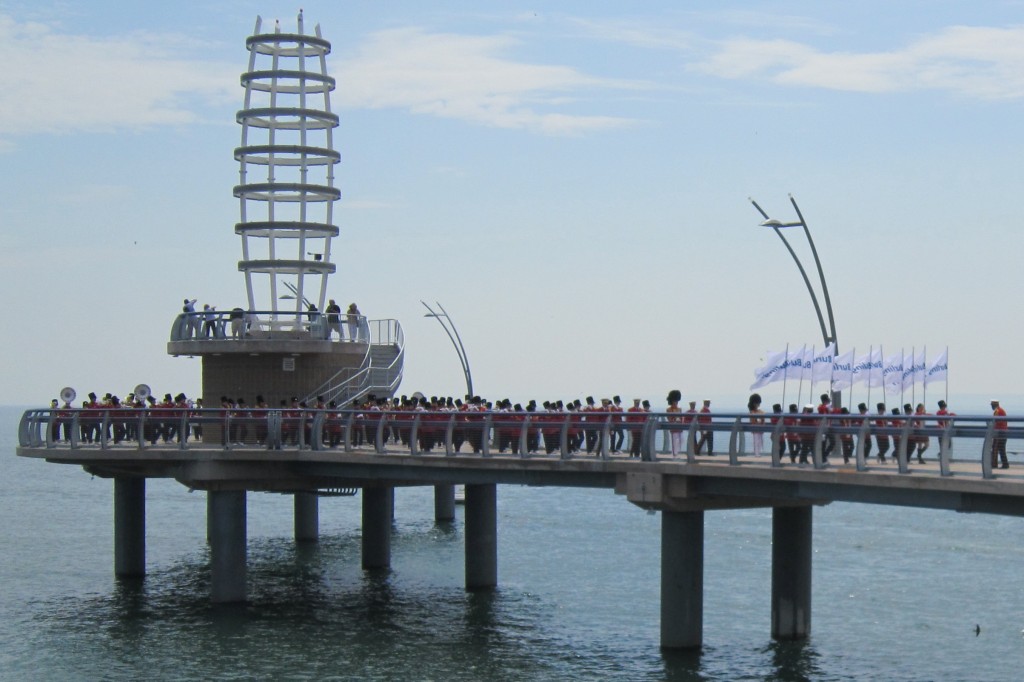 Mayor takes the position that the pier is now bought and paid for. No more special meetings of council, no more legal fees. The end of a project that has plagued the city since the day the crane toppled. They in fact did quite a bit better – they are going to pocket $1.5 million and hang on to $500,000 that was in a “holdback” account.
What the city did not get was as much as a dime of the $6,429,700 it paid Graham Infrastructure to complete the construction of the pier.
Many on council thought the original contractor should have paid the city for walking off the job when he claimed he could not build the pier with the plans he was given.
That position appears to have been validated – but there are still a lot of details that have yet to be made known – there are some we will probably never know.
The deal is still provisional in that there are two of the nine parties that have to get approval from their boards of directors.
The pier problems have always been complex. From the concept during the Rob MacIsaac era to the Goldring era the project has gone through far too many ups and downs and the full story has not been told and it looks as if there are parts that the public will never get to hear.
The city always took the position that it did nothing wrong and that would seem to be borne out by the details we have to date on the settlement.
The headline we used on a story published yesterday – Final phase of the Brant Street Pier saga about to unfold – it will be painful. The city chose to focus on the getting funds to pay legal fees – not a word about the $6 million it had to pay a different contractor to complete the pier
We will follow up with a more detailed story.
 By Pepper Parr By Pepper Parr
June 23, 2014
BURLINGTON, ON.
City hall has taken to using the old journalism approach: the 5 w’s – Who, what, when, where why to what they tell the public.
 How these seven men and woman “square the circle” and tell the public what it is going to take to finally settle the legal problems related to the construction of the Brant Street pier. Ballooning from more than $7 million to something considerably beyond $14 million can never be justified – but it is something they are going to have to live with. About time. We learned Friday that there was going to be a Special Council meeting at which they would immediately go into a closed session so the city’s solicitor could brief them on what had taken place during three days of mediation.
The city lawyers have always been cautious with information. For years they told the public they could not release any data on how much they had paid the lawyers representing the city. Few understood how that could do any harm but the lawyers held to that position until the Post filed a Freedom of Information requesting asking just how much had been spent on lawyers. The city resisted for a bit but then came to the conclusion that they were going to have to say what the number was – more than $1.3 million.
At this point one would be really hard pressed to see any damage done to the city’s legal position with that number public.
Late Sunday evening the city advised media that there would be a briefing at noon on Monday during which interim city manager Pat Moyle would speak. The purpose of the briefing: “To provide openness and transparency regarding Brant Street Pier legal matters.”
While mediation is a closed process to allow everyone to put their position before everyone else with a mediator looking for a way to pull together an agreement everyone can live with and avoid a lengthy, costly trial, we can tell you this:
There is a deal – but it has yet to be ratified. Mediation went on very long on the first day – well into the evening without much headway. Sometime on Thursday there was a breakthrough and the mediator was able to send everyone back to the offices with instructions to make the deal real by getting the approvals needed.
It was close to impossible to get anyone to say anything during the weekend. Phone calls weren’t returned, “can’t say anything now but give me a call Tuesday” was the response most of the time.
Was it a good idea? With at least two city council candidates that we know of having never walked on the pier it is difficult to see what it was that moved former Mayor Rob MacIsaac to push so hard for the structure. There is a deal but no one is going to be completely happy and it looks as if the city is going to have to bite an expensive bullet. It will be interesting to hear how those council members with rock hard positions a year ago back down and explain themselves.
There were opportunities at several points to settle with the contractor but this council said no. In the next few days this same council is going to have to say yes.
 By Pepper Parr By Pepper Parr
June 22, 2014
BURLINGTON, ON.
When people hear what is happening it sounds like the kind of thing you hear about in some banana republic where the roots of a democracy have yet to firmly plant themselves.
A community faces a major issue with a large piece of property where they believe the owner of the property is breaking all the rules. They form an organization and take their case to city council. They contact local media and the story begins to unfold.
The community group delegates to both city council and Regional Council and in both instances make a strong case. The city does a little digging and quickly realizes there is a problem and begins to organize.
They find that the property owner is not cooperating and after a lot of huffing and puffing both sides end up in a court room.
 Placing this large hulking piece of equipment less than 20 yards from a property line is outright harassment. The landfill had already been placed on the property. The physical harassment has now been taken to a judicial level. The city wins its case. Justice John Murray finds that the Burlington Air Park must comply with the city’s site plan by law.
The Burlington Air Park decides to appeal the Justice Murray decision. The appeal court makes up its mind in less than half a day. The air park must comply.
Prior to the appeal, the Burlington Air Park serves Notices of Libel on two citizens and the Burlington Gazette. A Notice of Libel calls for the person that wrote something to retract what they wrote and apologize. Neither the Gazette or the two citizens, Monte Dennis and Vanessa Warren felt there was anything to apologize for.
Prior to the appeal court hearing all three: the Gazette, Dennis and Warren were served with Statements of Claim asking for $100,000 in exemplary damages.
Readers of the Gazette will know what we wrote. Key the words air park into the search engine on our web site and the more than 20 articles will appear.
Monte Dennis wrote a response to a Letter to the Editor that appeared in the Hamilton Spectator. This was a citizen doing what every citizen has a right to do. We note that the Burlington Air Park chose not to include the Hamilton Spectator in the claim for damages. Vanessa Warren wrote the following comment in the Gazette:
The Kovachik family opened the airpark in 1962, and for 44 years operated in harmony with its neighbours and its rural surroundings . You are not allowed to capitalize on that history. The history that you ‘re accountable for is amounting to an environmental disaster in our pristine protected countryside, and you may not manipulate that truth unchallenged anymore.
This is not an airpark improvement issue. This is a landfill issue, a water protection issue, a storm water management issue, a truck entrance and road use issue, and a property destruction and flooding issue.
Are we to celebrate that you ‘ve spent money to improve your for-profi t business? Who doesn ‘t do that? You say you ‘ve spent 4 million in improvements , but what about the income you ‘ve made from charging for untold hundreds of thousands of tons of unregulated fill? What about the protected watercourse you ‘ve destroyed? What about the regionally significant woodlot you gutted? The cost to the environment, the community and the City for your ‘improvements ‘ has been too high to bear.
Ask your immediate neighbours – none of whom have “recently purchased their homes” – bow things have improved for them? Flooded fields are unfarmable. Backyards and septic beds are underwater from silted run off. Sight lines and property enjoyment are destroyed. Anxiety about well water safety is high, and you will not permit the MOE to release on-site testing data. Writing that you ‘ve “always respected your neighbours .. .” is more than untrue; it’s cruel.
There are no unsubstantiated claims. Terrapex Environmental found unacceptably high levels of contaminants like hydrocarbons and heavy metals in the paltry 52 soil reports you were able to provide. Off-site water testing may be fine to date (again, where’s the data?), but how long might it tale for those contaminants to leach into wells?
The City of Burlington legally won the right to impose it’s Site Alteration Bylaw on airpark property , and yet you still will not comply. The community would truly love to know that your property is NOT full of contaminated fill – why don’t you give us the verified, third-party data to prove it?
We are all so weary of your attempts to manipulate . Standing up to you and stopping the trucks was never political, it was ethical, and you have no ethical credibility left.
Vanessa Warren
 Vanessa Warren, founder of the Rural Burlington Greenbelt Coalition chose to run for public office and represent ward 6 because she felt the community was not being well served by the incumbent. The owner of the land park is now uses the courts to silence her. What makes the claim against Vanessa Warren so serious is that she is a nominated candidate for the ward 6 council seat where the air park is located. One could take from the Burlington Air Park legal action that they do not want to see Vanessa Warren on city council.
In an Open Letter to city council the group that has been leading the fight against the air park, the Rural Burlington Greenbelt Coalition (RBGC) asked that the city “defend public engagement and public advocacy – the cornerstones of our democratic system – from the Burlington Airpark’s SLAPP suit, so that this type of legal coercion does not silence the citizens of Burlington.”
Prior to the provincial election there was a bill on the order paper calling for laws that would prevent what is being called Strategic Litigation Against Public Participation (SLAPP). It was a private members bill brought forward by the New Democratic Party that got all party approval but that bill died on the order paper when the election was called.
The RBGC hopes it can persuade the provincial government to pick up the bill and make it a priority. They would be delighted if the province moved real quick and then made any legislation retroactive.
The issue is serious, very serious. When people with significant funding at their disposal decide to use the power of a law suit to silence people who care about their community and are prepared to speak out publicly the courts should not be the place where these public issues get worked through.
The Burlington Air Park has paid more than $62,000 in court ordered costs – so the judiciary is doing its part.
What is profoundly disappointing is that the public has yet to hear anything from the Mayor of Burlington or the Regional Chair Gary Carr. These two men lead public opinion and they have in the past put their views forward on important issues. When the Mayor saw for the first time the damage done to the Sheldon property on Appleby Line by the air park landfill he was reported to have said he was appalled.
Disappointing too is the reaction from the private pilots who are seeing the airport they have used for years put at risk. The Gazette has talked to a number of these pilots – not one is prepared to say a word publicly. One exception is Andrew Forber who has commented on several occasions at some length.
Having people fear making public comments is a very unhealthy situation for any democratic society.
Much of the history of the struggle between good and evil is explained by philosopher Edmund Burke’s observation. Time and again those who profess to be good seem to clearly outnumber those who are evil, yet those who are evil seem to prevail far too often. Seldom is it the numbers that determine the outcome, but whether those who claim to be good men are willing to stand up and fight for what they know to be right.
City staff battle with the air park on an almost daily basis over the illegal use of gateways to the air park property and access to the site. Staff are focused and well led and they persevere – but we are hearing nothing from the people who are in a position to mold public opinion. Taking the position that they cannot comment on an ongoing court case is hiding behind skirts
The people of Burlington need to hear from the good people.
 By Staff By Staff
June 22, 2014
BURLINGTON, ON.
Dinner is done, school is over so getting the kids to bed on time doesn’t matter all that much anymore . Taking in an outdoor movie late in the week at a local park sounds like a good idea. The Rocca Sisters and Associates, a local real estate firm, are sponsoring what they are calling a Stars under the Stars family movie night that will take place at Emerson Park located in north east Burlington.
 It is the first FREE outdoor movie night taking place on June 26th at 7:30pm. Several food truck operations will be on hand: SWOT (Sandwiches with a Twist) and Fro Go Xpress are confirmed. It is the first FREE outdoor movie night taking place on June 26th at 7:30pm. Several food truck operations will be on hand: SWOT (Sandwiches with a Twist) and Fro Go Xpress are confirmed.
The featured blockbuster film The Lego Movie is a sure hit – even if it has already been see.
Emerson Park is at 2390 Sutton Drive, Burlington
Funds raised through sponsorship dollars, partial proceeds through food truck sales and donations the night of the event will be going to the Joseph Brant Hospital Foundation.
By Staff
June 22, 2014
BURLINGTON, ON.
Burlington Liberals are in a twitter. Their newly elected MPP will be on a CFRB broadcast on Sunday and they are making it sound like this is close to the second coming.
 With a Cabinet to be sworn in on Tuesday, the Liberal folk are looking for any sign that Premier Wynne will let one slip telegraphing to the listening audience that Eleanor McMahon is headed for the Cabinet. With a Cabinet to be sworn in on Tuesday, the Liberal folk are looking for any sign that Premier Wynne will let one slip telegraphing to the listening audience that Eleanor McMahon is headed for the Cabinet.
The Premier and McMahon will be part of “The Province” at 1pm Sunday.
You can catch the broadcast on NewsTalk 1010 (CFRB) at 1pm Sunday. You can also listen online at https://www.newstalk1010.com/
By Pepper Parr
June 21, 2014
BURLINGTON, ON.
It started on Wednesday – It was to be the first day of a three day mediation marathon that on occasion started at 7:00 am and went on into the early evening.
When a crane on the pier site toppled and revealed serious imperfections with the steel being used every one of the cross beans had to be stripped leaving just the steel that formed the lazy S curve that was to make the pier distinct. The only distinct thing about the pier is its costs and the bad taste it has left in the mouths f the people who have to pay the bill.
 When a crane on the pier site toppled and revealed serious imperfections with the steel being used everyone of the corss beans had to be stripped leaving just the steel that formed the lazy S curve that was to make the pier distinct. The only distinct thing about the pier is its costs and the bad taste it has left in the mouths f the people who have to pay the bill. There were between 20and 30 people in the room at times arguing over who owes what to who on the pier construction problems. But for a time all the horses were not in the starting gate and there appeared to be some confusion as to whether or not one of the key players – AECOM – was going to show up and take part in what was scheduled as a three day event to attempt to settle the several million dollar difference of opinion on who owed who what.
While Burlingtonians and the people who visit the city do enjoy the pier – it isn’t fully paid for yet. What was put to the public as a close to $7 million project ballooned to more than $14 million and could go considerable higher when the court cases get worked out.
The city has been in litigation with Harm Schilthuis and Sons Limited (HSS), the original contractor, Zurich Insurance Company (Bonding Company for HSS), Aecom, Lombard, PV &V, Craneway (Insurance Claim)
The mediation ended on Friday. There has not been an announcement as to whether or not the parties were able to come to an agreement.
How will this city council react to whatever news the city solicitor is going to give them Monday on the outcome of the court ordered mediation over the law suits on the costs of the pier? And will council be open, honest and up front with their constituents and tell them the truth, the whole and nothing but the truth. The seven of them will be asking you to re-elect them in October.
 How will this city council react to whatever news the city solicitor is going to give them Monday on the outcome of the court ordered mediation over the law suits on the costs of the pier? And will council be open, honest and up front with their constituents and tell them the truth, the whole and and nothing bt the truth. The seven of them will be asking you to re-elect them in October.. What we do know is that a Special meeting of city council has been called for Monday, June 23rd at 10:30 an when the city’s solicitor will speak to council in a closed session on the Brant Street Pier litigation.
So – something has happened and council is to get a briefing.
here are two possible directions: Mediation was successful and the city has settled with the other parties or mediation failed and the case will then go to trial.
Mediation is a way to keep differences out of a court room. People involved in legal disputes – and in the pier situation there are five law suits – are required to at least attempt to mediate that dispute. It is useful to look at who is suing who:
Harm Schilthuis and Sons Limited (HSS) vs. City of Burlington
City of Burlington vs. Zurich Insurance Company (Bonding Company for HSS)
City of Burlington vs. HSS, EFCO, Aecom, Lombard, PV &V, Craneway (Insurance Claim)
City of Burlington vs. Aecom
HSS vs. Lombard, PV &V, City, Craneway (Insurance Claim)
What is instructive here is that HSS, the original contractor, is suing their insurance company and their insurance broker. You sue when you believe the service you bought was not delivered. HSS is also suing the city of Burlington – they believed they delivered and that the city has not paid for what was delivered.
The city is suing Zurich insurance – this is the company that provided the performance bond for the construction company – HSS. Early in this term of council the insurance company, Zurich, offered the city an alternative construction solution which the city turned down.
If mediation was successful and the parties came to an agreement council may be asked to approve the settlement. Frequently in such settlements one of the conditions is a “confidentiality agreement” often referred to as a gag order. No one is allowed to say anything other than that a settlement was reached.
The city sent more than $1 million on legal fees and didn’t want the public to know until the Post filed a Freedom of Information request which the city at first decided to argue against but saw the error of that idea and held a press conference in January at which they had then city manager Jeff Fielding tell the public that $1,349,952 $1. had been spent to date on just the legal fees. The city would get a rebate on the tax portion of that bill – but a million dollars is still a million dollars.
While no one on city council will admit it today – there was more than one occasion when the city had an opportunity to settle the dispute for a lot less than it is going to cost. Exactly how much the cost will amount to may be known on Monday – in a perfect world council would have the courage of their convictions to tell the public just what that costs is – but we should not hold our breath.
While the pier problems didn’t originate with this council – all that started when Rob MacIsaac became Mayor and wanted a grand legacy project that would put Burlington on the map. And it certainly did that. Things began to go wrong when a crane that was doing work on the pier toppled over.
The contractor at the time HSS and the insurance underwriters took a closer look at the steel that was being used – and there were problems with the product. At first a few beams were to be taken out and then a few more and before the public knew the structure had been stripped of much the steel and the original contractor was of the site.
The city re-tendered the project, a new contractor was brought in along with dozens of inspectors who checked every foot of the steel that was being fabricated to ensure that nothing went wrong the second time around.
The pier officially opened last June.
It was a grand day. The turnout wasn’t terrific but it was a lively crowd with cup cakes for everyone. some key people were not on hand. Former Mayors Rob MacIsaac and Cam Jackson took passes – MacIsaac had a convocation. There was one person who had more reason than anyone else to be out on that Pier that morning – Henry Schilthuis, a proud man who is close to fierce when it comes to defending his reputation and the man who did the original work but had to walk off the site when he realized it could not be built using the original plans. On Monday city council will learn if Schilthuis was right and if they are going to be able to settle with Schilthuis or if there is going to be a trial. A closing note in a story that may not be over yet. Earlier in the week I had occasion to be having coffee with two people who were both candidates for council in the October municipal election. It was a fine late Spring day and after coffee the two council wanna be’s decided to take a stroll towards the pier. Neither had been out on the pier before, which stunned this reporter.
Is the pier an unpopular place? Is it a $20 million dollar mistake? While the city uses a figure of $14 million + as the cost of the pier – the mediation is going to move that number very very close to $20 million.
The question the Gazette has is this: Will the public ever be given a full detailed accounting as just what Rob MacIsaac’s dream has cost the city?
By Staff
June 21, 2014
BURLINGTON, ON.
 We don’t normally promote events that don’t take place in Burlington but one of the city’s very talented stained glass artists is showing at the event – she is well worth the drive to Dundas. We don’t normally promote events that don’t take place in Burlington but one of the city’s very talented stained glass artists is showing at the event – she is well worth the drive to Dundas.
Teresa Seaton is one of the driving forces behind the annual Art in Action studio tour and is heavily involved in the Arts and Cultural Collective that has come into being the past 18 months and serves as the voice of the arts community.
AGOG – Artistic Group of Glass was formed to share ideas and work cooperatively to raise awareness of their original art. As fine glass artists they strive to perfect their craftsmanship and push beyond the limitations of craft stereotypes.
It’s an art form that may not be for everyone but if you want to see what a group of artists has done with what we have all seen in our churches – you might want to put this event on your calendar.
By Pepper Parr
June 20, 2014
BURLINGTON, ON.
It takes time to get anything done when the wheels of justice are required to move. The making of a judicial system is not a simple or easy process. It is based on years of precedent and the need to adhere to changes in social mores. And they don’t always get it right the first time. It took the city of Burlington a bit of time to get a grip in just what was going on when local residents reports hundreds of trucks rumbling along the northern part of Appleby Line filled with earth that was being dumped on the air park property. Was this a land fill site many wondered.
The air park was seen by almost everyone as a sleepy little rural airport, owned by a local family. But it got sold for a reported $3.1 million to Vince Rossi who had some very big ideas and what he thought was a shield that would protect him from such meddlesome things as municipal bylaws. It was an air park declared Mr. Rossi and regulated by the federal government and anyone at the municipal or Regional government s could basically take a hike and keep out of Rossi’s business.
 This photograph depicts a seminal point in the evolution of public engagement for the city of Burlington. City general manager Scott Stewart talks to members of the Rural Burlington Greenbelt Coalition, two of whom are bing sued for $100,000 bu the Burlington Air Park. Top the left at the rear is Blake Hurley, city lawyer who handled the city side of the two air park court cases. Seated on the left is the lawyer the city hired to argue the court cases and advise the city. Rossi got away with that kind of behaviour for quite some time – but there was a higher quality of civic government at city hall and they wanted to take a look at that “federally regulated” argument – and they found that it really didn’t hold all that much water.
Orders to cease and desist and all the options available to the city were used but when it became very clear that the air park was going to stick to its federally regulated position – off to a court room they all went. The city won the first round – Justice John Murray said the air park had to adhere to the city’s site plan by law.
It took the air park legal counsel less than five days to file an appeal of the Murray decision. The decision of the Appeal Court was even swifter – three hours after proceedings had begun the three Justice appeal panel said the Justice Murray was right – the air park has to comply with the city site plan by law. At some point in the very near future – the city will begin to press its case and demand that the air park present a site plan for work that has been going on for more than five years.
The Region recently hired AMEC, the former Phillips Environmental, to do an assessment of the storm water systems at the air park. Apparently AMEC had some difficulty getting on the site, but we have not been able to confirm that. The heavy rains of a few weeks ago saw small rivers of water running south along Appleby Line that did enough damage to require the Region to come in and repair the road shoulders. The Region now wants to be assured that storm water from the site can be effectively handled.
The local residents want to know ho is going to pay for the road repairs The Rural Burlington Greenbelt Coalition, the organization the air park lawyers call an “unincorporated collection of citizens” has gone public again and asked the city to re-double their efforts and begin ensuring that the soil on that 200 acre air park property be fully and properly inspected – and no more of this fighting tooth and nail to get inspection reports that the air park appears to want kept secret.
In an Open Letter to Mayor Goldring and Regional Chair Gary Carr, Vanessa Warren, a candidate for the ward 6 seat, home to the air park, said the following:
On behalf of the residents of rural north Burlington, the members of the Rural Burlington Greenbelt Coalition and I would like to congratulate you on your enormous victory at the Ontario Court of Appeal. Thank you and City Staff for all your work and leadership on this precedent-setting case. Because of your commitment to protect our rural north and its protected countryside, the City of Burlington now stands as an example to other Ontario communities dealing with airpark fill operations.
The summary nature of the Appeal Court’s dismissal was, for our community, both gladdening and concerning. Gladdening because the City was so clearly vindicated and can now proceed to test and control fill quality on Airpark property through its Site Alteration bylaw, protecting our lands and water table from environmental damage. Concerning because it affirmed our beliefs that the Burlington Airpark and its legal team are unreasonably litigious. Our community continues to be under serious threat from the Burlington Airpark, this time through the use of Ontario’s onerous defamation laws against local advocates.
Their counsel, Brian Rogers, a leading libel lawyer and member of the Attorney General’s Anti-SLAPP Advisory Panel, intends to defend them on the basis this lawsuit is no more than a SLAPP suit (Strategic Litigation Against Public Participation). In short, it is another legal action, without merit, brought to intimidate, silence and exhaust – both emotionally and financially – its opponents.
 The north Burlington citizen’s fight to defend their rights and their property was seen important enough bu the CBC National News to be given some coverage. So, while we are elated with the decision of the Ontario Court of Appeal today, and grateful for the City’s commitment to environmental protection, we need your support now more than ever. We need to defend public engagement and public advocacy – the cornerstones of our democratic system – from the Burlington Airpark’s SLAPP suit, so that this type of legal coercion does not silence the citizens of Burlington.
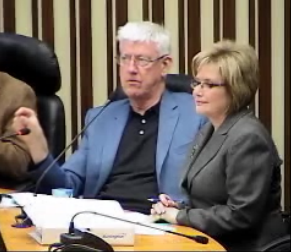 Councillors Paul Sharman and Blair Lancaster, both serving their first term on city council were both members of the committee that wrote the Shape Burlington report, the document that marked the beginning of significant community participation. Unfortunately, neither Sharman or Lancaster have been strong advocates for community involvement and while there is an Engagement Charter it is a document that doesn’t get much use. Expecting Burlington to defend public engagement is a bit of a stretch. The city has yet to truly put its engagement charter into the hands of the public. But a public plea is better than nothing – at some point Burlington will get a city council that is attentive and responsive to it electors. We just aren’t there yet.
By Pepper Parr
June 20, 2014
BURLINGTON, ON.
The jockey of course passed it on to the horse –and the horse told me.
This is that kind of a story because people want to spread the news around – but they don’t want to be the source.
We had occasion to talk to a Cabinet Minister from the region who assured us that this person (deliberately not using gender here) was back in the Cabinet of Ontario Premier Kathleen Wynne – but the member of the legislature wouldn’t say which portfolio – other than the person was very happy with what they had been given.
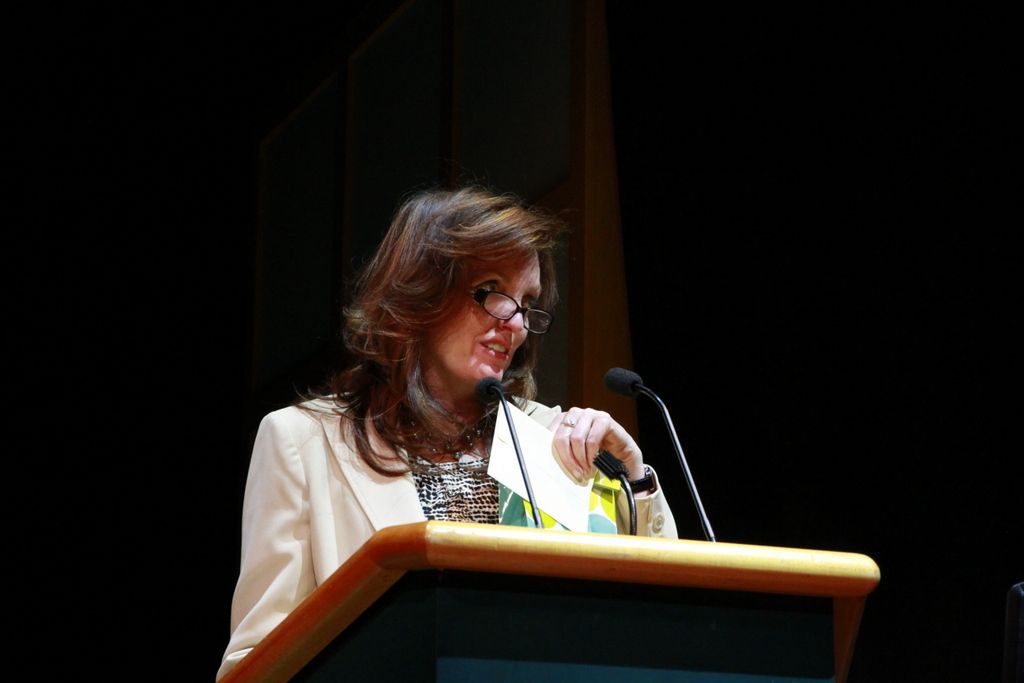 Is this what Cabinet material looks like? word was the McMahon should not be counted out. We were discussing matters related to an issue germane to Burlington – the air park – what else – and mention was made of what role newly elected Burlington MPP Eleanor McMahan might play in the resolving of this issue.
We opined that while Ms McMahon has that incredible political pedigree with a Rolodex that is to die for, the fact is she doesn’t have any parliamentary experience and we don’t know if she will step up to and actually get over the bar. Her predecessor Jane McKenna certainly didn’t manage to make it.
Being a member of the legislature means being more than a pretty face – there is a thrust and cut to politics that is seen in the legislature. Is McMahon made of the “right stuff” and can she do it?
“I wouldn’t write her off quite that quickly” responded my contact. That got me sitting up in my chair real fast. Was I being telegraphed something? The Cabinet Minister I was talking to would be involved in the discussions as to who could and who should be in the Cabinet.
I pointed out that the area already had a Cabinet Minister in Ancaster – Dundas – Flamborough – Westdale and another in Oakville where Kevin Flynn serves as Minister of Labour. Would the Halton area qualify for three Cabinet posts? “The issue is not where the person comes from; the issue is what they bring to the table and the Premier has very high hopes for Eleanor McMahon. Remember the Premier recruited McMahon personally”, explained my source.
The Cabinet gets sworn in on Tuesday – we will be watching that broadcast quite a bit more closely. If anyone happens to see Eleanor out shopping for a new smartly cut suit – let us know. That would be a positive sign for sure.
 Premier Kathleen Wynne, Centre, knows how to wear an apron – we don’t know if she can bake an apple pie. we will know on Tuesday if she has chosen Burlington MPP Eleanor McMahon to be part of her cabinet. The Premier visited Burlington a number of times before the election was called and took part in several election events as well. During my first introduction to the Premier, during RibFest last summer when she was flipping racks of ribs along with Mayor Goldring and then chit chatting with people wearing a Rotary Rib Fest apron, I asked if she did much baking. She assured me she did and I wondered aloud if that was true. “Well I was baking pies just the other day” said the Premier and I suggested the next time she was in town she might bring me an apple she had made.
She promised she would do just that. I’ve not seen that apple pie yet – but if the Premier appoints Eleanor McMahon to her Cabinet all of Burlington will send her several bushels of some of the best apples the region grows.
 By Ray Rivers By Ray Rivers
June 20, 2104
BURLINGTON, ON.
It has taken him six years to finally announce his first concrete action to combat global climate change and it’s still only a little – and a little late. US President Obama’s Environmental Protection Agency has imposed a 30% carbon emission reduction limit on US coal-powered electricity plants by 2030. That will mean scrapping some of the older plants and conversion of many others to natural gas. In addition to the greenhouse gas (GHG) reduction benefits, this will also mean 6600 fewer premature deaths and 150,000 fewer asthma cases, they estimate.
By comparison, Ontario which historically burned coal for up to a quarter of its electrical needs, including at the largest coal-fired plant of its time, had completely shut down and banned coal burning earlier this year. Ontario’s courageous action is Canada’s single most significant greenhouse gas (GHG) reduction ever.
 Smokes stacks like this one dotted the province of Ontario. The government put an end to coal fired electrical generation plants – and we all breath easier now. The federal government had never really been supportive and had refused to help Ontario with costs of this shift away from coal. Nevertheless, Mr. Harper was only too proud to point out that Canada was already ahead of the US in cleaning up its coal-burning emissions, when Obama challenged him to follow the US regulatory lead. Canada’s share of emissions from coal burning are now only about a third of the equivalent in the US. But unlike the US, our overall GHG emissions are heading skywards making a mockery of Canada’s official reduction targets.
In any case, Obama wasn’t talking about coal, when he challenged our PM, he was referring to our oil sands. The oil industry claims they can now extract a barrel of oil from the sand without having to burn another full barrel in the process, but mining the tar sands is still the most inefficient and environmentally destructive resource extraction anywhere.
So Obama had the Keystone XL pipeline clearly in his sights. Approving Keystone would just enable further expansion of the oil sands, something US environmentalists have been decrying. And since American dependence on Canadian oil is declining thanks to horizontal hydraulic fracturing (fracking) in the US, that Keystone project is looking less and less likely everyday.
Harper and Obama are on different wavelengths. That became clear as our leader joined with the new Australian PM, recently, promising to thwart carbon pricing and other global attempts to mitigate the effects of climate change, and to oppose efforts such as Obama’s press for climate change through forums like the G20. Why should we expect dinosaurs to care about fossil fuels?
And Canada isn’t about to be lectured by a lame-duck president. Mr. Harper has another plan to get the bitumen out of Alberta and into Chinese and other export markets – its called the Northern Gateway project. Northern Gateway is a pipeline from the tar sands across fragile B.C. terrain, over a thousand kilometres, and to the environmentally sensitive Pacific coast at Kitimat B.C. Northern Gateway was Harper’s baby form its inception, and just this week he employed the pretense of an energy board review before approving its construction, as everyone was fully predicting he would.
Many Canadians are still unsure about what this means, but not the opposition parties which are united in promising to stop this risky business. Some pundits think this project could become the PM’s final undoing, since he may lose the crucial support of B.C. voters in next year’s federal election.
The B.C. aboriginal communities, over whose land the pipeline will cross and whose fisheries on the coast would be devastated by the inevitable oil spill, are also unified in their opposition. And the B.C. government still has conditions and concerns ranging from its desire for compensation to better environmental safeguards, before it consents. The province does not want to end up saddled with the clean-up costs of any spills.
B.C. residents take their environmental stewardship seriously. For example, B.C. and Quebec are the only Canadian provinces with carbon taxes to reduce fossil fuel burning and GHG emissions. And the B.C. economy depends heavily on tourism and its fisheries, both of which are threatened by this project. How is it fair that Alberta gets the royalties while B.C. gets the risk?
 All he costs related to the transportation of oil through a pipeline have to be taken into account – is that happening? Early cost estimates of the project which would move the half-million or so barrels of diluted bitumen a day through the Northern Gateway and onto foreign tankers could easily approach twenty billion dollars. Even if the proponent is in the private sector, there are always federal and provincial subsidies and all the ancillary costs attached to these kinds of mega projects. One could buy a lot of renewable energy infrastructure for that kind of money. And damage to the environment from a leak or shipping accident would be… well… just priceless.

Ray Rivers writes weekly on both federal and provincial politics, applying his more than 25 years as a federal bureaucrat to his thinking. Rivers was a candidate for provincial office in Burlington where he ran against Cam Jackson in 1995, the year Mike Harris and the Common Sense Revolution swept the province. He developed the current policy process for the Ontario Liberal Party.
Background links:
Ontario Coal Phase-Out Obama’s Plan Implications for Canada Canada’s Response US Health Benefits Northern Gateway
Canada-Australia Coalition Oil Sands Emissions – B.C. Carbon Tax
Ju ne 20, 2014 ne 20, 2014
BURLINGTON, ON.
James Burchill is not big on bureaucracy. He doesn’t like getting tangled up on loose ends. Define the target, aim, pull the trigger tends to be the Burchill modus operandi. Here he gets on about having permission to email people.
By James Burchill
Quick everyone … July 1st is fast approaching and we need to ask everyone we can think of whether we have permission to email them in the future.
Are you freaking kidding me?
Way to go genius … that’s going to cost you dearly.
Why?
Because YOU DON’T NEED TO ASK NOW IF YOU”VE EMAILED THEM BEFORE.
Implied permission is still a legit way to connect via email UNTIL JULY 1st 2017 that’s 3 YEARS FROM NOW!
You’re basically going to burn your email list if you approach things this way. If you ask everyone in a frantic rush for permission you will get maybe 10% say yes. The rest WILL NOT.
This is not news … it’s typically been this way in the past. If you try and get a list to give you consent to sell them stuff – they usual say no … about 9 out of 10 people do anyway.
So stop with the knee-jerk reactions and think this through. Sure, the days of spamming people are over. Nope you can’t rent a list and sell stuff to them post July 1st without getting some grief … millions of it if you’re found wanting!
But, if you have a list and have been emailing it for a while and you have a pre-existing relationship with people that PRE-DATES July 1st then you have 3 MORE YEARS to move from IMPLIED CONSENT to EXPLICIT CONSENT.
And guess what … there are many wrinkles in the “law” that need ironing out before the REAL DROP DEAD DATE of JULY 1ST 2017.
You do not need to be scaring, spooking or generally giving your list the option to tell you to “go away!” … and if you keep asking them, well it serves you right because they will tell you to ***** off!
Stop being such a “fraidy-cat” and man-up. Email permission is getting a face lift for sure, and you should NOT SPAM PEOPLE but you certainly don’t need to commit email suicide either. Begin slowly converting the implied to the explicit by offering them a valuable report or “ethical bribe” that helps them solve a problem you’re in the market to remedy. Then you are totally on side with Bill C-28 and can email all you like.
Why the rant today? Well I’ve seen so many emails begging me for permission to stay connected … are you kidding me? Get real. This approach is wrong and frankly sends out the worst kind of desperate signals to people. So when I got yet another “whiny … please can we stay friends …” type email I lost it.
All ranting aside, seriously … stop shooting yourself in the foot. Work to convert (implied consent) people on your list by emailing them converting (explicit) offers … and USE THE NEXT 3 YEARS TO DO IT!
Again to be clear … you have 3 years to convert implicit to explicit permission and frankly if you can’t figure out a cool way to do that within your business sector … well I’d say maybe you don’t deserve an email list.

James Burchill runs the Burlington Social Fusion Network that meets regularly at the Ivy Bar and Kitchen.
 By Pepper Parr By Pepper Parr
June 19, 2014
BURLINGTON, ON.
There will be phone calls from the city clerk’s office later today or early Friday when a surprising nomination in one of the city’s six wards gets filed. It will be a courtesy call advising a council member that there is now another candidate in the race.
 A new name will file nomination papers for one of the six wards later today or on Friday. This one should be a fun race. Should the new candidate win – it will certainly change the tone of this city council. A young at heart and very fit citizen with a strong business background and a number of years of community service experience will fill in the forms and pay the $100 fee and be in the race for a seat that some think can’t be won – but after watching 70 years of Tory blue ink slide of the Burlington map anything is possible.
It doesn’t look as if there is going to be a candidate to run against the Mayor; there are now more than six running against incumbent Blair Lancaster in ward 6.
Jack Dennison is back as a candidate in ward 4 – we will have something to say at a later date on the way his Ontario Municipal Board hearing has been handled.
By Pepper Parr
June 18, 2014
BURLINGTON, ON
A more than 70 year run came to an end when Burlington elected Liberal Eleanor McMahon as their MPP. It was a solid win and part of a Liberal red sweep through much of the region.
Halton went Liberal after 19 years of Tory blue.
It was clear that the people of the province in general weren’t buying the Progressive Conservative line that the province had to cut like crazy to get the deficit in line and that 1 million jobs were going to suddenly appear.
The province decided to opt for hope and the belief that Kathleen Wynne could work through the problems. This despite the mistakes that can fairly be described a gargantuan under Dalton McGuinty’s leadership.
 The Liberals found a candidate with both depth and an ability to connect with people. Wynne managed to convince the voters that there was a lot of waste but that there would not be that kind of waste on her watch. She asked the people of the province to trust her and enough of them to give Wynne a majority government decided to do just that.
One of our readers had this to say about the McMahon win:
Congratulations to Eleanor McMahon. Clearly, she ran an effective campaign and I’m sure she’s was a qualified candidate. I do, however, find it extremely disheartening that Burlington residents bought into Liberal scare tactics, and were so willing to reward eleven years of cronyism, scandal, reckless spending, debt accumulation, blatant lying, shameless pandering to unions, and incompetence with their vote. The party’s victory begs the question, exactly how bad does a government’s behaviour need to be before they get the boot?
I’m curious what Wynne’s excuse will be when the books aren’t balanced by 2017/18 as promised, but I have no doubt she’ll come up with something!
A few days before the election Ms. McMahon and the Burlington Liberals tweeted out something about how they’ll be investing in local businesses and entrepreneurs. I’m still waiting for an answer regarding the specifics of how that will work. I know the Ontario Liberals will be handing out BILLIONS to Cisco and tens of millions to Open Text, but I haven’t heard one word about how Kathleen Wynne’s Liberals will help Burlington businesses succeed. I’m quite certain they won’t let them succeed TOO much, as corporate taxes are almost certain to be raised, as will personal income taxes on reasonably successful entrepreneurs.
Good luck Ms. McMahon. Your government has its work cut out for it, and we’ll be watching.
Indeed all of the province will be watching – many wish there had been better watching when Dalton McGuinty was leading that party.
Did Eleanor McMahon win – or did Jane McKenna lose and how did these two woman come to be the candidate for their political party of choice.
We are told that Kathleen Wynne recruited McMahon directly; that they lunched in Burlington and Wynne asked McMahon to accept the nomination.
The political tradition of this province has been for the local political party association to find a candidate and present that name to the party for vetting. The late John Boich spent many hours grooming Brian Heagle to become the Liberal candidate only to have Heagle decide that he was more of a blue blood than a Liberal and he went after the Tory nomination. Poor Heagle found that his blood wasn’t good enough and he couldn’t get the nod he needed from the Burlington Progressive Conservative Association.
 Karmel Sakran was selected by the Liberal riding association – not that it made a big enough difference. Boich convinced Karmel Sakran to run for office and he put up a good fight against a Tory who brought zilch to her nomination.
Jane McKenna was close to the last Tory nominated in the province in 2011 and despite no experience, other than a run against Rick Craven for the Ward 1 seat on city council – where she did very poorly, she had no experience.
 Turned out to take more than a good suit to convince the voters that you were able to do the job. She would appear at local events but never once made a delegation to city council where Councillor Craven remarked on the fact that the city had never heard from its MPP.
When Rick Wilson was doing great work to have a plaque placed on the waterfront that corrected the history surrounding what actually took place on our waterfront during the War of 1812 he found that he “blown off” by McKenna’s office when he put a call in to them for some help. At the time MP Mike Wallace was doing everything he could to get the plaque that is at Burlington Heights in Hamilton corrected but as Wallace said at the time: “it was a provincial matter and there wasn’t much I could do”.
The day the creation of the plaque was announced McKenna was on hand apologizing profusely to Wilson for the goof up at her office. Part of McKenna’s problem as an MPP was her inability to integrate into the community politically – she just didn’t have the experience and local Tory’s began to distance themselves from her.
You rarely saw Wallace and McKenna standing very close to each other when they were both at the same event.
There were serious problems with the local PC party association where it is reported the executive went through at least two changes. McKenna didn’t have good working relationships with her constituency executive. She had difficulty as well getting in on events when Cabinet ministers were in town.
 It was THE political coup of the provincial election when the Liberals managed to convince the Burlington Post to sell them a “mock” front page. Good for the revenue side of the business – but egg on the face editorially. The Post published a front page apology the following day. It happens. On one occasion when the city was officially opening the Community Garden in behind the Seniors’ Centre on New Street, McKenna wanted to be on hand and wasn’t able to get an official invite from the city. A polite call to the Mayor could have solved that problem. The Gazette wrote about the difficulty and advised McKenna on how she could have a presence at the event. At the time city hall talked the protocols they had to follow. It is an unhappy day when the political representative for a large number, probably a majority, of the people in the city cannot be at a socially and politically significant event. That was always McKenna’s dilemma.
The Burlington Progressive Conservative Association chose an unqualified person who was able to win the first time out because of the strength of the political base. The member was expected to perform and deliver for the community and that just didn’t happen.
 McMahon had a strong riding association that was able to get feet on the ground to do that vital door knocking – but the thinkers involved in the campaign all came from the Liberal party head office – Burlington was a seat they believed they could win. McMahon has a fine pedigree and her connections at the federal level are superb. She is on a first name basis with at least three former Prime Ministers and is a campaigner that connect with people easily. There is a humility to the woman who has core values that are more than admirable. There is nothing sleazy about the MPP for Burlington. Blessed with good health and a pleasant smile McMahon has leaned not to take herself too seriously.
She will use the next six months to get the feel of the provincial legislature and earn her stripes. By Spring of next year we will know if Eleanor McMahon is more than a pretty face.
Can she be the first in a 70 year line of Liberals for Burlington? Is there a Liberal sweep for Burlington at the federal level as well? Will the local Liberals manage to come up with a solid candidate on their own or will they have to rely on the party to sniff out a winner?
 By Pepper Parr By Pepper Parr
June 18th, 2014
BURLINGTON, ON.
The folks who lived close to the Burlington Air Park have learned to keep their eyes wide open and be ever vigilant. It was a call from a north Burlington resident that alerted us to the heavy truck traffic on Appleby Line that got the Gazette involved in this story that went from a delegation at city hall where the lawyer representing or speaking for the air park got turfed to the point where there was a Superior Court case which the city won and then an appeal of that case which the city also won.
Some people expect the Air Park to seek leave to appeal the latest court case to the Supreme Court of Canada. While the air park argument asking that the lower court ruling be set aside was decided faster than rabbits make bunnies there is some merit in taking this issue as far as it can go so that both the municipalities across the country can be certain just what authority they have on operations that are governed by federal legislation. The development industry has an interest in some clarification as well. Whether or not McMillan LLB or Peter E. J. Wells is the firm to take this any further is an interesting question that will get discussed by the downtown Toronto legal community at their favourite watering hole.
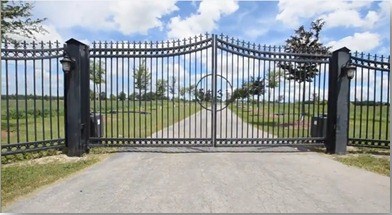  Given not only the principles involved but also the amount of money on the table and a 200 acre piece of land – it is reasonable to conclude that this is far from over. Given not only the principles involved but also the amount of money on the table and a 200 acre piece of land – it is reasonable to conclude that this is far from over.
Everyone watches everything very closely. While the city waits to learn if there is another appeal – you can bet much more than your lunch money that the city and its legal counsel are looking at all the possibilities. The air park people are doing exactly the same thing.
Which is what made a real estate listing on Appleby Line more than just a sign on a lawn. A large property – 88 acres – was listed for a very healthy $7,880,000.The property is described as “near Highway 401- 407, which is true and with a picturesque view of the Escarpment. The listing goes on to say there are possible future developments.
This is north Burlington rural property and was the subject of a lot line adjustment application that was needed by Vince Rossi to expand one of his runways.
Expect someone to complain vociferously to the real estate bodies about what has been called by one Burlingtonian as false and misleading advertising.
The property is on protected, greenbelt land – zoned rural, rural residential, rural agricultural.
It is described as: Gated Luxury Custom Built Ranch Style Bungalow Featuring Approx. 9000 Sq Ft Of Living Space. High Quality Finishes With Detail. Blue Lagoon Salt- Water Pool.
Must be nice. Taxes were shown as $6,880,00
By Pepper Parr
June 15, 2014
BURLINGTON, ON.
Like many good ideas – it starts out in a basement or someone’s garage and if it is right it grows from there.
The Burlington Chapter of 100 Women Who Care were meeting in a pretty drab looking community room at Tansley Wood and while the number of people involved was growing the rate of growth was a little disappointing.
Then out of the blue, BDO offered to cover the cost of a location that was certainly higher up the food chain. The June 18, 2014, from 7:30 – 8:30 p.m. will be held at the Burlington Golf & Country Club at 422 North Shore Blvd. E., Burlington.
BDO is the fifth largest single national accounting and advisory partnership in Canada with over 100 offices nationwide. It is a member of BDO International Limited, a UK company. The offer to pay for the Golf and Country Club space makes for a much nicer setting.
Marion Goard, one of the Burlington Chapter’s founding members announced that another local business – Dermetics, a firm that offers medical, surgical and cosmetic dermatology services had stepped up and gotten involved.
The Dermetics support is unique and solves a problem that many small local firms have when deciding where and how to support the community. “The office manager at Dermetics” explained Goard, “reached out to me with an offer to support 100 Women. The rationale behind this is that they receive a fair number of requests for support from various sources and have a tough time determining who to support. By being involved with us, they know that their financial contribution is going to great causes, is being spread out across the city and they get their staff involved.
 Dermetics registered 10 memberships with Woman Who Care. This allows 10 of their staff to attend the meetings where they participate fully – as if they were funding their donation themselves however Dermetics will write the cheque to the recipient organization. Dermetics registered 10 memberships with Woman Who Care. This allows 10 of their staff to attend the meetings where they participate fully – as if they were funding their donation themselves however Dermetics will write the cheque to the recipient organization.
This is something a number of organizations might find very useful – it allows the company to support the community without tying up staff in the selection process. It also lets staff attend the meeting and be part of that selection process. It will be interesting to see if anyone else picks up on this.
The 100 Women Who Care model has its roots in the United States with several chapters forming across the U.S. and Canada since 2006. The mandate of the group is simple: 100 women or more meet four times a year to choose from three charities nominated for consideration. Members cast their ballot and then each write a $100 cheque for the charity that gets the winning vote. The goal is to raise a minimum of $40,000 annually ($10,000 x 4 meetings) in support of local initiatives.
The Burlington Chapter, founded by Marion Goard, Pat Grant, Megan Teall and Laurel Hubber, held its first meeting at the beginning of this year raising more than $3,000 for the Burlington Humane Society. At their second meeting they raised $4,000 for Halton Women’s Place.
Part of the appeal of 100 Women Who Care is that at each meeting the beneficiary of the last donation has a chance to address the membership to thank the group and to share how the donation will have an immediate impact in our community. “On Wednesday, Kaitlin Gordon, Development Coordinator from Halton Women’s Place will share with us how our $4,000 donation is making a difference to women’s lives in Halton. After Ms Gordon’s presentation, our members will listen to three 5-minute presentations about three new charities, take a vote and make their donations to the chosen beneficiary immediately afterwards,” says Goard.
Heading into the third meeting, support for 100 Women Who Care Burlington continues to grow. “We always welcome individual members as well as businesses who wish to be corporate sponsors to join us at our June meeting,” says Goard. “And whether you are new to the group or are already a member, we’re sure everyone will be excited to see how a small group of women can make a difference in our community – in just one hour.”
You can RSVP your attendance to info@100womenwhocareburlington.com. Nominations for charities/organizations can be filled out online ahead of the meeting at Nominations will also be accepted the night of meeting.
Registration begins at 7:00 p.m., with the meeting starting promptly at 7:30 p.m.
Goard does point out that the Burlington Chapter has some catching up to do. “I learned that the Greater St. Johns March donation exceeded $29,000 and they have over 900 ‘Likes’ on their Facebook page. We definitely have a ways to go to keep up with them. I’m not sure what’s holding things back here.”
Maybe the Golf and Country setting will make the difference.
|
|